Why Some Series Feel Better on Rewatch
- The second watch changes the story
- Foreshadowing you missed the first time
- Character arcs become clearer
- How editing and sound guide your attention
- When a rewatch reveals flaws
- bookmark
The second watch changes the story
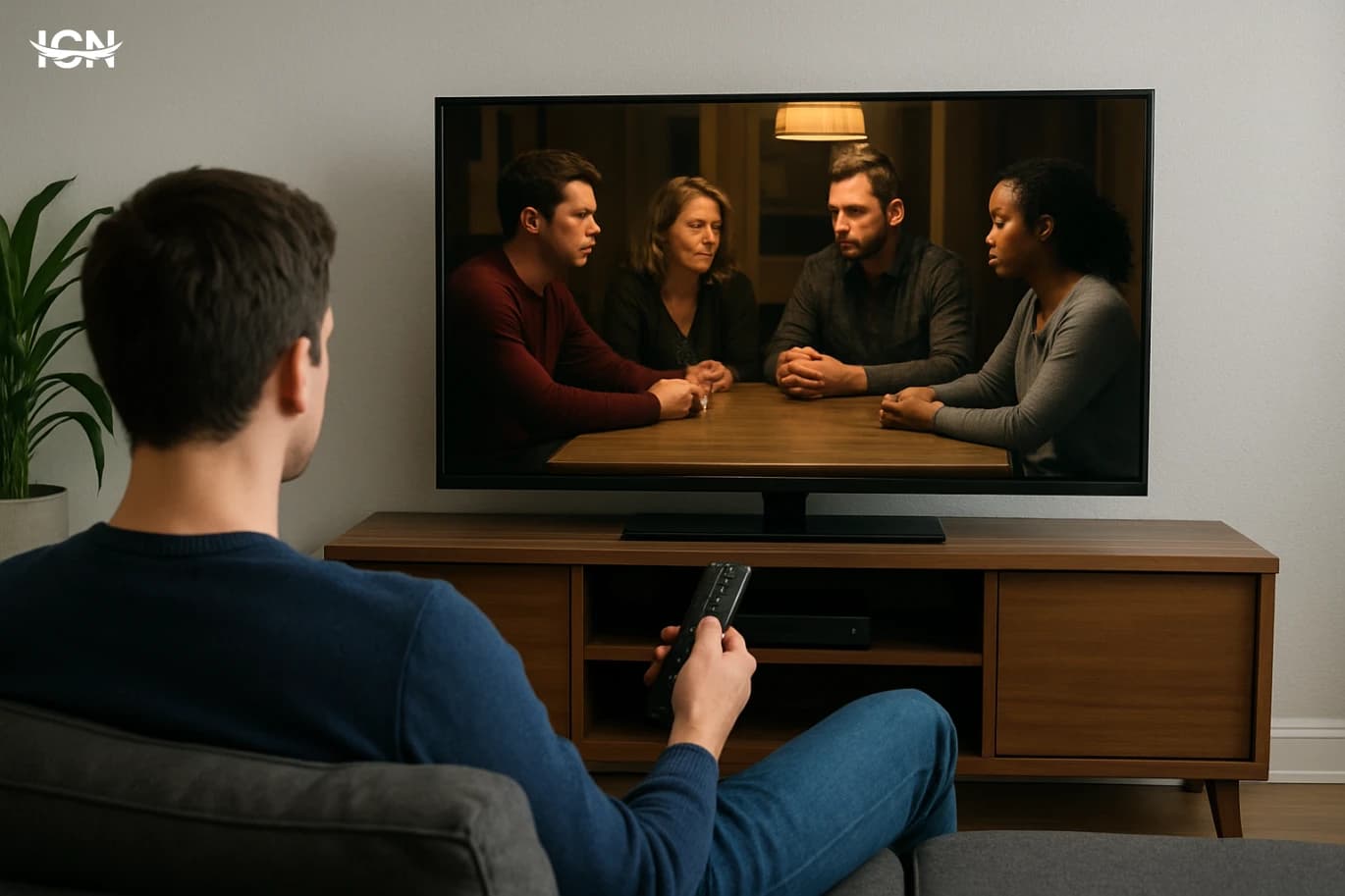
A first viewing is usually about keeping up: who did what, what the rules of the world are, and where the plot is heading. On a rewatch, that pressure drops. You already know the big turns, so your attention shifts to structure, pacing, and the small choices that hold the narrative together. Scenes that once felt like setup often reveal themselves as carefully placed signals about character motives, future conflicts, and the show’s internal logic. This is why some series feel “better” the second time. The pleasure comes from recognizing how the writers and directors built the season’s arc, not just from being surprised. You notice how early episodes establish patterns in dialogue, camera framing, and music that pay off later. A line that sounded casual becomes a clue; a background detail becomes a quiet promise. Rewatching turns the experience from consumption into analysis, and the best shows are designed to reward that shift.
Foreshadowing you missed the first time
Foreshadowing is not just a dramatic hint before a twist. In strong series, it can be a network of small, consistent signals: a character’s repeated phrasing, a habit that reveals stress, a prop that appears in key moments, or a recurring location that anchors the theme. On the first watch, these elements blend into the flow because you are focused on outcomes. On the second watch, you can track how often they appear and how they evolve. Rewatching also clarifies what is intentional versus accidental. When a show is tightly produced, early episodes often contain information that only becomes meaningful later, and it does so without breaking realism. You might notice how a character avoids certain topics, how side conversations mirror the main conflict, or how the editing lingers on a detail for half a second longer than necessary. These are not “Easter eggs” for trivia; they are part of the storytelling economy that makes the world feel planned rather than improvised.
Character arcs become clearer
Many viewers remember plot points more than character logic. Yet the lasting value of a series often comes from how people change under pressure. On a rewatch, you can map a character’s arc with more precision: what they want in episode one, what they say they want, and what their actions actually show. You can also see how secondary characters function as mirrors, warnings, or catalysts rather than just “support.” This clarity changes how you judge decisions. A choice that felt irrational the first time may read as consistent when you notice earlier patterns: avoidance, pride, insecurity, or a specific moral boundary. Rewatching also highlights performance details—pauses, eye movements, shifts in tone—that signal internal conflict before the script states it. For actor-driven series, this is where the second watch can feel richer than the first, because you are no longer distracted by the question of what happens next.
How editing and sound guide your attention
Rewatching is a practical way to understand craft. Editing determines what you notice and what you ignore: when a reaction shot is held, when a scene cuts away before an answer, and how parallel storylines are interwoven to create tension. On the first watch, these choices feel invisible because they are doing their job. On the second, you can see the mechanics—especially in episodes that juggle multiple locations or timelines. Sound design and music also become more legible. A theme might appear in different arrangements to signal shifting alliances or emotional states. Ambient sound can tell you whether a space is safe, public, or controlled. Even silence can be a cue, used to isolate a character or to make a decision feel heavier. When you already know the plot, you can focus on these production layers and understand why a scene felt urgent, calm, or unsettling without relying on dialogue alone.
When a rewatch reveals flaws
Not every series improves on rewatch. Some rely heavily on surprise, and once the twist is known, the pacing can feel stretched. Others use mystery as a cover for thin character work, so the second watch exposes gaps: motivations that shift without groundwork, rules that change to serve the plot, or conflicts that resolve too conveniently. Rewatching is a stress test for coherence. This is not necessarily negative. It helps viewers articulate why a show did or did not work beyond personal taste. You can separate “I was entertained” from “the story holds up.” It also explains why certain series are widely rewatched while others are consumed once and forgotten. A rewatch-friendly show tends to have consistent internal rules, layered characterization, and scenes that carry more than one function—moving the plot while deepening theme or relationships.
bookmark
If you want to test whether a series is truly rewatchable, pick one episode from early in the season and watch it again after finishing the finale. Take notes on three things: what information is planted early, how the main character’s goal is framed, and which scenes gain new meaning with context. Pay attention to recurring objects, repeated lines, and the way the camera treats certain characters—who gets close-ups, who is kept at a distance, and when that changes. A practical approach is to rewatch with a specific lens each time. One pass can focus on character decisions, another on editing and sound, and another on the show’s rules and continuity. This method keeps the experience engaging and helps you understand why some series become comfort viewing while still feeling intellectually rewarding. The best rewatch is not about nostalgia; it is about seeing the construction clearly and appreciating the discipline behind it.