How Streaming Changed TV Episode Length
- The old TV clock
- Streaming breaks the template
- What longer episodes do to storytelling
- Why some shows are getting shorter
- How to judge pacing as a viewer
- What comes next for episode length
The old TV clock
For decades, episode length on broadcast and cable TV was shaped less by storytelling and more by the schedule. In the US model that influenced many markets, a “half-hour” comedy typically delivered about 21–22 minutes of story, with the rest reserved for ads and promos. A “one-hour” drama often landed around 42–44 minutes. That structure created predictable rhythms: cold open, title sequence, act breaks, and a final beat timed to the minute. Writers learned to build mini-cliffhangers before commercial breaks, and directors planned coverage around those turning points. This clock also affected international distribution. When networks bought shows from abroad, they often needed episodes to fit local ad loads, leading to edits or split episodes. Even in countries with different advertising rules, the idea that a comedy is “about 22 minutes” became a production norm. Viewers rarely questioned it because the experience was consistent: you could start a show at 8:00 and know roughly when it would end, which mattered for family viewing and channel surfing. The result was a strong industry standard that shaped budgets, staffing, and even acting choices. A 22-minute comedy could be shot faster and cheaper than a 44-minute drama, and both were easier to plan than variable-length content. The schedule was the product, and the episode was built to fit it.
Streaming breaks the template
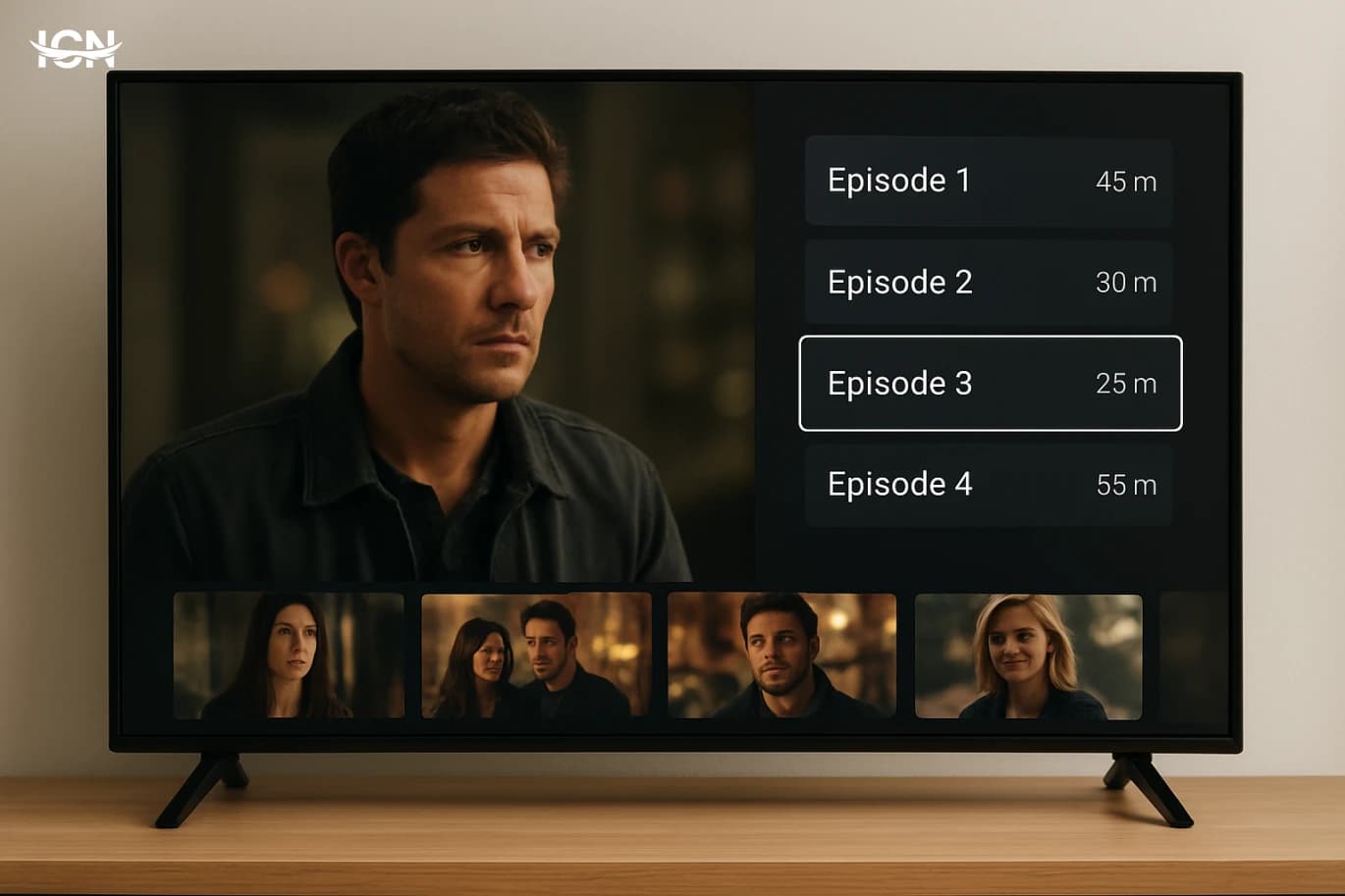
Streaming platforms removed the need to hit a precise runtime for ad breaks, and that single change opened the door to flexible episode lengths. A season could include episodes ranging from the low 30s to well over an hour, depending on what the story needed. Creators gained room to extend a tense sequence, let a conversation breathe, or end an episode exactly where the emotional peak lands rather than where the schedule demands. This flexibility also changed how audiences watch. Without a fixed time slot, viewers choose when to start and stop, and many watch multiple episodes in one sitting. That behavior reduces the importance of strict act breaks designed to keep people through commercials. Instead, platforms care about “next episode” momentum and completion rates. A strong ending still matters, but it can be built around narrative logic rather than a broadcast clock. However, streaming did not eliminate constraints; it replaced them. Platforms track engagement minute by minute, and that data can influence decisions about pacing and length. Some shows keep episodes tight to encourage bingeing, while others use longer runtimes to deliver a premium feel. The key shift is that runtime becomes a creative and strategic choice, not a fixed requirement. In practice, many series now treat episode length as an adjustable tool, similar to how filmmakers decide scene length in a feature. The result is a wider range of formats within the same genre. Two contemporary dramas can feel completely different not only in tone but in how they allocate time: one might deliver compact, plot-heavy episodes, while another invests in atmosphere and character detail with longer chapters.
What longer episodes do to storytelling
Longer episodes can deepen character work and world-building, but they also raise the bar for pacing discipline. When a series has 60–75 minutes to fill, it can explore secondary characters, show the consequences of a decision, or stage set pieces with more detail. This is especially useful in genres that rely on immersion, such as historical drama, science fiction, or complex workplace stories where the environment matters. Yet extra time can expose weak structure. Without clear narrative goals, longer episodes may drift into repetition or scenes that feel like connective tissue. Viewers notice when an episode could have ended earlier. That is why many successful streaming series still use internal “acts,” even without commercials. They build mini-arcs: a question introduced early, complications in the middle, and a payoff near the end. The difference is that these beats can be unevenly spaced and tailored to the episode’s needs. Longer runtimes also affect performance and direction. Actors can play more gradual emotional shifts rather than hitting sharp turns at act breaks. Directors can hold on moments longer, use quieter transitions, and vary tempo. But production realities matter: more minutes on screen often mean more shooting days, more locations, and heavier post-production. Some shows solve this by using longer episodes selectively, making season finales or key installments bigger while keeping others shorter. In short, longer episodes are not automatically better; they are a different tool. When used well, they create a sense of scale and depth. When used poorly, they can feel like a lack of editing.
Why some shows are getting shorter
Interestingly, the same streaming environment that enabled longer episodes has also encouraged shorter ones. Competition for attention is intense, and many viewers watch on phones during commutes or between tasks. A 28–35 minute episode can feel more approachable than a 70-minute chapter, especially for genres like comedy-drama, reality competition, or light mystery. Shorter episodes can also sharpen storytelling. With less room, writers prioritize the main line, reduce filler, and end on a clear hook. This can improve completion rates and make a season feel fast and cohesive. Some series adopt a “variable but generally short” approach: most episodes are compact, with occasional longer installments when the plot demands it. Budget strategy plays a role too. Even for high-profile productions, platforms and studios manage costs carefully. A shorter runtime can reduce shooting days and post-production load, or allow resources to be concentrated on a few standout episodes. Animation and effects-heavy shows may also prefer shorter episodes to maintain quality and schedule. The key point is that streaming did not create a single new standard; it created a marketplace of formats. Episode length is now part of a show’s identity, and creators can signal what kind of experience they offer: quick, snackable chapters or longer, cinematic episodes.
How to judge pacing as a viewer
If episode length is no longer a reliable guide, viewers can evaluate pacing with a few practical questions. First, does each episode have a clear purpose? Even in slow-burn series, an episode should advance a relationship, reveal new information, or change the stakes. Second, are scenes doing more than one job? Strong episodes often combine plot movement with character insight, rather than separating them into “story scenes” and “character scenes.” Third, pay attention to repetition. If multiple scenes deliver the same point—two conversations that restate the same conflict, or several sequences that only confirm what you already know—the episode may be overlong. Fourth, look at transitions. Good pacing is not only about speed; it is about clarity. When a show jumps between locations or timelines, the episode needs clean signposts so viewers are not spending energy just to track where they are. Finally, consider how the ending feels. A satisfying episode ending does not have to be a cliffhanger, but it should feel like a completed unit: a decision made, a truth revealed, a plan set in motion. Streaming gives creators freedom, but the audience still wants structure. When a series respects that, variable runtimes become a strength rather than a distraction.
What comes next for episode length
The next phase is likely to be shaped by a mix of creative ambition and platform economics. Some services are reintroducing ad-supported tiers, which can nudge certain shows back toward more standardized runtimes, especially for broad-audience genres. At the same time, premium dramas and event series will continue to use flexible lengths to differentiate themselves. We may also see more intentional season design. Instead of treating every episode as roughly equal, creators can plan a season like a set of chapters with different sizes: shorter episodes for setup and momentum, longer ones for turning points, and a finale that earns its length. This approach mirrors how nonfiction series and documentaries already vary installment length based on available material. For viewers, the practical outcome is choice. The “right” episode length will depend on the show’s goals and the audience’s habits. The most successful series will be those that make runtime feel invisible—where you notice the story, not the minutes. In a market crowded with options, that discipline may become the real standard, regardless of whether an episode is 32 minutes or 72.