Why Limited Series Keep Winning Viewers
- The shift from long seasons to tight stories
- Writing that respects time and attention
- Casting and performances built for impact
- How streaming economics favor limited runs
- When a limited series should not be extended
- What to look for before you press play
The shift from long seasons to tight stories
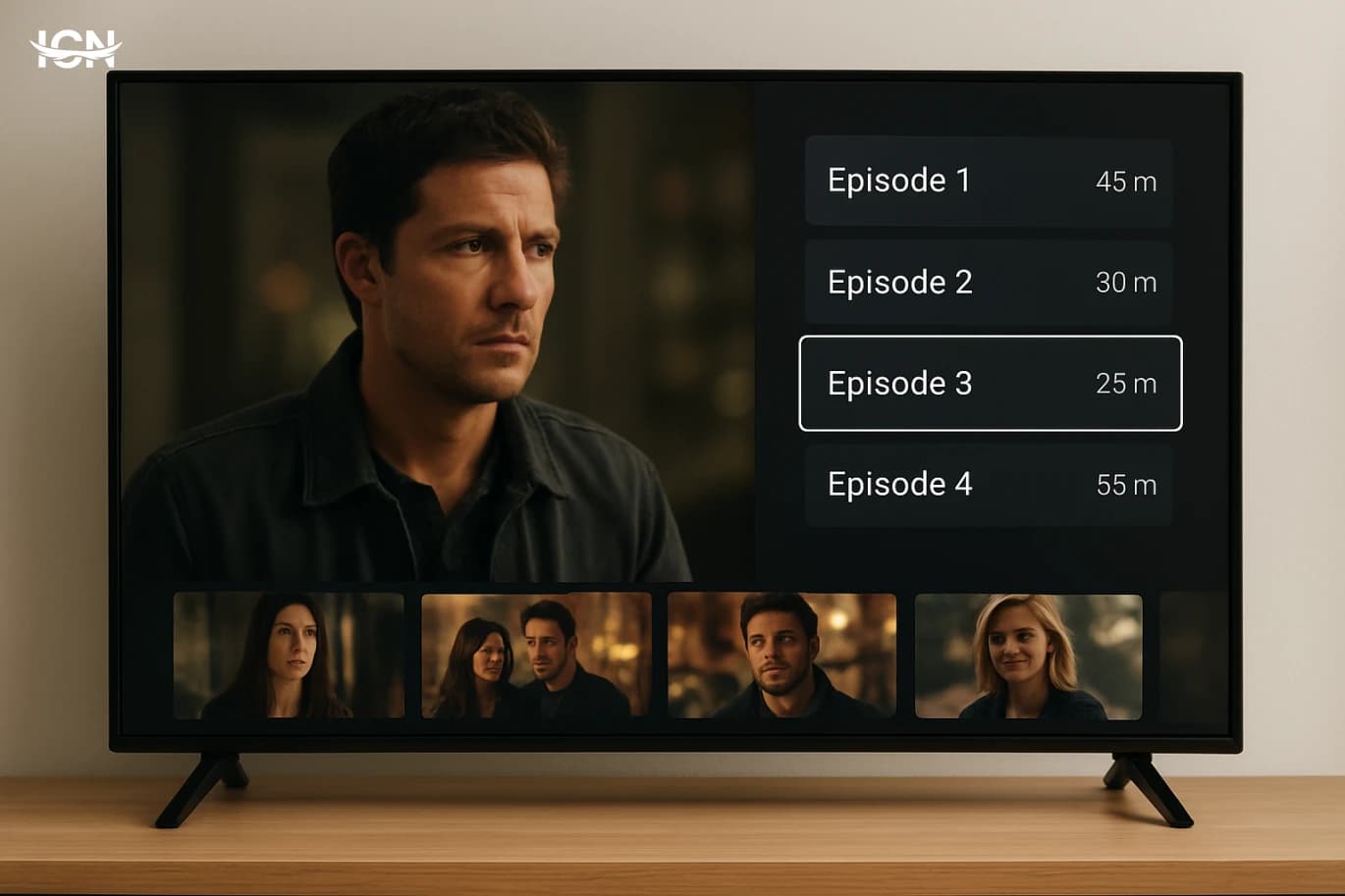
Over the last decade, the limited series has moved from a niche format to a mainstream default. Viewers who once committed to 20-plus episode seasons are now choosing stories designed to end in six to ten episodes. This shift is not just about shorter attention spans; it is about predictability and trust. A limited series signals that the creators have a planned arc, a defined ending, and fewer filler episodes. That clarity matters in a crowded streaming environment where audiences weigh every new start against the risk of cancellation or a dragged-out plot. The format also changes how people watch. A compact season fits into a weekend, a workweek, or a flight schedule, making it easier to recommend. When a show is easy to finish, it becomes easier to discuss, which fuels word-of-mouth. For platforms, the limited series offers a clear marketing hook: a complete story, now available. That promise reduces the barrier to entry and helps a title break through the noise.
Writing that respects time and attention
Limited series writing tends to prioritize momentum. With fewer episodes, each scene must justify its place, and subplots are chosen for impact rather than volume. This often results in cleaner character arcs: motivations are introduced early, conflicts escalate steadily, and payoffs arrive without prolonged detours. The best limited series also manage pacing with discipline, using episode endings as deliberate turning points rather than artificial cliffhangers. This structure can improve viewer satisfaction. Many long-running shows rely on repeating story engines to sustain multiple seasons, which can dilute tension. In contrast, a limited series usually has one central question and a finite set of answers. That focus helps audiences track details and feel rewarded for paying attention. It also encourages rewatching, because the narrative is compact enough to revisit and notice foreshadowing, visual motifs, or subtle performance choices.
Casting and performances built for impact
The limited series has become a magnet for high-profile actors and directors who want prestige without a multi-year commitment. For performers, the appeal is practical: a defined shoot schedule, a complete character journey, and the chance to play a role with a beginning, middle, and end. For directors, it offers room for a cohesive visual plan across all episodes, closer to a long film than an open-ended television run. This concentration of talent can elevate the overall quality. When a production knows it has a fixed number of hours, it can allocate resources more strategically: fewer sets, more detailed locations, and tighter rehearsal time. Performances often benefit from the clarity of the arc, because actors can calibrate changes in tone and behavior with the ending in mind. The result is frequently a show that feels deliberate rather than improvised season to season.
How streaming economics favor limited runs
From a business perspective, limited series align well with streaming priorities. Platforms compete on subscriber growth and retention, and a complete, buzzworthy title can drive sign-ups quickly. Limited series also reduce long-term risk: there is no need to renegotiate escalating cast salaries over multiple seasons, and the production timeline is easier to forecast. Marketing is simpler too, because the campaign can focus on one launch window rather than repeated seasonal rollouts. There is also an algorithmic advantage. A limited series can generate a concentrated spike in viewing hours, completion rates, and social conversation, which helps it surface in recommendations. Because the story ends, viewers are more likely to finish, and completion is a strong signal for platforms. In many cases, a limited series becomes a reliable “event” product: a title that can dominate attention for a short period and then make room for the next release in a packed content calendar.
When a limited series should not be extended
Success creates temptation: if a limited series becomes a hit, pressure builds to produce a second season. But extension can undermine what made the original work. A story designed to close its central question may struggle to justify new conflicts without repeating itself or changing tone. Viewers notice when a continuation feels like a business decision rather than a narrative necessity. A better approach is to treat the limited series as a complete unit and, if the brand must continue, explore adjacent options. Anthology structures can preserve the “limited” promise by telling a new story with a new cast under the same thematic umbrella. Spin-offs can work if they focus on a character with genuine unexplored depth, not simply popularity. The key test is simple: does the continuation offer a new central question that can be answered with the same level of discipline?
What to look for before you press play
Not every short run is automatically better. Before starting a limited series, check whether it is truly designed to be limited or simply labeled that way. Look for clear signals: a stated episode count, a defined source material with an ending, or interviews where creators describe a complete arc. Reviews can also reveal whether the middle episodes maintain purpose or drift. Pay attention to craft indicators that often separate strong limited series from forgettable ones. Does the first episode establish the central question and the stakes without overloading exposition? Do supporting characters have specific functions rather than vague presence? Is the tone consistent across episodes, suggesting unified direction and editing? Finally, consider your own viewing goals. If you want a contained story with a decisive ending, a limited series is ideal. If you prefer long-term character companionship, a multi-season show may still be the better fit.