How Streaming Changed TV Episode Length
- From fixed slots to flexible runtimes
- What writers gain and what they lose
- Editing, budgets, and production realities
- Binge viewing and the new pacing math
- How viewers can judge a runtime choice
- bookmark
From fixed slots to flexible runtimes
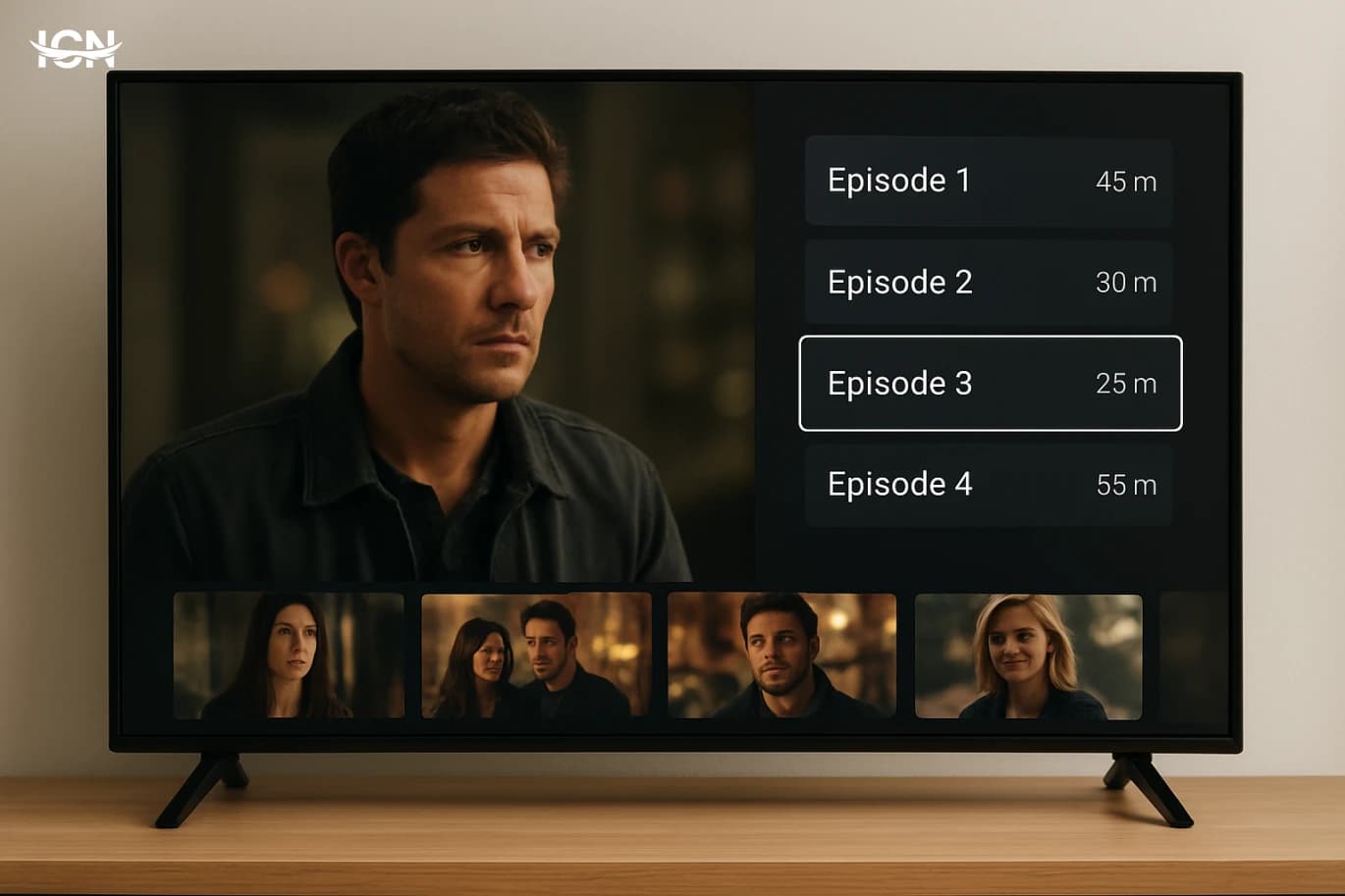
For decades, episode length was largely dictated by broadcast schedules and ad breaks. A “half-hour” comedy typically landed around 21–23 minutes, while an “hour-long” drama often hovered near 42–45 minutes. Those numbers were not creative choices as much as they were packaging rules: networks needed predictable blocks to sell commercials and keep nightly lineups consistent. Writers’ rooms learned to build story beats around act breaks, cliffhangers before ads, and a final button that fit the clock. Streaming platforms loosened that structure. Without the same dependence on mid-episode ad inventory, series could stretch or compress to match the material. One episode might run 34 minutes, the next 58, depending on pacing, scene count, and narrative density. This shift has changed how audiences experience rhythm: instead of feeling the same cadence every week, viewers often get episodes that feel shaped by the story rather than the schedule. The result is not automatically better, but it is measurably different in how it affects tension, humor timing, and the sense of momentum across a season.
What writers gain and what they lose
Flexible runtimes can be a gift to writers. A character-driven episode can linger on quieter scenes without racing to hit an ad break, while a plot-heavy installment can move quickly without padding. This is especially useful for shows that mix genres—comedy with drama, or mystery with family storylines—because the balance can shift episode by episode. In practice, it can also reduce the need for “filler” subplots created mainly to reach a target length. But freedom creates new pressures. Without a fixed clock, the discipline of trimming can weaken, and scenes that would have been cut for time may remain. That can lead to episodes that feel long without being richer, or to pacing that drifts because there is no structural reminder to escalate at specific minutes. Writers also lose the built-in act-break architecture that helped organize tension. Many streaming shows still use internal act breaks, but they are now creative choices rather than mandatory engineering. The best results tend to come from teams that treat runtime flexibility as a tool, not a default, and that still measure each scene against a clear purpose: reveal, turn, or payoff.
Editing, budgets, and production realities
Runtime is not only a writing decision; it is a production decision with cost implications. Longer episodes can mean more shooting days, more locations, and more post-production time. Even when a show has a strong budget, the schedule is still finite. Streaming series often aim for cinematic polish, which can raise the cost per minute compared with traditional TV. That makes the question of “Do we need these extra eight minutes?” a real business discussion, not just an artistic one. Editing becomes the key gatekeeper. In broadcast TV, editors were trained to hit a precise duration. In streaming, editors may be asked to protect pacing rather than a number, which changes the criteria for cuts. Music, transitions, and scene length can expand because there is no hard stop. At the same time, platforms and producers still track completion rates and viewer drop-off. If analytics show that audiences abandon episodes at certain points, the creative team may respond by tightening future episodes, even without a formal runtime rule. In other words, the clock did not disappear; it moved from the schedule to the data dashboard.
Binge viewing and the new pacing math
Episode length feels different when viewers watch multiple episodes in a row. In weekly broadcast, a 45-minute drama had a built-in pause: you waited seven days for the next chapter. In streaming, the next episode is one click away, so the “end of episode” function changes. Some shows use shorter episodes to encourage momentum and reduce fatigue, while others use longer episodes to create a feature-like experience. This has also changed how cliffhangers work. In broadcast, a cliffhanger had to be strong enough to bring you back next week. In streaming, it often needs to be strong enough to keep you from stopping for the night. That can lead to different placement of reveals and twists, sometimes closer to the final minute. Meanwhile, variable runtimes can smooth a season’s flow: a mid-season episode might be shorter to reset the board, while a finale might expand to handle multiple payoffs. The risk is viewer exhaustion if too many episodes run long without clear narrative justification. The most successful seasons tend to manage energy like a playlist: mixing lengths and intensities so that the audience feels guided rather than overwhelmed.
How viewers can judge a runtime choice
A useful way to evaluate episode length is to look for narrative necessity. Does the extra time deepen character motivation, clarify stakes, or deliver a payoff that would feel rushed otherwise? Or does it repeat information, extend scenes past their peak, and rely on atmosphere to fill minutes? Viewers often sense the difference even if they cannot name it: purposeful length feels immersive, while unnecessary length feels slow. Another indicator is structural clarity. Even without ad breaks, strong episodes still have turning points: a decision, a revelation, a setback, a new goal. If an episode runs 60 minutes but has only one major turn, it may feel flat. If a 35-minute episode has multiple clean turns and a satisfying resolution, it can feel complete. Finally, consider season context. A longer premiere might be justified to establish a world and ensemble, while a longer finale might be needed to close arcs. The key question is consistency of intent: the runtime should serve the story’s job in that specific chapter, not the platform’s ability to ignore the clock.
bookmark
If you want to track how streaming-era runtimes affect your own viewing, try a simple log for one season. Note each episode’s length, the moment you felt your attention dip, and whether the ending made you immediately start the next episode. After a few entries, patterns appear: some shows use shorter mid-season episodes to accelerate plot, while others expand around major reveals. You can also compare two series in the same genre to see how different runtime strategies shape tone—one might feel brisk and plot-forward, another more reflective and character-heavy. This kind of viewer note-taking is not about turning entertainment into homework. It is a practical way to understand why certain shows feel “addictive” and others feel “dragged out,” even when both have strong casts and high production values. In an era where episode length is a choice rather than a rule, paying attention to that choice can make you a sharper viewer and can help you pick series that match your preferred pace.