How Streaming Changed TV Episode Length

- From fixed slots to flexible runtimes
- The economics behind runtime choices
- How writers reshape structure and pacing
- Binge watching and the new viewer contract
- What it means for creators and audiences
From fixed slots to flexible runtimes
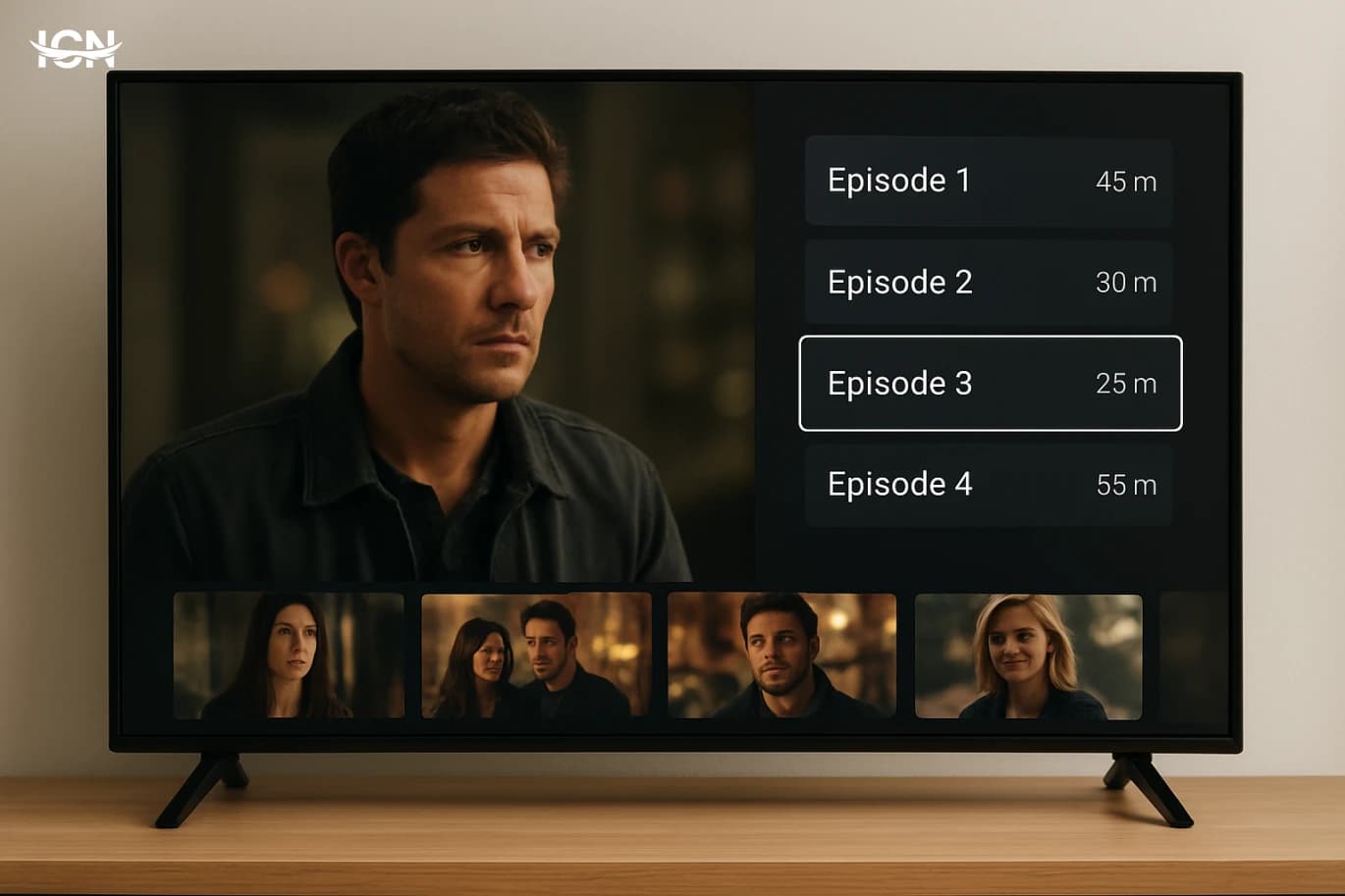
For decades, TV episode length was shaped less by storytelling and more by the clock. Broadcast networks built schedules around predictable blocks, and episodes were engineered to fit them. A “half-hour” comedy typically delivered about 20–22 minutes of story once commercials were removed, while an “hour-long” drama often landed around 42–44 minutes. Those numbers were not creative preferences as much as operational requirements: stations needed consistent timing to sell ads, run local breaks, and keep viewers from drifting away between programs. Streaming disrupted that logic. When a platform releases episodes on demand, it no longer needs every show to fit into a rigid grid. That freedom has gradually changed what audiences consider normal. Some series now vary episode length within the same season, and others stretch beyond traditional limits when a plotline needs extra space. The result is a new set of expectations: viewers may accept a 28-minute comedy episode one week and a 45-minute one the next, as long as the pacing feels justified. This shift is not just a technical detail. Runtime influences how many scenes a writer can include, how long a director can hold on a moment, and how editors shape rhythm. It also affects budgets, production schedules, and how quickly audiences move through a season. Understanding why episode lengths are changing helps explain why many modern series feel structurally different from older network television.
The economics behind runtime choices
Episode length is also a financial decision. On ad-supported broadcast TV, a shorter story runtime left room for commercials, and those commercial minutes were the product. Streaming flipped the model. Subscription platforms earn primarily through retention, so the key question becomes: does an episode keep people watching and reduce cancellations? That can encourage longer episodes when they feel “premium,” but it can also reward tighter episodes that make a season easier to finish. Production costs complicate the picture. A longer episode can mean more shooting days, more locations, additional visual effects, and extended post-production. Even if a platform is willing to fund ambitious storytelling, it still has to manage schedules and deliverables. That is why many series settle into a range rather than going fully variable. A drama might hover between 45 and 60 minutes, with occasional outliers for finales or major turning points. Another factor is global distribution. Streaming platforms release shows to audiences with different viewing habits and time constraints. A commuter-friendly 35–45 minute episode may travel better than a 75-minute installment, especially for viewers who watch in short sessions. Platforms also analyze completion rates, pause points, and drop-off moments. If data shows that viewers regularly stop at the 50-minute mark, creators may be nudged toward a tighter cut. Ultimately, runtime becomes a negotiation between creative intent and measurable behavior. The most successful series tend to use their flexibility strategically: they extend episodes when it adds clarity or emotional impact, and they shorten them when the story benefits from speed.
How writers reshape structure and pacing
Traditional network episodes were built around act breaks designed for commercials. Writers planned mini-cliffhangers before each ad break, and the rhythm of tension and release was predictable. Streaming removes that requirement, but it does not remove the need for structure. Instead, writers often build episodes around internal turning points: a reveal at minute 15, a reversal around minute 30, and a final beat that pushes viewers into the next episode. Flexible runtimes can also change how subplots are handled. In a fixed 42-minute drama, a secondary storyline might be reduced to a few scenes. With more room, writers can deepen supporting characters, show consequences, and let relationships evolve through action rather than exposition. The risk is bloat. Without the discipline of a hard time limit, some episodes add scenes that repeat information or delay the main conflict. Comedies face a different challenge. Network sitcoms relied on a tight setup-payoff rhythm, often with two or three storylines that intersected. Streaming comedies sometimes stretch scenes, add quieter character moments, or experiment with tone. When it works, the show feels more personal and less mechanical. When it doesn’t, the humor can lose momentum. A practical outcome is that showrunners increasingly think in season arcs rather than episode units. If a season is designed to be watched quickly, an episode can function like a chapter with a specific purpose: introduce a new problem, shift alliances, or deliver a major set piece. Runtime becomes one more tool to control how that chapter lands.
Binge watching and the new viewer contract
When viewers binge a series, they experience episodes back-to-back, and that changes how runtime feels. A 60-minute episode can be satisfying on its own, but three in a row can feel heavy. Conversely, shorter episodes can encourage “just one more,” accelerating completion and making a show feel addictive. Platforms understand this behavior and often design release strategies around it, whether they drop a full season at once or release weekly to extend conversation. Runtime also affects memory and comprehension. In a binge context, viewers may tolerate denser plotting because the next episode is immediately available to clarify details. That can lead writers to pack more information into longer episodes, assuming viewers won’t forget key points. But it can also backfire if the episode becomes overloaded and viewers lose track of motivations. Another shift is the role of recaps. Network TV relied on “previously on” segments because a week passed between episodes. Streaming reduces that need, but not entirely. Some platforms still include recaps because viewers pause for days or switch between multiple shows. If recaps are shorter, episodes may spend less time repeating information, which can make runtimes feel tighter even when they are longer on paper. The new viewer contract is simple: audiences will accept variable episode lengths if each episode earns its time. The moment an installment feels padded, viewers have an easy alternative: they can stop, switch, or abandon the series entirely.
What it means for creators and audiences
For creators, flexible runtimes offer real opportunities. A character-focused episode can breathe without being forced to cut key scenes, and a complex finale can land without rushing. Documentaries and limited series benefit especially, because real-world material rarely fits neatly into a 42-minute template. At the same time, flexibility raises the bar for discipline. Editors and showrunners must decide what truly serves the story, because there is no external schedule forcing cuts. For audiences, the change can be positive when it improves storytelling, but it can also make viewing less predictable. Some viewers prefer knowing that an episode will fit into a lunch break or a commute. That is why many platforms still cluster around familiar ranges, even if they are not required to. The most viewer-friendly approach is consistency with occasional exceptions that feel earned. Looking ahead, the trend is likely to continue in a hybrid form. Ad-supported tiers on streaming services reintroduce time pressures, while premium tiers keep flexibility. Meanwhile, international co-productions and shorter-season orders push creators to think carefully about how much story each episode must carry. The key takeaway is that episode length is no longer a fixed rule. It is a strategic choice shaped by business models, audience behavior, and creative ambition. The best modern series treat runtime as part of the storytelling toolkit, not as a number to hit.