How Streaming Platforms Shape Modern TV Seasons
- The New Season Blueprint
- Binge Drops vs Weekly Releases
- Episode Length and Pacing
- Data, Discovery, and Marketing Windows
- What This Means for Viewers and Creators
The New Season Blueprint
Streaming has turned the TV season from a fixed template into a flexible product decision. Traditional broadcast seasons often ran 20–24 episodes with mid-season breaks and clear sweeps periods. Many streaming originals now land in 6–10 episode blocks, released either all at once or in short weekly runs designed to keep subscriptions active. This shift changes how writers pace stories, how producers budget sets and locations, and how marketing teams plan a show’s visibility window. A shorter season is not automatically “less content.” It is usually a different allocation of resources: fewer episodes, higher average spend per episode, and tighter narrative focus. That can improve consistency, but it also reduces room for standalone episodes that build character depth. The result is a modern season blueprint where the number of episodes, release cadence, and even episode length are negotiated based on audience data, production constraints, and the platform’s broader schedule of releases.
Binge Drops vs Weekly Releases
Release strategy is now part of the storytelling. A full-season drop encourages viewers to watch quickly, which can reward cliffhangers and continuous plot momentum. It also compresses online conversation into a short burst: a show can dominate attention for a weekend and then fade as the next release arrives. Weekly releases stretch the discussion, giving each episode time to generate reviews, recaps, and speculation, which can help a series stay visible for two months instead of two days. For creators, the choice affects structure. Binge-friendly seasons often behave like long films split into chapters, with fewer “reset” moments. Weekly models tend to build mini-arcs per episode and place stronger hooks at the end of each installment. For audiences, the difference is practical: binge drops suit viewers who prefer control over pace, while weekly schedules support shared viewing habits and reduce spoilers. Platforms pick the approach that best matches their retention goals and the type of show they are launching.
Episode Length and Pacing
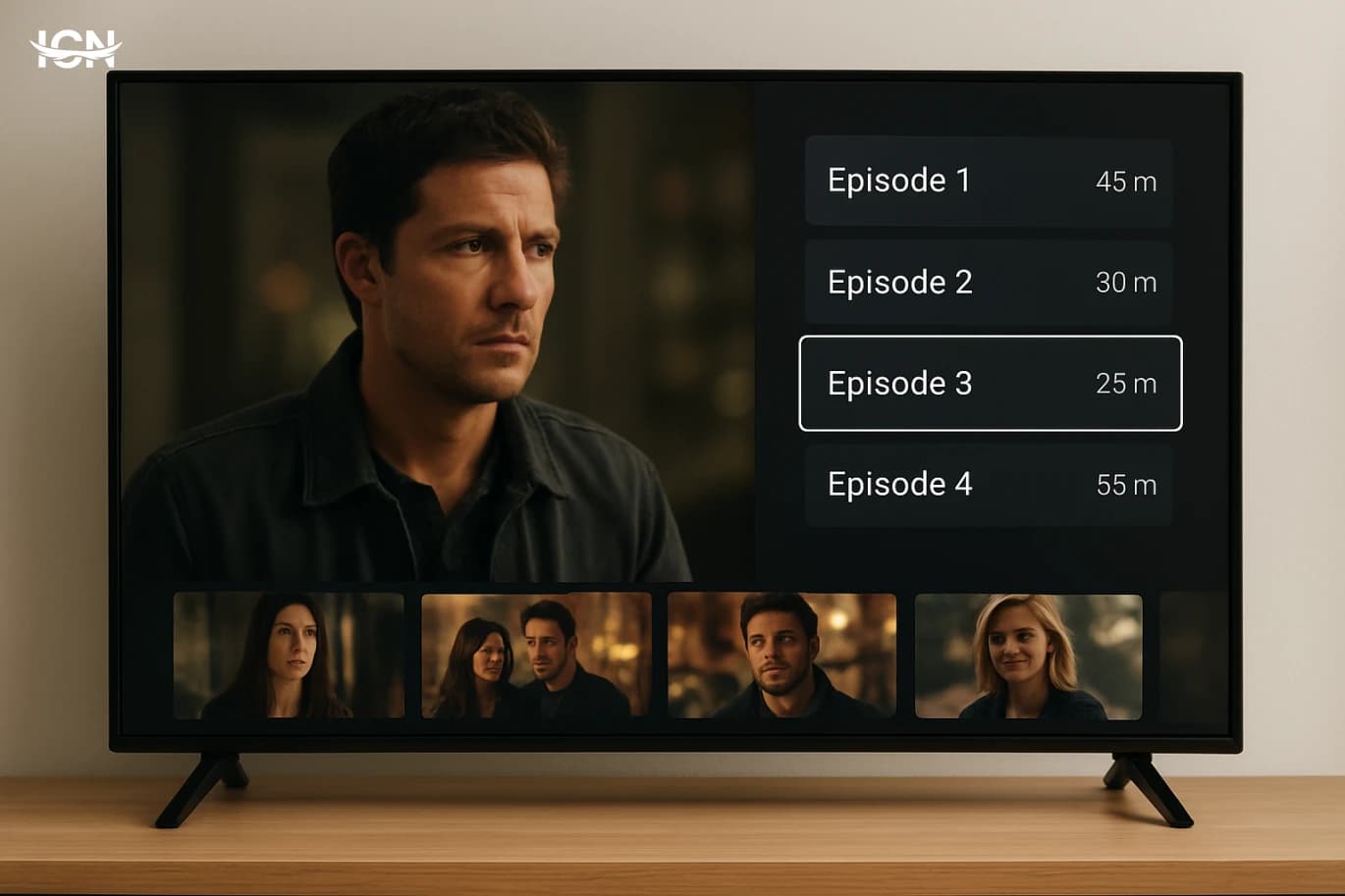
Streaming loosened the old 42-minute and 22-minute rules, but flexibility brings new trade-offs. Some series use variable runtimes to give big episodes room to breathe and keep quieter chapters lean. Others drift into uneven pacing, where long episodes feel padded and short ones feel abrupt. Without a fixed slot, the edit becomes a strategic choice: what information must land in this episode to keep viewers engaged, and what can wait without losing clarity? This affects performance as well. A season with consistently long episodes can be harder to sample, especially for viewers who decide within the first 15 minutes whether to continue. Conversely, shorter episodes can increase completion rates but may limit world-building. Many successful shows aim for a recognizable rhythm even when runtimes vary: a clear opening problem, a mid-episode turn, and a closing beat that signals progress. The best pacing decisions are usually invisible, but they are often the difference between a season that feels tight and one that feels exhausting.
Data, Discovery, and Marketing Windows
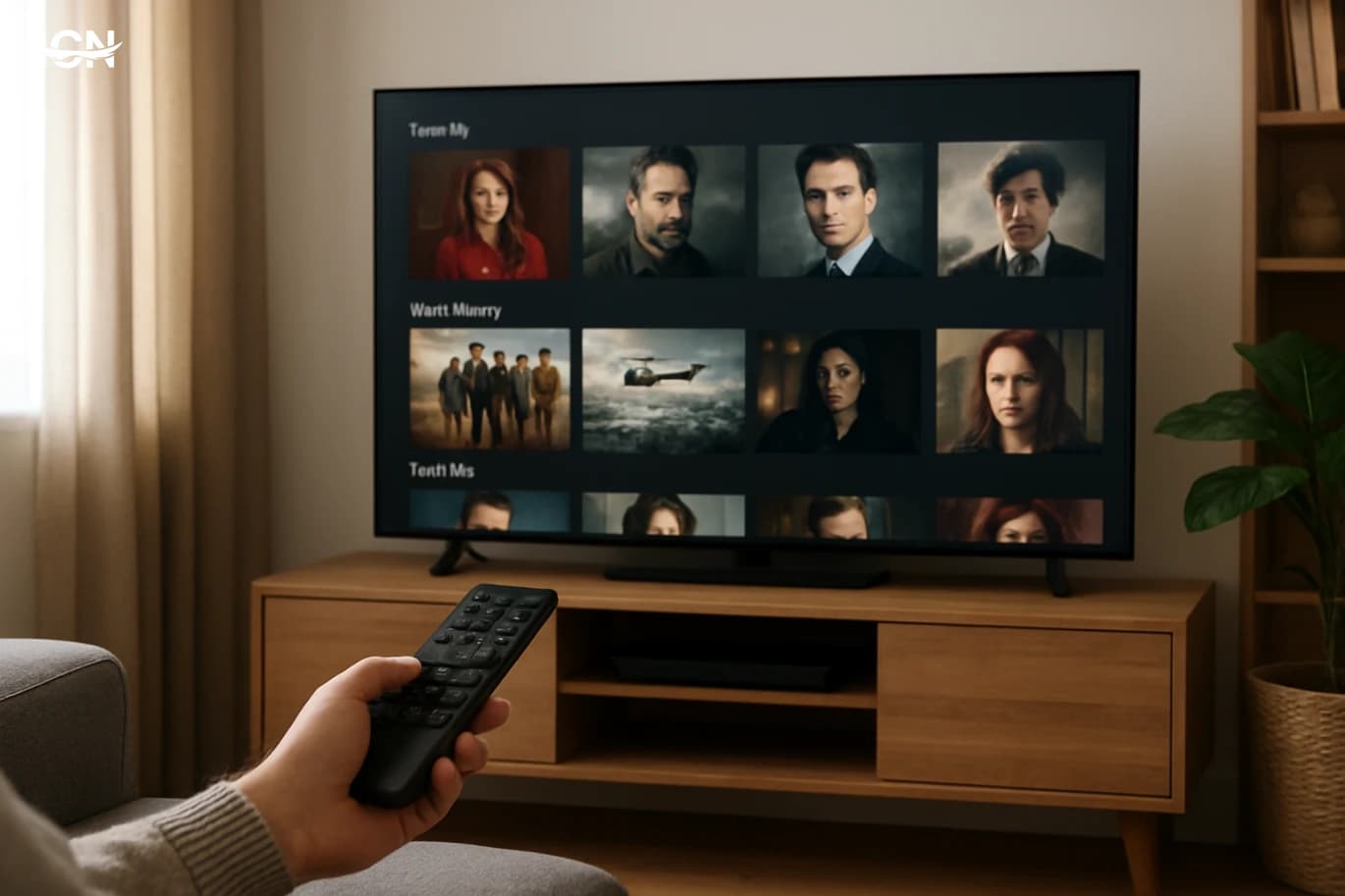
Streaming platforms operate with constant feedback loops. Completion rates, drop-off points, rewatch behavior, and search trends can influence how a show is presented and even how future seasons are shaped. While creative teams still lead story decisions, the platform’s discovery system—home page placement, category rows, autoplay trailers, and recommendation logic—can determine whether a series finds an audience at all. Marketing has also changed. Instead of building toward a single premiere night, campaigns often focus on sustaining attention across a release window. Weekly shows can plan episode-by-episode promotion, while binge releases may rely on a strong opening push and then social amplification. The “window” matters because platforms release a steady flow of content; a show competes not only with other services but with the next title on the same app. That reality encourages clear positioning: a concise premise, recognizable genre signals, and promotional materials that communicate tone within seconds.
What This Means for Viewers and Creators
For viewers, the modern season offers more choice but demands more navigation. You can watch at your own pace, but you also face a crowded library where good shows can be buried. Practical strategies help: sampling the first episode with attention to tone and structure, checking whether the season is designed for binge or weekly viewing, and using watchlists to avoid losing titles in the churn. For creators, the environment rewards clarity and discipline. Shorter seasons require sharper character introductions and earlier stakes. Variable runtimes require a strong internal outline so episodes do not sprawl. Release strategy affects how much recap is needed and how cliffhangers are used. The most resilient shows are built with a clear season question, a midpoint escalation, and an ending that resolves enough to satisfy while leaving room for continuation. In a market where attention is the scarce resource, the craft of season design has become as important as the premise itself.