How Streaming Intros Shape What We Watch
- Why Intros Matter More Than Ever
- The Cold Open as a Retention Engine
- Recaps, Previously On, and Memory Management
- Title Sequences, Branding, and the Skip Button
- Auto-Play, Previews, and the First Impression Economy
- What to Notice Next Time You Press Play
Why Intros Matter More Than Ever
In the streaming era, the first 30 seconds of a show often decide whether it gets a full episode, a quick skim, or an immediate exit. Platforms have trained audiences to treat content like an endless shelf, and that changes how creators design openings. A cold open that delivers a clear hook, a title sequence that signals tone, and a recap that refreshes key facts are no longer just stylistic choices; they are retention tools. This matters because streaming viewing is frequently fragmented. Many people watch on phones, during commutes, or while multitasking at home. In that environment, intros must compete with notifications, background noise, and the temptation to switch to something else. When a show’s opening quickly establishes stakes, characters, and genre, it reduces the mental effort required to keep watching. That lowered “entry cost” is one reason some series feel instantly bingeable. At the same time, the rise of the “Skip Intro” button has created a paradox. Title sequences can be iconic branding and mood-setting, but they also risk being treated as disposable. The most successful modern intros often anticipate skipping by placing essential narrative information in the cold open, while using the title sequence to reinforce identity rather than deliver plot. The result is a new language of openings shaped by platform design and viewer behavior.
The Cold Open as a Retention Engine
The cold open—starting the story before any titles—has become a practical response to short attention spans and algorithm-driven discovery. When viewers land on a show through an auto-play preview or a recommendation row, they may not have context or patience. A cold open can deliver a mini-story with a question that demands an answer: a surprising reveal, a tense conversation, or a problem that needs solving. From a craft perspective, the cold open often does three jobs at once. First, it establishes the show’s promise: what kind of experience you are about to get. Second, it introduces a central conflict or a character goal quickly enough that the viewer can orient themselves. Third, it creates a “just one more minute” effect that carries the audience into the main episode. There is also a structural advantage in episodic storytelling. A strong cold open can function like a headline, framing the theme of the episode. In comedies, it may deliver a self-contained gag that sets the rhythm. In dramas, it can present a mystery that the episode will unpack. In reality and competition formats, it can preview a high-stakes moment to keep viewers invested through setup scenes. The common thread is efficiency: the opening must earn attention before the viewer’s thumb reaches for another title.
Recaps, Previously On, and Memory Management
Recaps used to be a broadcast necessity, but streaming has given them a new role: managing long gaps between episodes and helping viewers re-enter complex stories. With staggered releases, mid-season breaks, and the reality of people watching multiple shows at once, memory becomes a bottleneck. A well-edited “Previously On” can reduce confusion and keep the narrative moving. The most effective recaps are selective, not comprehensive. They highlight the few details that will matter in the next 40 minutes: a promise someone made, a clue that was overlooked, a relationship shift, or a rule in a competition format. This selectivity is not neutral; it subtly guides interpretation. By choosing what to remind you of, the recap can steer your expectations and make later scenes land with more impact. Streaming interfaces also influence recap design. Some platforms auto-play the recap and then the episode, creating a seamless flow. Others allow skipping, which pressures editors to keep recaps short and punchy. In some series, recaps become part of the storytelling itself, using music cues and quick cuts to build momentum. In all cases, the recap is less about summarizing the past and more about preparing the viewer to understand what is about to happen next.
Title Sequences, Branding, and the Skip Button
Title sequences have always been a signature, but streaming has forced them to justify their runtime. When viewers can skip, a long sequence must offer something valuable: a strong mood, memorable music, or visual clues that deepen the story. Some shows respond by shortening the sequence to a few seconds, turning it into a quick logo and theme sting. Others keep longer sequences but make them rich with detail so fans want to watch. A title sequence also functions as brand recognition in a crowded catalog. The moment a theme starts, it can trigger familiarity and loyalty, which matters when a platform wants a series to feel like an event. This is why many modern sequences invest in distinctive typography, consistent color palettes, and a musical motif that is easy to recall. The skip button changes audience habits, but it does not eliminate the value of a good intro. Instead, it creates two viewing modes: first-time viewers who may watch to understand tone, and returning viewers who skip to get to the plot. Smart series design for both. They make sure the episode can be followed without the sequence, while using the sequence to reinforce identity, signal genre, and create continuity across seasons.
Auto-Play, Previews, and the First Impression Economy
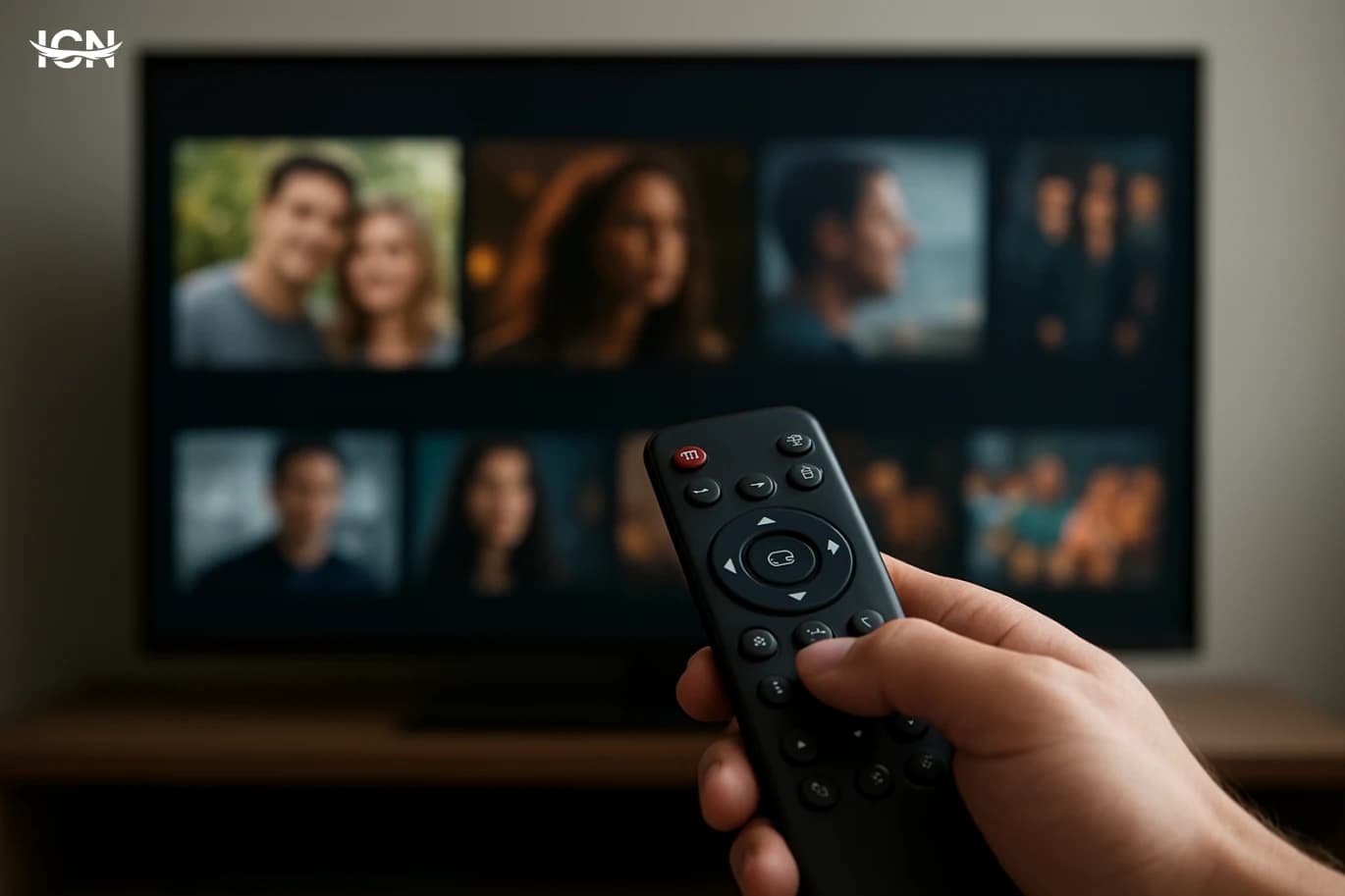
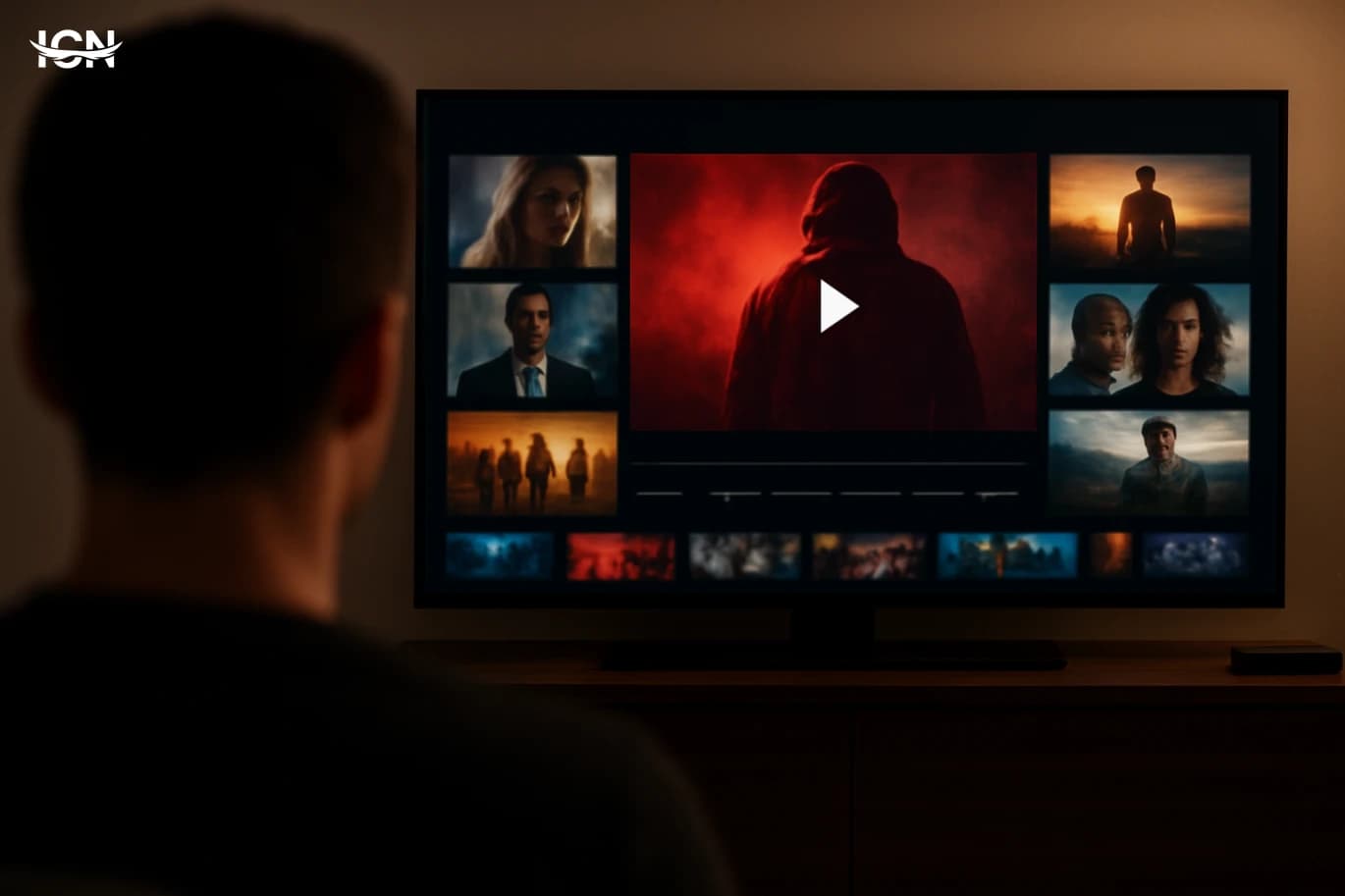
Streaming platforms increasingly sell shows before you click play. Auto-play previews, hover trailers, and short clips in recommendation feeds act like storefront windows. This shifts the importance of what a show can communicate instantly: a recognizable premise, a compelling lead performance, or a striking visual style. The intro is no longer the only first impression; it competes with platform-generated snippets. This environment influences editing and pacing. Creators and distributors may prioritize scenes that work well as previews: clear dialogue, quick stakes, and visually readable moments. Even episode structures can be affected, with earlier scenes designed to deliver a strong “sample” that platforms can use. While this can help audiences find what they like faster, it can also push shows toward more immediate, less patient storytelling. For viewers, understanding this “first impression economy” can be useful. If a preview feels misleading, it may be because it was optimized for quick clicks rather than accurate tone. Conversely, a show with a subtle premise may be harder to market through short clips, even if it is excellent. The intro and the platform preview together form a two-part pitch, and both shape what rises to the top of your watchlist.
What to Notice Next Time You Press Play
If you want to watch more actively, pay attention to how a show uses its first minute. Does it start with a question, a character decision, or a visual puzzle? Note whether the opening is designed to be understood instantly or to create curiosity through ambiguity. These choices reveal who the show thinks its audience is and how much patience it expects. Then look at the recap and the title sequence as editorial signals. The recap tells you what the episode wants you to remember, which often hints at what will pay off later. The title sequence tells you what the series wants to be: its tone, its identity, and the kind of world it is building. If you find yourself skipping, consider whether the show is giving you enough value in those seconds. Finally, compare your reaction to the platform preview with the actual episode. If the preview promised one kind of experience and the episode delivers another, that gap can explain why some shows struggle to keep viewers even when they are well made. By noticing these mechanics, you can make better choices about what to invest time in—and you will also see how modern TV and streaming storytelling is shaped by the interface as much as by the script.