Why Limited Series Keep Winning Viewers

- The shift from long seasons to tight runs
- Story design that respects attention
- Production value and casting advantages
- How platforms market limited series
- What viewers should look for before pressing play
The shift from long seasons to tight runs
Over the past decade, viewers have increasingly gravitated toward limited series: shows designed to tell a complete story in a single season, often within 4–10 episodes. This format has moved from being an occasional prestige experiment to a mainstream strategy for streamers and broadcasters. The appeal starts with clarity. Audiences know there is an ending, and that the story is built to reach it without detours. That promise reduces the fatigue that can come with multi-season arcs, mid-season filler, or storylines stretched to keep a show alive. The shift is also tied to how people watch. Binge viewing rewards momentum, and limited series are structured for forward motion. Episodes tend to end with meaningful turns rather than repetitive cliffhangers, and each installment usually advances the plot or deepens character understanding. For many viewers, a limited series feels like a “complete purchase” of time: a weekend commitment with a defined payoff. In a crowded entertainment landscape, that certainty can be as important as the premise itself.
Story design that respects attention
Limited series tend to be written with a different discipline. Because the endpoint is set, writers can plant early details that pay off later, and they can pace reveals with precision. The structure often resembles a long film broken into chapters, with each episode carrying a specific function: setup, escalation, reversal, consequence, and resolution. This makes the viewing experience feel intentional, not improvised. That intention shows up in character work as well. Instead of keeping characters in a holding pattern to preserve future seasons, limited series can allow genuine change. A protagonist can make irreversible choices, relationships can evolve without being reset, and themes can be explored without being diluted. Even when a limited series uses familiar genres—mystery, historical drama, workplace satire—the compact run encourages sharper focus. The result is often a story that feels more coherent, with fewer loose threads and less reliance on repetitive beats.
Production value and casting advantages
A limited series can concentrate resources. Budgets that might be spread across 30–60 episodes can be focused into a smaller number of hours, improving locations, set design, costumes, and post-production. This is one reason limited series often look cinematic, with more consistent visual standards from episode to episode. The shorter schedule can also reduce the risk of quality drift that sometimes appears when a show runs for years and changes creative teams. Casting is another advantage. High-profile actors who may not want to commit to multi-year television contracts are often willing to sign on for a single-season project. For them, a limited series can function like a film role with more screen time and deeper character exploration. For audiences, recognizable talent can be a trust signal, but the real benefit is performance consistency: a defined arc allows actors to calibrate their work toward a specific destination. Directors and showrunners also benefit, because they can plan the full season’s tone and style without guessing what future renewals will require.
How platforms market limited series
Streaming platforms have learned that limited series are easier to market. The pitch is straightforward: a complete story you can finish quickly. Trailers can highlight a clear premise and a defined conflict, and promotional campaigns can emphasize the ending as a selling point rather than a spoiler risk. This clarity also helps with word-of-mouth. When viewers recommend a limited series, they can confidently say it “sticks the landing” because the conclusion is already available. Release strategies vary, but limited series work in both weekly and all-at-once models. Weekly releases can build discussion and theory-building, while full drops can turn a show into a short-term cultural event. Either way, the limited run supports a strong marketing window: a few weeks of concentrated attention rather than months of sustaining interest. Platforms also benefit from library value. A limited series remains approachable for new subscribers because it does not require catching up on multiple seasons, making it a reliable title to surface in recommendations.
What viewers should look for before pressing play
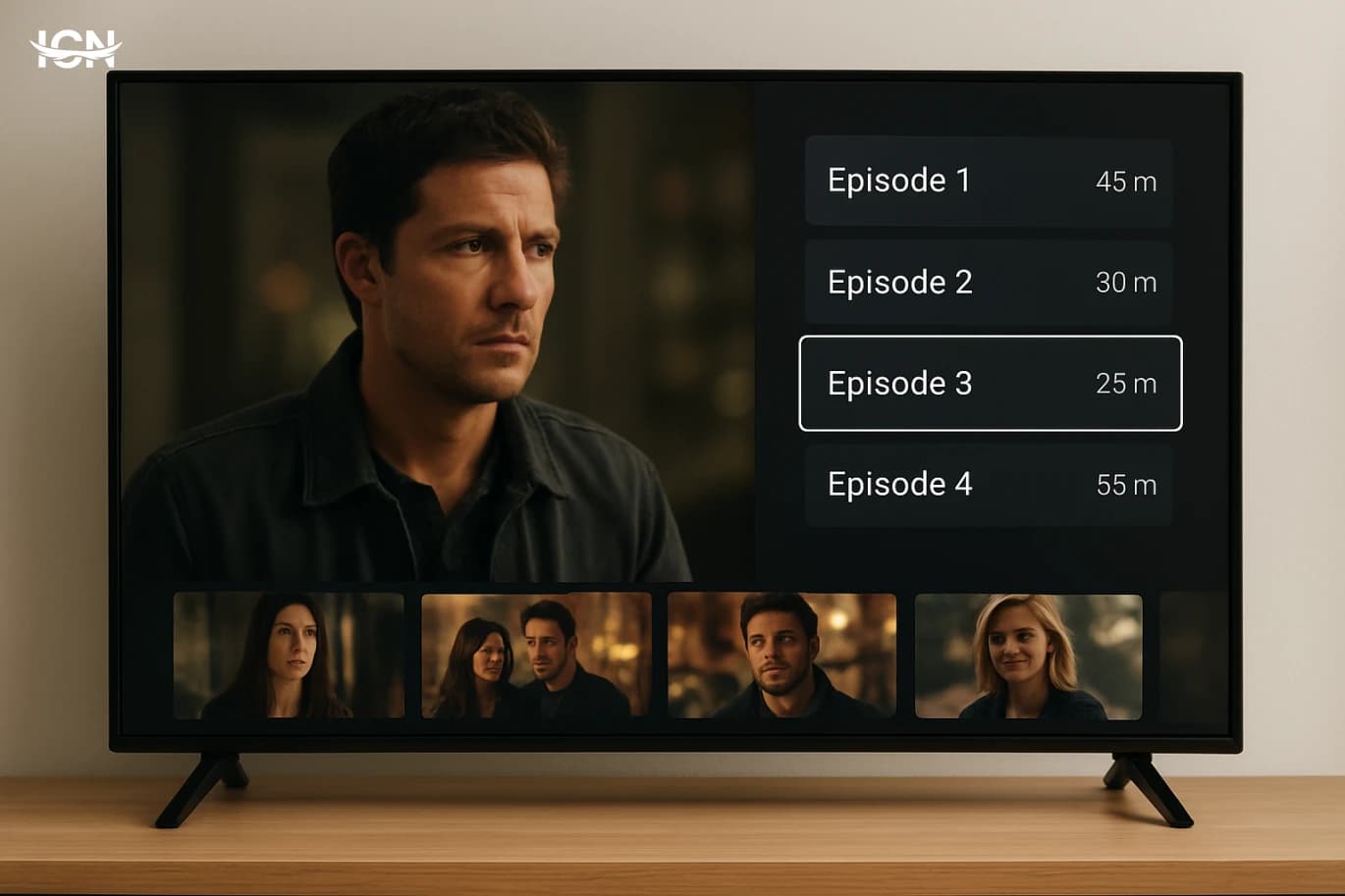
Not every limited series is automatically strong. Viewers can make smarter choices by checking a few practical signals. First, confirm whether it is truly limited or simply “season one” labeled as limited for marketing. Official descriptions, interviews with creators, and platform labels can clarify whether the story is designed to end. Second, look at the source material. Adaptations of a single novel or a documented real-world event often have a natural endpoint, while original concepts sometimes leave room for extension. Third, pay attention to the creative leadership. A showrunner or director with a track record in tightly plotted storytelling can be a better indicator than genre alone. Fourth, consider episode length and count. A six-episode series with 60-minute episodes is effectively a six-hour film; pacing expectations should match that. Finally, read a range of reviews that discuss structure, not just hype. Comments about a rushed finale or uneven middle are especially relevant for limited series, because the format’s promise is coherence. When it works, a limited series can deliver a complete, satisfying experience without demanding a long-term commitment.