How Streaming Platforms Shape Modern TV Seasons
- From Weekly Episodes to Full-Season Drops
- Why Seasons Are Shorter Now
- Cliffhangers, Recaps, and the New Pacing
- Global Audiences and the Rise of Local Hits
- What This Means for Viewers and Creators
From Weekly Episodes to Full-Season Drops
For decades, television schedules trained audiences to watch one episode at a time, usually on the same night each week. Streaming platforms disrupted that rhythm by making entire seasons available at once, turning viewing into a self-paced activity. This shift is not just about convenience; it changes how shows are written, edited, and marketed. When viewers can immediately continue to the next episode, creators can rely less on recaps and more on continuous story momentum. At the same time, the weekly model has not disappeared. Many platforms now mix strategies, releasing two or three episodes at launch and then switching to weekly drops to sustain attention. The result is a new set of expectations: some audiences want the freedom to binge, while others prefer a shared weekly conversation that builds anticipation. The release model also affects how people discover a show. A full-season drop can create a short, intense burst of interest, with social media discussion peaking quickly and then fading. Weekly releases often produce a longer runway for word of mouth, giving latecomers time to catch up. For producers and platforms, the decision is increasingly tied to subscriber behavior, retention goals, and the type of story being told. A mystery series may benefit from weekly speculation, while a character-driven drama might gain from uninterrupted viewing. In practice, the modern landscape is defined by experimentation rather than one dominant rule.
Why Seasons Are Shorter Now
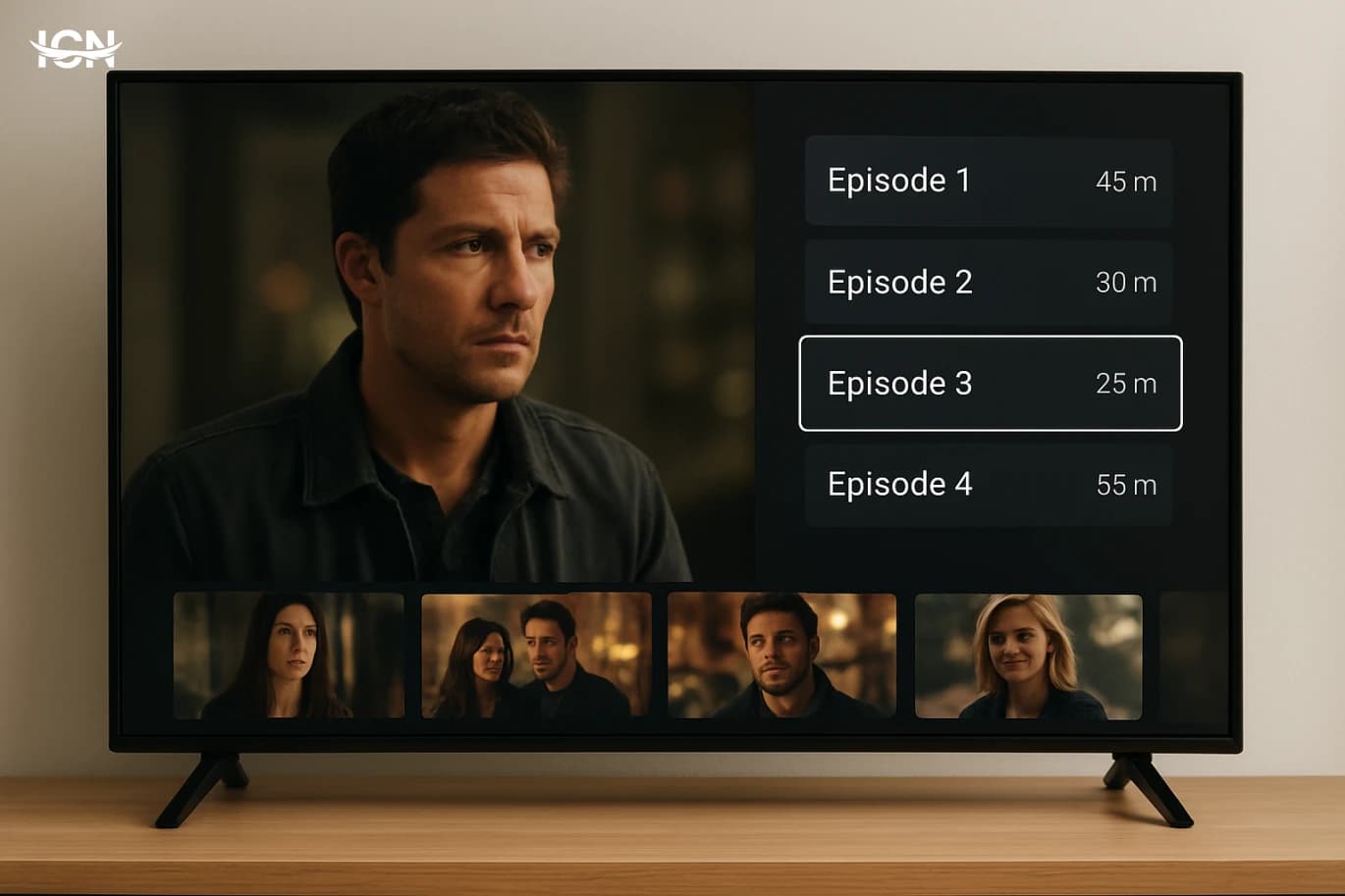
Traditional broadcast seasons often ran 20 to 24 episodes, built around long production cycles and advertising schedules. Streaming-era seasons are frequently 6 to 10 episodes, with higher per-episode budgets and tighter creative focus. Shorter seasons reduce filler storylines and allow teams to spend more time on each episode’s writing, cinematography, and post-production. They also make it easier to attract high-profile actors and directors who may not commit to a long network schedule. In many cases, the shorter season is designed to feel closer to a limited series, even when the show is intended to continue. However, shorter seasons come with trade-offs. Viewers may feel less attached to supporting characters because there is less screen time to develop them. A compressed episode count can force rapid plot turns that would have unfolded more gradually in older formats. It also changes the economics of audience loyalty: fewer episodes mean fewer weeks of conversation if the season is released weekly, and fewer hours of viewing if it is released all at once. Platforms often respond by spacing out releases, commissioning companion content, or splitting a season into two parts to extend engagement. The modern season length is therefore a strategic decision balancing storytelling, production realities, and subscriber attention.
Cliffhangers, Recaps, and the New Pacing
Episode pacing has changed because the “next episode” button is always nearby. In weekly television, writers often built episodes with clear mini-arcs, a recap at the start, and a strong cliffhanger before the credits. Streaming encourages more flexible structures. Some episodes end quietly because the story continues immediately, while others still use cliffhangers to drive binge behavior. Recaps have become optional, sometimes moved into separate menus or shortened to a few seconds, because many viewers watch episodes back-to-back. This new pacing affects how information is delivered. Exposition can be spread across multiple episodes without repeating key points, but that assumes viewers will not take long breaks. When audiences do pause for days or weeks, they may feel lost, which is why some platforms add “previously on” segments even for binge releases. Another trend is the mid-season turning point designed to keep people watching past the initial episodes. Creators increasingly think in terms of “episode hooks” and “season hooks” at the same time: each episode needs a reason to continue, and the season needs a reason to return for the next installment. The craft is now about controlling momentum across different viewing habits, not just one schedule.
Global Audiences and the Rise of Local Hits
Streaming platforms distribute shows across borders with minimal delay, which has expanded the potential audience for series made in many languages. Subtitles and dubbing have become standard features rather than special additions. This global reach influences how seasons are designed. Producers may consider cultural accessibility, episode length consistency, and narrative clarity for viewers who are not familiar with local references. At the same time, platforms have learned that authenticity can travel: a series rooted in a specific city, profession, or social setting can still attract international viewers if the characters and stakes are clear. The global market also changes how success is measured. A show does not need to dominate one country’s ratings to be valuable; it can perform strongly across several regions and build a long tail of viewing over months. That encourages platforms to invest in local production hubs and to commission seasons that fit regional viewing habits. In some markets, shorter episodes and faster pacing are preferred; in others, longer episodes and slower character development work well. The result is a more diverse set of season formats. Viewers now encounter different storytelling rhythms in the same app, which gradually broadens expectations of what a “normal” season looks like.
What This Means for Viewers and Creators
For viewers, the streaming era offers more control but also more decision fatigue. Choosing between bingeing and weekly viewing affects enjoyment, spoilers, and the ability to participate in conversations. A practical approach is to match the viewing style to the genre: weekly viewing can enhance competition shows, mysteries, and big fandom titles, while bingeing can suit intimate dramas or tightly serialized thrillers. Viewers also benefit from paying attention to season structure. If a season is split into parts, waiting until all episodes are available may provide a smoother experience. For creators, the new environment demands clarity about the intended release model early in development. Writing for a binge drop often means reducing repetitive reminders and building sustained momentum, while writing for weekly release benefits from stronger episode-level arcs and carefully placed reveals. Production planning also changes: shorter seasons can raise expectations for visual polish, but they compress schedules and increase pressure on post-production. Ultimately, streaming has not eliminated the fundamentals of good storytelling; it has multiplied the ways audiences consume it. The most successful modern seasons are those that respect attention spans, deliver clear narrative payoffs, and remain coherent whether watched in one weekend or over two months.