How Streaming Changed TV Episode Length
- From fixed slots to flexible runtimes
- What writers gain and what they risk
- Binge viewing and the new pacing math
- Production budgets, schedules, and hidden costs
- How to judge a show’s runtime choices as a viewer
From fixed slots to flexible runtimes
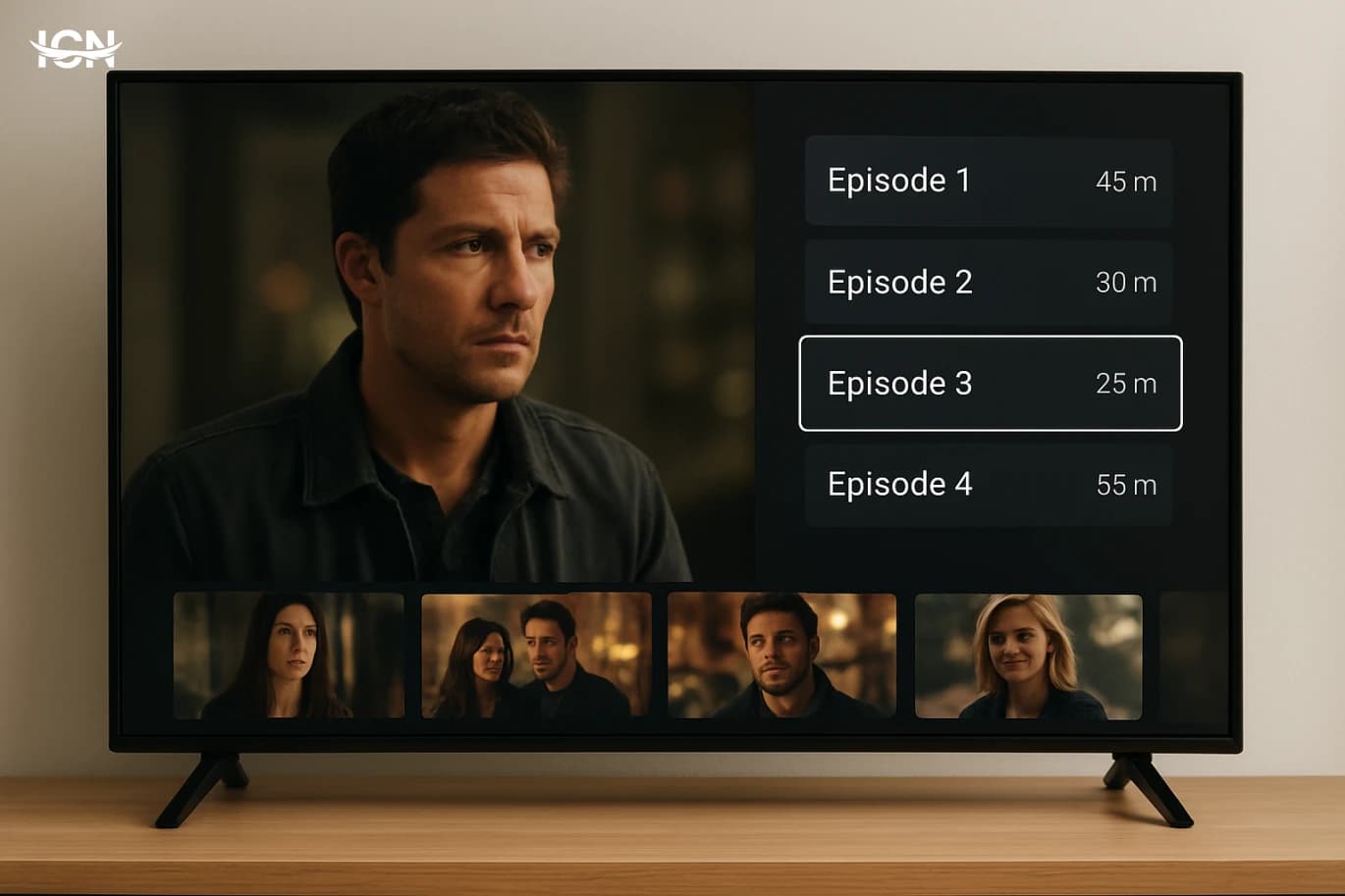
For decades, episode length was largely dictated by broadcast schedules. A “half-hour” comedy typically landed around 22 minutes, while an “hour-long” drama often sat near 42–45 minutes, leaving room for ad breaks and consistent programming blocks. This structure shaped writing, pacing, and even how scenes were built: clear act breaks, timed cliffhangers, and predictable rhythms that fit the clock. Streaming disrupted that template by removing the need to hit a rigid runtime. When platforms release episodes without traditional ad slots, creators can choose lengths that better match story needs. The result is a landscape where one series might deliver 28-minute episodes one week and 40-minute episodes the next, while another might keep a steady runtime to preserve a familiar cadence. This shift is not just a technical detail; it changes how stories are planned, how viewers experience momentum, and how production teams allocate time and budget.
What writers gain and what they risk
Flexible runtimes can help writers avoid padding. In a fixed 45-minute slot, a plot that naturally fits 35 minutes may be stretched with extra subplots, repeated beats, or extended scenes that dilute tension. Streaming allows a tighter cut when the story is straightforward, and it can also support longer episodes when a major turning point needs space to breathe. However, freedom can create new problems. Without a runtime target, some episodes drift, especially in mid-season stretches where the central arc advances slowly. Viewers may feel that scenes linger without adding new information, or that character moments repeat rather than develop. Writers’ rooms now face a different discipline: not “how do we fill the slot,” but “what is the minimum time needed to deliver this chapter with clarity and momentum.” This also affects structure. Traditional act breaks were partly engineered for commercials, but they also provided a reliable escalation pattern. Streaming shows may choose fewer turning points, or place them differently, which can feel fresh when done well and flat when not. The best streaming series often replace ad-driven act breaks with internal milestones: a reveal, a decision, a reversal, and a closing image that pushes the next episode.
Binge viewing and the new pacing math
Streaming platforms popularized binge viewing, and that changed how pacing is perceived. When viewers watch multiple episodes in one sitting, a slow episode can feel less frustrating because the next chapter is immediately available. This can encourage creators to treat episodes more like segments of a long film, with fewer self-contained arcs. Yet binge-friendly design has trade-offs. If episodes rely too heavily on “keep watching” hooks without delivering satisfying mini-resolutions, audiences may feel manipulated. Conversely, weekly release strategies on streaming have revived the need for stronger episode identities: clear themes, meaningful progress, and endings that create anticipation without withholding basic payoff. Runtime flexibility interacts with release strategy. A weekly show with wildly varying lengths can feel inconsistent, while a binge drop can tolerate more variation because viewers control the pace. Many series now aim for a middle ground: episodes that vary modestly, but still maintain a recognizable rhythm so viewers can plan their time and stay engaged.
Production budgets, schedules, and hidden costs
Episode length is not just a creative choice; it is a production variable with real costs. A longer episode can mean more shooting days, more locations, more visual effects shots, and longer post-production timelines. Even if a show’s overall season budget is fixed, shifting minutes between episodes can create bottlenecks: one oversized episode may demand resources that force compromises elsewhere. Streaming also changed expectations around “premium” visuals. Many series now aim for cinematic lighting, complex camera movement, and high-end sound design. When runtimes expand, maintaining that quality can strain crews and schedules. Producers often respond by standardizing certain elements—reusing sets, limiting crowd scenes, or concentrating big sequences into a few episodes. There is also a business-side consideration: platforms track completion rates and drop-off points. If longer episodes lead to lower completion, that can influence renewal decisions and marketing strategy. As a result, runtime decisions increasingly sit at the intersection of storytelling, production practicality, and data-driven performance metrics.
How to judge a show’s runtime choices as a viewer
Viewers can evaluate runtime choices by looking for concrete signals of efficiency. Does each scene introduce new information, deepen a character’s motivation, or escalate a conflict? If long stretches repeat the same emotional beat or restate the same plot point, the episode may be over-length. Conversely, if an episode feels rushed—major decisions happen without setup, or key consequences are skipped—it may be under-length or poorly structured. Consistency is another clue. A series can vary episode length and still feel coherent if the variation aligns with story needs: longer episodes for finales, major reveals, or multi-thread convergence; shorter ones for focused character chapters. Random variation without narrative justification often reads as uneven planning. Finally, consider your own viewing context. A 60-minute episode can be satisfying when it delivers a complete arc, but it may be harder to fit into daily routines. Some platforms and creators respond by keeping most episodes within a predictable band, effectively balancing creative freedom with audience time constraints. In the streaming era, the best runtime is not a number; it is the length that makes the episode feel complete without wasting minutes.