Why Limited Series Keep Winning Viewers

- The rise of the limited series
- Storytelling advantages in fewer episodes
- Budgets, casting, and production strategy
- How audiences watch and talk about them
- What to look for before you press play
- Where the format goes next
The rise of the limited series
Limited series have moved from being an occasional prestige format to a mainstream viewing habit across major platforms. A key driver is time certainty: audiences know the story will end in one season, usually within 4 to 10 episodes, which lowers the commitment barrier compared with open-ended multi-season shows. Streamers also benefit because limited series fit binge patterns and reduce the risk of expensive long-term renewals. In recent years, platforms have increasingly marketed these projects as “event television,” releasing them with heavy promotion, recognizable cast members, and a clear promise of closure. This shift has changed how viewers plan their watchlists, especially for adults balancing work, family, and multiple subscriptions. Another factor is the way limited series align with modern discovery. Recommendation algorithms tend to favor titles with high completion rates, and limited series often achieve that because the finish line is close. When many viewers complete a show quickly, it generates stronger signals for the platform and more word-of-mouth momentum on social media. The format also travels well internationally: a self-contained story is easier to subtitle, dub, and market across regions without worrying about long gaps between seasons. As a result, limited series now sit at the center of global release strategies rather than being a niche alternative.
Storytelling advantages in fewer episodes
A limited series forces discipline in structure. Writers can design a clear beginning, escalation, and resolution without stretching subplots to fill a 20-episode order. That often produces tighter pacing, fewer filler scenes, and more consistent tone. In practical terms, it means each episode tends to carry a defined narrative function: introducing a key relationship, revealing a crucial piece of information, or shifting the stakes. Viewers notice this efficiency, especially in genres like crime, political drama, and psychological thrillers where momentum matters. The format also supports deeper character work because the arc is planned end-to-end. Instead of keeping a protagonist in a holding pattern to preserve future seasons, limited series can allow meaningful change with consequences. This is one reason the format has become attractive for actors: it offers a complete role with a clear trajectory, closer to a long film than a traditional TV run. For audiences, that completeness can be satisfying in a media environment where many shows are canceled abruptly or end without closure.
Budgets, casting, and production strategy
Limited series often concentrate resources. Instead of spreading a budget across multiple seasons, producers can invest heavily in a single run: stronger locations, higher-end cinematography, and more time for post-production. This is visible in the way many limited series adopt film-style production schedules, with directors and cinematographers shaping a unified visual approach. The result is a look and feel that competes directly with theatrical releases, which matters as audiences watch on large TVs and expect premium quality. Casting is another advantage. High-profile actors who may not commit to multi-year television contracts are more willing to sign on for a contained project. That star power helps marketing and can raise international interest. From the platform perspective, a limited series is also easier to schedule: it can be positioned as a quarterly tentpole, timed around awards eligibility, or used to fill gaps between returning franchises. The business logic is straightforward: a single-season hit can drive subscriptions and press coverage without creating long-term cost obligations.
How audiences watch and talk about them
Limited series fit current viewing behavior, but they also shape it. Because the story is short, many viewers treat the show like a weekend plan, finishing it quickly and then discussing it while details are fresh. This creates a concentrated conversation window, which can be valuable for platforms trying to dominate attention in a crowded release calendar. It also changes spoiler dynamics: the risk of being spoiled is higher when others finish the show in two days, so viewers feel pressure to keep up. At the same time, limited series can support weekly releases when platforms want sustained engagement. A short season released weekly still feels manageable, and it can keep a title in the public conversation for a month or two. This flexibility is a strategic benefit: the same format can serve binge audiences and appointment viewers. For critics and journalists, limited series are also easier to review responsibly because the full story is available early, allowing analysis of themes, structure, and ending without speculation.
What to look for before you press play
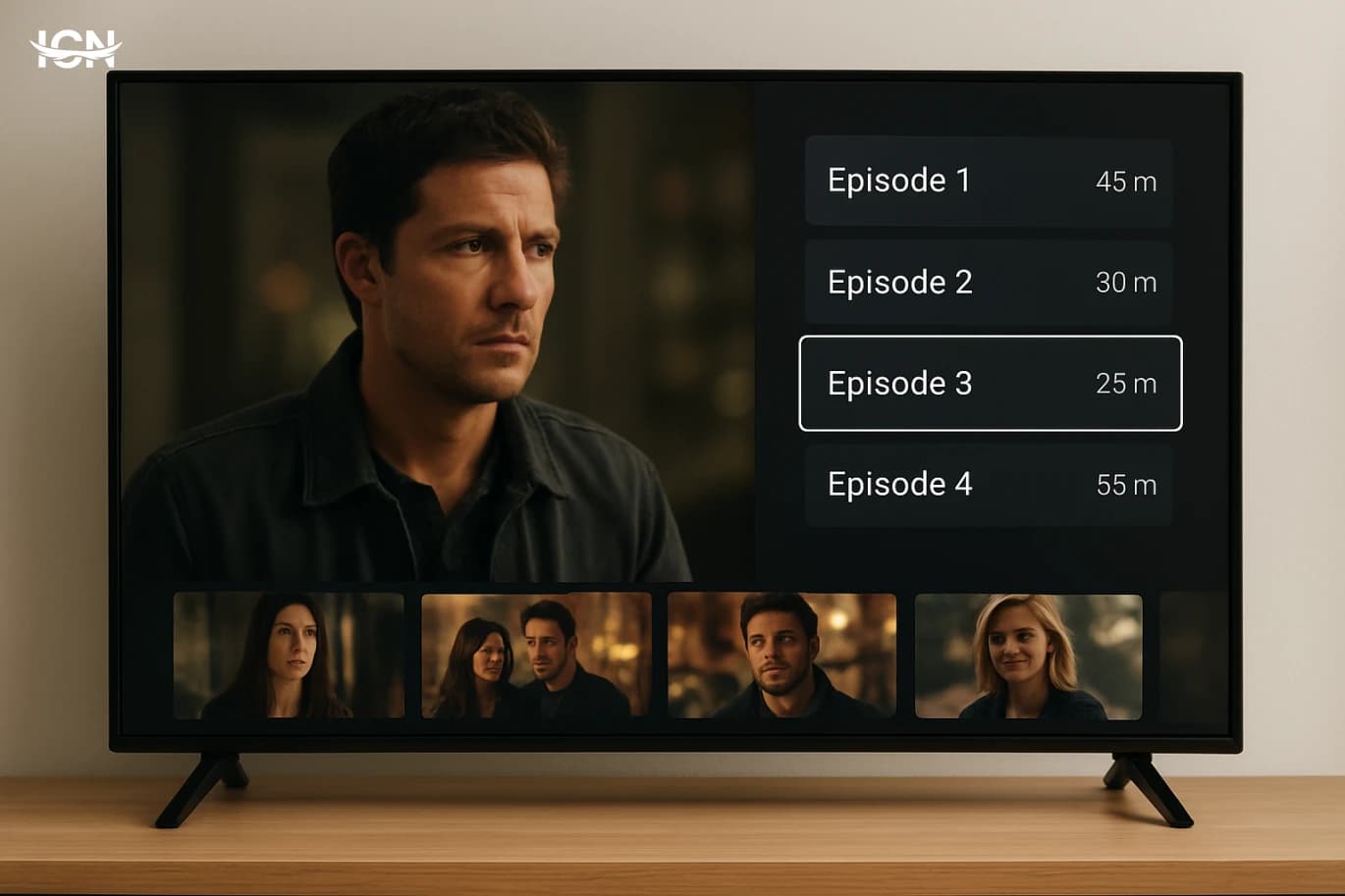
Not every limited series delivers on the promise of tight storytelling, so a few checks can help viewers choose wisely. First, look at the source material. Adaptations of a single novel or a documented real-world case often have a natural endpoint, while “original” limited series sometimes feel like pilots for future seasons. Second, pay attention to the credited showrunner and directors; a consistent creative team across episodes usually signals a more coherent vision. Third, consider episode length and count. A six-episode series with 60-minute episodes is effectively a six-hour film, which can be excellent when the story justifies it, but it can also hide pacing problems. Reviews that mention “midseason drag” are a warning sign even in short runs. Finally, check whether the platform labels it as “limited series” or “miniseries” and whether the creators have publicly described it as a complete story. These small signals can save time and reduce the frustration of investing in a show that feels unfinished.
Where the format goes next
The limited series is likely to remain a central format, but it will evolve. One trend is the “anthology-limited” approach, where each season is a self-contained story under the same brand, allowing platforms to keep a recognizable title while avoiding endless continuity. Another trend is the expansion of international limited series, especially from markets with strong local industries and global distribution deals. As more viewers become comfortable with subtitles and dubbing, platforms can launch short, high-impact series worldwide with less risk. We should also expect more experimentation with release models and runtimes. Some creators are pushing shorter episodes to match mobile viewing, while others are making longer, film-like chapters for premium drama. The common thread is efficiency: audiences want stories that respect their time, and platforms want projects that can break through quickly. Limited series sit at that intersection, offering closure, quality, and a clear marketing hook. For viewers trying to keep up with an overwhelming number of options, that clarity is part of the appeal.