Volcanic Islands
- Introduction to Volcanic Islands
- Formation Process
- Biodiversity and Ecosystems
- Human Interaction and Impact
- Famous Volcanic Islands
Introduction to Volcanic Islands
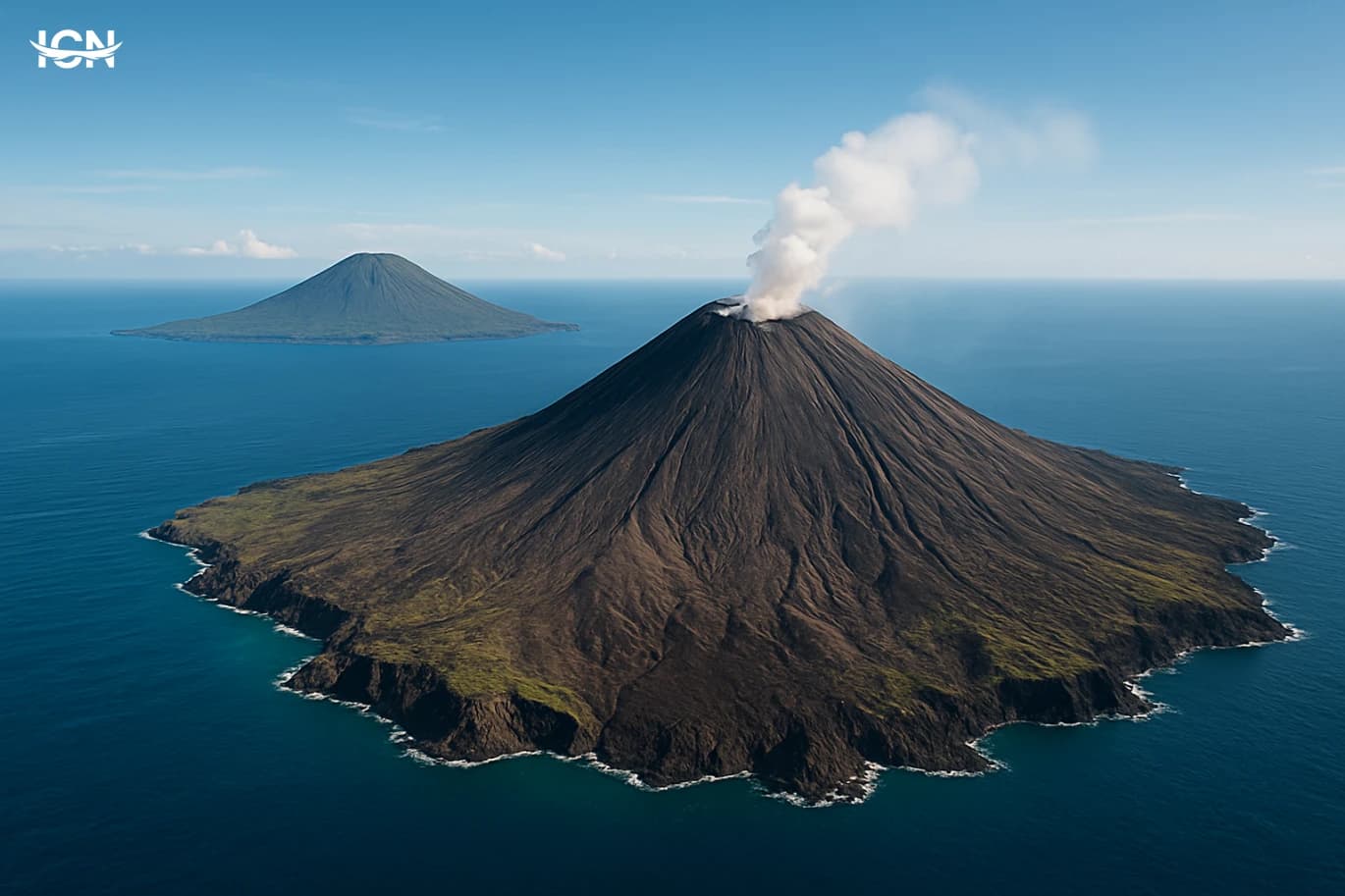
Volcanic islands are fascinating natural formations that arise from volcanic activity beneath the ocean. These islands are formed when magma from the Earth's mantle erupts through the crust and solidifies upon reaching the surface. Over time, repeated eruptions build up layers of lava, eventually creating an island. Volcanic islands are often characterized by their rugged landscapes, rich biodiversity, and unique ecosystems. They can be found in various parts of the world, including the Pacific Ocean, the Atlantic Ocean, and the Indian Ocean.
Formation Process
The formation of volcanic islands begins deep within the Earth, where intense heat and pressure cause rocks to melt, forming magma. This magma rises through the Earth's crust due to its lower density compared to the surrounding solid rock. When it reaches the surface, it erupts as lava. As the lava cools and solidifies, it forms new land. Over thousands or even millions of years, continuous volcanic activity can build up enough material to form an island. The process is dynamic and can result in islands of various shapes and sizes, depending on the nature of the eruptions and the type of lava involved.
Biodiversity and Ecosystems
Volcanic islands are often hotspots for biodiversity. The isolation of these islands allows for the evolution of unique species that are not found anywhere else on Earth. The ecosystems on volcanic islands can vary greatly, from lush rainforests to barren lava fields. The rich volcanic soil supports a wide variety of plant life, which in turn supports diverse animal species. Birds, insects, and reptiles are commonly found on these islands, and many have adapted to the specific conditions of their environment. The unique ecosystems of volcanic islands make them important areas for scientific research and conservation efforts.
Human Interaction and Impact
Human interaction with volcanic islands has a long history, from early exploration and settlement to modern tourism and scientific research. These islands often attract visitors due to their stunning landscapes and unique geological features. However, human activity can also pose threats to the delicate ecosystems found on volcanic islands. Development, pollution, and the introduction of non-native species can disrupt the natural balance. Conservation efforts are crucial to preserving the unique biodiversity and natural beauty of these islands. Sustainable tourism practices and environmental protection measures are essential to ensure that volcanic islands remain vibrant and healthy for future generations.
Famous Volcanic Islands
There are many famous volcanic islands around the world, each with its own unique characteristics and history. The Hawaiian Islands, for example, are well-known for their active volcanoes and beautiful landscapes. The Galápagos Islands, located in the Pacific Ocean, are famous for their unique wildlife and were instrumental in Charles Darwin's theory of evolution. Iceland, situated on the Mid-Atlantic Ridge, is another well-known volcanic island, renowned for its geothermal activity and stunning natural beauty. These islands, among others, offer valuable insights into the processes of volcanic activity and the development of ecosystems.