Microplastics in Drinking Water Explained
- What microplastics are and why they matter
- How microplastics get into water supplies
- How scientists detect and count them
- What we know about health and exposure
- What water treatment can realistically do
- How to read new studies without hype
What microplastics are and why they matter
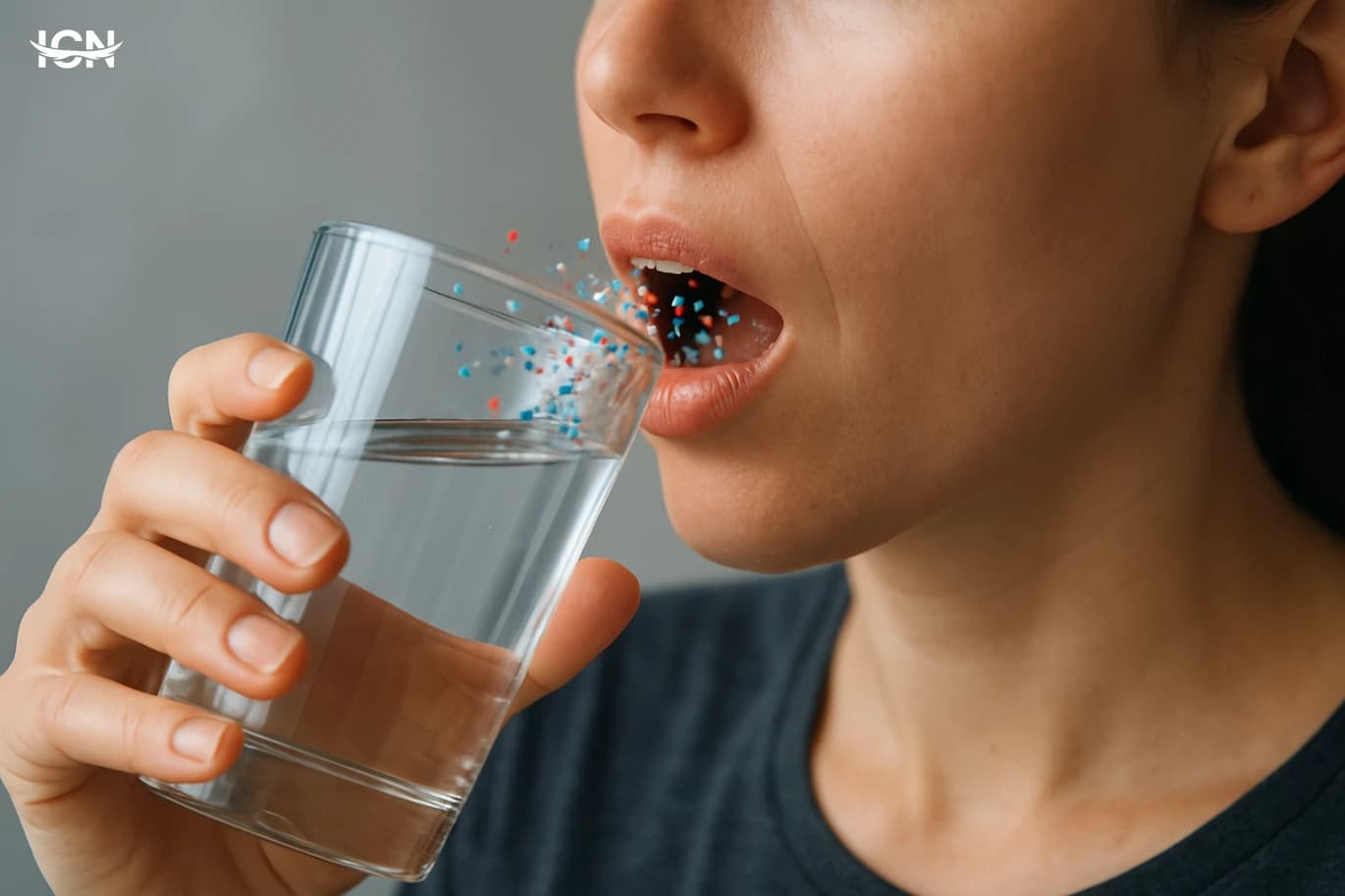
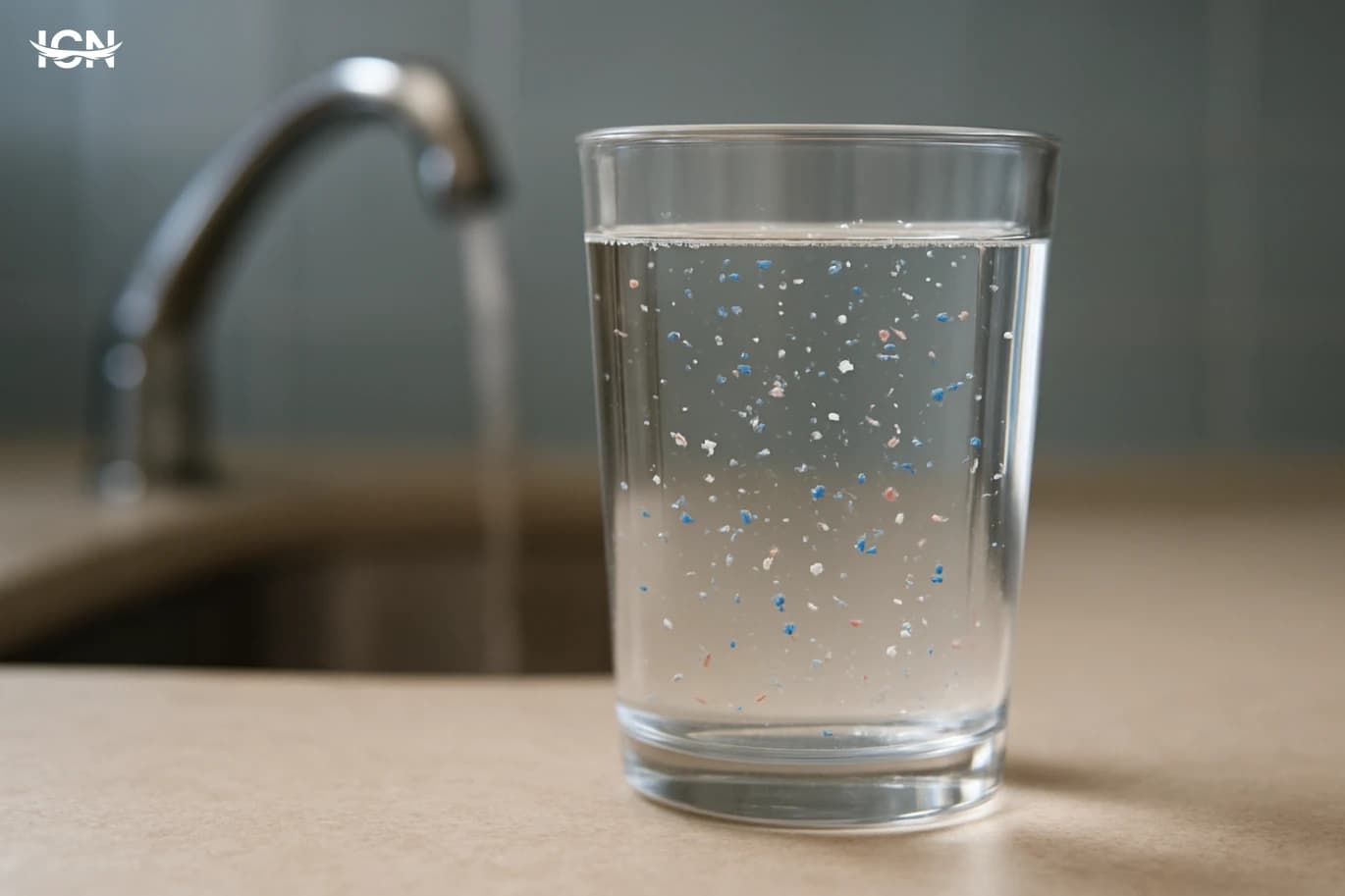
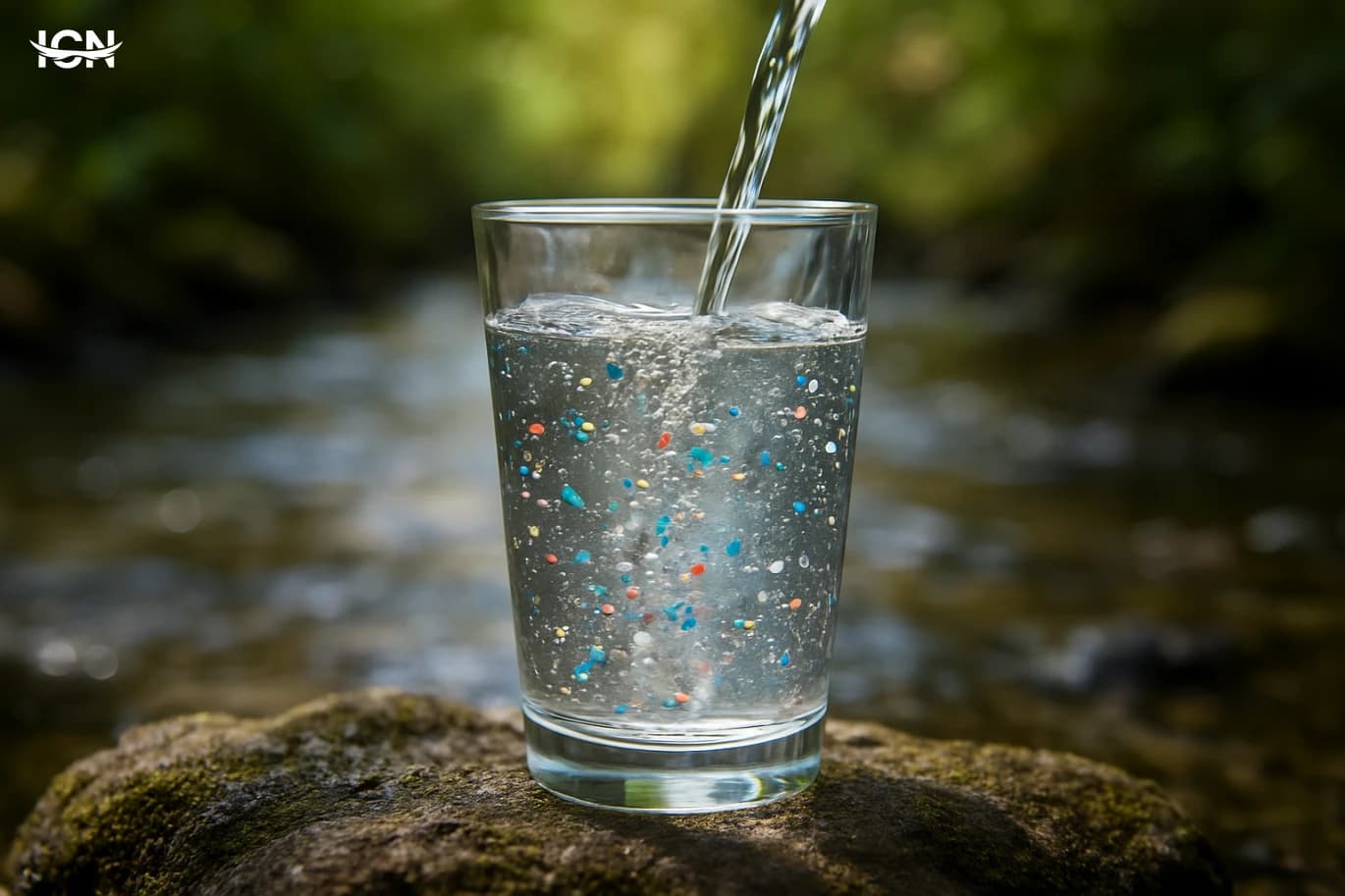
Microplastics are tiny plastic particles, generally smaller than 5 millimeters, that come from the breakdown of larger plastic items or from products that shed fragments during use. In water research, scientists often distinguish between microplastics and even smaller “nanoplastics,” which can be harder to detect with routine methods. The reason microplastics matter in drinking water is not only their presence, but their potential to carry additives, pick up pollutants from the environment, and interact with biological systems in ways that are still being mapped. In recent years, microplastics have been reported in rivers, lakes, groundwater, and treated tap water in multiple regions. That does not automatically mean every glass of water is unsafe, but it does mean the topic has moved from a niche environmental concern to a mainstream public health and infrastructure question. Researchers are now asking practical questions: where do these particles enter water supplies, how well do treatment plants remove them, and what exposure levels are realistic for different communities. A key point in scientific articles is uncertainty. Measuring microplastics is technically challenging because particles vary widely in size, shape, polymer type, and surface chemistry. Two studies can report different numbers simply because they used different sampling volumes, filters, or identification techniques. Understanding these limitations helps readers interpret headlines and focus on what the evidence can and cannot claim today.
How microplastics get into water supplies
Microplastics can enter drinking water sources through several pathways. One major route is runoff and wastewater discharge. Fibers shed from synthetic clothing during washing, fragments from degraded packaging, and particles from industrial processes can move into sewage systems. Even when wastewater is treated, some fraction of small particles can pass through, especially the smallest sizes that behave more like colloids than visible debris. Urban stormwater is another contributor. Tire wear particles, road dust containing plastic components, and litter fragments can be washed into rivers and reservoirs during heavy rain. In agricultural areas, plastic mulch films and irrigation equipment can degrade over time, adding fragments to soils that may later be transported into groundwater or surface water. Distribution systems can also play a role. Water pipes and storage tanks are made from different materials, and while most are not designed to shed plastic particles, aging infrastructure, repairs, and biofilm formation can influence what ends up in tap water. Household plumbing and point-of-use devices may contribute too. For example, some plastic kettles, bottles, or filter housings can release small particles under heat, abrasion, or repeated use, although the magnitude varies widely. Scientific articles increasingly emphasize that “source” is not a single point. It is a chain: production and consumption patterns, waste management, wastewater treatment, and the design of water infrastructure all shape what reaches the glass. That framing helps policymakers and engineers target interventions where they are most effective.
How scientists detect and count them
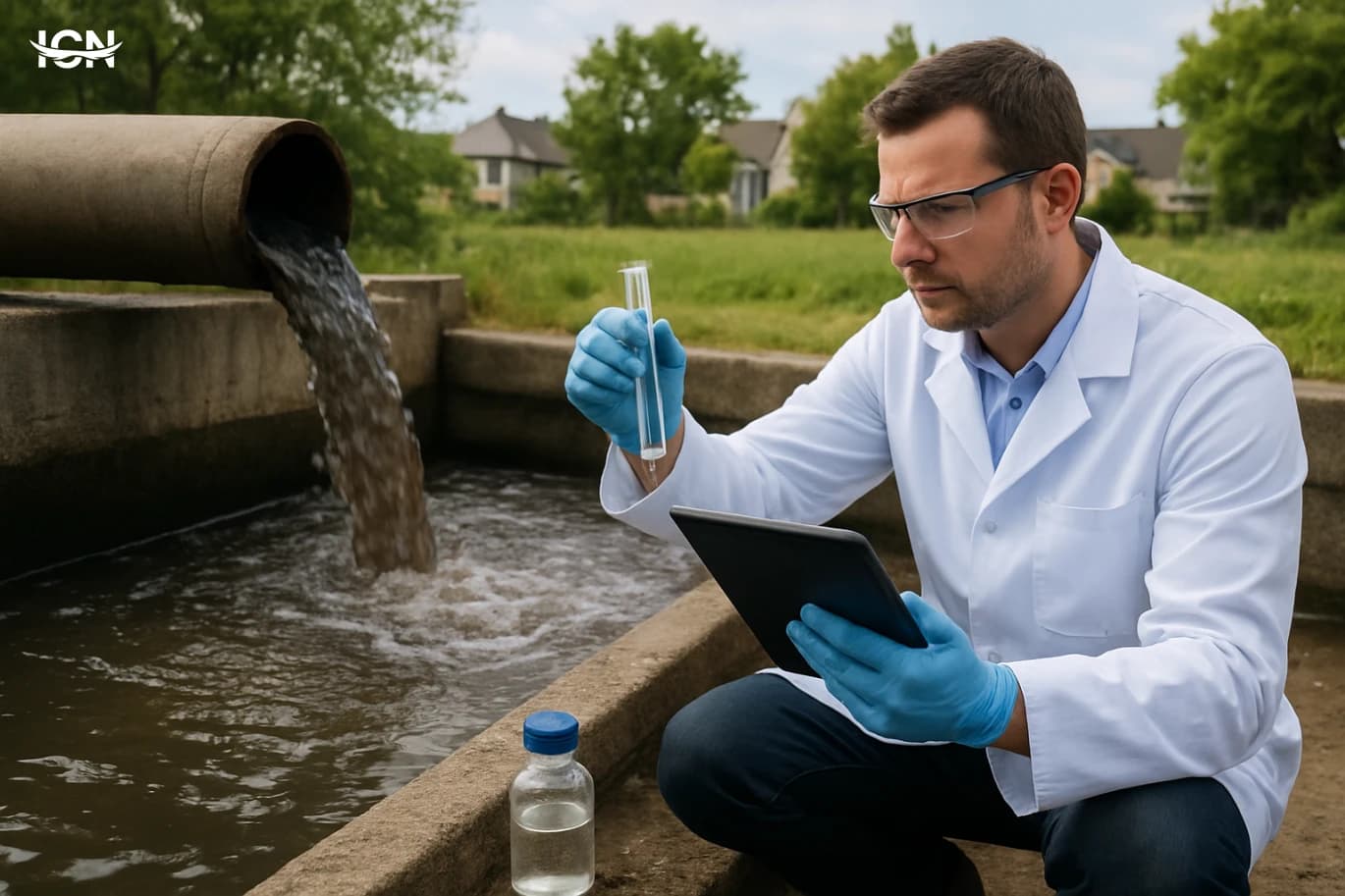
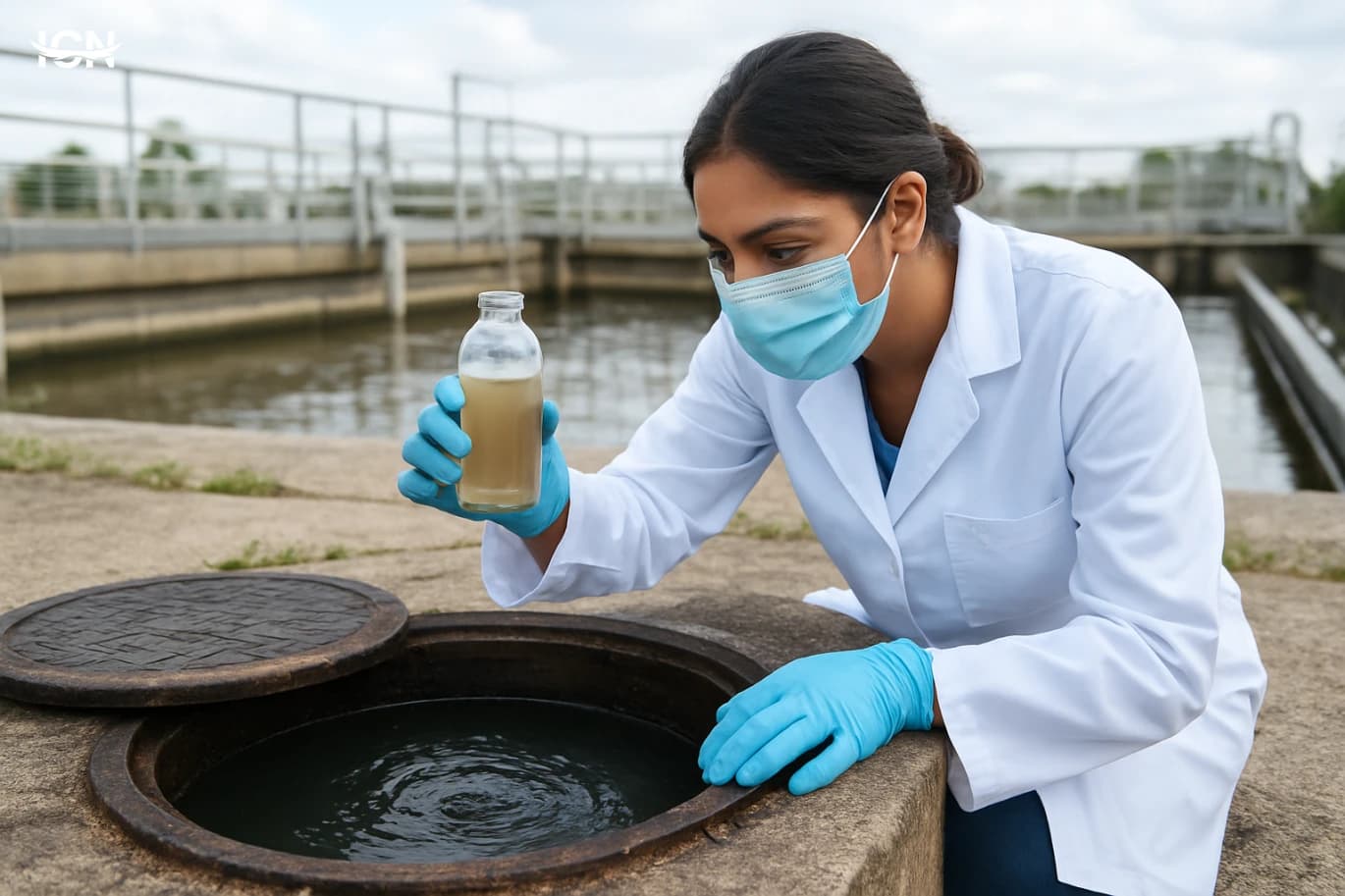
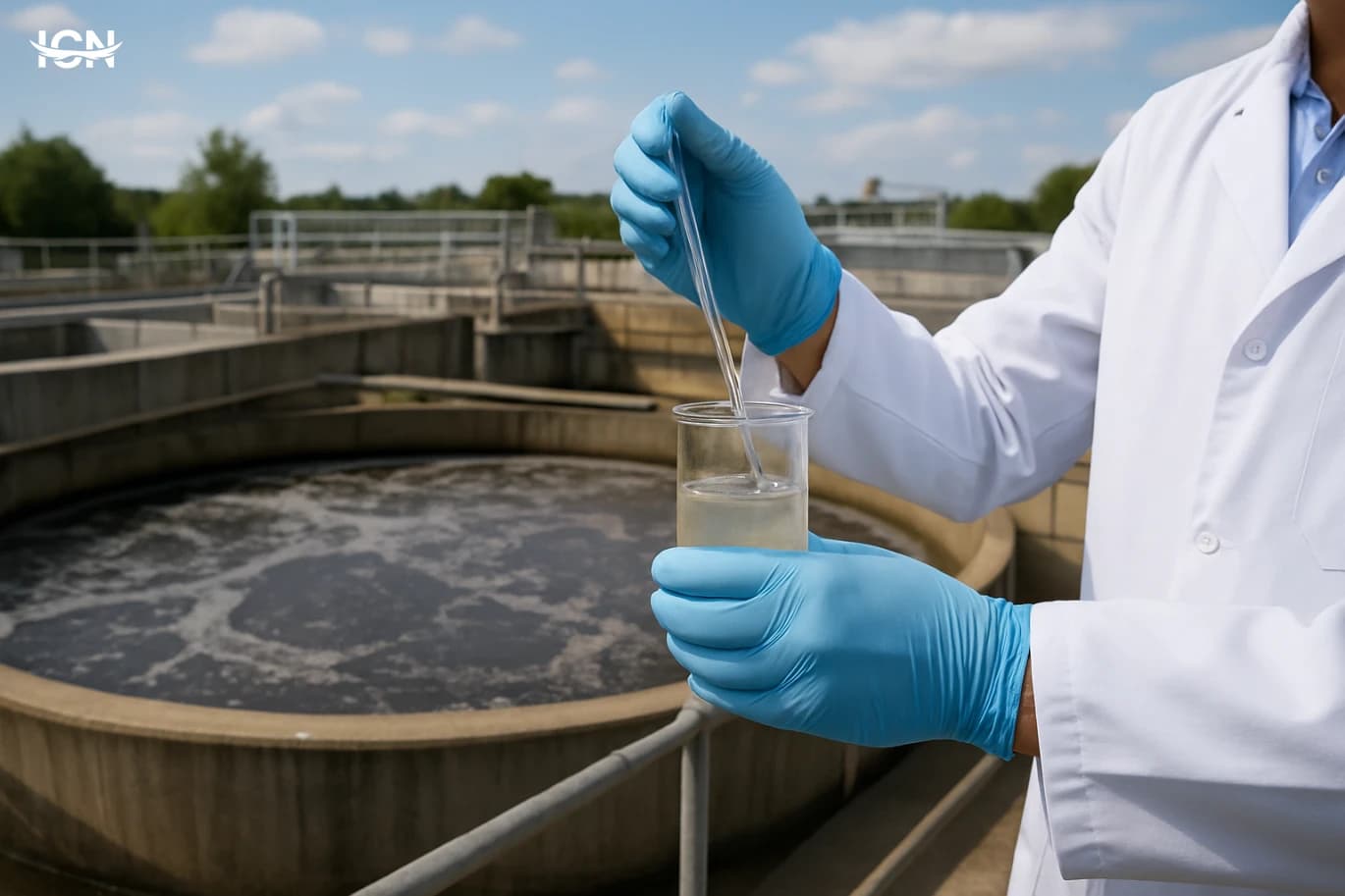
Detecting microplastics in drinking water starts with sampling, and that step alone can change results. Researchers must decide how much water to collect, how to avoid contamination from airborne fibers, and what containers and filters to use. Many labs work in clean conditions, use blanks and controls, and document every material that touches the sample, because a single synthetic lab coat fiber can appear as a “particle” if procedures are loose. After collection, water is typically filtered through membranes with defined pore sizes. Larger particles are easier to capture, while smaller ones may pass through or require finer filters that clog quickly. Some protocols use chemical digestion to remove organic matter, leaving behind more durable particles for analysis. The identification step is crucial: not every speck on a filter is plastic. Common identification tools include micro-FTIR and Raman spectroscopy, which can match a particle’s spectral signature to known polymers. These methods improve confidence but have limits: they can be time-consuming, struggle with very small particles, and may misclassify weathered plastics with altered surfaces. Some studies also use pyrolysis-GC/MS to quantify polymer mass, which provides a different kind of data than counting particles. Because methods differ, scientific articles increasingly call for standardization: shared reporting units, consistent size classes, and transparent quality controls. For readers, the practical takeaway is that a single number in a headline rarely tells the full story. The more informative studies describe size ranges, polymer types, and uncertainty, allowing comparisons across locations and over time.
What we know about health and exposure
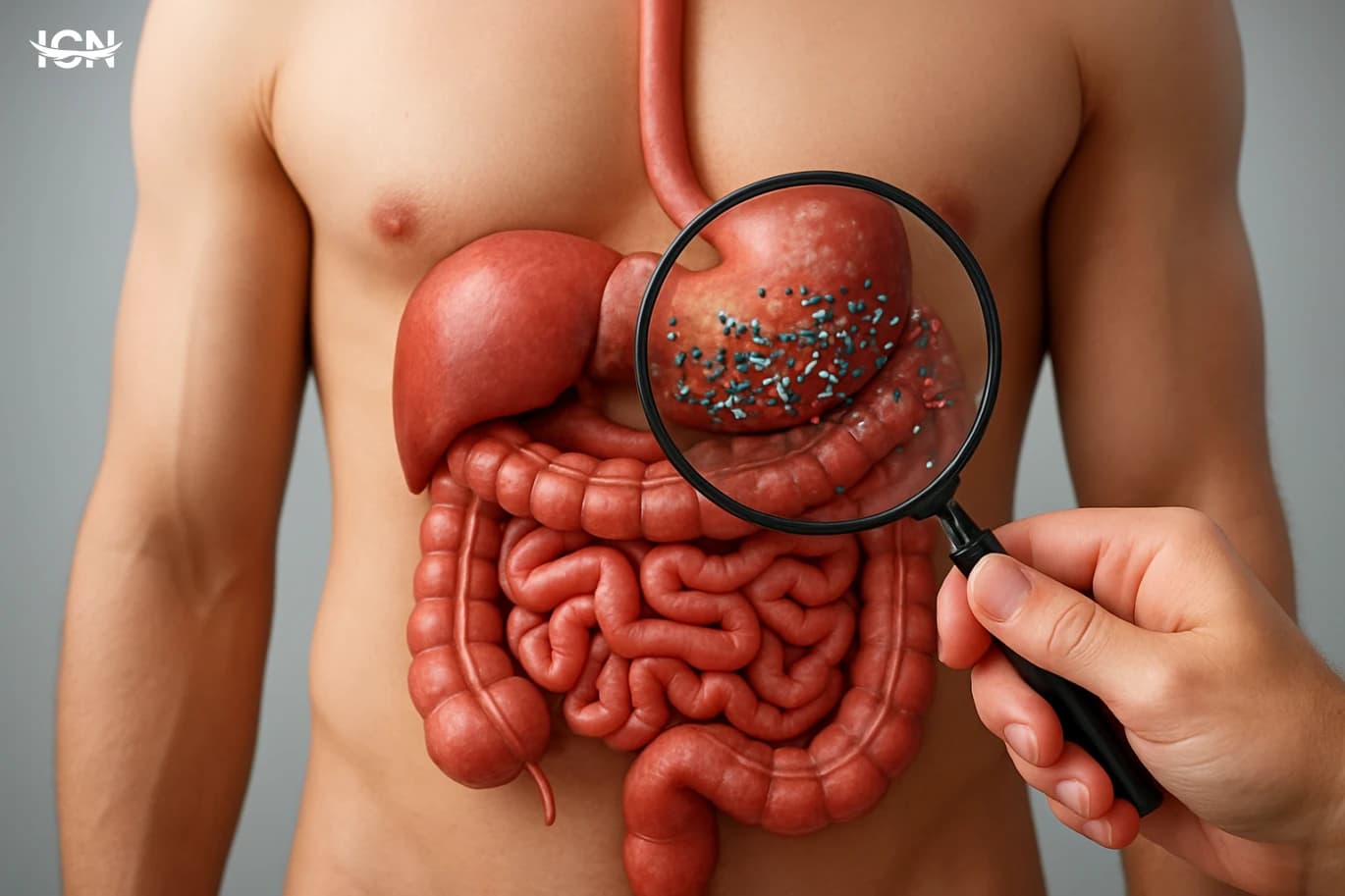
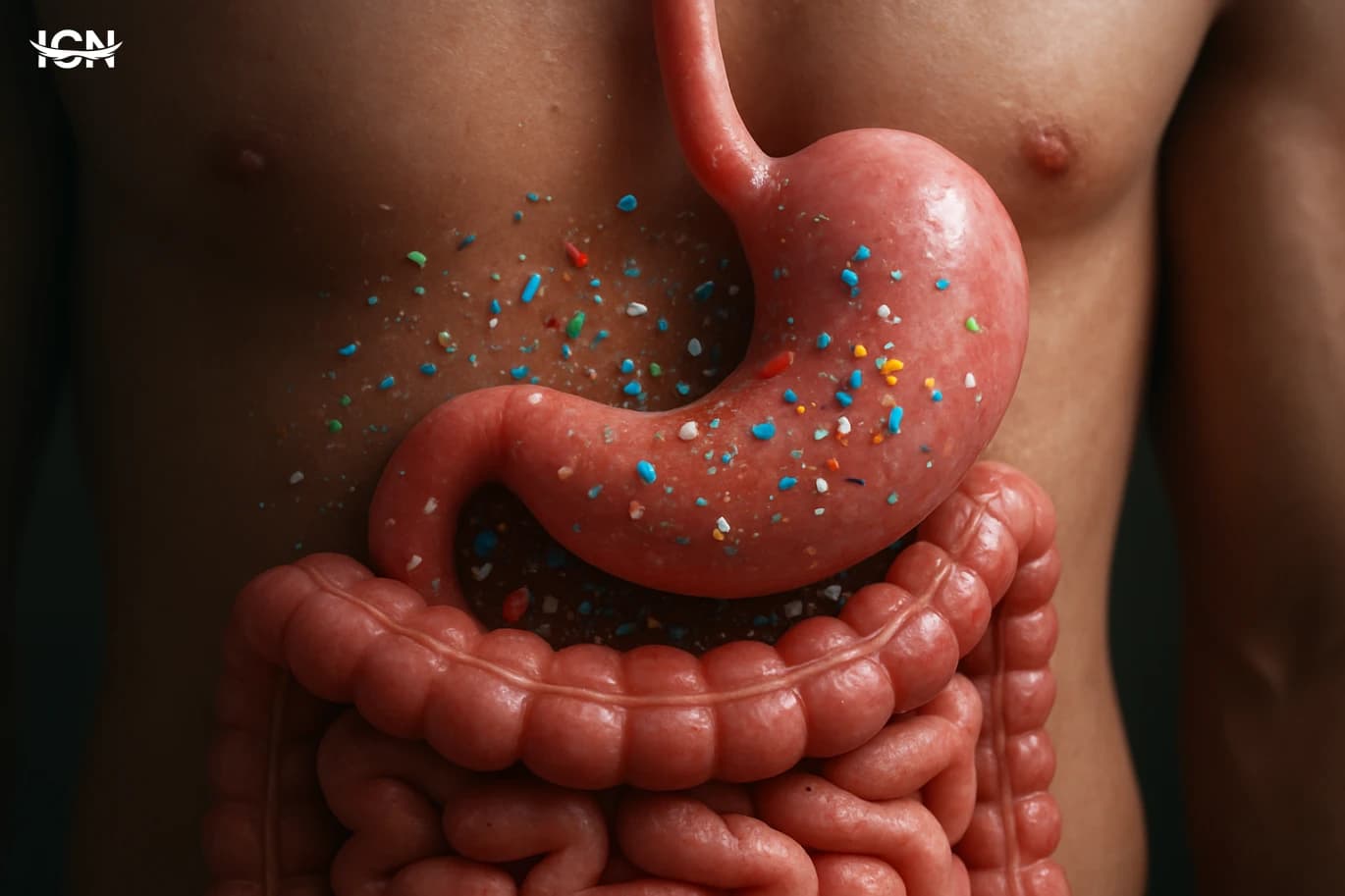
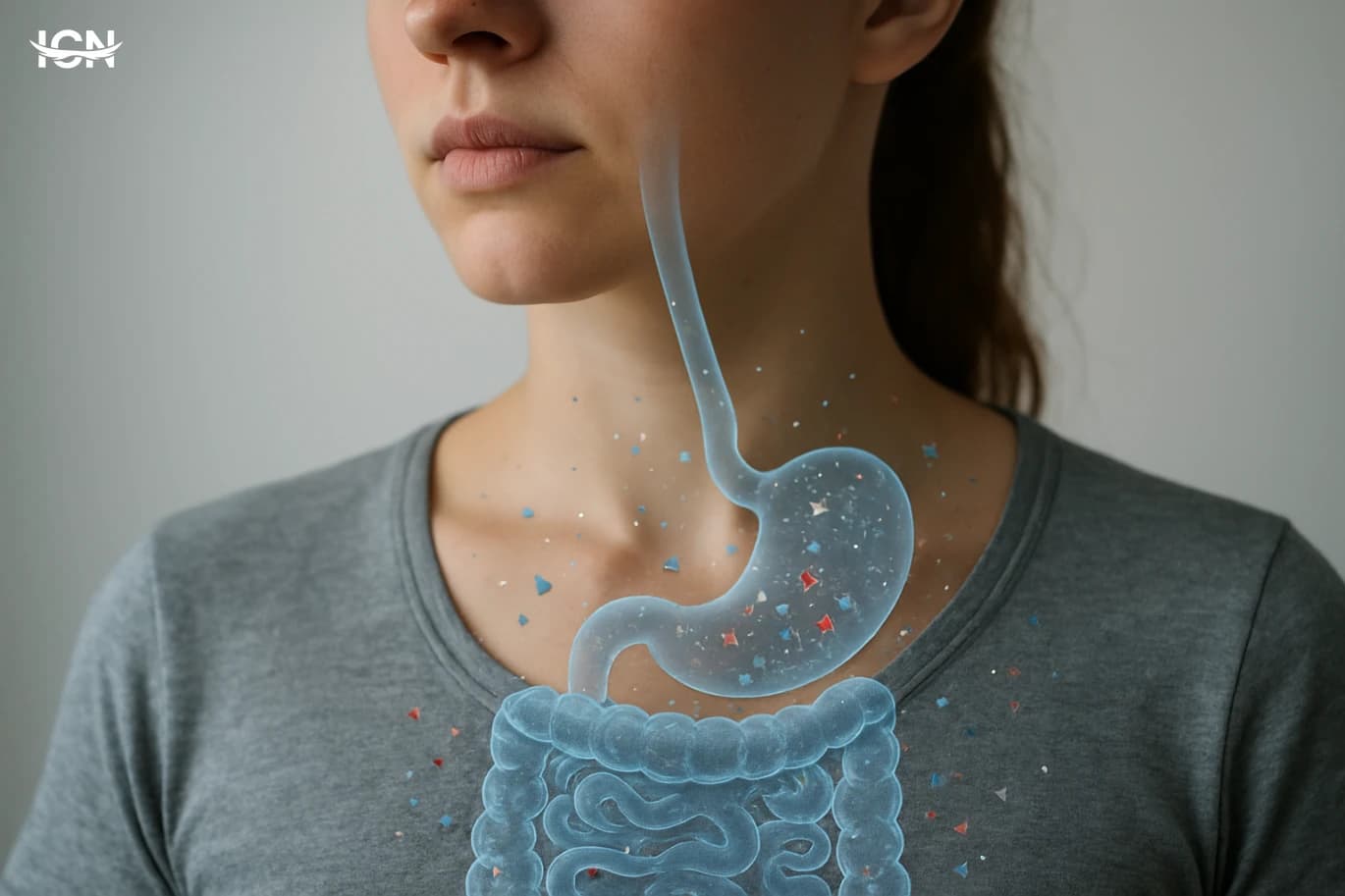
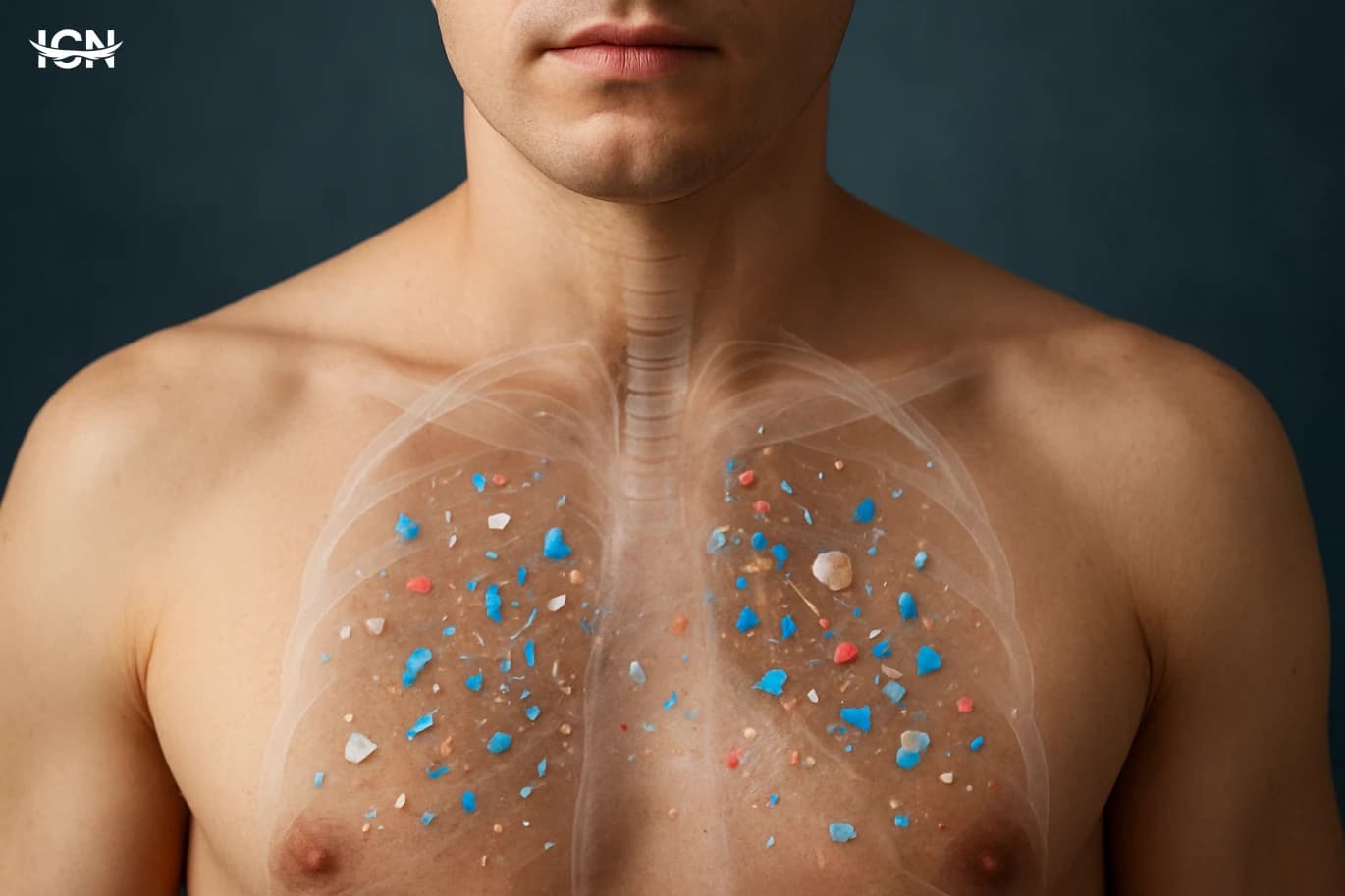
Health research on microplastics is developing quickly, but it is not yet definitive for many real-world exposure scenarios. Scientists consider several questions: how many particles people ingest through drinking water compared with food and air, whether particles cross the gut barrier, and how size and chemistry influence biological responses. Smaller particles, including nanoplastics, are often viewed as more biologically active because they can interact with cells differently than larger fragments. Current evidence suggests that drinking water is one exposure route among several, and in many settings food and indoor air may contribute substantially. That matters because reducing microplastics in water alone may not eliminate overall exposure. Researchers also examine chemical aspects: plastics can contain additives, and particles can adsorb other contaminants. However, translating these mechanisms into clear risk estimates for typical tap-water consumption remains a challenge. Scientific articles increasingly focus on study design quality. Laboratory studies may use particle concentrations higher than those found in drinking water to detect effects, which helps identify possible mechanisms but complicates direct comparisons to everyday intake. Human studies are emerging, but they face measurement and confounding issues, including differences in diet, occupation, and local environments. A responsible reading is that microplastics in drinking water are a legitimate concern worth monitoring and reducing, but the precise health risk at common exposure levels is still being quantified. That is why many public health discussions emphasize precautionary improvements in filtration, source control, and better data rather than alarmist conclusions.
What water treatment can realistically do
Conventional drinking water treatment can remove a meaningful share of microplastics, especially larger particles. Processes such as coagulation, flocculation, sedimentation, and sand filtration are designed to capture suspended solids, and microplastics often behave like other particulates. Advanced steps like membrane filtration can improve removal, but they come with higher costs, energy use, and maintenance requirements. The details matter. Removal efficiency depends on particle size and density, the presence of biofilms, and how particles interact with coagulants. Some fibers can slip through filters or align with flow in ways that reduce capture. Treatment plants also generate residuals such as sludge, which can concentrate captured microplastics; managing those residuals responsibly is part of the overall solution. At the household level, point-of-use filters vary widely. Some are designed primarily for taste and chlorine, while others target particulates. Consumers often assume “filtered” means “microplastics removed,” but performance depends on the filter type, pore size, and whether cartridges are replaced on schedule. Boiling water does not remove microplastics and may concentrate particles if water evaporates. A practical, science-aligned message is that treatment can reduce exposure, but it is not a substitute for upstream prevention. Cutting plastic leakage into waterways, improving wastewater capture, and reducing shedding from textiles and tires can lower the burden before it reaches treatment plants.
How to read new studies without hype
When a new scientific article claims a certain number of microplastic particles in tap water, the first step is to check what was measured. Did the study count particles, estimate mass, or both? What size range was included, and what was the smallest detectable particle? A report that includes only particles above a certain size will not be comparable to one that includes much smaller fragments. Next, look for contamination controls. Strong studies describe blanks, lab procedures, and how they prevented fibers from clothing and air from entering samples. They also report polymer identification methods rather than relying on visual inspection alone. If a paper does not specify how it confirmed a particle was plastic, the results should be treated cautiously. Context is also essential. Was the water sampled at the source, after treatment, or at household taps? How many samples were taken across seasons, and were results consistent? Single-location, single-day sampling can be useful as a snapshot but weak for broad conclusions. Finally, pay attention to what authors say about uncertainty and limitations. In high-quality scientific writing, limitations are not a weakness; they are part of honest reporting. For readers and editors, the best outcome is a balanced interpretation: microplastics in drinking water are measurable and reducible, but the science is still building the exposure and risk picture, and solutions require both engineering upgrades and upstream pollution control.