App Logo

Download Our App

Shop your way

logologo
Image

How Microplastics Move Through the Human Body
07/04/2026By: ICN Writer
How Microplastics Move Through the Human Body

Why this question matters now

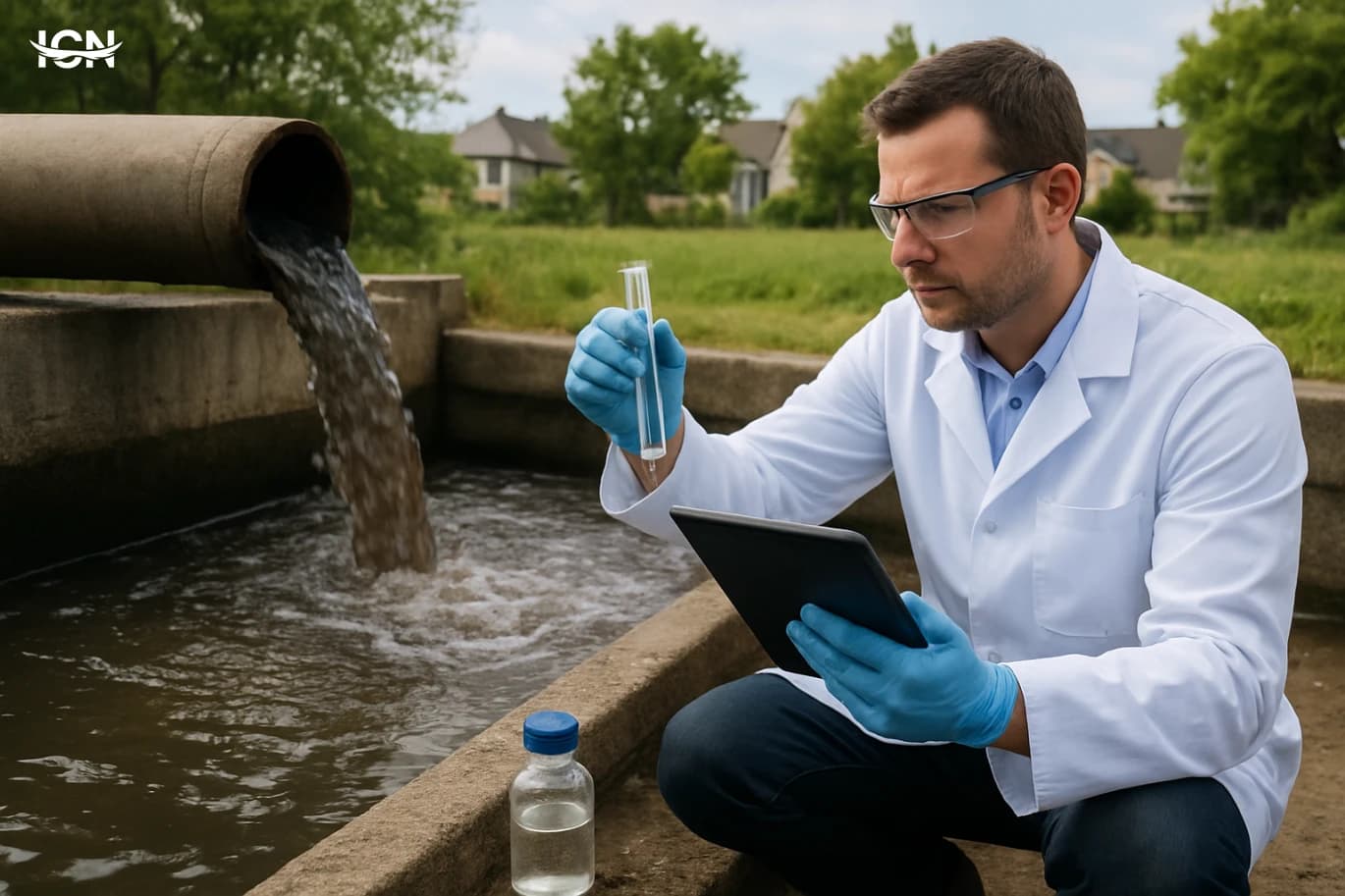
Microplastics are no longer only an ocean or wildlife issue; they are increasingly studied as a human exposure problem. Researchers have detected tiny plastic particles in drinking water, table salt, indoor dust, and a range of foods, which means everyday intake is plausible even without obvious pollution sources. The scientific focus has shifted from “are we exposed?” to “what happens after exposure?” because health risk depends on where particles travel, how long they persist, and whether they trigger biological responses. This article topic examines the current evidence on how microplastics can enter the body, move between organs, and leave the body, while clarifying what is known versus what remains uncertain. It also highlights why particle size, shape, and polymer type matter for transport, and why measurement methods can change the conclusions. The goal is to give readers a clear map of the research landscape without overstating the strength of the data.

Entry routes from air, food, and water

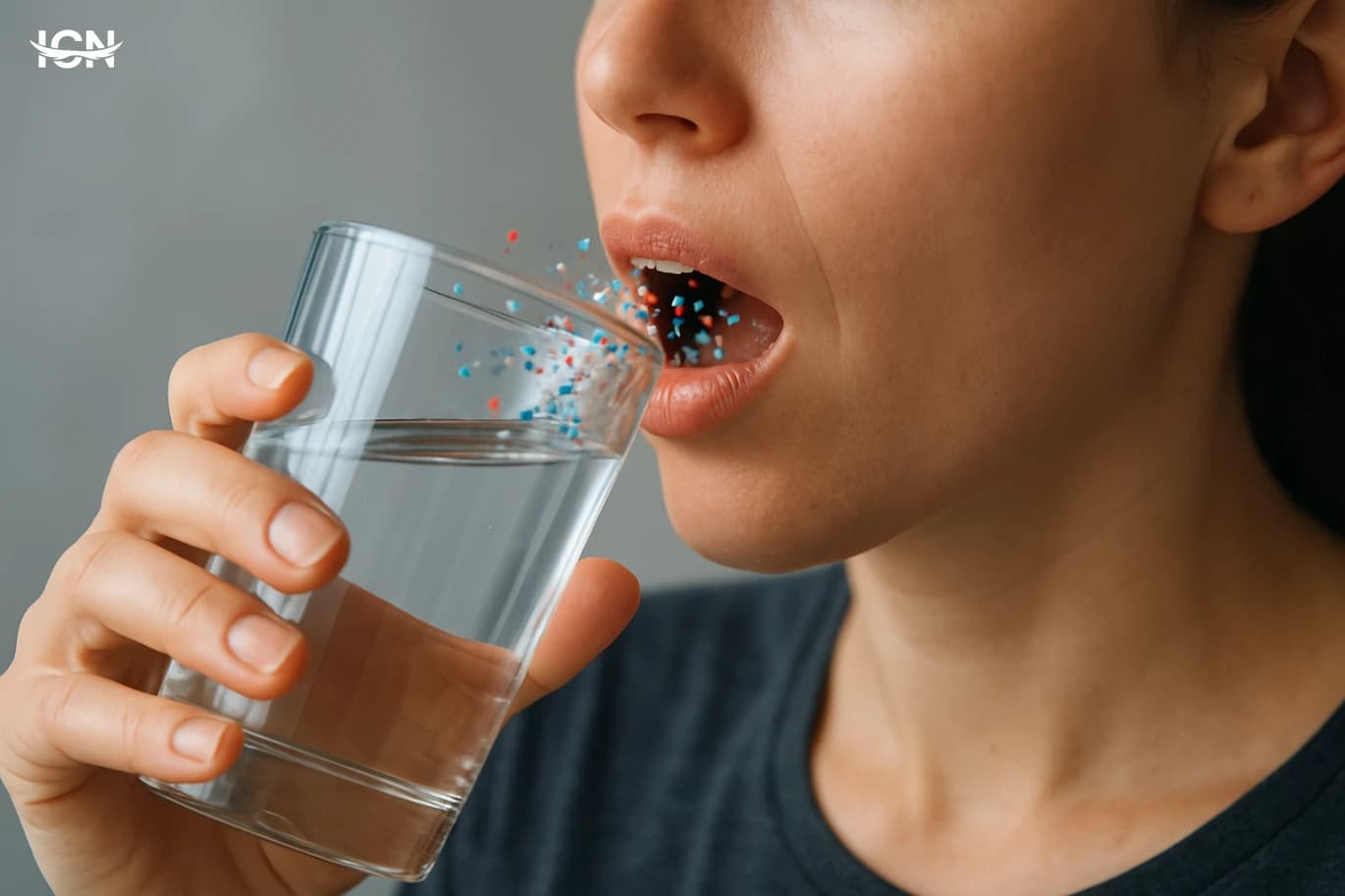
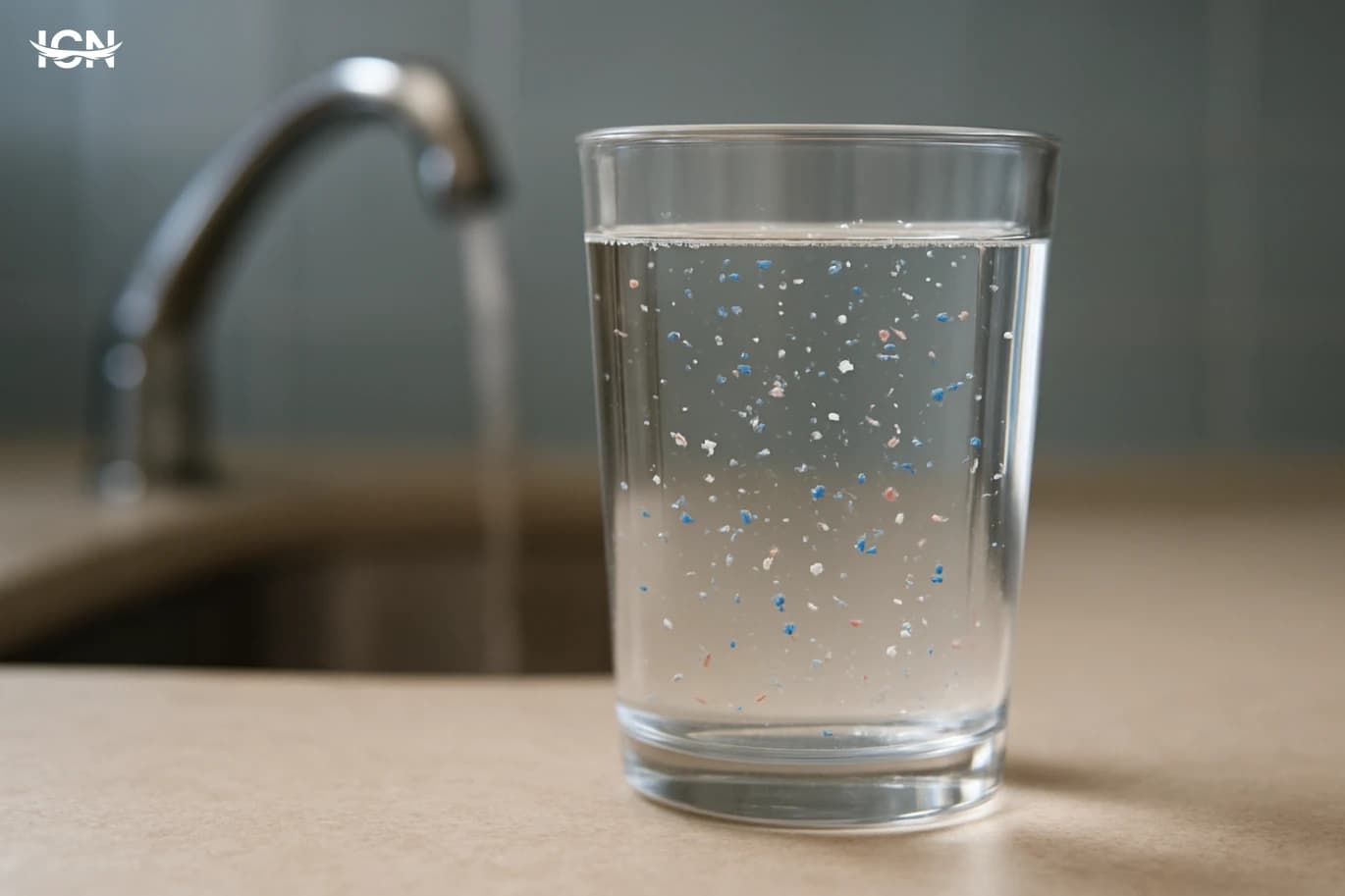
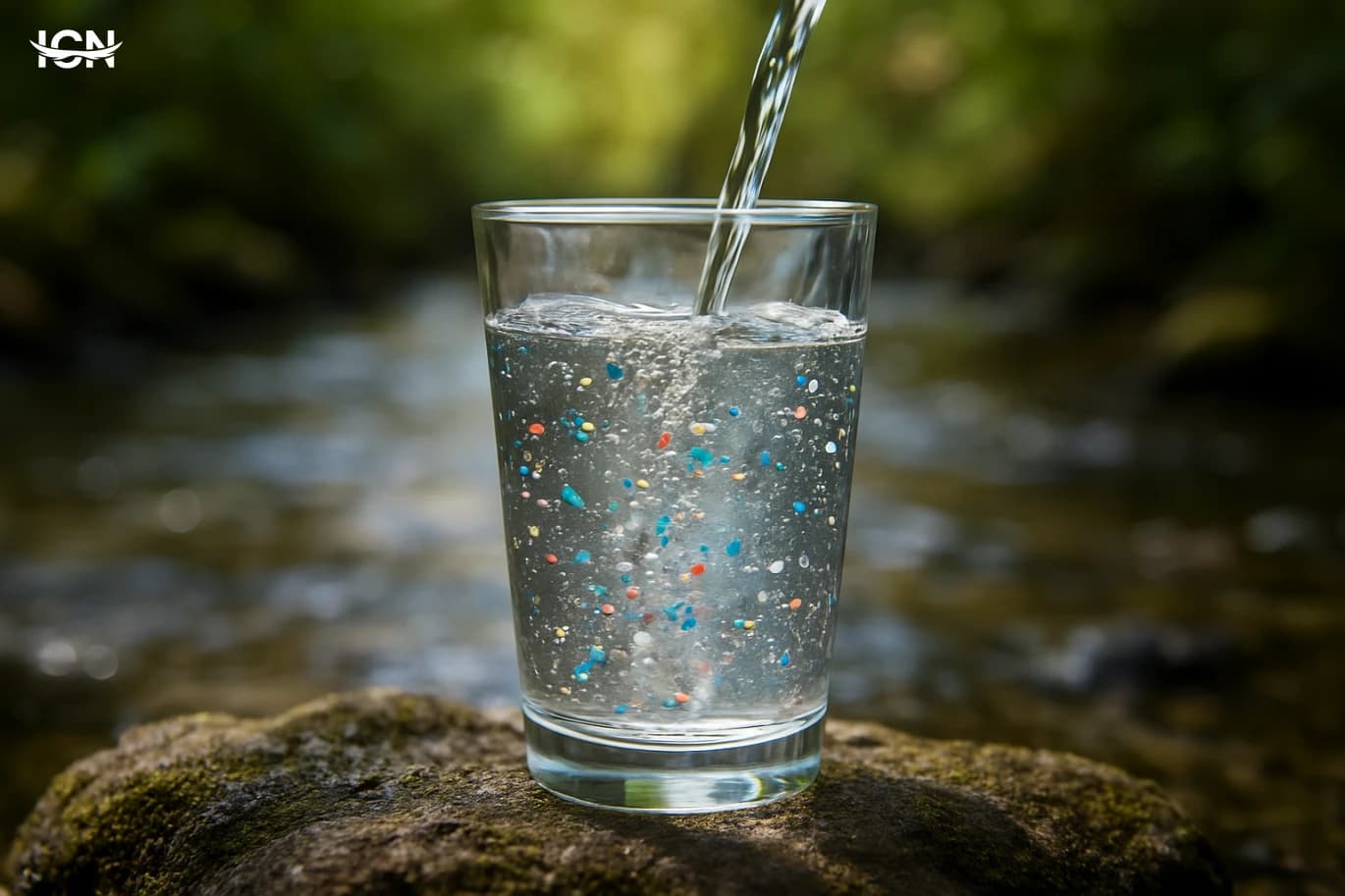
The two main entry routes discussed in scientific literature are ingestion and inhalation. Ingestion can occur through bottled and tap water, seafood, produce exposed to contaminated soil or water, and food that contacts plastic packaging or processing equipment. Indoor environments add another pathway: microplastics shed from textiles and furnishings can settle on surfaces and mix with food during preparation. Inhalation is relevant because indoor air often contains fibers from clothing, carpets, and household dust, and people spend much of their time indoors. Once particles are swallowed, most are expected to pass through the gastrointestinal tract. However, research suggests that the smallest particles, especially in the micro- to nano-size range, may interact more strongly with the gut lining. Inhaled particles can deposit in the upper airways or deeper in the lungs depending on size and shape. Fibers behave differently from spheres; they can align with airflow and lodge in specific regions. These entry routes are not equal in all populations: occupational settings such as textile production, recycling, or certain manufacturing environments may increase inhalation exposure, while dietary patterns can shift ingestion exposure. A key scientific challenge is that exposure estimates vary widely because sampling methods differ. Studies may use different filters, digestion steps, and identification tools such as spectroscopy, which can lead to undercounting very small particles or misclassifying natural fibers. Any serious article on this topic should explain that “how much enters the body” is still being refined, and that comparisons across studies require careful attention to methods.

Crossing biological barriers

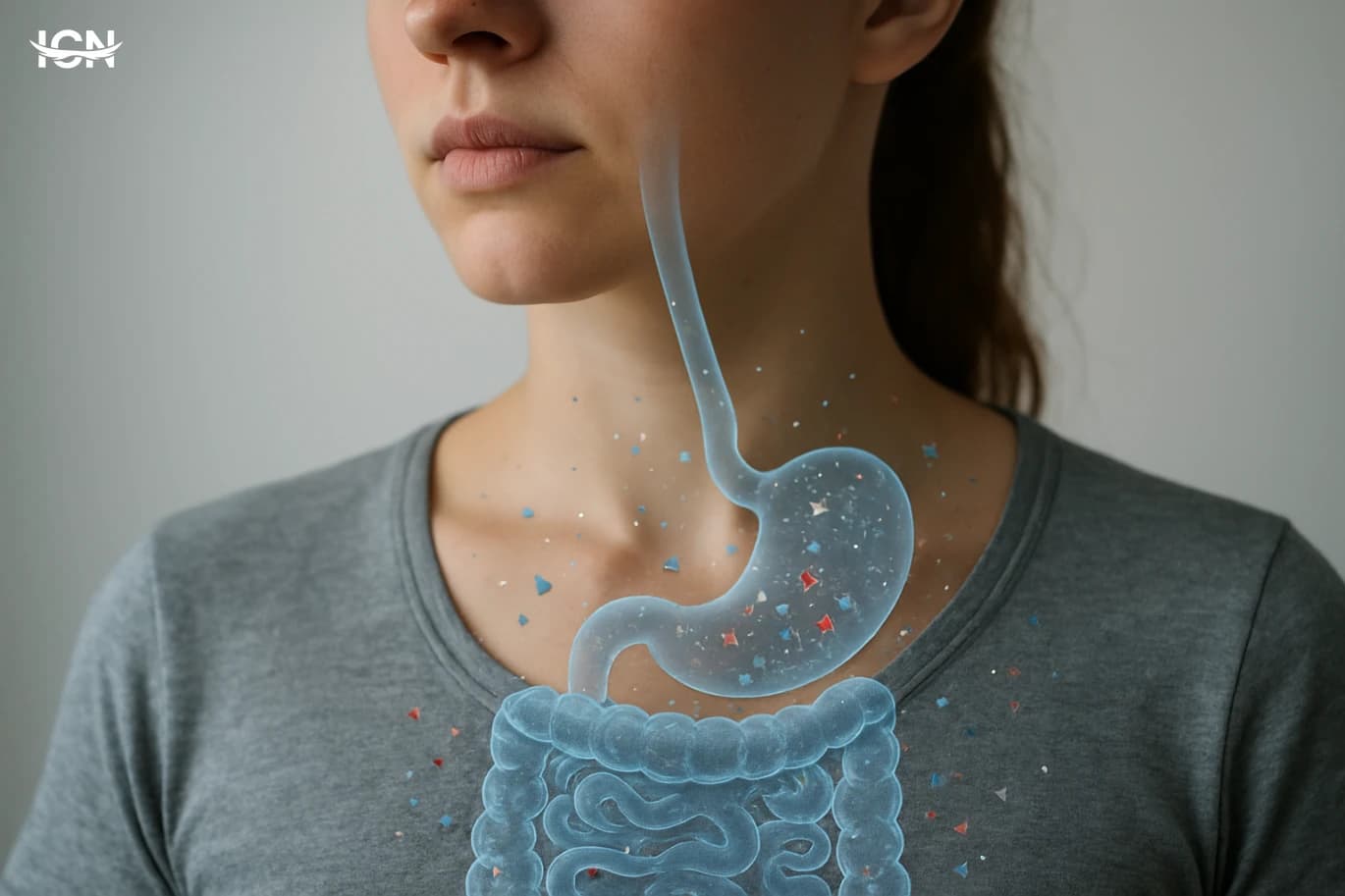
Whether microplastics can cross from the gut or lungs into the bloodstream is a central question. The body has protective barriers: the intestinal lining limits what passes into circulation, and the lung’s air-blood barrier is designed for gas exchange while blocking many particles. Evidence from laboratory studies indicates that very small particles can be taken up by cells through processes such as endocytosis, especially when particles are in the nano-size range or have surface properties that promote adhesion. In the gut, uptake may occur through specialized immune-associated structures and through areas where the barrier is temporarily more permeable. In the lungs, particles that reach deep regions can interact with immune cells that may transport material to lymph nodes. However, translating these mechanisms to real-world human exposure is difficult. Many experiments use particle concentrations higher than typical environmental levels, or use uniform plastic beads that do not represent the mixed shapes found in dust and food. A rigorous article should also address the role of the “protein corona,” a layer of biomolecules that can form on particle surfaces once inside the body. This coating can change how cells recognize and process particles, potentially affecting transport and clearance. Another factor is chemical additives and adsorbed pollutants: while the focus here is movement, the surface chemistry can influence how particles interact with tissues. The current consensus in many reviews is cautious: barrier crossing is plausible for the smallest fractions, but the frequency and scale in everyday exposure remain uncertain.

Where particles may accumulate

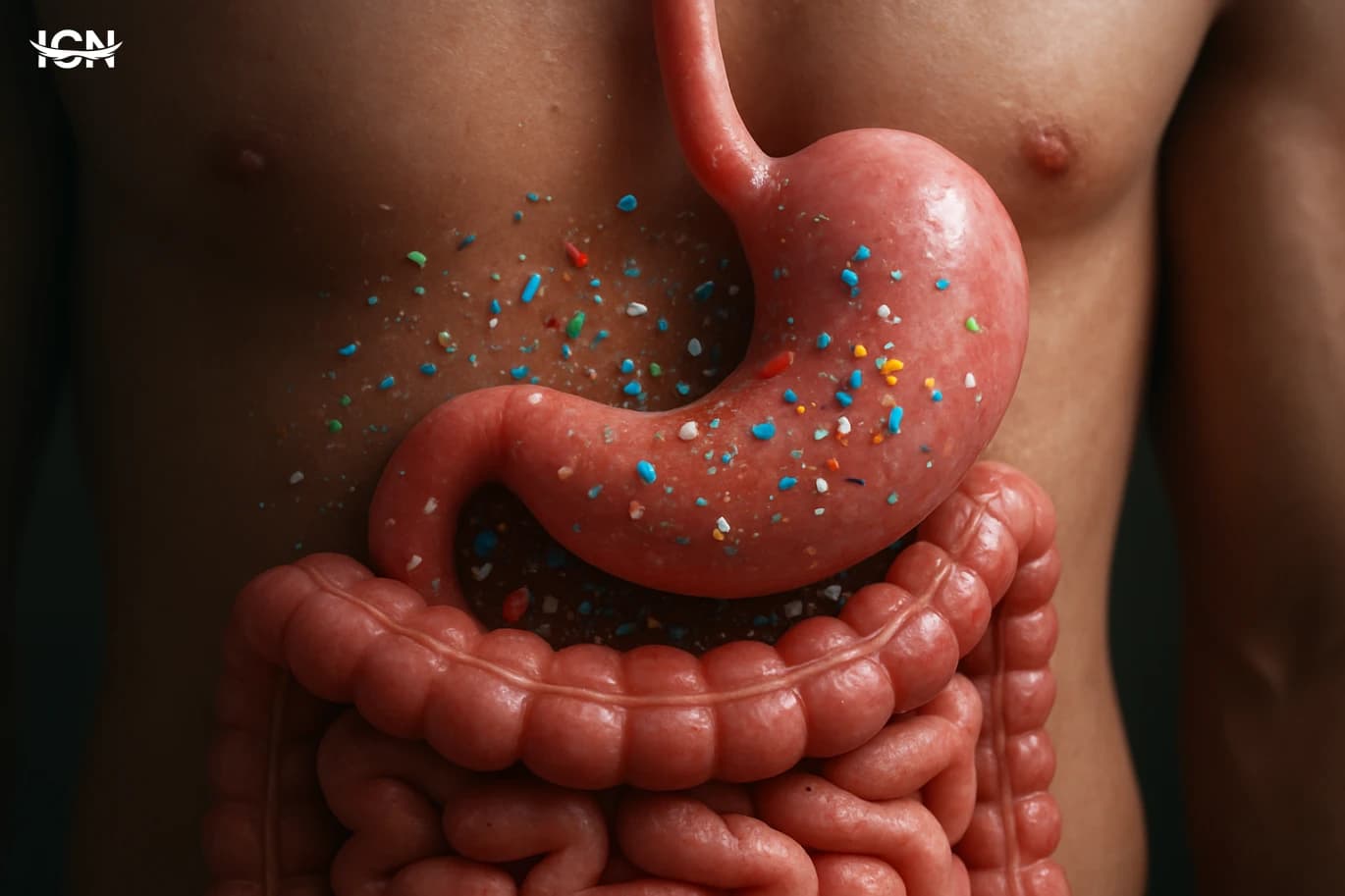
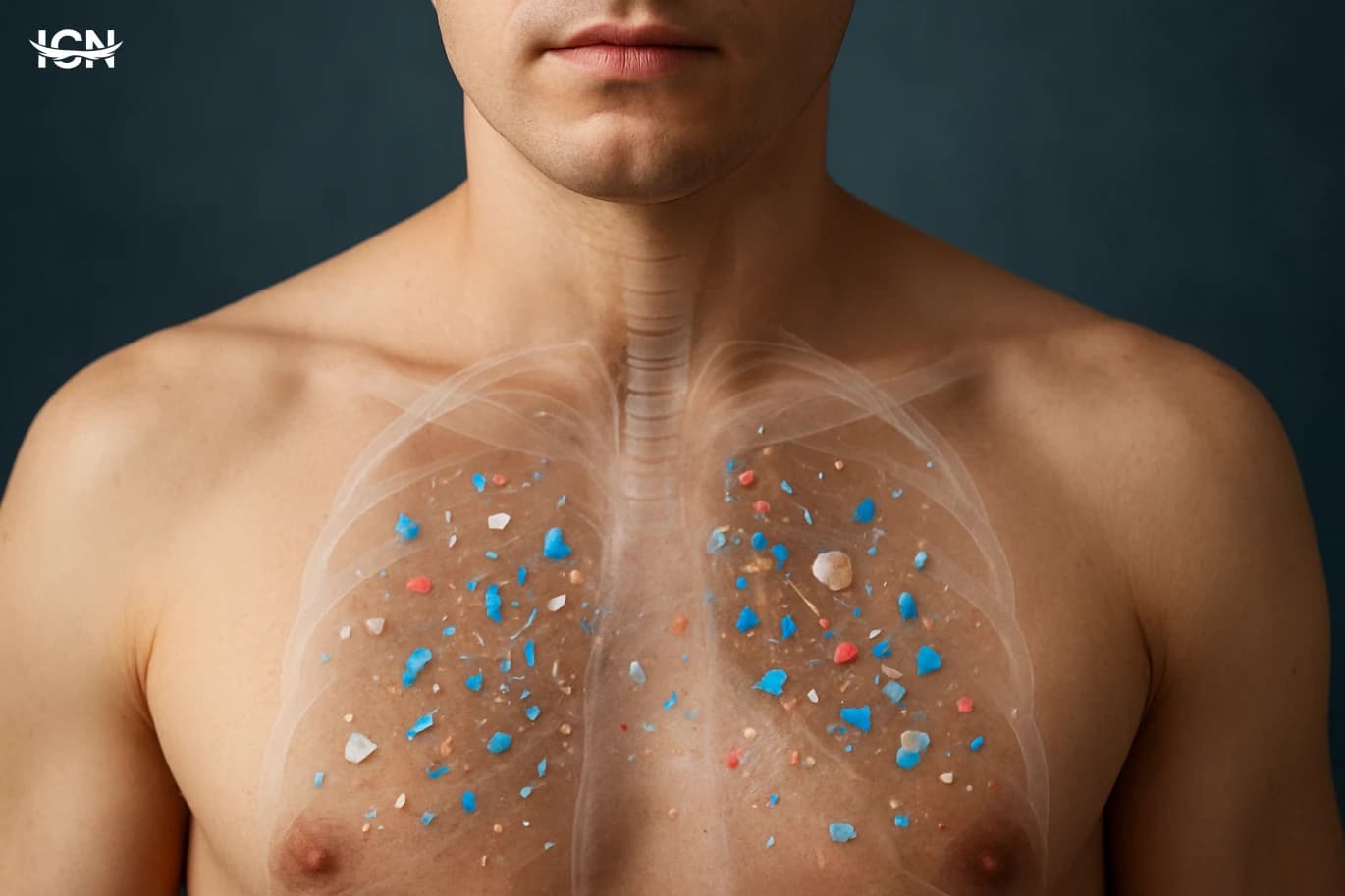
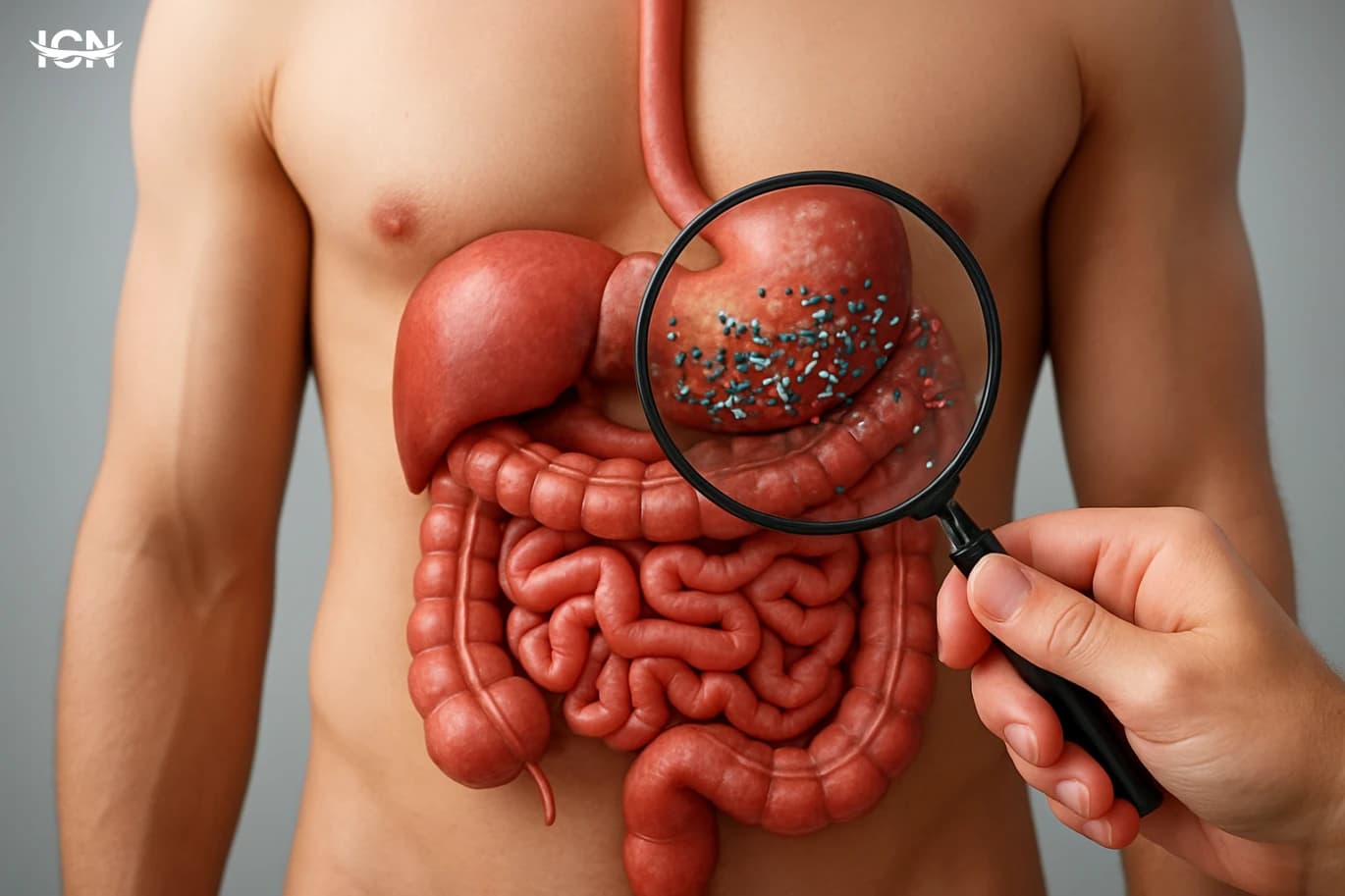
Reports of microplastics in human samples have raised questions about distribution across organs. Studies have examined blood, lung tissue, placental tissue, and other clinical samples, using analytical techniques to identify polymer types. If particles enter circulation, they could theoretically reach organs with high blood flow such as the liver and kidneys, which also play roles in filtration and detoxification. The lymphatic system is another possible transport route, especially for particles handled by immune cells. Accumulation is not guaranteed; it depends on particle size, shape, and the body’s ability to clear them. Larger microplastics are more likely to remain in the gut lumen and be excreted. Smaller particles may persist longer if they evade immune clearance or become trapped in tissue structures. Fibers may behave differently from fragments, potentially lodging in narrow spaces. Importantly, detection in a tissue sample does not automatically indicate harm, but it does indicate that transport and retention are possible under some conditions. A strong blog topic here is to compare what evidence comes from human observational studies versus animal models. Animal studies can map distribution more systematically, but species differences in anatomy and exposure routes matter. Human studies often have small sample sizes and face contamination risks during collection and analysis. Explaining these limitations helps readers understand why headlines can outpace the underlying certainty.

How the body clears microplastics

Clearance pathways are as important as entry pathways. For ingested microplastics, the primary route out is fecal excretion, and many studies assume this is the dominant outcome for most particles. For inhaled particles, clearance can involve mucociliary transport, where mucus traps particles and cilia move them toward the throat to be swallowed, followed by gastrointestinal excretion. Immune cells in the lungs can also engulf particles and contribute to clearance, though this process may be slower for certain shapes. If particles cross into tissues, clearance becomes more complex. The liver and spleen can filter circulating materials, and the kidneys can remove some small molecules, but solid particles may not be eliminated efficiently. Lymphatic transport may move particles to lymph nodes, where they could persist. Researchers also investigate whether particles break down into smaller fragments over time, which could change both distribution and elimination. However, plastic degradation inside the body is not well characterized, and it may differ by polymer type and by the local chemical environment. This section of the blog topic can emphasize what scientists measure to infer clearance: particle counts in excreta, changes in tissue levels over time in animal studies, and biomarkers of inflammation that may indicate the body is responding to retained material. It should also note that “not detected” does not always mean “not present,” because detection limits can miss the smallest particles.

What research needs next

The next phase of microplastics research is increasingly about standardization and real-world relevance. Scientists need harmonized protocols for sampling, contamination control, and polymer identification so that results can be compared across labs and countries. Better detection of nano-sized plastics is a priority, because these particles are most likely to cross barriers, yet they are the hardest to measure reliably. Researchers are also calling for reference materials and inter-laboratory comparisons to validate methods. On the health side, studies that connect exposure levels to specific biological outcomes require careful design. Longitudinal human studies are difficult but valuable, especially when combined with detailed exposure assessment and clinical measurements. Mechanistic studies should use particle mixtures that reflect real environments, including fibers and irregular fragments, not only uniform spheres. Another research need is to separate the effects of the particles themselves from the effects of associated chemicals and from other airborne or dietary contaminants. A practical closing angle for the blog topic is to explain how readers should interpret new findings: look for sample size, contamination controls, particle size range reported, and whether the study measured polymers directly. This equips non-specialists to evaluate claims and understand why scientific conclusions evolve as methods improve.

* All articles published on this blog are sourced from various websites and are provided for informational purposes only. They should not be considered as confirmed studies or accurate information. Please verify the information independently before relying on it.

Similar ARTICLES

How Cities Measure Heat With Satellites
Urban heat is often discussed as a general problem, but city planners need block-by-block evidence to decide where to plant trees, change paving, or adjust building codes. Traditional weather stations are accurate at a point, yet they are sparse and can miss sharp temperature differences between a shaded park, a wide asphalt road, and a dense commercial district. That gap matters because heat exposure is shaped by local surfaces, building height, wind corridors, and the timing of shade. Satellite remote sensing offers a way to map temperature patterns across an entire city on the same day, using consistent methods. The key product is land surface temperature, which describes how hot the ground and rooftops are, not the air temperature people see on a phone app. Understanding the difference is essential: surfaces can be far hotter than the air, and they influence the air through radiation and convection. A serious article can show how cities translate satellite maps into practical decisions, and what limitations must be respected to avoid misleading conclusions.
Microplastics in Drinking Water Explained
Microplastics are tiny plastic particles, generally smaller than 5 millimeters, that come from the breakdown of larger plastic items or from products that shed fragments during use. In water research, scientists often distinguish between microplastics and even smaller “nanoplastics,” which can be harder to detect with routine methods. The reason microplastics matter in drinking water is not only their presence, but their potential to carry additives, pick up pollutants from the environment, and interact with biological systems in ways that are still being mapped. In recent years, microplastics have been reported in rivers, lakes, groundwater, and treated tap water in multiple regions. That does not automatically mean every glass of water is unsafe, but it does mean the topic has moved from a niche environmental concern to a mainstream public health and infrastructure question. Researchers are now asking practical questions: where do these particles enter water supplies, how well do treatment plants remove them, and what exposure levels are realistic for different communities. A key point in scientific articles is uncertainty. Measuring microplastics is technically challenging because particles vary widely in size, shape, polymer type, and surface chemistry. Two studies can report different numbers simply because they used different sampling volumes, filters, or identification techniques. Understanding these limitations helps readers interpret headlines and focus on what the evidence can and cannot claim today.
How Microplastics Enter the Human Body
Microplastics are plastic fragments typically smaller than 5 millimeters, and they have moved from being an environmental concern to a public health research priority. Scientists track them because they are now detected in oceans, rivers, soils, household dust, and food packaging, creating multiple pathways for human exposure. The research focus is not only on how much plastic is present, but on particle size, shape, and polymer type, because these factors influence where particles travel and how they interact with tissues. Another reason for urgency is that microplastics can carry additives and can adsorb other chemicals from the environment, complicating exposure assessment. In recent years, laboratories have improved detection methods, allowing studies to report microplastics in samples that were previously difficult to analyze, such as air filters, drinking water, and biological fluids. This shift has pushed the topic into mainstream scientific articles, where the central question is increasingly practical: what are the most common routes into the body, and what can be measured reliably today?
How Wastewater Reveals Community Health Trends
Wastewater-based epidemiology (WBE) turns what flows through sewers into measurable signals about a community’s health. When people take medications, get infected with viruses, or are exposed to certain chemicals, traces of those substances or their breakdown products can end up in urine and feces. Those traces mix in the sewer network, creating a pooled sample that represents thousands to millions of residents. Scientists can collect wastewater at treatment plants or key pumping stations and analyze it to estimate trends without testing individuals. This approach is not new, but it has matured quickly because modern molecular and chemical methods can detect very small amounts of genetic material and metabolites. WBE is especially useful when clinical testing is limited, delayed, or biased toward people who seek care. It can also provide early warning, because changes in wastewater can appear before hospitals see a surge. The result is a complementary dataset: not a replacement for clinical surveillance, but a broad, population-level lens that can help public health teams allocate resources, evaluate interventions, and communicate risk with more timely evidence.
World Day to Combat Desertification
The World Day to Combat Desertification and Drought, observed each year on 17 June, focuses attention on land as a practical foundation for food, water security, and stable local economies. It is linked to the UN Convention to Combat Desertification and highlights a simple message: land degradation is not only an environmental issue, it is also a productivity issue that affects farms, rangelands, cities, and supply chains. The day is used by governments, research institutions, and civil society to share data, announce restoration programs, and promote land management practices that keep soils fertile and water available. Desertification is often misunderstood as “deserts expanding.” In policy and science, it refers to land degradation in drylands caused by climate variability and human activities. Drought is a temporary shortage of water, but repeated droughts can accelerate degradation when soils are bare, overgrazed, or poorly managed. The day matters because it connects these concepts to decisions people make every season: how fields are irrigated, how grazing is rotated, how vegetation is protected, and how cities plan water demand. It also encourages measurable commitments, such as restoring degraded hectares, improving soil organic matter, and reducing water losses in agriculture.
Beating the Wolf Hour Wake-Up
Many people describe a frustrating pattern: they fall asleep normally, then wake up suddenly between roughly 2:00 and 4:00 a.m., alert enough to check the clock and unable to drift back. Popular culture calls it the “wolf hour,” but sleep science treats it as a common form of middle-of-the-night awakening. It is not a mystery event; it is usually the result of normal sleep architecture colliding with stress biology, light exposure, temperature shifts, and habits that push the brain toward wakefulness. Sleep is organized into cycles of about 90 minutes, moving through lighter and deeper stages and then REM sleep. In the second half of the night, REM periods become longer and sleep tends to be lighter. That makes awakenings more likely, and if the brain receives a strong “wake signal” at that moment—worry, a notification, a warm room, alcohol rebound, or a blood-sugar dip—the awakening can become prolonged. The key point is that the timing is predictable: the body’s circadian rhythm is preparing for morning, and the sleep system is more fragile. This pattern affects millions because it is easy to trigger and hard to ignore. People often respond by trying harder to sleep, checking the time repeatedly, or scrolling on a phone, which increases arousal and teaches the brain that 3 a.m. is a time for thinking. A scientific approach focuses on reducing arousal, strengthening circadian cues, and using behavioral tools that retrain the association between bed and sleep.
How Microplastics Move Through the Human Body
Microplastics are fragments and fibers typically smaller than 5 millimeters, produced when larger plastic items break down or when synthetic materials shed during use. For years they were treated mainly as an environmental pollutant, measured in oceans, rivers, and soils. The topic shifted toward medicine as detection methods improved and researchers began reporting particles in places that matter for human health, including drinking water, food, indoor air, and household dust. Exposure is not limited to coastal regions or specific occupations; it can occur in ordinary daily routines such as eating packaged foods, drinking from plastic containers, or inhaling airborne fibers released from textiles. The scientific question is no longer only whether microplastics exist around us, but how they enter the body, where they travel, and what biological processes they might disrupt. This requires combining analytical chemistry, toxicology, and clinical research. It also demands careful language: finding particles in a sample does not automatically prove disease causation. A serious discussion focuses on pathways, doses, particle types, and the quality of evidence, while acknowledging uncertainty and the need for standardized methods across laboratories.
How Microplastics Move Through Our Bodies
Microplastics are tiny plastic fragments and fibers that come from the breakdown of larger products, synthetic textiles, tire wear, and industrial pellets. For years they were discussed mainly as an ocean and wildlife problem, but research has expanded because these particles are now detected in everyday environments: indoor dust, drinking water, and a range of foods. The health question is not built on a single alarming finding; it is built on repeated measurements showing that exposure is routine, and on basic biology suggesting that very small particles can interact with tissues. Scientific articles increasingly focus on two practical issues: where exposure happens and what size and chemistry matter most. A key point is that “microplastics” is a broad label. Particles differ by polymer type, additives, surface coatings, and whether they carry other chemicals on their surface. They also differ by shape: fibers, fragments, films, and spheres. These differences can change how particles behave in air and water, how they are taken up by the body, and how researchers should measure them.
Microplastics in Drinking Water What Science Shows
Microplastics moved from an ocean-pollution headline to a household concern once researchers began detecting tiny plastic particles in tap water, bottled water, and even treated wastewater. The scientific question is not only whether particles are present, but how they get there and what their presence means for exposure. Sources include fragmentation of larger plastics, shedding from synthetic textiles during washing, wear from tires and road dust, and breakdown of coatings and packaging. These particles can enter rivers and reservoirs through stormwater runoff and wastewater effluent, then pass through drinking-water treatment at varying rates depending on particle size and treatment design. The topic matters because drinking water is a daily, repeated exposure route, and because public discussion often mixes confirmed findings with assumptions. A careful article can separate what is measured from what is inferred, and explain why different studies report different numbers. It can also clarify terminology: “microplastics” typically refers to particles smaller than 5 millimeters, while “nanoplastics” are far smaller and harder to measure with routine methods. Understanding that measurement limits shape the evidence is essential for interpreting headlines and for making practical decisions about monitoring and treatment.
Microplastics Inside the Human Body
Microplastics are tiny fragments shed from packaging, synthetic textiles, tires, and many everyday products. For years they were treated mainly as an environmental issue, measured in oceans and wildlife. That changed as researchers began detecting these particles in places directly connected to human exposure: drinking water, table salt, seafood, and indoor air. The scientific question is no longer whether people encounter microplastics, but how much enters the body and what happens after exposure. This topic sits at the intersection of analytical chemistry, toxicology, and public health. Scientists must first define what counts as “microplastic,” because size thresholds, polymer types, and shapes vary across studies. They also must separate plastic particles from other debris, avoid contamination from lab equipment, and report results in comparable units. Those practical details shape headlines and policy discussions, yet they are often missing from public summaries. A clear article can explain what the evidence actually shows, what remains uncertain, and why the next generation of studies is focusing on internal measurements rather than environmental sampling alone.
How Wastewater Reveals Community Health Trends
Wastewater-based epidemiology is the practice of analyzing sewage to estimate what is happening in a community’s health and environment. The idea is straightforward: what people excrete, wash off, or discard ends up in sewers, where it becomes a pooled sample representing thousands to millions of residents. Scientists can measure genetic fragments from viruses, chemical traces from medications, and markers of industrial or household chemicals. Because the sample is aggregated, it can reveal trends without requiring every individual to take a test or fill out a survey. Public health agencies became widely aware of this approach during the COVID-19 pandemic, when viral RNA in wastewater often rose before clinical case counts increased. That early signal mattered in places where testing access was limited or where people used at-home tests that were not reported. Beyond infectious diseases, wastewater monitoring is now used to track seasonal influenza, antimicrobial resistance genes, and population-level exposure to substances such as nicotine metabolites. The scientific value is not in identifying individuals, but in providing timely, population-scale indicators that can guide targeted outreach, resource planning, and follow-up studies.
How Wastewater Reveals Community Health Trends
Wastewater carries a combined chemical and biological “fingerprint” of a community. When people use medicines, eat certain foods, or get exposed to environmental chemicals, traces of those substances and their breakdown products can end up in sewage. Public health researchers analyze these traces to estimate what is happening across a city or neighborhood without needing to test individuals. This approach is often called wastewater-based epidemiology, and it has expanded from tracking illicit drugs to monitoring viruses, antibiotic resistance markers, and indicators of chronic disease risk. The appeal is practical. A single treatment plant can represent hundreds of thousands of residents, providing a broad snapshot at relatively low cost. Sampling can be repeated daily or weekly, allowing analysts to see changes over time and to detect sudden shifts that might signal an outbreak, a change in prescribing patterns, or a new exposure source. Because the data are aggregated, it can complement clinical reporting and surveys, especially when healthcare access is uneven or when people do not seek testing.
Why an Hour Has 60 Minutes
Most people learn early that an hour equals 60 minutes, then stop thinking about it. Yet “60” is not an obvious choice like 10 or 100, and it is not dictated by nature in the way a day is tied to Earth’s rotation. The 60-minute hour is a human convention that became global because it was practical, teachable, and compatible with earlier ways of counting and measuring. To understand why 60 survived, it helps to separate three layers: how ancient societies counted, how they divided the day, and how later science and technology locked those divisions into standards. The hour and minute are not random; they are the result of a long chain of decisions that favored easy division, reliable record-keeping, and shared reference points for trade, astronomy, and eventually transportation and telecommunications.
By clicking the SUBSCRIBE button, you are agreeing to our Privacy & Cookie Policy If you want to unsubsribe the marketing email, please proceed to our privacy center.
© 2005-2026 ICN. All Rights Reserved.