How Microplastics Move Through the Human Body
- Why microplastics became a medical question
- Entry routes through food, water, and air
- From gut and lungs to blood and organs
- What the evidence suggests about health effects
- How scientists detect microplastics in people
- Practical steps to reduce everyday exposure
Why microplastics became a medical question
Microplastics are fragments and fibers typically smaller than 5 millimeters, produced when larger plastic items break down or when synthetic materials shed during use. For years they were treated mainly as an environmental pollutant, measured in oceans, rivers, and soils. The topic shifted toward medicine as detection methods improved and researchers began reporting particles in places that matter for human health, including drinking water, food, indoor air, and household dust. Exposure is not limited to coastal regions or specific occupations; it can occur in ordinary daily routines such as eating packaged foods, drinking from plastic containers, or inhaling airborne fibers released from textiles. The scientific question is no longer only whether microplastics exist around us, but how they enter the body, where they travel, and what biological processes they might disrupt. This requires combining analytical chemistry, toxicology, and clinical research. It also demands careful language: finding particles in a sample does not automatically prove disease causation. A serious discussion focuses on pathways, doses, particle types, and the quality of evidence, while acknowledging uncertainty and the need for standardized methods across laboratories.
Entry routes through food, water, and air
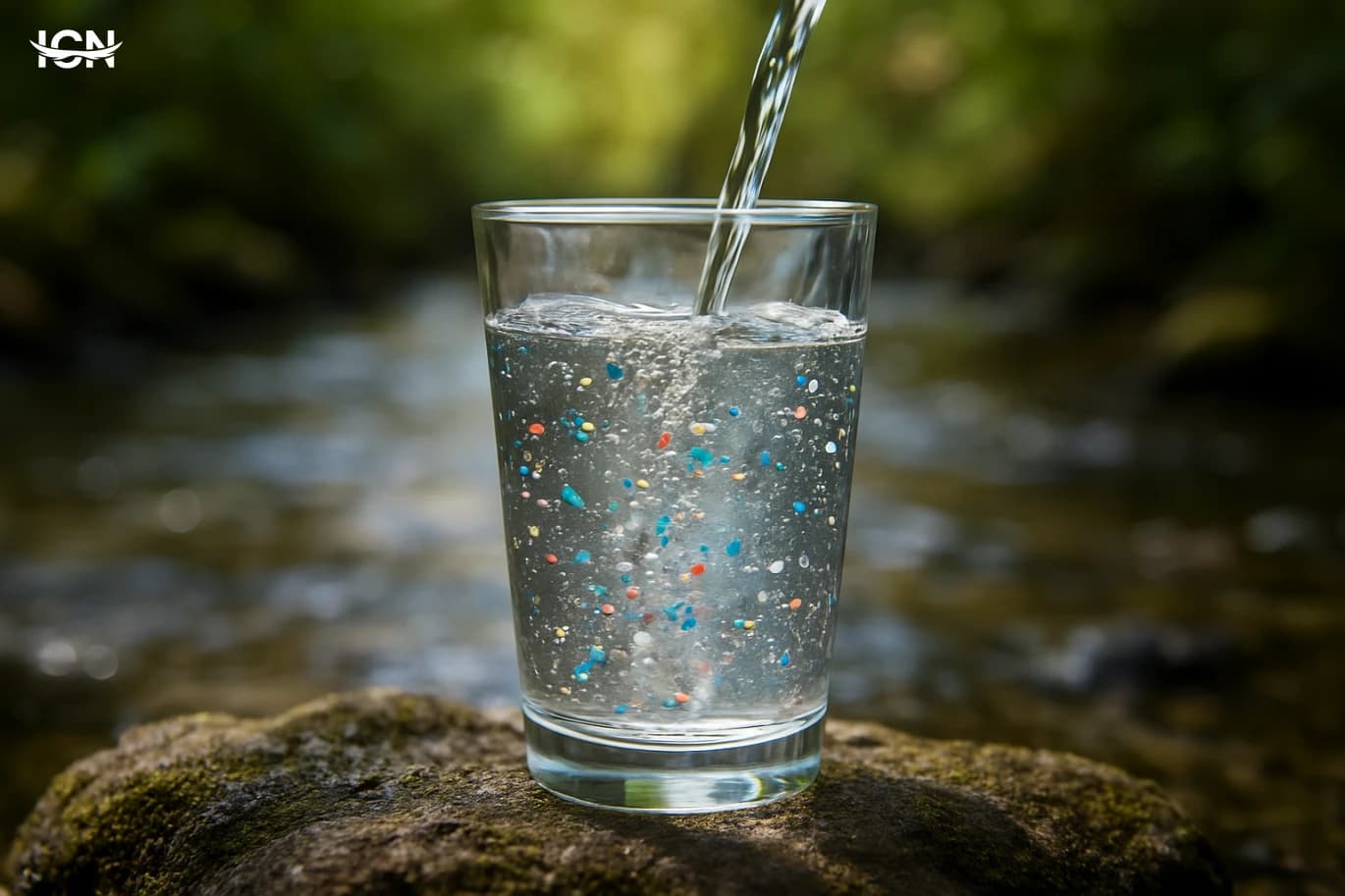
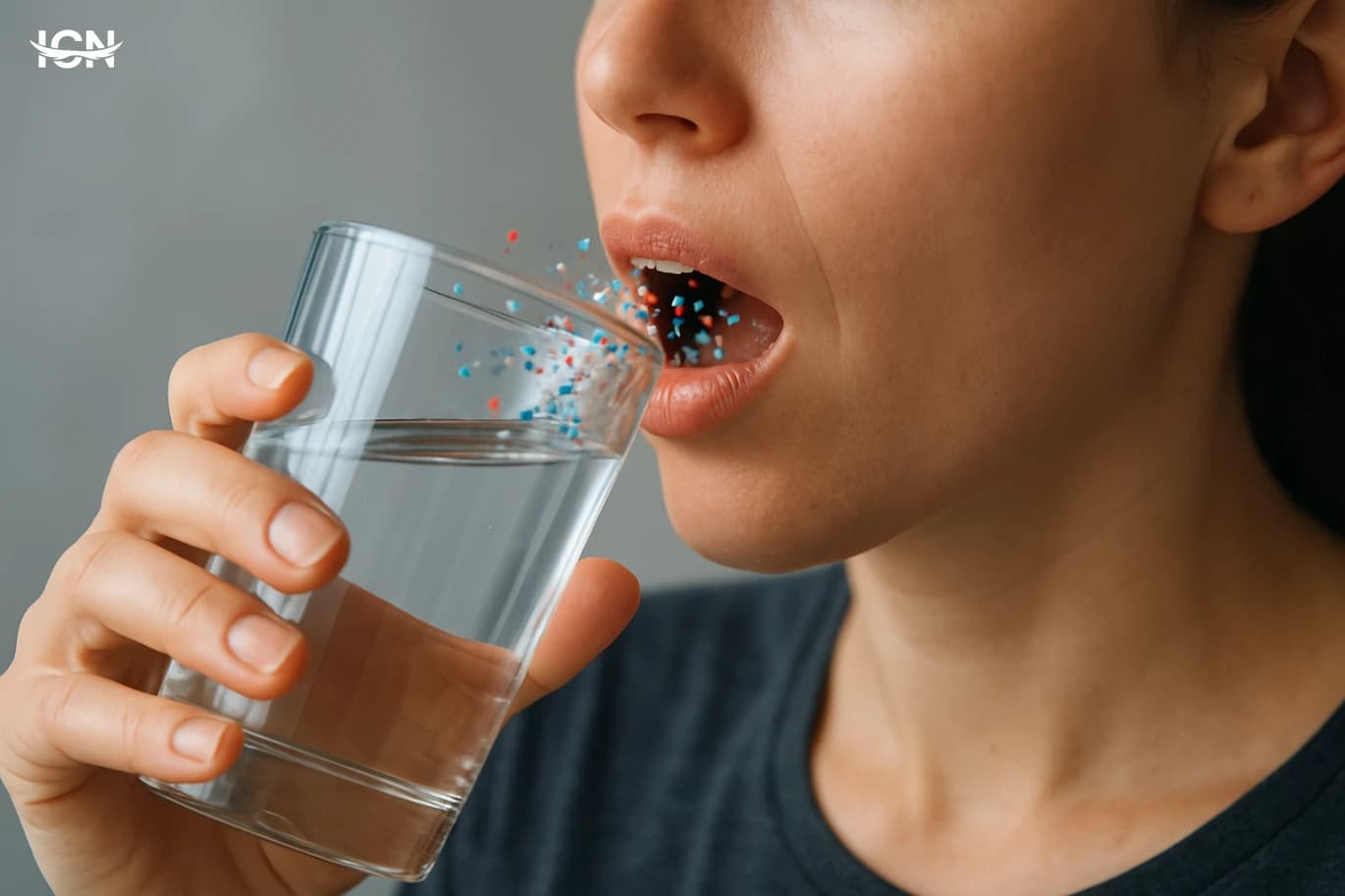
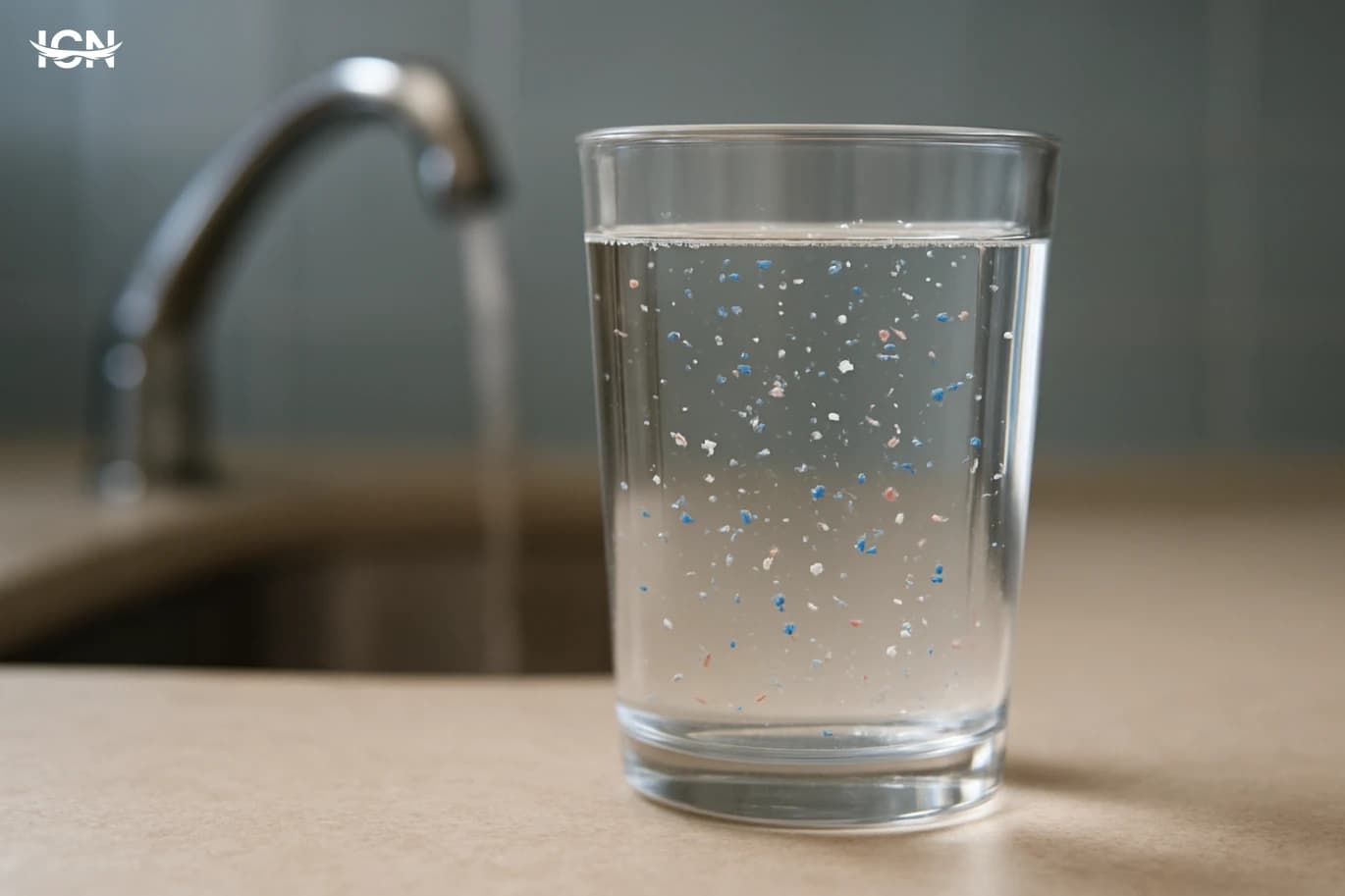
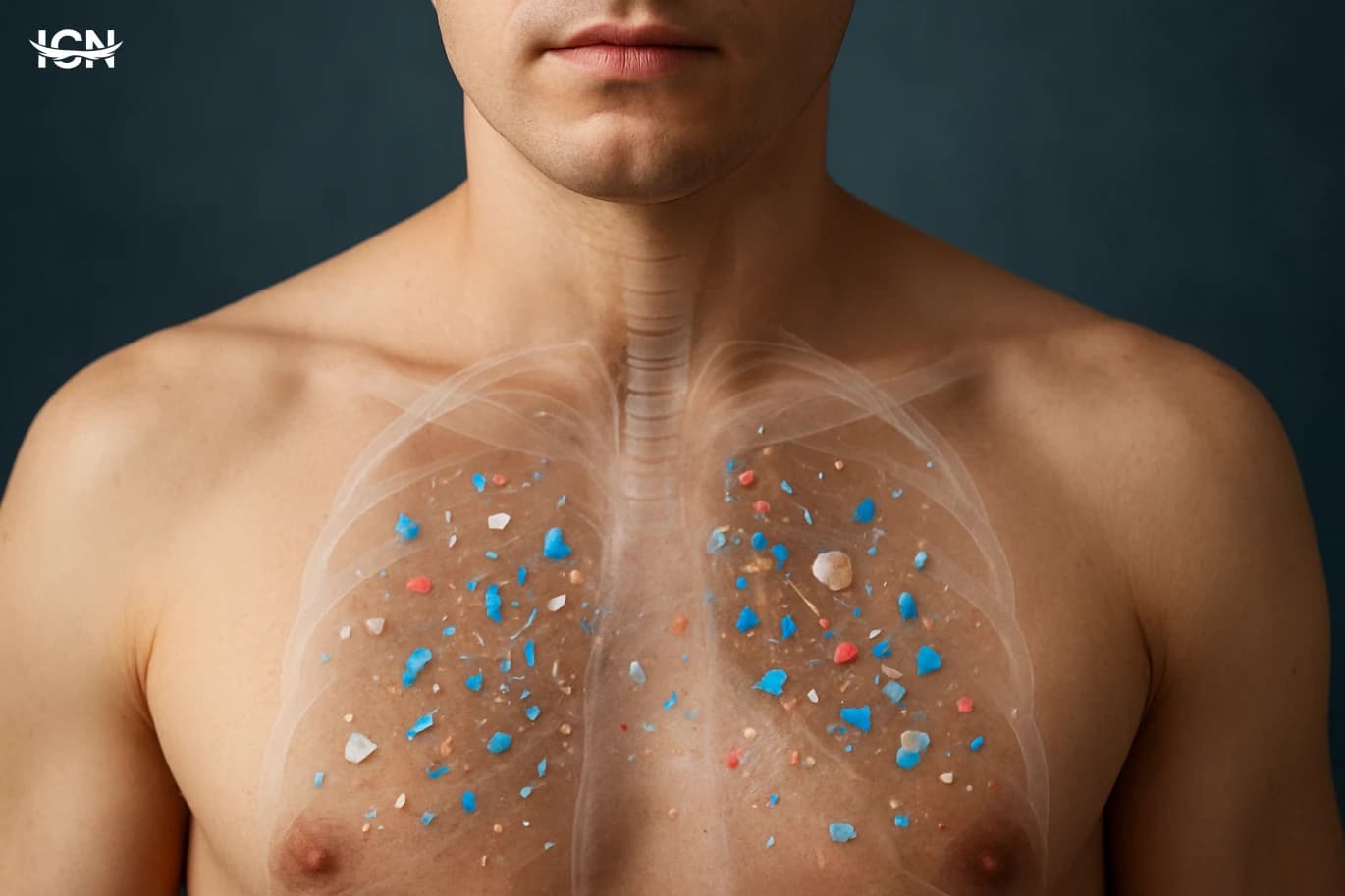
The most discussed entry route is ingestion. Microplastics can reach food through multiple steps: contamination of raw ingredients, contact with processing equipment, and migration from packaging. Seafood is often highlighted because marine organisms can ingest particles, but studies also report microplastics in table salt, bottled beverages, and various processed foods. Drinking water is another pathway. Particles have been measured in both bottled and tap water, with results varying by location, treatment processes, and sampling methods. A key point for readers is that “presence” does not equal “dose”: the number, size distribution, and polymer type strongly influence potential biological impact. Inhalation is increasingly important, especially indoors where people spend most of their time. Synthetic textiles, upholstery, and carpets can shed fibers that become airborne. Ventilation, humidity, and cleaning practices affect concentrations. Once inhaled, larger particles may be trapped in the upper airways and cleared by mucus and cilia, while smaller particles can reach deeper lung regions. A third route, dermal exposure, is generally considered less significant for intact skin, but it remains under study for very small particles and for situations involving damaged skin or prolonged contact with certain products. Across all routes, particle characteristics matter. Fibers behave differently from fragments; nanoplastics (often defined below 1 micrometer) may interact with cells in ways larger particles cannot. Additives and surface contaminants can also travel with the plastic, complicating risk assessment because the biological response may reflect both the particle and the chemicals associated with it.
From gut and lungs to blood and organs
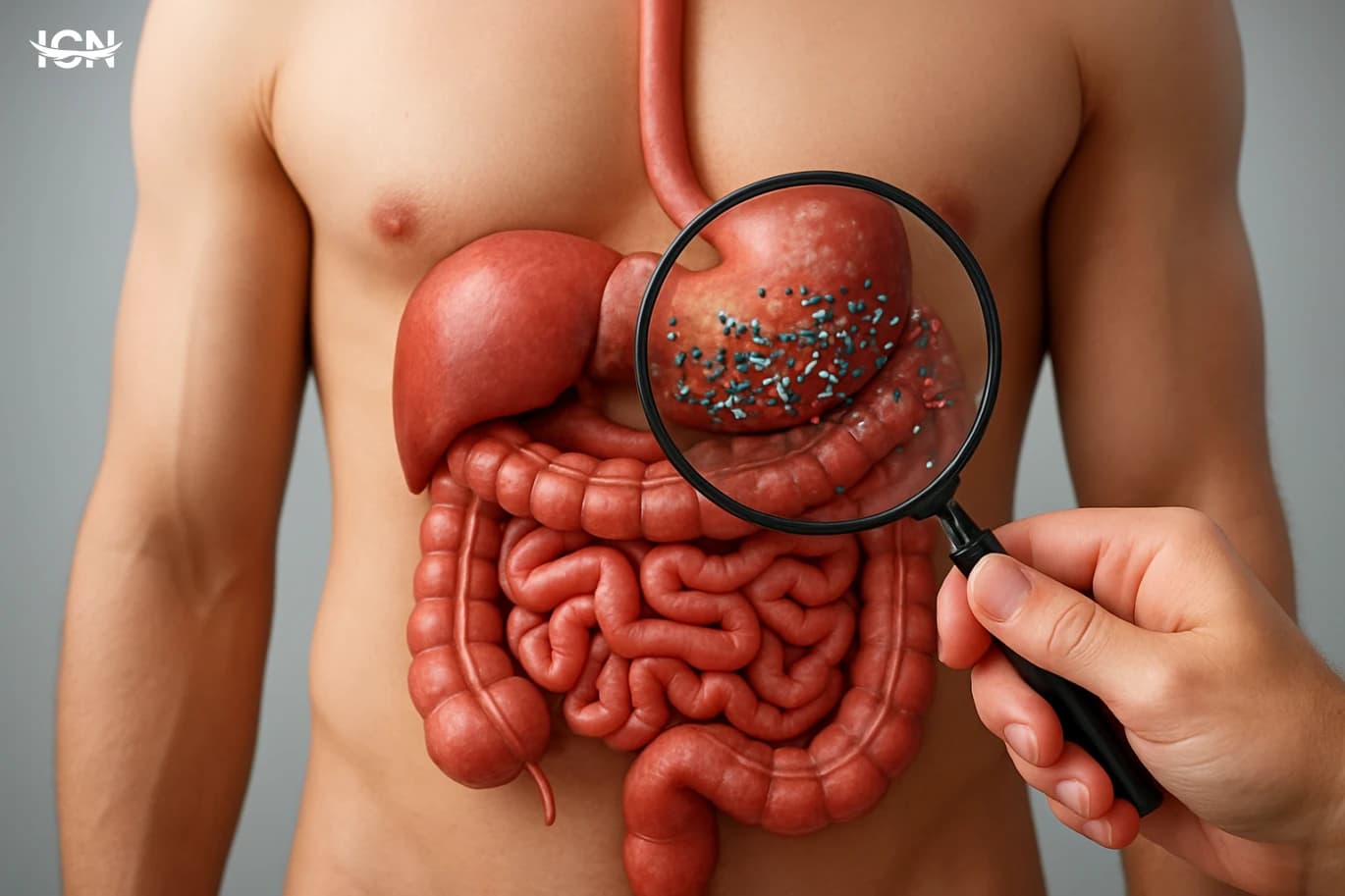
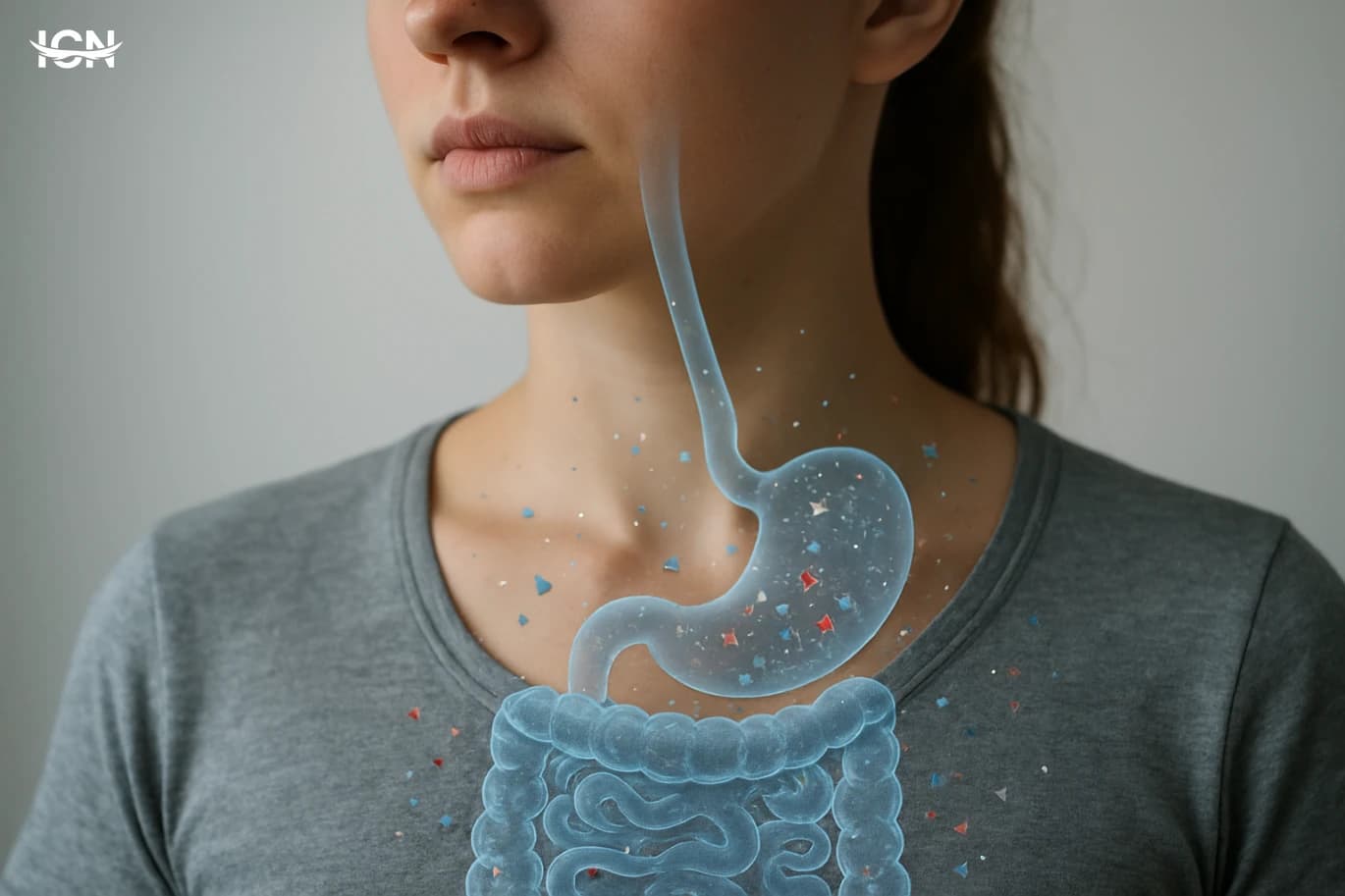
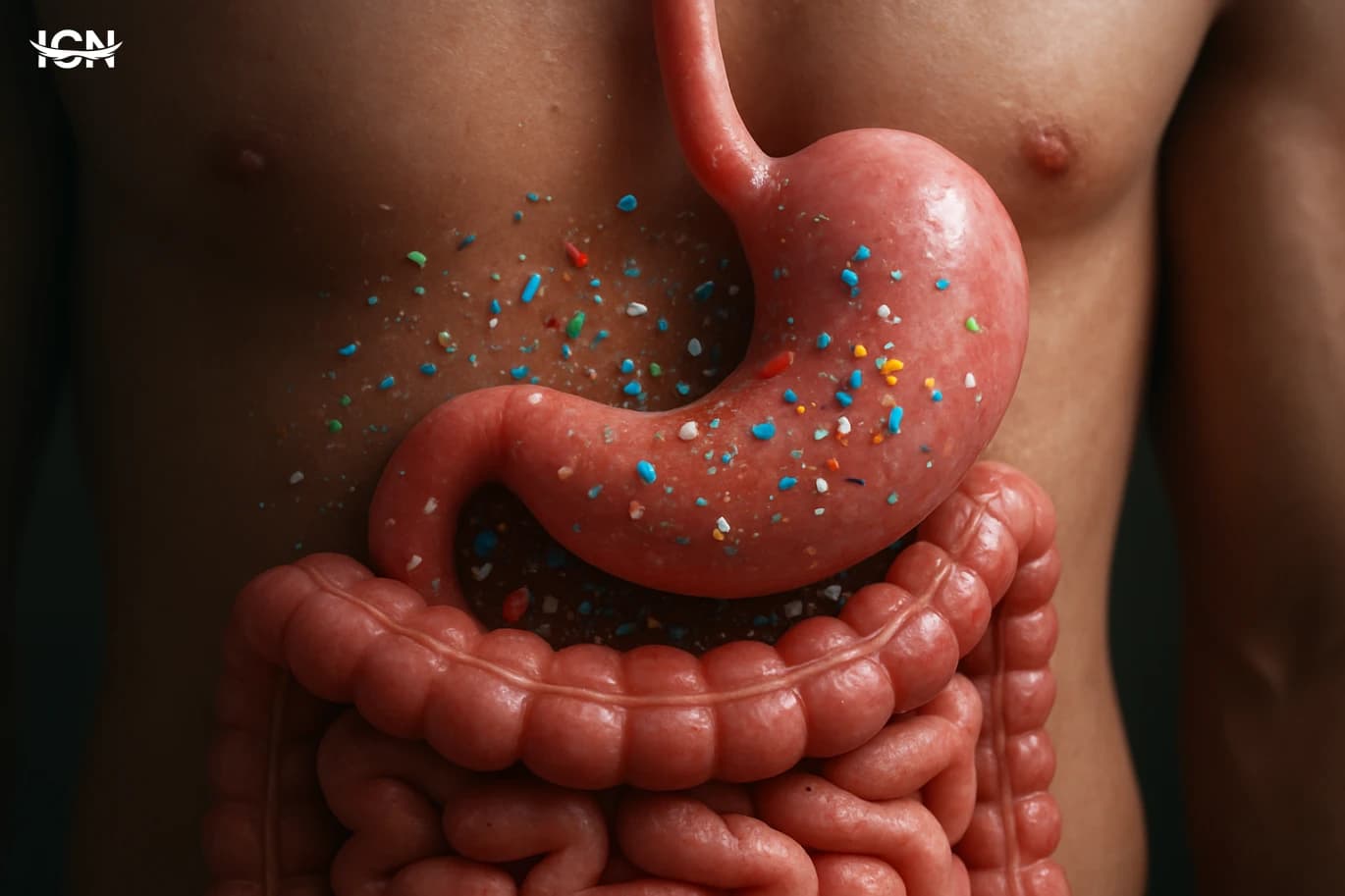
After ingestion, most larger microplastic particles are expected to pass through the gastrointestinal tract and be excreted. The scientific debate centers on the fraction that might cross biological barriers. The intestinal lining is designed to absorb nutrients while blocking harmful agents, but it is not an impenetrable wall. Very small particles may be taken up by specialized cells involved in immune surveillance, or they may pass through gaps created by inflammation or other stressors. Animal studies provide evidence that tiny particles can translocate beyond the gut, but translating those findings to typical human exposures requires caution. In the respiratory system, deposition depends on particle size and shape. Fibers can align with airflow and lodge in different regions than spherical fragments. Clearance mechanisms remove many particles, yet persistent exposure could increase the chance that some remain long enough to interact with lung tissue. Researchers have reported microplastics in human lung samples, but these studies often face challenges such as contamination control and limited sample sizes. Once particles or associated chemicals enter circulation, the next question is distribution. Blood can carry materials to the liver, kidneys, and other organs involved in filtration and detoxification. Some studies have reported microplastics in human blood and in tissues such as placenta, raising concerns about sensitive life stages. However, detection at extremely low concentrations is technically difficult. Reliable conclusions depend on rigorous sampling protocols, blank controls, and transparent reporting of detection limits. A responsible interpretation emphasizes that the field is still building baseline data on what “normal background levels” look like across populations.
What the evidence suggests about health effects
Health research on microplastics is moving from detection to mechanism. Laboratory studies show that certain particles can trigger inflammation, oxidative stress, or changes in cell signaling, especially at high concentrations. These findings help identify plausible biological pathways, but they do not automatically reflect real-world exposure levels. A central challenge is dose relevance: experiments often use concentrations chosen to produce measurable effects within short time frames, while human exposure is chronic and variable. Another layer is chemical complexity. Plastics contain additives such as plasticizers, stabilizers, and pigments, and their surfaces can adsorb environmental pollutants. Some observed effects in studies may be driven by these chemicals rather than the physical particle alone. Researchers therefore try to separate “particle effects” from “chemical effects” by using well-characterized materials and by analyzing leachates. Epidemiological evidence in humans is still limited. Large, long-term studies that connect measured exposure to specific health outcomes are difficult because microplastics are widespread and because measuring individual exposure accurately is expensive and methodologically challenging. The most defensible current position is that microplastics represent a potential risk factor worth reducing, while the magnitude of risk for typical exposures remains uncertain. This framing supports practical prevention without overstating certainty.
How scientists detect microplastics in people
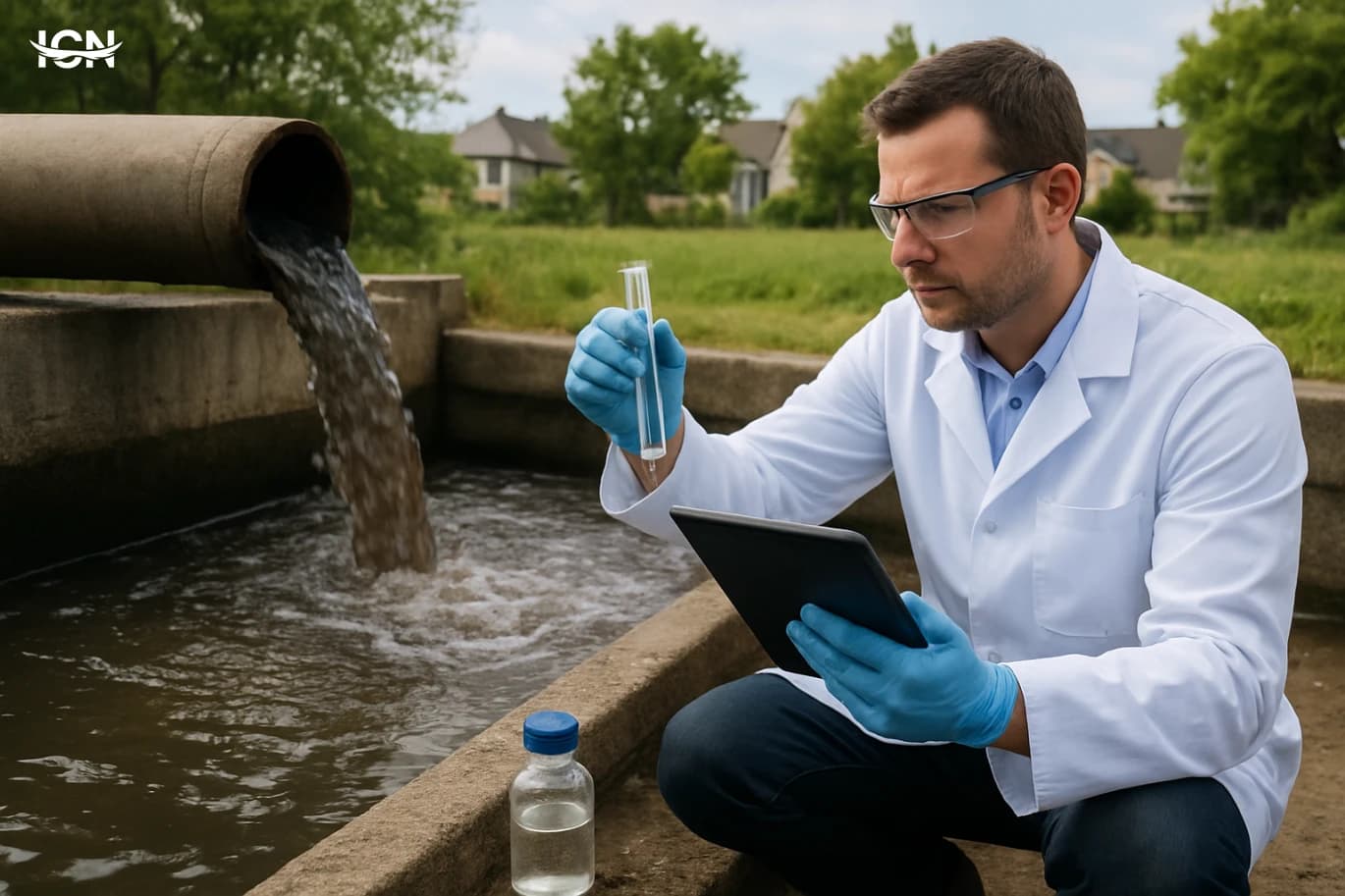
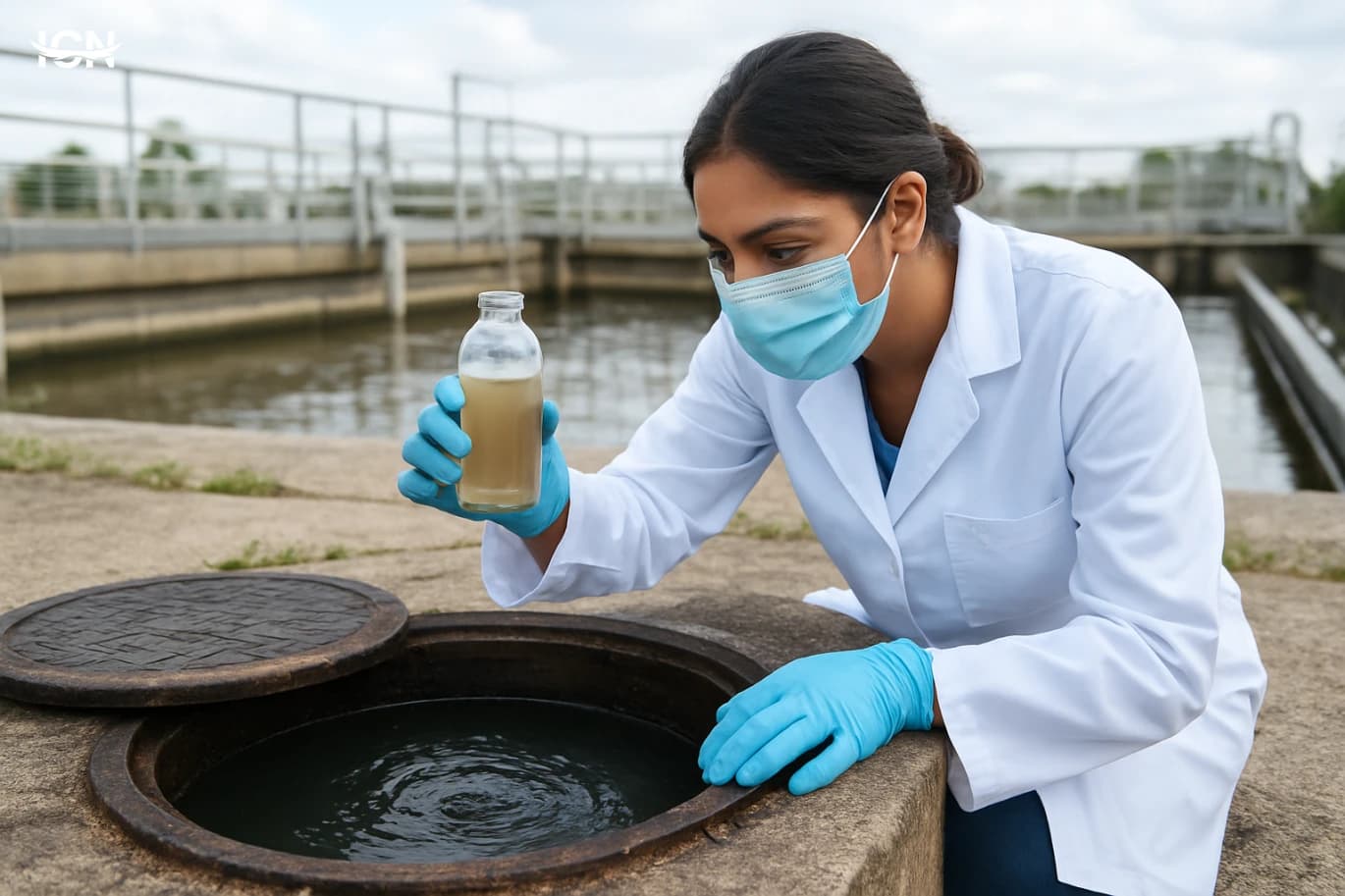
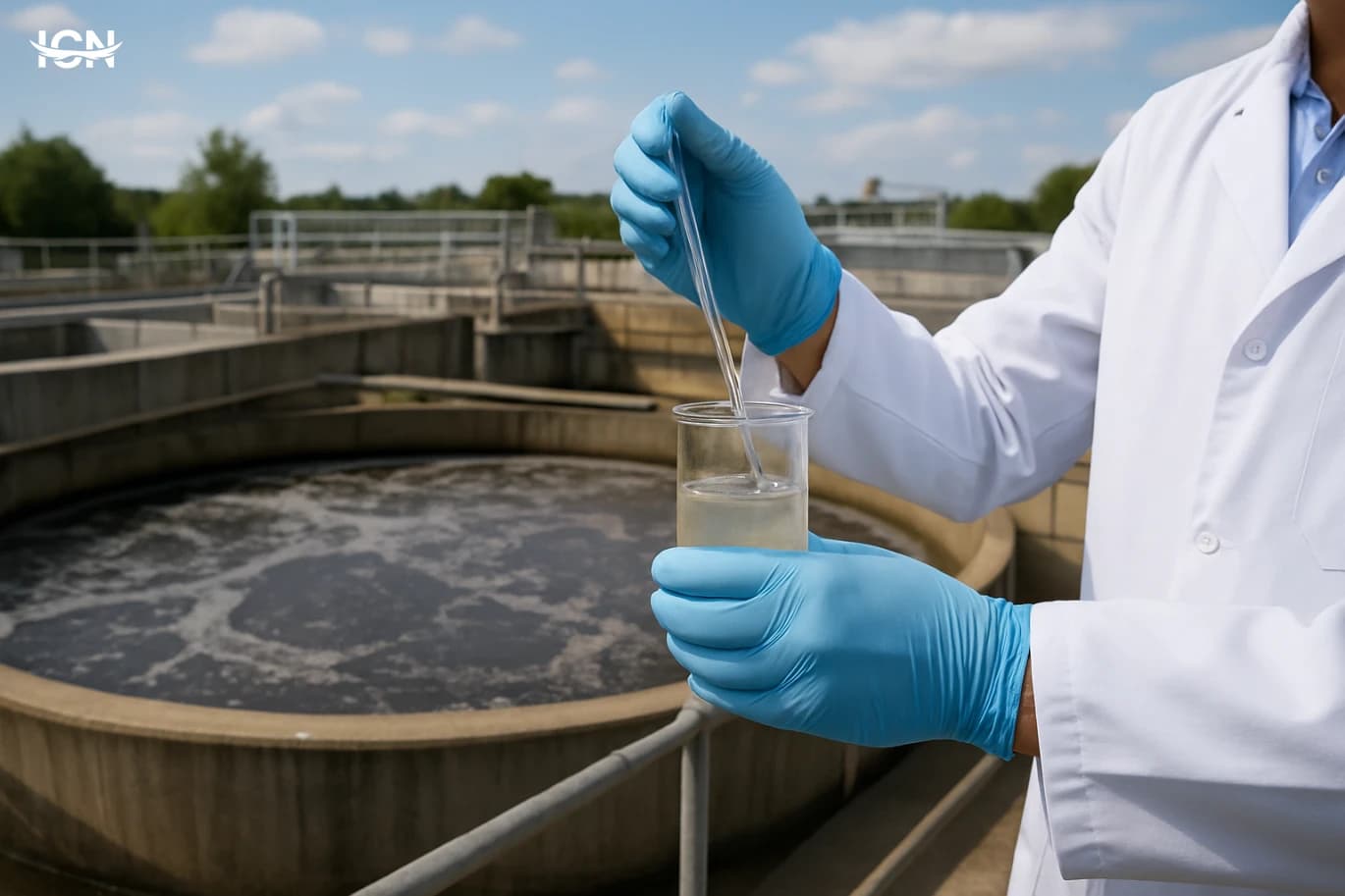
Detecting microplastics in human samples is technically demanding because contamination can occur at every step. Airborne fibers from clothing, plastic labware, and even sampling containers can introduce false positives. High-quality studies use strict contamination controls: cotton lab coats, filtered air where possible, glass or metal tools, procedural blanks, and detailed documentation of every material that contacts the sample. Analytical identification typically combines microscopy with spectroscopy. Researchers may first isolate particles using digestion methods that remove organic matter while preserving plastics, then filter and examine residues. Fourier-transform infrared spectroscopy (FTIR) and Raman spectroscopy are commonly used to identify polymer types by their molecular signatures. For very small particles, advanced approaches such as pyrolysis–gas chromatography–mass spectrometry (Py-GC-MS) can quantify polymer mass, while electron microscopy may help characterize shape and surface features. A major issue is comparability. Different studies use different size cutoffs, reporting units, and extraction protocols, making it hard to compare results across countries or over time. Standardization efforts aim to define best practices for sampling, reporting detection limits, and distinguishing microplastics from nanoplastics. For readers, the practical takeaway is that headlines about “microplastics found in X” should be evaluated based on method transparency, contamination control, and whether the study reports both counts and polymer identification.
Practical steps to reduce everyday exposure
While the science develops, exposure reduction can focus on low-regret actions that also improve general environmental hygiene. For drinking water, using a well-maintained home filtration system can reduce particulate loads, but performance varies by filter type and maintenance schedule. For food, minimizing unnecessary contact with plastic at high temperatures is a sensible step, since heat can increase material degradation and chemical migration. Using glass, ceramic, or stainless-steel containers for hot liquids and reheating can reduce potential transfer. Indoor air is often overlooked. Regular wet dusting and vacuuming with a HEPA filter can lower airborne fibers and settled dust. Ventilation matters: opening windows when outdoor air quality is good and using effective HVAC filtration where available can reduce indoor particle accumulation. For textiles, choosing durable fabrics and washing synthetic clothes in ways that reduce shedding—such as fuller loads and lower agitation—may help, and microfiber-catching laundry filters are an emerging option. At the community level, the most impactful changes often come from product design and waste management: reducing plastic fragmentation through better materials, improving recycling systems, and limiting unnecessary single-use items. For readers, the key is to prioritize actions that are practical and measurable, while following credible updates from public health agencies and peer-reviewed research as standards and exposure estimates become clearer.