How Microplastics Move Through Our Bodies
- Why microplastics became a health question
- The main exposure routes in daily life
- From mouth and lungs to the bloodstream
- What scientists look for in health effects
- How researchers measure microplastics reliably
- Practical steps and what to watch next
Why microplastics became a health question
Microplastics are tiny plastic fragments and fibers that come from the breakdown of larger products, synthetic textiles, tire wear, and industrial pellets. For years they were discussed mainly as an ocean and wildlife problem, but research has expanded because these particles are now detected in everyday environments: indoor dust, drinking water, and a range of foods. The health question is not built on a single alarming finding; it is built on repeated measurements showing that exposure is routine, and on basic biology suggesting that very small particles can interact with tissues. Scientific articles increasingly focus on two practical issues: where exposure happens and what size and chemistry matter most. A key point is that “microplastics” is a broad label. Particles differ by polymer type, additives, surface coatings, and whether they carry other chemicals on their surface. They also differ by shape: fibers, fragments, films, and spheres. These differences can change how particles behave in air and water, how they are taken up by the body, and how researchers should measure them.
The main exposure routes in daily life
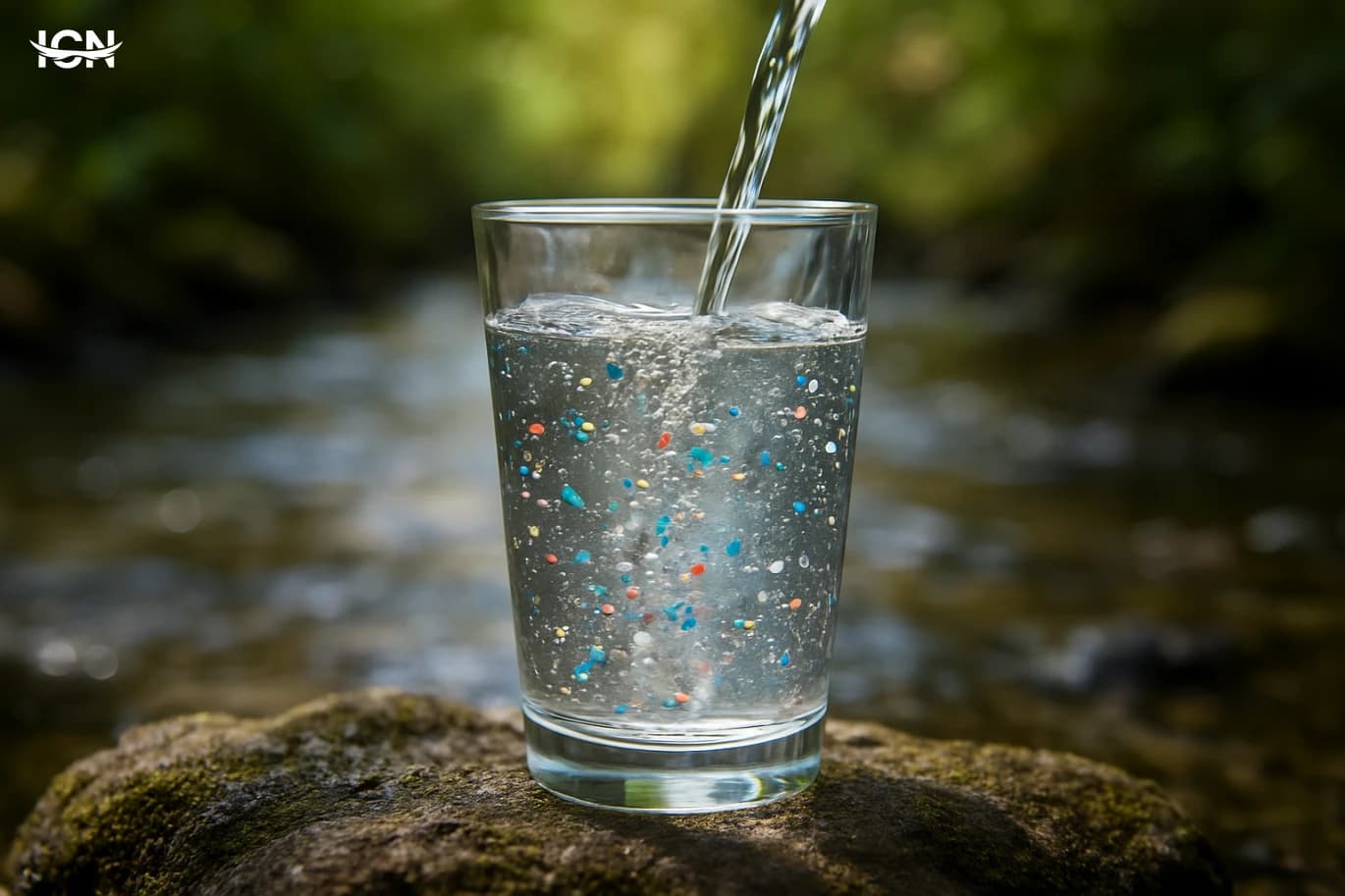
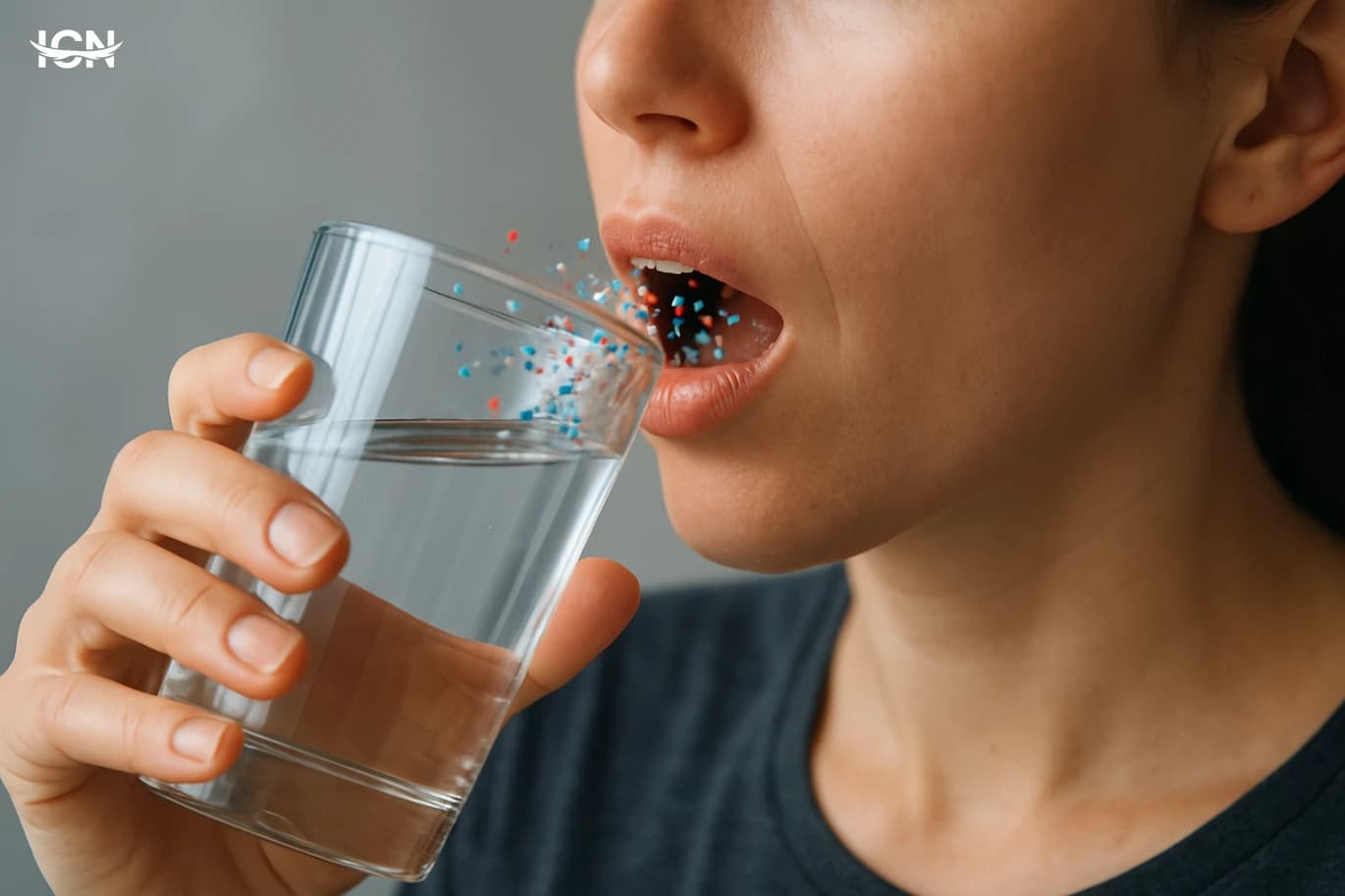
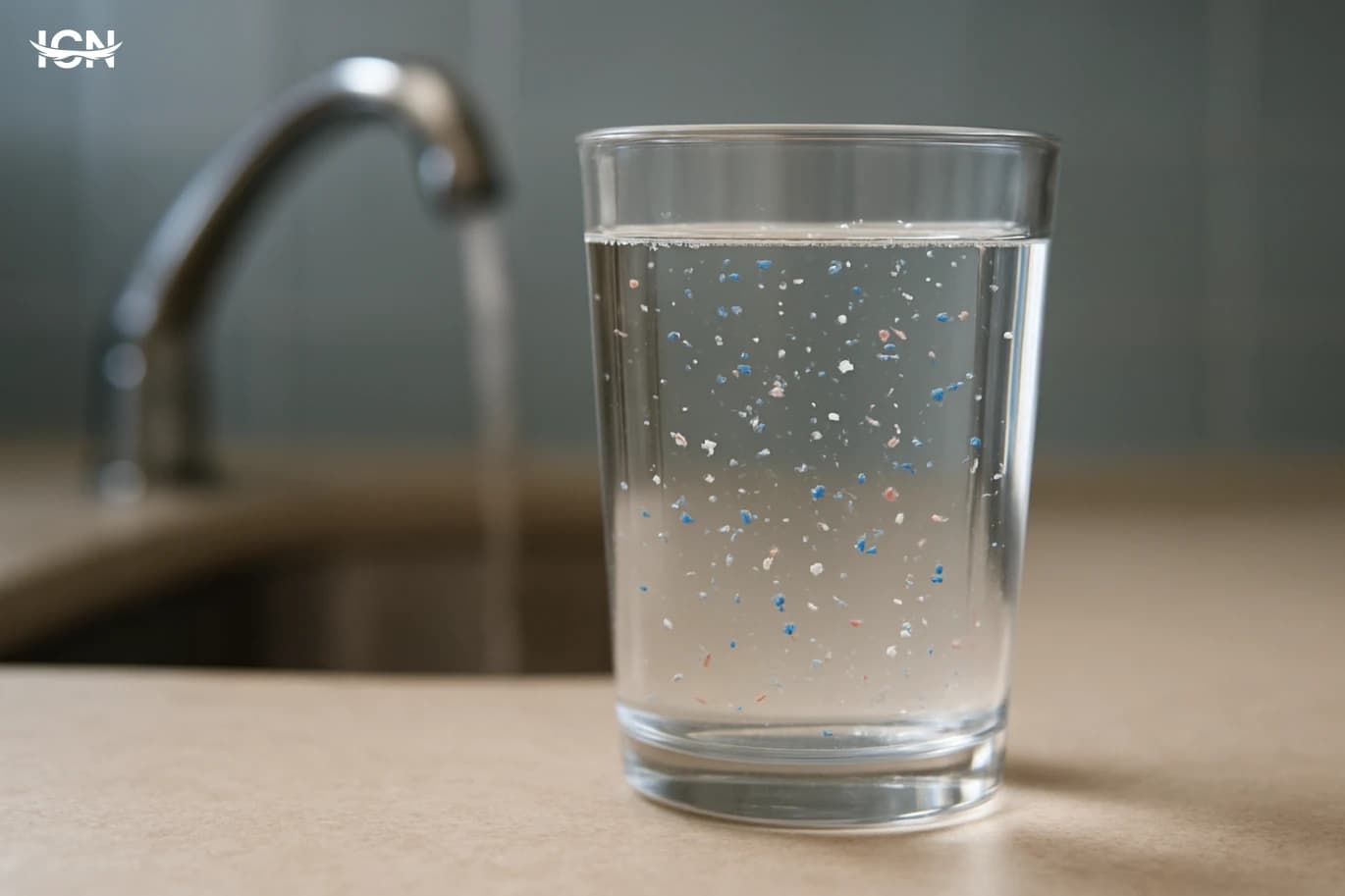
Most discussions start with ingestion and inhalation. Ingestion can occur through bottled and tap water, seafood, salt, and foods that contact plastic packaging during processing and storage. Another pathway is indirect: particles settle from air onto meals and kitchen surfaces, especially in indoor environments where synthetic fibers shed from clothing, carpets, and upholstery. Inhalation is often linked to indoor air because people spend many hours inside. Fibers are a major concern here because they remain airborne longer than heavier fragments. Ventilation, vacuuming practices, and the presence of textiles can influence indoor particle levels. Occupational settings can raise exposure further, for example in textile manufacturing, recycling facilities, or environments with high plastic dust. Skin contact is discussed more cautiously. Intact skin is a strong barrier, but research considers whether very small particles or additives could enter through damaged skin or via products applied repeatedly. For a blog topic grounded in scientific reporting, it is important to separate what is well documented (particles in air, water, and food) from what is still being tested (how much crosses specific biological barriers).
From mouth and lungs to the bloodstream
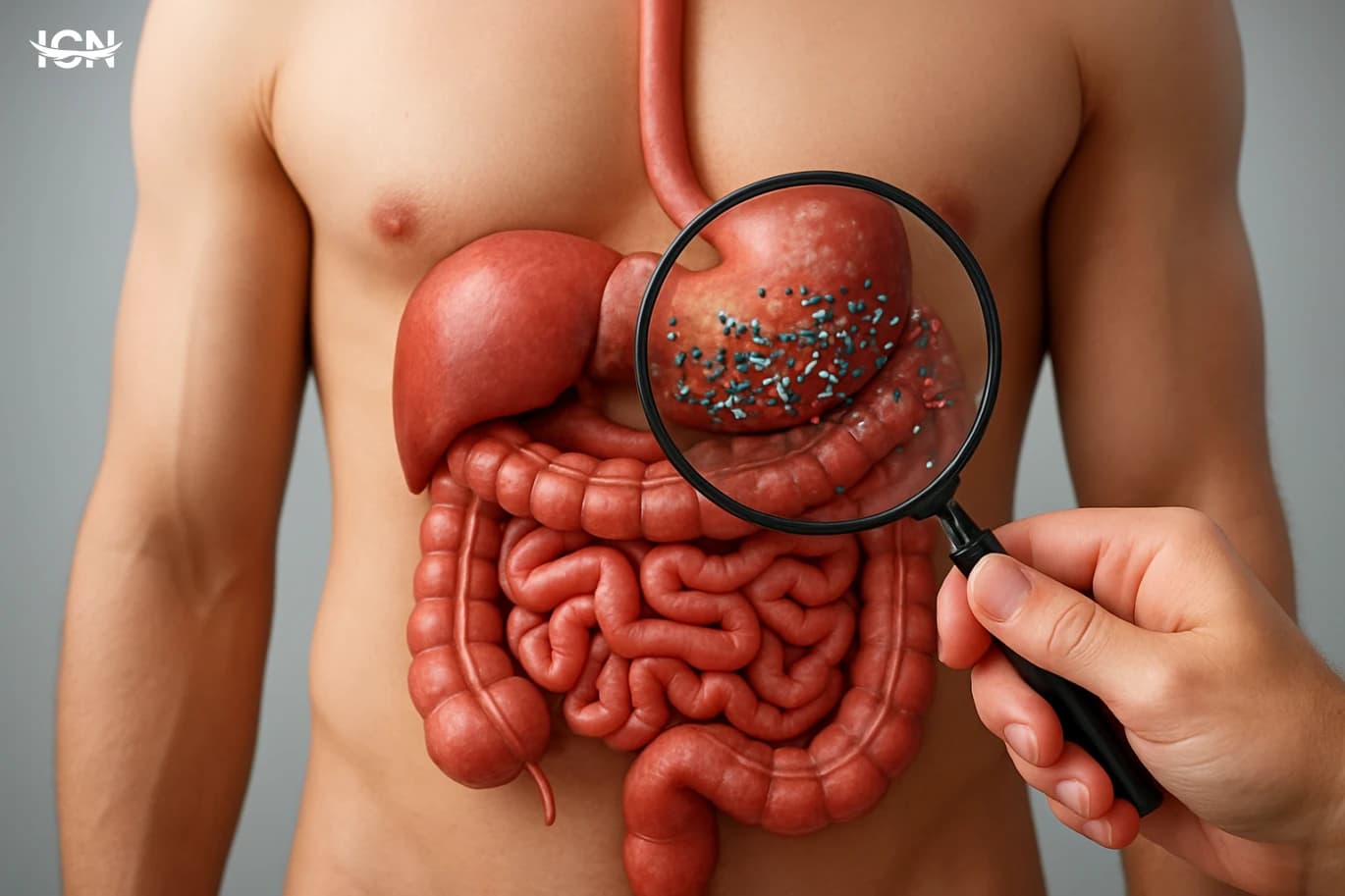
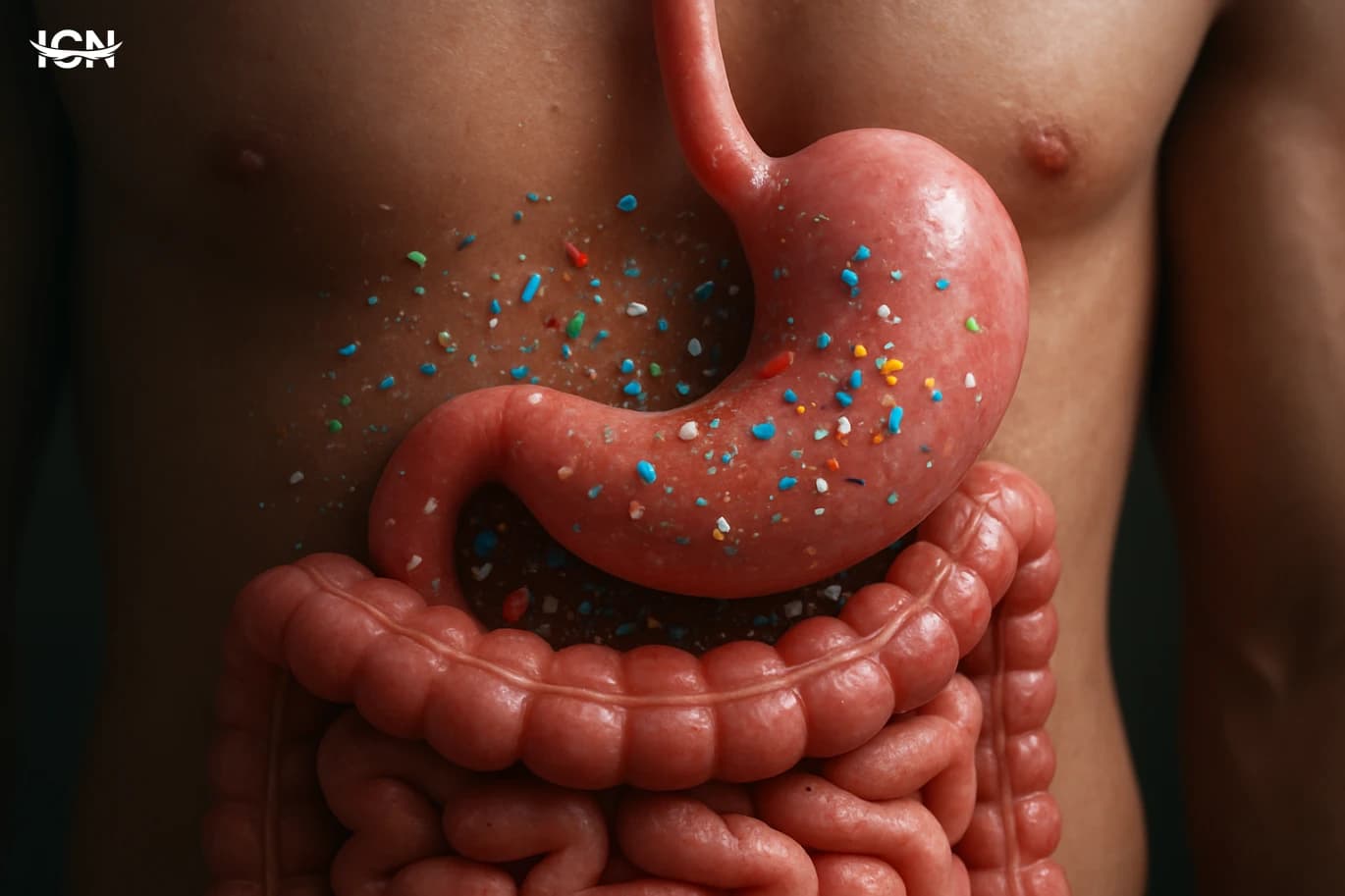
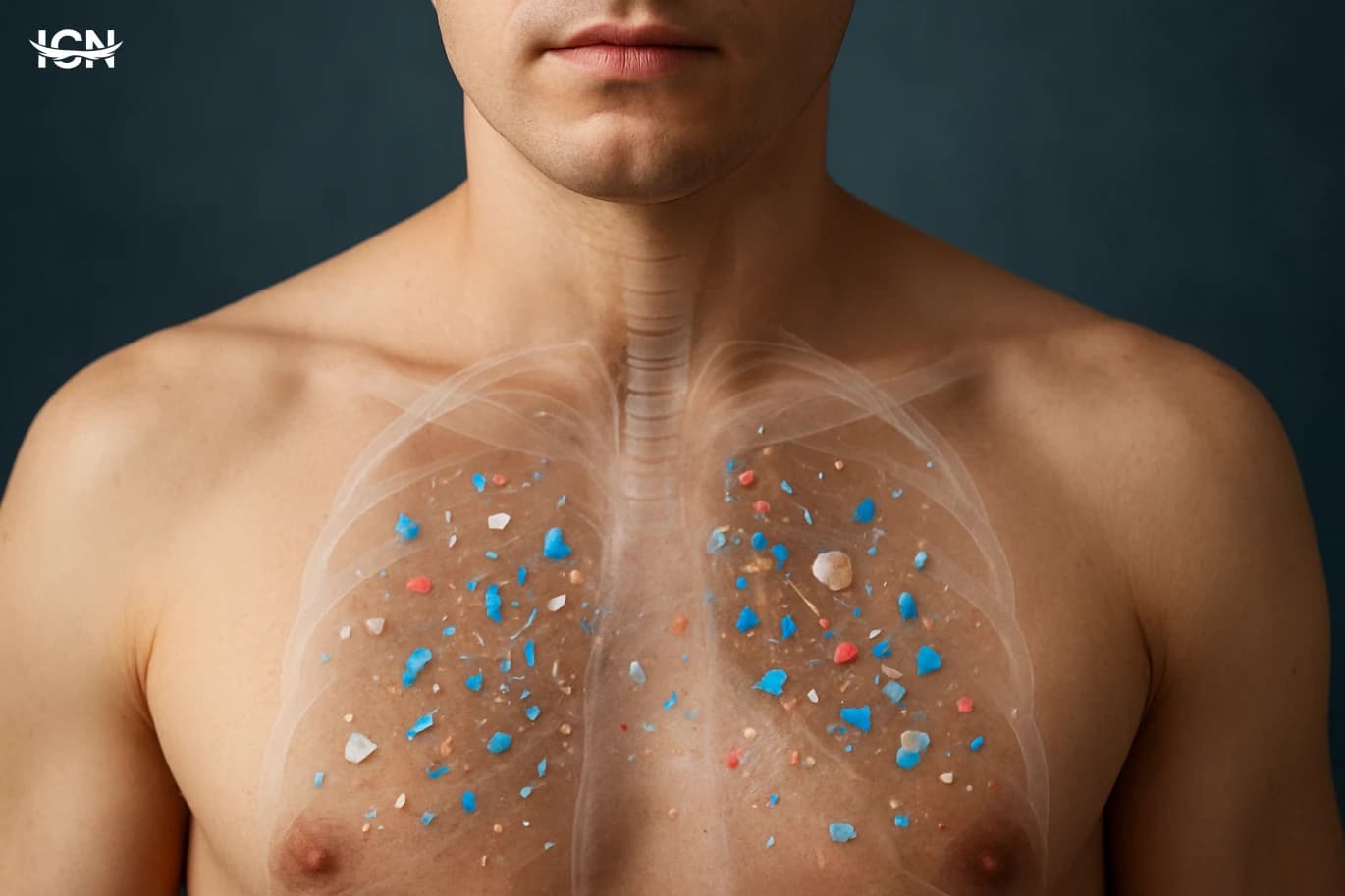
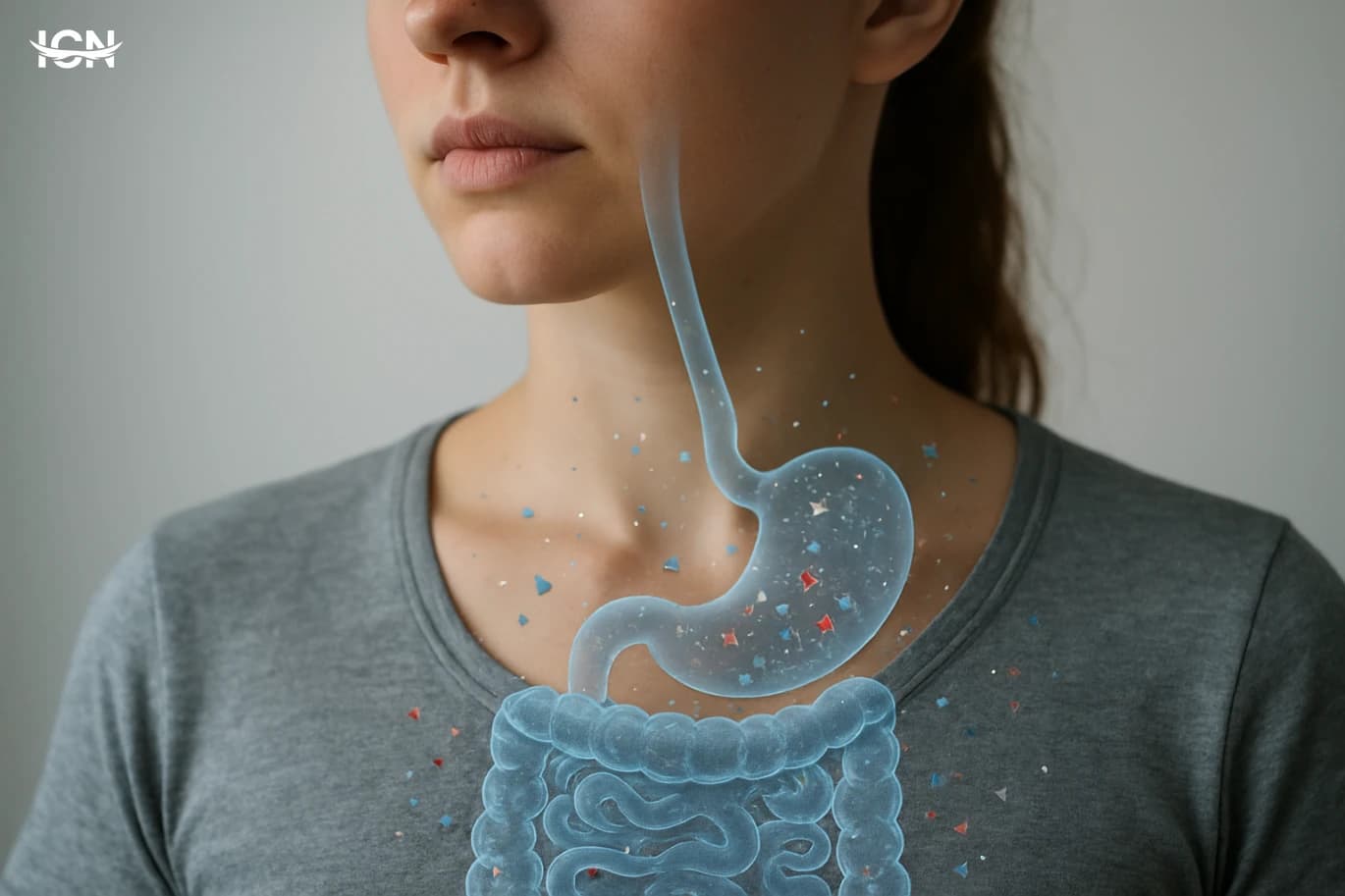
Once particles enter the body, the central scientific question becomes translocation: can they move from the gut or lungs into circulation and then into organs? Size is critical. Larger particles are more likely to pass through the digestive tract and be excreted, while smaller particles may interact more with the intestinal lining. Researchers also distinguish microplastics from nanoplastics, which are smaller and may behave differently, but are harder to detect reliably. In the gut, potential mechanisms include uptake by specialized cells involved in immune sampling, passage through gaps created by inflammation, or transport with fats and proteins. In the lungs, deposition depends on particle size and shape; fine particles can reach deeper airways. The body has clearance systems such as mucus and cilia, but persistent exposure may still lead to measurable retention. Scientific articles that report particles in blood or specific tissues typically emphasize methodological controls: avoiding contamination from lab plastics, confirming polymer identity, and reporting detection limits. For readers, the key takeaway is not that every detected particle implies disease, but that detection suggests at least some fraction of exposure can move beyond entry points, making toxicology and long-term studies more relevant.
What scientists look for in health effects
Health research typically separates physical particle effects from chemical effects. Physically, particles may irritate tissues, trigger local inflammation, or interact with immune cells. Chemically, plastics can contain additives such as plasticizers, stabilizers, and flame retardants, and particles can also carry environmental pollutants on their surfaces. The challenge is attributing observed biological changes to the particles themselves versus co-exposures that travel with them. Many studies start with cell cultures and animal models to test mechanisms: oxidative stress, inflammatory signaling, and changes in barrier integrity. These studies can show plausibility, but translating doses and exposure patterns to real-world human conditions is complex. Human studies often rely on observational designs, which can detect associations but struggle to prove causation because diet, air quality, and socioeconomic factors can confound results. A careful scientific article will report uncertainty clearly: which outcomes are consistently observed, which are mixed, and where evidence is still thin. It will also discuss dose, particle size distribution, and polymer identification, because “presence” alone does not describe risk. For a blog topic, this section can guide readers on how to interpret headlines and what questions to ask when new studies appear.
How researchers measure microplastics reliably
Measurement is one of the most technical and contested parts of the field. Samples can be contaminated easily by airborne fibers, plastic labware, or even clothing worn by researchers. Strong studies describe clean-air procedures, use of blanks and controls, and steps to confirm that detected particles are not artifacts. Common analytical approaches include microscopy for counting and sizing, and spectroscopy methods to identify polymer types. Fourier-transform infrared (FTIR) spectroscopy and Raman spectroscopy are frequently used to match particles to known plastic signatures. For very small particles, detection becomes harder, and different labs may report different results depending on filters, digestion methods used to remove organic material, and the smallest size they can confidently identify. This is why comparisons across studies can be difficult. A blog section can explain that a reported number of particles is not always directly comparable to another study’s number unless methods align. It can also highlight the push for standardized protocols, reference materials, and open reporting of detection limits, which are essential for turning scattered findings into a coherent evidence base.
Practical steps and what to watch next
For readers, practical steps should focus on reducing exposure without overstating certainty. Improving indoor air quality can matter: regular wet dusting, using a vacuum with a high-efficiency filter, and ventilating during activities that generate dust. In the kitchen, minimizing unnecessary plastic contact with hot food and drinks is a common precaution because heat can increase chemical migration and may influence particle shedding from some materials. On the research side, the next phase is likely to emphasize longitudinal human studies, better exposure assessment, and clearer separation between microplastics and nanoplastics. Another priority is understanding which sources contribute most to internal dose: indoor fibers, drinking water, food processing, or occupational settings. Policymakers and industry also watch for evidence that supports targeted interventions, such as textile fiber controls, improved filtration in water treatment, or product design changes that reduce shedding. A strong blog topic ends with a reporting mindset: follow studies that publish methods transparently, look for replication across independent labs, and pay attention to dose and particle characterization rather than single headline numbers. That approach helps readers stay informed as the science moves from detection to clearer risk evaluation.