How Wastewater Reveals Community Health Trends
- Why scientists study wastewater
- From sample to signal
- What wastewater can track today
- Limits, uncertainty, and ethics
- How cities can use the data responsibly
- bookmark
Why scientists study wastewater
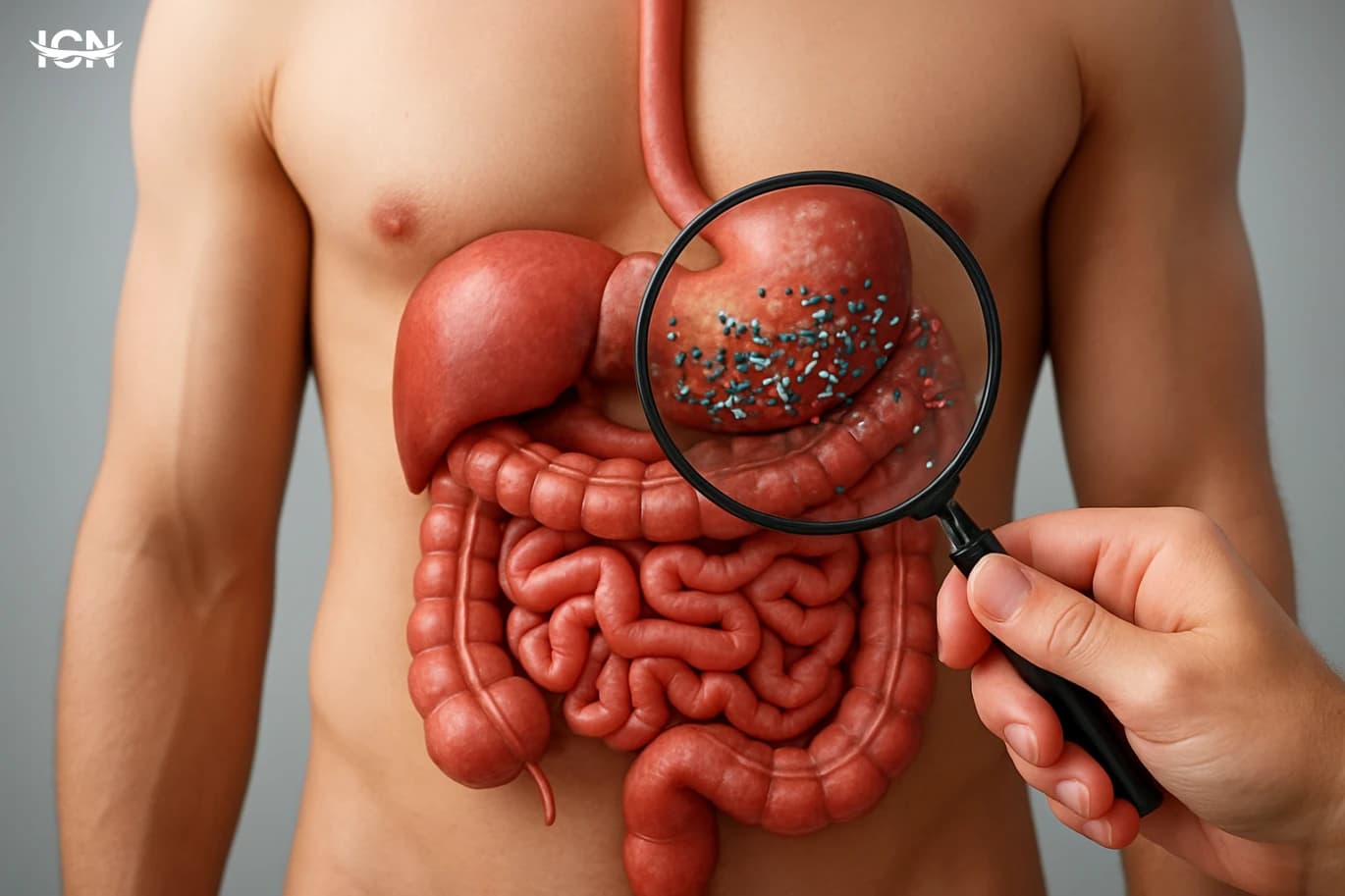
Wastewater carries a combined chemical and biological “fingerprint” of a community. When people use medicines, eat certain foods, or get exposed to environmental chemicals, traces of those substances and their breakdown products can end up in sewage. Public health researchers analyze these traces to estimate what is happening across a city or neighborhood without needing to test individuals. This approach is often called wastewater-based epidemiology, and it has expanded from tracking illicit drugs to monitoring viruses, antibiotic resistance markers, and indicators of chronic disease risk. The appeal is practical. A single treatment plant can represent hundreds of thousands of residents, providing a broad snapshot at relatively low cost. Sampling can be repeated daily or weekly, allowing analysts to see changes over time and to detect sudden shifts that might signal an outbreak, a change in prescribing patterns, or a new exposure source. Because the data are aggregated, it can complement clinical reporting and surveys, especially when healthcare access is uneven or when people do not seek testing.
From sample to signal
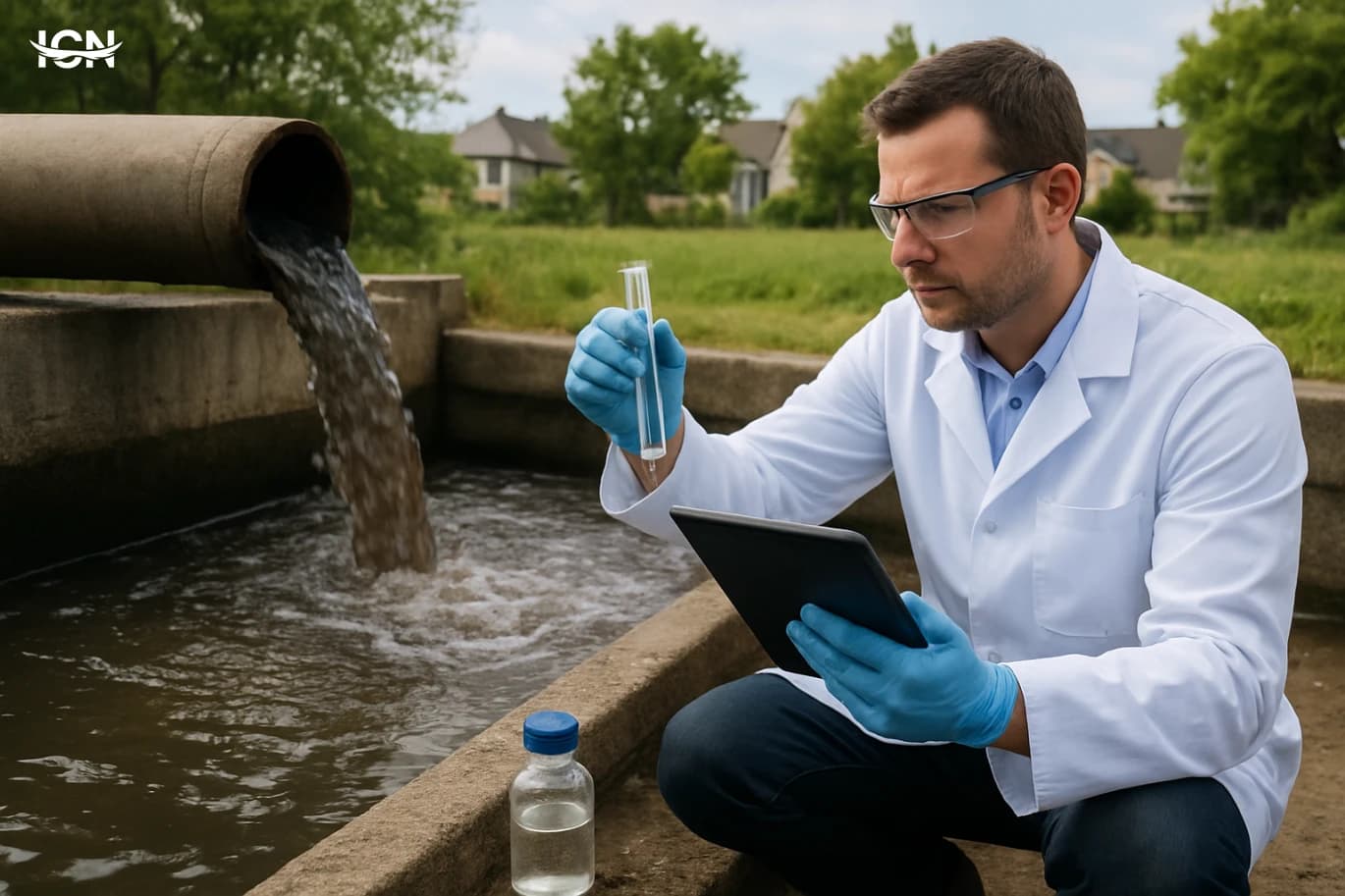
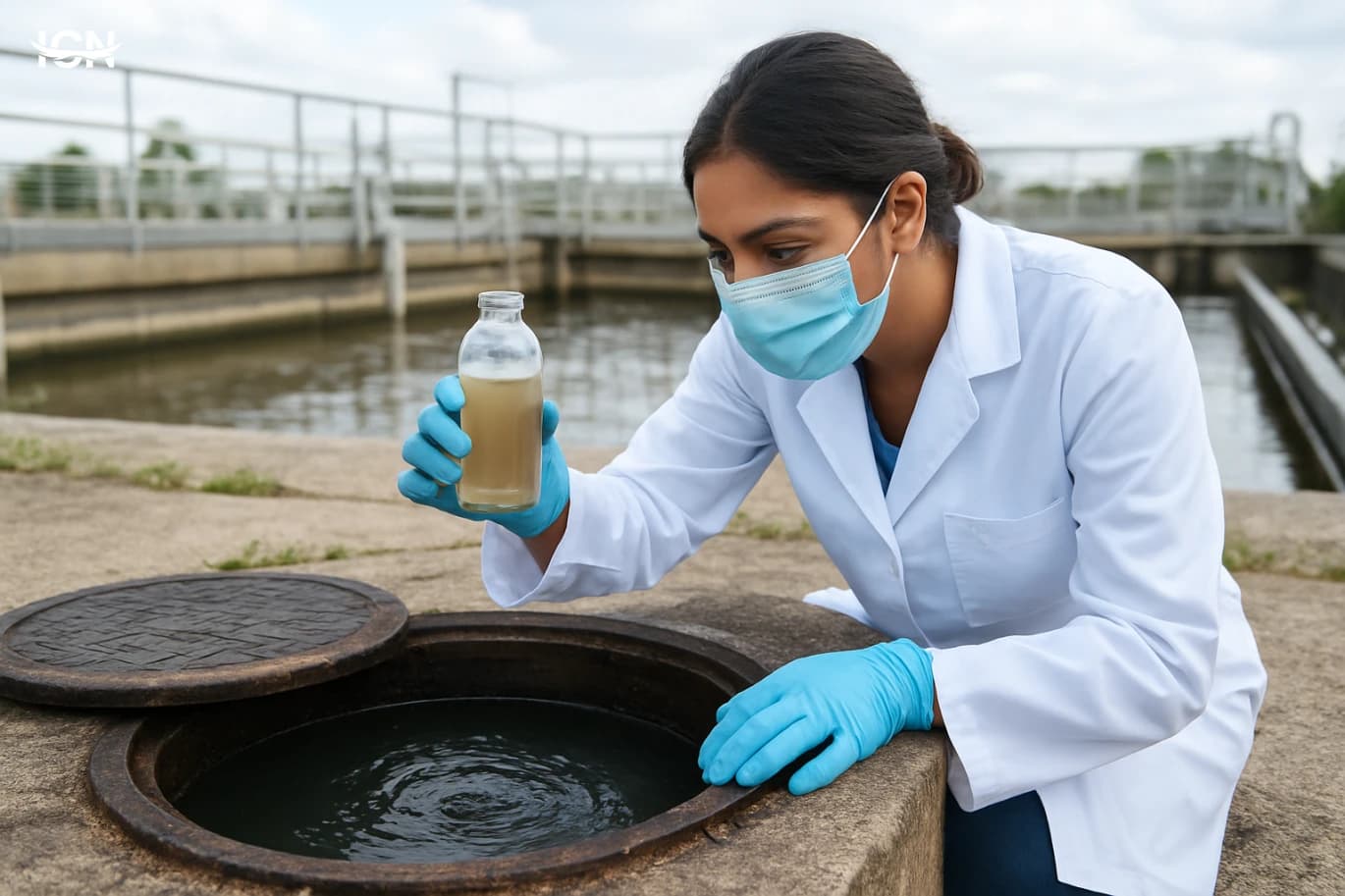
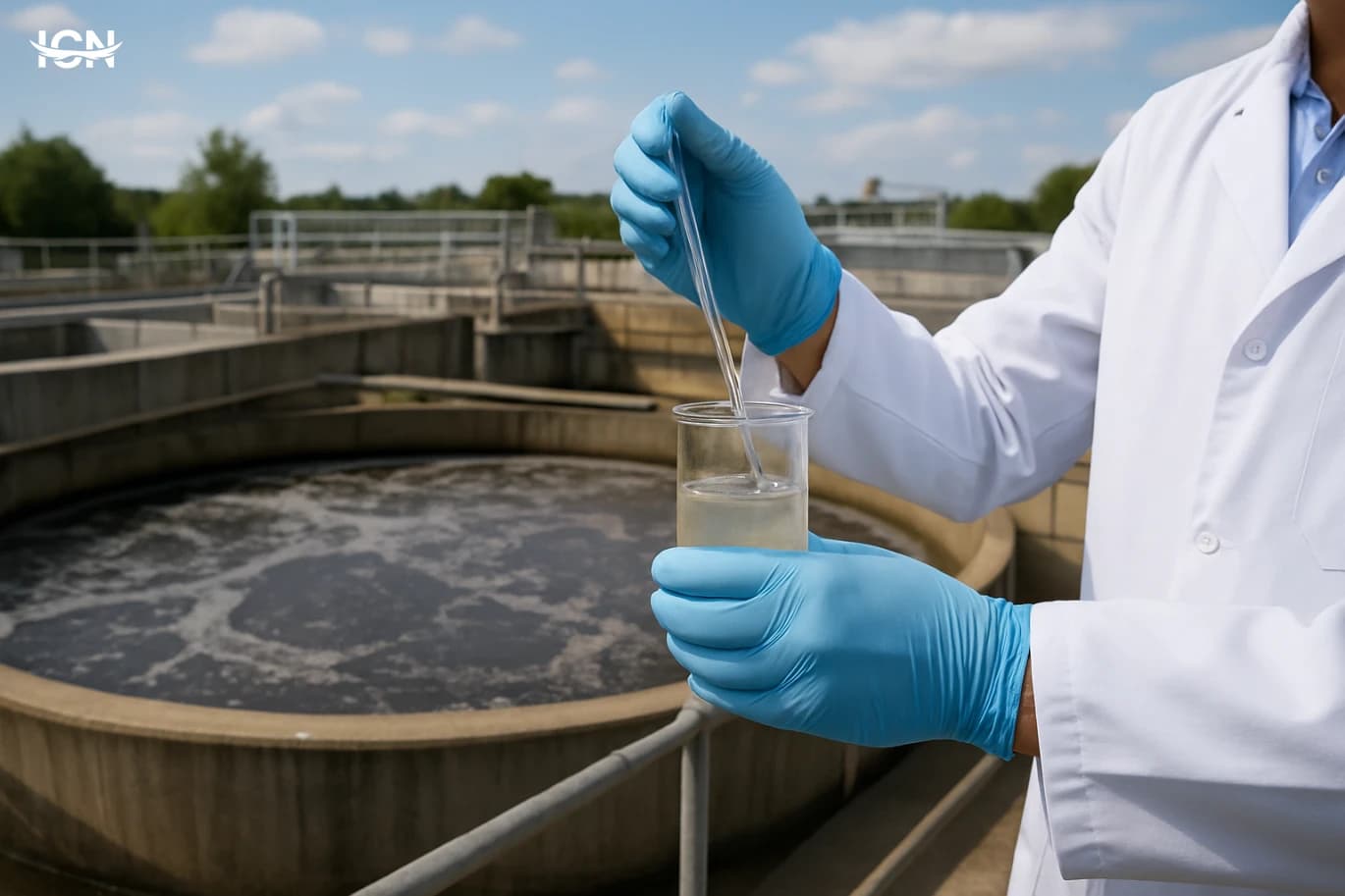
Turning sewage into usable data requires careful sampling and laboratory work. Teams typically collect either grab samples at a specific time or composite samples that mix wastewater over 24 hours to smooth out daily fluctuations. The sample is then processed to concentrate genetic material or chemicals, depending on the target. For viruses, laboratories often use filtration or precipitation methods to enrich viral RNA, followed by quantitative PCR to estimate how much genetic material is present. For chemicals and drug metabolites, mass spectrometry is commonly used to identify and quantify compounds at very low concentrations. The analytical challenge is that wastewater is complex. Rainfall can dilute sewage, industrial discharges can introduce confounding chemicals, and temperature can affect how quickly some molecules degrade. To interpret results, researchers normalize measurements using flow rates, population estimates, and sometimes stable markers that reflect human waste levels. They also apply quality controls, including blanks, replicates, and recovery standards, to ensure that changes in the data reflect real shifts rather than laboratory noise.
What wastewater can track today
The most visible application has been monitoring respiratory viruses. Wastewater can detect viral genetic material shed by infected people, including those with mild symptoms or no symptoms. This can provide early warning when clinical testing declines or when reporting lags. Beyond viruses, researchers track antibiotic resistance genes to understand how resistance may be spreading in a region, and they monitor consumption patterns of certain medications by measuring metabolites that pass through the body. Chemical monitoring is also expanding. Scientists can estimate community-level exposure to nicotine, caffeine, some pesticides, and industrial chemicals by measuring characteristic breakdown products. In some cities, wastewater data have been used to evaluate the impact of public health campaigns, such as changes in tobacco use, by comparing trends before and after interventions. The key is that wastewater does not diagnose individuals; it indicates population-level signals that can guide where to focus clinical resources, outreach, or environmental investigations.
Limits, uncertainty, and ethics
Wastewater signals are powerful but not straightforward. A rise in a viral marker does not directly translate to a precise number of infected people, because shedding rates vary by person and by stage of infection. Population estimates can be uncertain when commuters, tourists, or temporary workers change the number of people contributing to a sewer system. Industrial inputs and stormwater infiltration can also distort concentrations, and some targets degrade quickly, making timing and storage conditions critical. Ethical considerations matter as well. While treatment-plant data are typically aggregated, sampling at very small catchment areas could risk stigmatizing specific neighborhoods if results are misused or reported without context. Many experts recommend clear governance: define acceptable sampling scales, restrict law-enforcement use, publish methods transparently, and communicate uncertainty in plain language. The goal is to use wastewater data as a public health tool, not as a surveillance mechanism aimed at individuals or small groups.
How cities can use the data responsibly
For wastewater monitoring to be useful, it must connect to decisions. Cities can set up dashboards that combine wastewater trends with hospital admissions, clinic testing, and environmental measurements such as temperature and rainfall. When indicators rise, health agencies can increase targeted messaging, expand testing availability, or prepare healthcare facilities for higher demand. When indicators fall, they can reassess resource allocation without assuming the risk has disappeared. A responsible program also invests in consistency. That means sampling at the same locations, using standardized lab methods, and documenting changes in protocols. It also means communicating results with context: explain what is being measured, what the uncertainty is, and what actions are triggered by specific thresholds. Partnerships between utilities, universities, and public health departments are often essential, because wastewater monitoring sits at the intersection of infrastructure operations and epidemiological analysis.
bookmark
Wastewater monitoring is becoming a practical layer of public health intelligence. It can reveal trends earlier than some clinical systems, especially when testing rates drop, and it can highlight shifts in exposure to chemicals or patterns of medication use. The strongest programs treat the data as one input among many, validate signals against clinical and environmental information, and publish methods so results can be trusted and compared across regions. As laboratories improve and standards mature, wastewater data may play a larger role in routine health planning, from seasonal virus preparedness to tracking antibiotic resistance. The central lesson is that a city’s sewers are not just infrastructure; they are a measurable stream of population-level information that, when handled carefully, can support faster, more targeted public health responses.