How Microplastics Enter the Human Body
- Why microplastics became a research priority
- Food and drink as major exposure routes
- Breathing microplastics in indoor and outdoor air
- From exposure to absorption and distribution
- How scientists detect microplastics in real samples
- bookmark
Why microplastics became a research priority
Microplastics are plastic fragments typically smaller than 5 millimeters, and they have moved from being an environmental concern to a public health research priority. Scientists track them because they are now detected in oceans, rivers, soils, household dust, and food packaging, creating multiple pathways for human exposure. The research focus is not only on how much plastic is present, but on particle size, shape, and polymer type, because these factors influence where particles travel and how they interact with tissues. Another reason for urgency is that microplastics can carry additives and can adsorb other chemicals from the environment, complicating exposure assessment. In recent years, laboratories have improved detection methods, allowing studies to report microplastics in samples that were previously difficult to analyze, such as air filters, drinking water, and biological fluids. This shift has pushed the topic into mainstream scientific articles, where the central question is increasingly practical: what are the most common routes into the body, and what can be measured reliably today?
Food and drink as major exposure routes
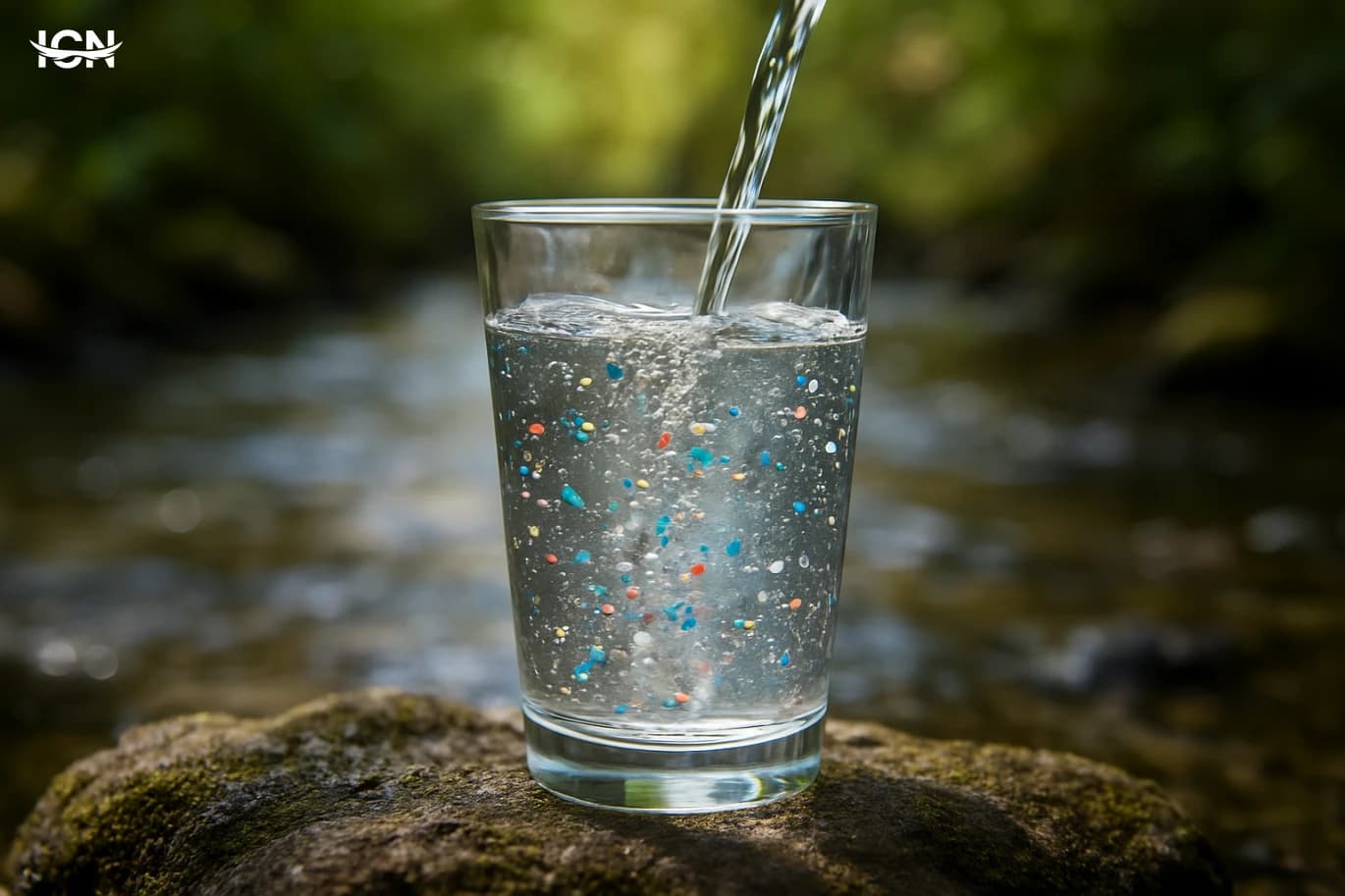
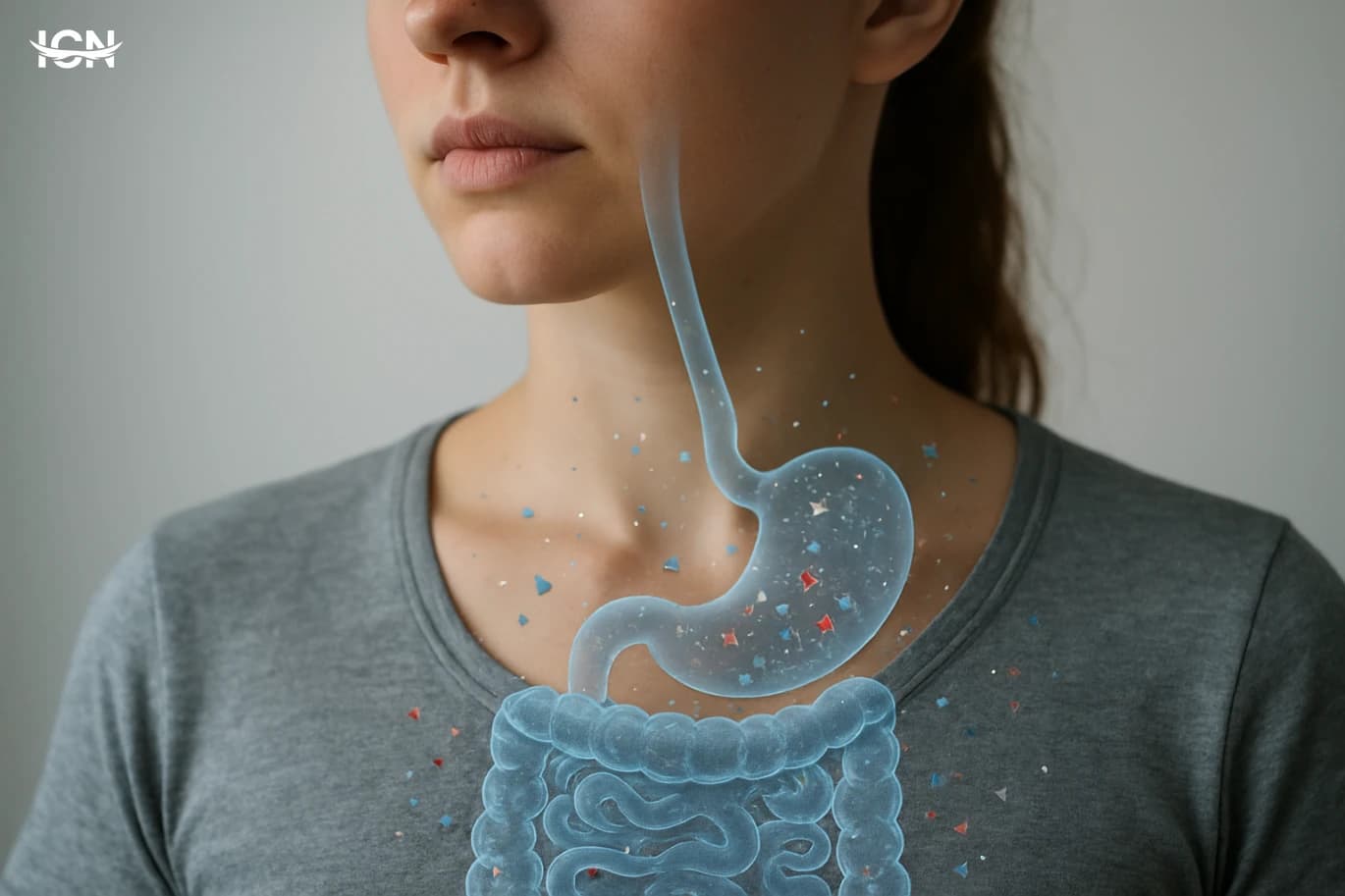
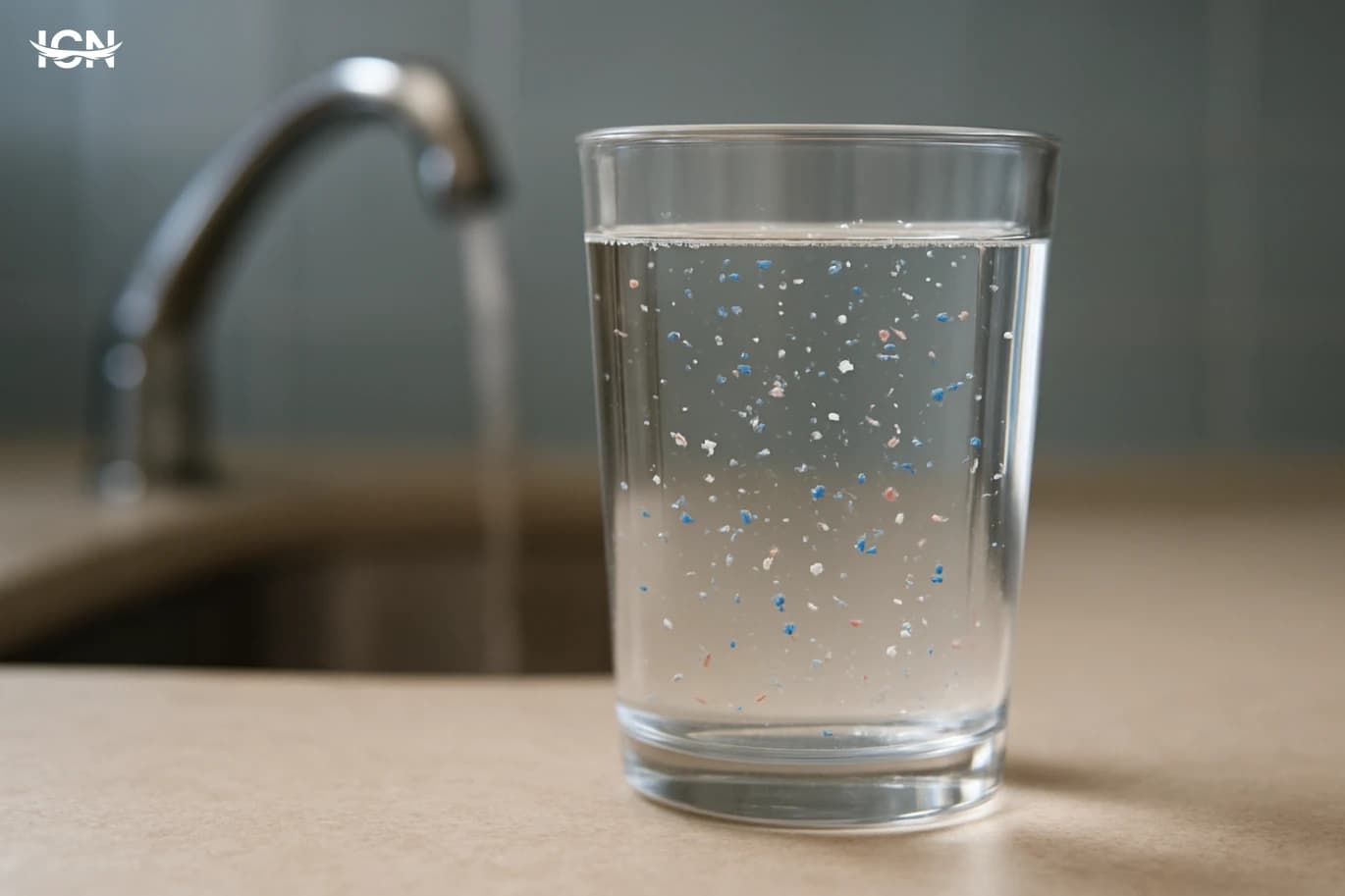
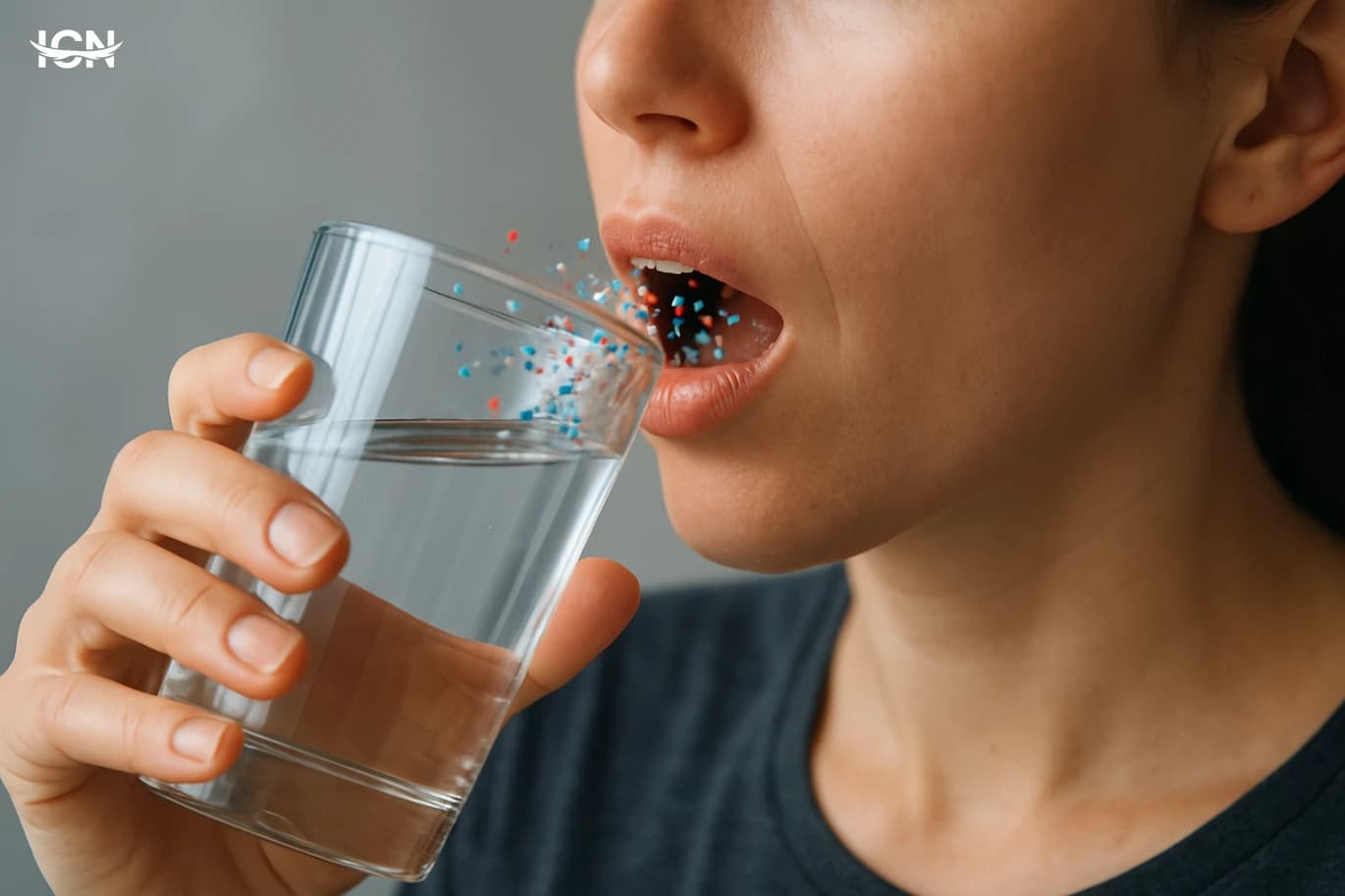
Diet is often discussed as a primary route because microplastics have been reported in seafood, table salt, bottled beverages, and a range of processed foods. Seafood draws attention because filter-feeding organisms can accumulate particles from water, and small fish may ingest fragments that remain in the digestive tract. For most people, however, exposure is not limited to seafood; drinking water and beverages can contribute, especially when water is stored, transported, or served through plastic-containing systems. Food contact materials are another factor. Cutting boards, plastic containers, and packaging films can shed particles through abrasion, heat, or repeated use. Researchers also examine how cooking and preparation change particle release, comparing, for example, microwaving in plastic versus using glass, or the effect of vigorous stirring with plastic utensils. A key scientific challenge is separating true contamination from laboratory or sampling contamination, so many studies now use blanks, controlled environments, and standardized reporting. The emerging picture is that exposure varies widely by diet, storage habits, and local water treatment, which is why scientists increasingly call for region-specific measurements rather than global averages.
Breathing microplastics in indoor and outdoor air
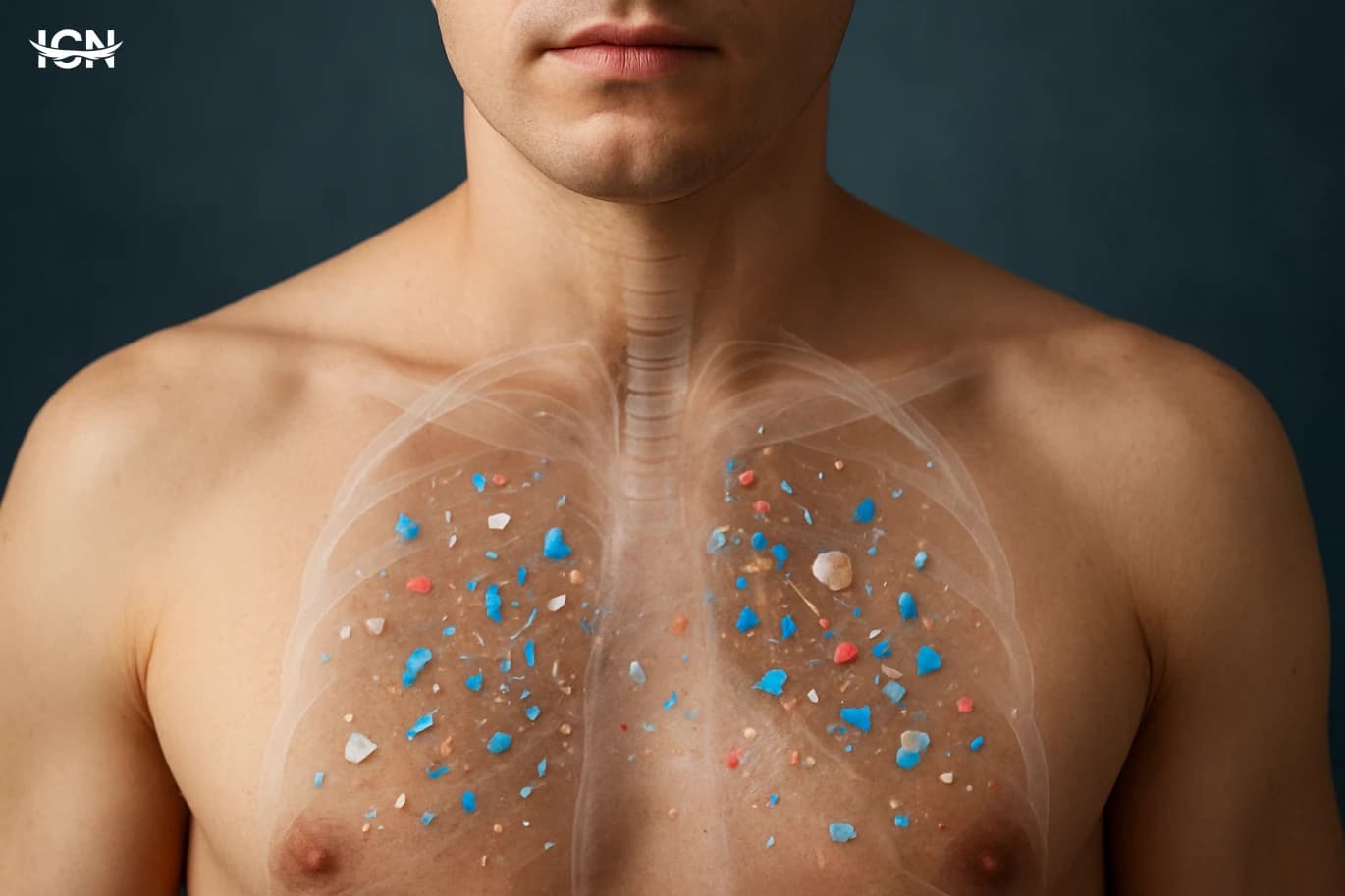
Airborne microplastics are a growing focus because inhalation bypasses some of the barriers associated with digestion. Fibers shed from synthetic textiles, carpets, upholstery, and household dust can become suspended in indoor air, especially in spaces with high activity, poor ventilation, or frequent fabric friction. Outdoors, particles can originate from road dust, degraded litter, industrial sources, and resuspension from soils. Scientists measure airborne microplastics using air samplers and filters, then identify particles with spectroscopy to distinguish polymers from natural fibers. The health relevance depends strongly on size: larger particles may be trapped in the upper airways and cleared by mucus, while smaller particles may reach deeper regions of the lungs. Researchers also examine occupational settings such as textile manufacturing, recycling facilities, and certain industrial processes where concentrations may be higher than in typical homes. A practical takeaway from the scientific literature is that indoor environments can dominate exposure time because people spend many hours inside, making ventilation, filtration, and dust management important variables in exposure studies.
From exposure to absorption and distribution
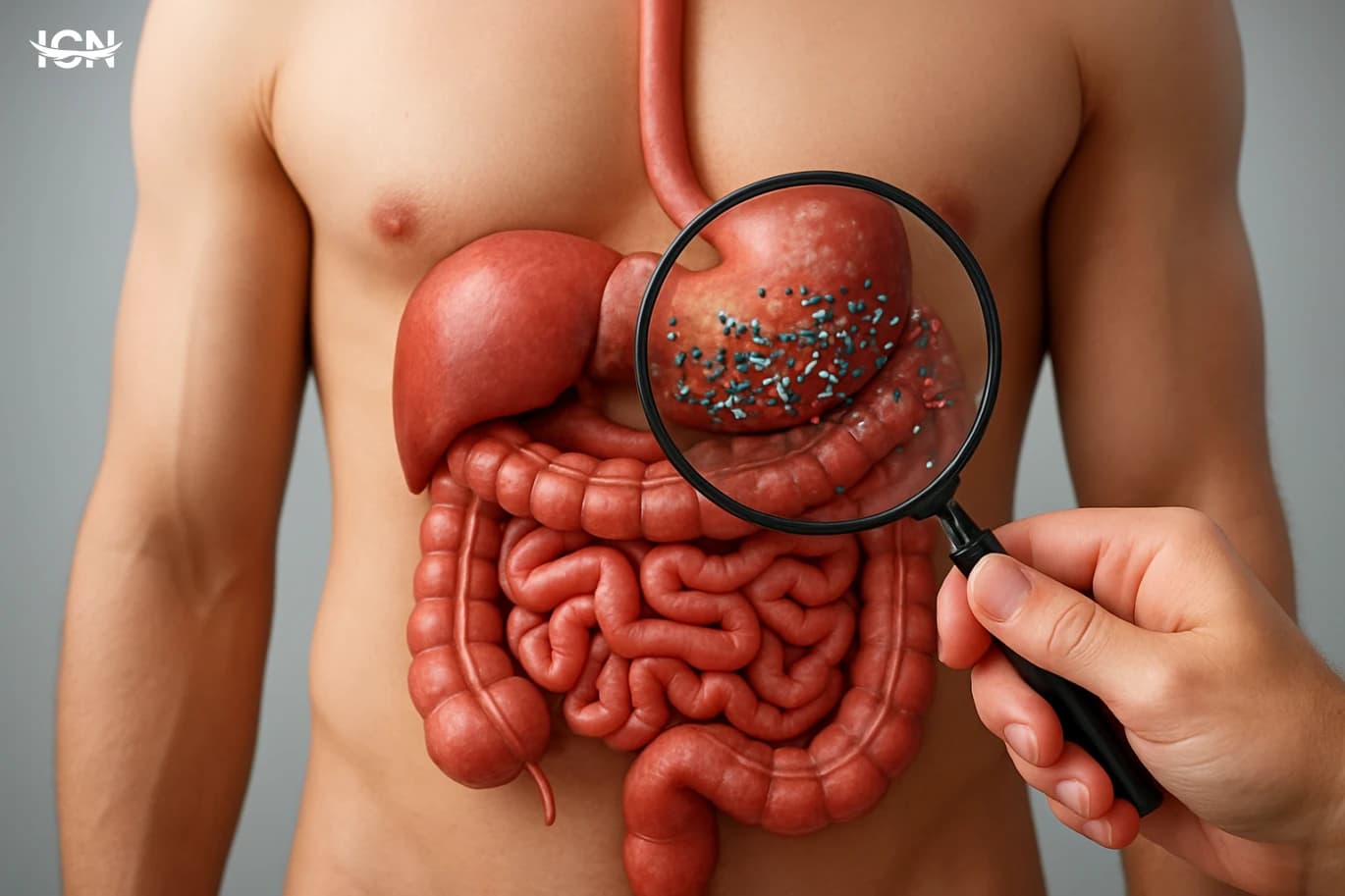
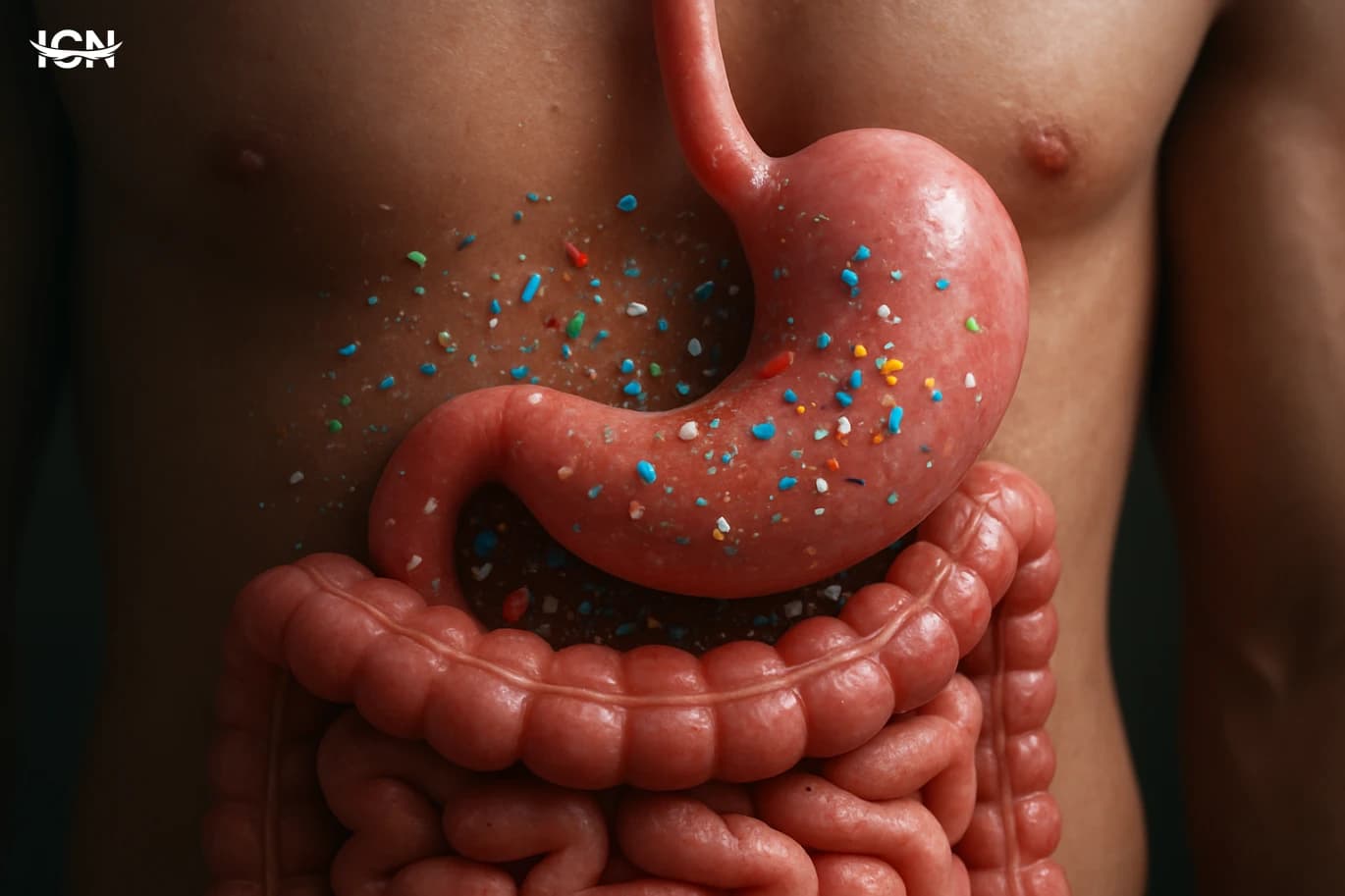
Not every microplastic particle that enters the mouth or nose is absorbed into the body. Many particles are expected to pass through the digestive system and be excreted, and the respiratory system has clearance mechanisms that remove trapped particles. The scientific debate centers on the fraction that may cross biological barriers, which depends on particle size, surface properties, and whether the material is a fragment, fiber, or sphere. Nanoplastics, often discussed as particles below one micrometer, are of particular interest because smaller sizes may increase the chance of crossing cell layers. Researchers use laboratory models, animal studies, and limited human biomonitoring to explore where particles might accumulate and how long they persist. Another layer is the role of the “protein corona,” where proteins in bodily fluids coat particle surfaces, potentially changing how immune cells recognize and process them. While evidence is still developing, many articles emphasize careful language: detection in a sample does not automatically imply harm, and risk depends on dose, duration, and biological response. This is why scientists call for harmonized methods, including consistent size thresholds, contamination controls, and reporting standards, so results can be compared across studies.
How scientists detect microplastics in real samples
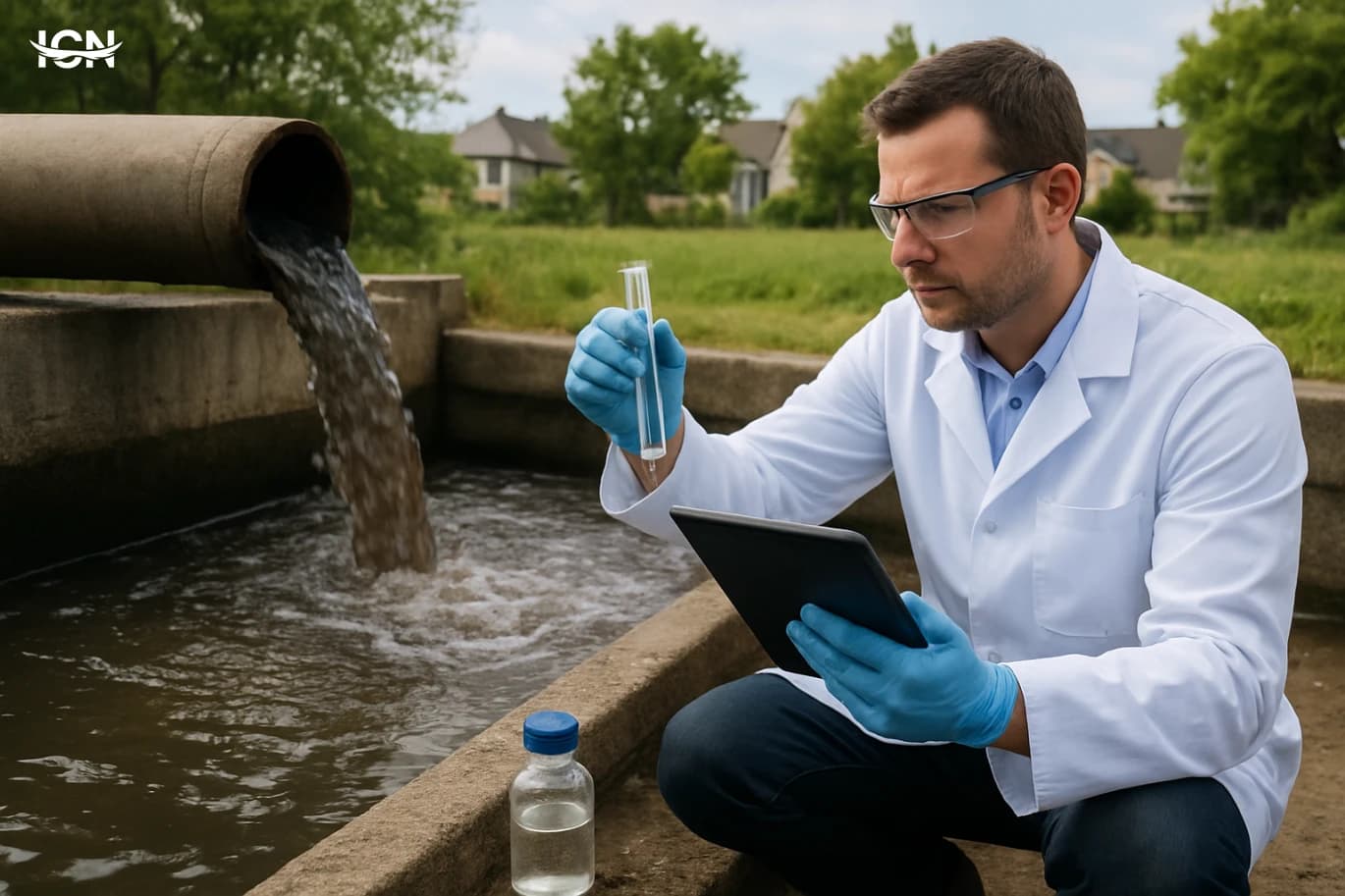
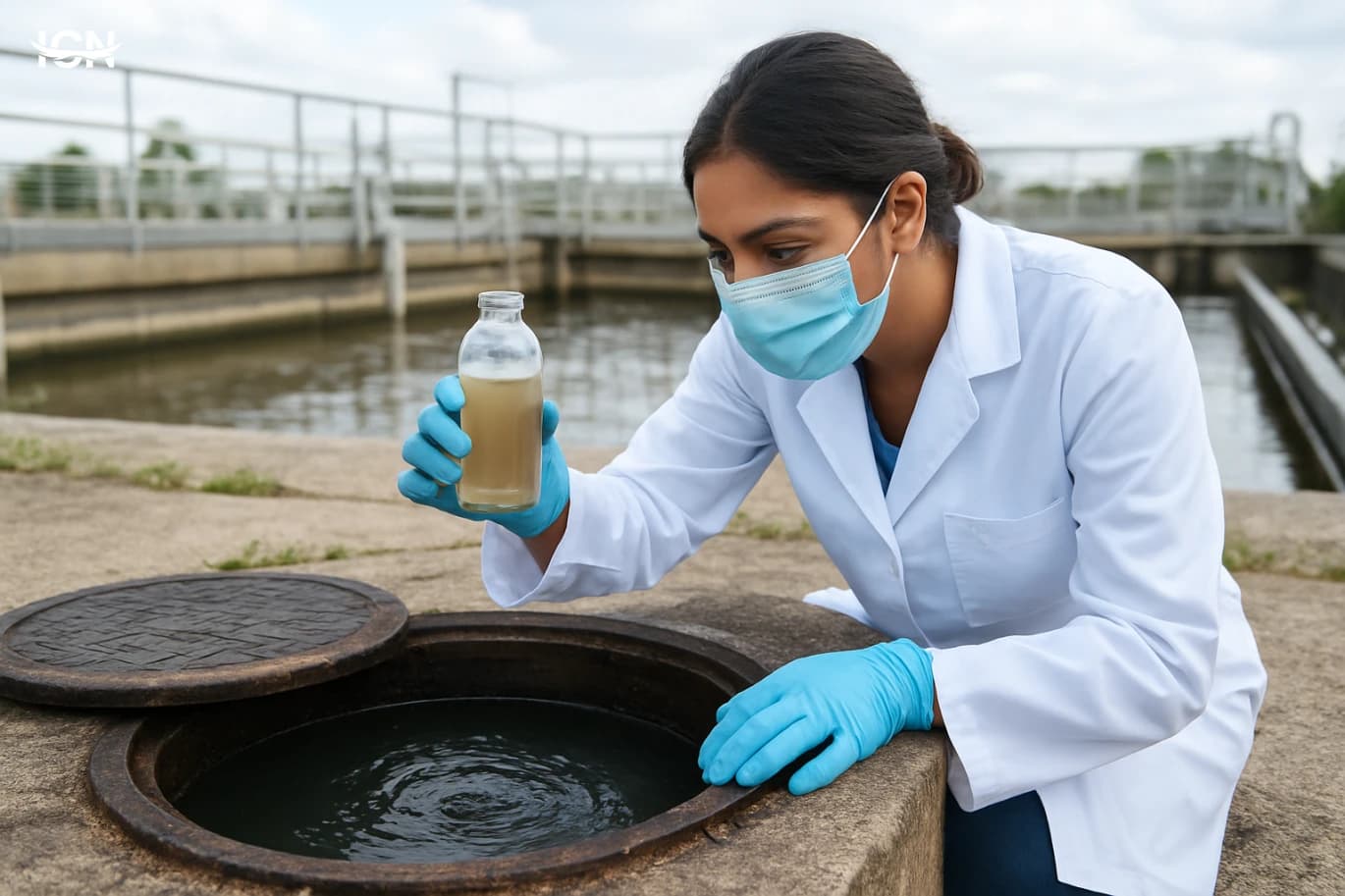
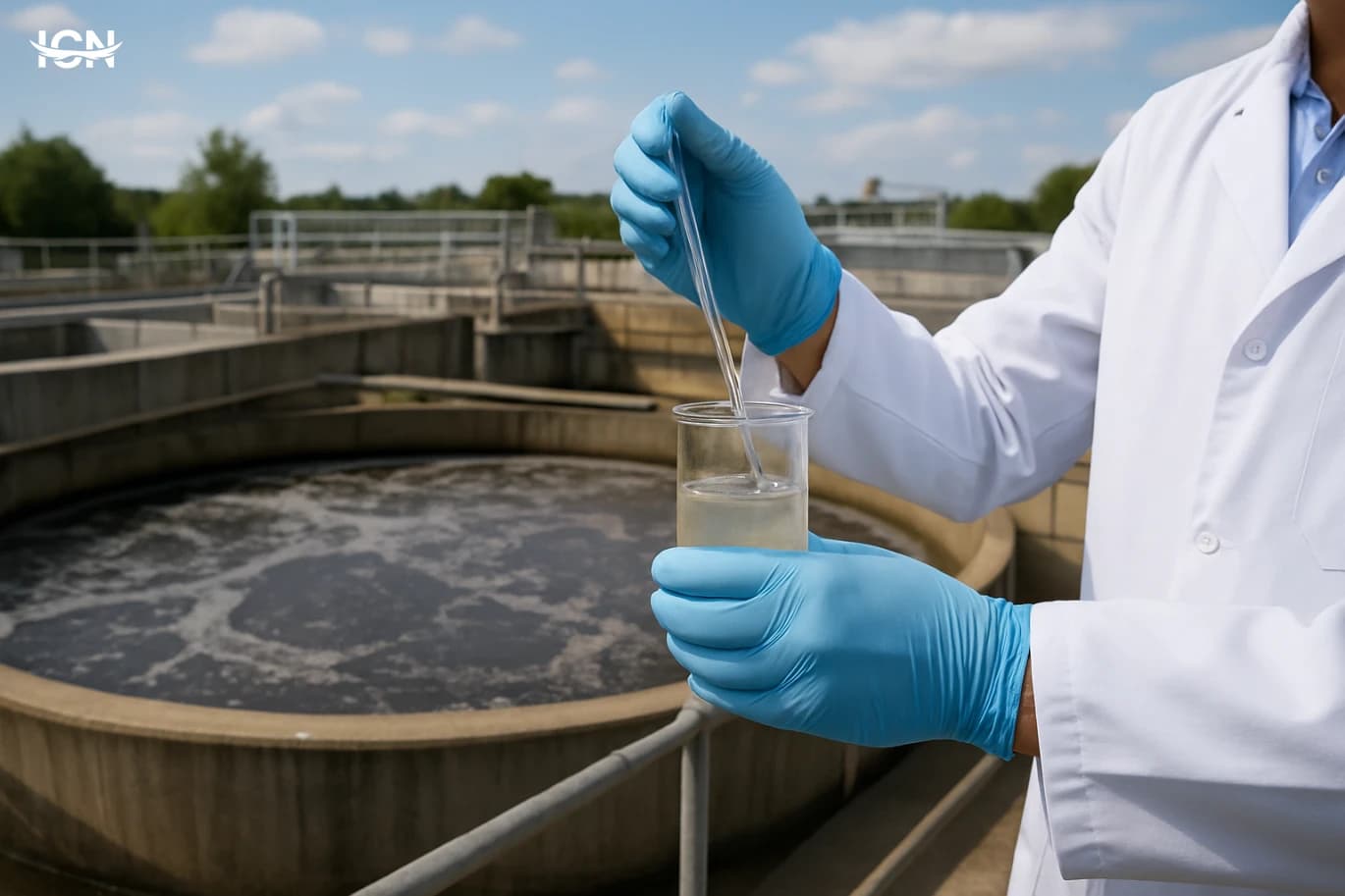
Detection is one of the most technical and contested parts of microplastics research. Studies typically begin with sample collection designed to minimize contamination, such as using glass or metal tools, wearing natural-fiber lab coats, and running procedural blanks. Samples may then be digested chemically or enzymatically to remove organic material, leaving behind suspected particles. Identification often relies on Fourier-transform infrared spectroscopy (FTIR) or Raman spectroscopy, which can match a particle’s spectral signature to known polymers. For very small particles, researchers may use pyrolysis–gas chromatography–mass spectrometry (py-GC–MS) to quantify polymer mass, though this method does not preserve particle shape information. Each technique involves trade-offs between size detection limits, throughput, cost, and the ability to distinguish plastics from similar materials. This is why headlines can be misleading: two studies may report different numbers not because exposure changed, but because they used different filters, size cutoffs, or identification criteria. The strongest papers clearly state their detection limits, contamination controls, and uncertainty, allowing readers to interpret results as part of an evolving measurement landscape.
bookmark
While research continues, several low-regret steps can reduce likely exposure without requiring specialized products. For food and drink, using glass or stainless-steel containers for hot liquids and reheating can reduce abrasion and heat-related shedding from plastics. Replacing heavily scratched plastic cutting boards and avoiding aggressive scraping of plastic containers can also help. For indoor air, improving ventilation, using high-efficiency filtration where appropriate, and wet-dusting surfaces can reduce airborne fibers and dust resuspension. Washing synthetic textiles can release microfibers; using full loads, lower agitation settings, and a microfiber-catching laundry filter where available may reduce emissions to wastewater. Importantly, scientific articles emphasize that individual actions do not replace systemic improvements such as better material design, standardized testing for food-contact plastics, and upgrades in wastewater and drinking-water treatment. The most useful mindset is to treat microplastics as a measurable exposure that can be managed through practical choices, while supporting better data and clearer standards that allow health agencies to make evidence-based recommendations.