Microplastics Inside the Human Body
- Why microplastics became a health question
- How scientists detect particles in blood and organs
- What the evidence says about exposure routes
- Potential biological effects and current limits
- What better research looks like
- Everyday steps that reduce exposure uncertainty
Why microplastics became a health question
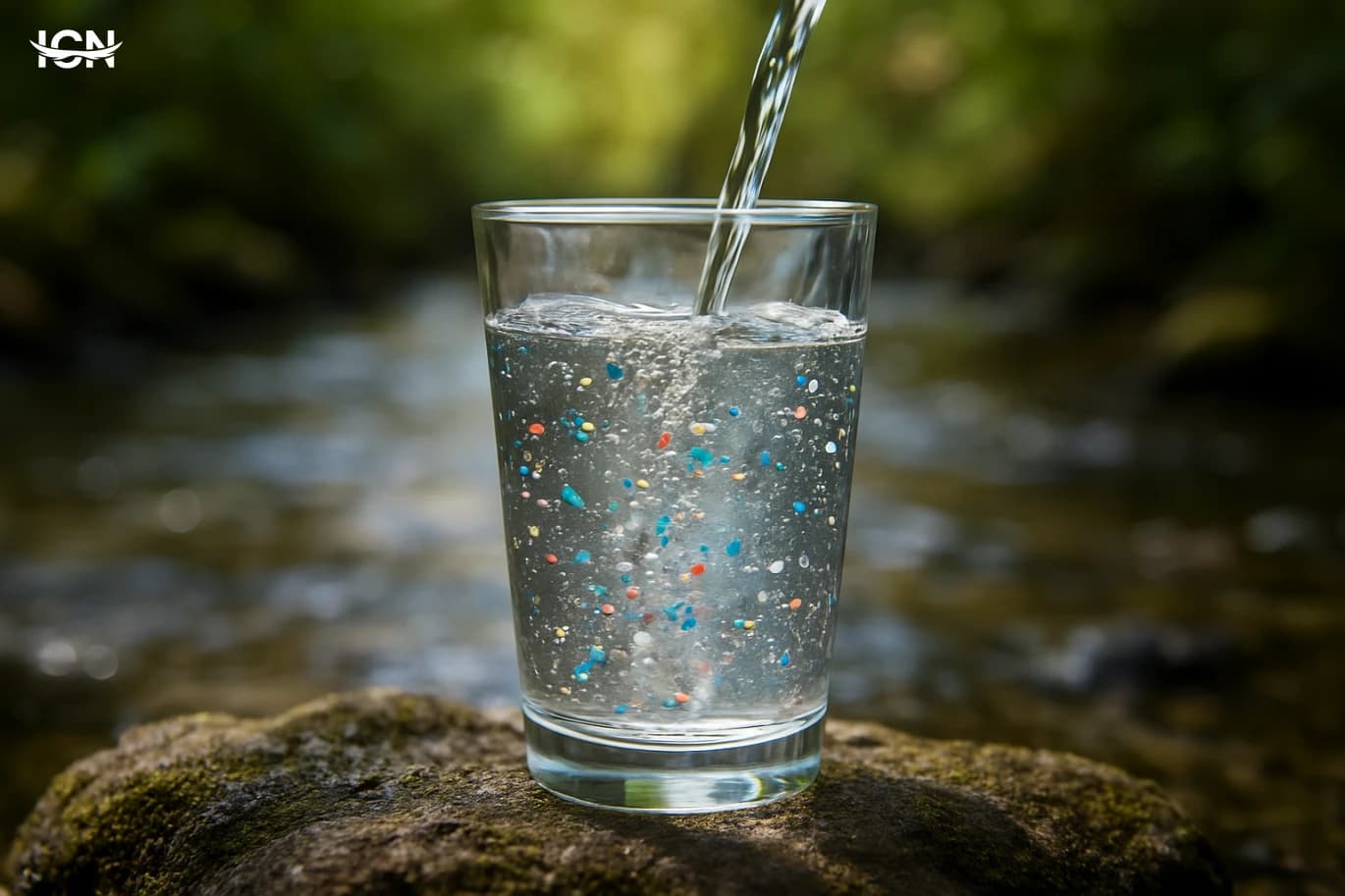
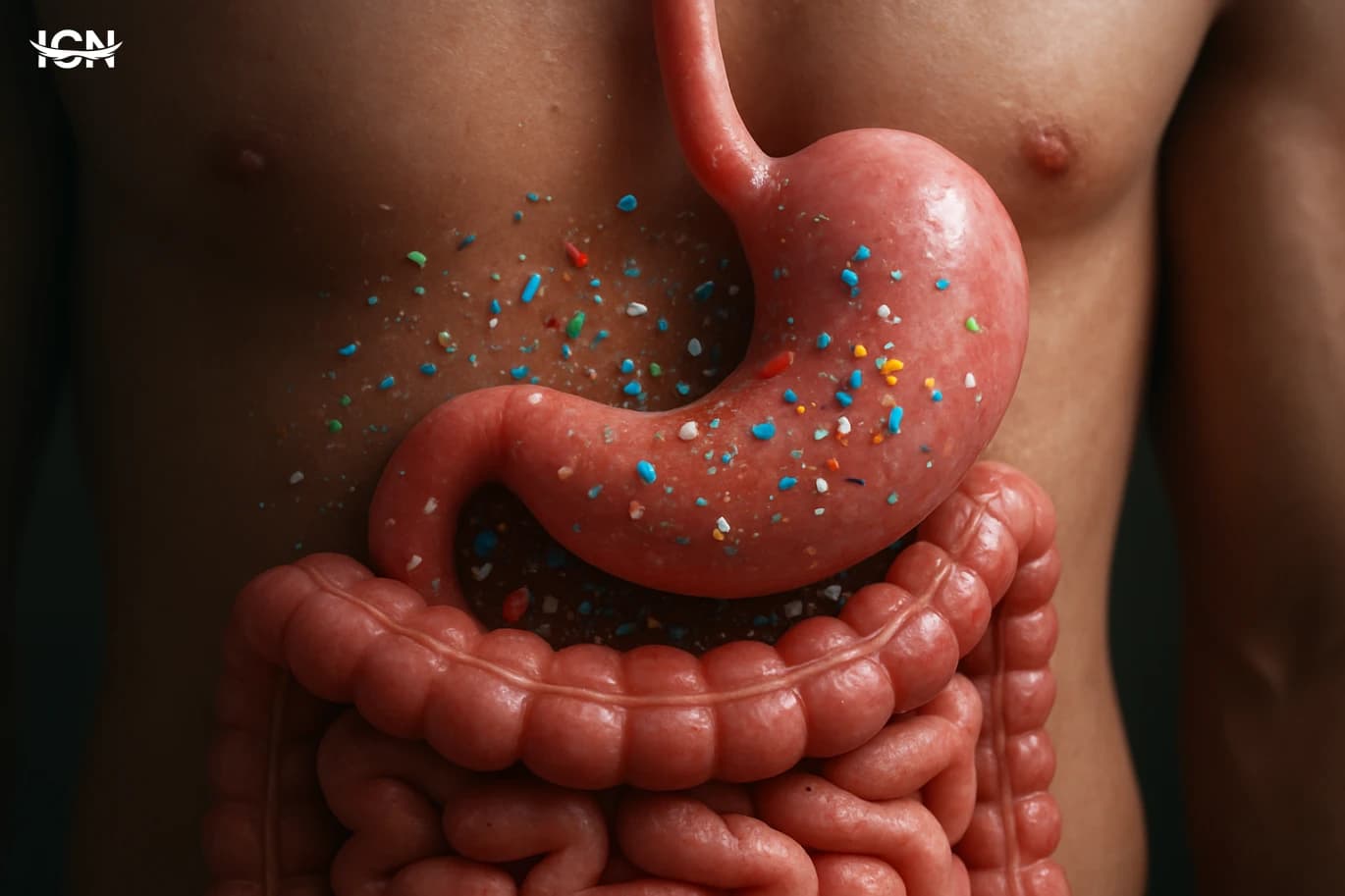
Microplastics are tiny fragments shed from packaging, synthetic textiles, tires, and many everyday products. For years they were treated mainly as an environmental issue, measured in oceans and wildlife. That changed as researchers began detecting these particles in places directly connected to human exposure: drinking water, table salt, seafood, and indoor air. The scientific question is no longer whether people encounter microplastics, but how much enters the body and what happens after exposure. This topic sits at the intersection of analytical chemistry, toxicology, and public health. Scientists must first define what counts as “microplastic,” because size thresholds, polymer types, and shapes vary across studies. They also must separate plastic particles from other debris, avoid contamination from lab equipment, and report results in comparable units. Those practical details shape headlines and policy discussions, yet they are often missing from public summaries. A clear article can explain what the evidence actually shows, what remains uncertain, and why the next generation of studies is focusing on internal measurements rather than environmental sampling alone.
How scientists detect particles in blood and organs
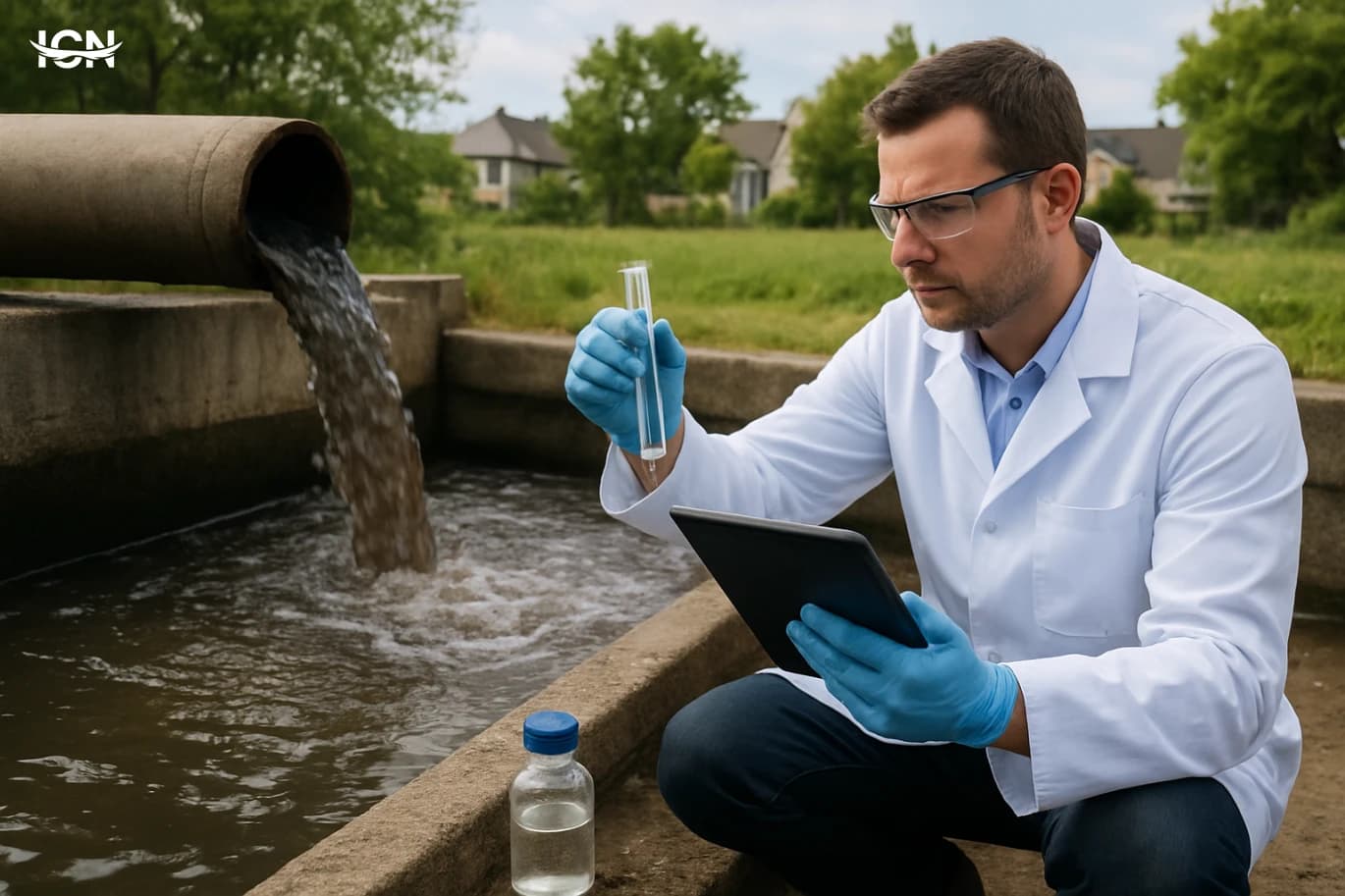
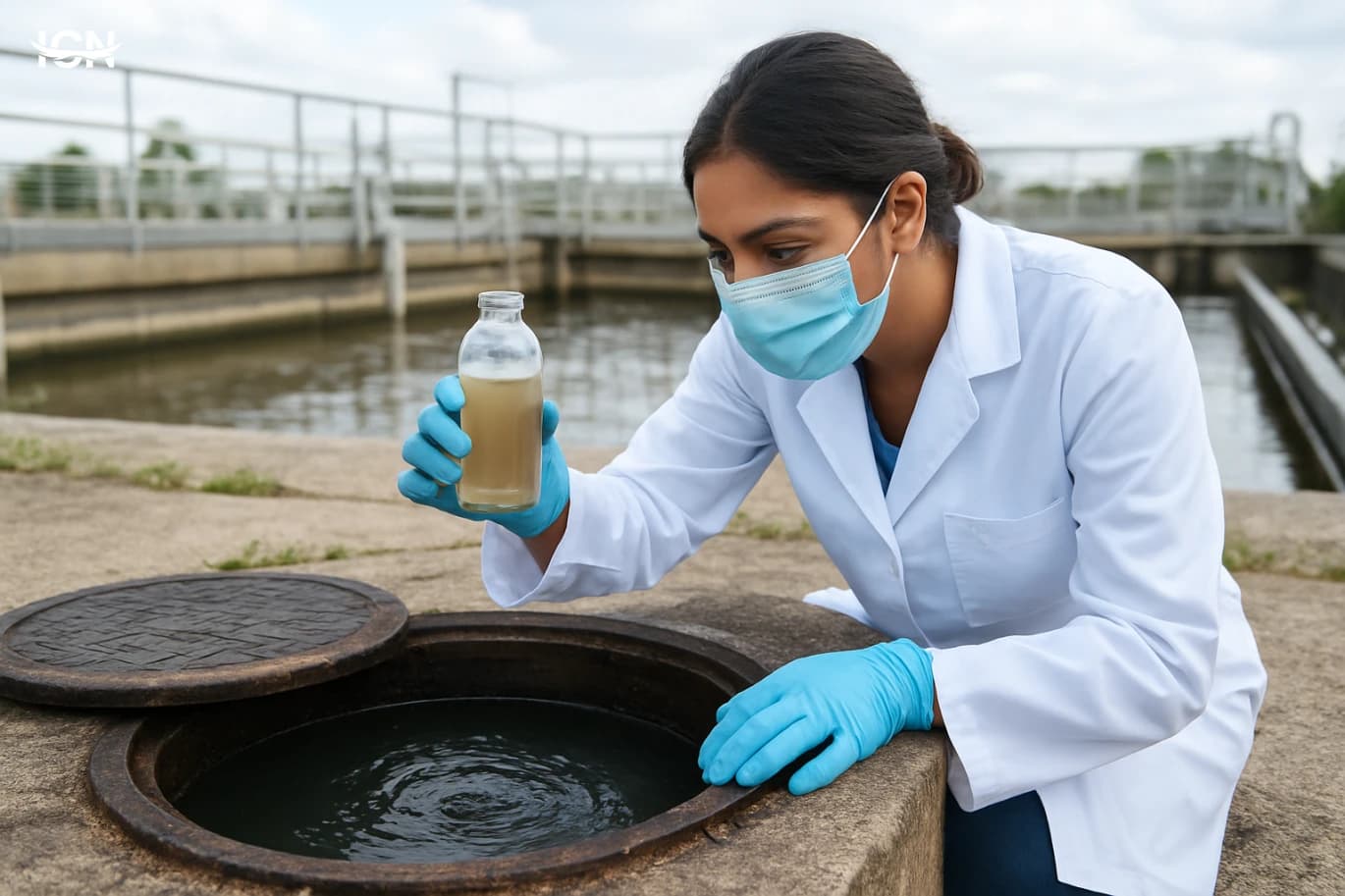
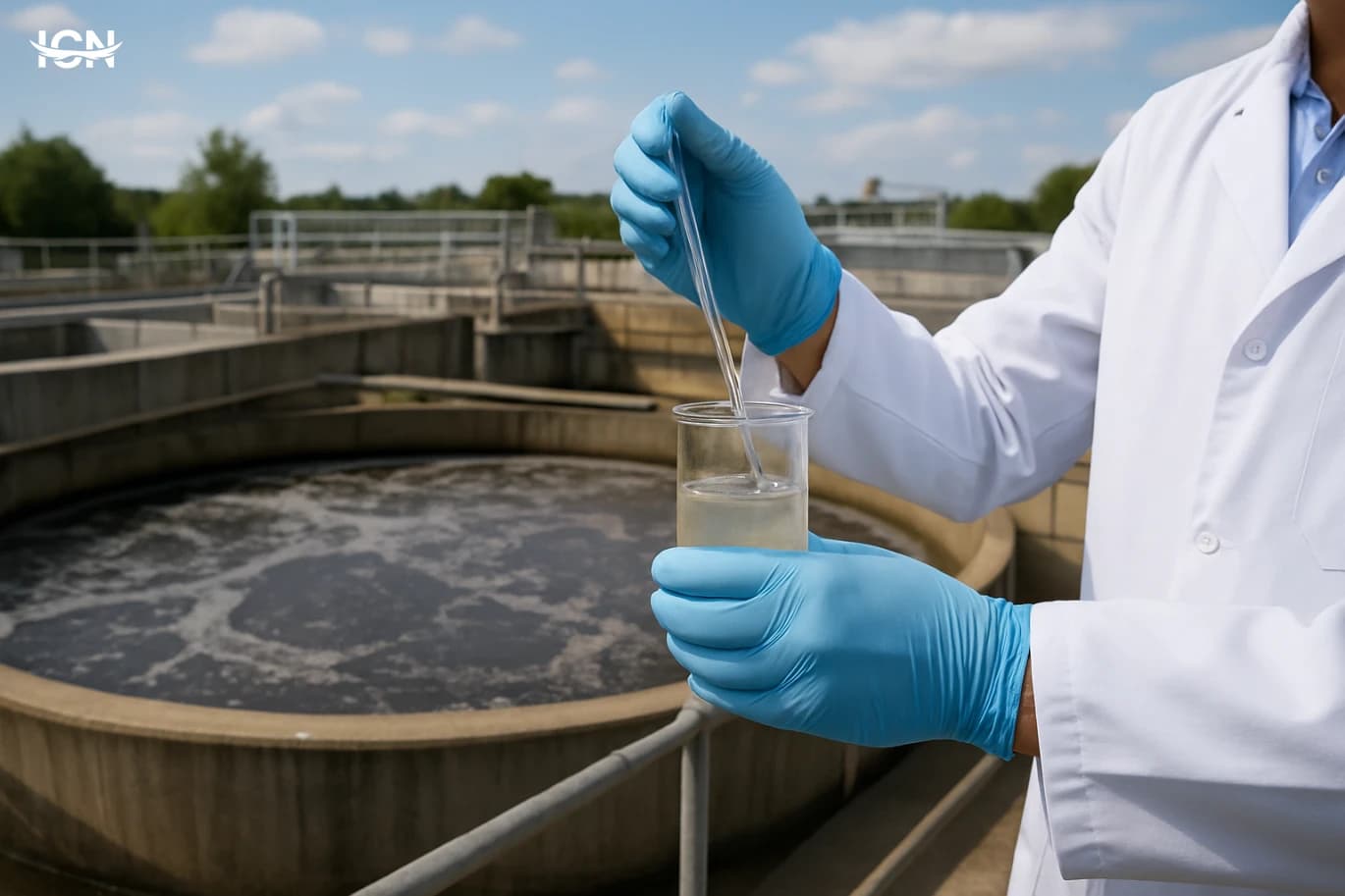
Detecting microplastics in human samples requires methods that can identify both the particle and its polymer chemistry. Researchers typically start with careful sample collection and processing to remove organic material without destroying plastics. Enzymatic digestion, filtration, and density separation are common steps. The remaining particles can then be examined under microscopy to estimate size and shape, but microscopy alone cannot reliably confirm polymer type. To confirm composition, laboratories use techniques such as Fourier-transform infrared spectroscopy (FTIR) and Raman spectroscopy, which match a particle’s spectral fingerprint to known polymers like polyethylene, polypropylene, or PET. For very small particles, pyrolysis–gas chromatography–mass spectrometry (Py-GC–MS) can break down polymers into characteristic chemical fragments, offering sensitive identification but often losing information about particle shape and count. Each method has trade-offs, and results depend on detection limits, the smallest particle size captured, and how contamination controls are handled. A strong scientific article can explain why two studies might report different levels even if both are credible. Differences in filters, size cutoffs, and reporting units can shift totals dramatically. It can also highlight the importance of blanks and controls, because microplastics are ubiquitous in air and lab environments. Without rigorous controls, it is easy to overestimate what is truly in a blood sample or tissue biopsy.
What the evidence says about exposure routes
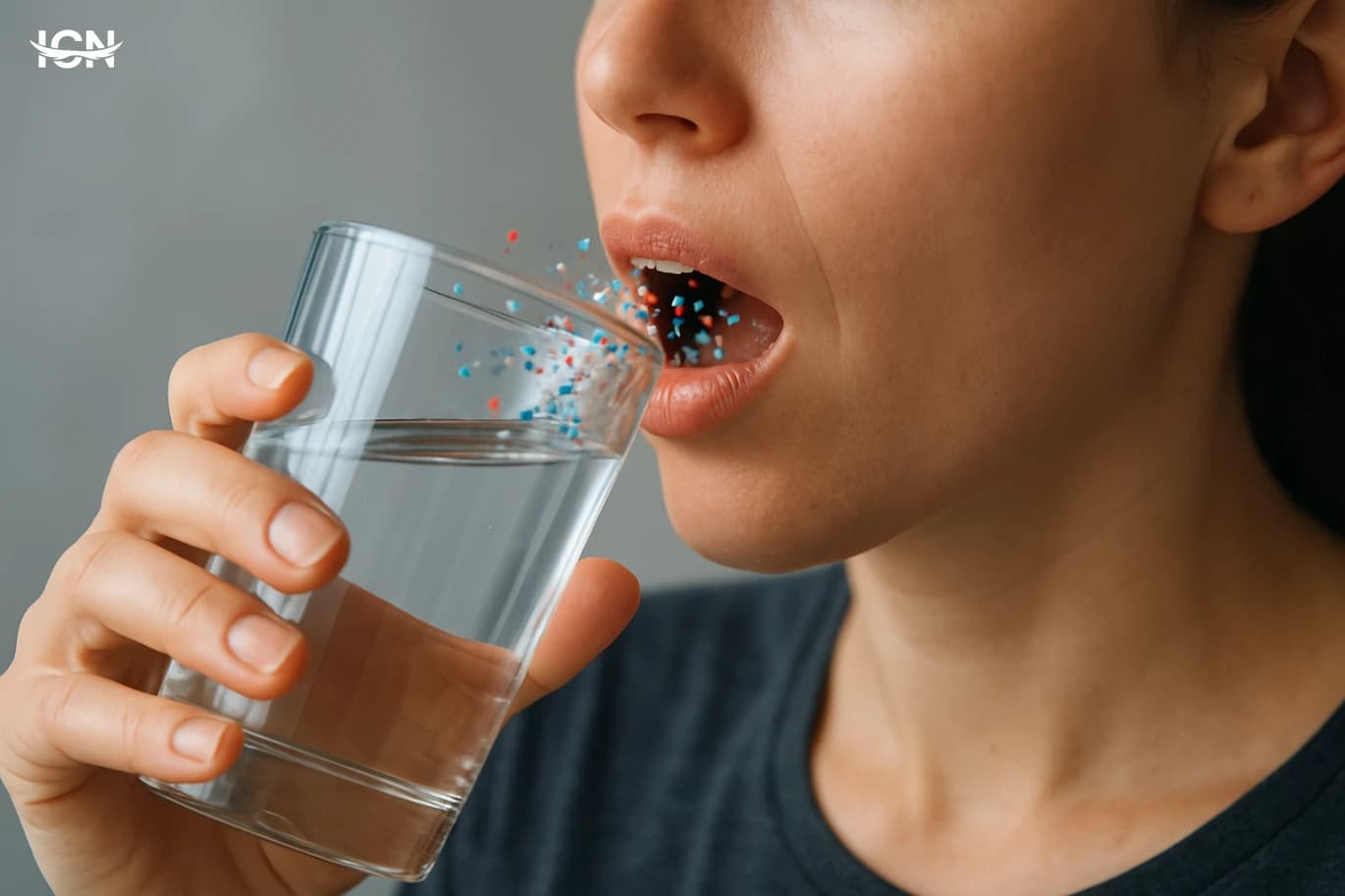
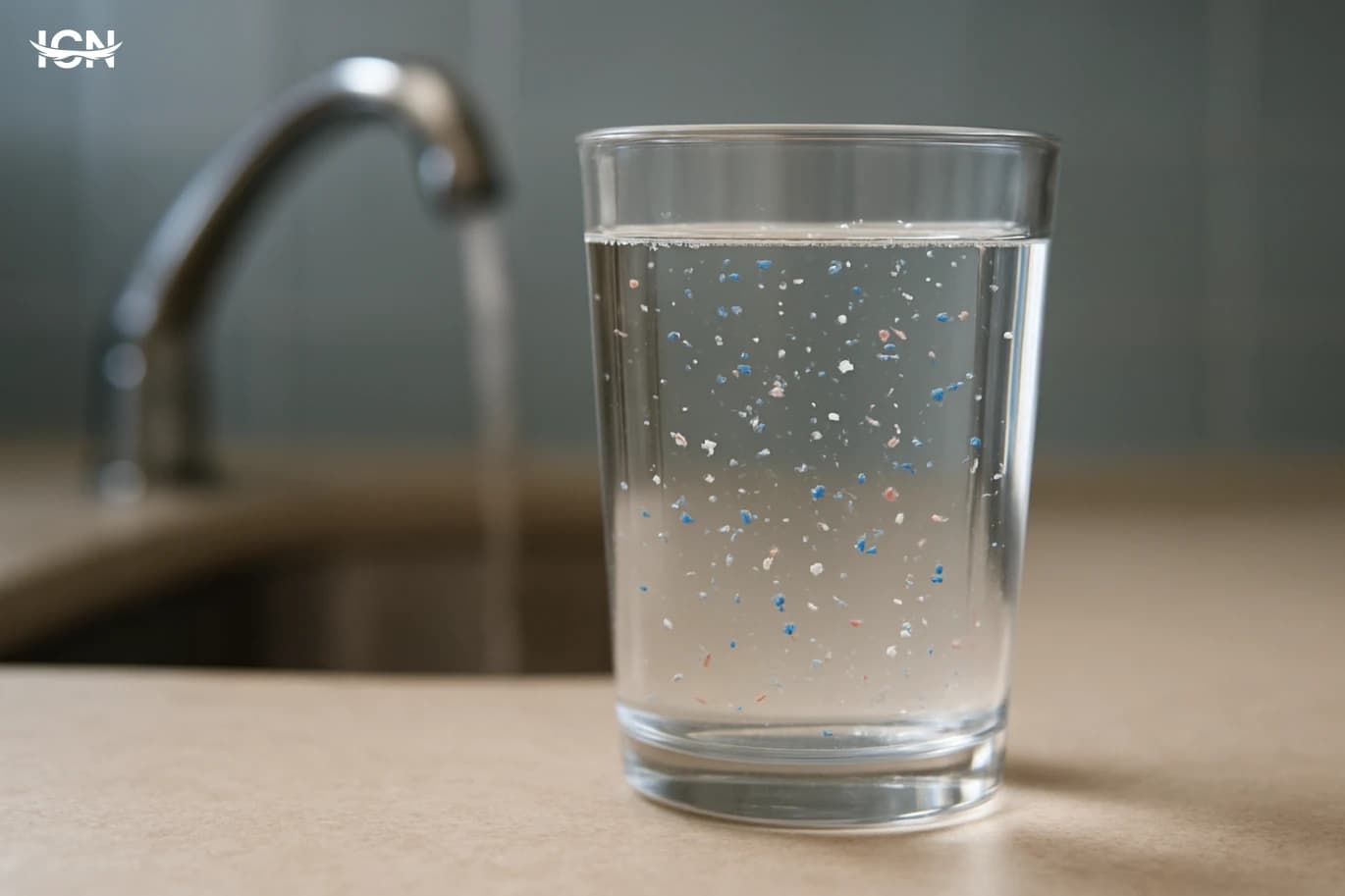
The main suspected exposure routes are ingestion and inhalation. Ingestion can occur through food and beverages, including items that contact plastic during processing or storage. Bottled drinks, packaged foods, and seafood are frequently studied, but results vary widely by region, product type, and measurement method. Inhalation is increasingly important because indoor environments contain fibers from synthetic clothing, upholstery, and household dust. People spend much of their time indoors, so even low concentrations can add up. Once particles enter the body, size matters. Larger particles are more likely to pass through the digestive tract, while smaller particles may interact more with biological tissues. Researchers also study additives and surface chemicals that can be carried by plastics, as well as the ability of particles to adsorb other compounds from the environment. However, separating the effects of the particle itself from the chemicals associated with it is difficult. A careful article should also address what is not yet well quantified. For example, the relative contribution of tap water versus bottled water depends on local infrastructure and consumer habits. Similarly, the contribution of outdoor air versus indoor air depends on occupation, ventilation, and proximity to traffic-related sources such as tire wear. The best studies increasingly combine environmental measurements with personal exposure monitoring to build a realistic picture of daily intake.
Potential biological effects and current limits
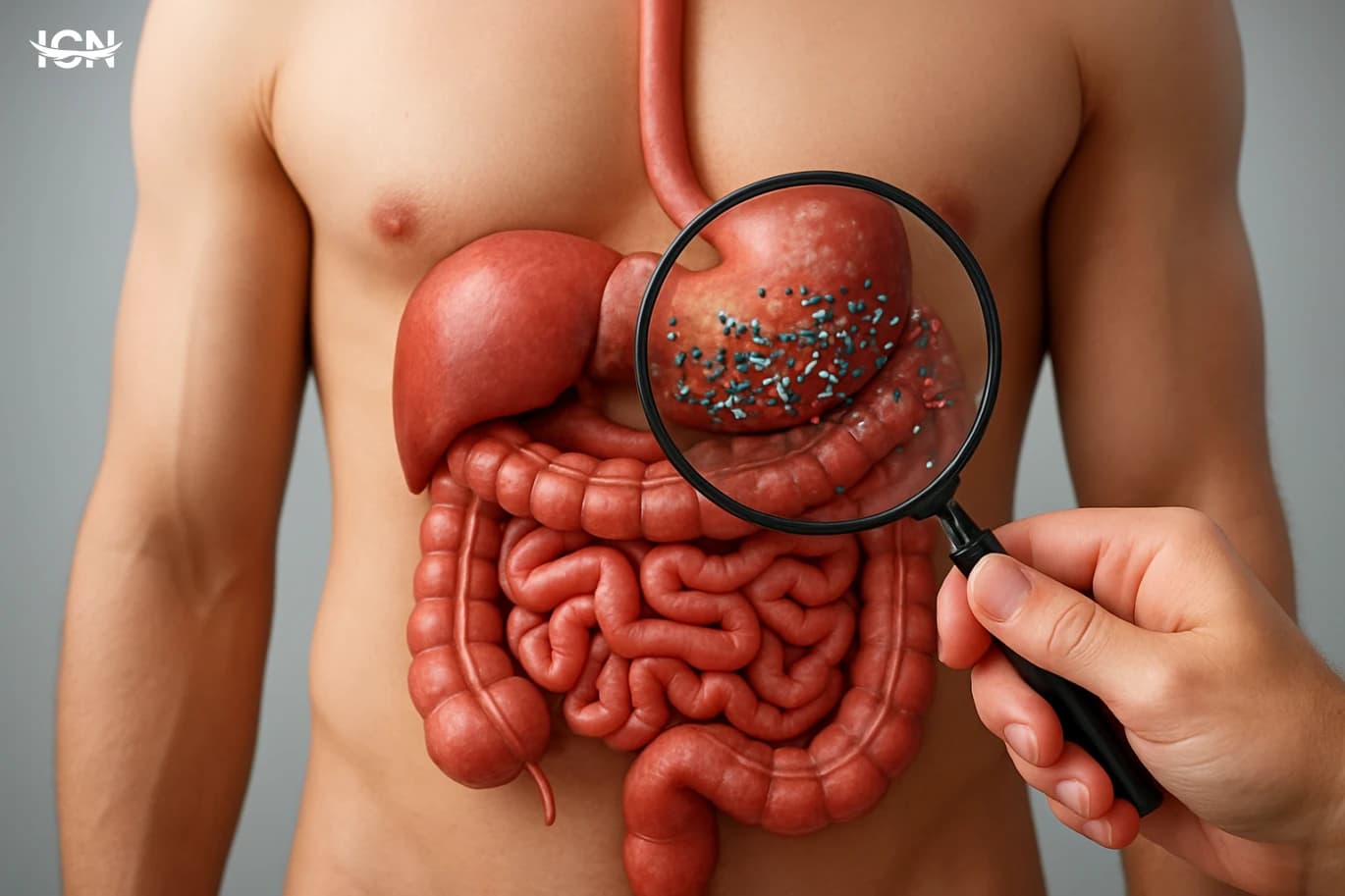
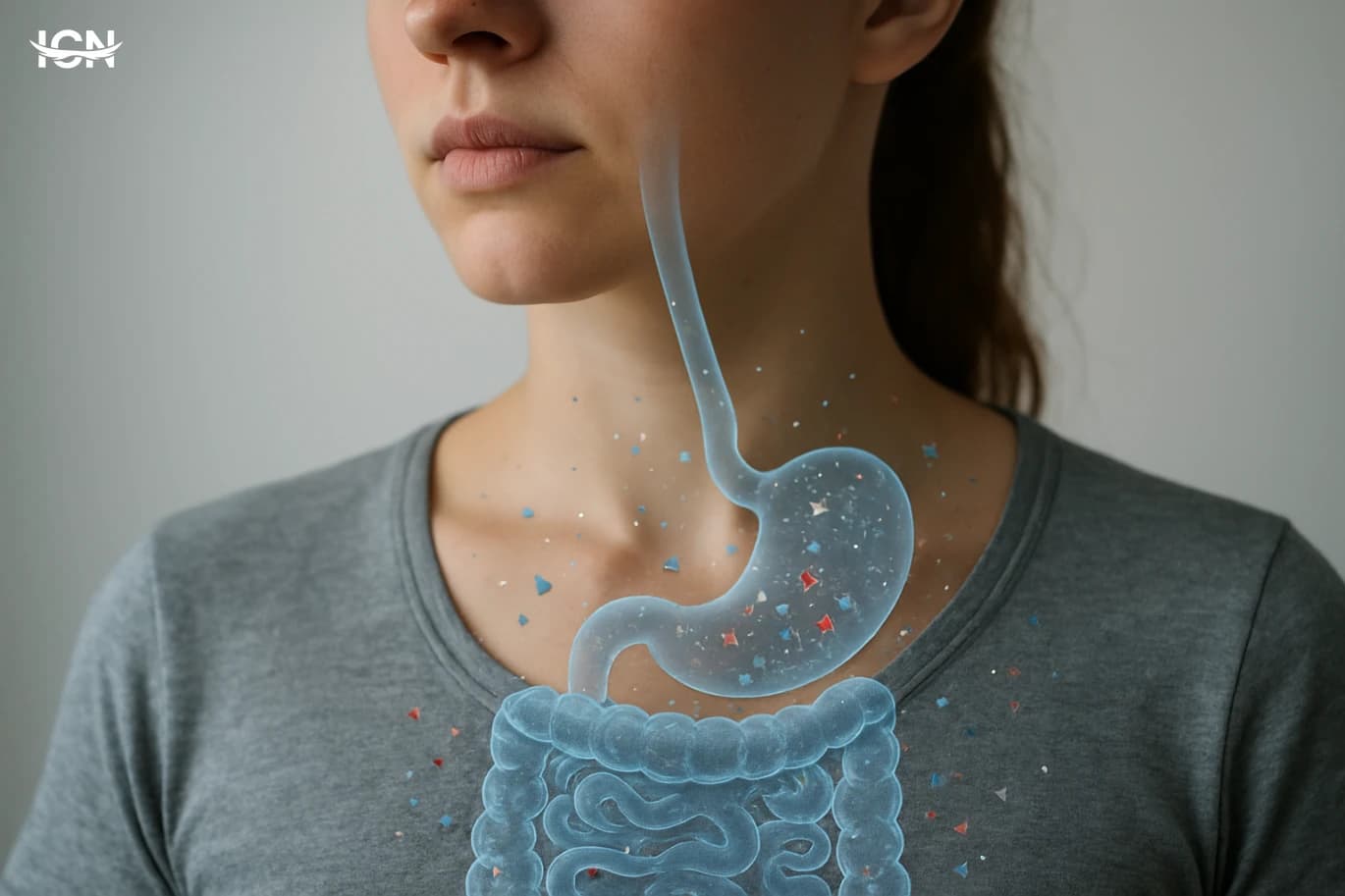
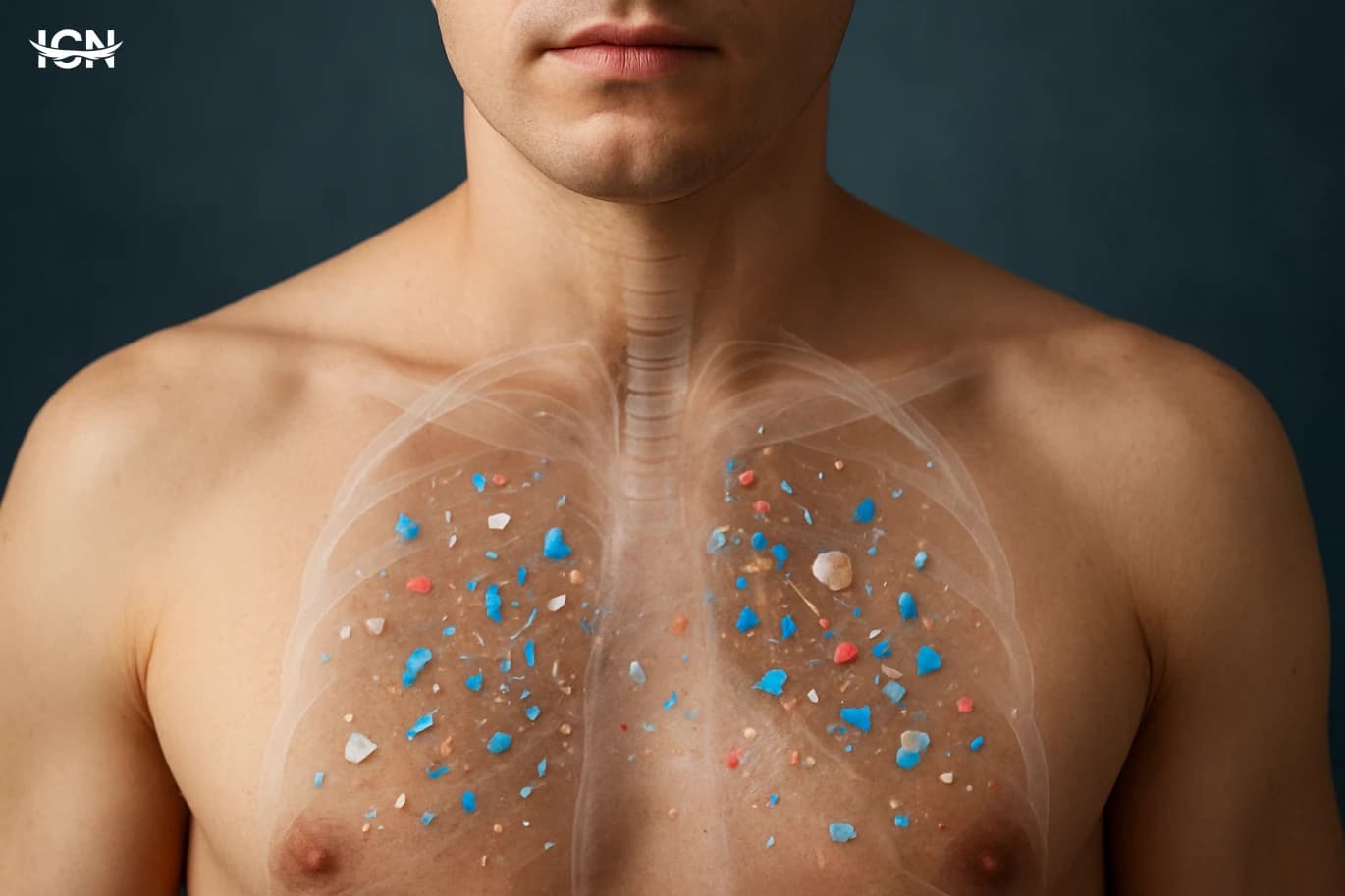
Public interest often jumps directly to health outcomes, but the evidence is still developing. Laboratory studies using cells and animal models suggest that certain particles can trigger inflammation, oxidative stress, or changes in barrier tissues under specific conditions. Yet translating those findings to real-world human exposure is challenging because doses, particle sizes, and polymer types in experiments may not match what people encounter. Human studies are emerging, including reports of particles in blood, lung tissue, and other samples. These findings demonstrate internal presence, but presence alone does not prove harm. Establishing health effects requires well-designed epidemiological studies that track exposure over time and control for confounding factors such as air pollution, smoking status, diet, and occupational hazards. Another limitation is that many studies focus on microplastics above a certain size, while even smaller particles may behave differently and are harder to measure. A responsible scientific article can outline what researchers consider plausible mechanisms without overstating certainty. It can explain that risk depends on multiple variables: particle size and shape, polymer chemistry, surface coatings, and the individual’s physiology. It can also clarify the difference between hazard (what could happen under certain conditions) and risk (what is likely at typical exposure levels).
What better research looks like
The field is moving toward standardization and more realistic exposure assessment. One priority is harmonized protocols: consistent definitions, size classes, polymer libraries, and reporting units. Another is improved contamination control, including clean-air workspaces, non-plastic tools where possible, and transparent reporting of blanks. These steps make results comparable across laboratories and countries. Researchers are also developing methods to capture smaller particles and to quantify not just counts but mass and surface area, which may be more relevant for biological interaction. Longitudinal cohort studies, where participants provide repeated samples and detailed lifestyle data, can help connect exposure patterns to health markers. Pairing internal measurements (blood or tissue) with external monitoring (air and diet) can clarify which sources matter most. A strong blog topic can highlight the practical questions scientists are trying to answer next: Which polymers are most common in human samples? Do levels change with season, occupation, or housing conditions? How quickly does the body clear different particle sizes? These are measurable questions that can guide both research funding and public guidance without relying on speculation.
Everyday steps that reduce exposure uncertainty
Because the science is still evolving, practical advice should focus on low-regret steps that also have broader benefits. Improving indoor air quality is one example: regular wet cleaning to reduce dust, maintaining ventilation systems, and using high-efficiency filtration where appropriate can reduce airborne particles of many kinds, not only plastics. For textiles, washing synthetic clothes in full loads and using filters designed to capture fibers can reduce shedding into wastewater. Food and drink choices can also be framed realistically. Using durable containers, avoiding unnecessary heating of food in single-use plastic, and following local guidance on drinking water quality are reasonable measures. The goal is not to eliminate exposure completely, which is unlikely, but to reduce avoidable sources while research clarifies which exposures matter most. A well-structured scientific article can close by emphasizing transparency: readers should look for studies that clearly state methods, detection limits, and contamination controls. That approach helps the public distinguish between solid evidence and results that are difficult to interpret, and it encourages better reporting standards across the field.