App Logo

Download Our App

Shop your way

logologo
Image

Time Travel Between Physics and Imagination

01/29/2026By: ICN Writer
Time Travel Between Physics and Imagination

What Time Travel Really Means

Time travel is often described as moving to the past or the future in a way that is not possible through ordinary waiting. In science, the idea splits into two very different questions: can we experience time at a different rate than others, and can we return to an earlier moment to change events? The first question has a clear footing in modern physics, while the second remains speculative and controversial. In everyday life, everyone “travels” to the future at one second per second. Scientific discussions focus on whether that pace can be altered. If two people separate and later reunite, could one have aged less than the other? That outcome is not a thought experiment only; it has been measured in small but real ways. By contrast, traveling to the past raises deeper issues about cause and effect, information, and whether the universe allows closed loops in time. A useful way to frame the topic is to treat time travel as a spectrum. At one end are verified effects such as time dilation, which can shift clocks by microseconds. In the middle are engineering dreams, like near-light-speed journeys that could send astronauts far into the future relative to Earth. At the far end are proposals for backward time travel that depend on extreme cosmic structures or hypothetical matter, none of which has been observed.

Relativity and Time Dilation

Einstein’s special relativity links time to motion. As an object’s speed approaches the speed of light, time measured on that object slows relative to a stationary observer. This is not a matter of perception; it is a measurable difference in elapsed time. The relationship is captured by the Lorentz factor, which grows rapidly near light speed, making large time shifts possible in principle. General relativity adds gravity to the picture. Clocks run at different rates depending on gravitational potential: a clock closer to a massive body ticks more slowly than one farther away. This effect has been confirmed repeatedly, including with atomic clocks placed at different altitudes. The practical importance is not academic; satellite navigation systems must correct for both speed-related and gravity-related time dilation to maintain accuracy. These results establish a limited but real form of “time travel to the future.” If an astronaut could travel at a significant fraction of light speed and return, they would have experienced less time than people on Earth. The barrier is not the physics of time dilation but the engineering: energy requirements, propulsion limits, radiation exposure, and the challenge of accelerating and decelerating safely over long distances.

Paths to the Future in Practice

The most realistic “time travel” humans have already done is tiny: astronauts on the International Space Station age slightly less than people on Earth because they move fast and live in a weaker gravitational field than the surface. The difference is measured in milliseconds over long missions, but it demonstrates that the effect is not hypothetical. Scaling that up to meaningful jumps requires extreme speeds. A spacecraft traveling at 0.9c would experience time at roughly half the Earth rate, and at 0.99c the gap becomes much larger. However, reaching those speeds with known propulsion is beyond current capability. Chemical rockets are far too weak, and even advanced concepts like nuclear thermal or ion propulsion do not approach relativistic travel for crewed missions. Other forward-time scenarios involve gravity. Orbiting close to a very massive object could slow a traveler’s time relative to distant observers. In theory, hovering near a black hole could create dramatic time differences, but the environment would be lethal due to tidal forces and radiation, and the navigation requirements would be extreme. For now, the practical frontier is improving precision timing, space travel duration, and understanding how relativity affects technology rather than planning human-scale leaps into the far future.

The Past and the Causality Problem

Backward time travel is where science meets its hardest constraints. Many popular stories assume a traveler can return and alter events, but physics is built on causality: causes precede effects. If a mechanism allowed information or matter to move into the past, it could create contradictions such as the “grandfather paradox,” where actions prevent the traveler’s own existence. General relativity contains mathematical solutions that resemble time loops, known as closed timelike curves. These appear in certain idealized models involving rotating universes, rapidly spinning cylinders, or specific spacetime geometries. The key issue is that these models typically require conditions that are not physically realistic, such as infinite cylinders, unbounded rotation, or matter distributions that do not match what we observe in the cosmos. Even if a spacetime geometry permitted a loop, quantum effects may prevent it. Some physicists have argued for a “chronology protection” principle, suggesting that the laws of physics conspire to avoid macroscopic time machines. While not proven, the idea reflects a broader point: our best theories do not provide a workable, testable method for traveling to the past, and they raise strong reasons to suspect nature forbids it at scales relevant to humans.

Wormholes and Exotic Matter

Wormholes are hypothetical tunnels connecting distant regions of spacetime. In principle, if a traversable wormhole existed and one mouth experienced different time dilation than the other, the pair could act like a time offset device. This is one of the most discussed routes to backward time travel in theoretical physics. The obstacle is that traversable wormholes appear to require “exotic” matter with negative energy density to keep them open. Quantum field theory allows negative energy in limited, highly constrained situations, but not in the stable, macroscopic quantities a wormhole would likely need. Additionally, wormholes have never been observed, and there is no evidence that nature produces them in a usable form. Even as a theoretical tool, wormholes highlight how far backward time travel is from engineering reality. The discussion is valuable because it stress-tests our theories at their limits and clarifies what would have to be true for time machines to exist. But without observational support and without a known way to create or stabilize such structures, wormholes remain a speculative concept rather than a roadmap.

What Science Can Test Next

The near-term scientific agenda is not building time machines, but refining how we measure and model time. Atomic clocks continue to improve, enabling tests of relativity with higher precision and helping detect subtle gravitational effects. Networks of clocks can map variations in Earth’s gravitational potential, supporting geodesy and climate-related measurements. In space science, better timing supports deep-space navigation and fundamental physics. Experiments that compare clocks on Earth and in orbit can probe whether relativity holds under different conditions. Gravitational-wave observatories also contribute indirectly by measuring extreme events, such as black hole mergers, that test general relativity where gravity is strongest. For the public, the most responsible way to discuss time travel is to separate confirmed physics from speculation. Time dilation is real and already affects technology. Large-scale forward jumps remain an engineering challenge. Backward travel remains unproven and may be forbidden by deeper principles we do not fully understand. Treating these categories distinctly keeps the topic grounded while leaving room for future discoveries.
* All articles published on this blog are sourced from various websites and are provided for informational purposes only. They should not be considered as confirmed studies or accurate information. Please verify the information independently before relying on it.

Similar ARTICLES

How Cities Measure Heat With Satellites
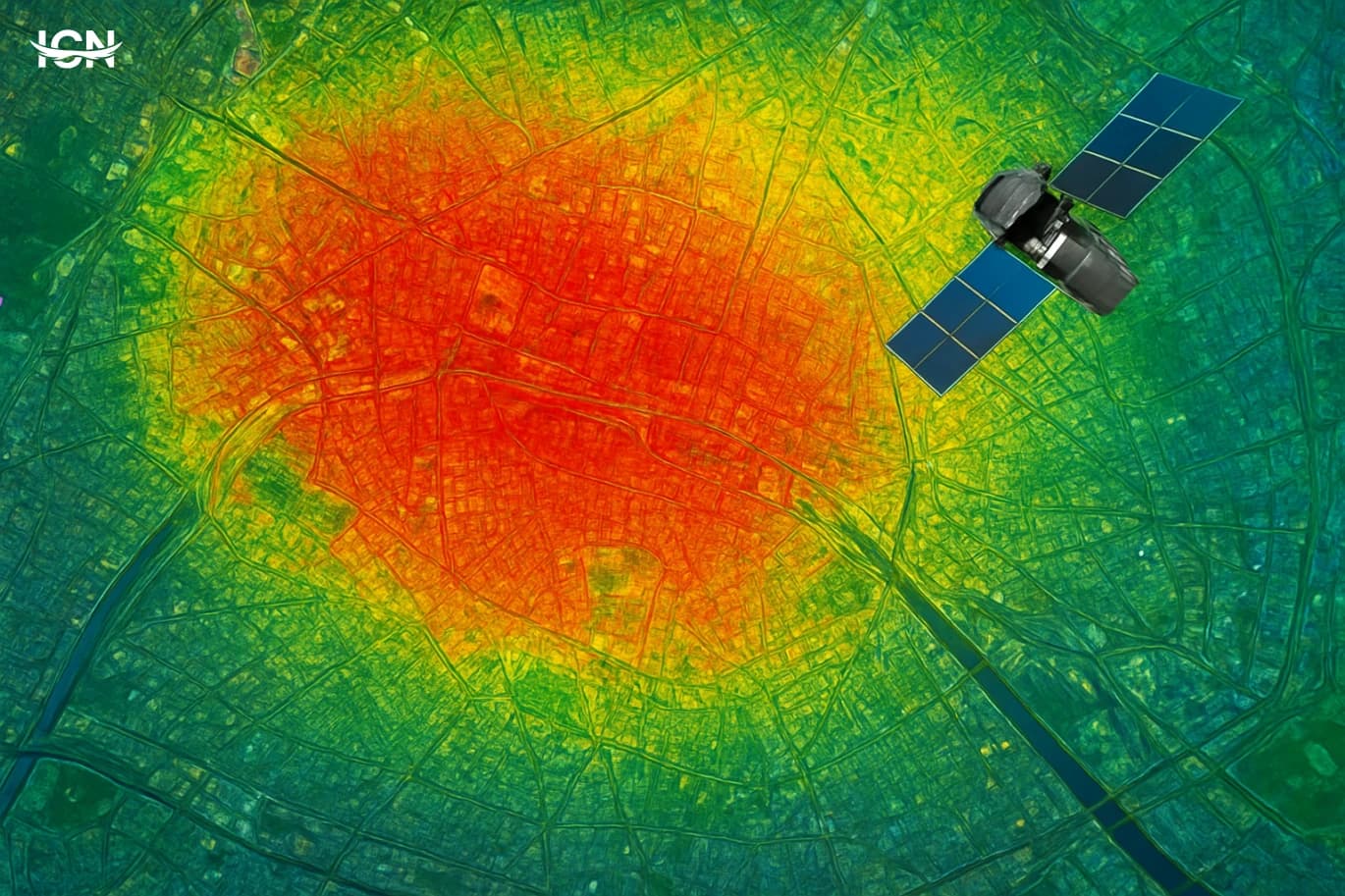
Urban heat is often discussed as a general problem, but city planners need block-by-block evidence to decide where to plant trees, change paving, or adjust building codes. Traditional weather stations are accurate at a point, yet they are sparse and can miss sharp temperature differences between a shaded park, a wide asphalt road, and a dense commercial district. That gap matters because heat exposure is shaped by local surfaces, building height, wind corridors, and the timing of shade. Satellite remote sensing offers a way to map temperature patterns across an entire city on the same day, using consistent methods. The key product is land surface temperature, which describes how hot the ground and rooftops are, not the air temperature people see on a phone app. Understanding the difference is essential: surfaces can be far hotter than the air, and they influence the air through radiation and convection. A serious article can show how cities translate satellite maps into practical decisions, and what limitations must be respected to avoid misleading conclusions.
Microplastics in Drinking Water Explained
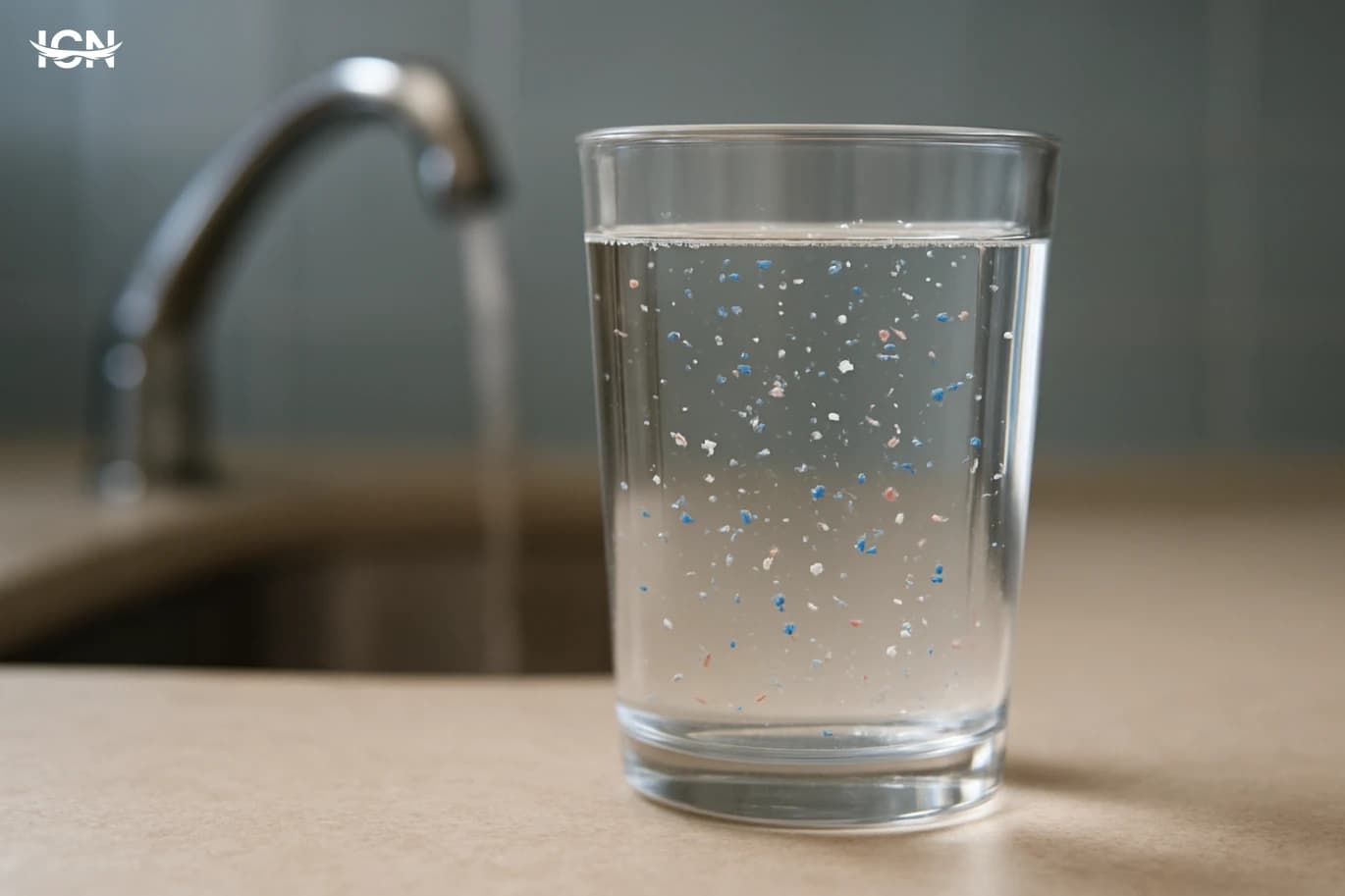
Microplastics are tiny plastic particles, generally smaller than 5 millimeters, that come from the breakdown of larger plastic items or from products that shed fragments during use. In water research, scientists often distinguish between microplastics and even smaller “nanoplastics,” which can be harder to detect with routine methods. The reason microplastics matter in drinking water is not only their presence, but their potential to carry additives, pick up pollutants from the environment, and interact with biological systems in ways that are still being mapped. In recent years, microplastics have been reported in rivers, lakes, groundwater, and treated tap water in multiple regions. That does not automatically mean every glass of water is unsafe, but it does mean the topic has moved from a niche environmental concern to a mainstream public health and infrastructure question. Researchers are now asking practical questions: where do these particles enter water supplies, how well do treatment plants remove them, and what exposure levels are realistic for different communities. A key point in scientific articles is uncertainty. Measuring microplastics is technically challenging because particles vary widely in size, shape, polymer type, and surface chemistry. Two studies can report different numbers simply because they used different sampling volumes, filters, or identification techniques. Understanding these limitations helps readers interpret headlines and focus on what the evidence can and cannot claim today.
How Microplastics Move Through the Human Body
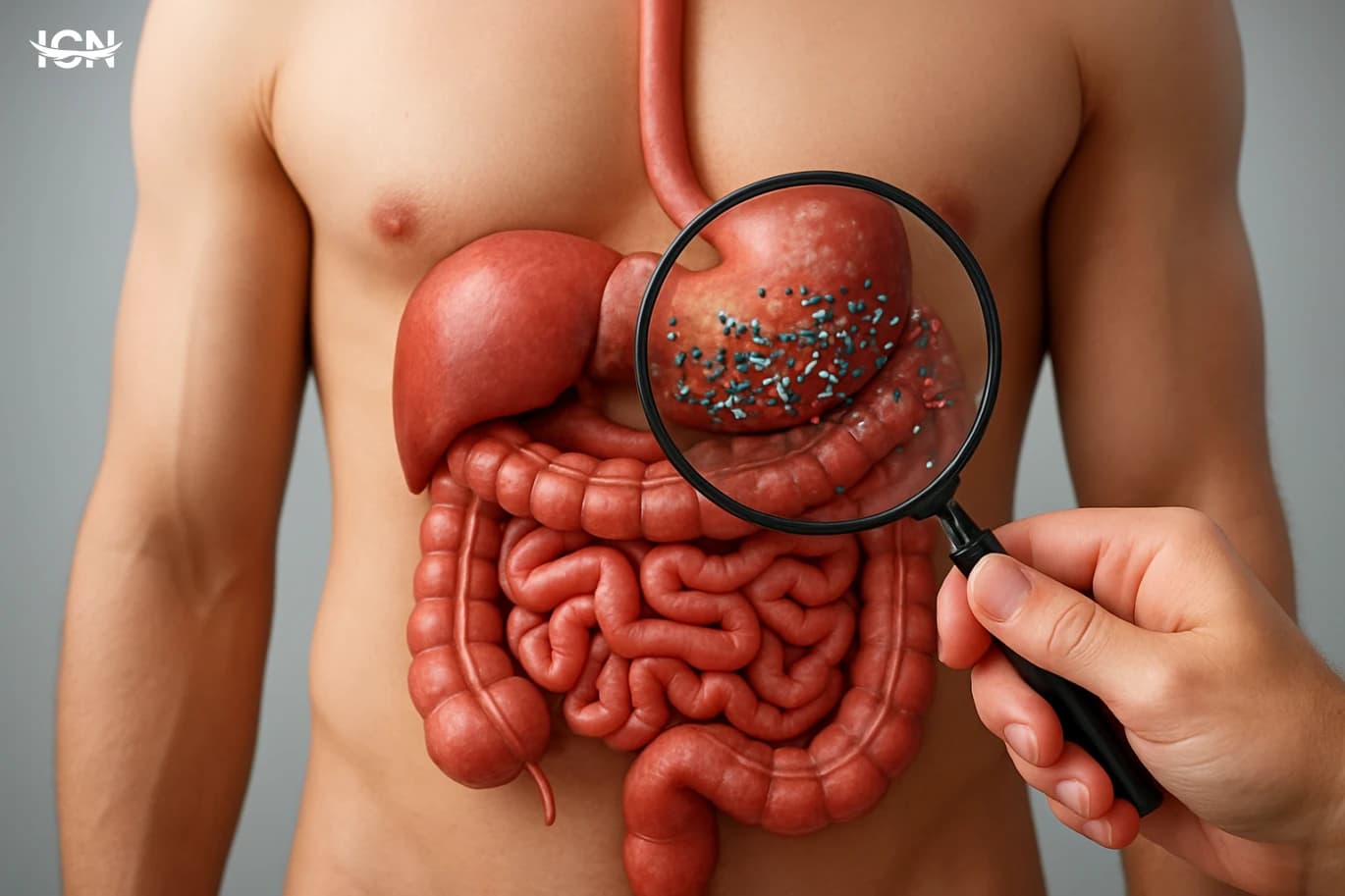
Microplastics are no longer only an ocean or wildlife issue; they are increasingly studied as a human exposure problem. Researchers have detected tiny plastic particles in drinking water, table salt, indoor dust, and a range of foods, which means everyday intake is plausible even without obvious pollution sources. The scientific focus has shifted from “are we exposed?” to “what happens after exposure?” because health risk depends on where particles travel, how long they persist, and whether they trigger biological responses. This article topic examines the current evidence on how microplastics can enter the body, move between organs, and leave the body, while clarifying what is known versus what remains uncertain. It also highlights why particle size, shape, and polymer type matter for transport, and why measurement methods can change the conclusions. The goal is to give readers a clear map of the research landscape without overstating the strength of the data.
How Microplastics Enter the Human Body
Microplastics are plastic fragments typically smaller than 5 millimeters, and they have moved from being an environmental concern to a public health research priority. Scientists track them because they are now detected in oceans, rivers, soils, household dust, and food packaging, creating multiple pathways for human exposure. The research focus is not only on how much plastic is present, but on particle size, shape, and polymer type, because these factors influence where particles travel and how they interact with tissues. Another reason for urgency is that microplastics can carry additives and can adsorb other chemicals from the environment, complicating exposure assessment. In recent years, laboratories have improved detection methods, allowing studies to report microplastics in samples that were previously difficult to analyze, such as air filters, drinking water, and biological fluids. This shift has pushed the topic into mainstream scientific articles, where the central question is increasingly practical: what are the most common routes into the body, and what can be measured reliably today?
How Wastewater Reveals Community Health Trends
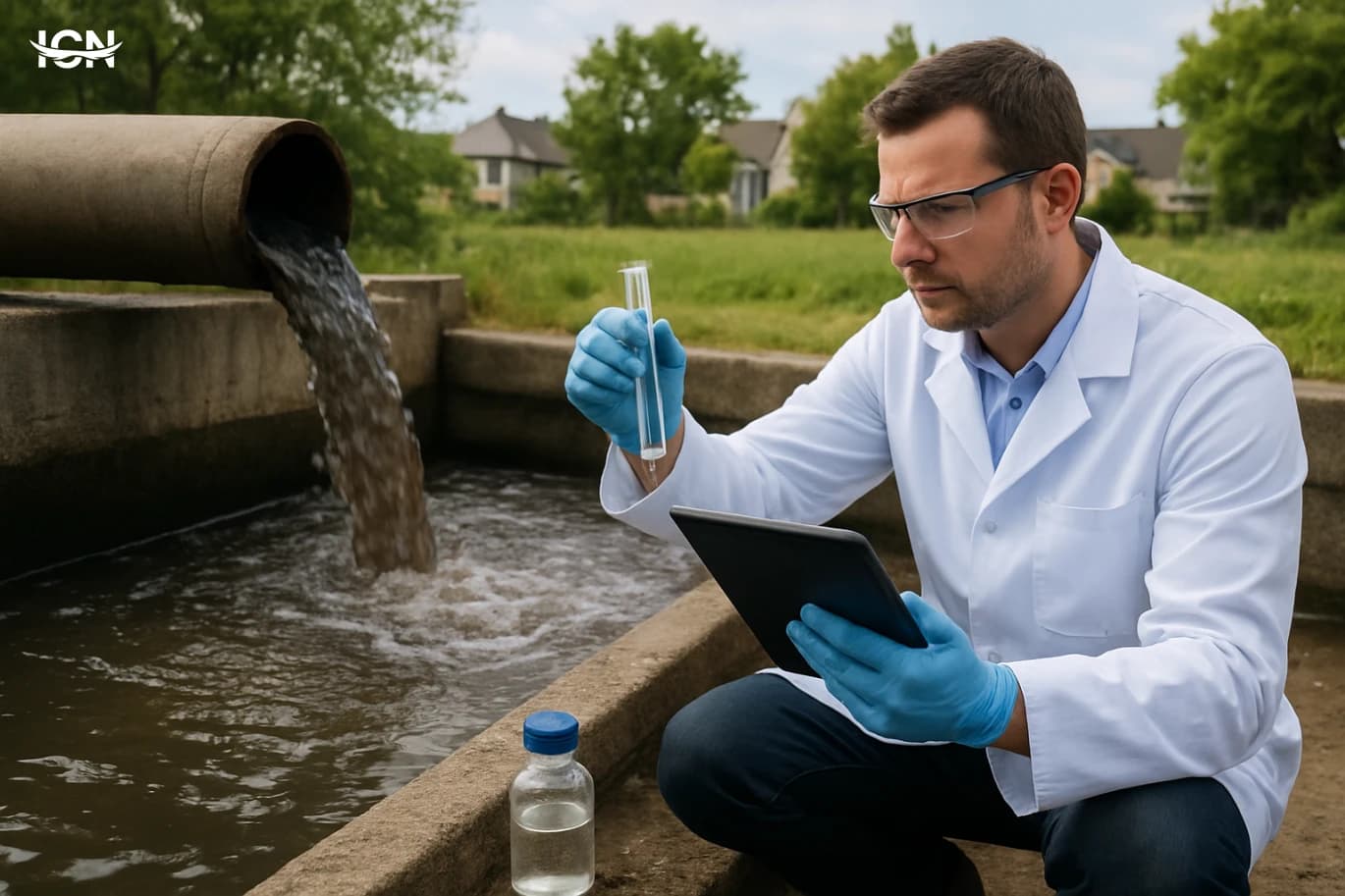
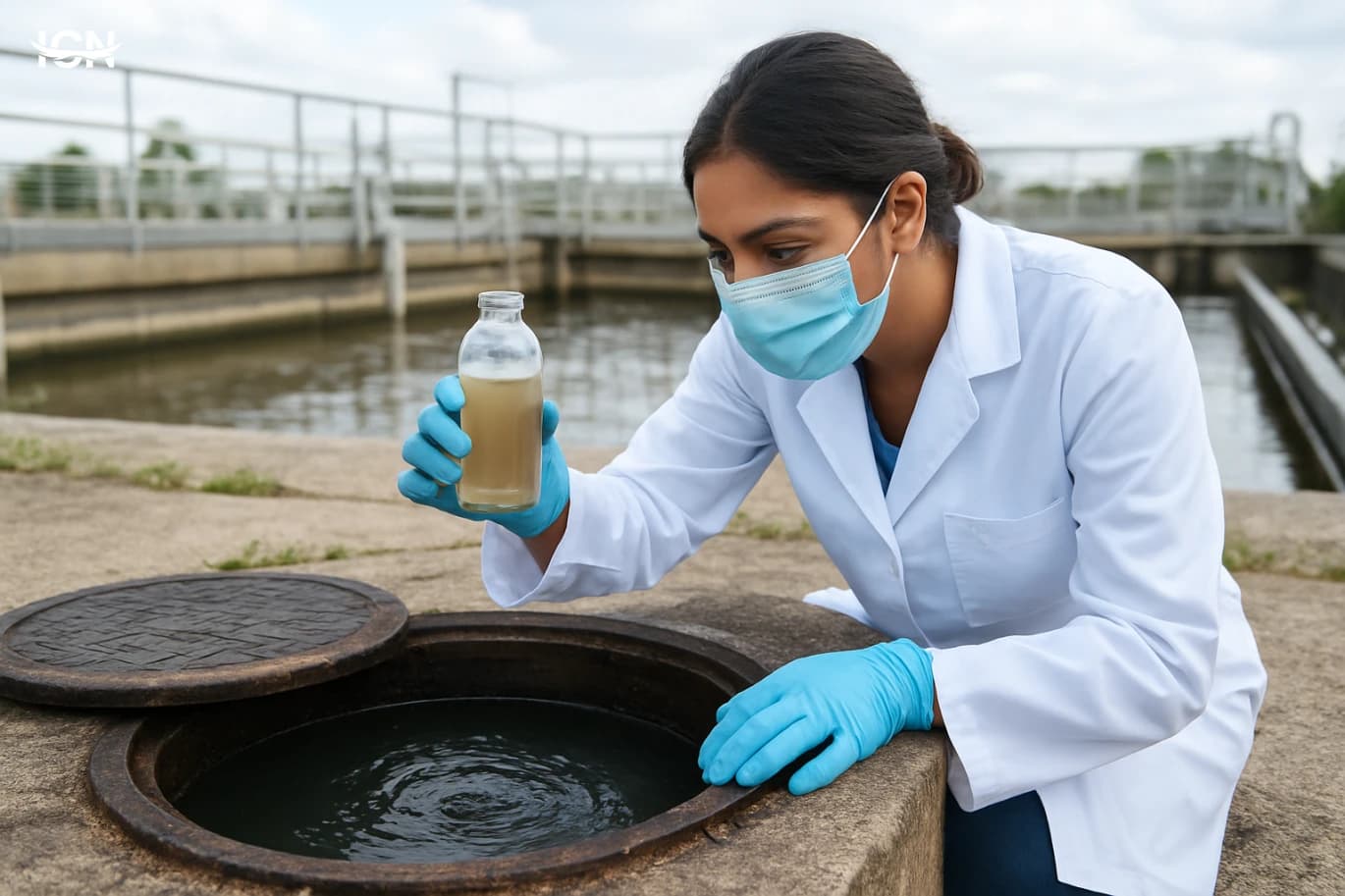
Wastewater-based epidemiology (WBE) turns what flows through sewers into measurable signals about a community’s health. When people take medications, get infected with viruses, or are exposed to certain chemicals, traces of those substances or their breakdown products can end up in urine and feces. Those traces mix in the sewer network, creating a pooled sample that represents thousands to millions of residents. Scientists can collect wastewater at treatment plants or key pumping stations and analyze it to estimate trends without testing individuals. This approach is not new, but it has matured quickly because modern molecular and chemical methods can detect very small amounts of genetic material and metabolites. WBE is especially useful when clinical testing is limited, delayed, or biased toward people who seek care. It can also provide early warning, because changes in wastewater can appear before hospitals see a surge. The result is a complementary dataset: not a replacement for clinical surveillance, but a broad, population-level lens that can help public health teams allocate resources, evaluate interventions, and communicate risk with more timely evidence.
World Day to Combat Desertification
The World Day to Combat Desertification and Drought, observed each year on 17 June, focuses attention on land as a practical foundation for food, water security, and stable local economies. It is linked to the UN Convention to Combat Desertification and highlights a simple message: land degradation is not only an environmental issue, it is also a productivity issue that affects farms, rangelands, cities, and supply chains. The day is used by governments, research institutions, and civil society to share data, announce restoration programs, and promote land management practices that keep soils fertile and water available. Desertification is often misunderstood as “deserts expanding.” In policy and science, it refers to land degradation in drylands caused by climate variability and human activities. Drought is a temporary shortage of water, but repeated droughts can accelerate degradation when soils are bare, overgrazed, or poorly managed. The day matters because it connects these concepts to decisions people make every season: how fields are irrigated, how grazing is rotated, how vegetation is protected, and how cities plan water demand. It also encourages measurable commitments, such as restoring degraded hectares, improving soil organic matter, and reducing water losses in agriculture.
Beating the Wolf Hour Wake-Up
Many people describe a frustrating pattern: they fall asleep normally, then wake up suddenly between roughly 2:00 and 4:00 a.m., alert enough to check the clock and unable to drift back. Popular culture calls it the “wolf hour,” but sleep science treats it as a common form of middle-of-the-night awakening. It is not a mystery event; it is usually the result of normal sleep architecture colliding with stress biology, light exposure, temperature shifts, and habits that push the brain toward wakefulness. Sleep is organized into cycles of about 90 minutes, moving through lighter and deeper stages and then REM sleep. In the second half of the night, REM periods become longer and sleep tends to be lighter. That makes awakenings more likely, and if the brain receives a strong “wake signal” at that moment—worry, a notification, a warm room, alcohol rebound, or a blood-sugar dip—the awakening can become prolonged. The key point is that the timing is predictable: the body’s circadian rhythm is preparing for morning, and the sleep system is more fragile. This pattern affects millions because it is easy to trigger and hard to ignore. People often respond by trying harder to sleep, checking the time repeatedly, or scrolling on a phone, which increases arousal and teaches the brain that 3 a.m. is a time for thinking. A scientific approach focuses on reducing arousal, strengthening circadian cues, and using behavioral tools that retrain the association between bed and sleep.
How Microplastics Move Through the Human Body
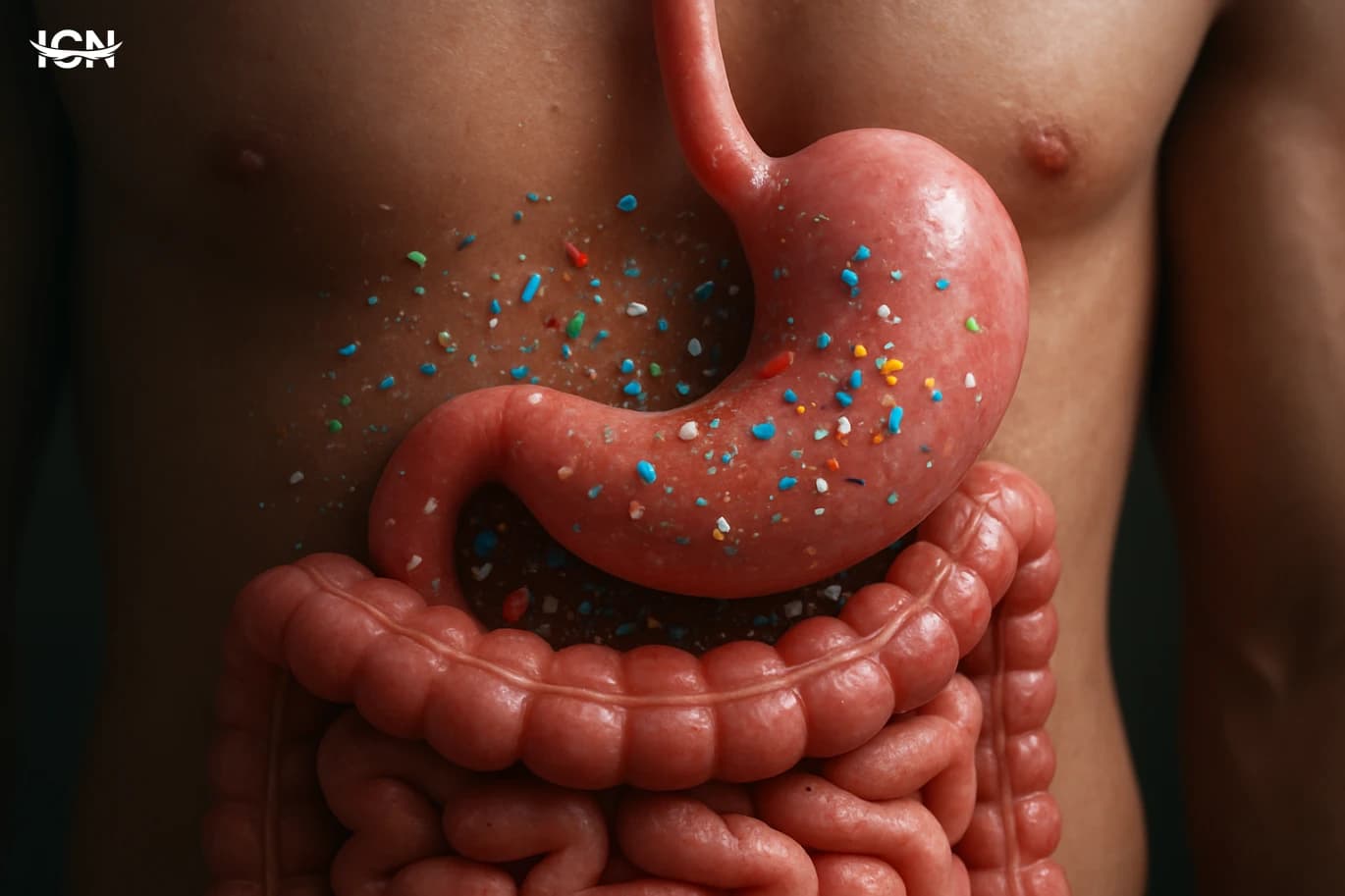
Microplastics are fragments and fibers typically smaller than 5 millimeters, produced when larger plastic items break down or when synthetic materials shed during use. For years they were treated mainly as an environmental pollutant, measured in oceans, rivers, and soils. The topic shifted toward medicine as detection methods improved and researchers began reporting particles in places that matter for human health, including drinking water, food, indoor air, and household dust. Exposure is not limited to coastal regions or specific occupations; it can occur in ordinary daily routines such as eating packaged foods, drinking from plastic containers, or inhaling airborne fibers released from textiles. The scientific question is no longer only whether microplastics exist around us, but how they enter the body, where they travel, and what biological processes they might disrupt. This requires combining analytical chemistry, toxicology, and clinical research. It also demands careful language: finding particles in a sample does not automatically prove disease causation. A serious discussion focuses on pathways, doses, particle types, and the quality of evidence, while acknowledging uncertainty and the need for standardized methods across laboratories.
How Microplastics Move Through Our Bodies
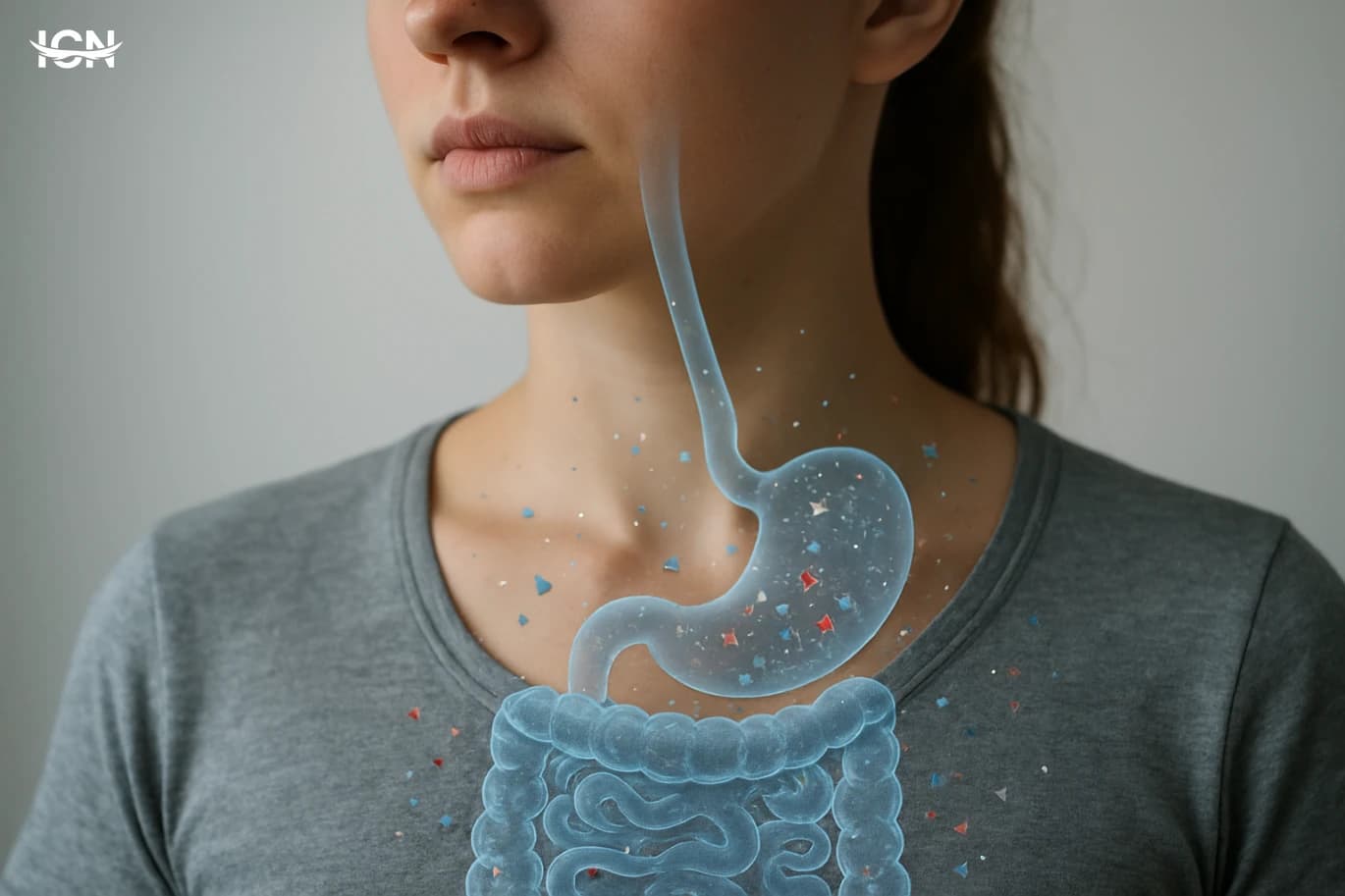
Microplastics are tiny plastic fragments and fibers that come from the breakdown of larger products, synthetic textiles, tire wear, and industrial pellets. For years they were discussed mainly as an ocean and wildlife problem, but research has expanded because these particles are now detected in everyday environments: indoor dust, drinking water, and a range of foods. The health question is not built on a single alarming finding; it is built on repeated measurements showing that exposure is routine, and on basic biology suggesting that very small particles can interact with tissues. Scientific articles increasingly focus on two practical issues: where exposure happens and what size and chemistry matter most. A key point is that “microplastics” is a broad label. Particles differ by polymer type, additives, surface coatings, and whether they carry other chemicals on their surface. They also differ by shape: fibers, fragments, films, and spheres. These differences can change how particles behave in air and water, how they are taken up by the body, and how researchers should measure them.
Microplastics in Drinking Water What Science Shows
Microplastics moved from an ocean-pollution headline to a household concern once researchers began detecting tiny plastic particles in tap water, bottled water, and even treated wastewater. The scientific question is not only whether particles are present, but how they get there and what their presence means for exposure. Sources include fragmentation of larger plastics, shedding from synthetic textiles during washing, wear from tires and road dust, and breakdown of coatings and packaging. These particles can enter rivers and reservoirs through stormwater runoff and wastewater effluent, then pass through drinking-water treatment at varying rates depending on particle size and treatment design. The topic matters because drinking water is a daily, repeated exposure route, and because public discussion often mixes confirmed findings with assumptions. A careful article can separate what is measured from what is inferred, and explain why different studies report different numbers. It can also clarify terminology: “microplastics” typically refers to particles smaller than 5 millimeters, while “nanoplastics” are far smaller and harder to measure with routine methods. Understanding that measurement limits shape the evidence is essential for interpreting headlines and for making practical decisions about monitoring and treatment.
Microplastics Inside the Human Body
Microplastics are tiny fragments shed from packaging, synthetic textiles, tires, and many everyday products. For years they were treated mainly as an environmental issue, measured in oceans and wildlife. That changed as researchers began detecting these particles in places directly connected to human exposure: drinking water, table salt, seafood, and indoor air. The scientific question is no longer whether people encounter microplastics, but how much enters the body and what happens after exposure. This topic sits at the intersection of analytical chemistry, toxicology, and public health. Scientists must first define what counts as “microplastic,” because size thresholds, polymer types, and shapes vary across studies. They also must separate plastic particles from other debris, avoid contamination from lab equipment, and report results in comparable units. Those practical details shape headlines and policy discussions, yet they are often missing from public summaries. A clear article can explain what the evidence actually shows, what remains uncertain, and why the next generation of studies is focusing on internal measurements rather than environmental sampling alone.
How Wastewater Reveals Community Health Trends
Wastewater-based epidemiology is the practice of analyzing sewage to estimate what is happening in a community’s health and environment. The idea is straightforward: what people excrete, wash off, or discard ends up in sewers, where it becomes a pooled sample representing thousands to millions of residents. Scientists can measure genetic fragments from viruses, chemical traces from medications, and markers of industrial or household chemicals. Because the sample is aggregated, it can reveal trends without requiring every individual to take a test or fill out a survey. Public health agencies became widely aware of this approach during the COVID-19 pandemic, when viral RNA in wastewater often rose before clinical case counts increased. That early signal mattered in places where testing access was limited or where people used at-home tests that were not reported. Beyond infectious diseases, wastewater monitoring is now used to track seasonal influenza, antimicrobial resistance genes, and population-level exposure to substances such as nicotine metabolites. The scientific value is not in identifying individuals, but in providing timely, population-scale indicators that can guide targeted outreach, resource planning, and follow-up studies.
How Wastewater Reveals Community Health Trends
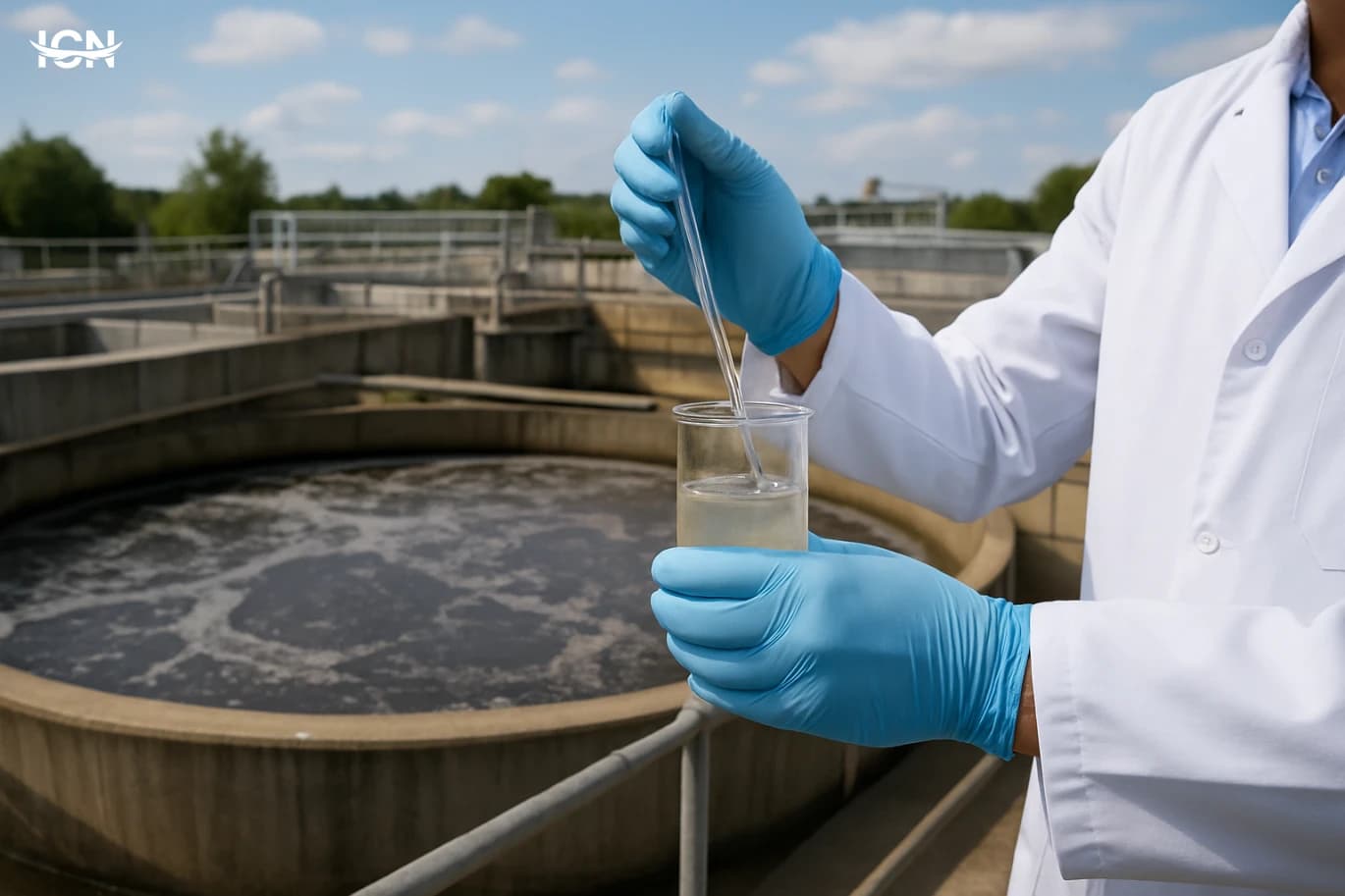
Wastewater carries a combined chemical and biological “fingerprint” of a community. When people use medicines, eat certain foods, or get exposed to environmental chemicals, traces of those substances and their breakdown products can end up in sewage. Public health researchers analyze these traces to estimate what is happening across a city or neighborhood without needing to test individuals. This approach is often called wastewater-based epidemiology, and it has expanded from tracking illicit drugs to monitoring viruses, antibiotic resistance markers, and indicators of chronic disease risk. The appeal is practical. A single treatment plant can represent hundreds of thousands of residents, providing a broad snapshot at relatively low cost. Sampling can be repeated daily or weekly, allowing analysts to see changes over time and to detect sudden shifts that might signal an outbreak, a change in prescribing patterns, or a new exposure source. Because the data are aggregated, it can complement clinical reporting and surveys, especially when healthcare access is uneven or when people do not seek testing.
By clicking the SUBSCRIBE button, you are agreeing to our Privacy & Cookie Policy If you want to unsubsribe the marketing email, please proceed to our privacy center.
© 2005-2026 ICN. All Rights Reserved.