The Origin of Iron
Introduction to Iron
Iron is one of the most abundant elements on Earth, playing a crucial role in various industries and biological processes. Its origin dates back to the formation of the universe, where it was created in the cores of massive stars through nuclear fusion. As these stars reached the end of their life cycles, they exploded in supernovae, dispersing iron into space. This iron eventually became part of the dust and gas clouds that formed our solar system, leading to its presence on Earth.
Formation in Stars
The process of iron formation begins in the heart of massive stars. These stars, much larger than our sun, undergo nuclear fusion, converting hydrogen into helium. As the star ages, it begins to fuse heavier elements, eventually forming iron in its core. Iron is unique because it is the most stable element, and further fusion does not release energy. This leads to the collapse of the star's core, resulting in a supernova explosion that scatters iron into the cosmos.
Iron on Earth
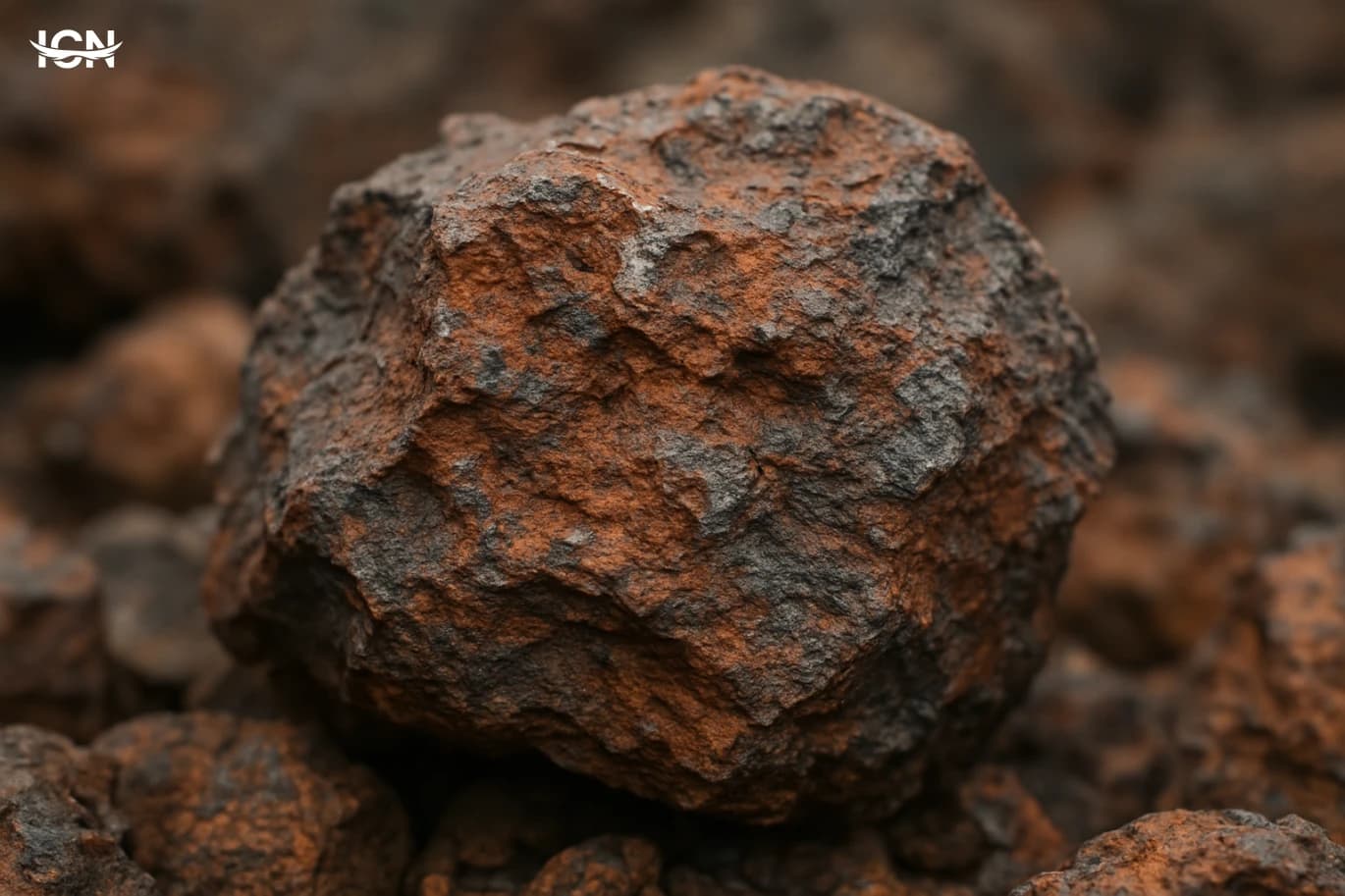
After the supernovae, iron became part of the interstellar medium, eventually coalescing into the planets of our solar system. On Earth, iron is found in the core, mantle, and crust. The core is primarily composed of iron and nickel, contributing to Earth's magnetic field. Iron ores, such as hematite and magnetite, are mined for industrial use. The extraction and processing of iron have been pivotal in human development, marking the transition from the Bronze Age to the Iron Age.
Industrial Revolution
The Industrial Revolution marked a significant turning point in the use of iron. The development of the blast furnace allowed for the mass production of iron, leading to advancements in construction, transportation, and manufacturing. Iron became the backbone of infrastructure, with railways, bridges, and buildings relying heavily on its strength and durability. The ability to produce steel, an alloy of iron, further revolutionized industries, enabling the creation of skyscrapers and modern machinery.
Modern Applications
Today, iron and its alloys are integral to modern life. From the construction of buildings and vehicles to the manufacturing of tools and appliances, iron is indispensable. Its role in the production of steel makes it crucial for industries ranging from automotive to aerospace. Additionally, iron is vital in biological processes, being a key component of hemoglobin in blood, which is essential for oxygen transport in the body.