App Logo

Download Our App

Shop your way

logologo
Image

Ramadan 2026 series: Father, but

02/24/2026By: ICN
Ramadan 2026 series: Father, but

نبذة عن المسلسل

About the Series Title: A Father, But... Genre: A poignant social drama that tackles a sensitive family issue concerning fatherhood and responsibilities. Synopsis: The story revolves around a father facing significant challenges after his divorce. He strives to maintain his relationship with his daughter, encountering legal and psychological obstacles in his attempts to do so. Production Details Starring: Mohamed Farag – plays Adham, a man trying to balance his family and legal life. Co-starring: Rakeen Saad, Hager Ahmed, Salwa Othman, Basma Dawood, Islam Gamal, Sami Maghawry, and other stars. Number of Episodes: Expected to consist of approximately 15 episodes. Writer and Director: Written by Marian Hany and directed by Yasmine Ahmed Kamel. Production: Produced by Synergy. Airing Date and Channels/Platform The series will air during Ramadan 2026, specifically in the second half of the holy month. It will be broadcast on DMC and the Watch It digital platform. Summary "A Father, But..." is a social drama focusing on a father's relationship with his family after a separation, and the legal and psychological difficulties he faces. Starring Mohamed Farag, Rakeen Saad, and Hagar Ahmed, the series features a packed schedule of episodes airing throughout Ramadan 2026 on DMC and Watch It.
* All articles published on this blog are sourced from various websites and are provided for informational purposes only. They should not be considered as confirmed studies or accurate information. Please verify the information independently before relying on it.

Similar ARTICLES

How Streaming Changed TV Episode Length
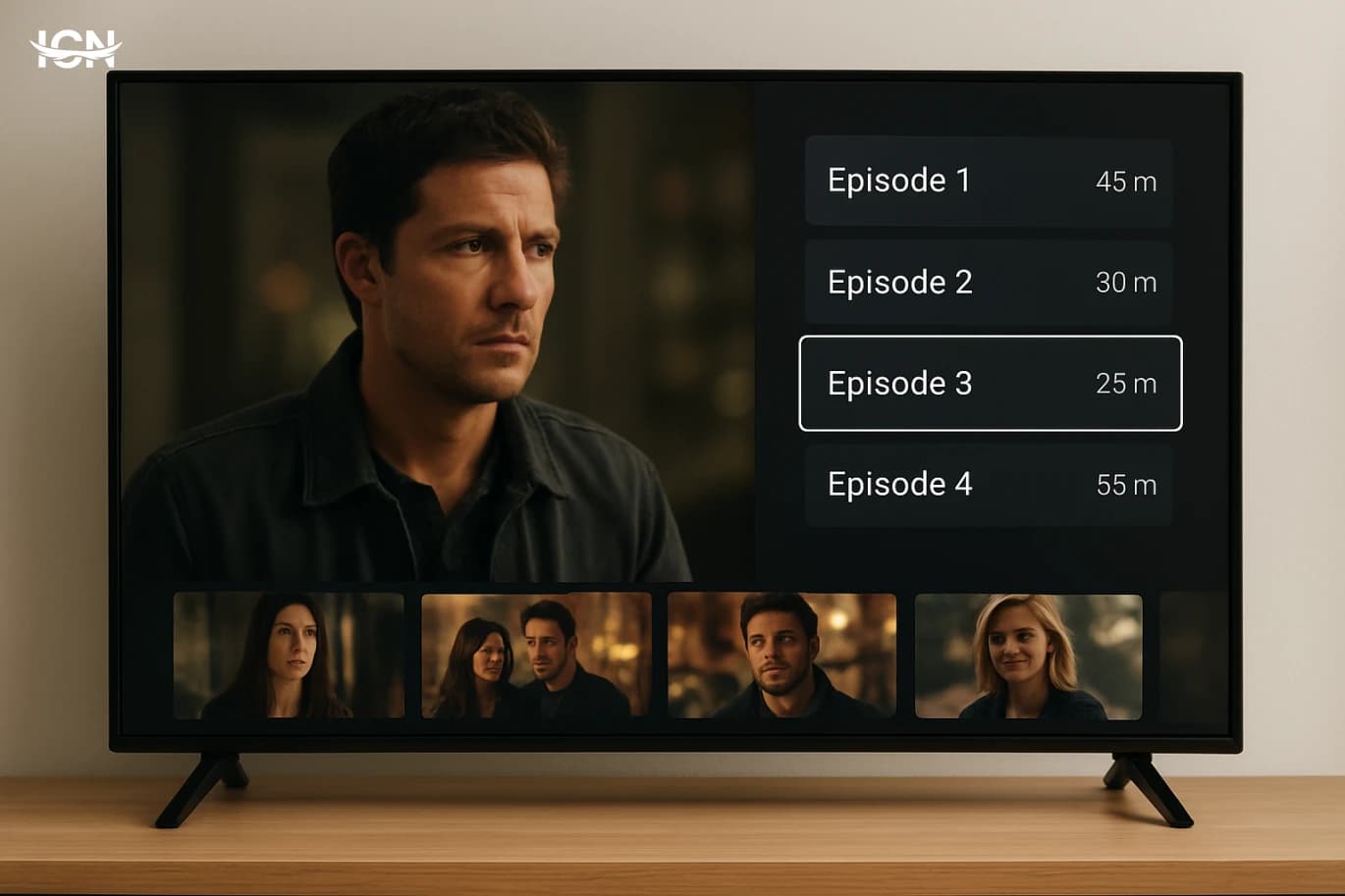
For decades, episode length was largely dictated by broadcast schedules and ad breaks. A “half-hour” comedy typically landed around 21–23 minutes, while an “hour-long” drama often hovered near 42–45 minutes. Those numbers were not creative choices as much as they were packaging rules: networks needed predictable blocks to sell commercials and keep nightly lineups consistent. Writers’ rooms learned to build story beats around act breaks, cliffhangers before ads, and a final button that fit the clock. Streaming platforms loosened that structure. Without the same dependence on mid-episode ad inventory, series could stretch or compress to match the material. One episode might run 34 minutes, the next 58, depending on pacing, scene count, and narrative density. This shift has changed how audiences experience rhythm: instead of feeling the same cadence every week, viewers often get episodes that feel shaped by the story rather than the schedule. The result is not automatically better, but it is measurably different in how it affects tension, humor timing, and the sense of momentum across a season.
How Streaming Platforms Shape Modern TV Seasons
For decades, television schedules trained audiences to watch one episode at a time, usually on the same night each week. Streaming platforms disrupted that rhythm by making entire seasons available at once, turning viewing into a self-paced activity. This shift is not just about convenience; it changes how shows are written, edited, and marketed. When viewers can immediately continue to the next episode, creators can rely less on recaps and more on continuous story momentum. At the same time, the weekly model has not disappeared. Many platforms now mix strategies, releasing two or three episodes at launch and then switching to weekly drops to sustain attention. The result is a new set of expectations: some audiences want the freedom to binge, while others prefer a shared weekly conversation that builds anticipation. The release model also affects how people discover a show. A full-season drop can create a short, intense burst of interest, with social media discussion peaking quickly and then fading. Weekly releases often produce a longer runway for word of mouth, giving latecomers time to catch up. For producers and platforms, the decision is increasingly tied to subscriber behavior, retention goals, and the type of story being told. A mystery series may benefit from weekly speculation, while a character-driven drama might gain from uninterrupted viewing. In practice, the modern landscape is defined by experimentation rather than one dominant rule.
How Streaming Changed TV Episode Writing
For decades, most TV series were built around a weekly schedule. Writers planned each episode to feel satisfying on its own, because viewers had to wait seven days for the next chapter and could easily miss an installment. That structure shaped everything: a clear recap, a strong hook before the first ad break, and a closing beat designed to bring people back next week. Streaming platforms changed the basic viewing rhythm by releasing full seasons at once or by offering flexible release patterns, and that shift has pushed writers to rethink what an “episode” is supposed to accomplish. When a season drops in one day, the episode becomes less of a weekly event and more of a chapter in a long film. Writers can assume the next episode is one click away, which reduces the need for heavy recaps and repetitive reminders. It also encourages longer story arcs that pay off over several episodes rather than within a single hour. At the same time, streaming has not eliminated weekly releases; many services now use hybrid schedules to keep conversation going. That means writers often have to design episodes that work for both binge viewers and weekly audiences, balancing immediate satisfaction with longer-term momentum.
Why Limited Series Keep Winning Viewers
Over the past decade, the limited series has moved from a niche format to a mainstream default on major streaming platforms and premium channels. Instead of committing viewers to 8–12 episodes every year for multiple years, many creators now build a complete narrative arc that ends decisively in 4–10 episodes. This shift is not only a creative preference; it aligns with how audiences actually watch. People increasingly sample shows quickly, decide fast, and want a clear payoff without waiting for renewal news. The limited series also reduces the risk of narrative drift. Long-running shows often stretch subplots, introduce filler episodes, or delay resolutions to keep the engine running. In a limited series, the end point is known from the start, which encourages tighter pacing and more deliberate character decisions. That structure can make the viewing experience feel more purposeful, especially for audiences who are balancing entertainment with busy schedules. Another factor is trust. When a show is marketed as a complete story, viewers feel safer investing their time. They know they will not be left with an unresolved cliffhanger if the series is not renewed. That promise of closure has become a selling point, and it is one reason limited series frequently generate strong word-of-mouth in the first weeks of release.
How Streaming Platforms Shape Modern TV Seasons
Streaming has turned the TV season from a fixed template into a flexible product decision. Traditional broadcast seasons often ran 20–24 episodes with mid-season breaks and clear sweeps periods. Many streaming originals now land in 6–10 episode blocks, released either all at once or in short weekly runs designed to keep subscriptions active. This shift changes how writers pace stories, how producers budget sets and locations, and how marketing teams plan a show’s visibility window. A shorter season is not automatically “less content.” It is usually a different allocation of resources: fewer episodes, higher average spend per episode, and tighter narrative focus. That can improve consistency, but it also reduces room for standalone episodes that build character depth. The result is a modern season blueprint where the number of episodes, release cadence, and even episode length are negotiated based on audience data, production constraints, and the platform’s broader schedule of releases.
How Streaming Algorithms Shape What We Watch
Streaming platforms have replaced many traditional gatekeepers, but they did not remove gatekeeping; they automated it. Instead of a TV scheduler deciding what airs at 8 p.m., recommendation systems decide what appears on your home screen, what gets a prominent banner, and what is buried several scrolls down. These choices matter because most viewing starts from the platform’s front page, not from a deliberate search. The result is a viewing culture shaped by ranking, thumbnails, and short preview clips as much as by the shows themselves. This shift changes the economics of attention. A series can be well-reviewed yet struggle if it fails to trigger early engagement signals that push it upward in the rankings. Conversely, a modest title can become a breakout hit if it is repeatedly surfaced to the right audiences. For viewers, the experience feels personalized, but the personalization is constrained by what the platform has licensed, what it wants to promote, and what its models predict will keep you watching. Understanding that tension is the first step to watching more intentionally.
Why Limited Series Keep Winning Viewers
Limited series have moved from a niche format to a mainstream choice across major streaming platforms and traditional networks. Instead of committing to 8–10 seasons, audiences increasingly prefer stories designed to conclude in 4–10 episodes. This shift is tied to viewing habits: people want a complete narrative they can finish in a week, not a multi-year commitment. It is also tied to the way platforms market content, because a clear endpoint makes it easier to promote a “watch now” experience and reduces the risk of viewers dropping off mid-arc. From a production standpoint, the limited format changes how creators plan pacing. Writers can build a story with a defined beginning, middle, and end without stretching subplots to fill time. Directors and editors can maintain a consistent tone because the project is treated more like an extended film than an open-ended series. The result is often tighter storytelling, fewer filler episodes, and a clearer promise to the viewer: the story will end, and it will end on purpose.
Why Some Series Feel Better on Rewatch
A first viewing is usually about keeping up: who did what, what the rules of the world are, and where the plot is heading. On a rewatch, that pressure drops. You already know the big turns, so your attention shifts to structure, pacing, and the small choices that hold the narrative together. Scenes that once felt like setup often reveal themselves as carefully placed signals about character motives, future conflicts, and the show’s internal logic. This is why some series feel “better” the second time. The pleasure comes from recognizing how the writers and directors built the season’s arc, not just from being surprised. You notice how early episodes establish patterns in dialogue, camera framing, and music that pay off later. A line that sounded casual becomes a clue; a background detail becomes a quiet promise. Rewatching turns the experience from consumption into analysis, and the best shows are designed to reward that shift.
How Streaming Intros Shape What We Watch
In the streaming era, the first 30 seconds of a show often decide whether it gets a full episode, a quick skim, or an immediate exit. Platforms have trained audiences to treat content like an endless shelf, and that changes how creators design openings. A cold open that delivers a clear hook, a title sequence that signals tone, and a recap that refreshes key facts are no longer just stylistic choices; they are retention tools. This matters because streaming viewing is frequently fragmented. Many people watch on phones, during commutes, or while multitasking at home. In that environment, intros must compete with notifications, background noise, and the temptation to switch to something else. When a show’s opening quickly establishes stakes, characters, and genre, it reduces the mental effort required to keep watching. That lowered “entry cost” is one reason some series feel instantly bingeable. At the same time, the rise of the “Skip Intro” button has created a paradox. Title sequences can be iconic branding and mood-setting, but they also risk being treated as disposable. The most successful modern intros often anticipate skipping by placing essential narrative information in the cold open, while using the title sequence to reinforce identity rather than deliver plot. The result is a new language of openings shaped by platform design and viewer behavior.
How Streaming Changed TV Episode Length
For decades, episode length was largely dictated by broadcast schedules. A “half-hour” comedy typically landed around 22 minutes, while an “hour-long” drama often sat near 42–45 minutes, leaving room for ad breaks and consistent programming blocks. This structure shaped writing, pacing, and even how scenes were built: clear act breaks, timed cliffhangers, and predictable rhythms that fit the clock. Streaming disrupted that template by removing the need to hit a rigid runtime. When platforms release episodes without traditional ad slots, creators can choose lengths that better match story needs. The result is a landscape where one series might deliver 28-minute episodes one week and 40-minute episodes the next, while another might keep a steady runtime to preserve a familiar cadence. This shift is not just a technical detail; it changes how stories are planned, how viewers experience momentum, and how production teams allocate time and budget.
Why Limited Series Keep Winning Viewers
Over the last decade, the limited series has moved from a niche format to a mainstream default. Viewers who once committed to 20-plus episode seasons are now choosing stories designed to end in six to ten episodes. This shift is not just about shorter attention spans; it is about predictability and trust. A limited series signals that the creators have a planned arc, a defined ending, and fewer filler episodes. That clarity matters in a crowded streaming environment where audiences weigh every new start against the risk of cancellation or a dragged-out plot. The format also changes how people watch. A compact season fits into a weekend, a workweek, or a flight schedule, making it easier to recommend. When a show is easy to finish, it becomes easier to discuss, which fuels word-of-mouth. For platforms, the limited series offers a clear marketing hook: a complete story, now available. That promise reduces the barrier to entry and helps a title break through the noise.
How Streaming Changed TV Episode Length
For decades, episode length on broadcast and cable TV was shaped less by storytelling and more by the schedule. In the US model that influenced many markets, a “half-hour” comedy typically delivered about 21–22 minutes of story, with the rest reserved for ads and promos. A “one-hour” drama often landed around 42–44 minutes. That structure created predictable rhythms: cold open, title sequence, act breaks, and a final beat timed to the minute. Writers learned to build mini-cliffhangers before commercial breaks, and directors planned coverage around those turning points. This clock also affected international distribution. When networks bought shows from abroad, they often needed episodes to fit local ad loads, leading to edits or split episodes. Even in countries with different advertising rules, the idea that a comedy is “about 22 minutes” became a production norm. Viewers rarely questioned it because the experience was consistent: you could start a show at 8:00 and know roughly when it would end, which mattered for family viewing and channel surfing. The result was a strong industry standard that shaped budgets, staffing, and even acting choices. A 22-minute comedy could be shot faster and cheaper than a 44-minute drama, and both were easier to plan than variable-length content. The schedule was the product, and the episode was built to fit it.
Why Limited Series Keep Winning Viewers
Over the past decade, viewers have increasingly gravitated toward limited series: shows designed to tell a complete story in a single season, often within 4–10 episodes. This format has moved from being an occasional prestige experiment to a mainstream strategy for streamers and broadcasters. The appeal starts with clarity. Audiences know there is an ending, and that the story is built to reach it without detours. That promise reduces the fatigue that can come with multi-season arcs, mid-season filler, or storylines stretched to keep a show alive. The shift is also tied to how people watch. Binge viewing rewards momentum, and limited series are structured for forward motion. Episodes tend to end with meaningful turns rather than repetitive cliffhangers, and each installment usually advances the plot or deepens character understanding. For many viewers, a limited series feels like a “complete purchase” of time: a weekend commitment with a defined payoff. In a crowded entertainment landscape, that certainty can be as important as the premise itself.
By clicking the SUBSCRIBE button, you are agreeing to our Privacy & Cookie Policy If you want to unsubsribe the marketing email, please proceed to our privacy center.
© 2005-2026 ICN. All Rights Reserved.