How Streaming Changed TV Episode Lengths
- From Fixed Slots to Flexible Runtime
- Why Episodes Got Longer in Prestige Drama
- Comedy and the Case for Staying Short
- Binge Viewing and Pacing Decisions
- Production Reality Behind Runtime Choices
- What Viewers Can Look For Now
From Fixed Slots to Flexible Runtime
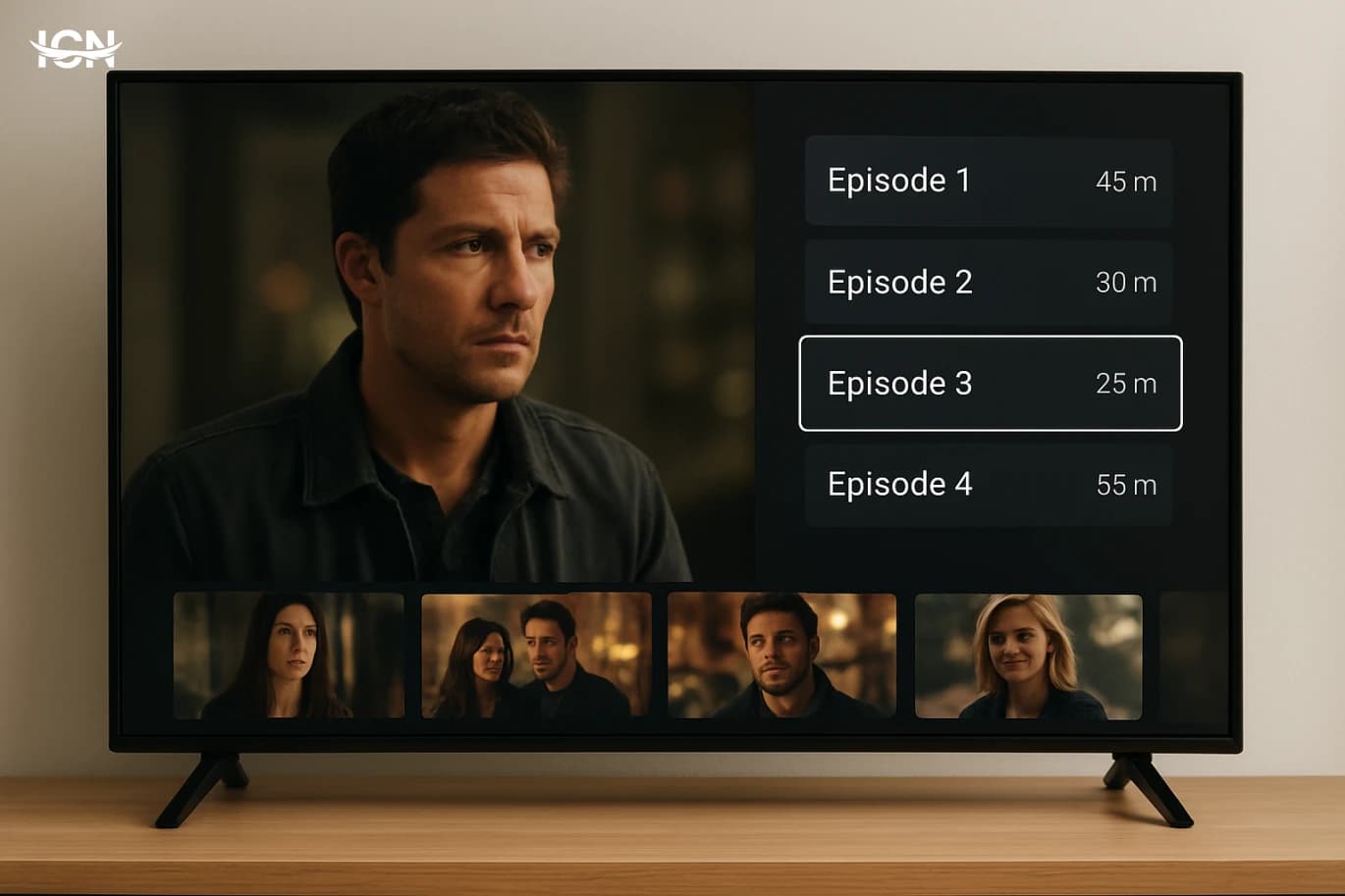
For decades, episode length was largely dictated by broadcast schedules. In many markets, a “half-hour” comedy typically delivered about 20–22 minutes of story, while an “hour-long” drama often landed around 42–45 minutes, leaving room for ad breaks and station promos. That structure shaped writing rhythms: cold opens, act breaks, and cliffhangers timed to commercial interruptions. Streaming platforms removed the need to fit into rigid time slots, and the result has been a noticeable shift in how long episodes run and how they are paced. Today, it is common to see episodes within the same season vary by 10–20 minutes, especially in prestige dramas and limited series. Some shows still keep a consistent runtime for brand identity and viewer expectations, but many creators use flexibility to match the length to the material. A dialogue-heavy episode might run shorter; a finale with multiple storylines might expand. This change is not only artistic. It also reflects how platforms measure engagement, how viewers binge, and how production teams allocate budgets across a season.
Why Episodes Got Longer in Prestige Drama
One of the most visible trends in the streaming era is the expansion of drama runtimes. Episodes that run 55–70 minutes are no longer rare, especially for finales, premieres, and event episodes. Creators often cite narrative density: more characters, more locations, and more plot threads that need space to breathe. Without mandatory act breaks, scenes can play longer, allowing for extended conversations, slower reveals, and more time spent on atmosphere and world-building. There is also a competitive logic. Platforms market “premium” series as cinematic experiences, and longer episodes can signal scale and value. However, longer does not automatically mean better. When runtime expands without clear purpose, pacing can feel loose, and viewers may disengage. Many writers’ rooms now discuss runtime as a tool: use extra minutes when they add clarity, tension, or emotional payoff, but cut when repetition creeps in. The best examples treat length as a consequence of structure rather than a default setting.
Comedy and the Case for Staying Short
Comedy has been more resistant to runtime inflation. Many successful streaming comedies still sit in the 22–30 minute range, and that is not nostalgia; it is craft. Jokes rely on timing, escalation, and quick reversals. A tight runtime forces writers to prioritize the strongest setups and payoffs, and it helps maintain momentum. Even when a comedy includes serialized arcs, shorter episodes can make binge-watching smoother and reduce the risk of tonal drift. That said, streaming has encouraged experimentation. Some comedy-dramas stretch to 35–45 minutes when episodes need room for character development or more dramatic beats. The key difference is intention: if the show’s identity is built around rapid-fire humor, longer episodes can dilute the comedic density. If the show is a hybrid, flexible length can help balance laughs with story. Viewers often notice this immediately, because comedy pacing is less forgiving than drama pacing.
Binge Viewing and Pacing Decisions
Streaming changed not only how long episodes are, but how they are consumed. When viewers watch multiple episodes in one sitting, the traditional “previously on” recap, the heavy cliffhanger, and the reset at the top of the next episode can feel repetitive. Some series respond by smoothing transitions: fewer recaps, softer endings, and more continuous storytelling. Runtime flexibility supports this approach because episodes can end when a narrative unit is complete rather than when the clock demands it. At the same time, binge behavior can create fatigue. If every episode is 65 minutes and the season drops all at once, viewers may stall after two or three episodes. Some platforms and creators counter this by varying length, placing shorter episodes in the middle of a season, or structuring arcs so that each episode has a clear internal shape. The goal is to keep momentum without exhausting the audience. In practice, pacing has become a strategic decision tied to release models, audience analytics, and the show’s genre expectations.
Production Reality Behind Runtime Choices
Episode length is also shaped by production constraints. Longer episodes often require more shooting days, more locations, more visual effects work, and more time in post-production. Even if a platform is willing to fund a premium series, schedules are finite. This is one reason some seasons have fewer episodes than broadcast-era counterparts. A ten-episode season with 60-minute installments can demand a workload comparable to a much longer traditional season. Editing is where runtime decisions become concrete. A script may read like a 55-minute episode, but performances, scene coverage, and pacing in the cut can push it longer. Showrunners then face trade-offs: trim scenes that deepen character but slow the plot, or keep them and accept a longer runtime. Music, sound design, and title sequences also add minutes. Some series shorten opening credits or move them to the end to reclaim time. In short, runtime is not just a creative preference; it is a budget, schedule, and workflow outcome that viewers feel as pacing.
What Viewers Can Look For Now
For viewers, the most useful way to think about runtime is as a signal of storytelling intent. A season with highly variable episode lengths may indicate that the creators are shaping each installment around a specific narrative purpose. Consistent runtimes can suggest a tighter formula and predictable pacing. Neither approach is inherently superior; the question is whether the length matches what happens on screen. A practical viewing habit is to notice where an episode “feels” like it should end. If the ending lands on a meaningful turn, a reveal, or a completed emotional beat, the runtime is probably serving structure. If the episode ends after extended repetition or filler scenes, length may be working against it. As streaming libraries grow, viewers are also becoming more selective. Shows that respect attention—whether through concise 25-minute episodes or well-justified 65-minute chapters—tend to earn stronger word of mouth. In the streaming era, episode length is part of the show’s promise to the audience: time spent should feel proportionate to payoff.