How Streaming Changed TV Episode Length
- From fixed slots to flexible runtimes
- Story pacing without commercial breaks
- Production and budget consequences
- Binge-watching and viewer expectations
- What creators can learn from the shift
From fixed slots to flexible runtimes
For decades, television episodes were built to fit a schedule, not just a story. In many markets, a “half-hour” comedy typically delivered about 20–22 minutes of content, while an “hour-long” drama often landed around 42–45 minutes, leaving room for ad breaks, promos, and local station needs. That structure shaped writing and pacing: cold opens were timed, act breaks were engineered for commercials, and cliffhangers were placed where the network needed them. Streaming platforms loosened those constraints. When a service releases episodes on-demand, it no longer has to hit a precise minute count to protect an advertising grid. That freedom has produced a noticeable spread in runtimes, even within the same season of a single show. Some episodes run tight and fast; others expand to accommodate a larger set piece, a longer conversation, or a more complex plot turn. The result is a new norm where “episode length” is less a rule and more a creative and operational choice. This shift is not only artistic. It affects budgets, post-production schedules, and how audiences experience a series in one sitting. Understanding why runtimes vary now helps explain why modern shows feel different from traditional broadcast series, even when they share similar genres and production values.
Story pacing without commercial breaks
Removing commercial breaks changes the internal architecture of an episode. Broadcast writing often relied on multiple mini-climaxes to keep viewers from switching channels during ads. Streaming episodes can flow more like a short film, with fewer forced peaks and a more gradual build. That can be an advantage for character-driven drama, where tension rises through accumulation rather than repeated jolts. However, the absence of act breaks also creates new risks. Without built-in reset points, an episode that runs long can feel shapeless if it lacks clear turning points. Many successful streaming series still use a version of the old structure—just hidden. You can often spot “soft breaks” where the story shifts location, a new objective is introduced, or a revelation lands, even if there is no ad. Episode length becomes a tool for pacing. A 32-minute episode can deliver urgency and momentum, while a 58-minute episode can support parallel storylines and deeper context. The key is whether the runtime matches the narrative load. Viewers may not mind variation, but they do notice when scenes repeat information or when subplots exist mainly to fill time.
Production and budget consequences
Flexible runtimes do not mean unlimited resources. Every additional minute can raise costs, especially for effects-heavy genres, large casts, or location-intensive shoots. A longer episode may require extra shooting days, more complex scheduling, and expanded post-production. Even dialogue scenes add cost when they involve multiple setups, crowd control, or night shoots. Streaming services often commission seasons with a target range rather than a fixed number. Producers then balance creative ambition against delivery realities. If an episode runs longer, something else may need to tighten: fewer locations, reduced action, or a simpler B-plot. Conversely, a shorter episode can be a strategic choice to protect quality, keeping the strongest material and cutting what does not serve the story. Post-production is another pressure point. Longer episodes increase editing time, sound mixing, color grading, and quality control. When a platform plans a global release, localization also matters: subtitles, dubbing, and accessibility tracks must be produced on schedule. Runtime variation can complicate that pipeline, particularly when multiple episodes are being finalized simultaneously. These constraints explain why some series settle into a consistent length after an experimental first season. The creative team learns what is sustainable, and the platform learns what audiences accept for that specific show.
Binge-watching and viewer expectations
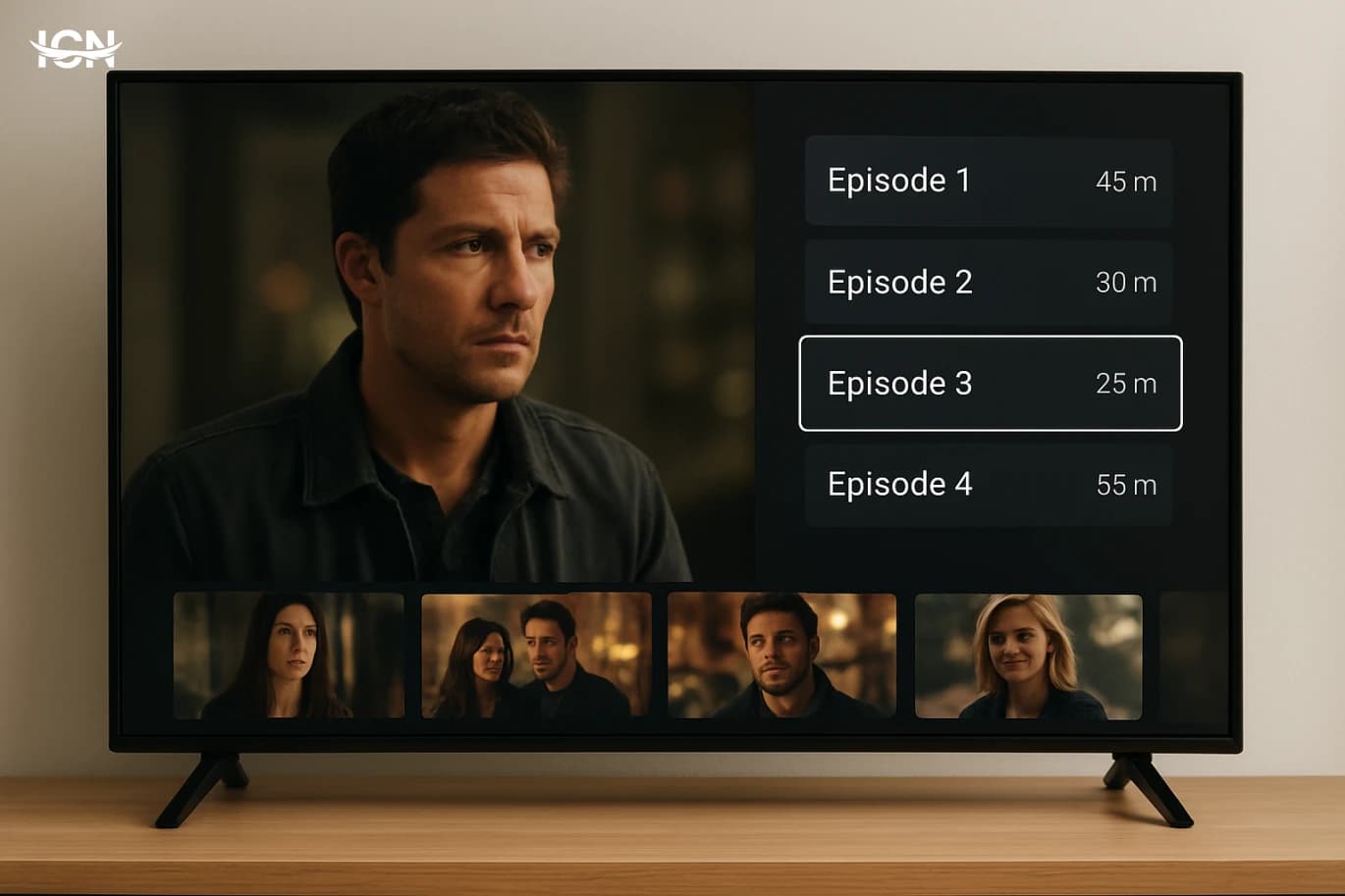
Streaming changed not only how long episodes can be, but how they are consumed. When viewers watch multiple episodes in one session, pacing across the season matters as much as pacing within an episode. A run of several 60-minute episodes can feel heavy, while a mix of lengths can create rhythm—shorter chapters that accelerate the plot, followed by longer chapters that pay off emotional or narrative threads. Audience expectations have also evolved. Many viewers now accept that a “TV episode” might be 28 minutes one week and 52 the next, as long as the story justifies it. At the same time, inconsistency can frustrate people who plan their viewing around time. This is especially relevant for families, commuters, or anyone watching in limited windows. Platforms respond with interface cues: displaying runtime clearly, offering “next episode” prompts, and sometimes grouping episodes by arcs. Some series even use variable length as a signature, signaling that each episode is built around a specific event rather than a uniform template. The most important expectation is efficiency. Viewers who binge are quick to sense filler. In the streaming era, the tolerance for slow episodes exists, but it is tied to payoff. If a long episode deepens characters or advances the central mystery, it is often praised. If it feels like a detour, it can damage word-of-mouth quickly.
What creators can learn from the shift
The streaming era offers a practical lesson: runtime is part of storytelling strategy, not a neutral container. Writers’ rooms increasingly plan episodes around objectives—what must change by the end of the chapter—then decide how much time is required to achieve that change cleanly. This can lead to tighter episodes that cut redundant scenes, or longer episodes that earn their length through layered stakes. Creators also have to think about season design. If a season is eight episodes, each episode carries more weight than in a 22-episode broadcast model. A single overlong installment can slow the entire season, while a well-placed short episode can reset momentum. Many teams now map “energy levels” across the season: where to accelerate, where to breathe, and where to deliver major turns. For viewers, the takeaway is simple: variable episode length is not automatically a sign of quality or indulgence. It is a signal of how a platform and a production team balance narrative intent, budget, and audience behavior. The best series use flexibility to sharpen the experience, making each episode feel designed rather than padded. A useful way to evaluate modern shows is to ask two questions after any episode: Did the story move in a meaningful way, and did the runtime feel necessary? If the answer is yes, streaming’s freedom is working as intended.