How Microplastics Move Through Our Bodies

- Why this research matters now
- Main exposure routes in daily life
- From entry to bloodstream and organs
- What lab and clinical studies are finding
- How scientists measure microplastics in people
- What to watch in upcoming scientific articles
Why this research matters now
Microplastics have shifted from being a marine pollution headline to a measurable presence in everyday environments, including indoor air, drinking water, and common foods. Scientific articles over the past few years have increasingly focused on what happens after these particles enter the human body, not only where they are found. The urgency comes from two trends: improved detection methods that can identify smaller particles and more complex polymers, and a growing body of exposure data suggesting that contact is routine rather than exceptional. This topic matters because it sits at the intersection of environmental science, analytical chemistry, and public health. Researchers are asking practical questions that readers can understand: How do particles get in, where do they go, how long do they stay, and what biological processes might be affected. At the same time, the evidence is still developing, and responsible reporting must distinguish between confirmed findings and plausible hypotheses. A clear, sectioned overview helps readers follow what is known, what is uncertain, and what studies are trying to measure next.
Main exposure routes in daily life
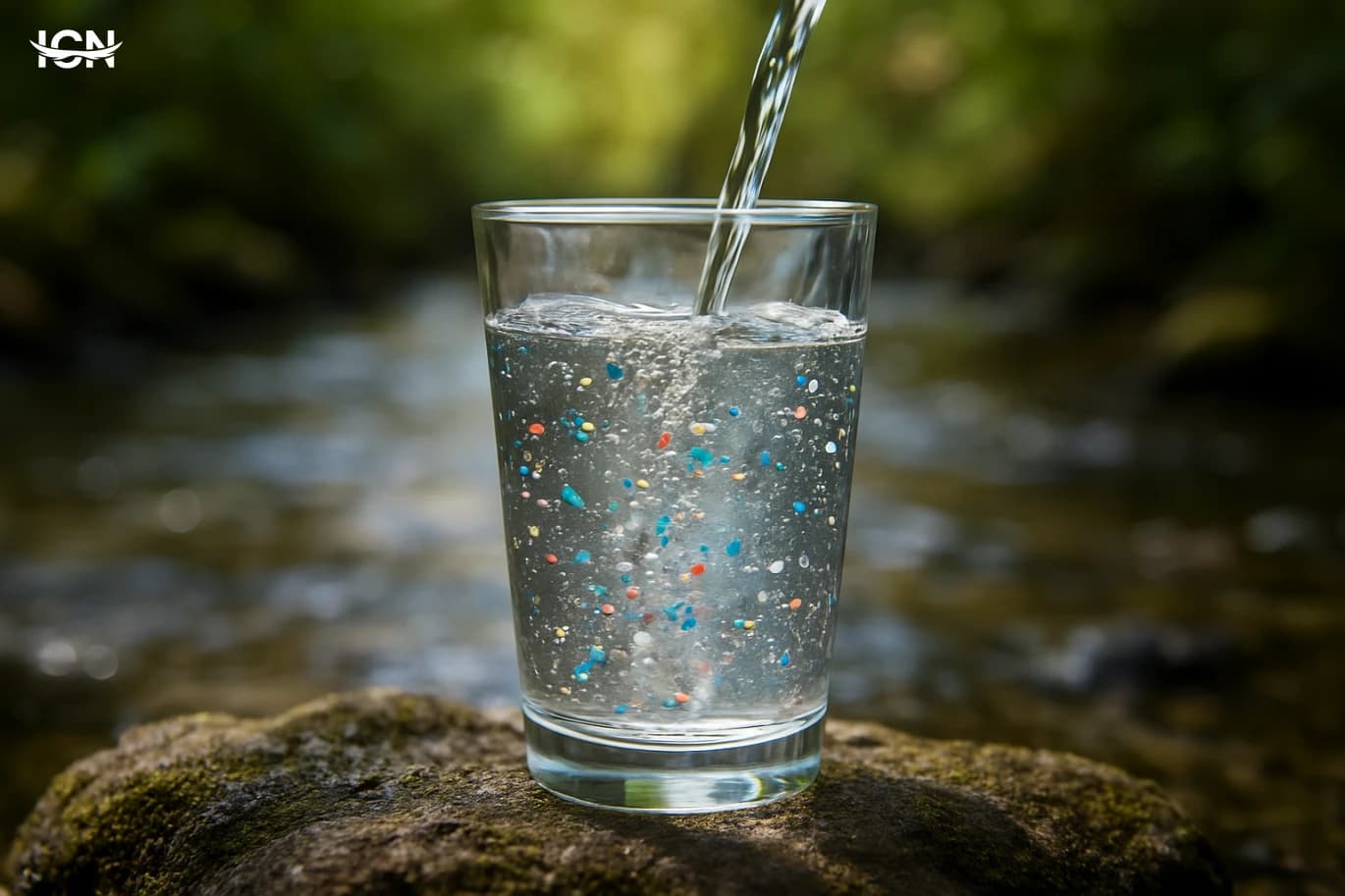
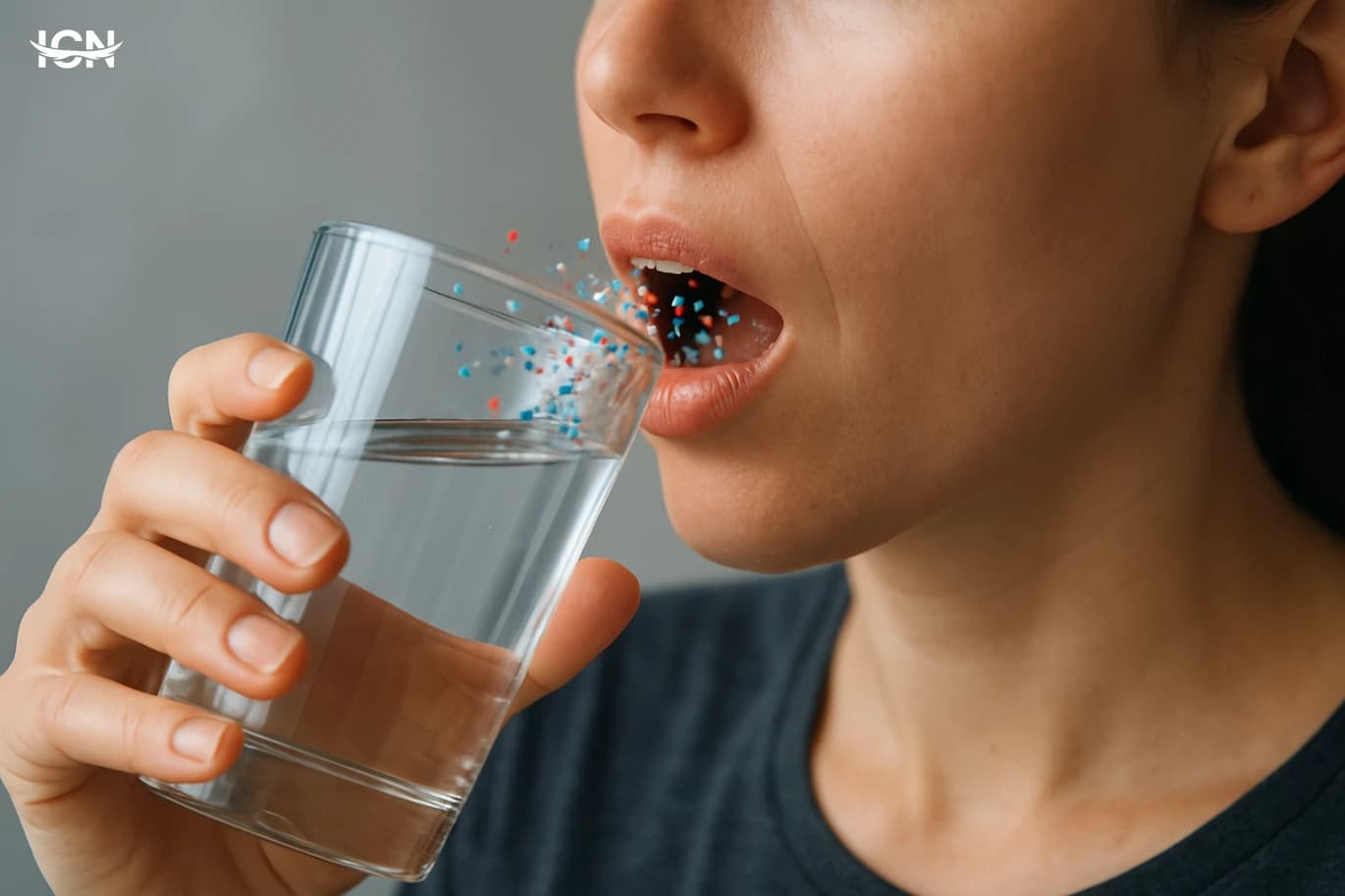
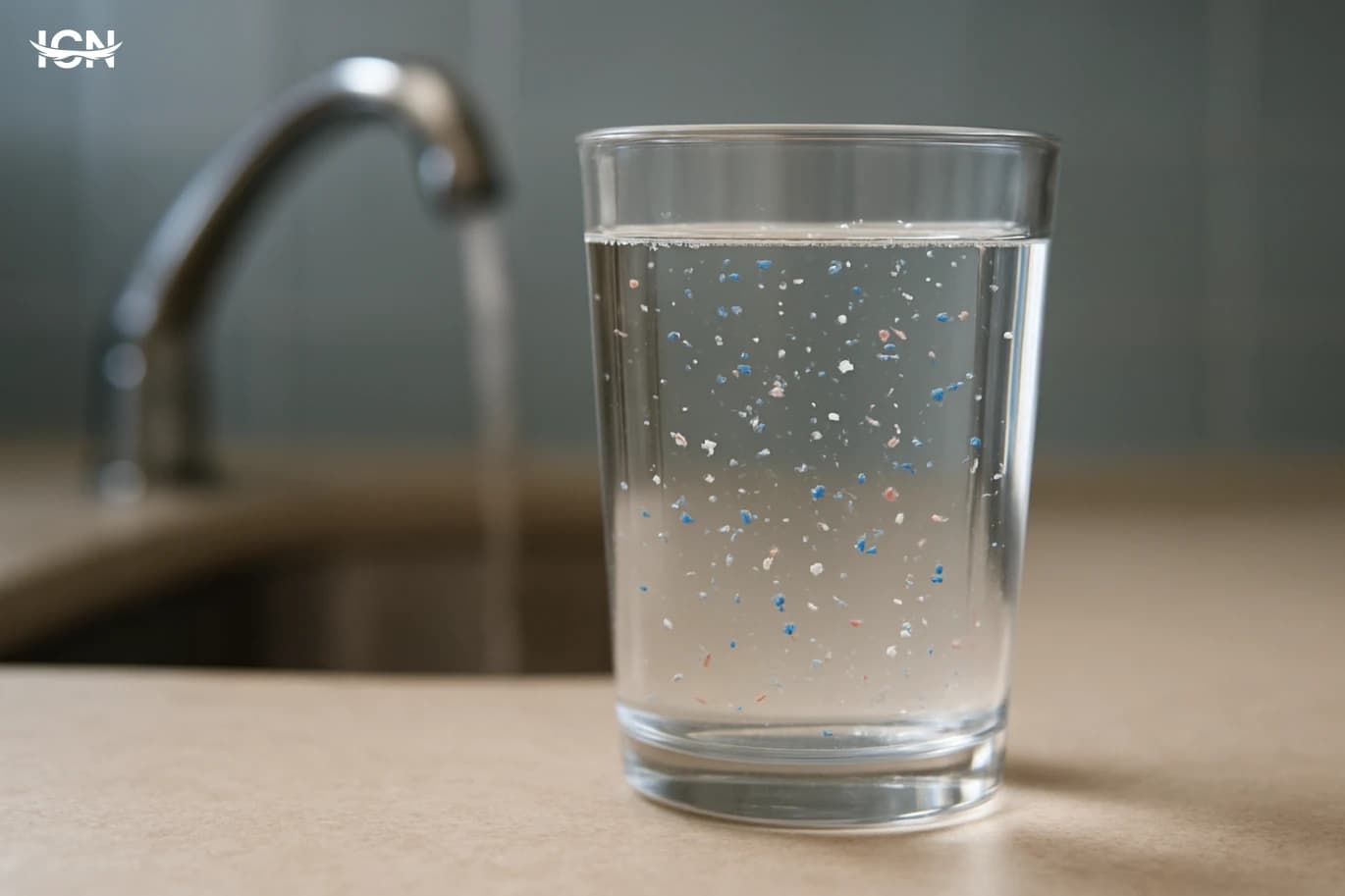
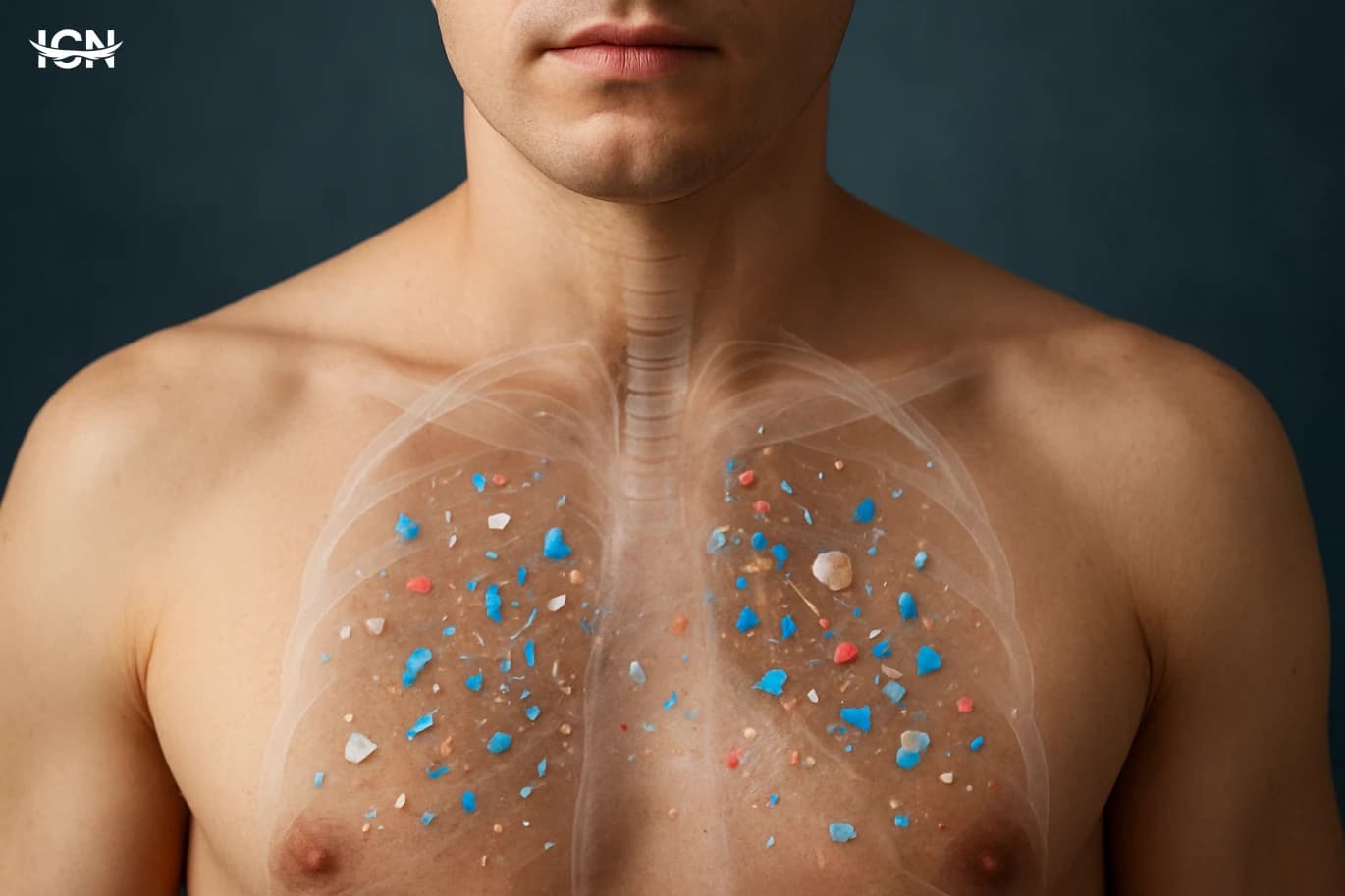
Scientific studies typically group exposure into ingestion, inhalation, and to a lesser extent contact through the mouth via consumer products. Ingestion is discussed in relation to drinking water, seafood, salt, and foods that may pick up particles during processing and packaging. Researchers also examine household dust as a pathway, because dust can settle on food surfaces and be swallowed, especially by children. Inhalation has gained attention as monitoring of indoor air improves. Fibers shed from synthetic textiles, carpets, and upholstery can become airborne, and small particles can be generated by abrasion from everyday items. The size and shape matter: long fibers behave differently from fragments, and smaller particles can travel deeper into the respiratory tract. Many articles emphasize that exposure is not a single event but a repeated, low-level pattern, which complicates risk assessment because dose depends on habits, ventilation, occupation, and local environmental conditions. A recurring point in the literature is that “microplastics” is a broad label. Polymer type, additives, and surface chemistry can vary widely, and particles can carry other substances on their surfaces. This is why exposure discussions increasingly include not only the particles themselves but also co-exposures, such as chemicals added during manufacturing or pollutants that adhere to plastic in the environment.
From entry to bloodstream and organs
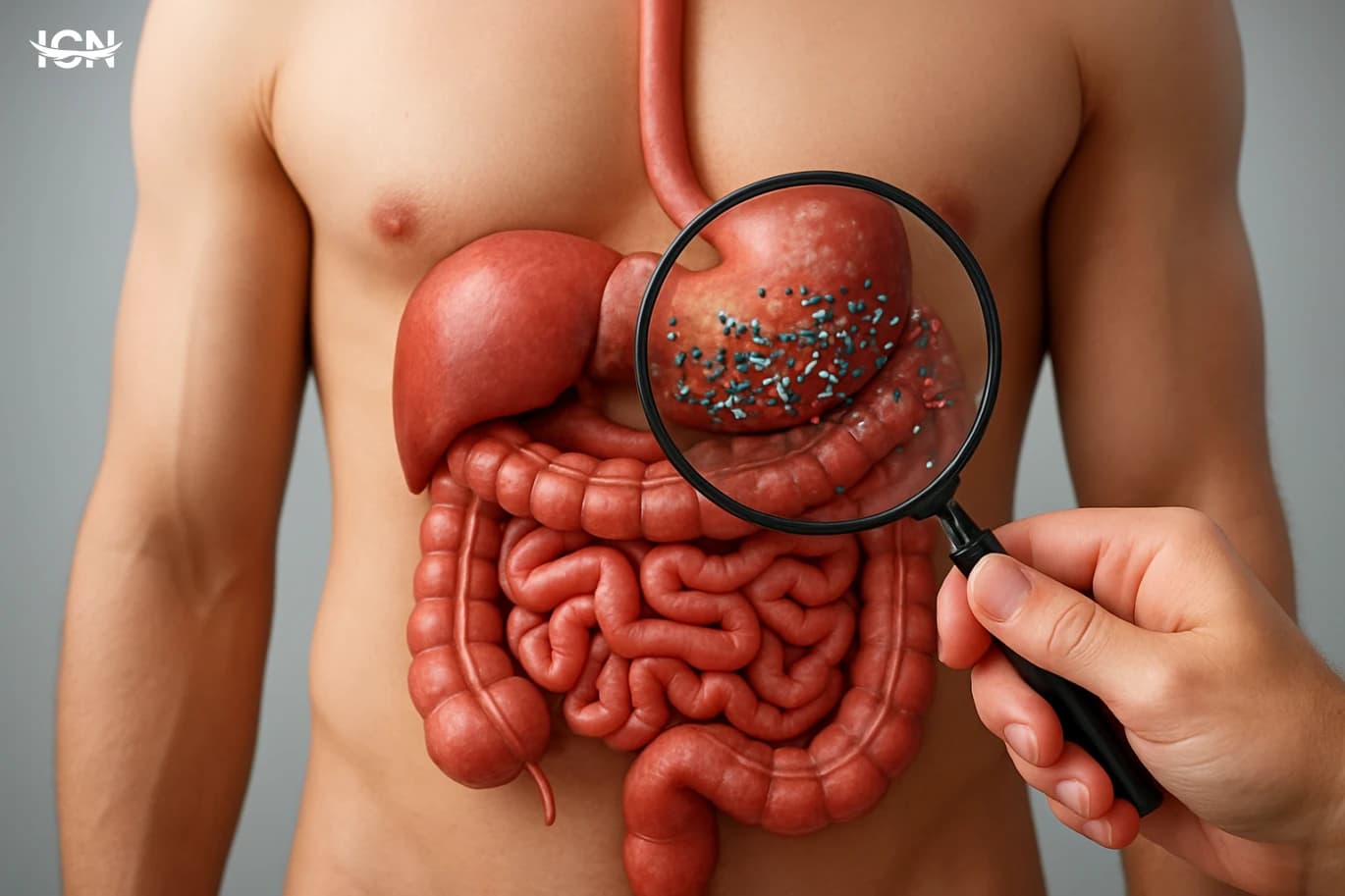
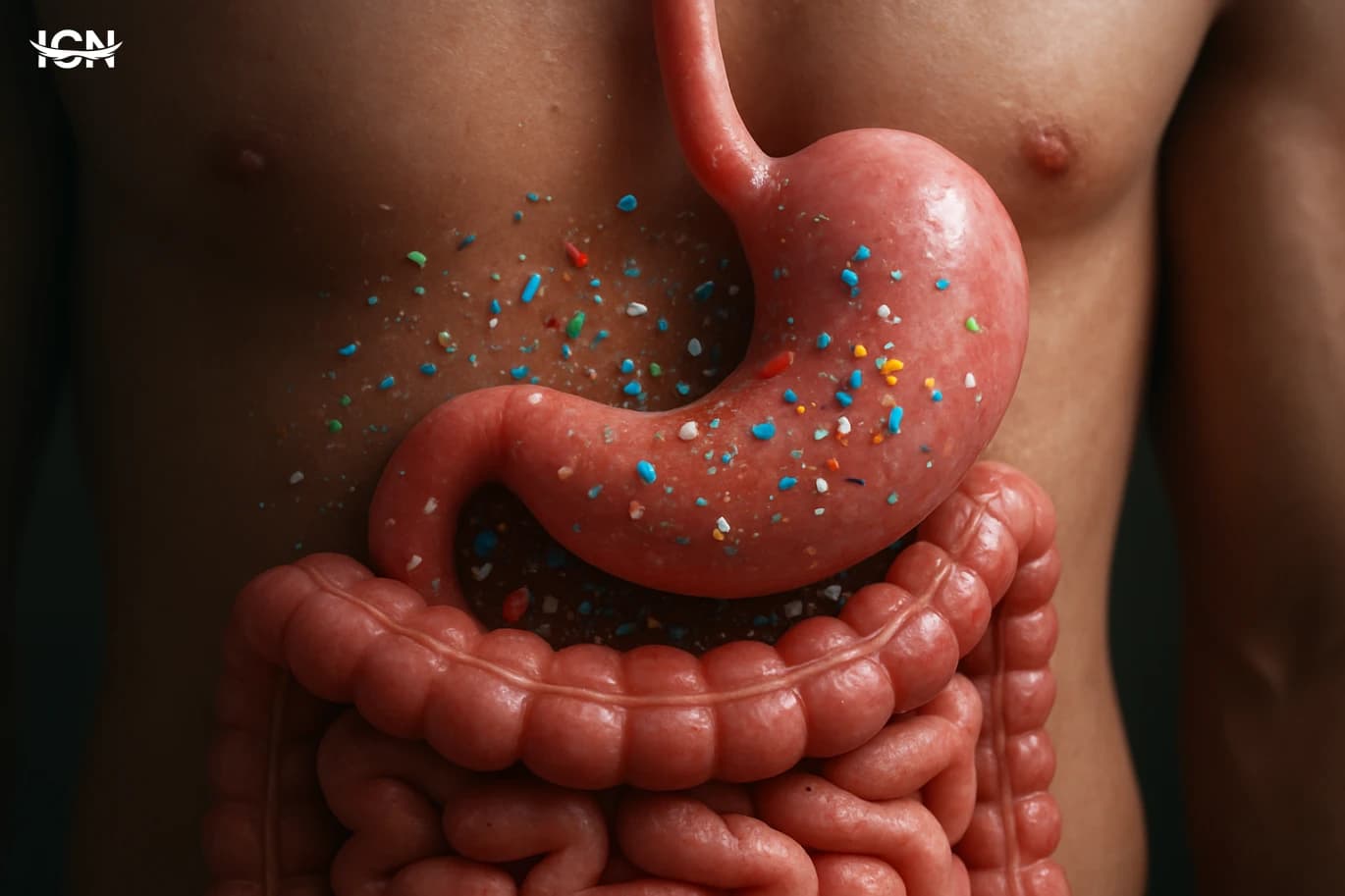
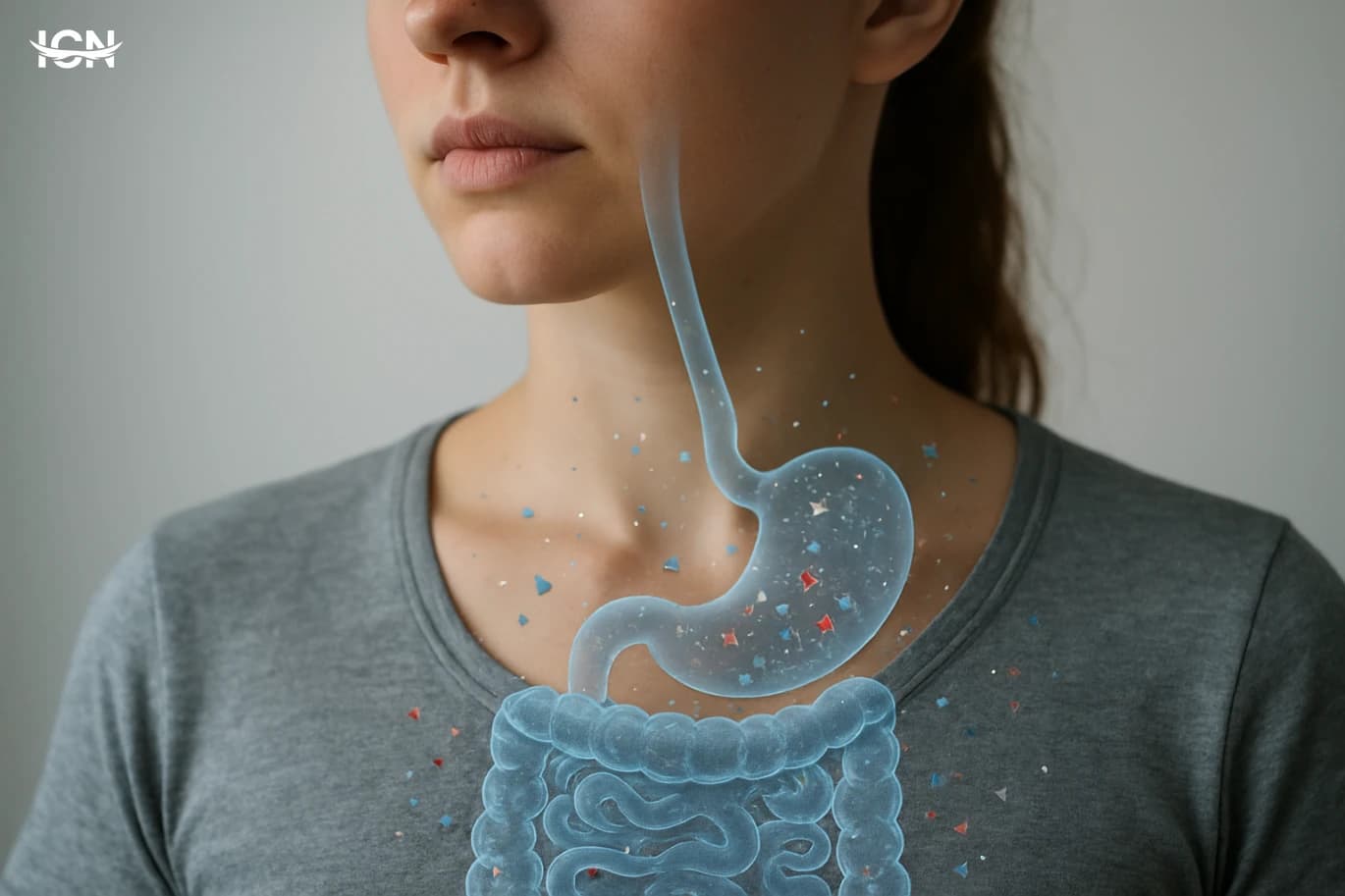
Once microplastics enter the body, the central scientific question is translocation: can particles cross biological barriers and reach internal tissues. For ingestion, researchers focus on the gastrointestinal tract. Most larger particles are expected to pass through and be excreted, but smaller particles may interact more closely with the gut lining. Studies discuss mechanisms such as uptake by specialized intestinal cells, passage through gaps created by inflammation, or transport within immune cells that sample material from the gut. For inhalation, the pathway starts in the airways. Larger particles may be trapped in mucus and cleared by cilia, then swallowed. Smaller particles can deposit deeper in the lungs, where clearance is slower. Scientific articles examine whether some particles can cross the lung barrier into circulation, especially at very small sizes. Evidence in humans is still limited and often indirect, but the research direction is clear: mapping where particles can be detected and under what exposure conditions. Detection in blood and certain tissues has been reported in multiple studies, but interpretation requires caution. Sampling and analysis are technically challenging because contamination from lab materials is a constant risk. Many papers now include strict controls, clean-air procedures, and polymer identification methods to strengthen confidence. Even when detection is robust, presence does not automatically equal harm. The next step is understanding dose, persistence, and biological response in specific organs, rather than treating the body as a single compartment.
What lab and clinical studies are finding
Laboratory studies often use cell cultures or animal models to explore biological responses under controlled conditions. These studies can test how particle size, shape, and polymer type influence inflammation, oxidative stress markers, or changes in barrier integrity. A consistent theme is that smaller particles and certain shapes may provoke stronger cellular responses, but results vary widely depending on experimental design, exposure dose, and whether particles carry additives or surface contaminants. Clinical and observational studies in humans are more limited and typically focus on detection and associations rather than direct causation. Researchers may compare particle counts in samples from different populations, examine occupational settings with higher airborne fibers, or look for correlations with biomarkers of inflammation. However, many papers emphasize that confounding factors are difficult to control. Diet, smoking status, air quality, and socioeconomic variables can influence both exposure and health outcomes. Another important finding across the literature is methodological diversity. Different studies use different sampling containers, digestion methods to remove organic material, filtration sizes, and identification techniques such as spectroscopy. This makes comparisons challenging and is driving calls for standardized protocols. Readers benefit from understanding that the field is not only learning about biology; it is also still building the measurement infrastructure needed for reliable, comparable results.
How scientists measure microplastics in people
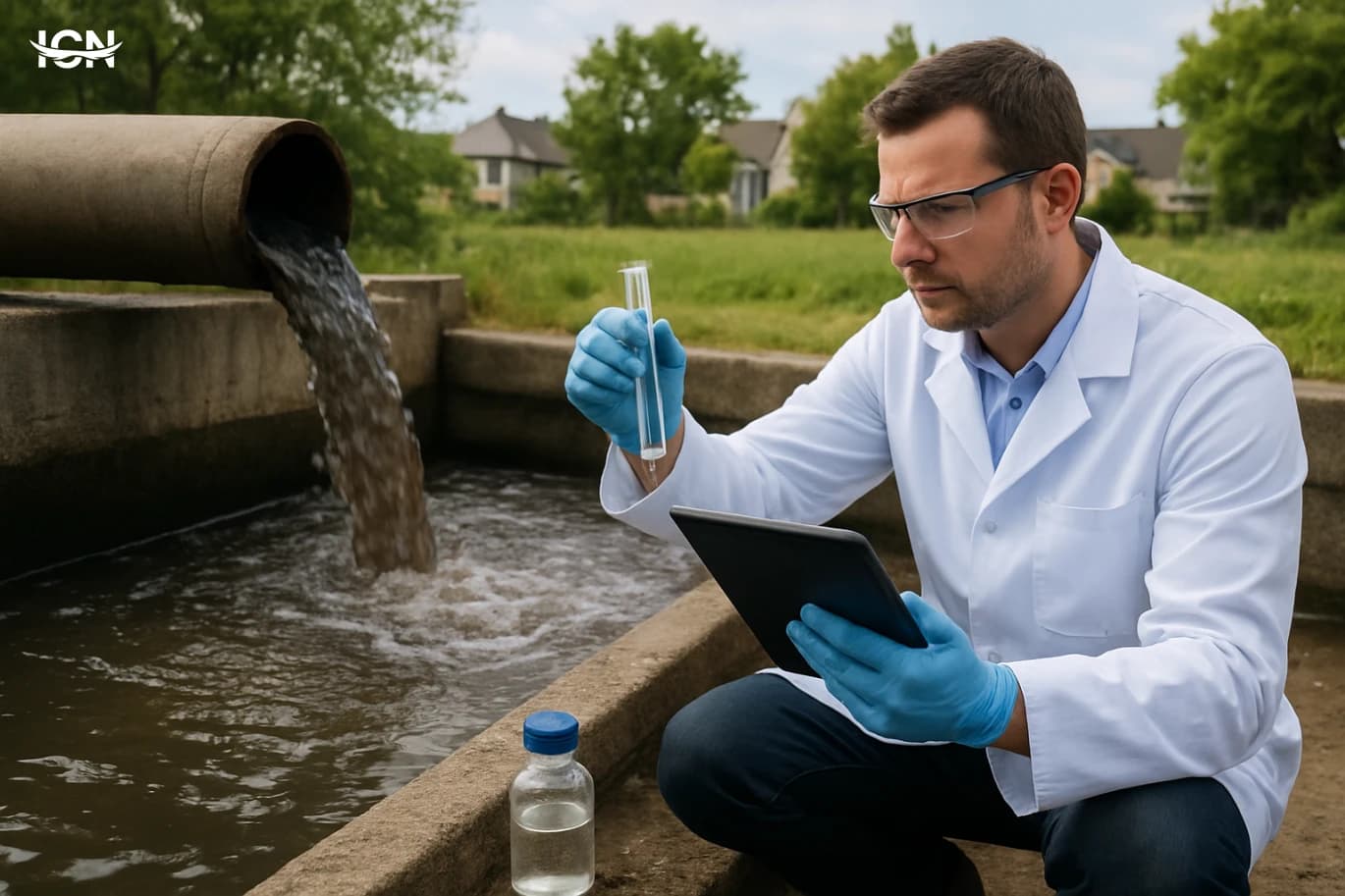
Measuring microplastics in human samples is a technical exercise that shapes what scientists can claim. Common sample types include stool, blood, and occasionally tissue collected for medical reasons. Each sample requires preparation to separate suspected plastic from biological material. This can involve chemical digestion, density separation, and filtration, followed by identification of polymer type. Identification is crucial because many non-plastic particles can look similar under a microscope. Scientific articles increasingly rely on techniques such as Fourier-transform infrared spectroscopy or Raman spectroscopy to confirm polymer signatures. Some studies also use thermal analysis methods that break down polymers and measure characteristic products. Each method has trade-offs in sensitivity, particle size limits, and the ability to quantify mass versus particle counts. Quality control is a major theme. Labs must account for contamination from synthetic clothing, airborne fibers, and plastic labware. Strong studies describe blank controls, replicate measurements, and clean handling procedures. For readers, the key takeaway is that detection is improving, but uncertainty remains at the smallest sizes, where particles may be below the reliable detection threshold of many routine methods. This uncertainty affects estimates of total body burden and makes it difficult to compare results across studies without standardized reporting.
What to watch in upcoming scientific articles
The next wave of scientific articles is likely to focus on three priorities: standardization, long-term studies, and clearer links between exposure and biological effects. Standardization includes agreed definitions for particle size categories, consistent reporting of contamination controls, and shared reference materials that labs can use to validate methods. Without these, the field risks producing results that are difficult to compare or reproduce. Long-term studies are needed because many potential effects, if they exist, may depend on chronic exposure rather than short-term contact. Researchers are exploring cohort designs that track exposure proxies over time, along with repeated biomarker measurements. Another direction is improved modeling of how particles move through the body, combining experimental data with computational approaches to estimate retention and clearance. For readers and science communicators, the most useful framing is practical and evidence-based: which exposure sources contribute most, what particle characteristics matter, and what levels are being measured in real populations. As methods mature, articles should become more specific about dose and less reliant on broad statements about presence. That shift will help move the conversation from generalized concern to measurable questions that can guide product design, indoor air management, and water treatment research.