Groundwater Under Pressure

- What groundwater is and why it matters
- How aquifers recharge and move water
- Key uses and economic value
- Major threats to groundwater
- Monitoring and governance that work
- Practical solutions for long-term resilience
What groundwater is and why it matters
Groundwater is the water stored in pores and fractures beneath the Earth’s surface, forming aquifers that can supply wells, springs, and parts of river flow. Unlike lakes and reservoirs, it is largely hidden, which can make overuse harder to notice until problems become severe. In many regions it is the most reliable source of freshwater during dry seasons because it changes more slowly than surface water. Its importance is reflected in daily life and in national planning. Groundwater supports drinking-water networks, irrigated agriculture, industry, and ecosystem health, especially where rainfall is irregular. It also acts as a buffer during droughts, but that buffering capacity is not unlimited; once depleted, recovery can take years or decades depending on recharge rates and aquifer characteristics. Understanding groundwater means recognizing that it is part of a broader water cycle. Rain and snowmelt infiltrate through soils, recharge aquifers, and later discharge to springs, wetlands, and streams. When pumping exceeds recharge over long periods, water levels decline, wells must be deepened, energy costs rise, and connected surface waters can shrink.
How aquifers recharge and move water
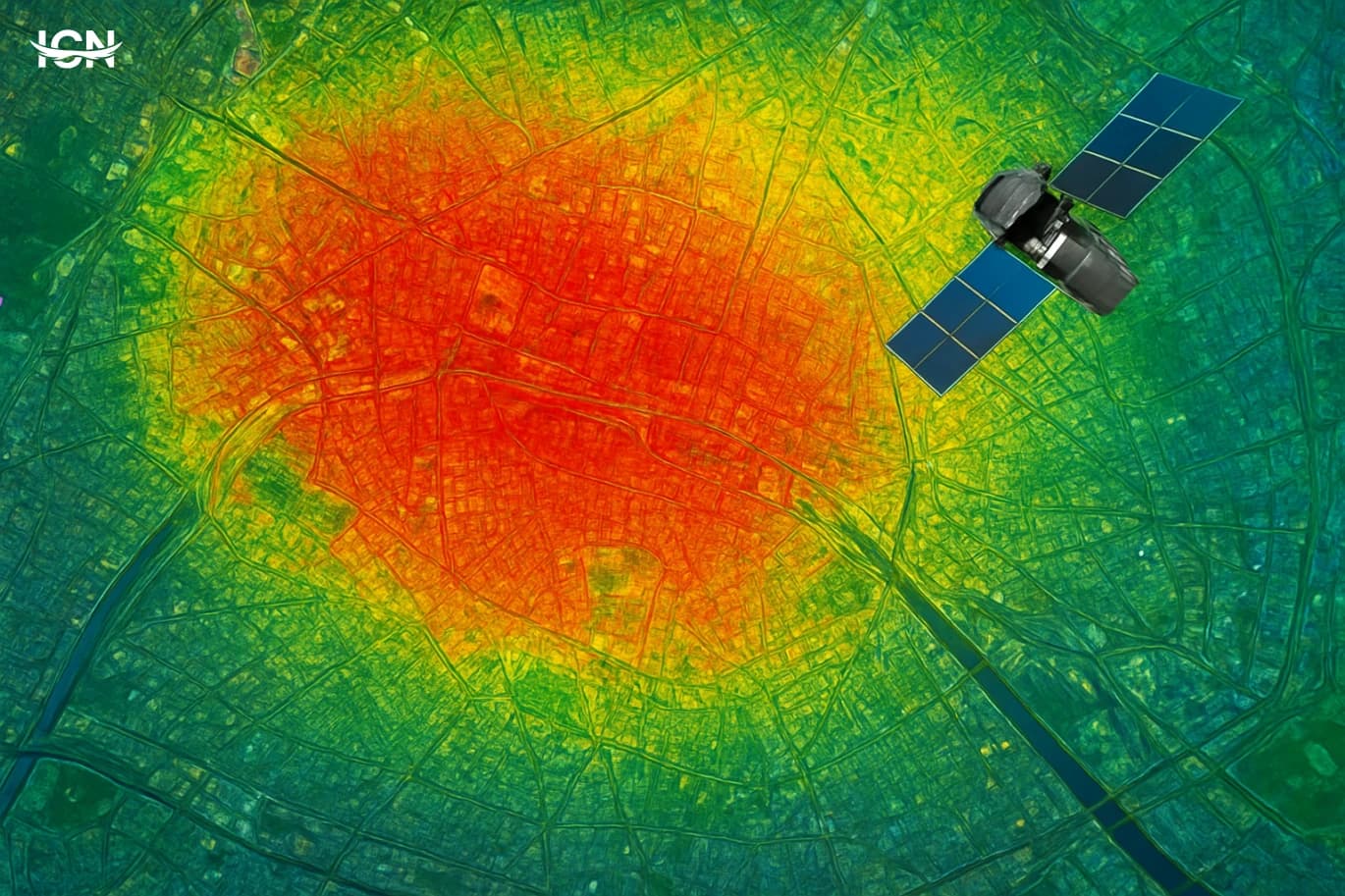
Recharge is the process that replenishes groundwater, mainly through rainfall infiltration, river seepage, and in some settings from irrigation return flows. The speed and volume of recharge depend on soil type, land cover, slope, and the permeability of the underlying geology. Sandy soils and fractured rocks can allow faster infiltration, while clay-rich layers slow it down and can confine water under pressure. Within aquifers, groundwater moves from higher to lower hydraulic head, often at rates measured in meters per year rather than kilometers per day. This slow movement is a key reason groundwater quality can remain stable, but it also means contamination can persist for long periods. Many aquifers are “renewable” on human timescales, while others contain fossil water that accumulated under wetter climates thousands of years ago and replenishes very slowly today. Mapping groundwater requires measurements and models. Water-level monitoring in observation wells shows trends, while pumping tests help estimate aquifer properties such as transmissivity and storage. Remote sensing can contribute by detecting land-surface deformation linked to groundwater depletion, but it cannot replace on-the-ground measurements needed for day-to-day management.
Key uses and economic value
Groundwater is essential for municipal supply in many cities, particularly where surface reservoirs are limited or vulnerable to drought. Its natural filtration through soil and rock can reduce some contaminants, lowering treatment needs compared with some surface sources. However, treatment is still often required, especially to address salinity, nitrate, or trace metals. Agriculture is typically the largest groundwater user worldwide, with pumping enabling year-round production and buffering rainfall variability. This reliability can translate into higher yields and more stable rural incomes, but it also ties farm economics to energy prices and to the long-term health of aquifers. When water levels fall, farmers face higher pumping depths, increased electricity or fuel use, and in some cases loss of productive land. Industry also relies on groundwater for cooling, processing, and as an input for food and beverage production. In addition, many ecosystems depend on groundwater discharge to maintain wetlands, springs, and baseflow in rivers. When groundwater is over-abstracted, the economic costs extend beyond water bills, affecting fisheries, tourism around springs and oases, and the long-term viability of settlements in arid zones.
Major threats to groundwater
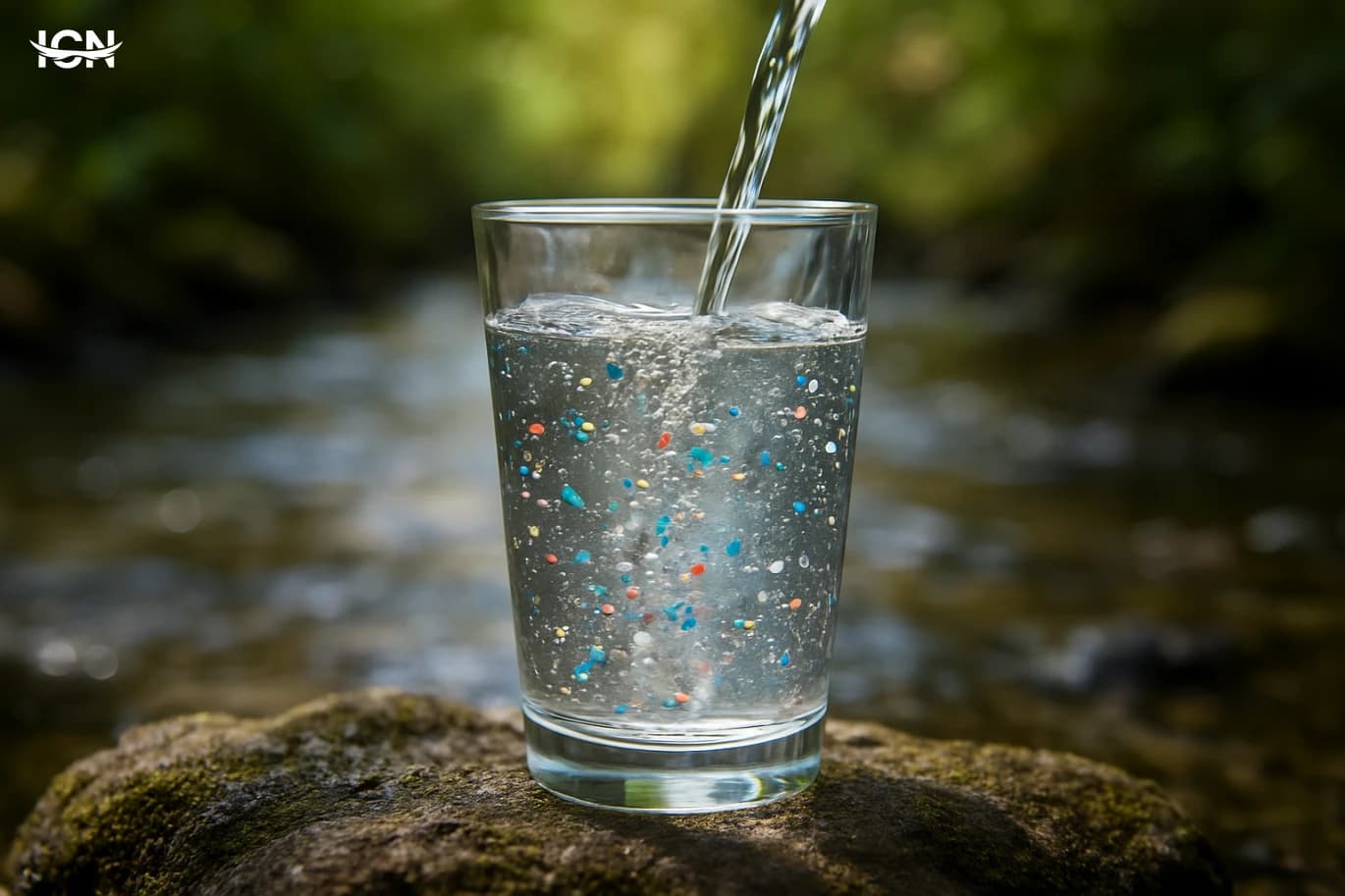
The most widespread challenge is over-extraction: pumping more than long-term recharge. Persistent declines can lead to well failures, higher energy consumption, and reduced access for small users who cannot afford deeper drilling. In some aquifers, falling water levels can cause land subsidence as sediments compact, damaging roads, buildings, and pipelines and reducing the aquifer’s ability to store water in the future. Water quality threats are equally significant. Nitrate pollution from fertilizers and poorly managed wastewater is common in agricultural and peri-urban areas. Industrial spills, leakage from fuel storage, and improper disposal of chemicals can introduce solvents and heavy metals that are difficult and expensive to remediate. In coastal zones, excessive pumping can trigger seawater intrusion, increasing salinity and making water unsuitable for drinking or sensitive crops. Climate variability and climate change can intensify these pressures. Shorter rainy seasons, more intense storms that run off rather than infiltrate, and higher evaporation can reduce effective recharge. At the same time, heat and drought can increase demand for irrigation and urban supply, creating a gap between available groundwater and growing needs.
Monitoring and governance that work
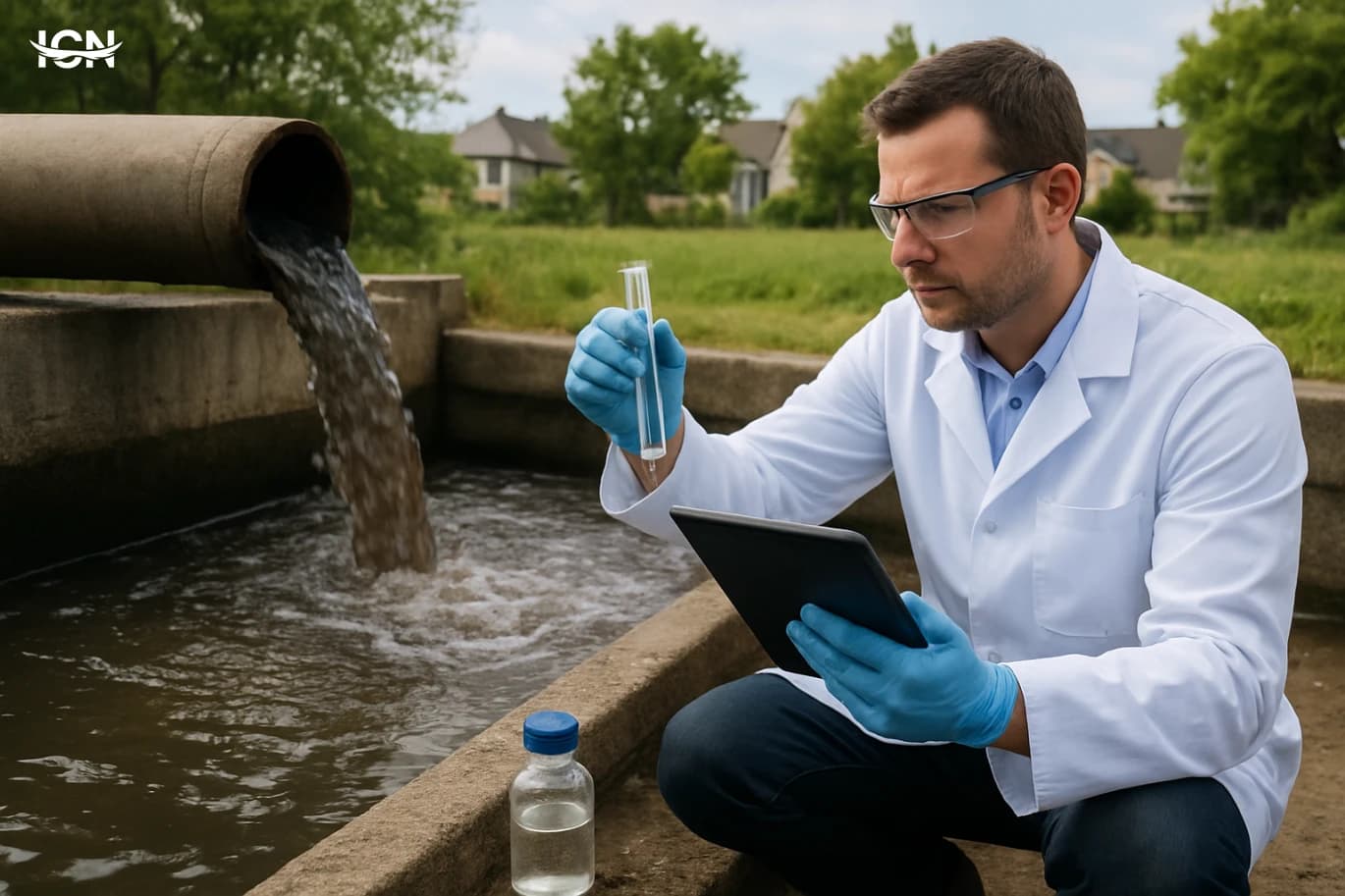
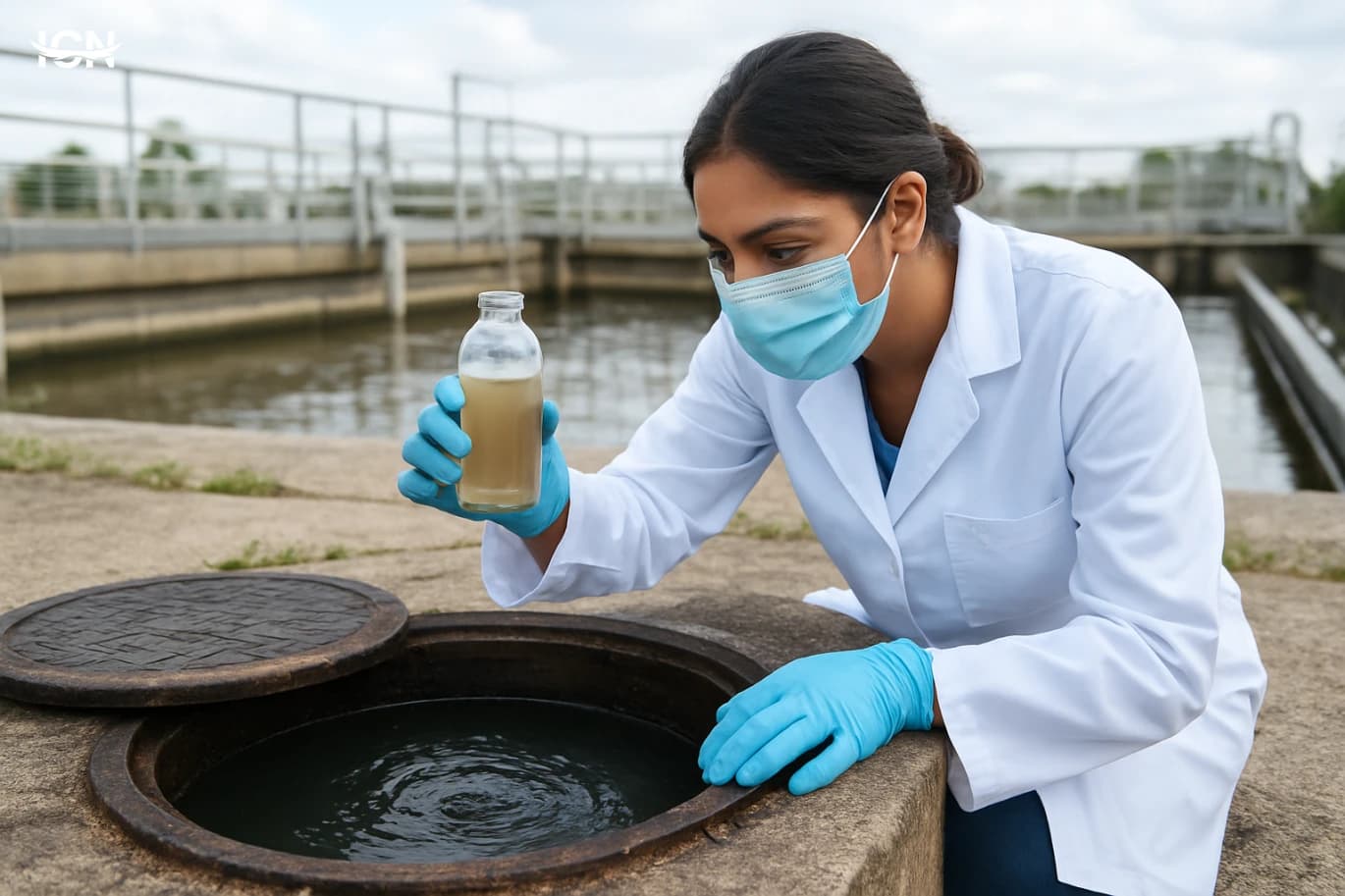
Effective groundwater management starts with measurement. Networks of monitoring wells track water levels and quality over time, providing early warnings before shortages become crises. Metering abstraction from production wells, combined with digital reporting, helps quantify actual use and identify hotspots of over-pumping. Publicly accessible dashboards can increase transparency and improve compliance when users see how the resource is changing. Governance tools vary by country, but common elements include licensing, well spacing rules, and pumping limits linked to aquifer conditions. Local groundwater user associations can be effective when they have clear authority, credible data, and enforcement support from government. Pricing policies also matter: energy subsidies or flat-rate electricity can unintentionally encourage excessive pumping, while targeted support for efficient irrigation can reduce demand without harming livelihoods. Quality protection requires land-use planning and standards. Setting protection zones around wellfields, improving wastewater collection and treatment, and regulating fertilizer application near vulnerable recharge areas can prevent pollution that is far more costly to clean up later. In many settings, the most practical approach is risk reduction: limiting new pollution sources while gradually improving existing infrastructure and monitoring.
Practical solutions for long-term resilience
Reducing demand is often the fastest route to stabilizing aquifers. In agriculture, this can include drip irrigation where appropriate, better scheduling based on soil moisture, lining or managing canals to reduce losses, and shifting to crops with lower water requirements in stressed basins. For cities, lowering leakage in distribution networks and promoting water-efficient appliances can cut total withdrawals without reducing service. Managed aquifer recharge is another option when implemented carefully. Capturing stormwater, using infiltration basins, or recharging with suitably treated wastewater can increase storage and reduce flooding risks. These projects require strong safeguards: water quality standards, pre-treatment where needed, and monitoring to avoid clogging, mobilizing contaminants, or creating unintended impacts. Finally, planning should link groundwater to broader water portfolios. Blending sources—surface water when available, reclaimed water for non-potable uses, and desalination in coastal areas—can reduce stress on aquifers. The goal is not simply to pump less for one year, but to align withdrawals with recharge over time, protect quality, and keep groundwater as a reliable strategic reserve for droughts and emergencies.