Earthquakes in Japan
- Introduction to Japan's Seismic Activity
- Historical Earthquakes and Their Impact
- Technological Innovations in Earthquake Preparedness
- Cultural and Social Responses to Earthquakes
- Future Challenges and Opportunities
Introduction to Japan's Seismic Activity
Japan is one of the most seismically active countries in the world, located on the Pacific Ring of Fire. This region is known for its frequent earthquakes and volcanic eruptions due to the movement of tectonic plates. Japan experiences thousands of earthquakes each year, although most are minor and cause little to no damage. The country's unique geographical position makes it a hotspot for seismic activity, which has shaped its culture, architecture, and disaster preparedness strategies.
Historical Earthquakes and Their Impact
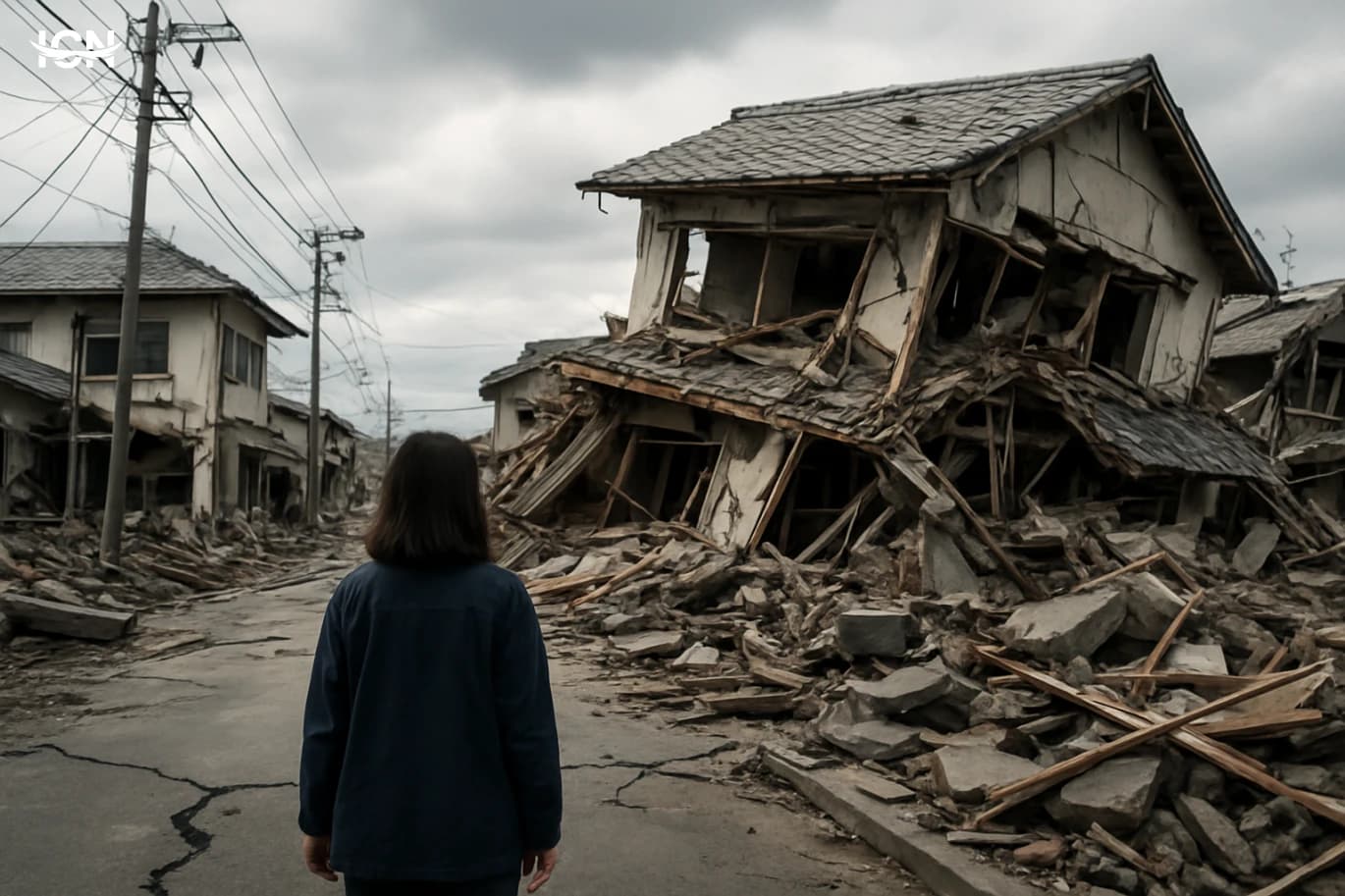
Throughout history, Japan has experienced several devastating earthquakes that have had significant impacts on its society and infrastructure. The Great Kanto Earthquake of 1923, for example, resulted in the loss of over 140,000 lives and widespread destruction in Tokyo and Yokohama. More recently, the 2011 Tohoku earthquake and tsunami caused massive damage and a nuclear crisis at the Fukushima Daiichi plant. These events have led to advancements in building codes and disaster response systems, highlighting the resilience and adaptability of the Japanese people.
Technological Innovations in Earthquake Preparedness
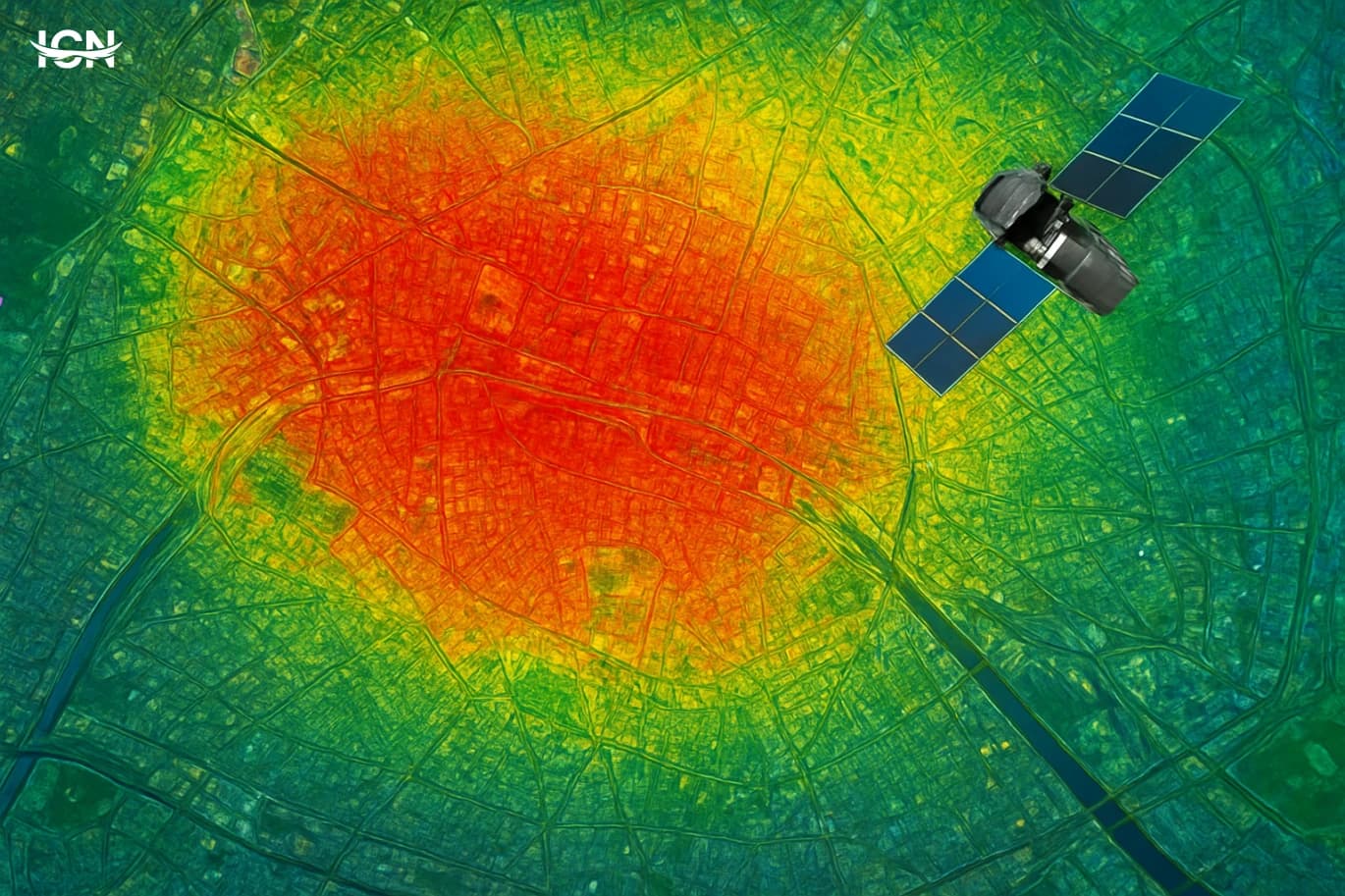
Japan has become a leader in earthquake preparedness through technological innovations. The country has developed advanced early warning systems that can detect seismic activity and alert the population within seconds. These systems are integrated into public infrastructure, such as trains and elevators, to minimize damage and casualties. Additionally, Japan invests heavily in research and development of earthquake-resistant building technologies, ensuring that new constructions can withstand significant seismic forces. These efforts have significantly reduced the impact of earthquakes on human life and property.
Cultural and Social Responses to Earthquakes
Earthquakes have deeply influenced Japanese culture and society. The constant threat of seismic activity has instilled a sense of preparedness and resilience among the population. Earthquake drills are regularly conducted in schools and workplaces, and public awareness campaigns emphasize the importance of readiness. Culturally, earthquakes are reflected in Japanese art, literature, and folklore, often symbolizing the impermanence of life. This cultural perspective fosters a collective mindset that values community support and cooperation in times of crisis.
Future Challenges and Opportunities
As Japan continues to face the challenges of frequent earthquakes, the country is also presented with opportunities to further enhance its resilience. Ongoing research in seismology and engineering aims to improve predictive models and construction techniques. The integration of artificial intelligence and big data analytics offers new possibilities for real-time monitoring and response. Additionally, Japan's experience and expertise in earthquake preparedness can serve as a valuable resource for other countries facing similar threats. By sharing knowledge and collaborating internationally, Japan can contribute to global efforts in reducing the impact of natural disasters.