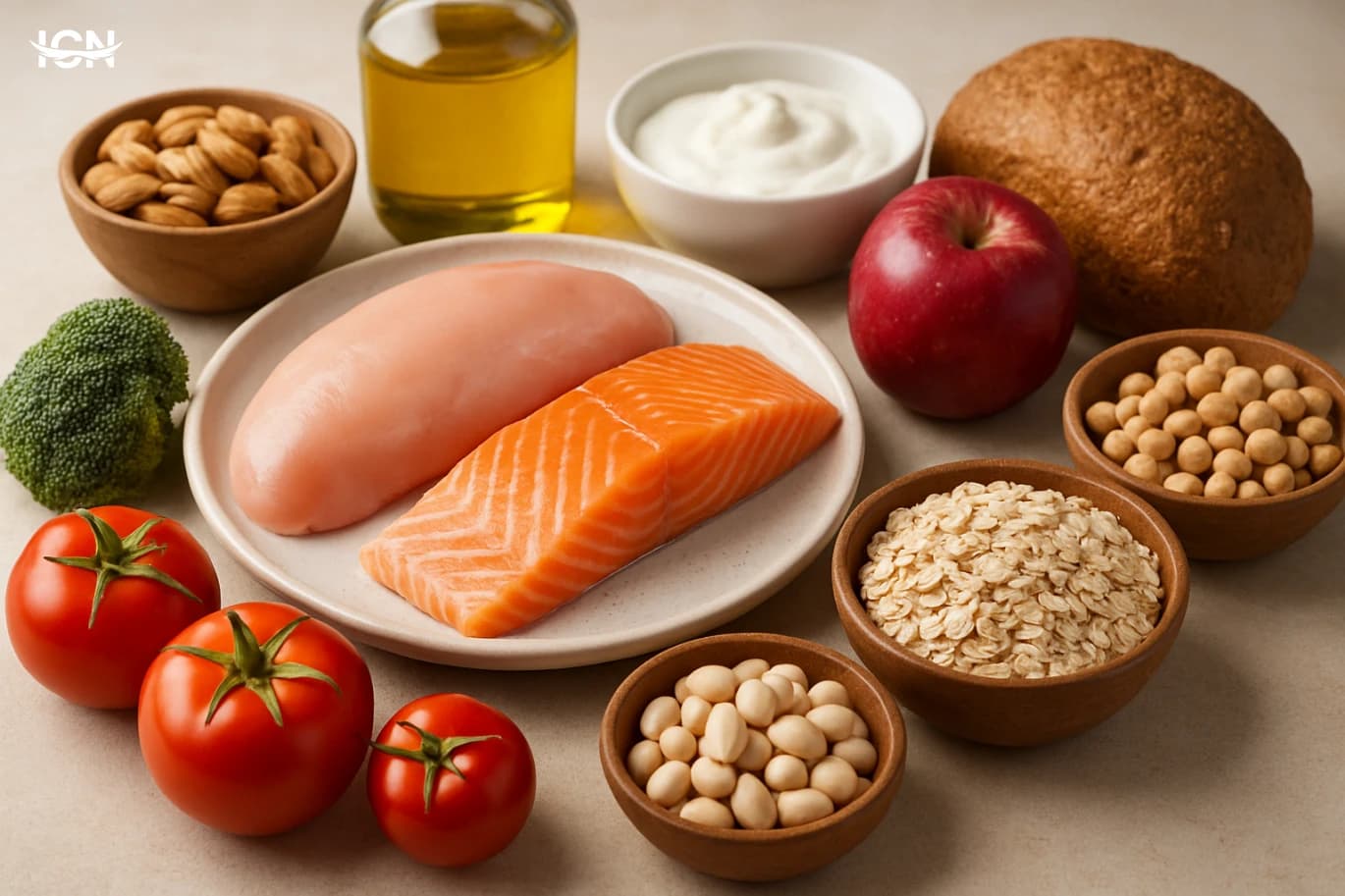
Saturated fat

- Sources saturated fat in food
- The effect of saturated fat on health
- Saturated fats against unsaturated fats
- Tips for reducing saturated fat consumption
Sources saturated fat in food
A. Animal products Saturated fat sources in animal products include many foods such as red meat, poultry, full -fat dairy products, and eggs. These types of foods contain high levels of saturated fat that can negatively affect the health of the heart if eaten in large quantities. for. Manufactured and fried foods are also manufactured and fried foods from the main sources of saturated fat. These foods include chocolate, biscuits, and fast food. These foods usually contain unhealthy ingredients that are added to prolong their shelf life or to improve taste, which makes them inappropriate options for health care. It is important to reduce the intake of these fats to maintain good general health.
The effect of saturated fat on health
A. Cardiovascular studies indicate that the high consumption of saturated fat can have a negative effect on the heart and blood vessels. These fats may contribute to the narrowing of the arteries and increase the risk of heart disease, which requires taking precautions when taking them. for. Cholesterol levels saturated fat contributes to increased levels of harmful cholesterol (LDL) in the blood. When the LDL level rises, this increases the possibility of atherosclerosis and associated problems. Therefore, it is advised to reduce the consumption of saturated fat and replace them with healthy fats such as monounsaturated fats in olive oil and nuts.
Saturated fats against unsaturated fats
A. The benefits of unsaturated fats are more healthy fats, as they contribute to promoting heart health and improving cholesterol levels. These fats are found in foods such as olive oil, avocado, and fatty fish. Uncomfortable fat fats reduce the risk of heart disease and improve vascular function. for. The risk of saturated fat on the other hand, the consumption of saturated fat should be limited, as excessive consumption increases the possibility of heart disease and strokes. General health guidance recommends to reduce these fats and replace them with healthy fats to enhance public health and reduce the risks associated with them.
Tips for reducing saturated fat consumption
A. Choosing healthy foods must focus on choosing foods rich in unsaturated fats, such as nuts and seeds, and achieving a balance in their diet. It is also important to read food products stickers to avoid treated foods that contain saturated fat. for. Healthy cooking methods can play an important role in reducing saturated fat consumption. It is preferable to use cooking methods such as barbecue, boiling, or bread instead of frying in oil. It is also advised to replace saturated oils such as palm oil with healthy oils such as olive oil or coconut oil, which helps to improve the quality of the diet in general.