Reading Food Labels Without Guesswork
- Why labels mislead smart shoppers
- Start with serving size and servings
- Calories and macronutrients that matter
- Sugar and sodium hiding in plain sight
- Ingredients list and the health-halo test
- A 60-second label routine you can repeat
Why labels mislead smart shoppers
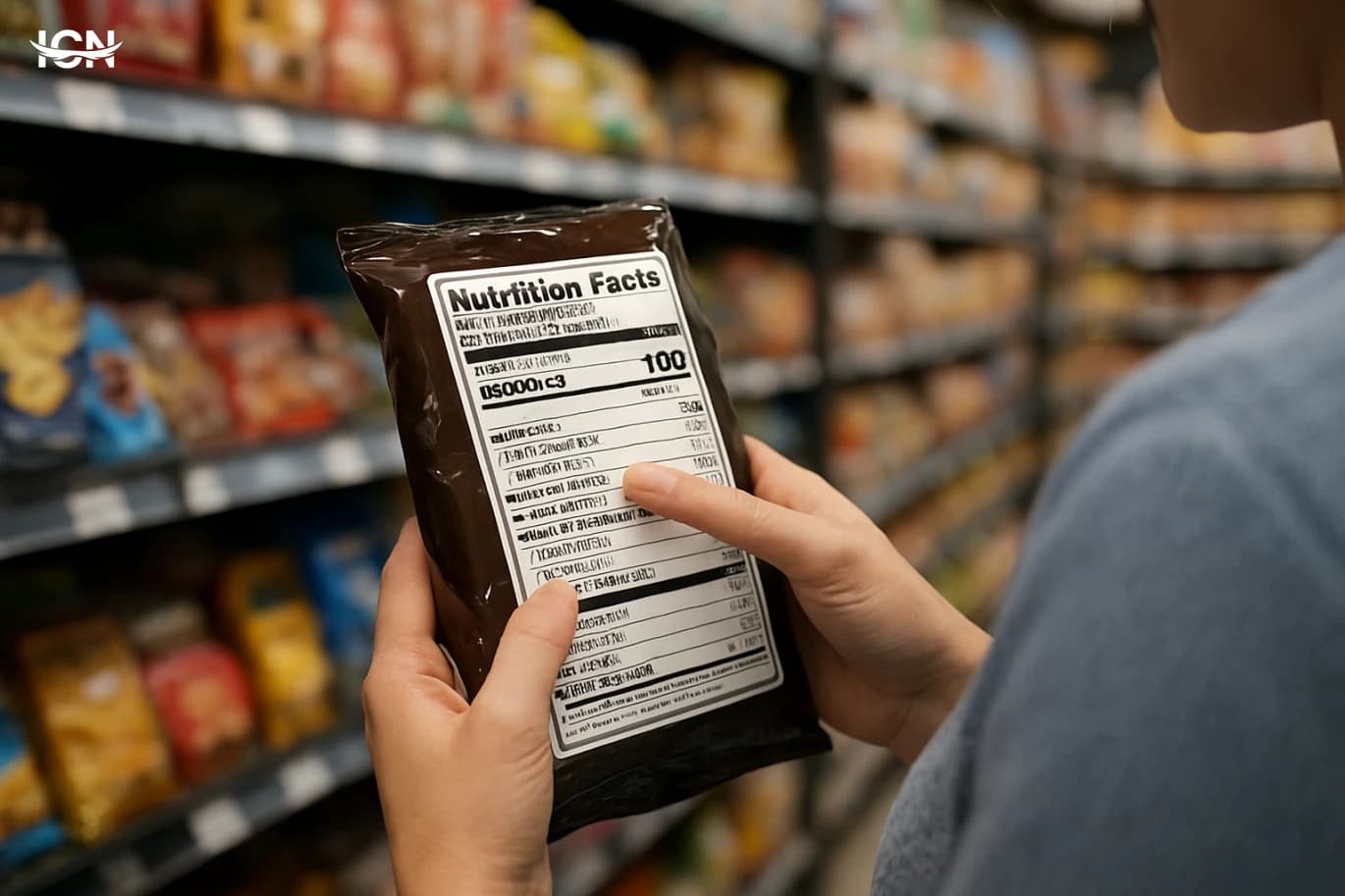
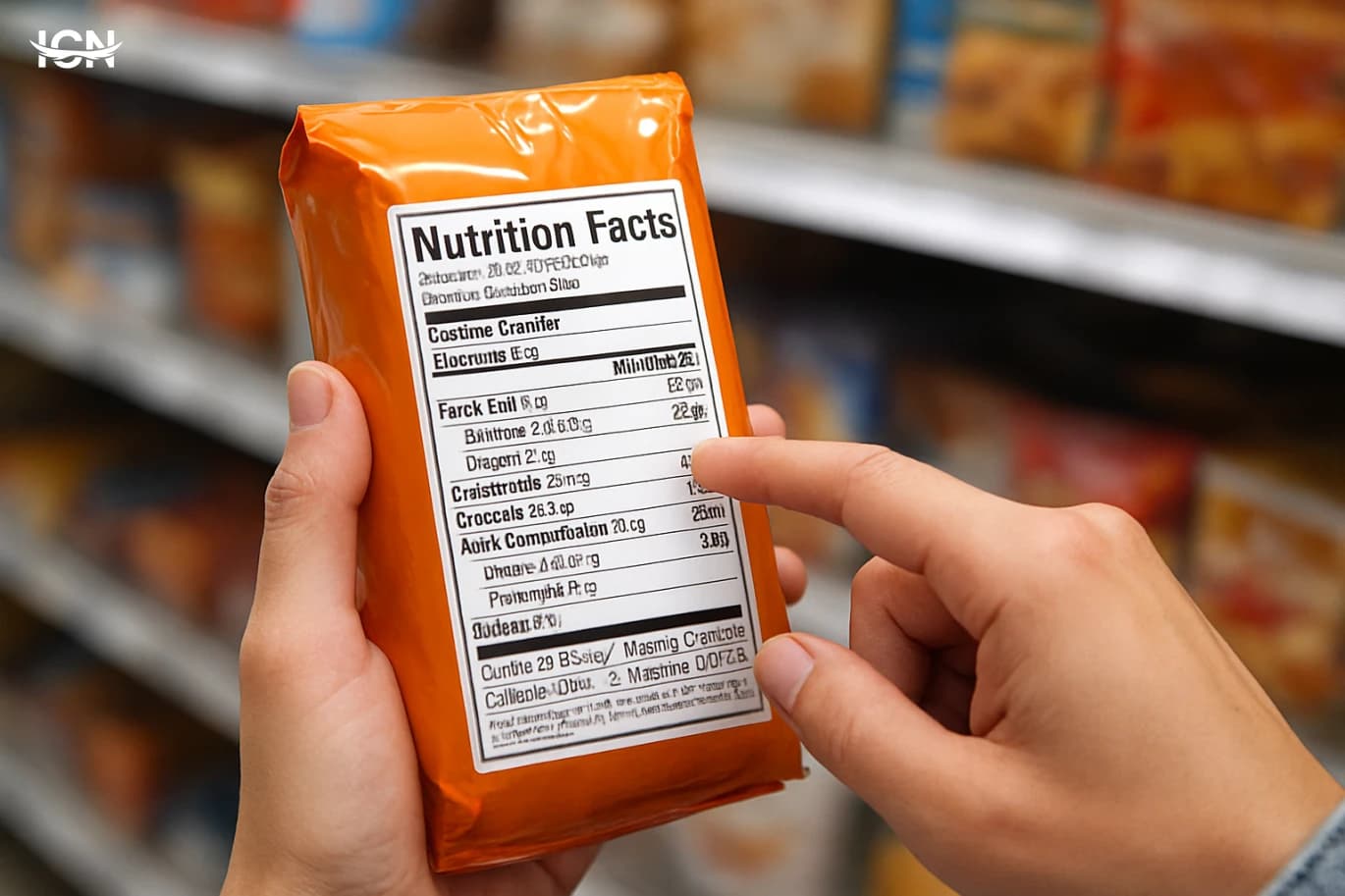
Food labels are designed to be standardized, yet they still leave room for misunderstanding. The biggest trap is assuming the front of the package tells the full story. Claims like “natural,” “light,” or “made with whole grains” can be true while still masking high sugar, sodium, or saturated fat. Another common issue is comparing two products without checking whether the serving sizes match. A cereal that looks lower in calories may simply list a smaller serving. A second source of confusion is the difference between marketing terms and regulated nutrition facts. The Nutrition Facts panel follows rules, but the rest of the package often uses persuasive language and selective highlights. Even “no added sugar” does not mean “low sugar” if the product relies on fruit concentrates or naturally sweet ingredients. Smart shopping starts by treating the front label as an advertisement and the Nutrition Facts panel as the evidence. This article focuses on practical label-reading steps that reduce guesswork: how to interpret serving size, calories, macronutrients, and key micronutrients, and how to spot hidden sodium and sugar. The goal is not to memorize numbers, but to build a repeatable method you can use in a supermarket aisle in under a minute.
Start with serving size and servings
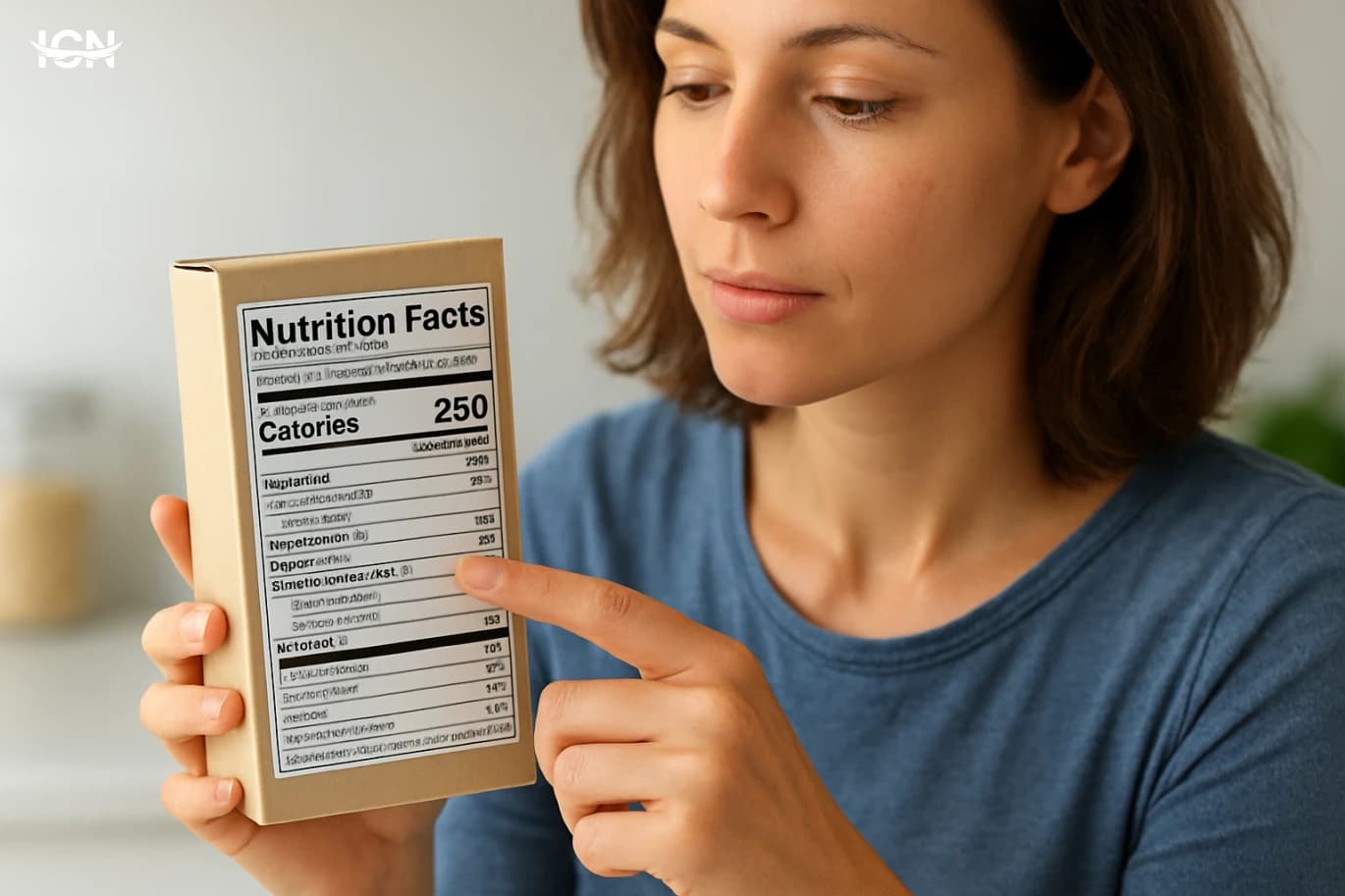
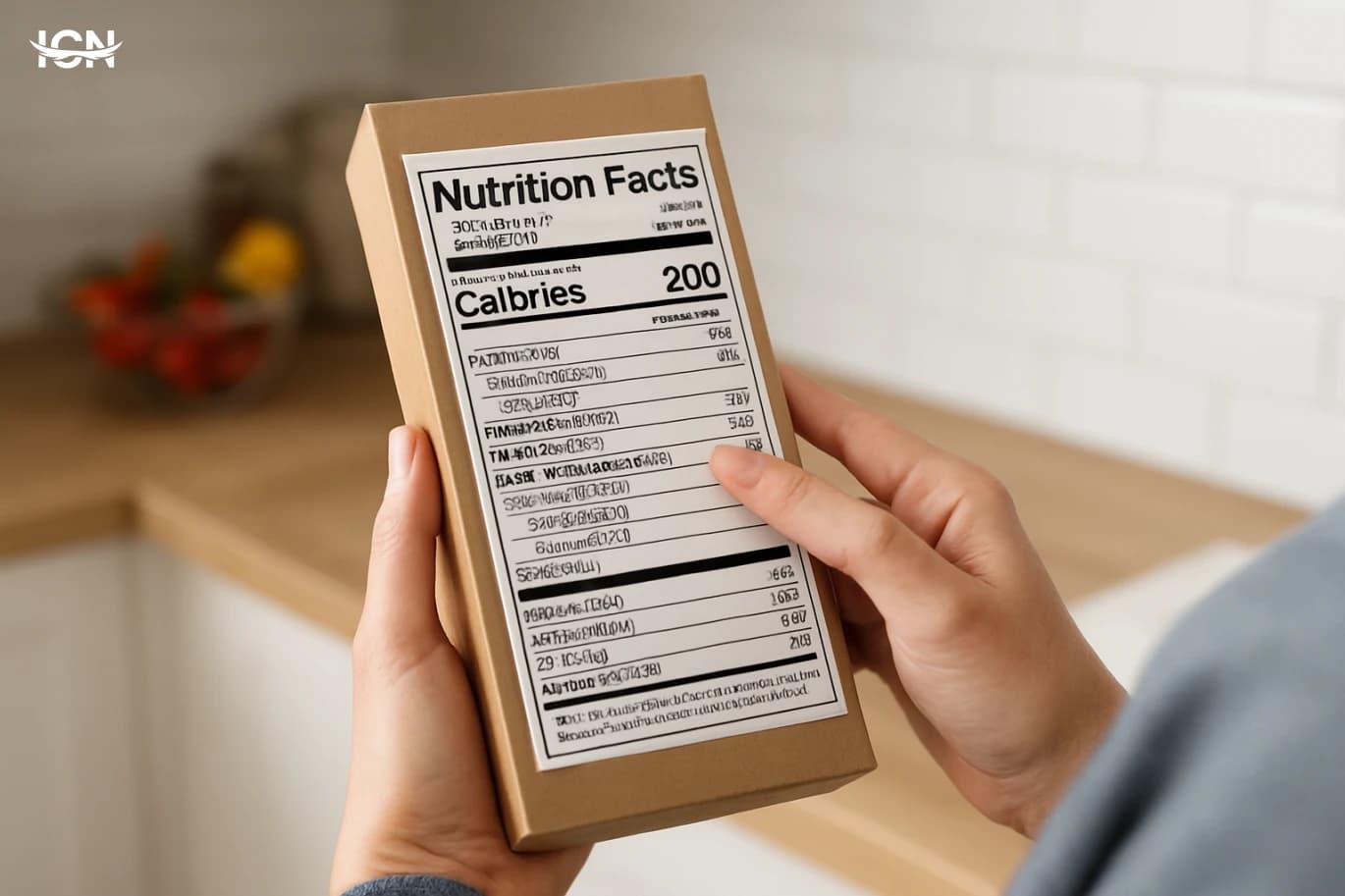
Serving size is the anchor for everything that follows. Every number on the panel—calories, grams of sugar, milligrams of sodium—applies to that specific serving. If a bag of chips lists 150 calories per serving but contains 3 servings, eating the whole bag means 450 calories, not 150. This sounds obvious, yet it is the most frequent reason people underestimate intake. When comparing products, align serving sizes first. If one yogurt lists nutrition for 150 grams and another for 100 grams, the comparison is not fair until you adjust. A quick mental tool is to compare per 100 grams or per package when you know you will consume the entire item. For single-serve drinks, check whether the bottle is truly one serving; some “small” bottles still list two servings. Also pay attention to serving size changes across “regular” and “family” versions of the same product. A family-size cereal may list a smaller serving to keep the calories per serving looking similar. Your best defense is to decide how much you realistically eat, then multiply the numbers accordingly. This one step makes the rest of the label far more useful.
Calories and macronutrients that matter
Calories provide a snapshot of energy, but they do not explain quality. Use calories as a budgeting tool, then look at macronutrients to understand what you are paying for. Start with protein: higher protein can improve satiety and support muscle maintenance, especially in breakfast foods and snacks. For many adults, a snack with 10–20 grams of protein is meaningfully different from one with 1–3 grams. Next, check total fat and the type of fat. Saturated fat is the key number to watch because it is easier to overconsume in processed foods. A product can be “low carb” and still be heavy in saturated fat. Trans fat may appear as 0 grams if it is below a small threshold per serving, so scan the ingredient list for “partially hydrogenated” oils when available. Carbohydrates require a split view: total carbs, fiber, and total sugars. Fiber is often the most useful number for everyday decisions. A bread with 4–6 grams of fiber per serving generally offers a different nutritional profile than one with 1 gram. For sugars, focus on added sugars if listed, and treat total sugars as the broader signal. A cereal with 12 grams of total sugar per serving can be fine or excessive depending on portion size and fiber, but it should trigger a closer look. Finally, consider sodium alongside macros. Many foods that look “healthy” based on calories and fat can still carry high sodium, especially soups, sauces, and ready meals. A label-reading habit that checks protein, fiber, saturated fat, added sugar, and sodium will catch most problems quickly.
Sugar and sodium hiding in plain sight
Sugar is not only in desserts. It shows up in flavored yogurts, breakfast bars, sauces, and “healthy” drinks. The label may list multiple sweeteners in small amounts—cane sugar, syrup, honey, fruit juice concentrate—so the total looks less alarming at first glance. Your best move is to read the total sugars and added sugars lines, then compare them to the serving size you will actually eat. A practical benchmark is to treat added sugar as a limited budget across the day. If one drink provides most of that budget, it crowds out flexibility elsewhere. Also watch for products that pair high sugar with low fiber; this combination often signals a more refined carbohydrate profile. Sodium is equally tricky because it is heavily used for flavor and preservation. Bread, cheese, deli-style foods, condiments, and ready meals can accumulate sodium quickly even if each item does not look extreme. Compare similar products: two tomato sauces may differ by hundreds of milligrams per serving. If you eat multiple servings, the difference becomes significant. When labels include % Daily Value, use it as a quick filter rather than a perfect rule. Higher percentages for sodium and added sugars are a signal to slow down and compare alternatives. Lower percentages for fiber can indicate a product that is less filling. The key is consistency: check the same lines every time so you build intuition over weeks, not minutes.
Ingredients list and the health-halo test
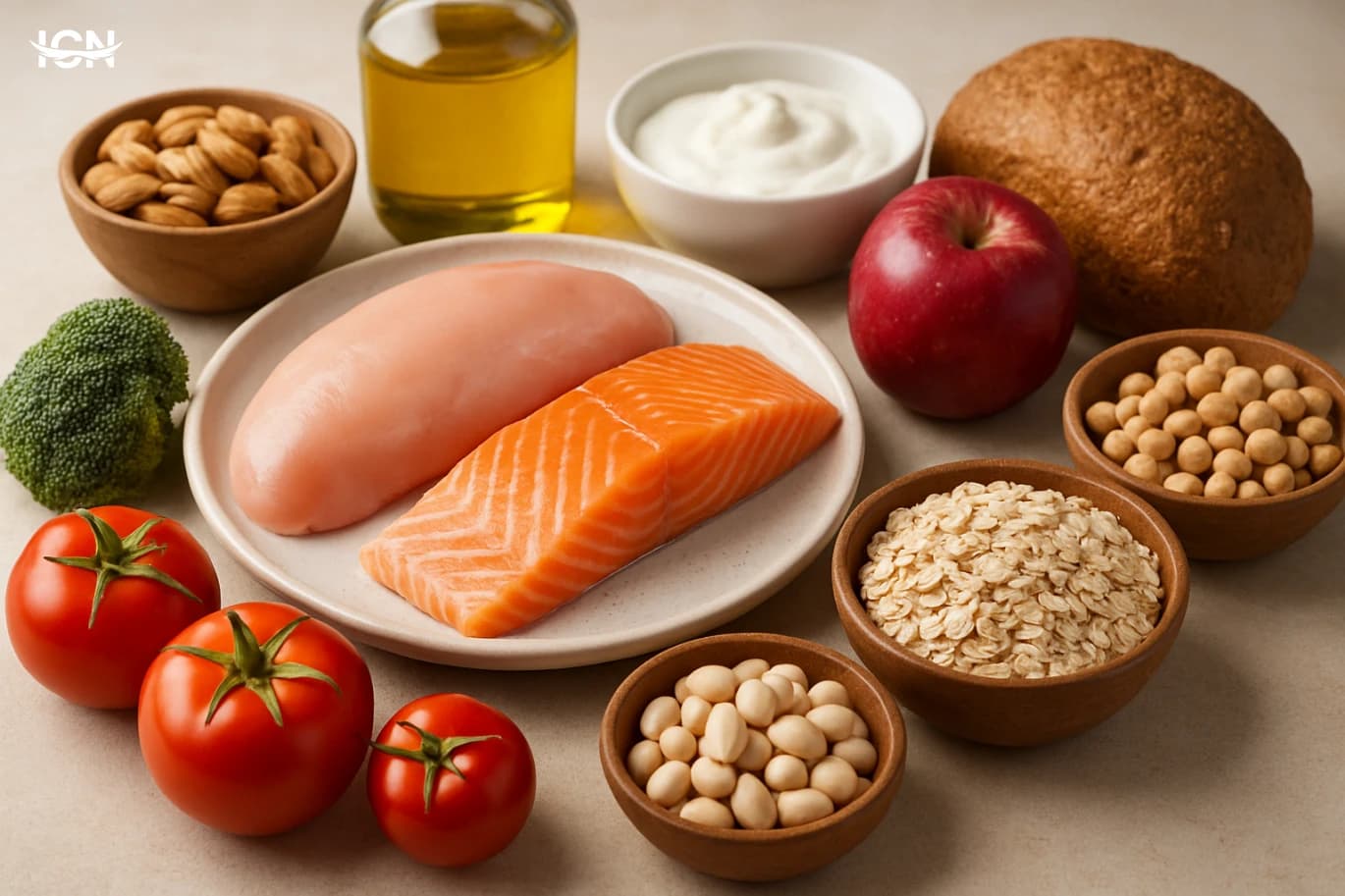
The ingredients list is not a nutrition panel, but it explains why the numbers look the way they do. Ingredients are typically listed by weight, so the first three to five items tell you what the product is mostly made of. If a “whole grain” cracker starts with refined flour, the whole-grain claim may be minor in practice. If a “protein” snack starts with sugar or syrup, the protein message may be doing more marketing than nutrition. Use the ingredients list to confirm the source of fiber and protein. Whole foods such as oats, beans, nuts, and dairy ingredients often indicate a different profile than isolated starches and multiple sweeteners. Also look for repeated forms of salt or sodium-based additives, which can explain a high sodium number. A useful approach is the health-halo test: when a package highlights one positive feature, immediately check for the trade-off. “Gluten-free” does not mean lower sugar. “Plant-based” does not guarantee low saturated fat. “No cholesterol” can still come with high calories and sodium. The label becomes clearer when you assume every highlight has a cost that must be verified. This does not mean avoiding packaged foods entirely. It means choosing them with evidence. Over time, you will identify brands that keep ingredient lists straightforward and nutrition numbers consistent, making shopping faster and more reliable.
A 60-second label routine you can repeat
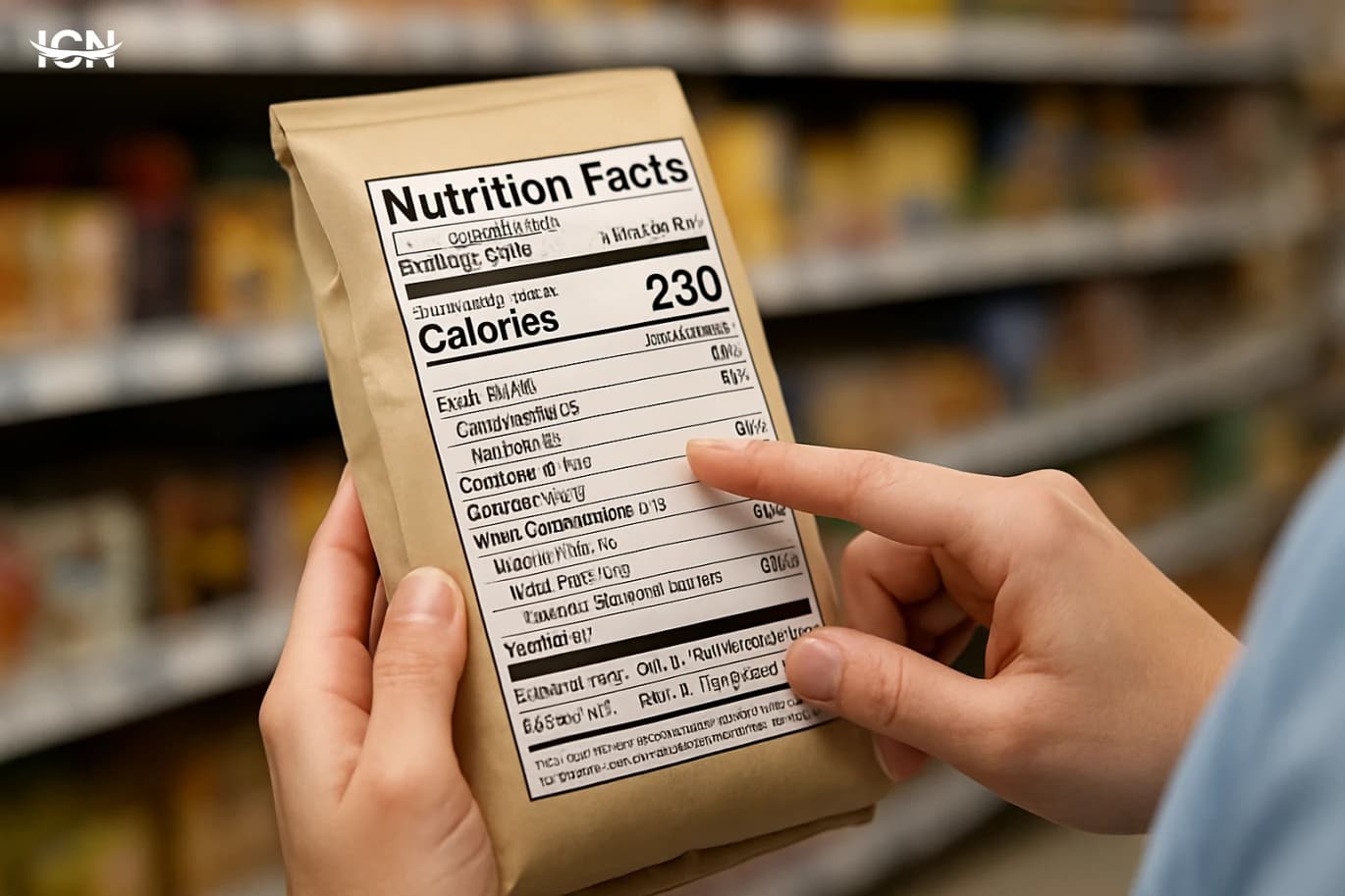
A repeatable routine prevents decision fatigue. Start by checking serving size and servings per container, then decide whether you will eat one serving or more. Next, scan calories to understand the energy cost of your realistic portion. Then move to five lines that cover most outcomes: protein, fiber, saturated fat, added sugars, and sodium. If you are choosing between two similar products, use a simple tie-breaker system. Prefer higher protein and fiber when calories are similar. Prefer lower saturated fat and added sugars when taste and price are comparable. For sodium, compare within the same category; a “lower sodium” soup may still be high, but it can be a better choice than the alternative. Finally, glance at the ingredients list to confirm the story. Are the first ingredients aligned with the product’s claim? Are there multiple sweeteners or sodium additives? This last check takes seconds and often explains why two products with similar calories feel very different in daily use. With practice, label reading becomes less about perfection and more about consistency. The payoff is concrete: fewer accidental sugar and sodium spikes, better alignment with your goals, and more confidence that your “healthy” choices are supported by the numbers on the package.