App Logo

Download Our App

Shop your way

logologo
Image

Reading Food Labels Without Guesswork
03/14/2026By: ICN Writer
Reading Food Labels Without Guesswork

Why labels mislead busy shoppers

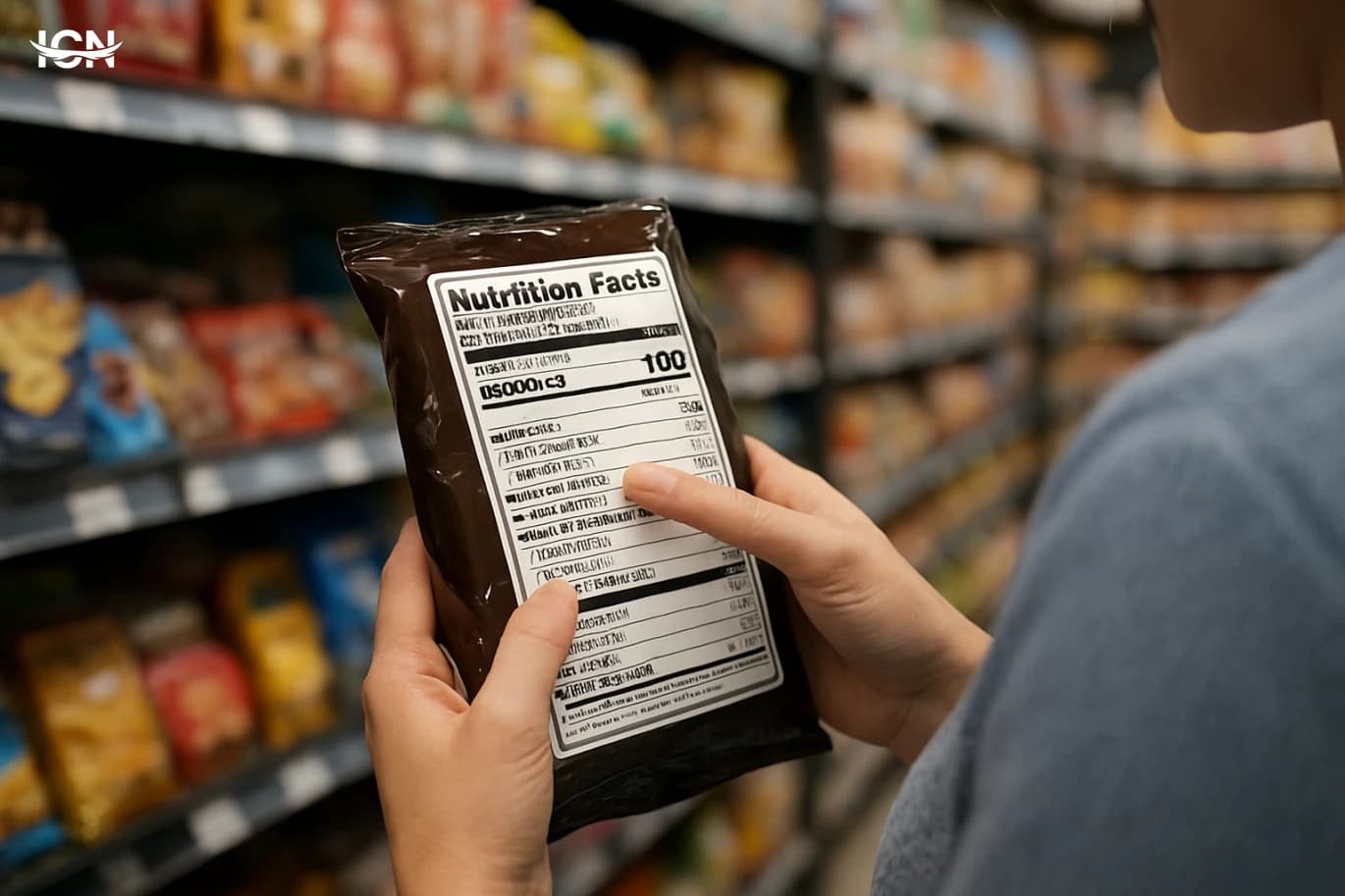
Food labels are designed to be quick, but they often create the opposite effect. The front of the pack highlights what sells: “high protein,” “whole grain,” “no added sugar,” or “light.” Those phrases can be true and still hide a product that is high in calories, sodium, or saturated fat. The most common trap is assuming a single claim describes the whole product. A cereal can be “whole grain” and still contain a large amount of added sugar. A snack can be “baked” and still be energy-dense because of refined starches and oils. Another reason labels mislead is portion framing. Many packages look like one serving, but the Nutrition Facts panel may list two or three servings per pack. If you eat the whole package, you must multiply calories, sodium, and added sugars accordingly. This is especially common with bottled drinks, instant noodles, and snack bags. Finally, shoppers often compare products by calories alone, ignoring fiber, protein, and micronutrients that influence fullness and overall diet quality. Learning a simple, repeatable label-reading routine prevents these mistakes and makes comparisons fair.

Start with serving size and servings

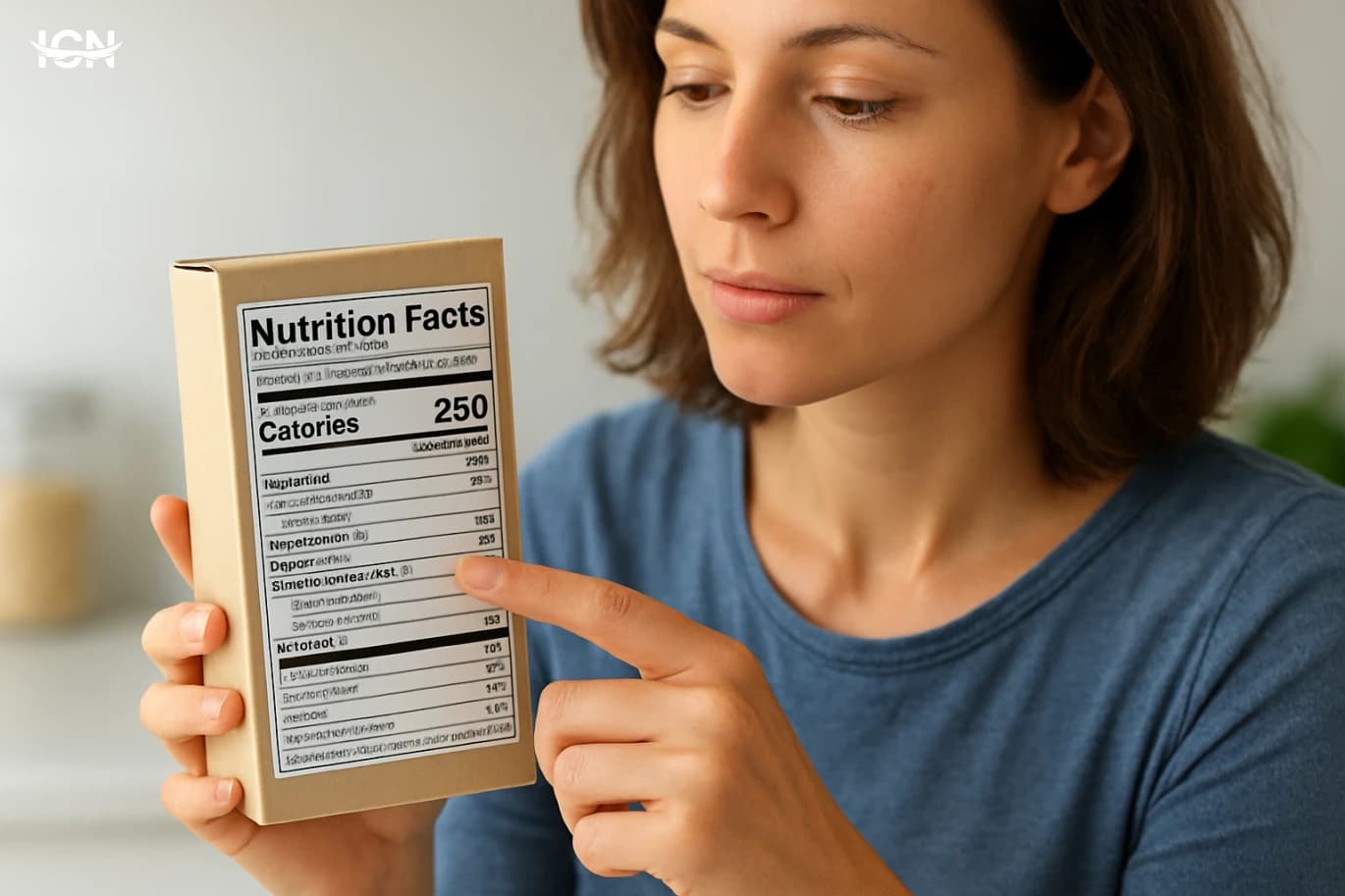
Before looking at any numbers, check two lines: serving size and servings per container. Serving size is not a recommendation; it is the unit used to calculate everything else. If a yogurt cup lists 150 g as one serving and the cup is 150 g, the math is simple. If a bottle lists 250 ml per serving and the bottle is 500 ml, drinking the bottle doubles every value. A practical habit is to decide how much you will actually eat, then scale the label. If you typically eat two slices of bread, compare labels using “per two slices,” not “per slice.” For snacks, check whether the bag is meant to be shared. For spreads and sauces, serving sizes can be very small (for example, 1 tablespoon), which makes sodium and sugar look lower than they are in real use. When comparing two products, always compare the same basis: per serving or per 100 g/100 ml. Many labels include a per-100 option, which is useful because it removes serving-size tricks. If only per serving is shown, you can still compare by calculating per 100 g using simple division. This step alone prevents most label misunderstandings.

Calories, macros, and what matters most

Calories tell you how much energy a serving provides, but they do not tell you how filling or balanced it is. Use calories as a context number, then look at the macronutrients: protein, carbohydrates, and fat. Protein supports satiety and helps maintain muscle; for many everyday foods, a higher-protein option can be more satisfying, especially for breakfast and snacks. Carbohydrates vary widely: some come with fiber and nutrients (whole grains, legumes), while others are mostly refined starch and added sugars. Fiber is one of the most useful label numbers because it is linked to fullness and digestive health. As a simple guide, foods with 3 g of fiber per serving are a meaningful source, and 5 g or more is considered high for many packaged items. For fat, focus on saturated fat and trans fat. Many labels now list trans fat as 0 g even when small amounts exist; the ingredient list can reveal partially hydrogenated oils, though these are increasingly restricted in many markets. Sodium deserves special attention because it accumulates quickly across a day. Bread, cheese, sauces, and ready meals can push intake high even if you do not add salt at the table. When comparing similar items, choosing the lower-sodium option is often an easy win without changing your overall eating pattern.

Added sugars and sweetener claims

Sugar on labels can be confusing because it may include naturally occurring sugars (like lactose in milk or fructose in fruit) and added sugars from syrups and concentrates. If your label lists “added sugars,” use that number to judge how much sweetening was introduced during processing. A product can be “no added sugar” and still taste very sweet if it relies on fruit juice concentrate or naturally high-sugar ingredients; the total sugar line helps you see that. Be cautious with claims such as “low sugar” or “reduced sugar.” “Reduced” usually means lower than the brand’s previous version, not necessarily low in absolute terms. Also, sugar alcohols and high-intensity sweeteners can lower added sugar but may not fit everyone’s preferences. The label can guide you: check total carbohydrates, total sugars, and ingredients to understand what is providing sweetness. For everyday decision-making, compare similar products and choose the one with less added sugar per serving, while also checking fiber and protein. For example, flavored yogurt with lower added sugar but also low protein may not be the best swap. The goal is not to eliminate sweetness entirely, but to avoid products where added sugar is a major ingredient and where a single serving delivers a large share of your daily intake.

Ingredient lists and hidden sodium

The ingredient list is the reality check. Ingredients are listed by weight, from most to least. If sugar (or multiple forms of sugar) appears near the top, the product is likely sweetened heavily. The same applies to refined flours and oils. For whole-grain products, look for whole wheat, oats, brown rice, or other whole grains as the first ingredient, not just a “whole grain” stamp on the front. Sodium can hide under many names beyond “salt.” Watch for sodium bicarbonate, sodium benzoate, monosodium glutamate (MSG), sodium nitrite, and baking powder. These ingredients serve different functions—preservation, flavor enhancement, leavening—but they all add sodium. Processed meats and some cheeses can be particularly high, but sodium is also common in breads, soups, and sauces. A useful comparison technique is to scan the first five ingredients and then cross-check sodium per serving. If two products have similar calories, the one with a shorter, more recognizable ingredient list and lower sodium is often the better everyday choice. This is not a rule for every situation, but it is a reliable shortcut when time is limited.

A 60-second label checklist

You can read most labels in under a minute with a consistent order. First, confirm serving size and servings per container, and decide how much you will eat. Second, check calories to understand energy density, especially for snacks and drinks. Third, scan fiber and protein; higher numbers here often signal better satiety. Fourth, look at saturated fat and sodium, aiming lower when comparing similar products. Fifth, check added sugars if listed; if not, use total sugars plus the ingredient list to judge sweetness sources. Finally, read the ingredient list quickly: are whole foods near the top, or is the product built mostly from refined starches, sugars, and multiple additives? This step helps you avoid being guided only by marketing claims. With practice, you will recognize patterns—certain sauces that are consistently high in sodium, or “healthy” bars that are essentially candy with protein. This checklist does not require perfection. It is a practical tool for routine shopping, helping you choose better options within your budget and preferences. Over time, small label-based swaps—lower-sodium bread, yogurt with less added sugar, cereal with more fiber—can meaningfully improve overall diet quality without complicated rules.

* All articles published on this blog are sourced from various websites and are provided for informational purposes only. They should not be considered as confirmed studies or accurate information. Please verify the information independently before relying on it.

Similar ARTICLES

Smart Label Reading for Everyday Grocery Choices
Nutrition labels are designed to provide standardized facts, while front-of-pack claims are designed to sell. A cereal box can say “whole grain” or “natural,” yet still be high in added sugars or low in fiber. The label is the only place where numbers and ingredients are presented in a consistent format, which makes it your best tool for comparing products within the same aisle. Start by separating regulated information from promotional language. The Nutrition Facts panel and the ingredient list are the core. Everything else—“light,” “fit,” “immune support,” “no guilt,” or “made with real fruit”—may be vague, loosely defined, or irrelevant to your goals. When you treat the label as a short report rather than a slogan, you can make choices that match your needs: steady energy, better digestion, lower sodium, or simply fewer ultra-processed items.
Red Plums for Heart and Digestion
Red plums are often grouped with “heart-healthy fruits,” but their value is practical and easy to use in daily meals. A medium plum is naturally low in calories and contains water, fiber, and a mix of plant compounds that support everyday wellness. What makes red plums especially interesting is the combination of soluble and insoluble fiber with polyphenols, including anthocyanins that give the skin its deep red color. This mix is linked in nutrition research to better antioxidant capacity in the diet and more stable digestion patterns. From a heart and digestion perspective, red plums fit well because they deliver nutrients without adding much saturated fat or sodium. They also provide potassium, a mineral associated with healthy blood pressure when consumed as part of a balanced diet. Unlike many processed snacks, a plum offers sweetness with a lower overall sugar load per serving and a higher nutrient density. For people trying to improve food quality without complicated rules, red plums are a simple swap: a fruit that can replace sugary desserts, add texture to salads, or balance savory dishes. Seasonality matters. Fresh red plums are typically at their best in warmer months, but they are also available in many markets for extended periods. Choosing firm fruit with a slight give and intact skin helps maintain flavor and nutrient quality. Washing well and eating the skin is important because many of the beneficial compounds are concentrated there.
Understanding the Tayyibat System
The Tayyibat System is a practical way of thinking about food quality that focuses on what is wholesome, clean, and beneficial for daily life. In nutrition terms, it aligns with choosing foods that are minimally processed, clearly sourced, and prepared in ways that preserve nutrients and reduce unnecessary additives. Many people use the term to describe a personal or household framework: selecting ingredients that are safe, fresh, and appropriate for the body, while also being mindful of how food is produced and handled. In a modern kitchen, this approach translates into a set of repeatable decisions rather than a strict list of allowed and forbidden items. It emphasizes reading labels, understanding ingredient lists, and prioritizing foods with recognizable components. It also encourages balance: building meals around vegetables, fruits, whole grains, legumes, nuts, and quality proteins, while limiting ultra-processed snacks, sugary drinks, and products with long additive chains. The goal is not perfection; it is consistency in choosing foods that support energy, digestion, and long-term health.
Instant Ways to Minimize Belly Bulge
The fastest way to look slimmer is choosing clothing that follows your shape without squeezing it. Many belly-bulge issues come from waistbands that are too tight, creating a visible line under tops and dresses. Aim for mid-rise or high-rise bottoms with a wide waistband (at least 4–6 cm) because they distribute pressure more evenly and smooth the midsection. If you often sit during the day, test the fit while seated; a waistband that feels fine standing can dig in when you sit. Fabric matters as much as size. Look for medium-weight knits, ponte, structured jersey, or woven blends with a small amount of stretch. Very thin, clingy fabrics highlight every contour, while overly stiff fabrics can add bulk. For dresses, styles with gentle shaping—like a slightly defined waist or subtle draping—tend to skim rather than cling. A simple rule: if you can comfortably slide two fingers under the waistband and breathe normally, you are likely in the right size.
Reading Food Labels Without Guesswork
Food labels are one of the few standardized sources of nutrition information available at the point of purchase, yet many shoppers use them only to glance at calories. In practice, labels help you compare similar products quickly, spot hidden sources of sugar or sodium, and understand what a “serving” really means for your routine. They also provide context when marketing claims like “natural,” “light,” or “high protein” appear on the front of the package. A useful way to approach labels is to treat them as a decision tool rather than a scorecard. You do not need to chase perfection; you need to reduce uncertainty. For example, two yogurts may look similar, but the label can reveal a large difference in added sugars, protein, and portion size. Over time, small label-based decisions can meaningfully change overall intake of fiber, saturated fat, and sodium without requiring strict dieting or complicated tracking apps.
Why Stress Makes Sugar So Tempting
Many people report a clear shift in appetite when they feel sad, overwhelmed, or under pressure: they start looking for sweet foods more than usual. This is not simply a matter of weak willpower. It is a predictable mix of brain chemistry, stress hormones, daily habits, and the food environment. When emotions run high, the body often seeks quick energy and quick comfort, and sugar-rich foods are designed to deliver both fast. The timing is also telling. Cravings often appear in the late afternoon or evening, after a long day of decisions, work demands, or family responsibilities. At that point, fatigue reduces self-control, and the brain tends to favor immediate rewards. If sweet snacks are easy to access, the craving can feel urgent. Understanding why this happens helps people respond with practical strategies rather than guilt.
Reading Food Labels Without Guesswork
Food packaging is designed to sell, while the nutrition label is designed to inform. Front-of-pack claims like “natural,” “light,” “high protein,” or “no added sugar” can be true and still hide important details such as portion size, total calories, or sodium. A cereal can be “whole grain” yet deliver a large sugar load per serving; a drink can be “no added sugar” yet contain concentrated fruit juice that behaves like added sugar in the body. The label is the only place where the product must disclose standardized numbers, ingredients in descending order by weight, and legally defined nutrient amounts. For everyday decisions, labels help you compare similar products quickly and consistently. They also help you spot changes when brands reformulate recipes, shrink serving sizes, or adjust sweeteners and oils. If you track a health goal—more fiber, less sodium, steadier energy—labels provide measurable targets instead of vague impressions. The goal is not perfection; it is reducing guesswork so your choices match your priorities.
Foods and Oils That Fuel Inflammation
Inflammation is the body’s normal response to stress and injury, but diet can keep that response switched on longer than needed. In nutrition research, “pro-inflammatory” eating patterns are linked with higher markers such as C‑reactive protein and with higher risk of metabolic issues over time. This does not mean a single meal “causes” disease; it means frequent exposure to certain ingredients can push the body toward more oxidative stress, unstable blood sugar, and unfavorable blood fats. A practical way to think about it is frequency and dose. Foods that are highly refined, heavily fried, or packed with added sugars and certain fats tend to be the biggest contributors because they are easy to overeat and often replace more protective foods like vegetables, legumes, nuts, and fish. The goal is not perfection; it is identifying the items that most consistently raise risk when they become daily staples. Below are the main food and oil categories associated with higher inflammatory potential, why they matter, and how to reduce exposure without making your diet complicated.
Getting Enough Iron From Everyday Foods
Iron helps your body make hemoglobin, the protein in red blood cells that carries oxygen. When iron intake is low for a long time, people may feel tired, struggle with focus, or notice reduced exercise tolerance. Needs vary by age and life stage, so the best target is the one that fits your situation. General daily recommendations used in many nutrition references are about 8 mg for adult men, 18 mg for adult women of childbearing age, and 27 mg during pregnancy. After menopause, many women’s needs drop closer to 8 mg. Teens often need more than younger children because of growth. If you have a medical condition that affects absorption, donate blood frequently, or follow a very restricted diet, your needs and strategy may differ. Food-first planning is usually the most practical approach: build meals that include reliable iron sources and pair them with foods that help absorption. Supplements can be useful in specific cases, but they are not automatically the best choice for everyone and should be guided by a clinician if deficiency is suspected.
Reading Food Labels Without Guesswork
Food labels are designed to be standardized, yet they still leave room for misunderstanding. The biggest trap is assuming the front of the package tells the full story. Claims like “natural,” “light,” or “made with whole grains” can be true while still masking high sugar, sodium, or saturated fat. Another common issue is comparing two products without checking whether the serving sizes match. A cereal that looks lower in calories may simply list a smaller serving. A second source of confusion is the difference between marketing terms and regulated nutrition facts. The Nutrition Facts panel follows rules, but the rest of the package often uses persuasive language and selective highlights. Even “no added sugar” does not mean “low sugar” if the product relies on fruit concentrates or naturally sweet ingredients. Smart shopping starts by treating the front label as an advertisement and the Nutrition Facts panel as the evidence. This article focuses on practical label-reading steps that reduce guesswork: how to interpret serving size, calories, macronutrients, and key micronutrients, and how to spot hidden sodium and sugar. The goal is not to memorize numbers, but to build a repeatable method you can use in a supermarket aisle in under a minute.
Reading Food Labels Without Guesswork
Food labels are one of the few nutrition tools available at the exact moment you choose what to buy. They can help you compare similar products, spot hidden sources of sugar or sodium, and understand what a “serving” actually means in practice. The challenge is that labels are designed to be legally compliant, not necessarily easy to interpret. A cereal box can look “healthy” on the front while the nutrition panel tells a different story. This topic focuses on practical label reading for real shopping situations: picking yogurt, bread, sauces, snacks, and ready meals. The goal is not to memorize rules, but to build a quick routine that works in under a minute per product. You will learn which numbers matter most, how to avoid being misled by portion sizes, and how to use the ingredient list as a reality check. By the end, you should be able to make consistent choices aligned with your needs, whether you want more protein, less added sugar, or better fiber intake.
Fiber Facts for Everyday Eating
Fiber is one of the most practical nutrition topics because it affects digestion, blood sugar patterns, cholesterol levels, and how full you feel after meals. Yet many people still treat it as a “nice to have” rather than a daily target. Nutrition labels list fiber in grams, but the number only becomes useful when you know what it does and how to reach it consistently. Dietary fiber is the part of plant foods that your body does not fully break down. Instead of being absorbed like sugar or fat, it moves through the digestive system and supports regular bowel movements. Some fibers also feed beneficial gut bacteria, which can influence digestive comfort and nutrient processing. Because fiber slows how quickly food leaves the stomach, meals with enough fiber often feel more satisfying, which can help with portion control without strict dieting. Most adults benefit from aiming for roughly 25–38 grams of fiber per day, depending on age, sex, and energy needs. Many people fall well below that range, especially when meals rely heavily on refined grains, sweet snacks, and low-produce convenience foods. The good news is that improving fiber intake does not require specialty products; it mainly requires smarter choices in grains, legumes, vegetables, fruits, nuts, and seeds.
Quitting Coffee Before Ramadan
Many people feel the impact of caffeine most sharply in the first days of Ramadan, when the usual morning coffee is suddenly off the table. The most common issues are headache, irritability, low concentration, and a heavy feeling of fatigue during the late morning and afternoon. These symptoms are not a sign that your body “needs” coffee to function; they are typical withdrawal effects after regular intake. Tapering before Ramadan reduces the shock to your system. Caffeine affects the nervous system and can also influence sleep quality, hydration habits, and appetite timing. If you cut it abruptly, you may sleep poorly for a few nights, then feel more tired during fasting hours, which can push you to overconsume caffeine at iftar or late at night. A planned reduction helps you keep energy steadier and protects your sleep schedule, which is often already disrupted by suhoor and late-night prayers. A practical starting point is to estimate your current intake: how many cups per day, what size, and at what times. A single café latte can contain as much caffeine as two small home-brewed cups, and some black teas and energy drinks add more than people realize. Once you know your baseline, you can reduce in steps without guessing. The goal is not perfection; it is to enter Ramadan with fewer withdrawal symptoms and a more predictable routine.
By clicking the SUBSCRIBE button, you are agreeing to our Privacy & Cookie Policy If you want to unsubsribe the marketing email, please proceed to our privacy center.
© 2005-2026 ICN. All Rights Reserved.