Getting Enough Iron From Everyday Foods
- Why iron matters and how much you need
- Heme and non-heme iron in simple terms
- Build iron-rich meals with common foods
- Boost absorption with smart pairings
- Who should pay extra attention and when to seek advice
Why iron matters and how much you need
Iron helps your body make hemoglobin, the protein in red blood cells that carries oxygen. When iron intake is low for a long time, people may feel tired, struggle with focus, or notice reduced exercise tolerance. Needs vary by age and life stage, so the best target is the one that fits your situation. General daily recommendations used in many nutrition references are about 8 mg for adult men, 18 mg for adult women of childbearing age, and 27 mg during pregnancy. After menopause, many women’s needs drop closer to 8 mg. Teens often need more than younger children because of growth. If you have a medical condition that affects absorption, donate blood frequently, or follow a very restricted diet, your needs and strategy may differ. Food-first planning is usually the most practical approach: build meals that include reliable iron sources and pair them with foods that help absorption. Supplements can be useful in specific cases, but they are not automatically the best choice for everyone and should be guided by a clinician if deficiency is suspected.
Heme and non-heme iron in simple terms
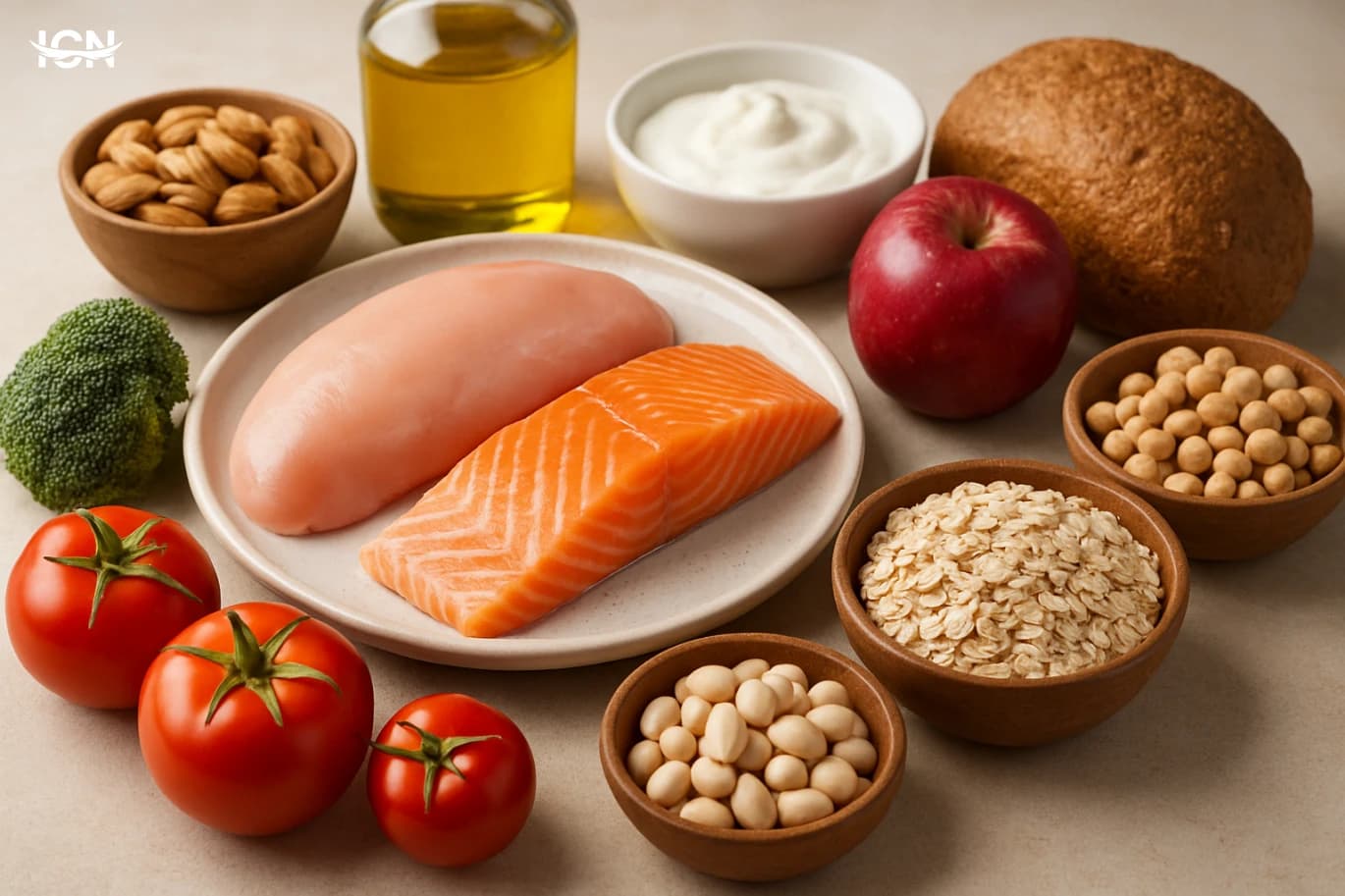
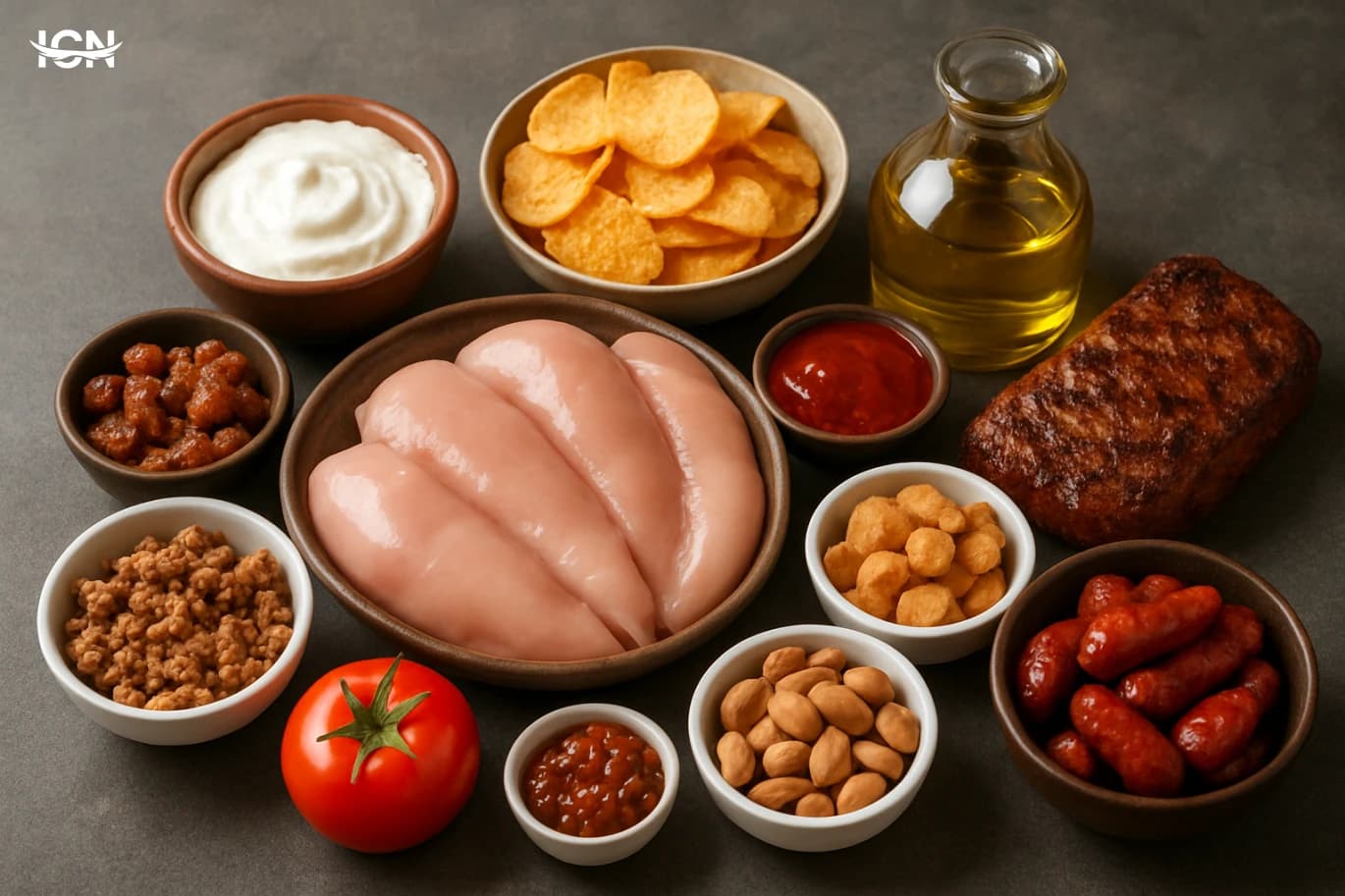
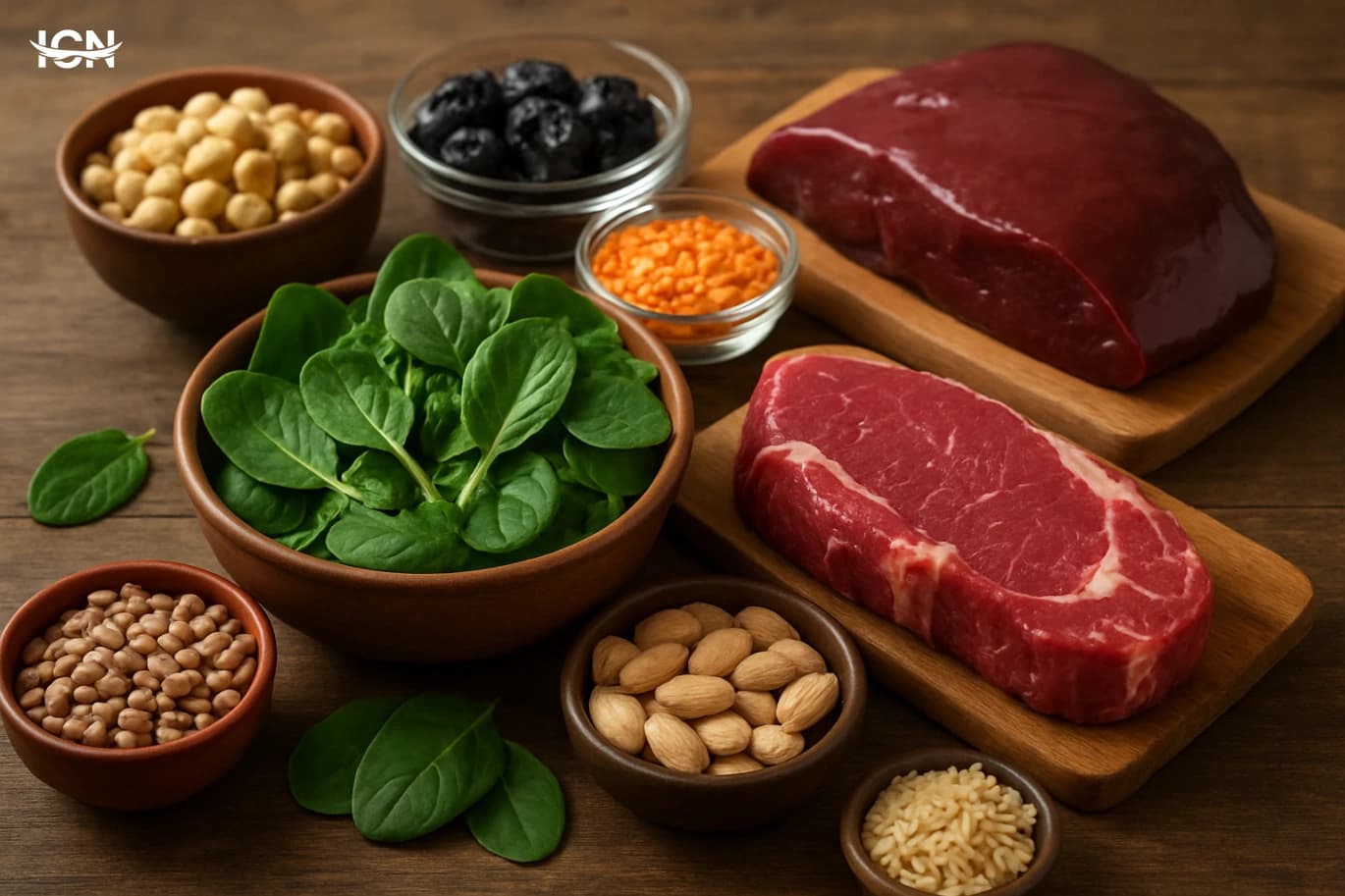
Dietary iron comes in two forms. Heme iron is found in animal foods and is generally absorbed more efficiently. Non-heme iron is found in plant foods and fortified products, and its absorption depends more on what else is in the meal. Practical heme sources include lean red meat, liver (in small, occasional portions), poultry, and seafood such as sardines, clams, and tuna. You do not need large portions to benefit; even moderate servings a few times per week can make a difference for many people. Non-heme sources include lentils, chickpeas, beans, tofu, tempeh, spinach, molokhia, pumpkin seeds, sesame (tahini), and iron-fortified cereals or breads. Because non-heme iron is more sensitive to inhibitors and enhancers, meal composition matters. A plant-forward diet can still meet iron needs, but it usually requires more deliberate pairing and consistent intake across the week. If you eat mixed diets, a useful strategy is to include at least one clear iron source in each main meal, then add an absorption helper such as vitamin C-rich produce. This approach is easier to maintain than trying to “catch up” with a single high-iron meal.
Build iron-rich meals with common foods
You can increase iron intake without complicated recipes by choosing a few “anchor” foods and repeating them in different meals. For breakfast, consider iron-fortified cereal or oatmeal topped with pumpkin seeds and a side of strawberries or orange slices. If you prefer savory options, eggs with sautéed spinach and a piece of whole-grain toast can contribute, especially when paired with tomatoes or bell peppers. For lunch, a lentil soup with a lemony salad is a straightforward combination. Another option is a chickpea and tahini bowl with chopped parsley, tomatoes, and a squeeze of lemon. If you eat animal foods, a tuna salad with citrus dressing, or a small portion of beef or chicken with a side of beans, can raise total iron while keeping portions moderate. For dinner, try beans with rice plus a fresh salad, or tofu stir-fry with broccoli and red peppers. Seafood options like sardines or clams can be high in iron; serve them with a tomato-based sauce or a side of citrusy slaw. Snacks can help too: a small handful of roasted chickpeas, sesame-based spreads, or a smoothie that includes berries and leafy greens. Consistency matters more than perfection. If you aim to include one iron source at each main meal, your weekly intake becomes steadier. People who rely mostly on plant sources often do better with daily legumes, seeds, and fortified foods rather than occasional large servings.
Boost absorption with smart pairings
Vitamin C is one of the most practical tools for improving non-heme iron absorption. Adding citrus, guava, kiwi, strawberries, tomatoes, or bell peppers to the same meal can increase how much iron your body uses. For example, lentils with lemon, beans with tomato salsa, or fortified cereal with berries are simple pairings. Some foods and drinks can reduce absorption when taken at the same time as iron-rich meals. Tea and coffee contain compounds that bind iron; it can help to drink them between meals rather than with lunch or dinner. Large amounts of calcium at the same meal may also compete with iron, so if you rely on dairy, consider separating a high-calcium snack from your most iron-focused meal. Cooking choices can also matter. Using a cast-iron pan can add small amounts of iron to food, especially with acidic dishes like tomato sauce. Soaking, sprouting, or fermenting legumes and grains can reduce phytates, which are natural compounds that can limit absorption. You do not need to do all of these steps, but using one or two methods consistently can improve results for people who depend heavily on plant foods. A practical rule is: pair iron with vitamin C, and keep tea/coffee away from the meal. This simple habit often makes a noticeable difference over time.
Who should pay extra attention and when to seek advice
Some groups are more likely to fall short on iron and may benefit from more structured meal planning. This includes people with heavy menstrual bleeding, pregnant individuals, frequent blood donors, endurance athletes, teens in rapid growth phases, and those following vegan or very low-meat diets. People with digestive conditions that affect absorption may also need tailored guidance. If you notice ongoing fatigue, shortness of breath with routine activity, frequent headaches, or unusual cravings such as chewing ice, it is reasonable to discuss iron status with a healthcare professional. A blood test can clarify whether the issue is low iron stores, anemia, or something else. Self-prescribing high-dose iron is not ideal because excess iron can cause side effects and may be unsafe for some people. If a clinician recommends supplements, food choices still matter. Many people do best with a combined plan: iron-rich meals, absorption-friendly pairings, and a supplement schedule that avoids tea/coffee and separates iron from high-calcium doses when needed. Tracking intake for a week can also reveal gaps and make changes easier. For most readers, the takeaway is practical: build a routine that includes legumes or animal sources regularly, add vitamin C at meals, and adjust beverage timing. These steps are measurable, affordable, and compatible with many cuisines.