Reading Food Labels Without Guesswork
- Why Labels Matter More Than Marketing
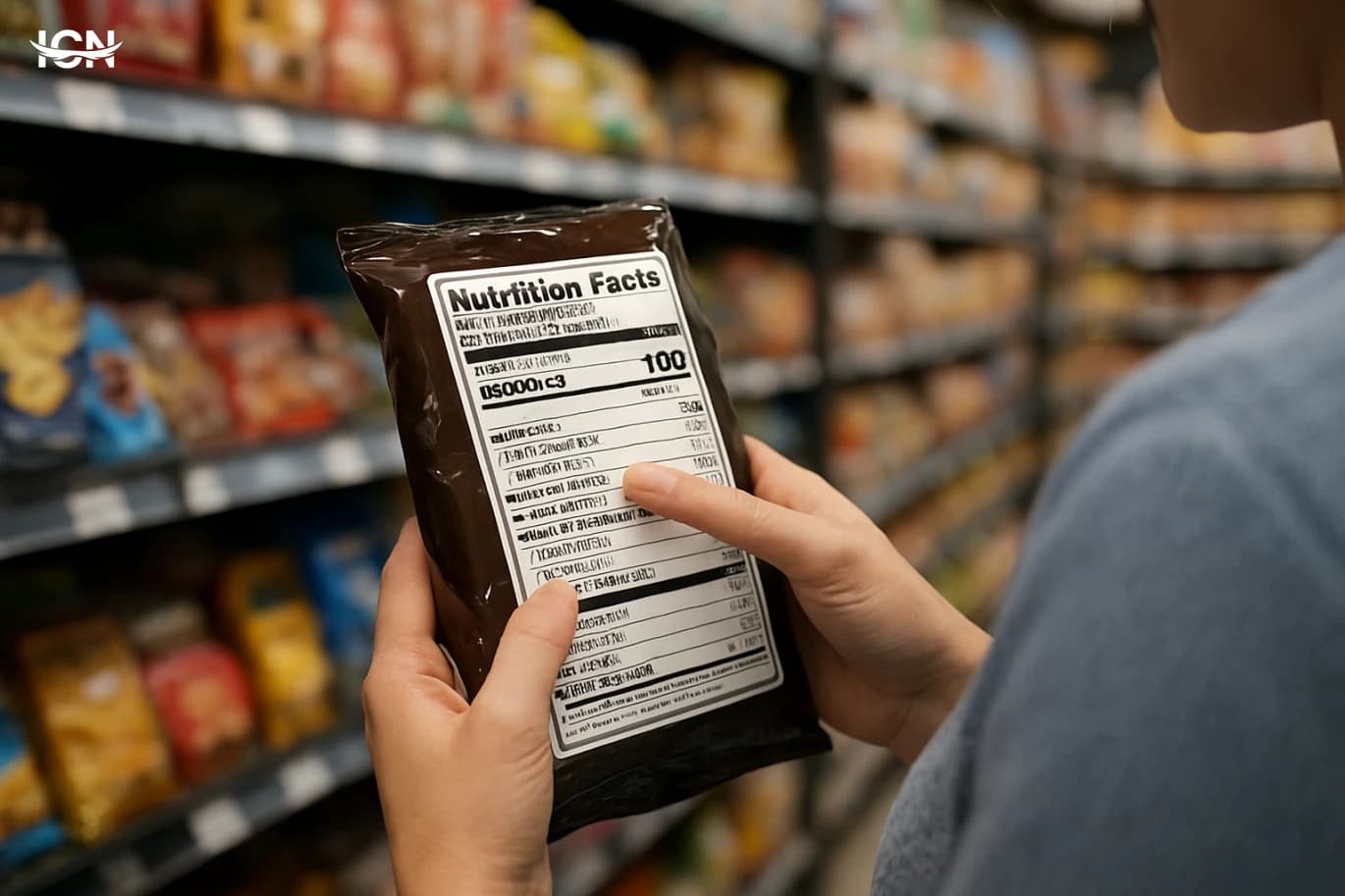
- Start With Serving Size and Servings Per Pack
- Calories and Macronutrients That Actually Guide Choices
- Sodium, Potassium, and the Hidden Salt Problem
- Ingredient Lists and the Many Names of Sugar
- A 60-Second Label Checklist for Shopping
Why Labels Matter More Than Marketing
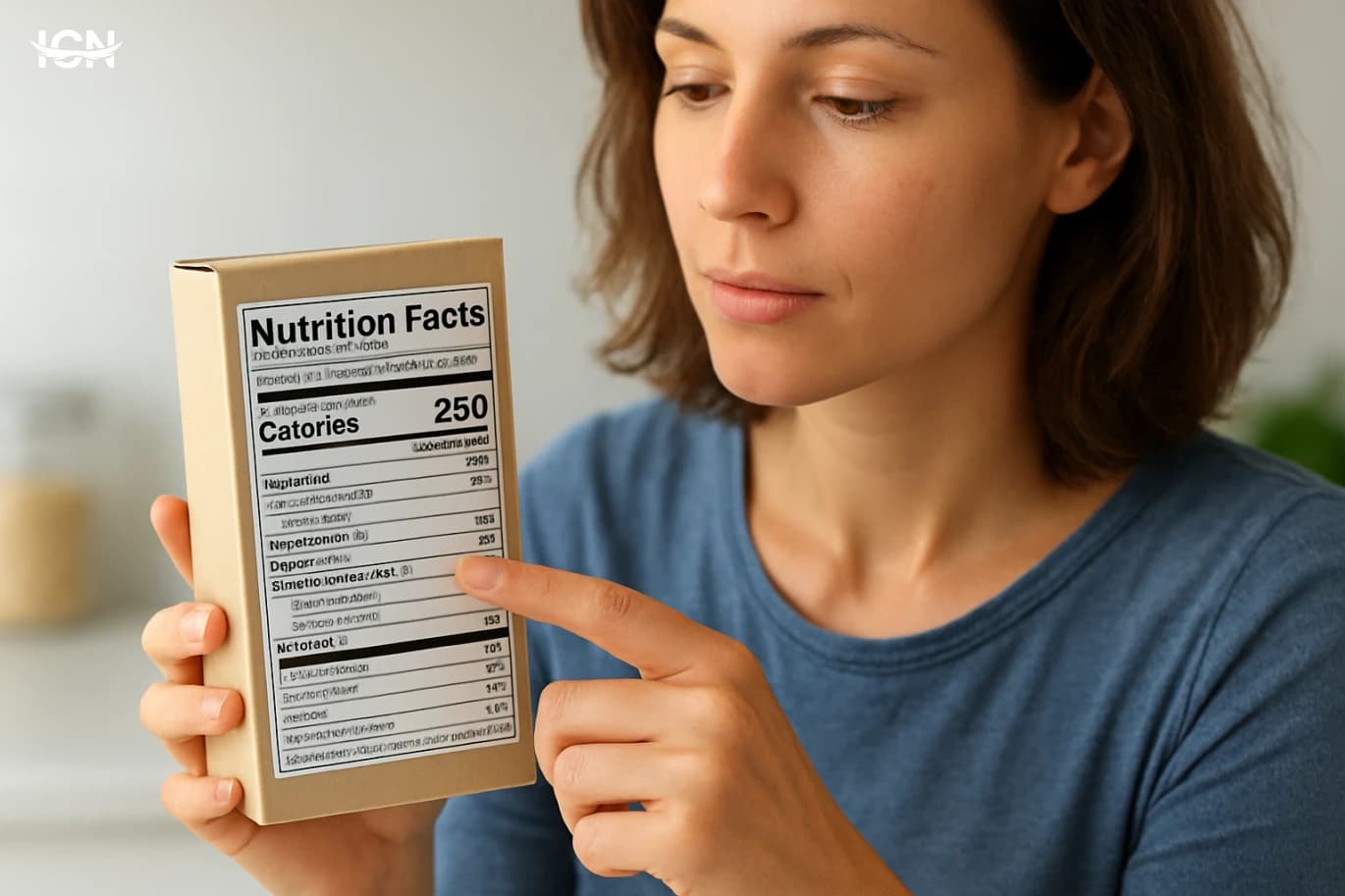
Food packaging is designed to sell, while the nutrition label is designed to inform. Front-of-pack claims like “natural,” “light,” “high protein,” or “no added sugar” can be true and still hide important details such as portion size, total calories, or sodium. A cereal can be “whole grain” yet deliver a large sugar load per serving; a drink can be “no added sugar” yet contain concentrated fruit juice that behaves like added sugar in the body. The label is the only place where the product must disclose standardized numbers, ingredients in descending order by weight, and legally defined nutrient amounts. For everyday decisions, labels help you compare similar products quickly and consistently. They also help you spot changes when brands reformulate recipes, shrink serving sizes, or adjust sweeteners and oils. If you track a health goal—more fiber, less sodium, steadier energy—labels provide measurable targets instead of vague impressions. The goal is not perfection; it is reducing guesswork so your choices match your priorities.
Start With Serving Size and Servings Per Pack
Serving size is the anchor for every number on the label. If the serving size is 30 grams but you typically eat 60 grams, you are effectively consuming double the calories, sugar, sodium, and saturated fat listed. Many snack bags and bottled drinks look like single portions but contain two or more servings. A “per serving” calorie count can feel reassuring until you notice the “servings per container” line. A practical approach is to decide how much you will realistically eat, then scale the numbers. If you plan to eat half the package, divide; if you will finish it, multiply. This is especially important for foods with concentrated nutrients—nuts, granola, cheese, chips, and sweetened beverages—where small serving sizes can understate the real intake. When comparing two products, make sure you compare the same basis: either per serving with equal serving sizes, or per 100 grams/ml if that is provided. Consistent comparison prevents you from choosing a product that looks “lower calorie” only because its serving size is smaller.
Calories and Macronutrients That Actually Guide Choices
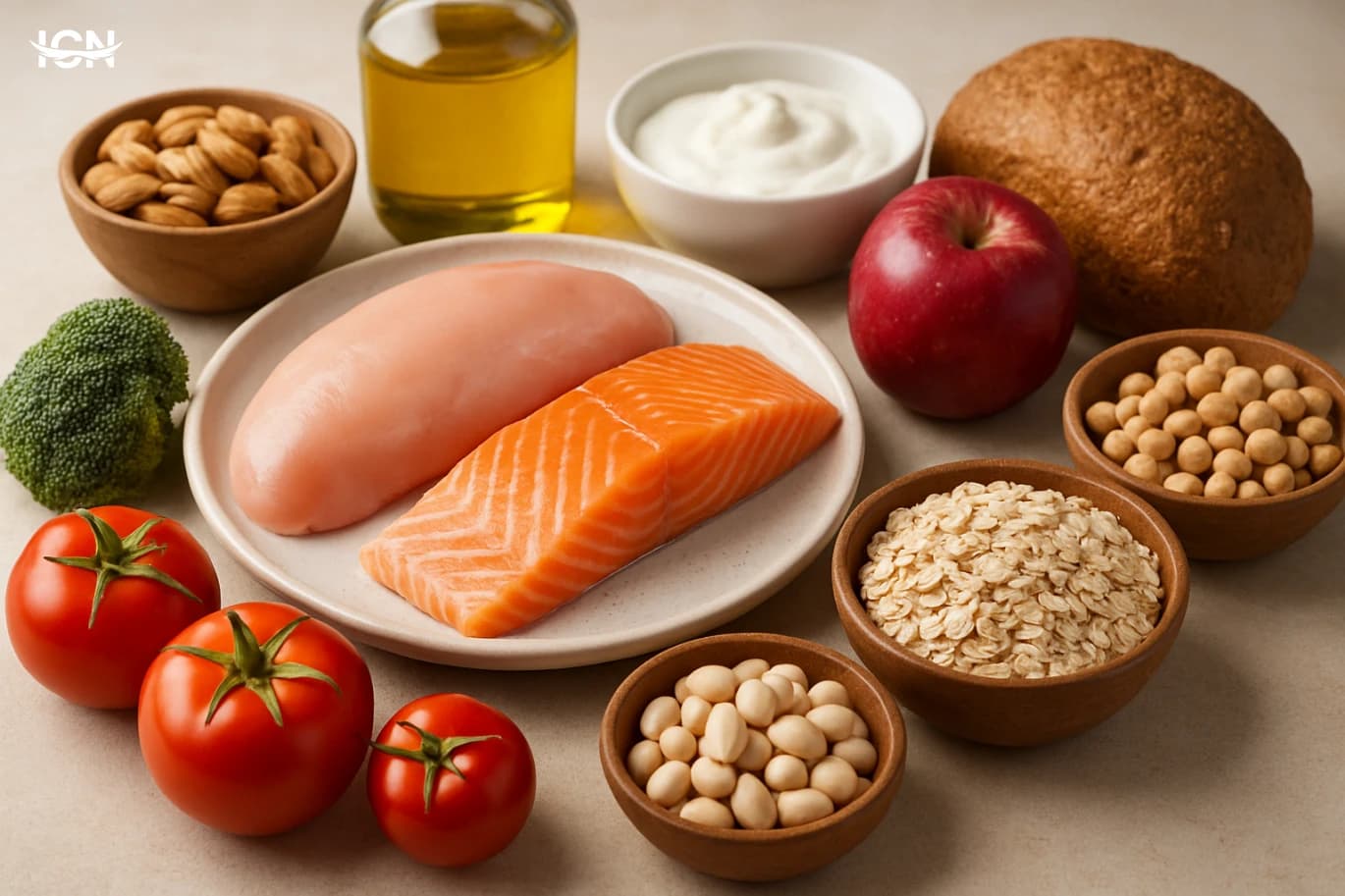
Calories matter, but they are not the only decision point. Use calories to understand energy density, then look at macronutrients to judge quality and satiety. Protein supports fullness and muscle maintenance; fiber slows digestion and helps regulate appetite; added sugars can raise calorie intake quickly without lasting satisfaction. Total fat is less informative than the type of fat: saturated fat is the number most labels highlight because high intake is associated with higher cardiovascular risk. For many people, a useful comparison is saturated fat per serving and per 100 grams. Carbohydrates include starches, sugars, and fiber. If the label separates “total sugars” and “added sugars,” focus on added sugars for packaged foods. A yogurt with 12 grams of total sugar may be mostly lactose from milk, while another yogurt with the same total sugar may include 8–10 grams of added sugar. For protein foods, check whether the protein comes with high saturated fat or sodium. For example, some processed meats are high protein but also high sodium; some protein bars deliver protein but also significant added sugars and sugar alcohols that can cause digestive discomfort for some people. A simple label-based rule for many packaged foods is to prioritize higher fiber and protein with lower added sugar and saturated fat, while keeping calories aligned with your portion. This is not a universal formula, but it is a reliable starting point for comparing cereals, breads, snacks, and ready meals.
Sodium, Potassium, and the Hidden Salt Problem
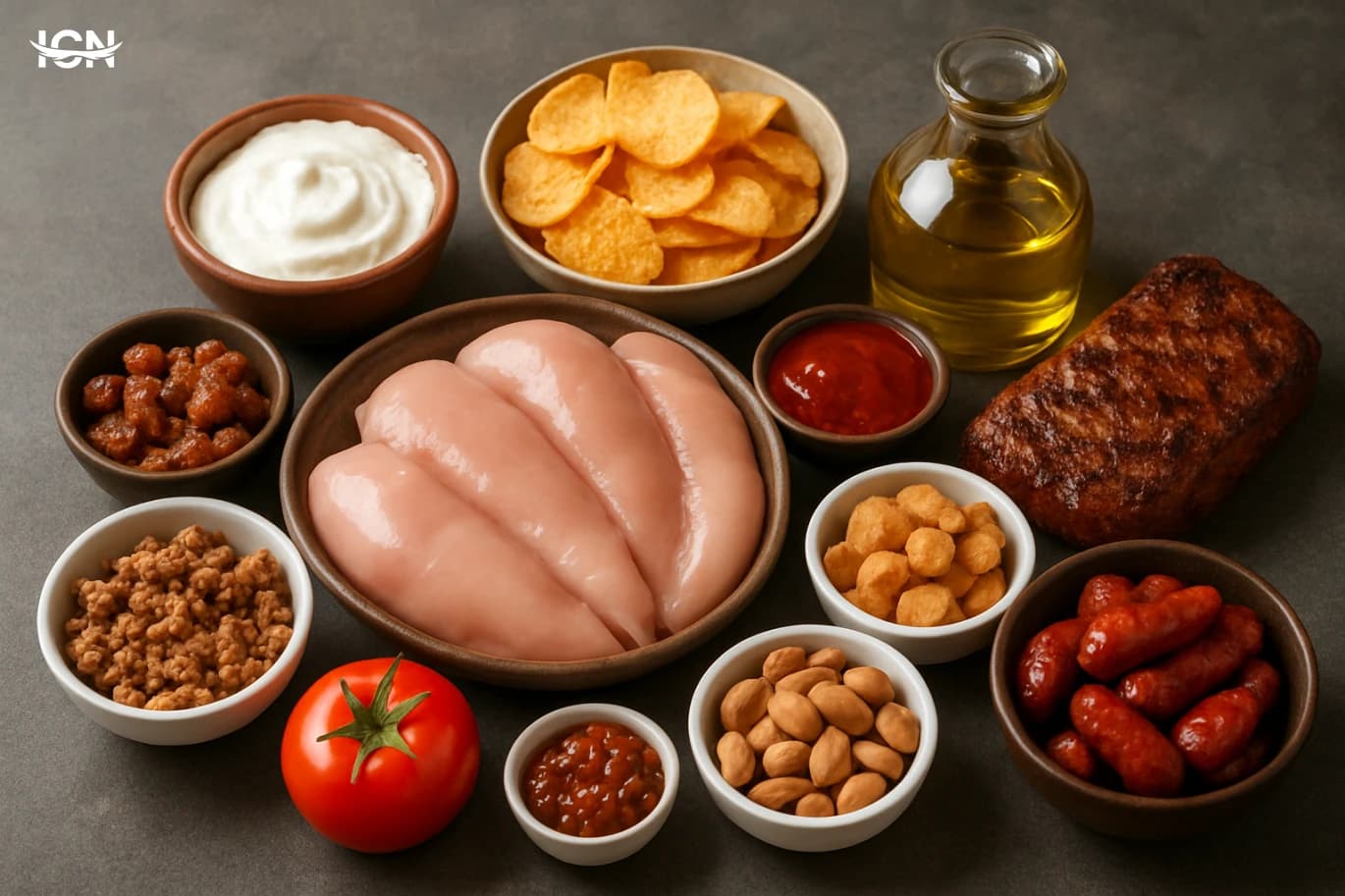
Sodium is one of the most underestimated label numbers because salt is not always obvious in taste. Bread, cheese, sauces, canned soups, instant noodles, deli meats, and even some breakfast items can contribute large amounts. High sodium intake is linked to higher blood pressure in many people, which is why health authorities commonly recommend limiting it. Labels may show sodium in milligrams; comparing products side by side can reveal big differences within the same category. A useful tactic is to check sodium per serving and then consider how many servings you will eat. A soup with 700 mg sodium per serving may look manageable until you realize the can contains two servings. Also watch for “reduced sodium” claims: it only means lower than the brand’s regular version, not necessarily low overall. If potassium is listed, it can provide context because potassium-rich diets are generally associated with better blood pressure outcomes, but potassium does not cancel out high sodium in a processed food. Ingredient lists can signal sodium sources: sodium chloride (salt), sodium bicarbonate, monosodium glutamate (MSG), sodium nitrite, and sodium-based preservatives. You do not need to avoid every sodium-containing ingredient, but recognizing them helps you understand why a product’s sodium number is high.
Ingredient Lists and the Many Names of Sugar
Ingredients are listed from highest to lowest by weight, which makes the first three to five items especially informative. If sugar or a syrup appears early, the product is likely sweetened heavily. Sugar can appear under many names: cane sugar, glucose-fructose syrup, corn syrup, maltose, dextrose, honey, agave, fruit juice concentrate, and more. While these differ in flavor and processing, they all contribute to added sugar intake when used as sweeteners in packaged foods. Also pay attention to refined grains versus whole grains. Words like “wheat flour” often mean refined flour, while “whole wheat flour” or “whole grain oats” indicate whole grains. For people aiming for better blood sugar stability and digestive health, whole grains and higher fiber counts are typically more supportive than refined grains. Finally, ingredient lists reveal fats and oils. “Partially hydrogenated oils” are a red flag because they indicate industrial trans fats in some markets, though many countries have restricted them. Even when trans fats are not listed as a number, the ingredient list can tell you if they are present. Seeing the ingredient list as a transparency tool—rather than a chemistry test—helps you make faster, more confident choices.
A 60-Second Label Checklist for Shopping
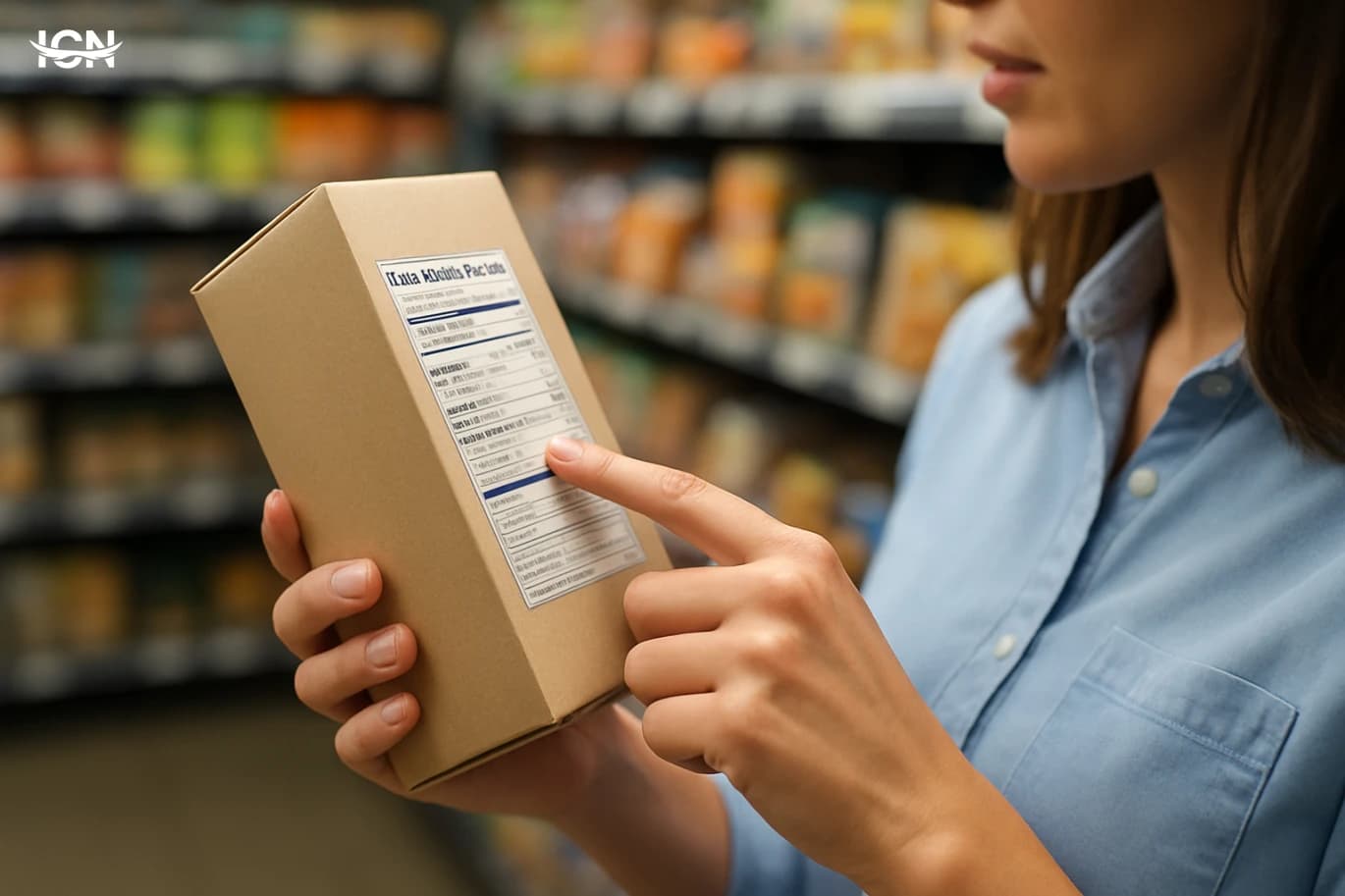
When you are in a store, you rarely have time to analyze every line. A short checklist can make label reading practical. First, confirm the serving size and servings per pack, then decide what you will actually eat. Second, scan calories to understand energy density. Third, check fiber and protein: higher numbers often indicate better satiety, especially for breakfast foods and snacks. Fourth, look at added sugars and saturated fat; aim for lower amounts when comparing similar products. Fifth, check sodium, particularly for soups, sauces, breads, cheeses, and ready meals. Then use the ingredient list as a final filter. If the first ingredients are refined flour and multiple sweeteners, the product is likely more of a dessert than an everyday staple. If whole grains, legumes, nuts, or dairy appear early, the product may be more nutrient-dense. This approach does not require memorizing perfect thresholds; it relies on consistent comparison within categories. To keep it realistic, choose one priority per shopping trip—such as reducing added sugar at breakfast or lowering sodium at lunch—and use labels to support that single goal. Over time, you will build a short list of reliable products and spend less time reading labels while still eating in line with your nutrition needs.