Reading Food Labels Without Guesswork

- Why labels matter in everyday choices
- Serving size and the math most people miss
- Calories, macros, and what they do not tell you
- Ingredients list and the hidden signals
- Front-of-pack claims and how to verify them
- A quick label checklist for real shopping
Why labels matter in everyday choices
Food labels are one of the few standardized sources of nutrition information available at the point of purchase, yet many shoppers use them only to glance at calories. In practice, labels help you compare similar products quickly, spot hidden sources of sugar or sodium, and understand what a “serving” really means for your routine. They also provide context when marketing claims like “natural,” “light,” or “high protein” appear on the front of the package. A useful way to approach labels is to treat them as a decision tool rather than a scorecard. You do not need to chase perfection; you need to reduce uncertainty. For example, two yogurts may look similar, but the label can reveal a large difference in added sugars, protein, and portion size. Over time, small label-based decisions can meaningfully change overall intake of fiber, saturated fat, and sodium without requiring strict dieting or complicated tracking apps.
Serving size and the math most people miss
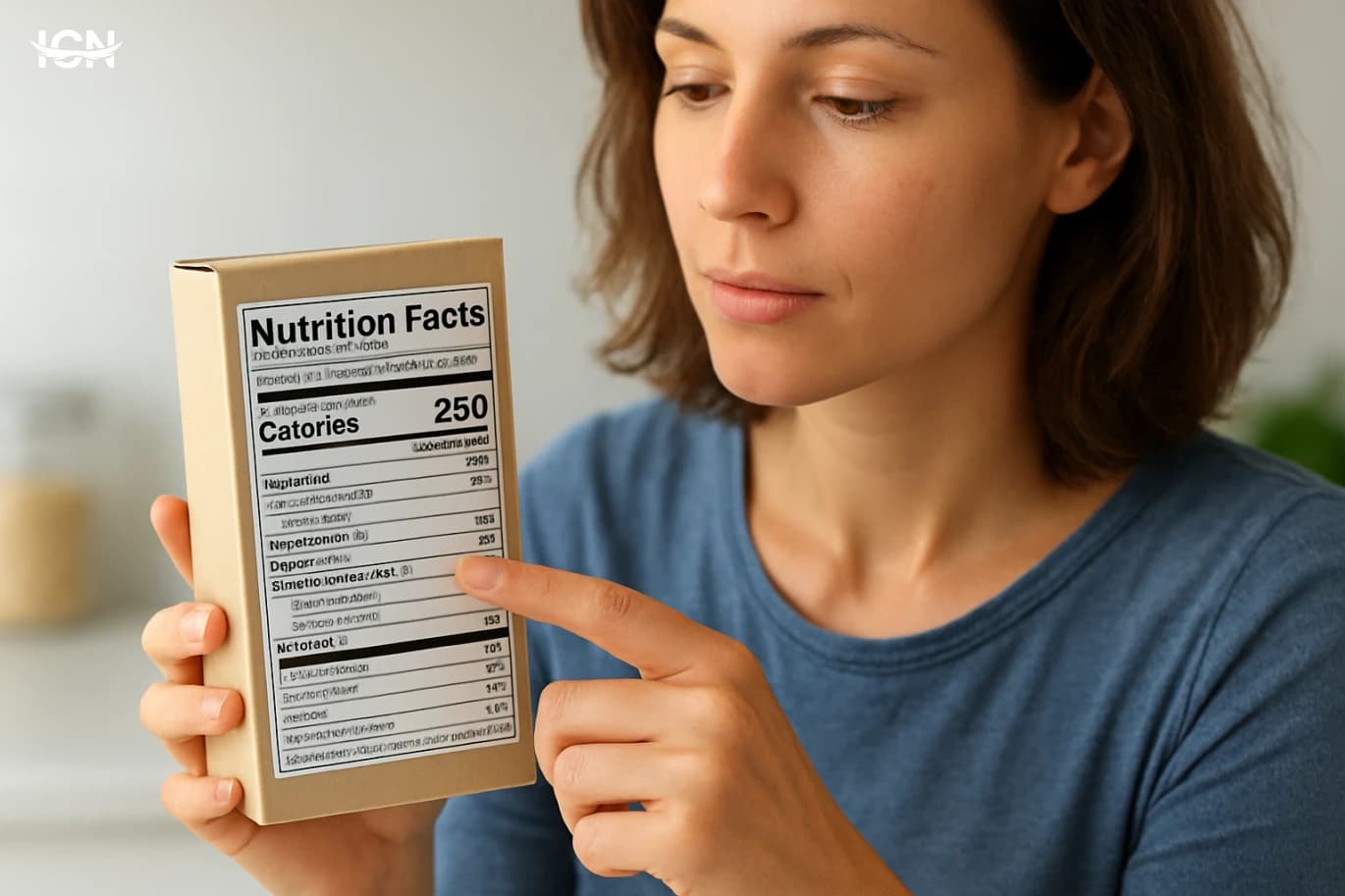
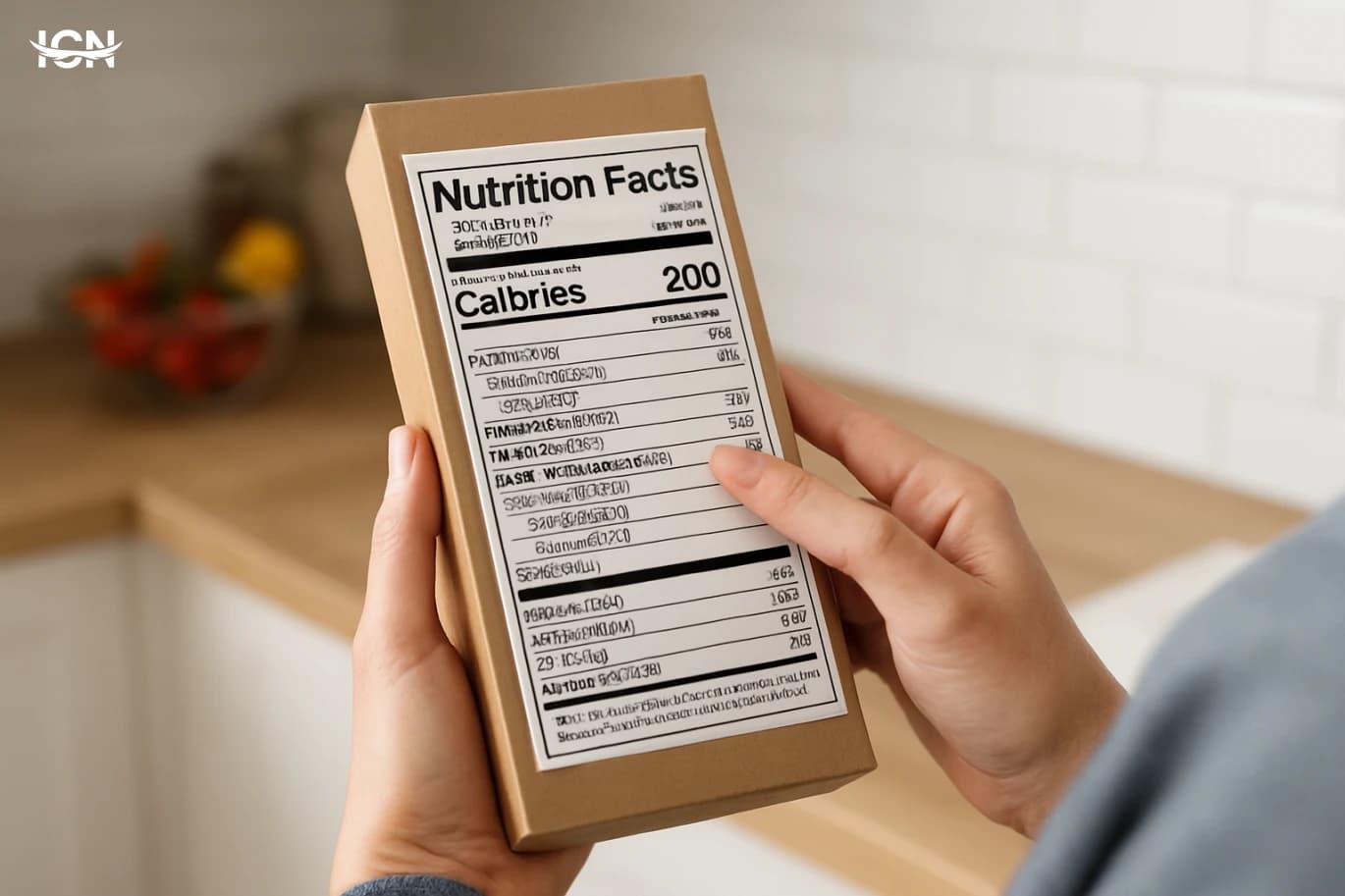
The serving size is the anchor for every number on the Nutrition Facts panel. If the serving size is 30 grams and you typically eat 60 grams, you are consuming double the listed calories, sodium, and added sugars. This sounds obvious, but it is the most common source of confusion, especially with snack foods, breakfast cereals, and beverages. Start by checking two things: the serving size and the number of servings per container. A bottle may look like a single portion but contain two servings. Some labels also list values “per 100 g” or “per 100 ml,” which can be helpful for comparing brands, but you still need to translate that into your real portion. A practical habit is to compare the serving size to a familiar measure: one slice, one cup, one bar, or one tablespoon. If you regularly eat more than the serving, mentally multiply key nutrients you are monitoring, such as sodium, added sugars, and saturated fat. For packaged meals, serving sizes can be misleading because people often eat the entire tray. If the package contains 1.5 servings, the difference between “per serving” and “per package” is significant. When labels provide both columns, use the “per package” column for a realistic view of what you will actually consume.
Calories, macros, and what they do not tell you
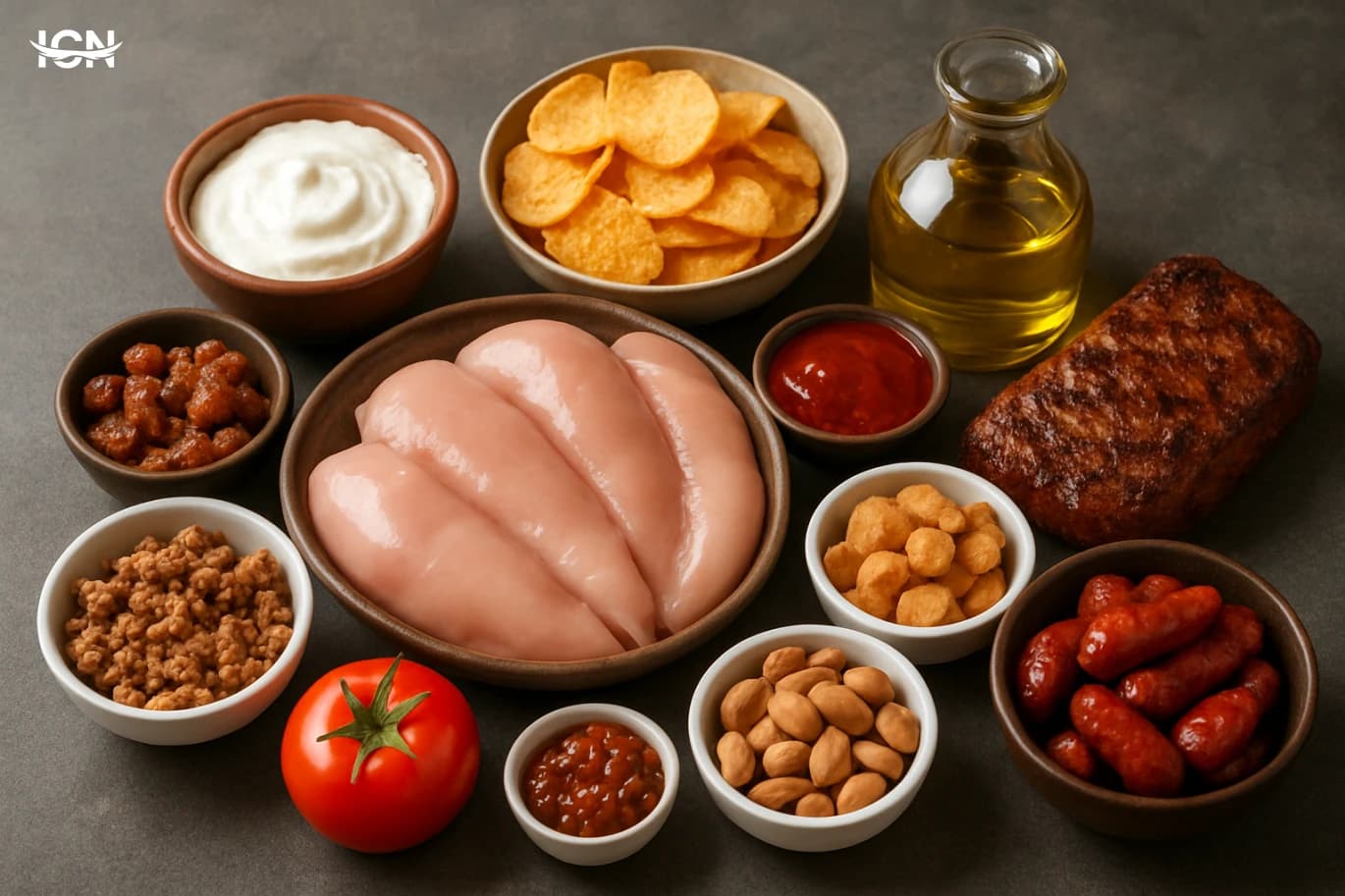
Calories are a measure of energy, but they do not describe food quality on their own. Two foods with the same calories can differ widely in protein, fiber, and micronutrients. The macronutrients listed on labels—carbohydrates, fats, and protein—add necessary detail, yet they still require interpretation. Carbohydrates include starches, sugars, and fiber. The label separates “dietary fiber” and often “total sugars” and “added sugars.” This matters because fiber supports fullness and digestive health, while added sugars are easier to overconsume. Fats are broken down into total fat, saturated fat, and sometimes trans fat. Saturated fat is the number many guidelines suggest limiting, while trans fat should be as close to zero as possible. Protein is useful for comparing products like yogurt, bread, or ready meals, but a “high protein” claim does not automatically mean the product is low in sugar or sodium. A smart label-reading approach is to pick one or two priorities based on your needs. If you are trying to improve satiety, look for higher fiber and adequate protein. If you are managing blood pressure, focus on sodium. If you are watching cholesterol, pay attention to saturated fat. Labels are most effective when used to compare similar items, such as two soups or two breakfast cereals, rather than judging completely different foods against each other.
Ingredients list and the hidden signals
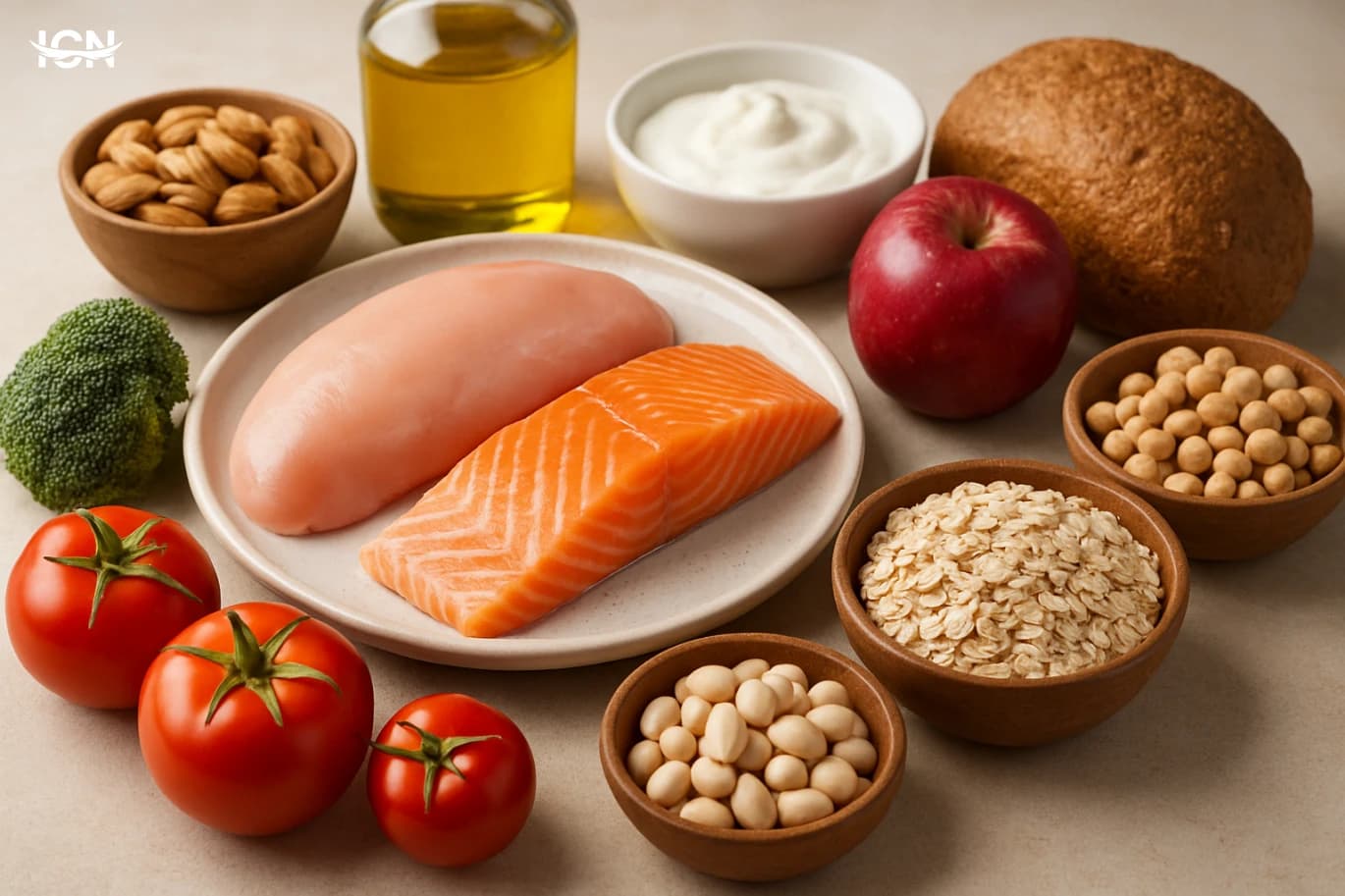
The ingredients list is ordered by weight, from most to least. This simple rule can reveal a lot. If sugar, syrups, or refined flour appear near the top, the product is likely built around those ingredients. Conversely, if whole foods like oats, legumes, nuts, or vegetables appear early, the product may be more nutrient-dense. Look for multiple names that indicate added sugars. Manufacturers may use several sweeteners in smaller amounts, which can make any single one appear lower on the list. Common examples include cane sugar, glucose syrup, corn syrup, maltodextrin, dextrose, and fruit juice concentrate. The goal is not to memorize every term, but to recognize patterns: if several sweeteners appear, the product is probably sweetened more than you expect. Also watch for sodium-related ingredients such as salt, sodium bicarbonate, monosodium glutamate, and sodium-based preservatives. For people trying to reduce sodium, the ingredients list can confirm whether a “reduced sodium” claim still relies heavily on salty additives. Finally, consider the length and purpose of the list. A longer list is not automatically bad, but it often signals a more processed product with stabilizers, flavors, and emulsifiers. If you are comparing two similar items, the one with a simpler, more recognizable ingredient profile is often easier to fit into a balanced diet.
Front-of-pack claims and how to verify them
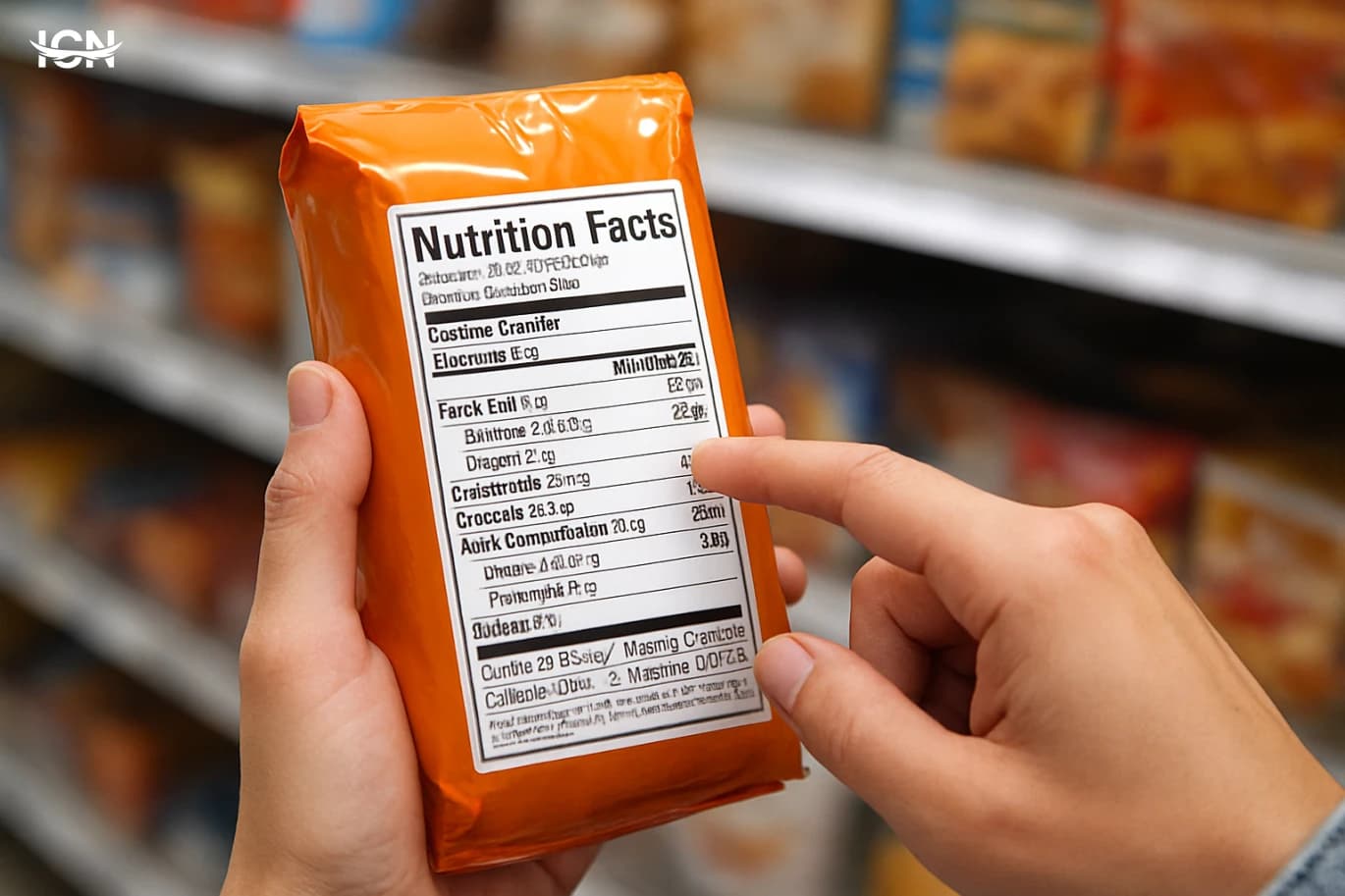
Front-of-pack claims are designed for quick attention, but they can be incomplete. “No added sugar” does not mean sugar-free; the product may still contain naturally occurring sugars from milk or fruit, and it may still be calorie-dense. “Whole grain” on the front does not guarantee that the product is mostly whole grain; the ingredients list and fiber amount provide better confirmation. “Low fat” can sometimes coincide with higher added sugars or higher sodium to maintain taste. To verify claims, use a simple three-step check. First, read the claim and identify what it actually refers to: sugar, fat, protein, or calories. Second, confirm it on the Nutrition Facts panel by looking at the relevant line, such as added sugars, saturated fat, or protein per serving. Third, cross-check the ingredients list for supporting evidence. For example, if a cereal claims “high fiber,” the fiber grams should be meaningfully higher than similar cereals, and whole grains or bran should appear early in the ingredients. Be cautious with vague terms that are not specific nutrition metrics, such as “natural,” “fit,” or “smart.” These words are marketing language and do not replace measurable information. When in doubt, compare two products side by side using the same serving size and focus on the nutrients that matter most to you.
A quick label checklist for real shopping
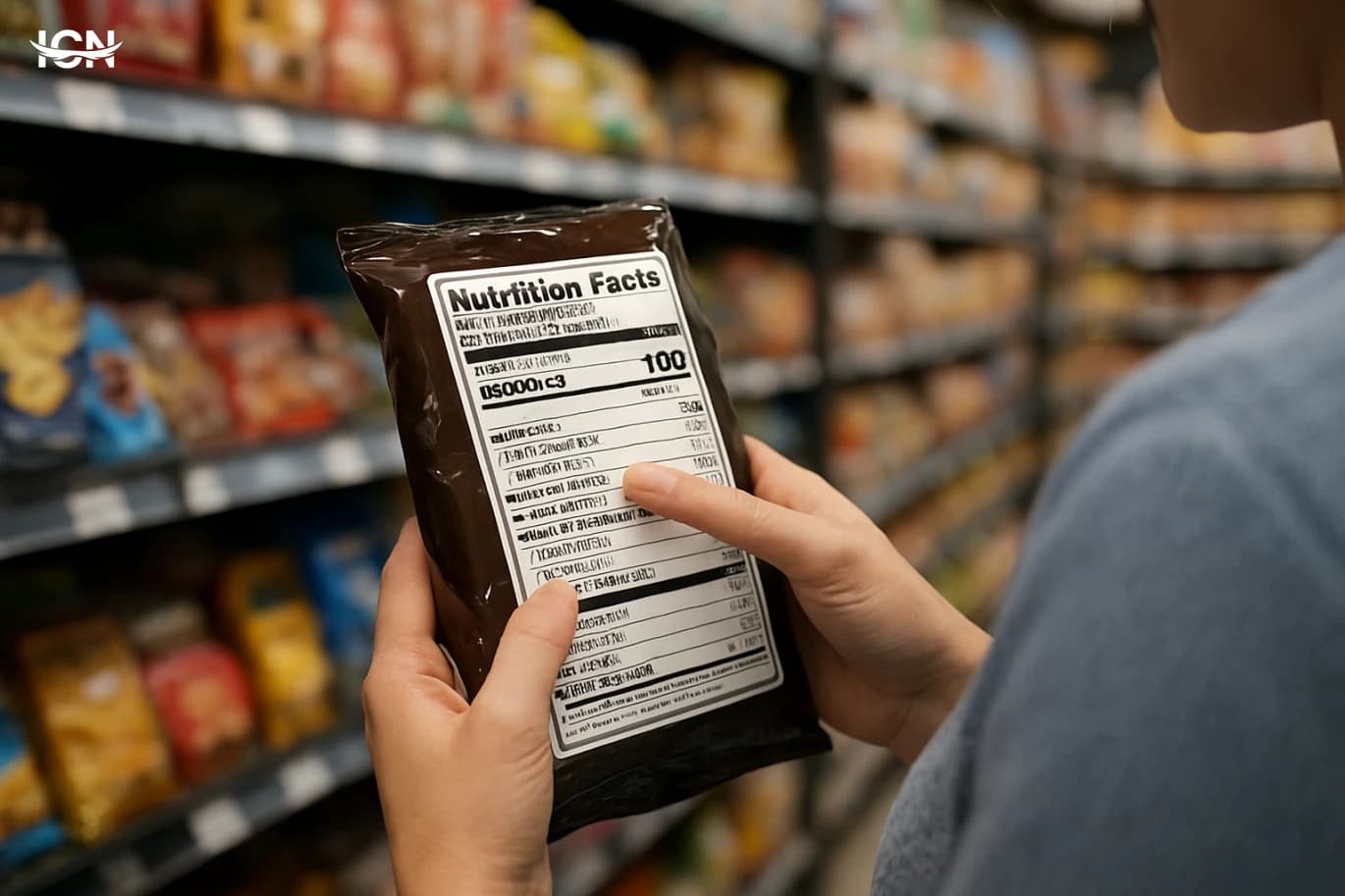
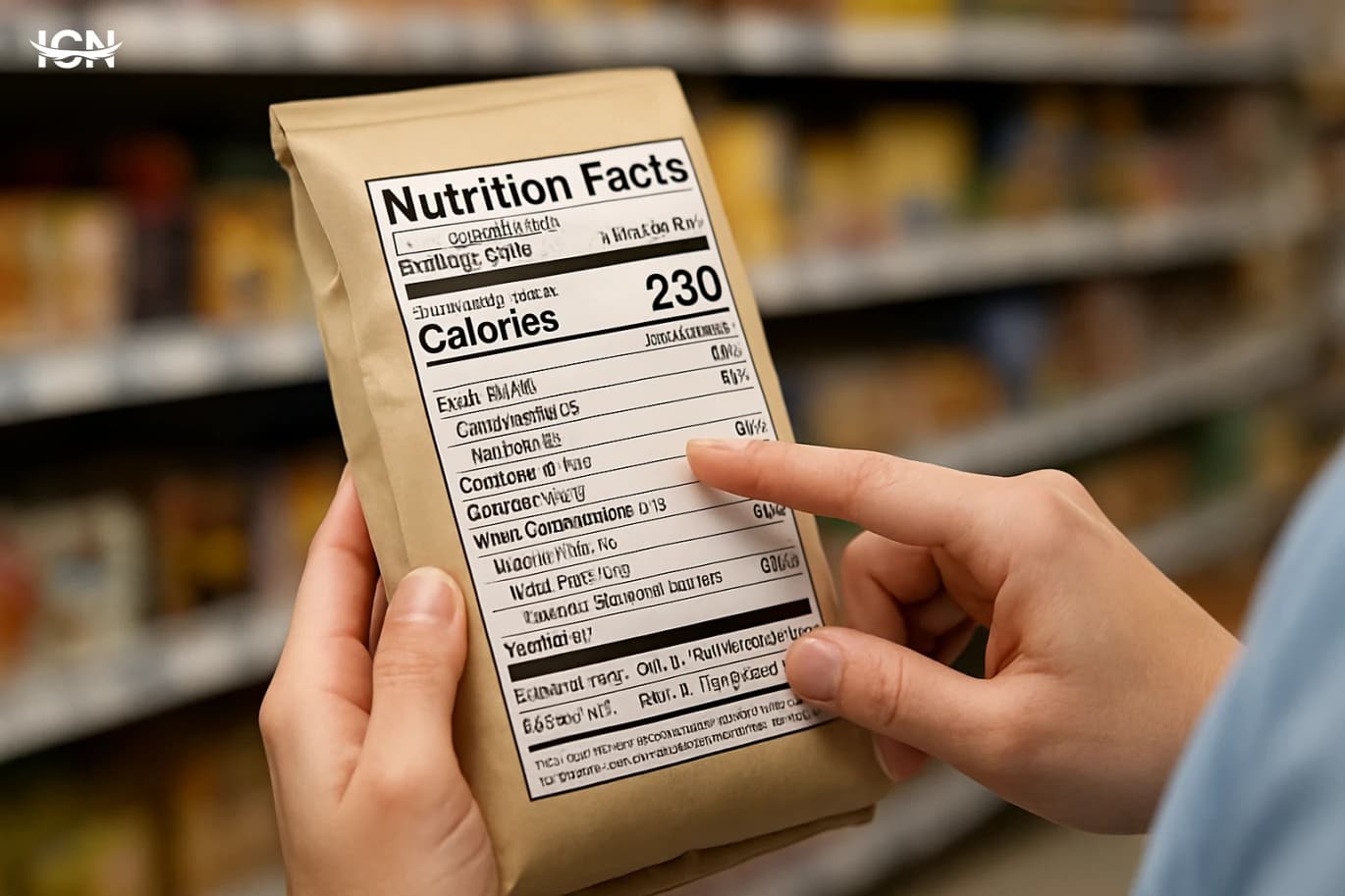
When you are in a store, you rarely have time to analyze every detail. A short checklist can make label reading practical. Start with serving size and servings per container to avoid accidental doubling. Then scan calories only as context, not as the sole decision factor. Next, check three nutrients that commonly add up across the day: sodium, added sugars, and saturated fat. If one of these is high for the portion you will actually eat, consider an alternative brand or a smaller portion. After that, look for positive contributors: fiber and protein. Higher fiber is often a sign of more whole grains, legumes, or vegetables, and adequate protein can improve satiety, especially in breakfast foods and snacks. Finally, use the ingredients list as a tie-breaker. If two products have similar numbers, choose the one with fewer sweeteners, fewer sodium-based additives, and more recognizable core ingredients. Over time, this approach builds a consistent shopping pattern: you will know which categories tend to hide sodium (soups, sauces, deli-style foods), which tend to hide added sugars (flavored yogurts, cereals, granola bars), and which are worth comparing carefully (bread, plant-based drinks, ready meals). The result is not a perfect diet, but a more informed one with fewer surprises.