Why Stress Makes Sugar So Tempting

- The pattern many people notice
- What stress hormones do to appetite
- The brain’s reward system and comfort eating
- Blood sugar swings and the crash effect
- Sleep, routine, and the modern food environment
- Practical ways to reduce sugar cravings
The pattern many people notice
Many people report a clear shift in appetite when they feel sad, overwhelmed, or under pressure: they start looking for sweet foods more than usual. This is not simply a matter of weak willpower. It is a predictable mix of brain chemistry, stress hormones, daily habits, and the food environment. When emotions run high, the body often seeks quick energy and quick comfort, and sugar-rich foods are designed to deliver both fast. The timing is also telling. Cravings often appear in the late afternoon or evening, after a long day of decisions, work demands, or family responsibilities. At that point, fatigue reduces self-control, and the brain tends to favor immediate rewards. If sweet snacks are easy to access, the craving can feel urgent. Understanding why this happens helps people respond with practical strategies rather than guilt.
What stress hormones do to appetite
Stress activates the body’s response system, including hormones such as cortisol and adrenaline. In the short term, adrenaline can reduce appetite, especially during acute stress. But when stress is ongoing—tight deadlines, financial worries, poor sleep—cortisol tends to stay elevated. Higher cortisol is linked to increased appetite and stronger preference for energy-dense foods, particularly those high in sugar and fat. There is a practical reason: the body interprets prolonged stress as a state that may require extra fuel. Sweet foods raise blood glucose quickly, which can feel like an immediate “boost.” The problem is that the boost is often followed by a drop in energy and mood, especially if the meal pattern is irregular. That up-and-down cycle can reinforce cravings the next day. Stress can also disrupt hunger signals. People may skip meals, eat at odd times, or rely on snacks. When the body is under-fueled, it pushes for fast calories. In modern settings, fast calories usually mean sweet drinks, chocolate, pastries, and packaged snacks.
The brain’s reward system and comfort eating
Sugar is closely tied to the brain’s reward pathways. Sweet taste signals “high-value food,” and that signal can temporarily improve mood and reduce perceived stress. For someone who is sad or anxious, that short-lived relief can feel meaningful. Over time, the brain learns the association: unpleasant emotion followed by sweet food equals quick comfort. This learning is strengthened by repetition and by context. If a person regularly eats dessert while watching TV after a stressful day, the couch, the time of day, and even certain shows can become cues that trigger cravings. The craving is not only about hunger; it is also about expectation. Importantly, this does not mean sugar is “addictive” in the same way as certain substances, but it can create a strong habit loop: cue, craving, consumption, relief. Breaking the loop usually requires changing the routine and adding alternative sources of reward, such as a warm drink, a short walk, or a structured snack that still feels satisfying.
Blood sugar swings and the crash effect
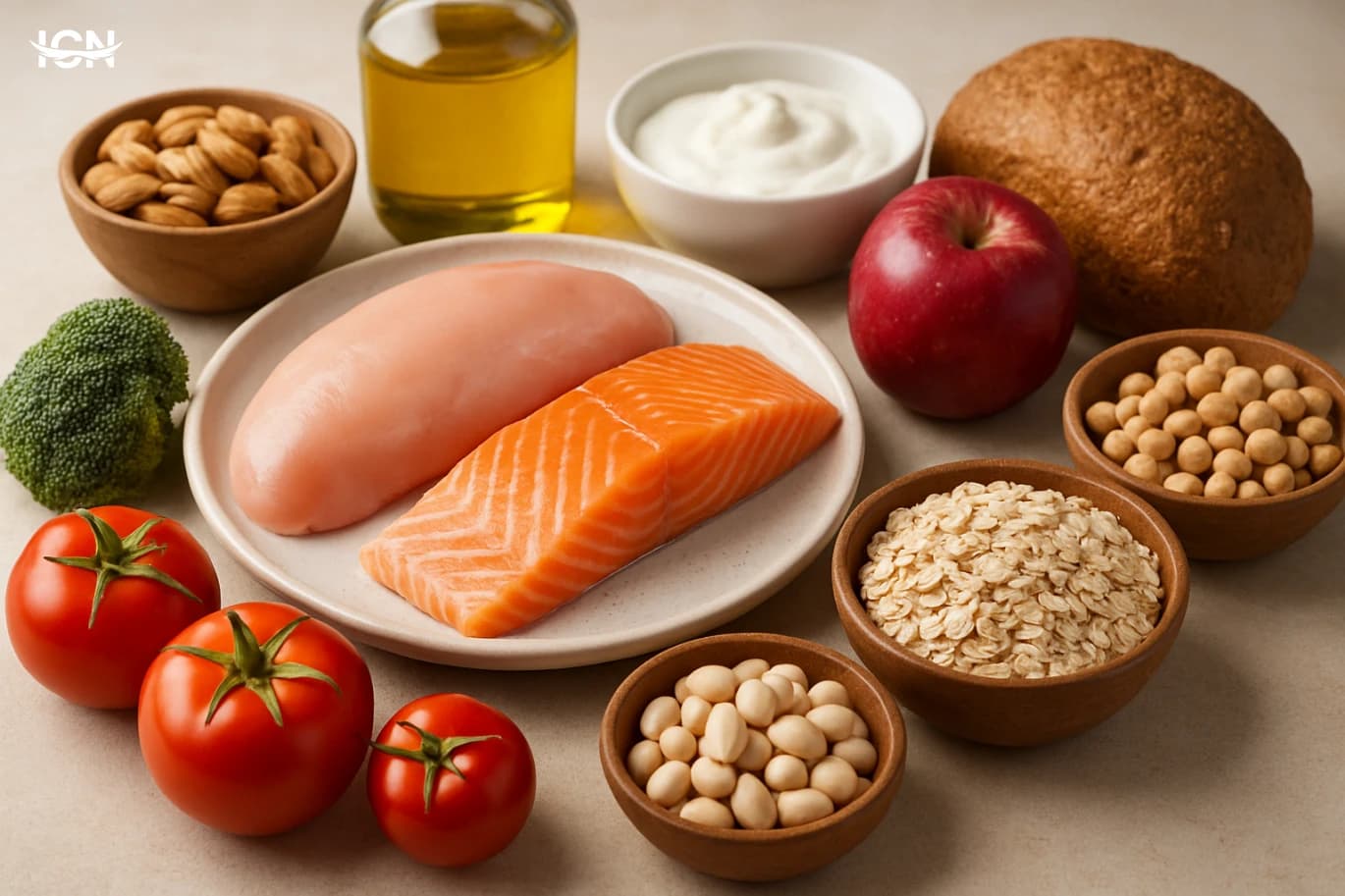
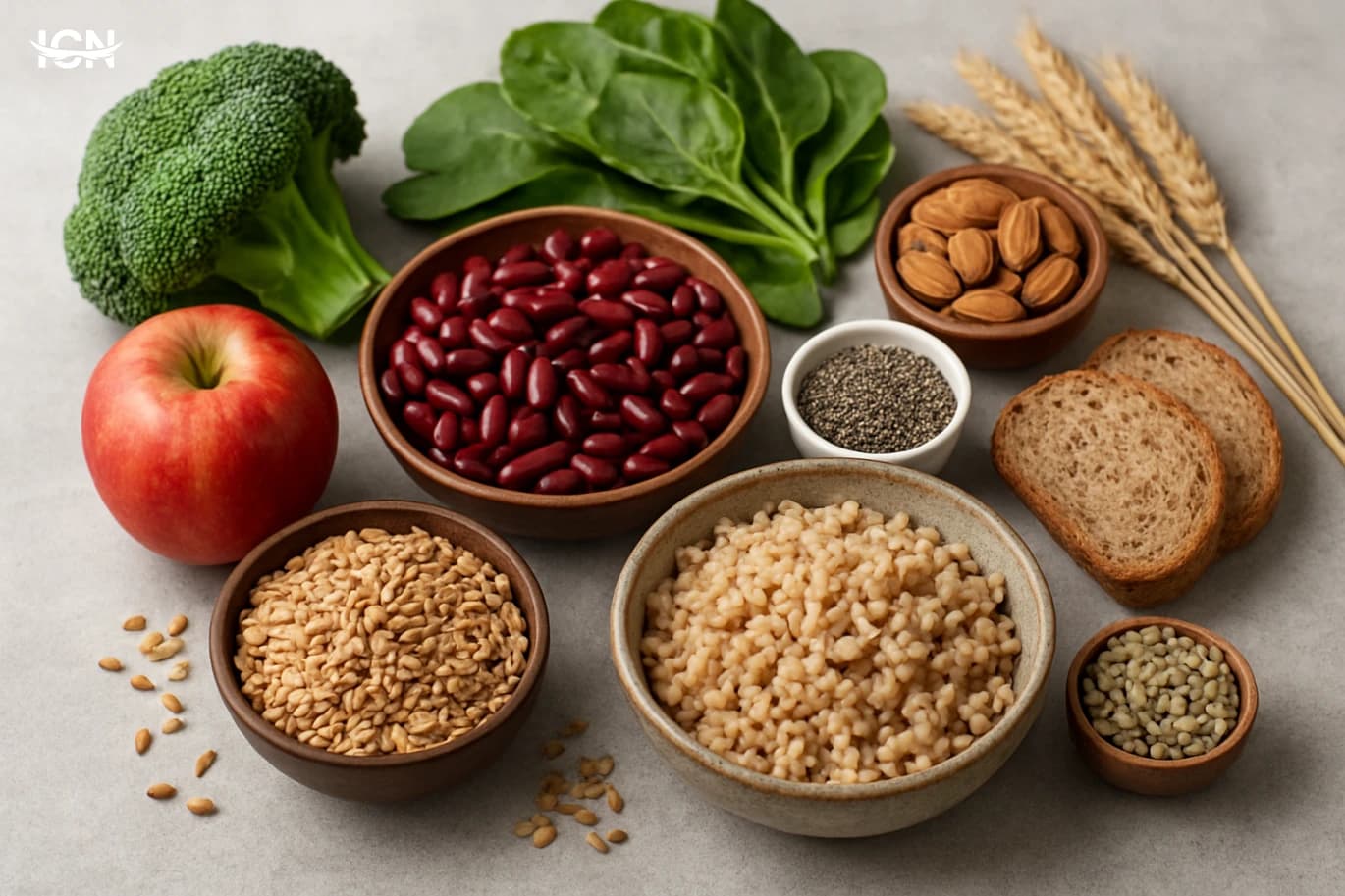
When people reach for sweets during stress, they often do it on an empty stomach or after a long gap between meals. In that situation, sugary foods can raise blood glucose quickly. The body responds by releasing insulin to move glucose into cells. For some people, this can be followed by a noticeable dip in energy and concentration, sometimes described as a “crash.” That crash can mimic emotional symptoms: irritability, low motivation, and a sense of being overwhelmed. The brain may interpret those feelings as a need for another quick fix, which can lead to more snacking. This cycle is more likely when meals are low in protein and fiber, because those nutrients slow digestion and support steadier energy. A practical takeaway is that cravings are often easier to manage when the day includes regular meals and balanced snacks. Even small changes—adding yogurt, nuts, eggs, legumes, or whole grains—can reduce the intensity of the urge for sweets by stabilizing energy levels.
Sleep, routine, and the modern food environment
Stress and sadness often come with poor sleep, and sleep loss changes appetite regulation. Research consistently shows that short sleep is associated with higher hunger and stronger cravings for calorie-dense foods. When the brain is tired, it seeks easy energy and tends to discount long-term goals. Routine also matters. People under pressure may rely on convenience foods, eat in the car, or work through meals. These patterns reduce mindful eating and make it harder to notice fullness. At the same time, the modern food environment is built around constant exposure: sweet snacks at checkout counters, delivery apps, and large portion sizes. When stress is high, repeated exposure can tip the balance toward impulsive choices. Another factor is caffeine. Many people increase coffee or energy drinks during stressful periods. Caffeine can suppress appetite early in the day, leading to delayed eating and stronger cravings later. Sugary coffee drinks also add hidden sugar that can amplify the blood sugar swing described earlier.
Practical ways to reduce sugar cravings
Reducing sugar cravings during stress is usually more effective when it focuses on planning rather than restriction. Start with meal timing: aim for consistent meals, and add a planned snack if there is a long gap between lunch and dinner. A snack that combines protein and fiber—such as Greek yogurt with berries, a banana with peanut butter, hummus with whole-grain crackers, or a small handful of nuts with fruit—can reduce the urgency for sweets. Next, adjust the environment. Keep highly tempting sweets out of immediate reach at home or at the desk, and make better options visible. If you want something sweet, choose a portion on purpose: a small piece of dark chocolate, a date with nuts, or a bowl of fruit with yogurt. Portioning reduces the “automatic eating” that often happens when emotions are high. Finally, build non-food stress relief into the day. Short, concrete actions work best: a 10-minute walk, stretching, a shower, journaling for five minutes, or calling a friend. These options do not erase stress, but they reduce the intensity that drives impulsive eating. If cravings are frequent, severe, or linked to ongoing low mood, consider speaking with a registered dietitian or a healthcare professional to rule out nutritional gaps and to build a sustainable plan.