Understanding the Tayyibat System
- What the Tayyibat System Means
- Core Principles for Everyday Eating
- Shopping and Label Reading
- Building Balanced Meals at Home
- Common Pitfalls and How to Avoid Them
- A Practical Weekly Checklist
What the Tayyibat System Means
The Tayyibat System is a practical way of thinking about food quality that focuses on what is wholesome, clean, and beneficial for daily life. In nutrition terms, it aligns with choosing foods that are minimally processed, clearly sourced, and prepared in ways that preserve nutrients and reduce unnecessary additives. Many people use the term to describe a personal or household framework: selecting ingredients that are safe, fresh, and appropriate for the body, while also being mindful of how food is produced and handled. In a modern kitchen, this approach translates into a set of repeatable decisions rather than a strict list of allowed and forbidden items. It emphasizes reading labels, understanding ingredient lists, and prioritizing foods with recognizable components. It also encourages balance: building meals around vegetables, fruits, whole grains, legumes, nuts, and quality proteins, while limiting ultra-processed snacks, sugary drinks, and products with long additive chains. The goal is not perfection; it is consistency in choosing foods that support energy, digestion, and long-term health.
Core Principles for Everyday Eating
A Tayyibat-oriented routine usually starts with three principles: ingredient integrity, preparation quality, and moderation. Ingredient integrity means choosing foods close to their natural form and avoiding unnecessary additives. For example, plain yogurt with fruit is typically a better daily option than flavored yogurt with added sugars and stabilizers. Preparation quality focuses on cooking methods that preserve nutrients and reduce excess fats and salt, such as grilling, baking, steaming, and sautéing with measured amounts of oil. Moderation is the bridge between ideals and real life. Even nutrient-dense foods can become unhelpful when portions are consistently oversized. A practical guideline is to build a plate with half vegetables, a quarter protein, and a quarter whole grains or starchy vegetables, then adjust based on activity level and medical needs. Hydration is part of the system as well: water and unsweetened beverages should be the default, while sweetened drinks remain occasional. Another principle is food safety and cleanliness. This includes proper refrigeration, avoiding cross-contamination, and paying attention to expiry dates. Wholesome food loses its value if it is handled poorly. In this sense, the Tayyibat System is as much about kitchen habits as it is about shopping choices.
Shopping and Label Reading
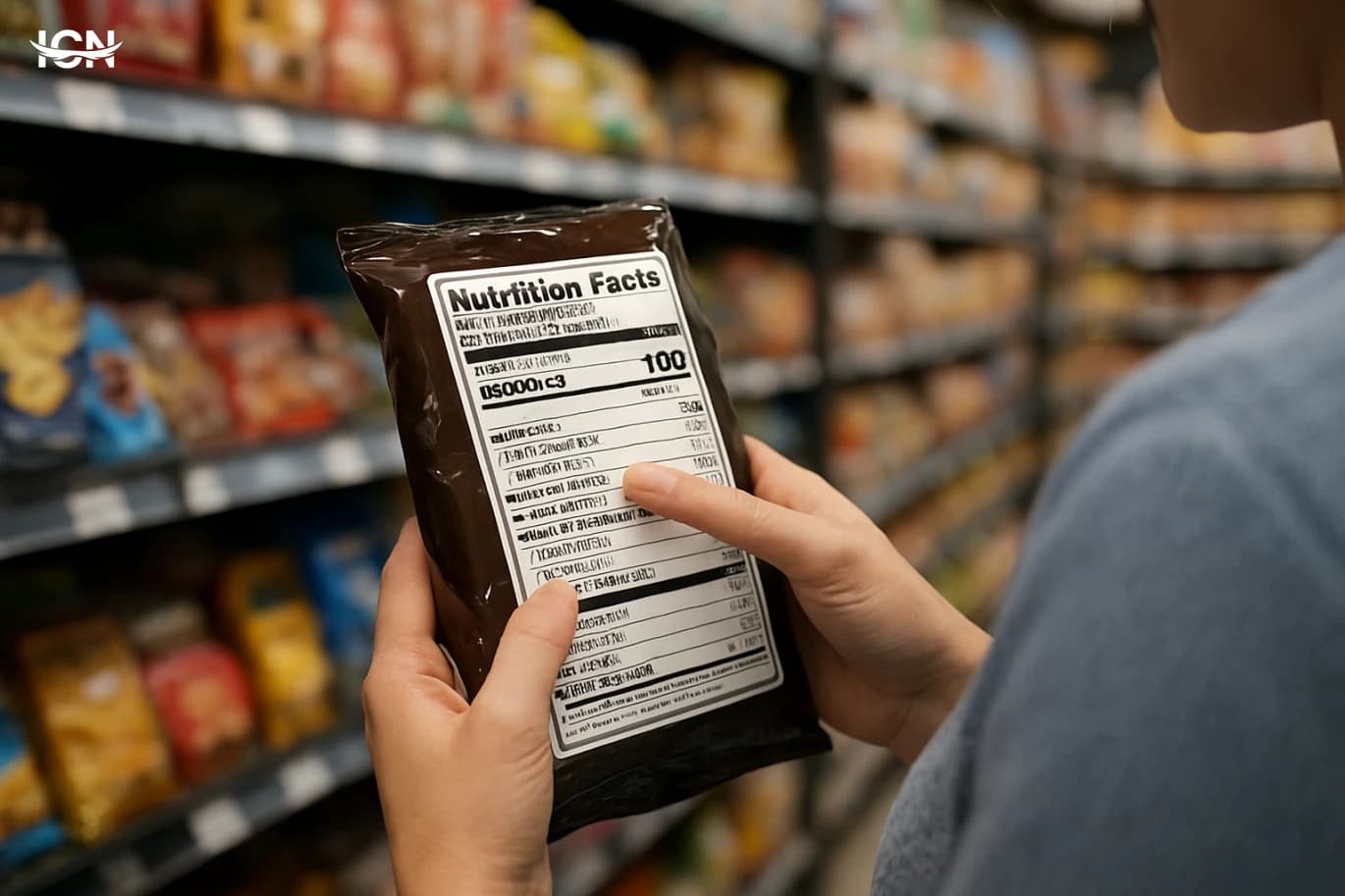
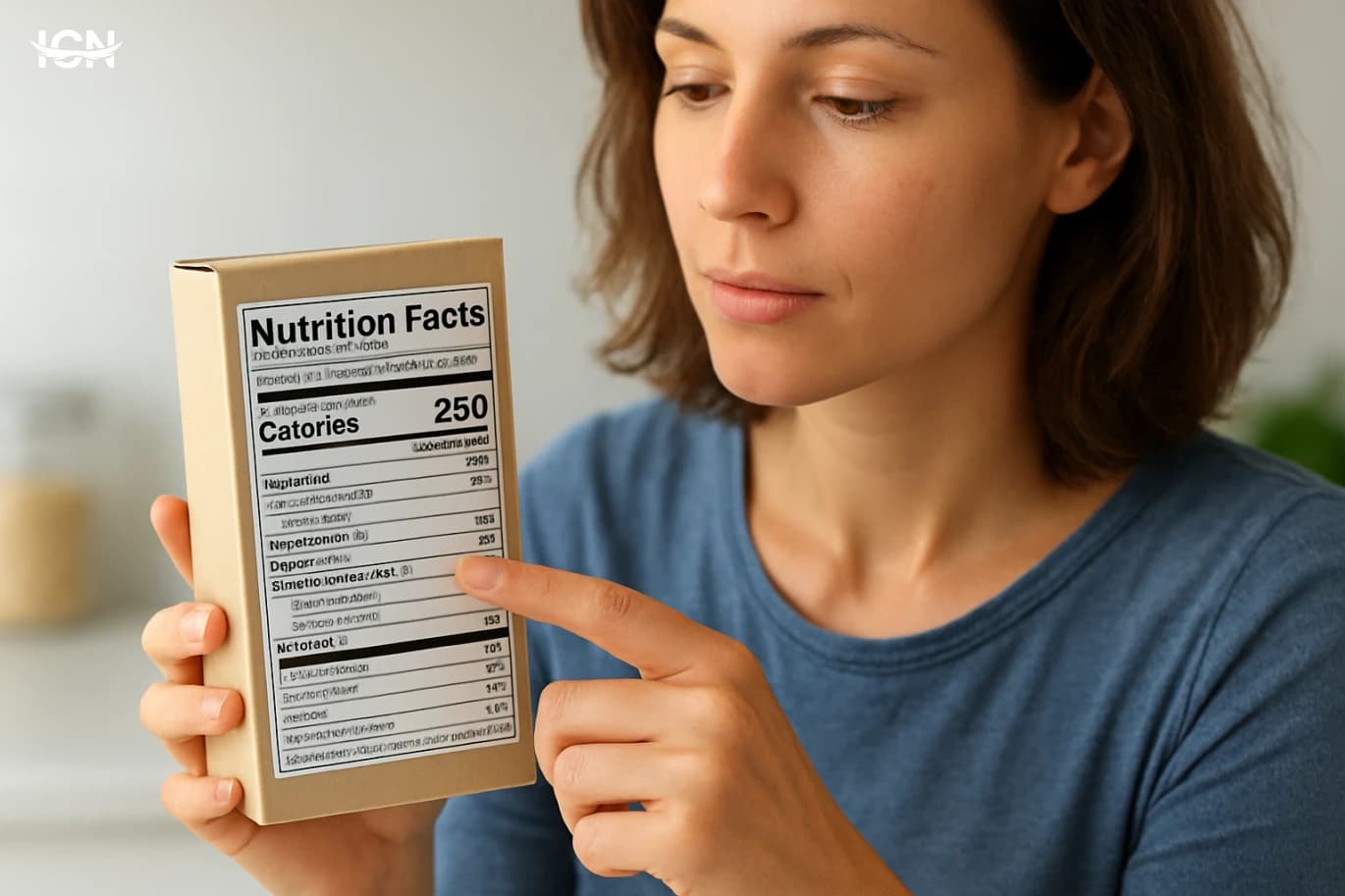
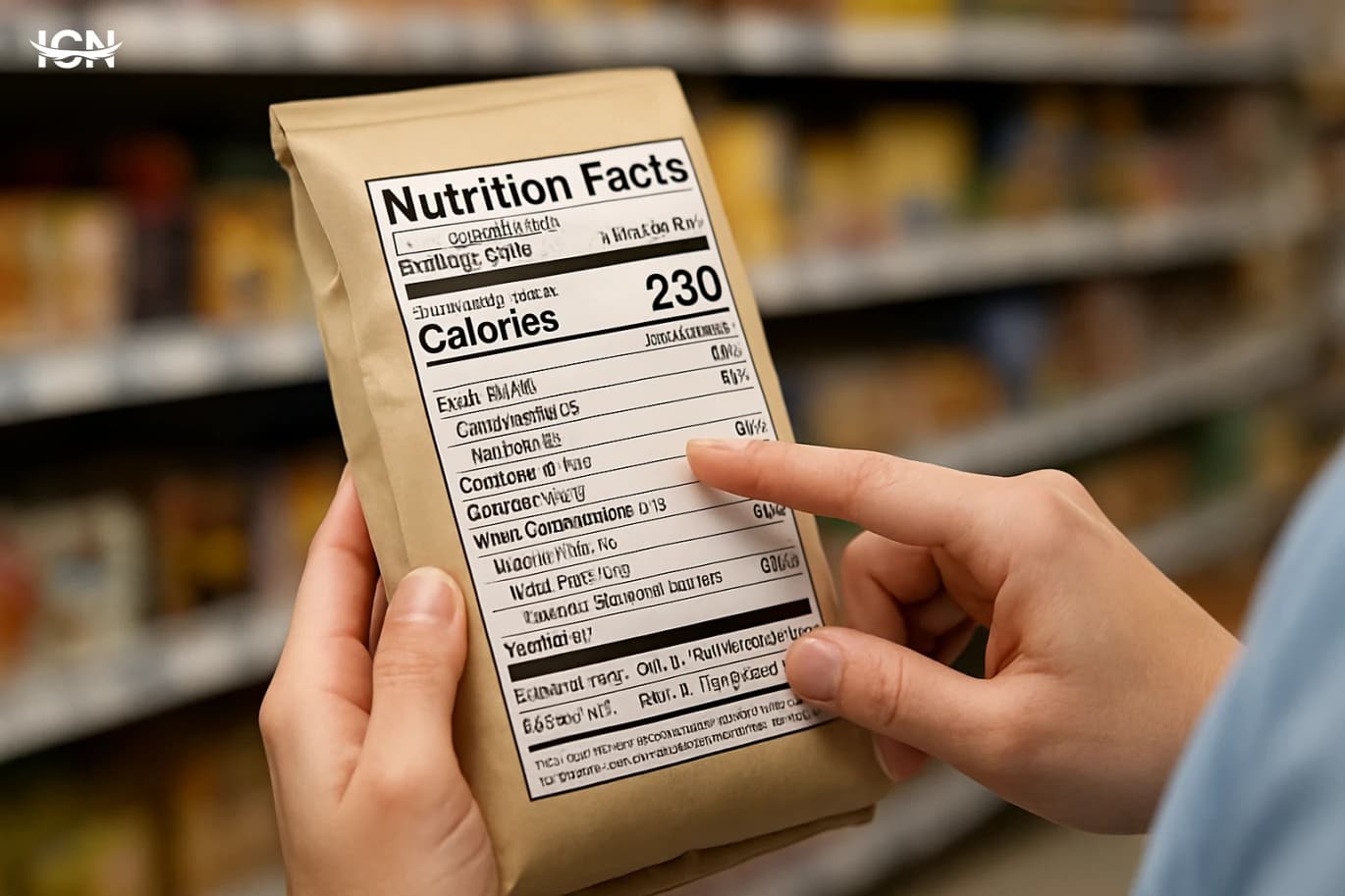
Applying the Tayyibat System often begins at the grocery store. A useful strategy is to prioritize the perimeter sections where fresh produce, dairy, meat, fish, and basic staples are commonly found, then enter the inner aisles with a plan. Shopping with a list reduces impulse purchases of ultra-processed items. Seasonal produce is typically more affordable and can be higher in flavor, which makes healthy meals easier to sustain. Label reading is central. Start with the ingredient list: shorter lists with recognizable ingredients are usually better. Watch for multiple forms of added sugar (such as syrups, concentrates, and sweeteners) appearing across the list. Sodium is another key point, especially in sauces, breads, and ready meals. For fats, look for products that rely more on unsaturated fats and less on heavily refined oils. Quality also includes sourcing and freshness. For proteins, consider lean cuts, fish options, and legumes as regular staples. For grains, choose whole-grain bread, oats, brown rice, and bulgur when possible. For snacks, keep options like nuts, fruit, and plain popcorn available so that convenience does not automatically mean high sugar and high salt. These choices create a home food environment where the default options are closer to the Tayyibat ideal.
Building Balanced Meals at Home
A Tayyibat-style meal plan does not require complicated recipes. It relies on a consistent structure: a vegetable base, a protein source, and a smart carbohydrate choice, plus healthy fats in measured amounts. For breakfast, examples include eggs with vegetables and whole-grain toast, or oats cooked with milk and topped with fruit and nuts. For lunch and dinner, a bowl format works well: salad or cooked vegetables, grilled chicken or beans, and brown rice or bulgur, finished with olive oil and lemon. Meal preparation is a major advantage. Washing and cutting vegetables once or twice a week, cooking a pot of legumes, and preparing a batch of whole grains can reduce reliance on takeout. Sauces are a common hidden source of sugar and sodium, so simple homemade options—like yogurt-based dressings, tahini with lemon, or tomato sauce made from basic ingredients—fit the system better. Portion awareness matters. Using smaller plates, serving food in the kitchen rather than family-style on the table, and adding vegetables first are practical tools. For dessert, fruit, dates in moderate amounts, or a small portion of dark chocolate can satisfy cravings without turning sweets into a daily habit. Over time, these patterns make wholesome eating feel routine rather than restrictive.
Common Pitfalls and How to Avoid Them
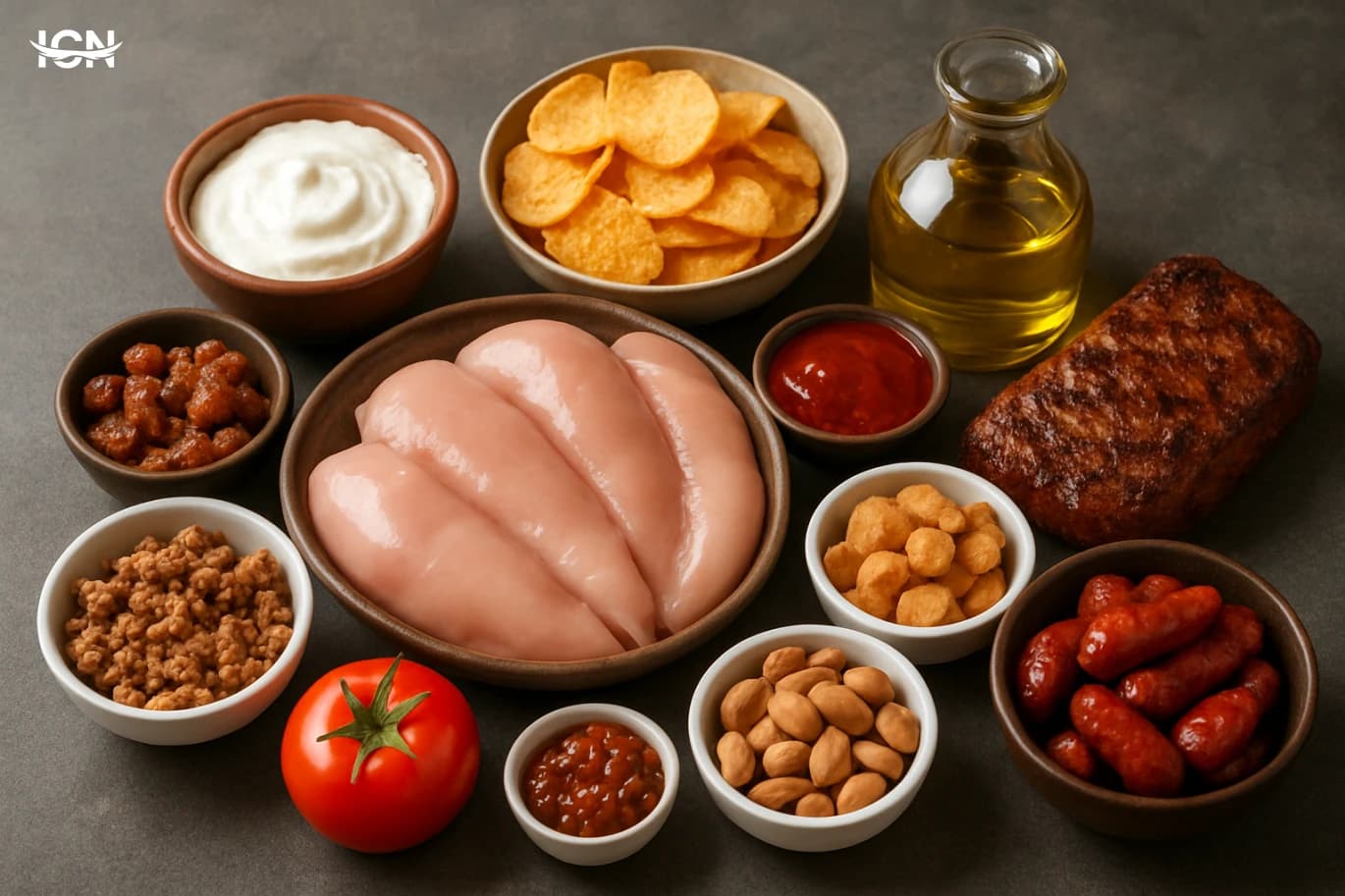
One common pitfall is assuming that any product marketed as “natural” or “organic” automatically fits the Tayyibat approach. Many packaged foods still contain high amounts of sugar, sodium, or refined starches. The solution is consistent label reading and comparing similar products. Another pitfall is focusing only on ingredients while ignoring cooking methods. A wholesome ingredient can become a high-calorie meal if it is deep-fried or covered in heavy sauces. Time pressure is another challenge. When schedules are tight, people often default to fast options. Keeping a set of quick staples helps: canned beans with no added sugar, frozen vegetables, eggs, tuna, plain yogurt, and whole-grain bread. These can form a meal in minutes. Budget concerns also matter. A Tayyibat-style diet can be affordable when built around legumes, seasonal produce, whole grains in bulk, and limited packaged snacks. Finally, overly strict rules can backfire. A sustainable system allows occasional treats and social meals without turning them into daily patterns. Tracking progress through simple habits—like adding one extra serving of vegetables per day or replacing sweetened drinks with water—often works better than dramatic changes that are hard to maintain.
A Practical Weekly Checklist
To make the Tayyibat System actionable, a weekly checklist can turn intentions into routines. Start by planning three to four core meals you can repeat with small variations. Choose two proteins (such as chicken and lentils), two carbohydrate bases (such as brown rice and potatoes), and a mix of vegetables that work raw and cooked. This reduces decision fatigue and makes shopping faster. Set a simple prep session: wash greens, chop onions and peppers, cook a grain batch, and prepare one pot of legumes or a tray of roasted vegetables. Keep healthy snacks visible and ready. Review beverages at home and replace sweetened options with water, sparkling water, or unsweetened tea. If you eat outside, decide in advance on one or two better default choices, such as grilled items, salads with dressing on the side, and fruit instead of sugary desserts. The checklist approach also supports consistency without strict tracking. If most meals follow the structure and most purchases are ingredient-focused, the overall diet quality improves. Over several weeks, people often notice more stable energy, better satiety, and fewer cravings driven by highly processed foods.