Fiber Facts for Everyday Eating
- Why Fiber Deserves Attention
- Soluble vs Insoluble Fiber
- Reading Labels Without Guesswork
- High-Fiber Foods That Fit Real Meals
- Increasing Fiber Without Discomfort
Why Fiber Deserves Attention
Fiber is one of the most practical nutrition topics because it affects digestion, blood sugar patterns, cholesterol levels, and how full you feel after meals. Yet many people still treat it as a “nice to have” rather than a daily target. Nutrition labels list fiber in grams, but the number only becomes useful when you know what it does and how to reach it consistently. Dietary fiber is the part of plant foods that your body does not fully break down. Instead of being absorbed like sugar or fat, it moves through the digestive system and supports regular bowel movements. Some fibers also feed beneficial gut bacteria, which can influence digestive comfort and nutrient processing. Because fiber slows how quickly food leaves the stomach, meals with enough fiber often feel more satisfying, which can help with portion control without strict dieting. Most adults benefit from aiming for roughly 25–38 grams of fiber per day, depending on age, sex, and energy needs. Many people fall well below that range, especially when meals rely heavily on refined grains, sweet snacks, and low-produce convenience foods. The good news is that improving fiber intake does not require specialty products; it mainly requires smarter choices in grains, legumes, vegetables, fruits, nuts, and seeds.
Soluble vs Insoluble Fiber
Fiber is often grouped into two main types: soluble and insoluble. Soluble fiber dissolves in water and forms a gel-like texture in the gut. This can slow digestion and help smooth out post-meal blood sugar rises. It is also associated with supporting healthy cholesterol levels because it can bind with certain compounds in the digestive tract. Common sources include oats, barley, beans, lentils, apples, citrus fruits, and chia seeds. Insoluble fiber does not dissolve in water. It adds bulk and helps move food through the digestive system, which supports regularity. It is found in whole wheat, wheat bran, brown rice, many vegetables, and the skins of fruits. In real meals, you usually get a mix of both types, and that is ideal. A useful way to think about it is function rather than chemistry. If you want a breakfast that keeps you full and steady through the morning, soluble-fiber foods like oats, beans, or fruit can help. If you are focused on regular bowel habits, insoluble-fiber foods like whole grains and vegetables matter. Most people do not need to track the two types separately; they need variety across plant foods. One more category is worth knowing: fermentable fibers, which gut bacteria can break down. These include inulin and certain resistant starches found in foods like onions, garlic, slightly green bananas, cooked-and-cooled potatoes, and legumes. Fermentable fibers can support gut comfort for many people, but if you increase them too quickly, they can also cause gas or bloating. Gradual changes are key.
Reading Labels Without Guesswork
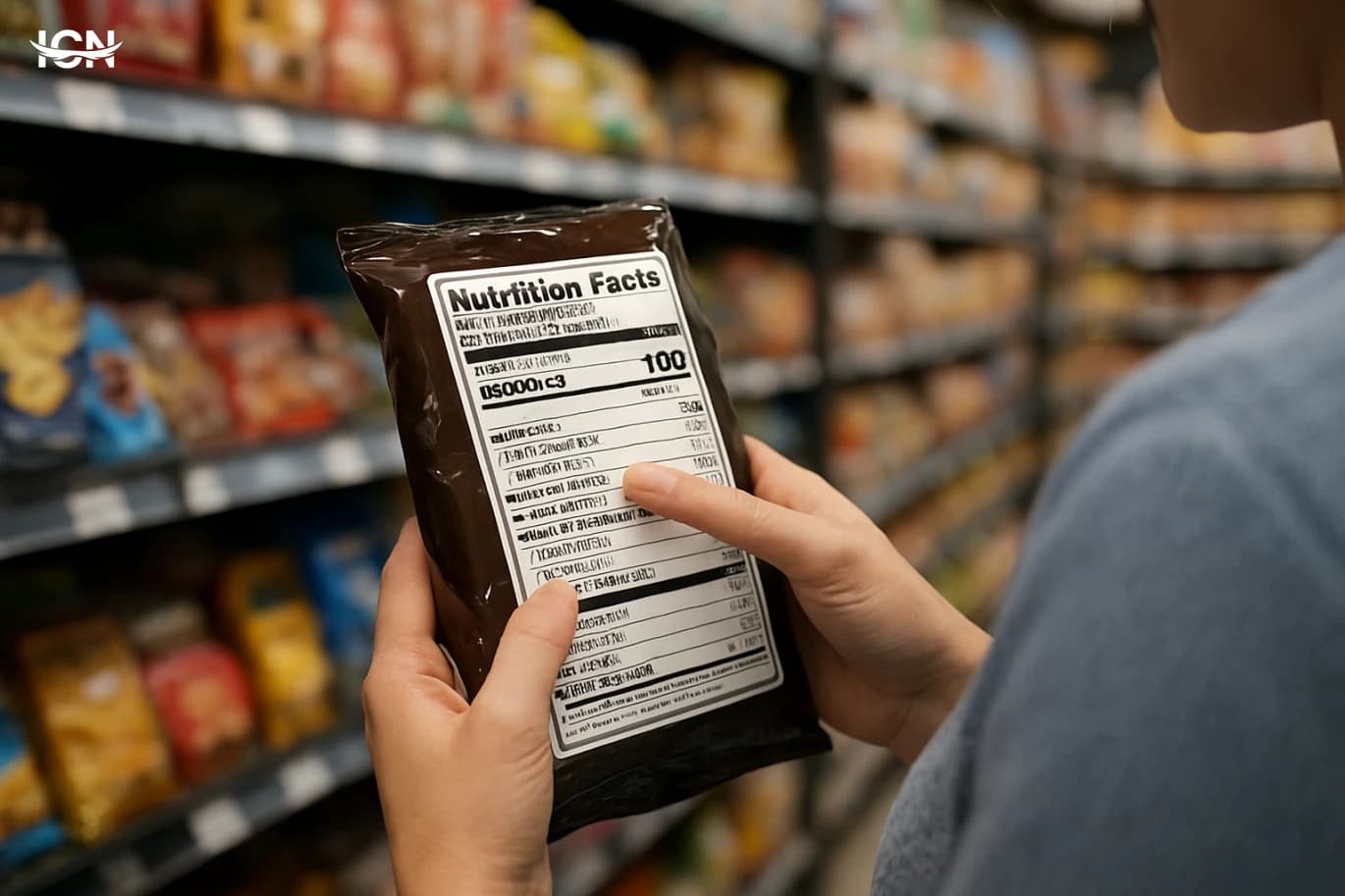
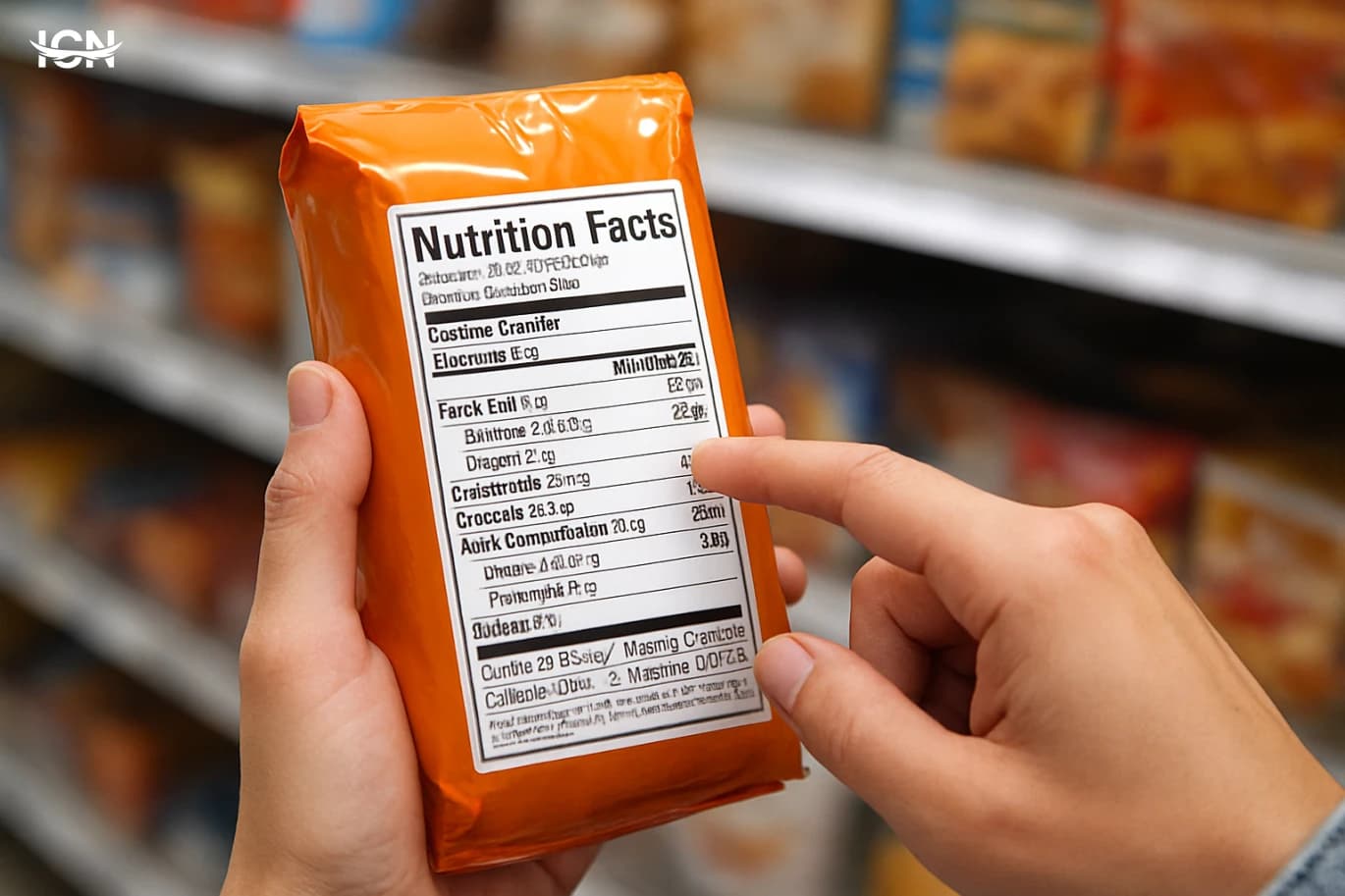
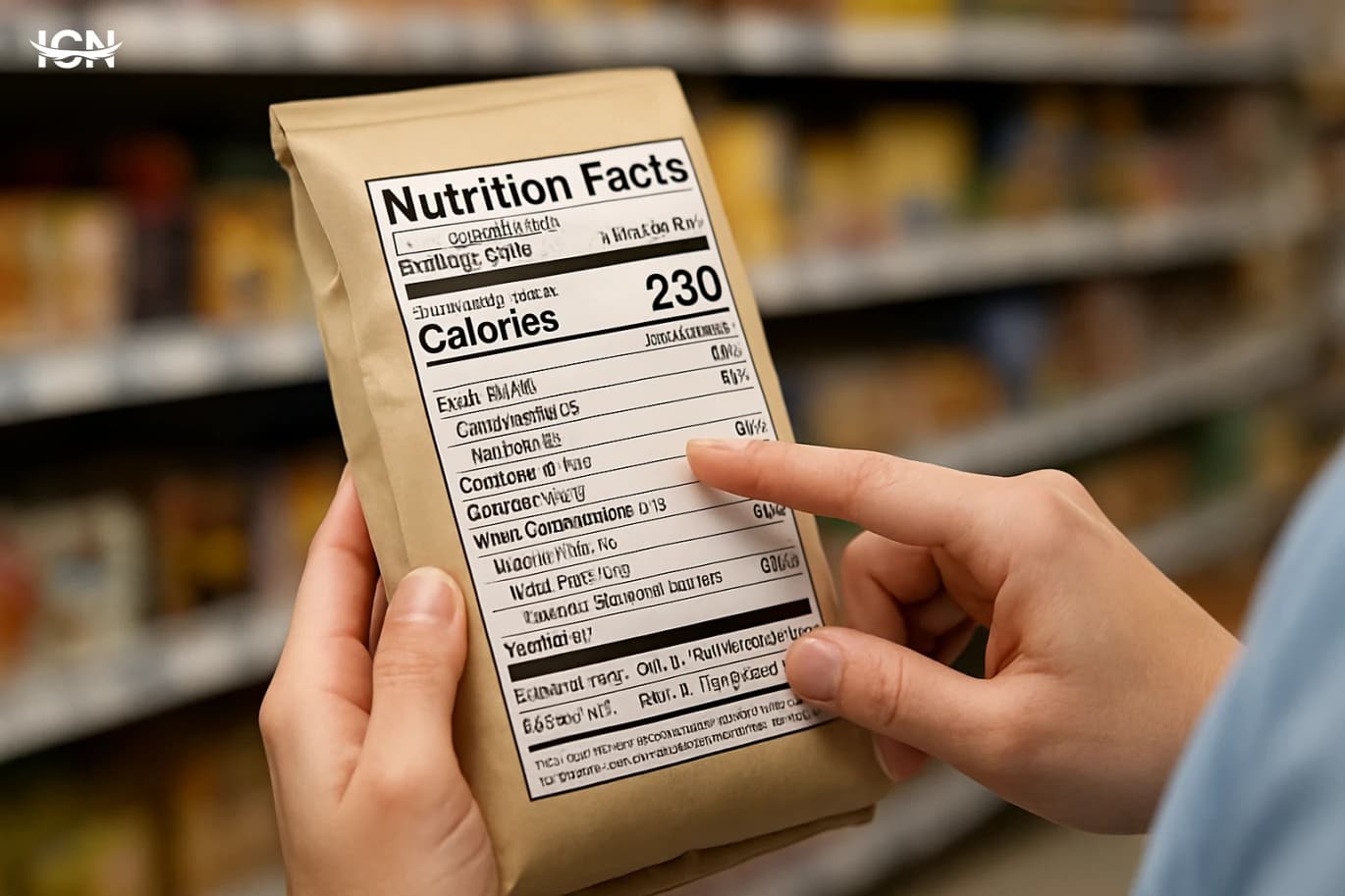
Nutrition labels can make fiber look straightforward, but marketing terms often confuse shoppers. Start with the “Dietary Fiber” line and compare products by grams per serving, then check the serving size. A cereal that lists 8 grams of fiber per serving may look impressive until you notice the serving is only 30 grams and you typically eat double. A practical rule: 3 grams of fiber per serving is a solid baseline; 5 grams or more is high. For bread, look for at least 3–4 grams per slice if you want it to meaningfully contribute. For crackers or snack bars, fiber can be inflated by added isolates, so the ingredient list matters. On ingredients, prioritize whole-food sources: whole wheat, oats, barley, brown rice, beans, lentils, chickpeas, nuts, seeds, and vegetables. If the first ingredients are refined flour, sugar, or starch, the product may not support your fiber goal even if it adds a small amount of fiber later. Be aware of added fibers such as inulin, chicory root fiber, resistant dextrin, or polydextrose. These can increase the fiber number, and they are not automatically “bad,” but they do not always feel the same in the body as fiber from whole foods. Some people tolerate them well; others experience bloating. If a product is “high fiber” but you feel uncomfortable after eating it, try a different source. Finally, watch the relationship between fiber and total carbohydrates. A food can be high in carbs and still be a good choice if it also has substantial fiber, like oats or beans. The label helps you see whether carbs come with structure and nutrients or mostly from refined sources.
High-Fiber Foods That Fit Real Meals
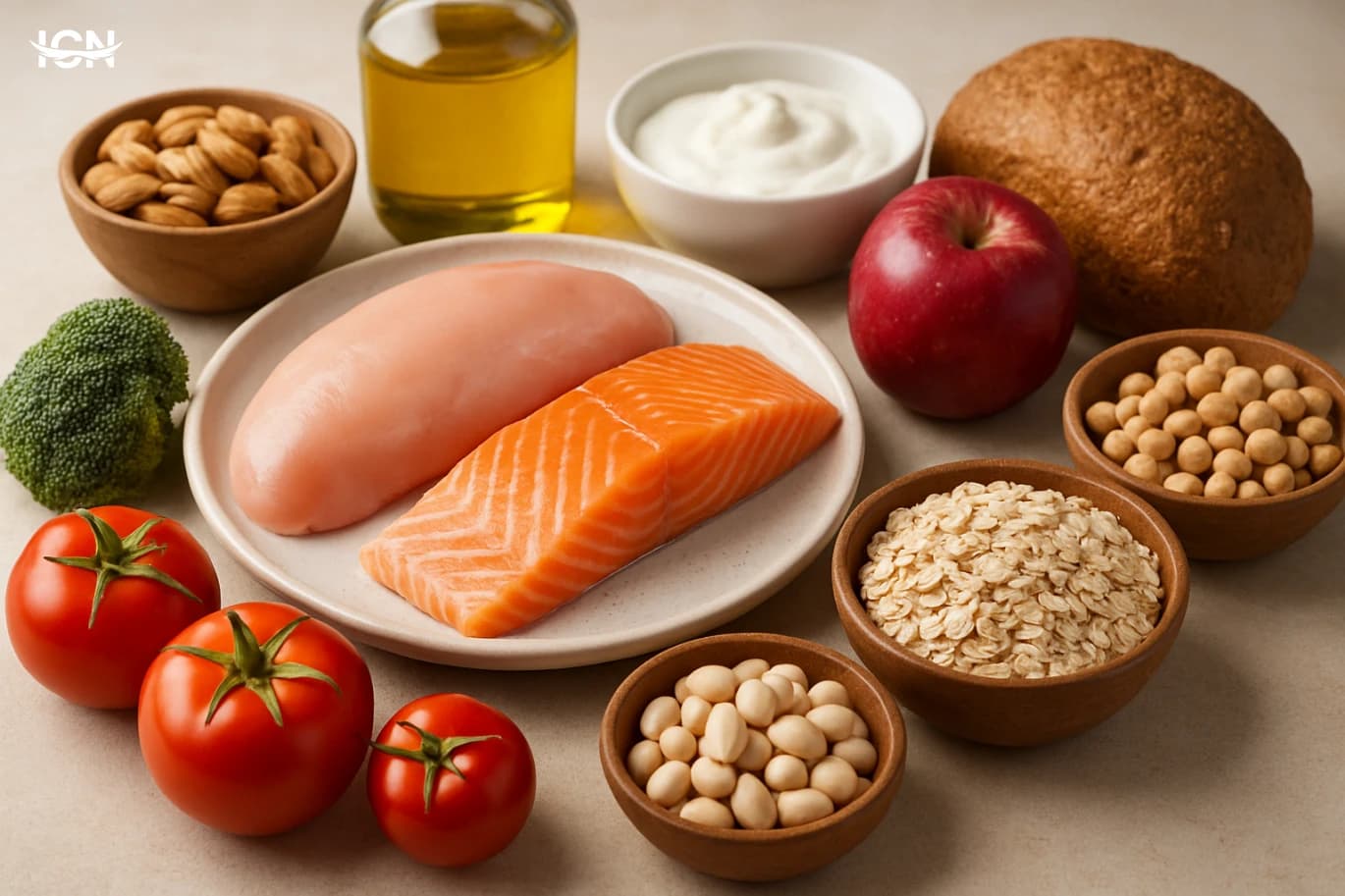
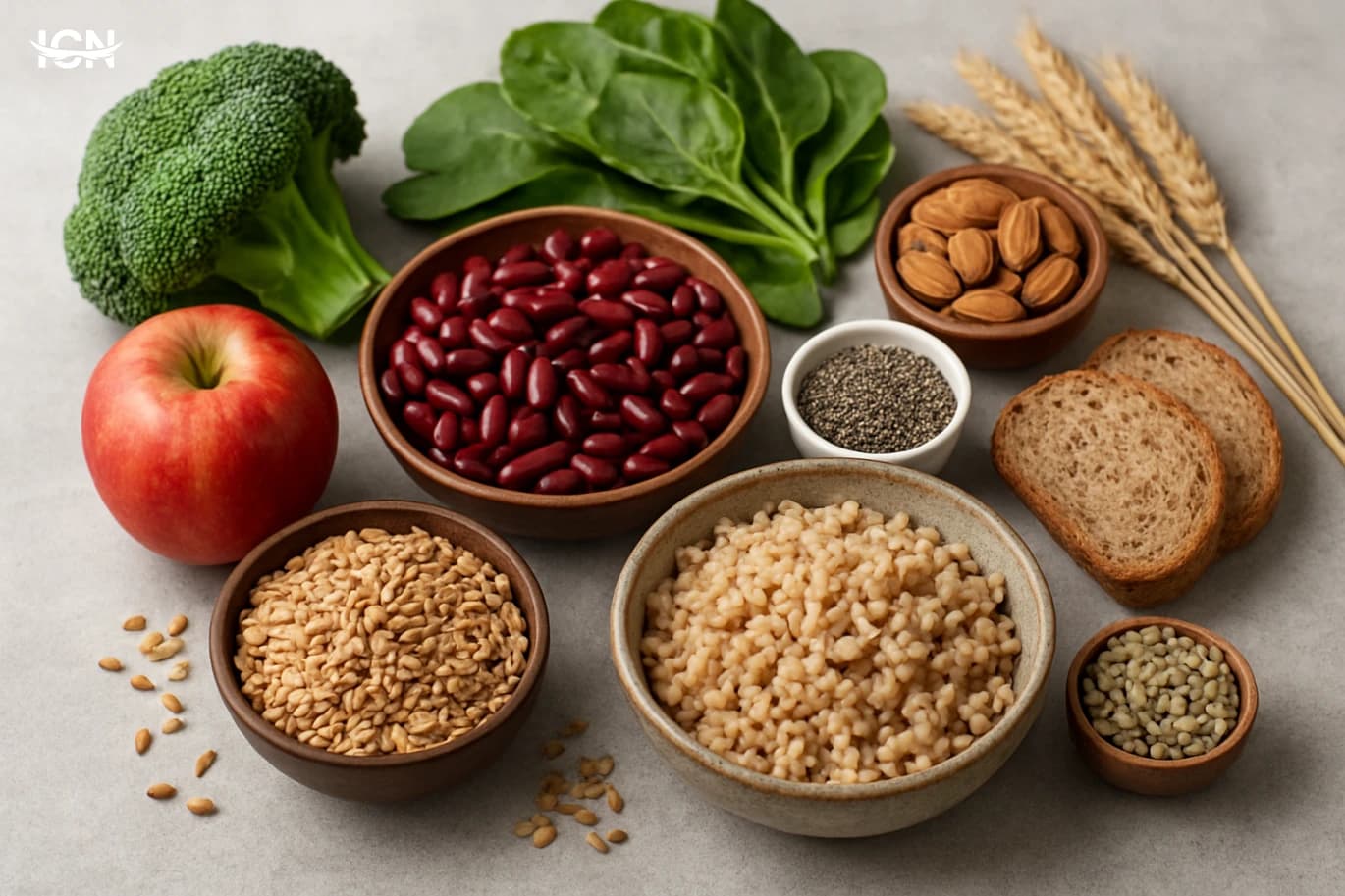
The easiest way to raise fiber is to build meals around a few reliable categories. Legumes are the most efficient: lentils, chickpeas, black beans, and fava beans can add large amounts of fiber in a single serving, along with protein and minerals. Using them in soups, salads, or as a side dish is often simpler than trying to “add fiber” through snacks. Whole grains matter, but the form matters too. Intact or minimally processed grains such as oats, barley, bulgur, and brown rice typically provide more fiber and a steadier texture than refined grains. If you prefer pasta, choosing whole-grain pasta a few times per week can move your daily total upward without changing your cooking routine. Vegetables and fruits contribute fiber in a way that also increases volume and micronutrients. Aim for at least two different colors of vegetables at lunch and dinner, and include fruit as a snack or dessert. Keeping the edible skin on apples, pears, and cucumbers increases fiber. Dried fruit can be fiber-rich, but portions are easy to overshoot, so treat it as a small add-on. Nuts and seeds are compact sources. A tablespoon of chia or ground flax in yogurt, oats, or smoothies can add fiber quickly. A small handful of almonds or pistachios can also help, but they are calorie-dense, so portion awareness matters. If you want a simple daily structure, try this: one legume-based meal or side per day, one whole-grain choice, and at least five total servings of fruits and vegetables. This pattern is more reliable than chasing a single “high-fiber” product.
Increasing Fiber Without Discomfort
A common reason people avoid fiber is digestive discomfort when they increase it too fast. The solution is not to give up; it is to change pace and support the process. Increase fiber over one to two weeks by adding one high-fiber food per day, then reassess. For example, add a serving of beans at lunch for several days before also switching to higher-fiber bread. Hydration matters because fiber holds water. If you raise fiber but keep fluids low, you may feel constipated or heavy. A practical approach is to add an extra glass of water with each high-fiber meal, and to include water-rich foods like soups, cucumbers, oranges, and yogurt. Cooking methods can also improve tolerance. Well-cooked lentils, oats, and vegetables are often easier on the gut than large amounts of raw vegetables or very dense whole grains. If you are new to legumes, start with smaller portions, rinse canned beans to reduce compounds that can cause gas, and pair them with familiar foods. If you have a medical condition affecting digestion, or you use medications that influence bowel habits, personalized advice from a qualified clinician is important. For most healthy adults, gradual increases, consistent hydration, and variety are enough to make higher fiber feel normal rather than disruptive. The goal is not perfection. It is a stable routine where fiber is present at most meals, coming from foods you actually enjoy and can buy regularly.