App Logo

Download Our App

Shop your way

logologo
Image

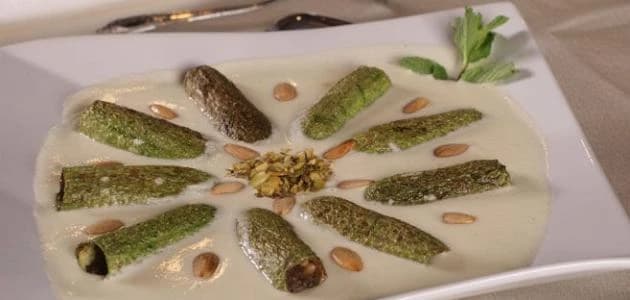
How to make a stuffed Sheh
05/07/2025By: ICN
How to make a stuffed Sheh

introduction

The history of Shih Al -Mahshi is considered to be a stuffed Shih Al -Mahshi plants that are old in the Arab cuisine, and it has been used for medical and nutritional purposes since ancient times. Its appearance dates back to the Mediterranean areas, where it was used as an essential element in many traditional dishes. The importance of Shih Al -Mahshi in the Arab cuisine, Shih Al -Mahsh, has a great role in enriching flavors, as it gives a distinctive and unique taste to the dishes. It also contains multiple health benefits, which makes it an indispensable component. It enhances appetite and helps to digest, making it a favorite choice for many.

Steps to prepare a stuffed Sheh

Choosing the appropriate wormwood must choose the quality of the stuffed shih carefully, as it is preferable to be fresh and varied in its color and smell. You should move away from the wild or yellow -toning wormwood, as this may affect the quality of the final dish. Clean the wormwood and cut it after choosing the appropriate wormwood, it should be well cleaned to get rid of dust and dust. This can be done by washing it under running water. Upon completion, it is cut into small pieces for easy use in cooking, which contributes to enhancing flavor in different dishes.

Prepare the shoe filling

Prepare the rice and chopped meat after cleaning and cutting it, cooking the filling. This begins to boil the rice in salted water until it is partially cooked, then filtered. While the rice boils, the minced meat can be brown in a skillet with a little oil until it turns brown, giving the filling the rich flavor. Add spices and spices to filling after cooking, the person must add spices and spices to minced meat. These spices include cinnamon, cumin, salt and black pepper. Next, the rice is mixed with meat and spices, creating a delicious mixture used in the stuffing of the stuffed wormwood.

Fill out and cook the stuffed Sheh

Fill the worry with filling after preparing the filling, the role of filling the wormwood comes with it. The chef holds every sick from the wormwood, and begins to place an appropriate amount of filling inside each sick, while making sure that it is not filled with excess so that it does not explode during cooking. Wipe is closed using a thread or with the help of skewers ’stick. Ways to cook stuffed in the ideal way of cooking, a large amount can be used, where stuffed worn grains are placed in the base, then the boiling water is added until the wormwood is overwhelmed. Lemon juice can be added to add a distinctive flavor. Cover the pot and leave on low heat for 30 to 45 minutes or until the wormwood is tender.

Presentation of Sheh Al -Mahshi

Ways to present the stuffed shih in an attractive way after the matured of the stuffed Sheh, it can be presented in an attractive way. Wipe grains are described in a large dish, and can be decorated with parsley leaves or dill. It is preferable to serve it warm with pieces of lemon on the side to add a delicious touch. Recipes for sauces accompany the stuffed Shehh to add a distinctive flavor, different sauces such as yogurt sauce can be prepared with garlic or tahini sauce. The yogurt is mixed with mashed garlic, salt and lemon juice to get a refreshing sauce, or mix tahini with water and lemon juice for a rich flavor. These sauces provide a delicious diversity with a stuffed Xih meal.
* All articles published on this blog are sourced from various websites and are provided for informational purposes only. They should not be considered as confirmed studies or accurate information. Please verify the information independently before relying on it.

Similar ARTICLES

Weeknight Salmon Rice Bowls That Work
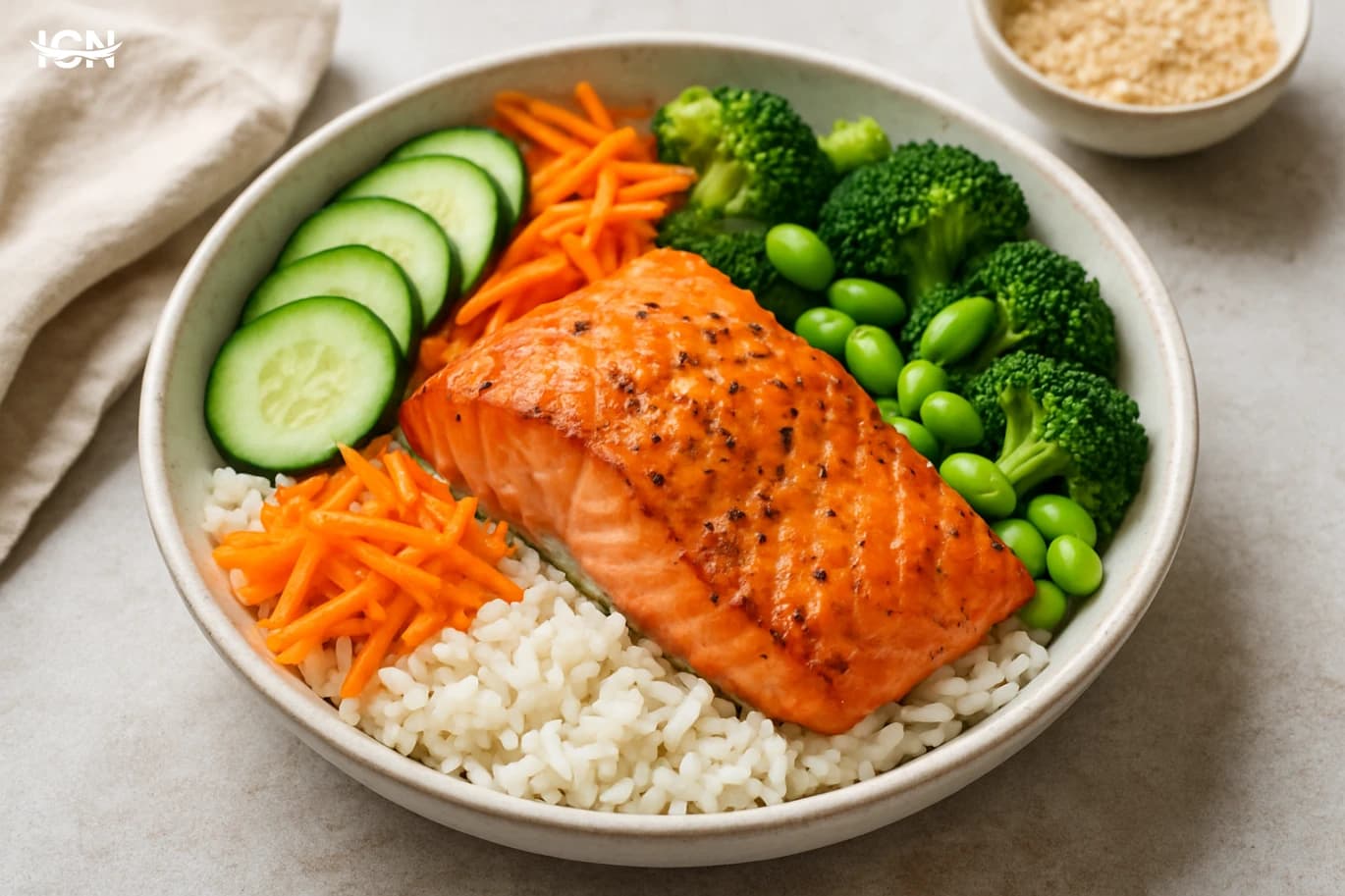
Salmon rice bowls are a practical main dish because they combine protein, starch, and vegetables in one format that scales easily for one person or a family. The core components are straightforward: cooked rice, a portion of salmon, and a set of toppings that add crunch, acidity, and freshness. This structure makes it easier to plan weeknight dinners without repeating the same plate every time, because you can change the sauce or vegetables while keeping the main cooking method consistent. From a time-management perspective, the bowl format reduces steps. Rice can be cooked in advance and reheated, while salmon cooks quickly in a pan, oven, or air fryer. The toppings often require minimal prep, such as slicing cucumbers, shredding carrots, or warming frozen edamame. The result is a meal that feels complete and intentional, not like leftovers assembled at the last minute. It also supports portion control: you can measure rice, choose a salmon portion, and add vegetables generously without needing multiple side dishes. Nutritionally, salmon contributes omega-3 fats and high-quality protein, while rice provides energy and a neutral base for bold flavors. Adding vegetables and a sauce with acid—like lemon, rice vinegar, or yogurt—keeps the bowl balanced and prevents it from tasting heavy. This topic focuses on how to build salmon rice bowls that are reliable, flavorful, and adaptable for weeknights, with clear choices for cooking, seasoning, and storage.
Eid Al Adha Signature Dishes Across Arab Homes
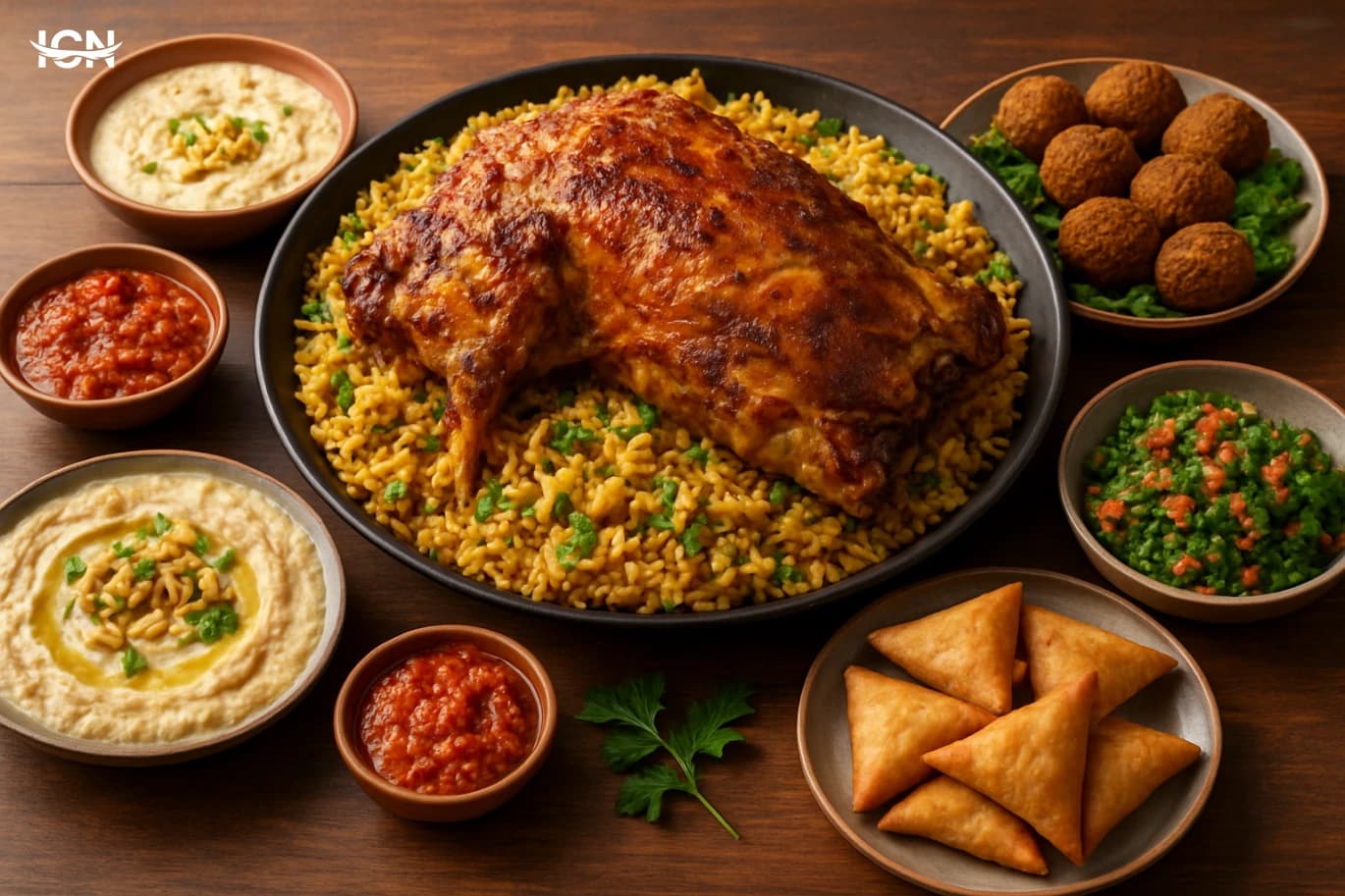
Across the Arab world, Eid Al Adha cooking is shaped by fresh meat availability, family gatherings, and a preference for dishes that can feed many people at once. In many households, the first day focuses on quick preparations that highlight tenderness and simple seasoning, while later days move toward slow-cooked stews, rice feasts, and oven dishes that benefit from time. The menu often balances rich meat plates with bread, salads, yogurt, and pickles to keep the meal structured and easy to serve. What makes these meals distinctive is the mix of regional spice profiles and cooking methods. Gulf kitchens lean toward aromatic rice and spice blends, Levantine tables often feature stuffed vegetables and yogurt-based sauces, and North African homes bring in couscous, preserved flavors, and long braises. Even when the main ingredient is similar, the final dish reflects local staples, from the type of rice used to the preferred herbs, nuts, and garnishes. The result is a holiday menu that feels familiar across borders yet clearly rooted in each country’s everyday pantry.
Sheet Pan Citrus Salmon Dinner
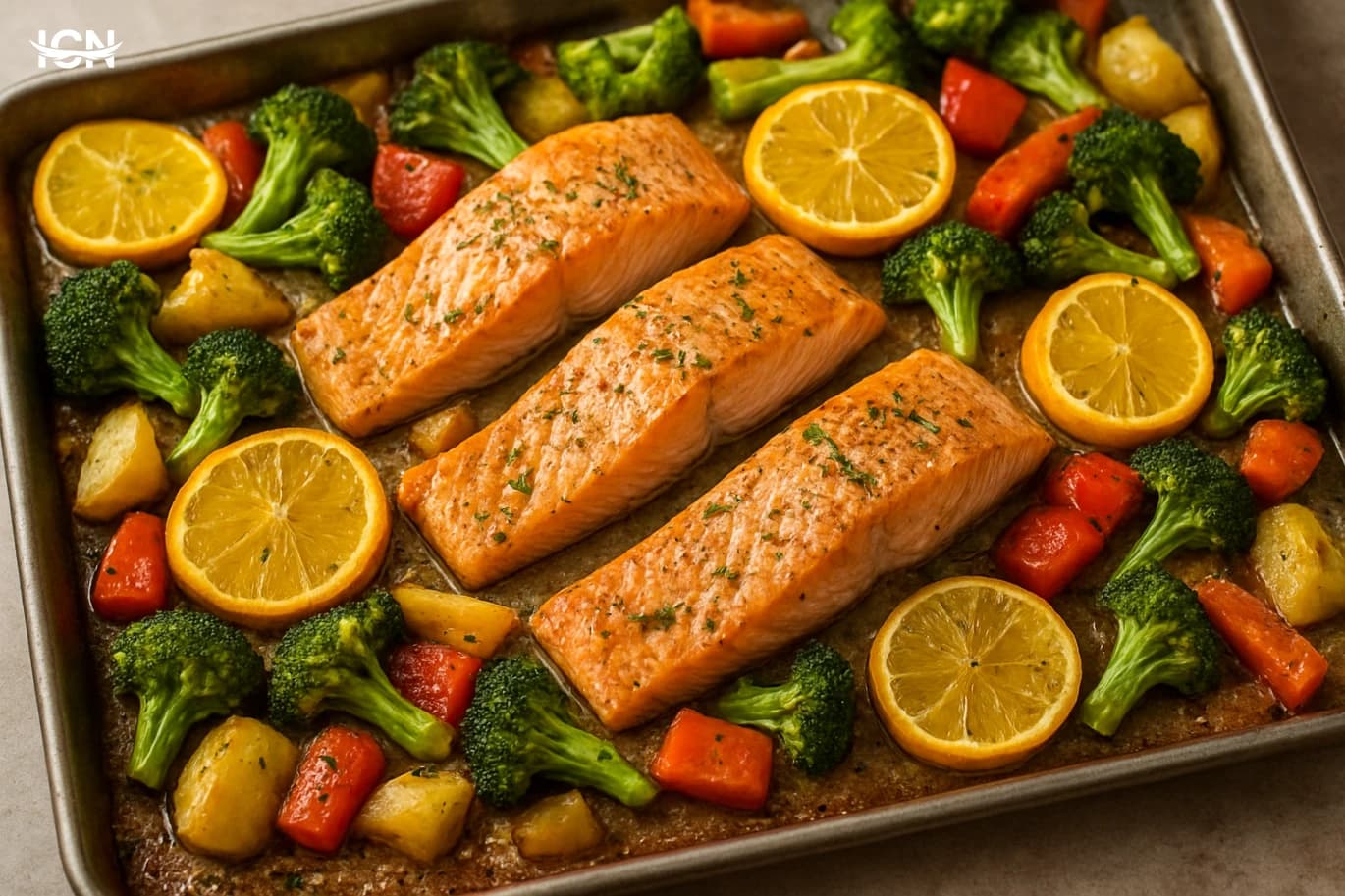
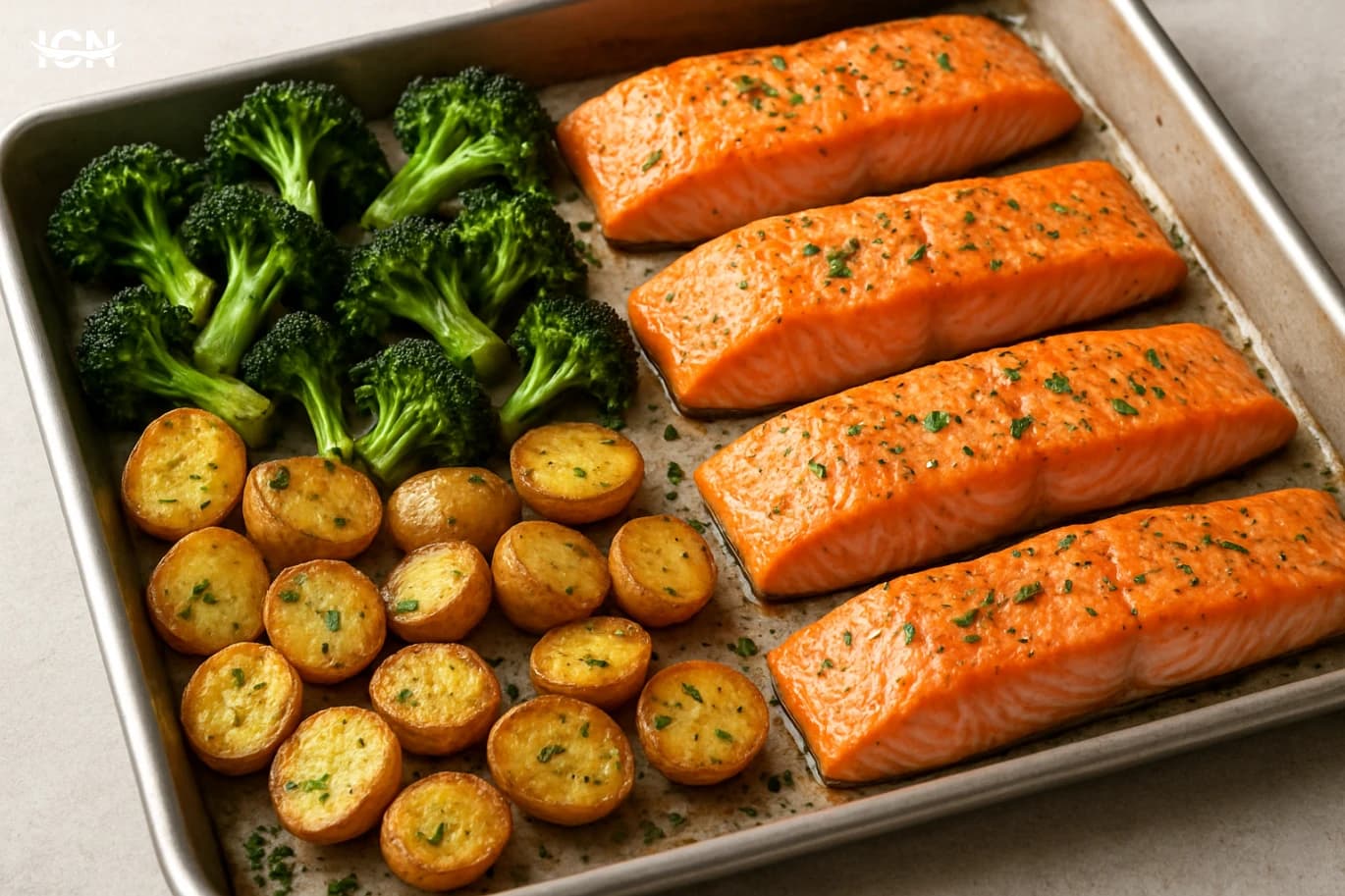
Sheet pan citrus salmon is a practical main dish because it delivers a complete dinner with minimal equipment and predictable timing. You cook the protein and vegetables together on one tray, so the oven does most of the work while you handle small tasks like mixing a quick sauce or setting the table. The flavor profile is clear and consistent: citrus brightens the salmon, a touch of sweetness balances acidity, and herbs add freshness without requiring a long marinade. From a planning perspective, it fits common weeknight constraints. Most home ovens can roast salmon and vegetables in 15–25 minutes depending on thickness and cut size, and cleanup is limited to a cutting board, a bowl, and the pan. It also scales well: you can add extra fillets and increase vegetables without changing the method, which makes it useful for families or meal prep. The result is a main dish that feels intentional and restaurant-like, but remains straightforward enough to repeat regularly.
Sheet Pan Chicken Shawarma Dinner
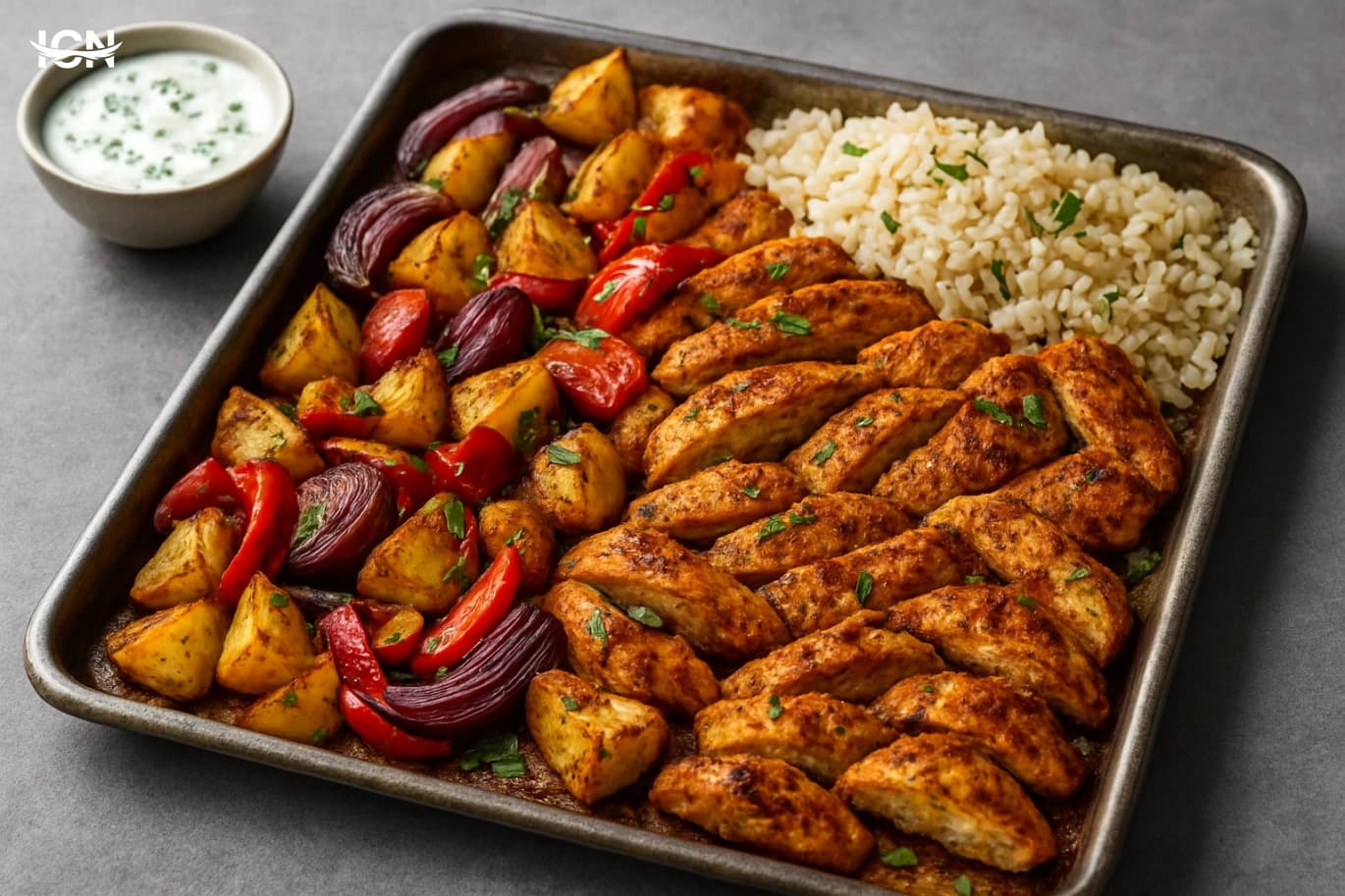
Sheet pan chicken shawarma is a practical main dish because it delivers strong flavor, reliable texture, and minimal cleanup in one plan. Instead of juggling multiple pans, you roast seasoned chicken alongside onions and vegetables on a single tray, then finish with quick toppings. The method is forgiving: high heat browns the edges while the center stays juicy, and the vegetables absorb the drippings for extra depth. From a planning perspective, it fits real schedules. You can mix the spice blend in advance, marinate the chicken for 20 minutes or overnight, and roast everything while you prep a salad or warm bread. It also scales well: one tray can feed a small household, and two trays can cover guests without changing the process. The result feels like a complete dinner rather than a shortcut meal, which is why it has become a dependable weeknight option.
Weeknight Sheet Pan Chicken and Vegetables
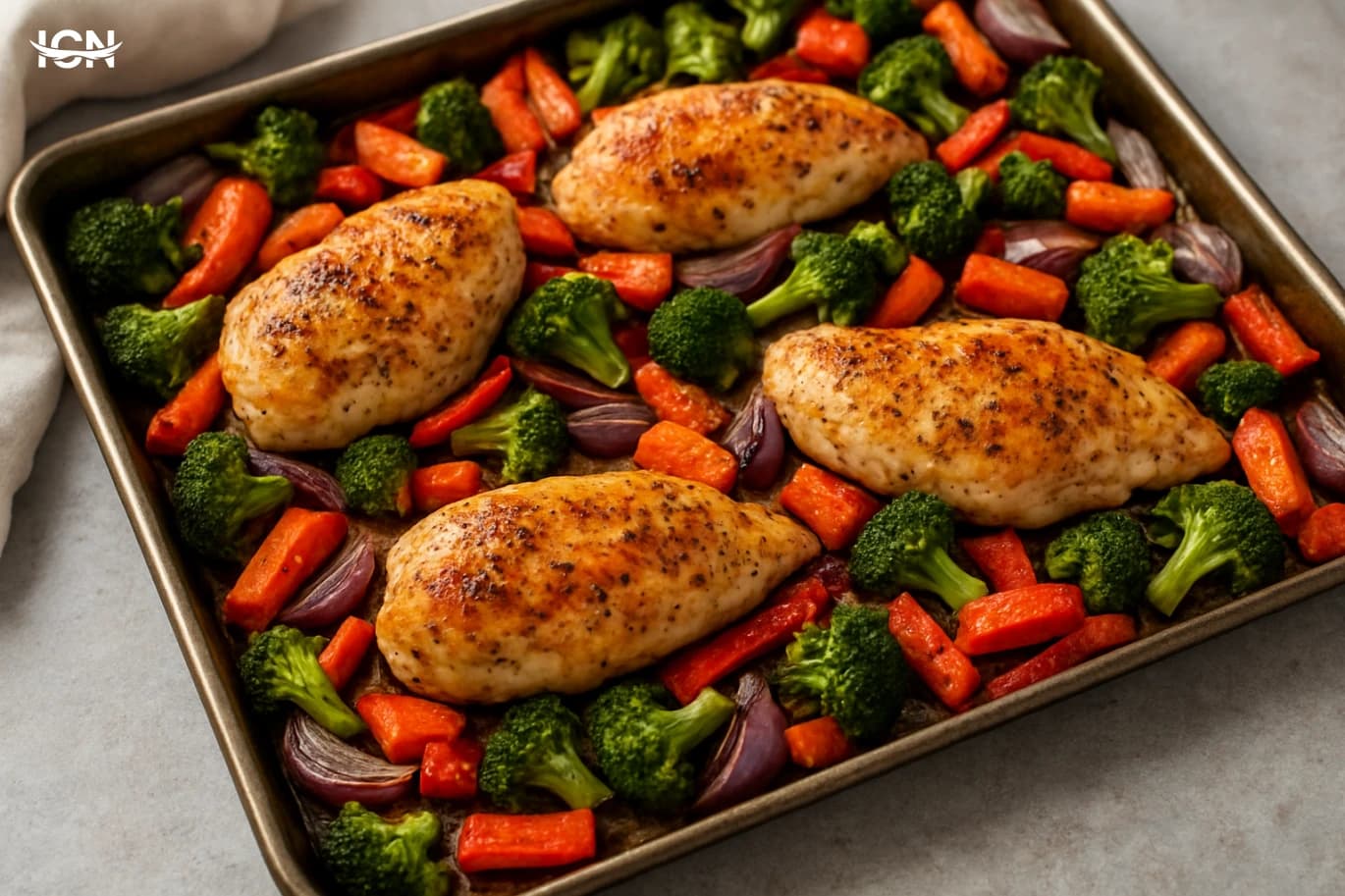
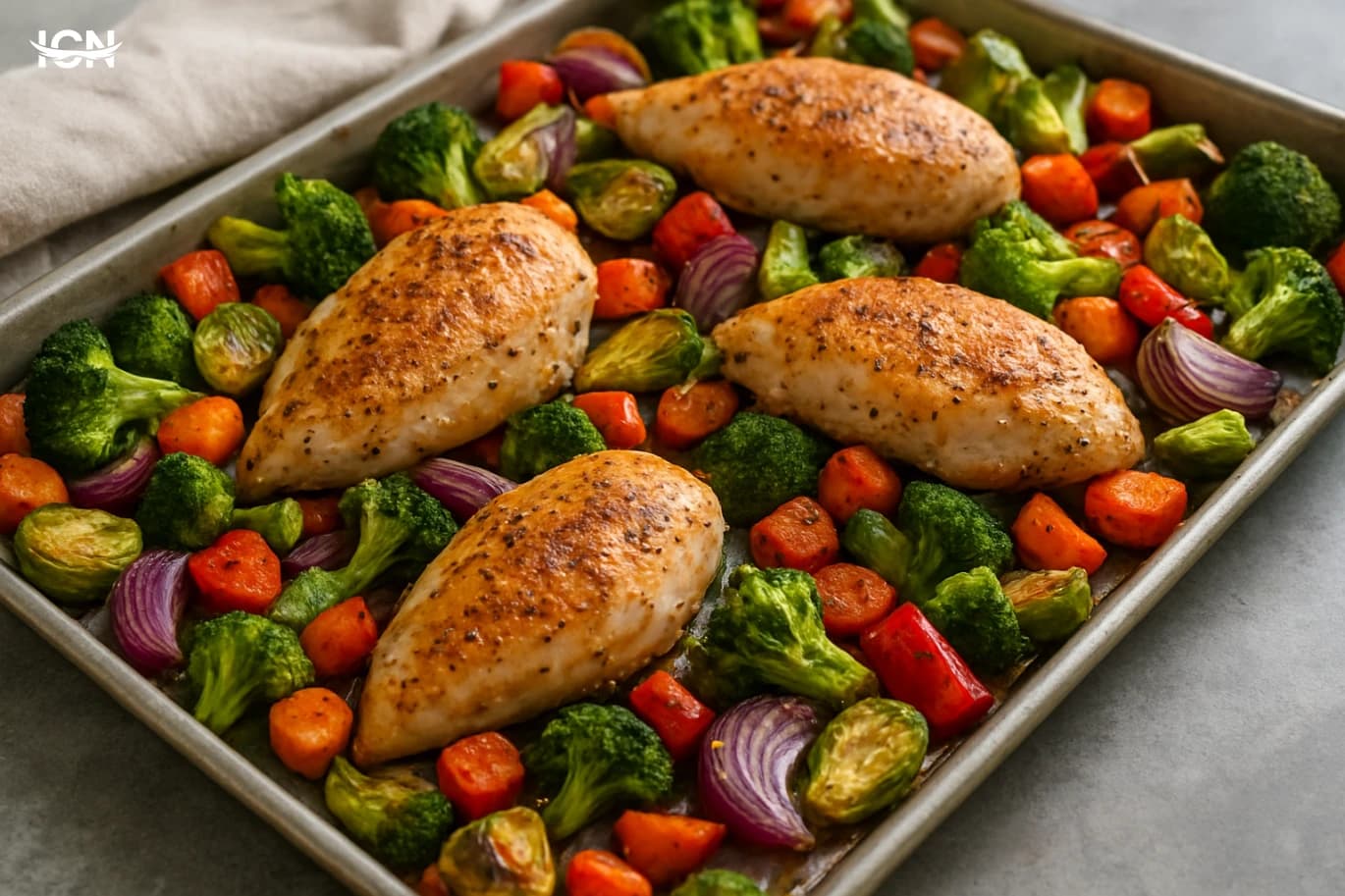
Sheet pan chicken with vegetables is a practical main dish because it concentrates prep, cooking, and cleanup into one routine. You season everything in a bowl, spread it on a single tray, and let the oven do the work while you handle other tasks. The method is also forgiving: you can swap vegetables based on what is in the fridge, adjust spices to suit different tastes, and still get a balanced plate with protein and fiber. From a results standpoint, the high, steady heat of the oven helps chicken brown while vegetables caramelize at the edges. That browning adds flavor without extra sauces or complicated steps. It is also easy to scale: one tray can feed two people, and two trays can cover a family meal plus leftovers for lunch. For anyone trying to cook more at home, this is a reliable entry point that feels like a complete dinner rather than a compromise.
Hareed Fish for Memorable Home Meals
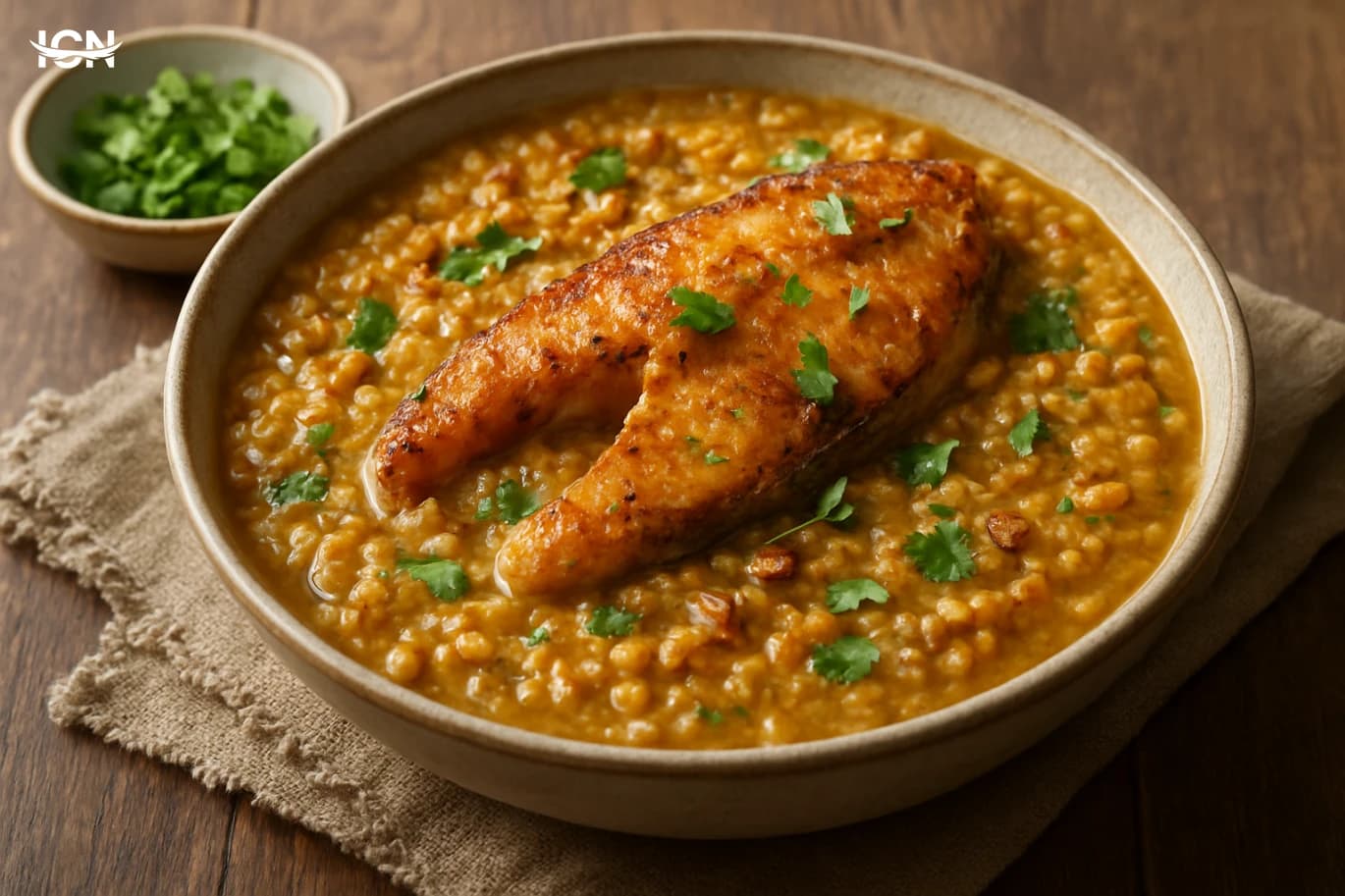
Hareed fish is known across many coastal markets for its firm flesh, clean flavor, and the way it holds up to different cooking methods without falling apart. Home cooks appreciate it because it can be grilled, baked, pan-seared, or cooked in broth while still keeping a satisfying bite. Compared with more delicate fish, hareed tends to be forgiving: it tolerates short marinating times, moderate heat, and simple seasoning, which makes it practical for weeknight cooking. On the table, hareed works well with both bright and warm flavor profiles. Citrus, garlic, and fresh herbs highlight its natural taste, while spices such as cumin, coriander, and black pepper add depth without overpowering it. Its texture also pairs nicely with rice, roasted vegetables, and light salads, allowing you to build a complete main dish without complicated sides. For families, it is a good option when you want a fish meal that feels substantial and not overly fragile.
Weeknight Sheet Pan Chicken and Vegetables
Sheet pan chicken with vegetables is a practical main dish because it delivers protein, vegetables, and a complete flavor profile in one oven cycle. The method relies on predictable heat and timing: chicken pieces roast while sturdy vegetables caramelize, and a simple sauce or spice blend ties everything together. For busy households, it reduces stovetop monitoring and limits dishes to a single pan, a cutting board, and a bowl for seasoning. It also scales well: the same approach can feed two people with a half pan or a family with a full pan, without changing the technique. From a nutrition standpoint, it is easy to balance. You can choose leaner cuts like boneless thighs trimmed of excess fat, or go for bone-in pieces for deeper flavor. Vegetables can be adjusted to increase fiber and micronutrients, and the cooking fat can be controlled by measuring oil rather than pouring freely. The result is a main dish that feels substantial, looks appealing with browned edges and bright herbs, and can be served with rice, flatbread, or a simple salad depending on what you have on hand.
Syrian Dishes with Deep Roots
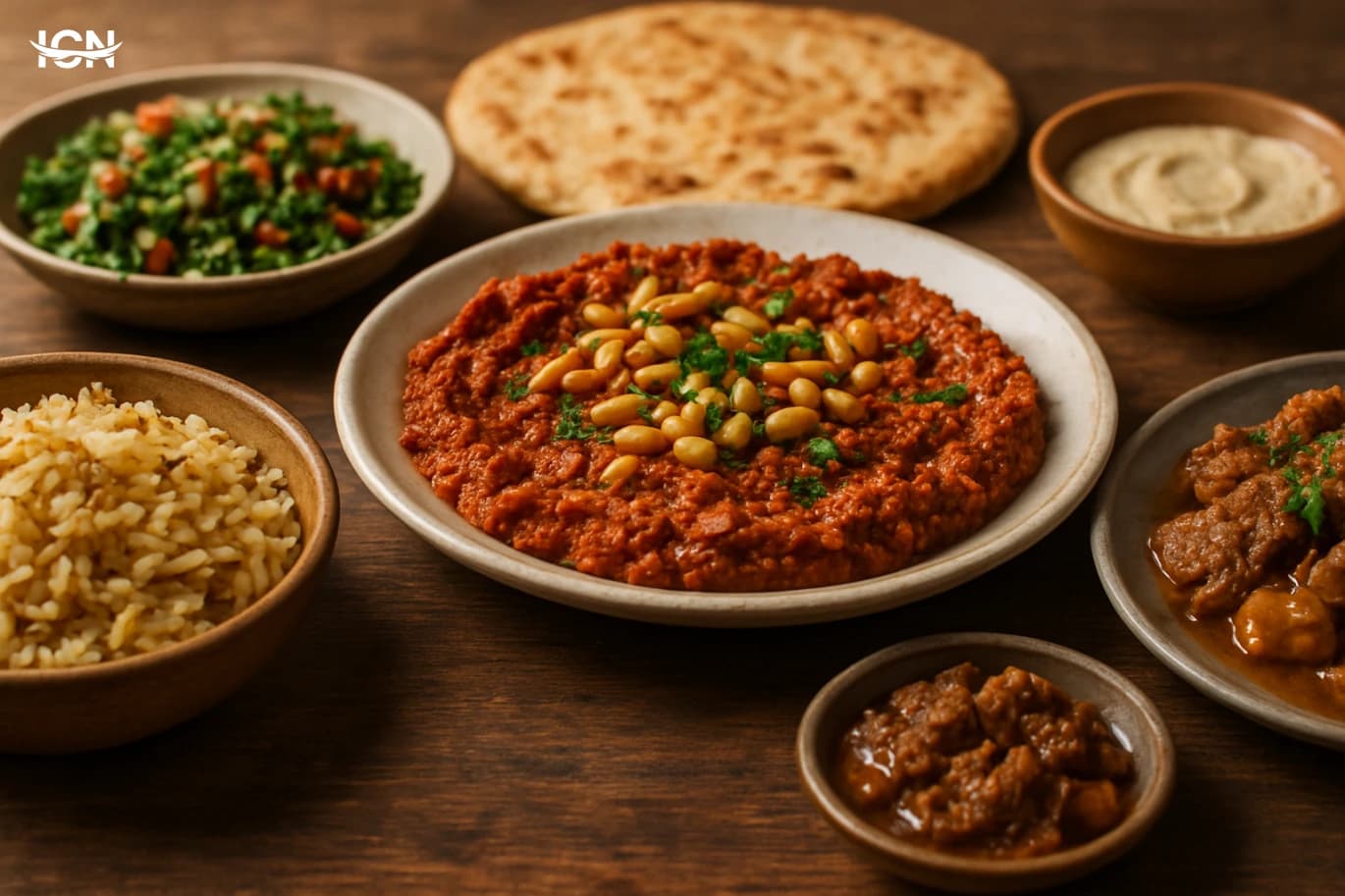
Syrian cooking is often described as Levantine, but its identity is strongly tied to geography and long-running trade routes that connected inland cities with the Mediterranean. From Aleppo’s markets to Damascus’s orchards and the coastal olive groves, everyday meals reflect what each region grows and preserves well. Wheat, chickpeas, lentils, eggplant, tomatoes, and herbs form a reliable base, while olive oil and clarified butter appear depending on local habits and budgets. What makes Syrian main dishes distinct is the balance between comfort and precision. Many recipes rely on a few core techniques: slow simmering to build depth, careful seasoning with warm spices, and the use of sour elements such as pomegranate molasses, lemon, or sumac to keep rich foods bright. Meals are commonly built around a main dish that can feed a family, paired with rice or bulgur and a small set of fresh sides. This structure helps explain why Syrian cooking travels well: it is practical, scalable, and designed for sharing at the table.
Ramadan 2026 Indian Kitchen Guide
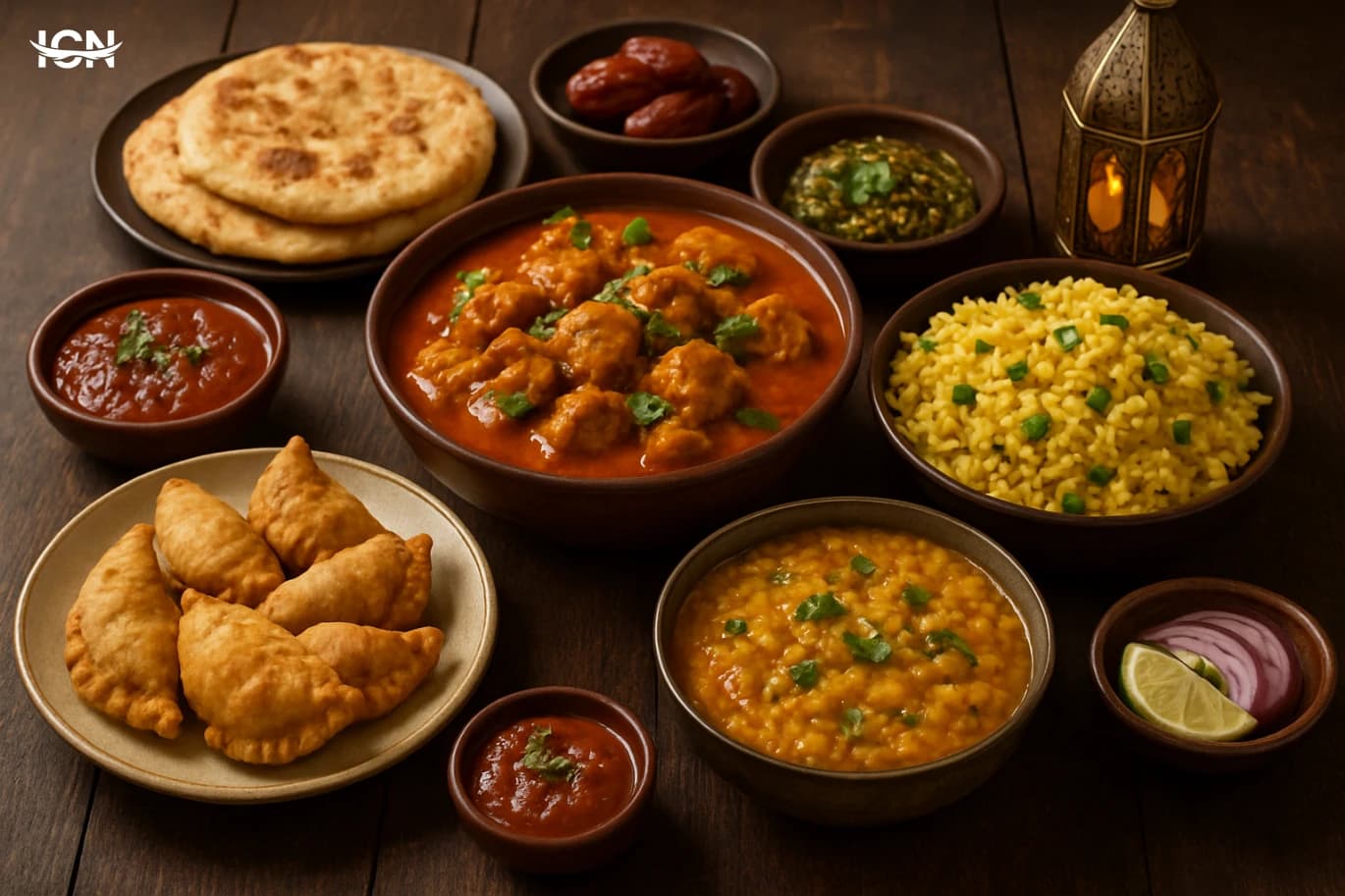
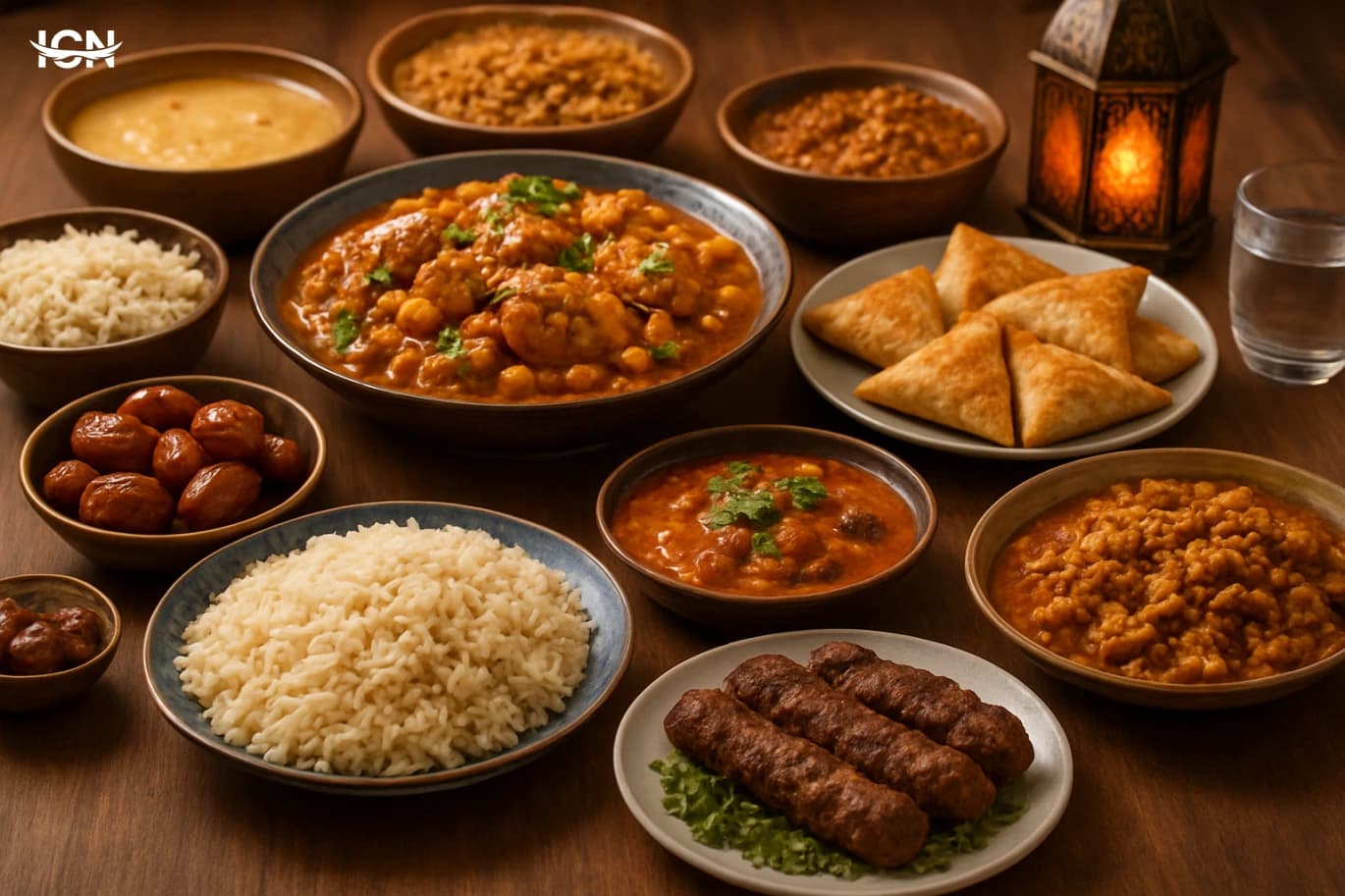
Indian cuisine works well for Ramadan 2026 because it offers structured, complete meals that can be scaled for families and guests. Many classic dishes are built around a clear base (rice, flatbread, or lentils) plus a protein or vegetable curry, which makes planning suhoor and iftar straightforward. The spice system is also flexible: you can keep flavors bright and aromatic without making food overly hot, which is useful when fasting hours are long and hydration matters. Another advantage is variety across regions. North Indian cooking provides comforting options like dal, pulao, and yogurt-based sides that feel filling without being heavy. South Indian traditions add lighter, fermented staples such as idli and dosa, which can be prepared ahead and served quickly. For Ramadan gatherings, Indian menus also support buffet-style service: multiple small dishes can be placed on the table, allowing guests to choose portions and manage appetite after a day of fasting. Finally, Indian cooking rewards batch preparation. A single pot of dal or a tray of roasted masala vegetables can be used across several meals, reducing weekday effort. With a few core pantry items and a simple weekly plan, households can keep iftar varied while staying within time and budget.
Ramadan Signature Dishes Across Arab Countries
Across the Arab world, Ramadan meals share a familiar rhythm—light bites at iftar, a main dish that gathers the family, and practical foods that can be prepared in advance. Yet the main dishes vary widely because each country builds its Ramadan table around local staples, seasonal availability, and long-standing home cooking traditions. In North Africa, wheat-based grains such as couscous and semolina dominate, while the Levant leans on rice, yogurt-based sauces, and stuffed vegetables. In the Gulf, rice dishes often feature fragrant spice blends and slow-cooked meats, reflecting trade routes and pantry habits. Another reason for the diversity is how households plan for the month. Many families prioritize dishes that reheat well, feed large groups, and can be portioned for guests. That is why stews, baked trays, and stuffed preparations are common. Even when the same idea appears in multiple countries—like a rice-and-meat centerpiece—details such as spice profiles, cooking fats, and garnishes create a distinct national signature. The following sections highlight well-known Ramadan main dishes by sub-region, focusing on what people actually cook and serve at home and in popular restaurants.
Ramadan 2026 Iraqi Iftar Table
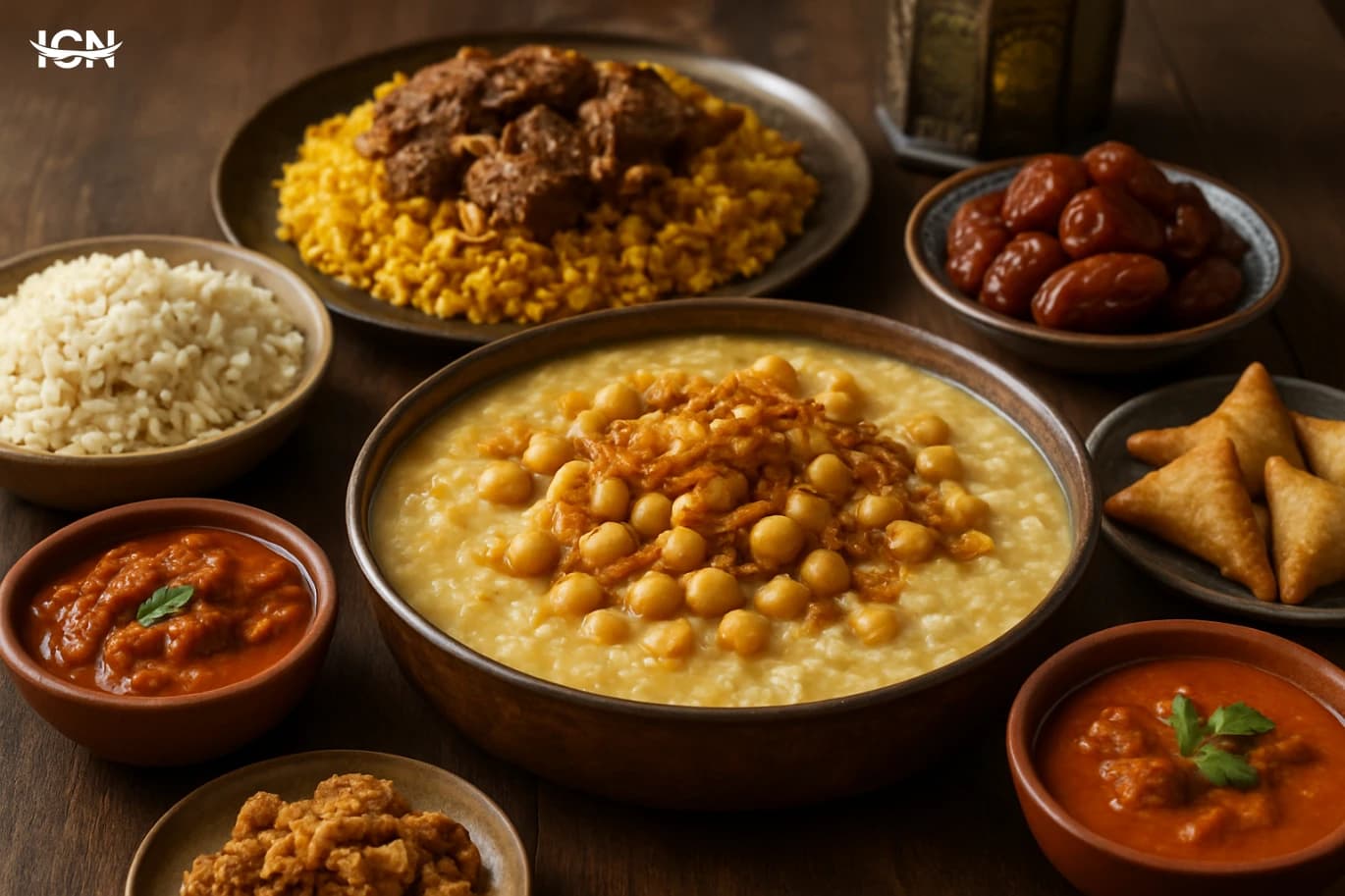
Ramadan 2026 is expected to fall in late winter and early spring, a timing that shapes the Iraqi kitchen in practical ways. Cooler evenings make slow-cooked dishes more appealing, while daytime fasting still encourages lighter suhoor choices that hold up for several hours. In many Iraqi homes, the rhythm of the month is built around a predictable sequence: a quick bite to break the fast, a warming soup, a main dish served family-style, and then tea with simple sweets. The Iraqi iftar table is also defined by hospitality and planning. Families often cook in larger quantities to host relatives, neighbors, or guests who drop in after prayer. That means dishes that scale well and reheat without losing texture are favored, especially stews and rice-based mains. Ramadan shopping typically focuses on pantry staples such as rice, lentils, chickpeas, tomato paste, dried limes, and a range of spices, alongside fresh herbs and seasonal vegetables that keep the meal balanced.
Weeknight Chicken Shawarma Rice Bowls
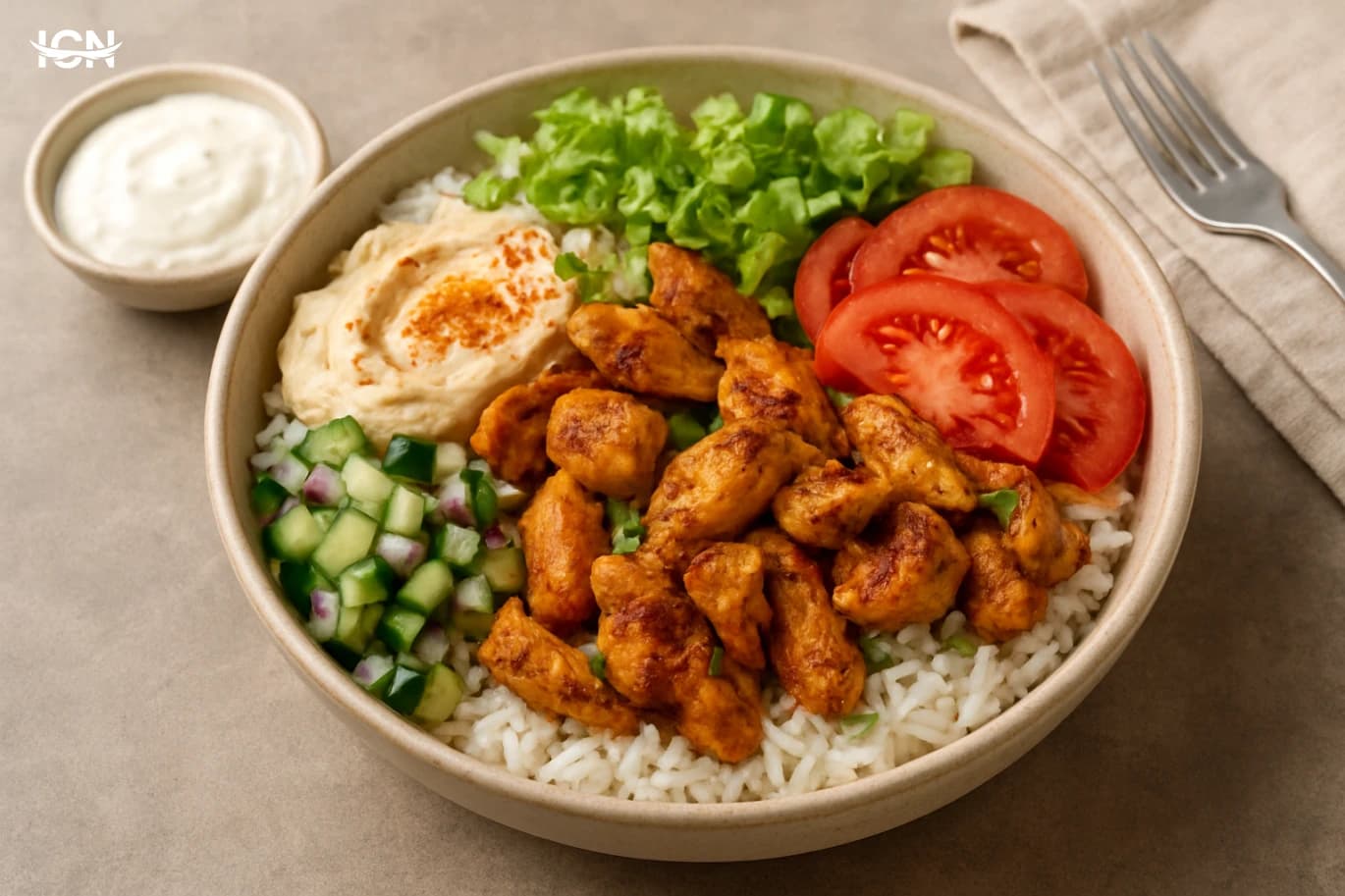
Chicken shawarma rice bowls are a practical main dish because they combine a full protein portion, a starch, and vegetables in one buildable plate. For weeknights, the workflow is straightforward: season the chicken, cook rice, assemble toppings, and serve. Using boneless thighs or breast strips keeps cooking time predictable, and a single skillet or sheet pan can handle the chicken while rice cooks unattended. The bowl format also solves a common dinner problem: different preferences at the table. Some people want extra garlic sauce, others prefer more salad, and someone may skip pickles. With bowls, everyone customizes without creating separate meals. This dish also scales well. Two pounds of chicken can feed a family with leftovers for lunch, and the same components can be repurposed the next day into wraps or salads. From a cost perspective, it relies on widely available pantry spices and inexpensive staples like rice, cucumbers, and onions. The result feels like takeout, but the ingredient list is transparent and adjustable for salt, heat, and portion size.
By clicking the SUBSCRIBE button, you are agreeing to our Privacy & Cookie Policy If you want to unsubsribe the marketing email, please proceed to our privacy center.
© 2005-2026 ICN. All Rights Reserved.