Weeknight Sheet Pan Chicken and Vegetables
- Why this dish works on busy nights
- Choosing chicken cuts and vegetables
- Seasoning strategy that tastes restaurant-level
- Timing, temperature, and tray setup
- Smart variations and serving ideas
Why this dish works on busy nights
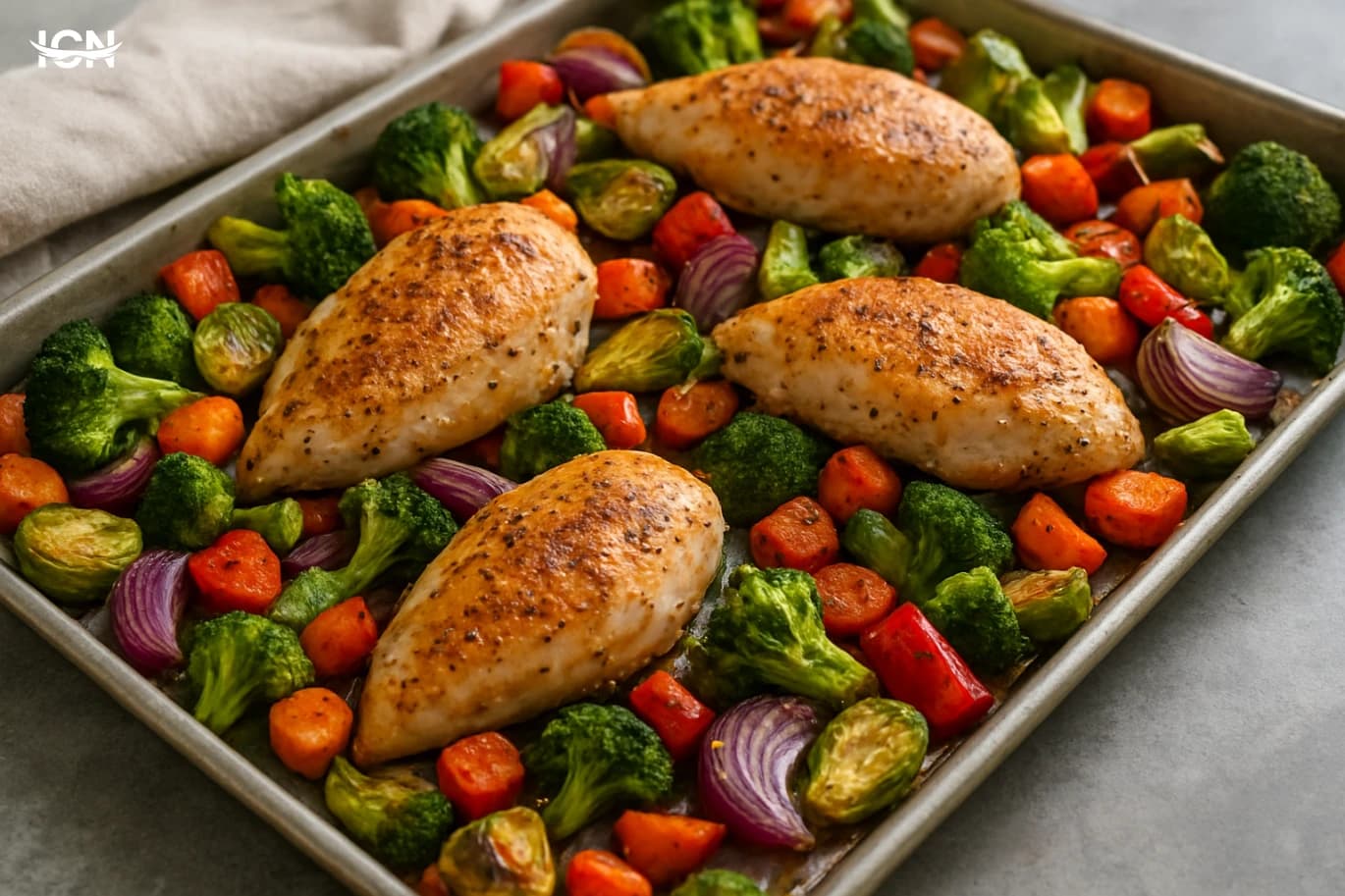
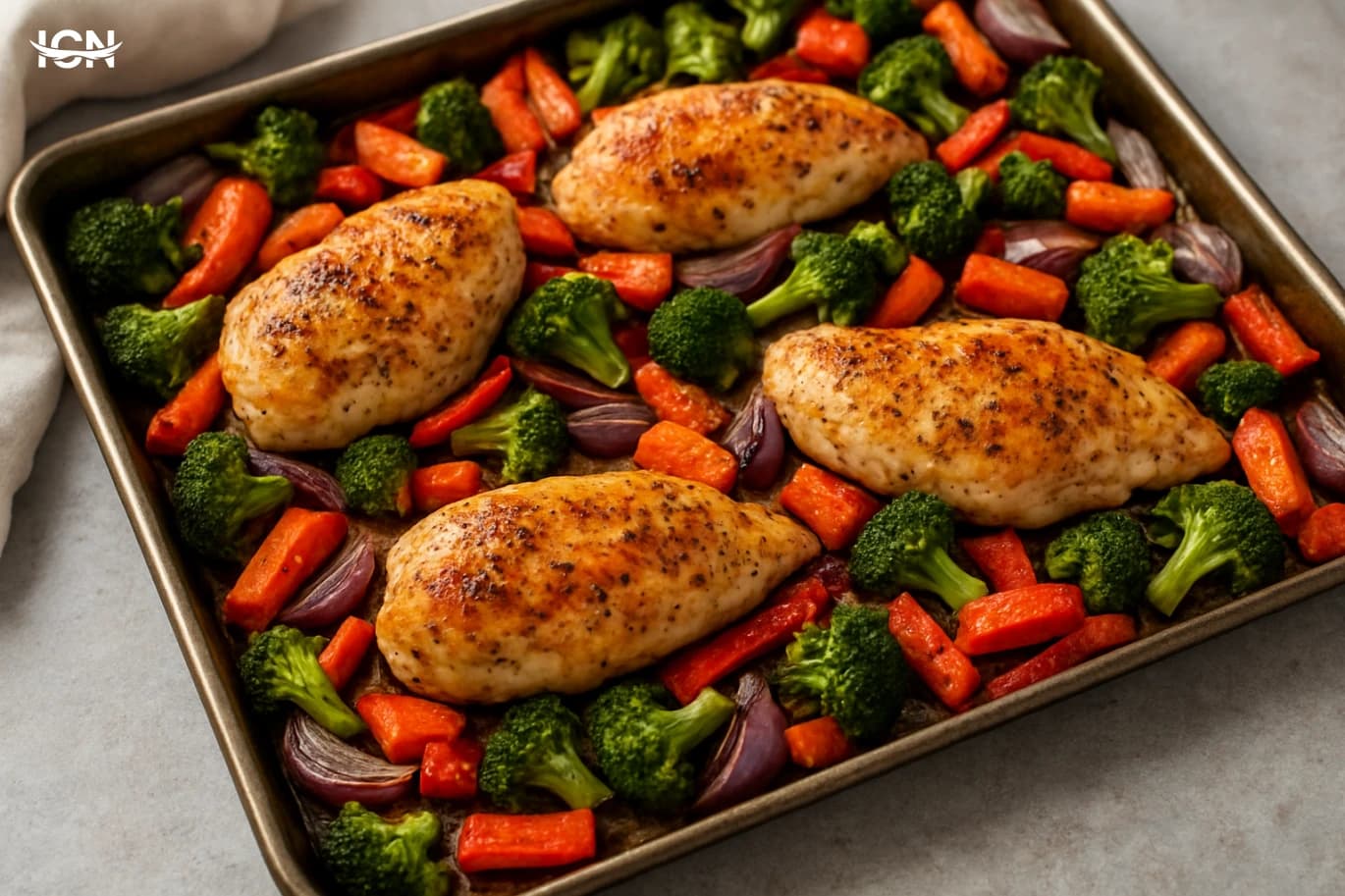
Sheet pan chicken with vegetables is a practical main dish because it concentrates prep, cooking, and cleanup into one routine. You season everything in a bowl, spread it on a single tray, and let the oven do the work while you handle other tasks. The method is also forgiving: you can swap vegetables based on what is in the fridge, adjust spices to suit different tastes, and still get a balanced plate with protein and fiber. From a results standpoint, the high, steady heat of the oven helps chicken brown while vegetables caramelize at the edges. That browning adds flavor without extra sauces or complicated steps. It is also easy to scale: one tray can feed two people, and two trays can cover a family meal plus leftovers for lunch. For anyone trying to cook more at home, this is a reliable entry point that feels like a complete dinner rather than a compromise.
Choosing chicken cuts and vegetables
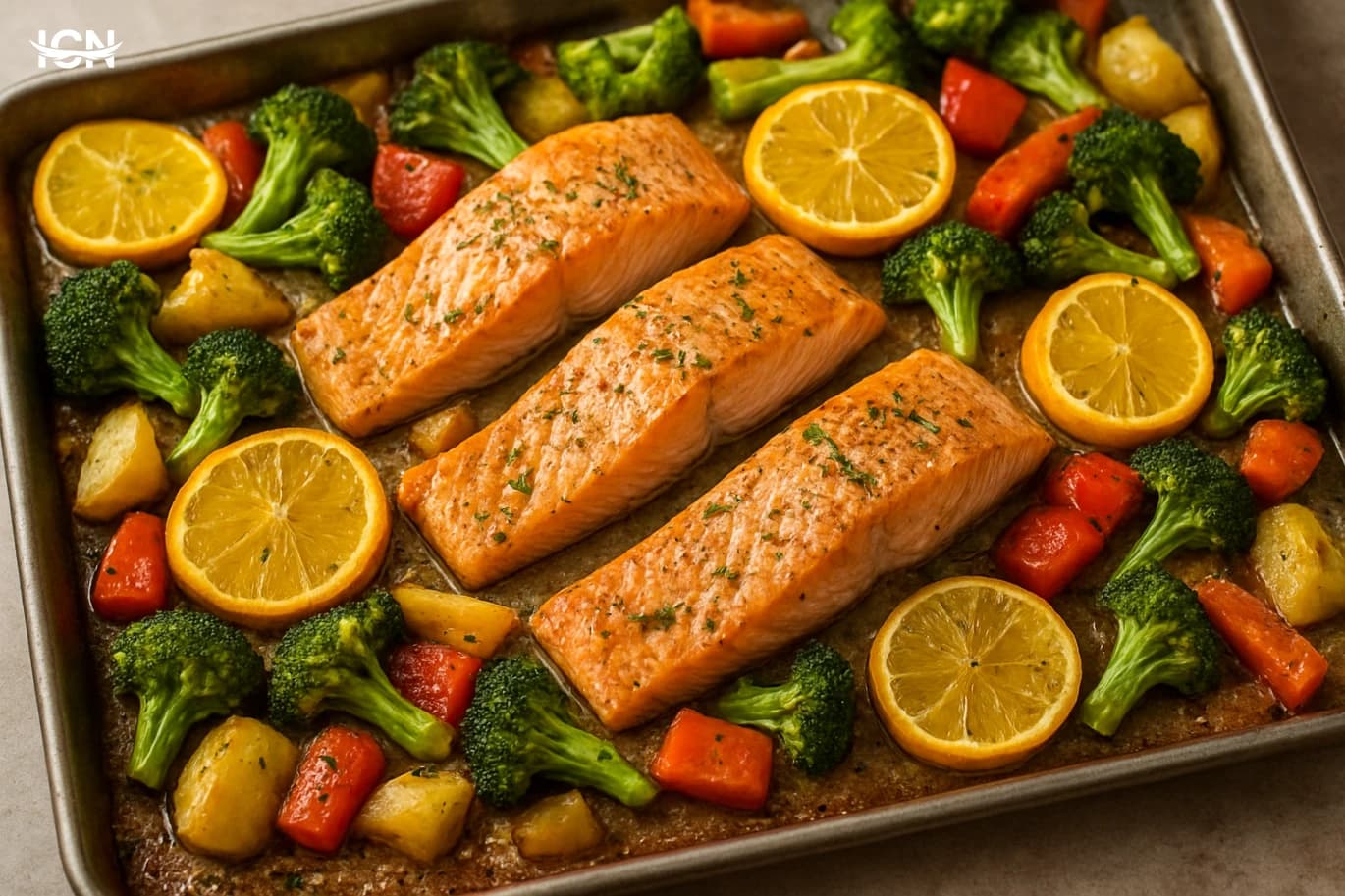
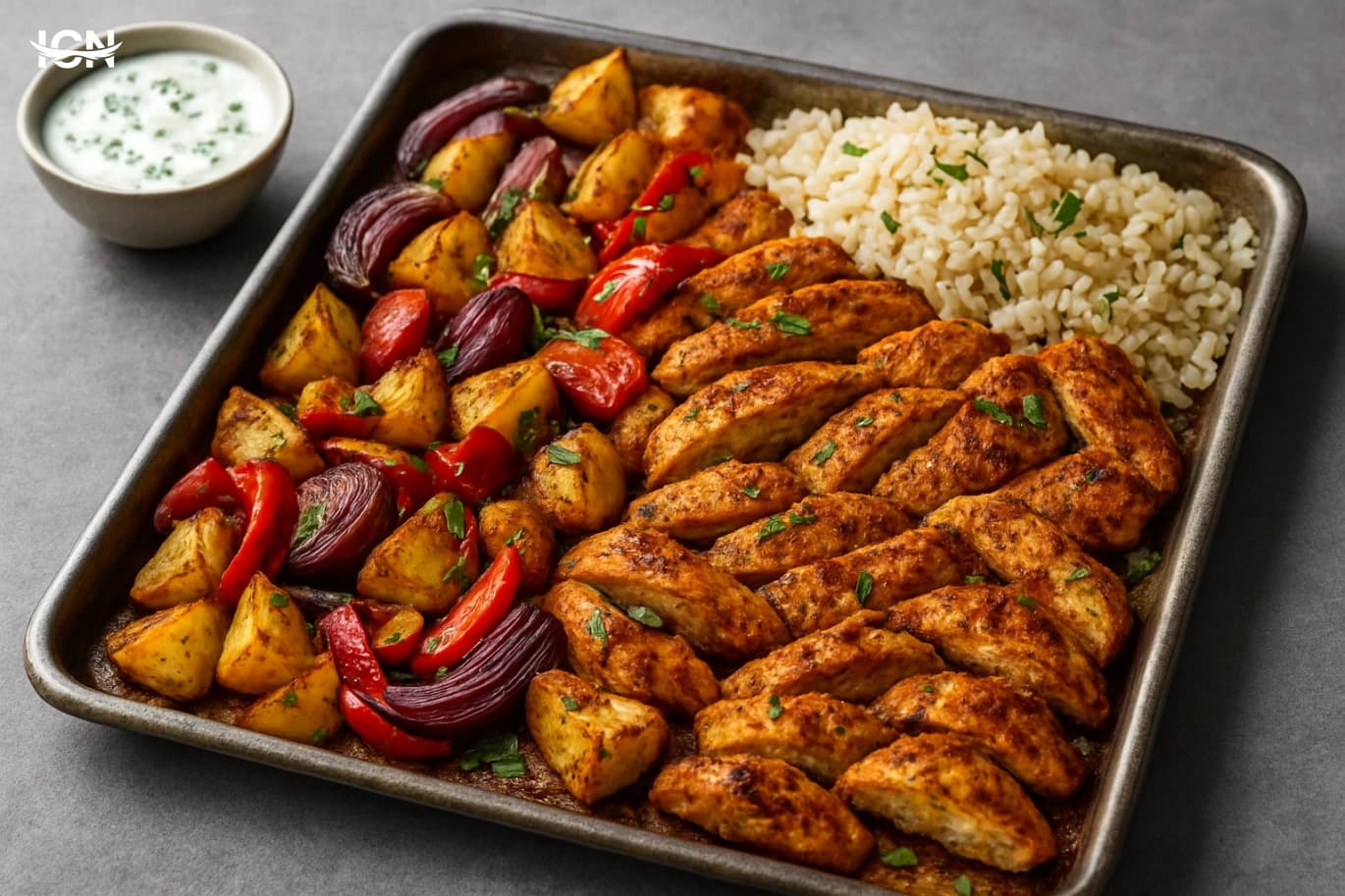
For the chicken, thighs are the most forgiving choice. They stay juicy at higher temperatures and tolerate a few extra minutes in the oven without drying out. Drumsticks work similarly, though they may need a slightly longer cook time depending on size. If you prefer breasts, choose thicker pieces and consider cutting them into large chunks so they cook evenly with the vegetables. Vegetable selection should balance cooking speed and texture. Good base options include potatoes, sweet potatoes, carrots, broccoli, cauliflower, bell peppers, zucchini, and red onion. Hard vegetables like potatoes and carrots need smaller cuts so they finish at the same time as the chicken. Softer vegetables like zucchini can be cut larger or added halfway through to avoid turning mushy. A simple rule is to keep pieces roughly uniform: 1-inch cubes for potatoes, thick slices for carrots, and large florets for broccoli. To keep the tray from steaming, avoid overcrowding. If ingredients are piled on top of each other, moisture gets trapped and you lose browning. Use a large sheet pan, or split between two pans if you are cooking for more than three people.
Seasoning strategy that tastes restaurant-level
A strong sheet pan meal depends on a clear seasoning plan. Start with a base of salt, black pepper, and a fat that can handle heat, such as olive oil. Then choose one flavor direction and commit to it. A Mediterranean profile can use garlic, lemon zest, oregano, and a touch of paprika. A smoky profile can use cumin, smoked paprika, and a pinch of chili flakes. An herb-forward profile can use rosemary or thyme with a little mustard. To avoid bland vegetables, season them separately or at least make sure they are fully coated. Vegetables need enough salt to bring out sweetness during roasting. Acid should be used thoughtfully: lemon juice added too early can slow browning, so reserve it for the last five minutes or for serving. If you want extra depth without heavy sauces, add a spoon of tomato paste to the oil and spices, or toss in a handful of olives near the end. For consistent results, measure once and repeat. A practical starting point for one tray is 1.5 to 2 pounds of chicken, 5 to 6 cups of mixed vegetables, 2 to 3 tablespoons of olive oil, 1.5 teaspoons of salt total, and 1 to 2 teaspoons of your main spice blend. Adjust after you taste the first batch and write down what worked.
Timing, temperature, and tray setup
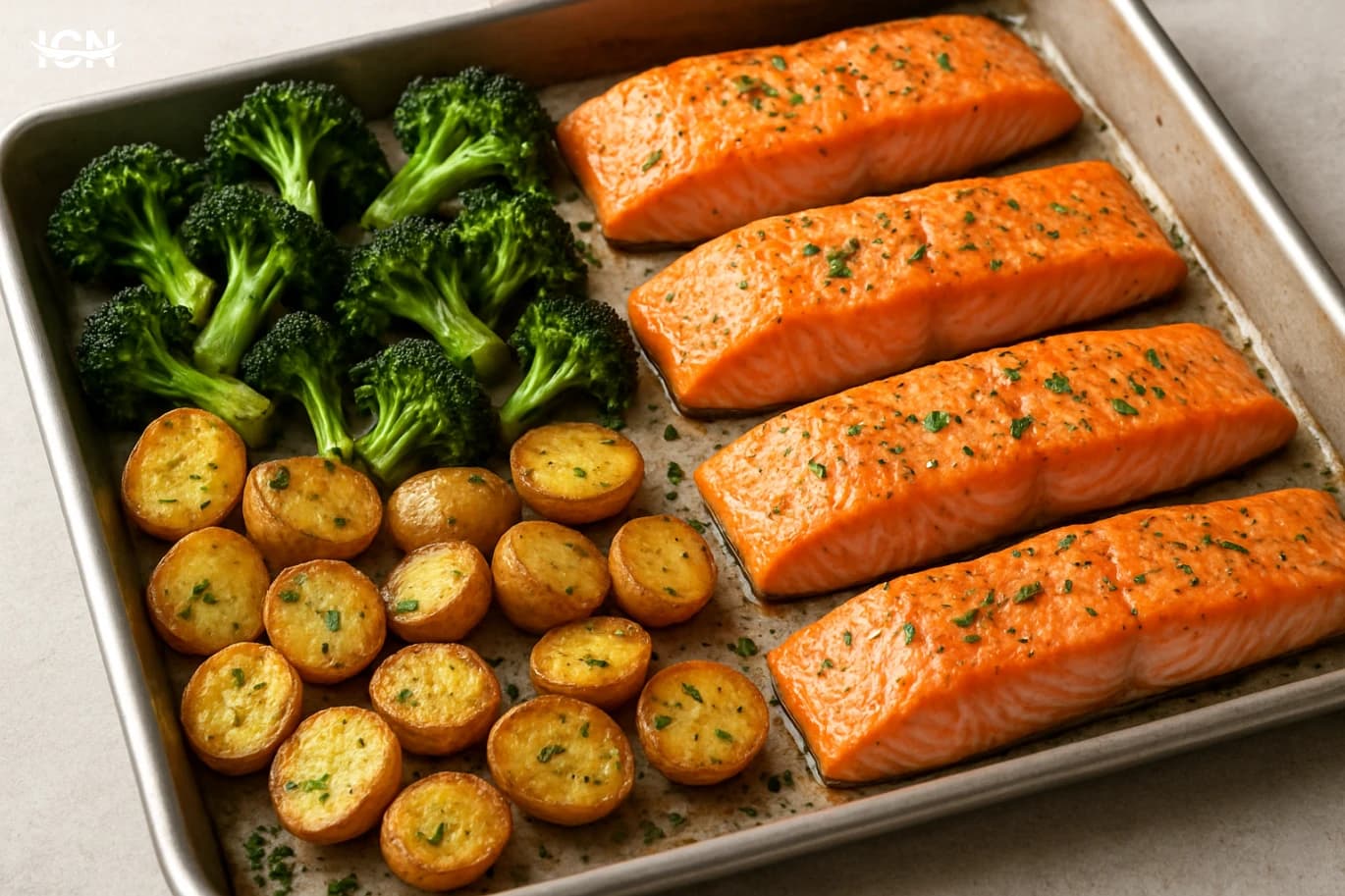
For most ovens, 425°F (220°C) is the sweet spot for sheet pan chicken and vegetables. It is hot enough to brown but not so aggressive that the outside burns before the inside cooks. Preheat fully, and place the rack in the middle or upper-middle position for better color. Line the tray with parchment for easier cleanup, but keep in mind that parchment can slightly reduce browning compared with a bare metal pan. If you want maximum caramelization, lightly oil the pan and skip parchment, or use a combination: parchment under vegetables that tend to stick and open space for chicken skin to crisp. A typical timeline: roast hard vegetables for 10 minutes first if you are using large potato chunks or thick carrots. Then add the chicken and the remaining vegetables and roast for another 20 to 30 minutes, depending on cut size. Flip or stir vegetables once halfway through. Chicken is done when the thickest part reaches 165°F (74°C) and juices run clear. Let everything rest for 5 minutes before serving so the chicken stays moist. If you do not use a thermometer, cut into the thickest piece and check that the center is opaque with no pink. For safety and consistency, a thermometer is worth it, especially when cooking different cuts on the same tray.
Smart variations and serving ideas
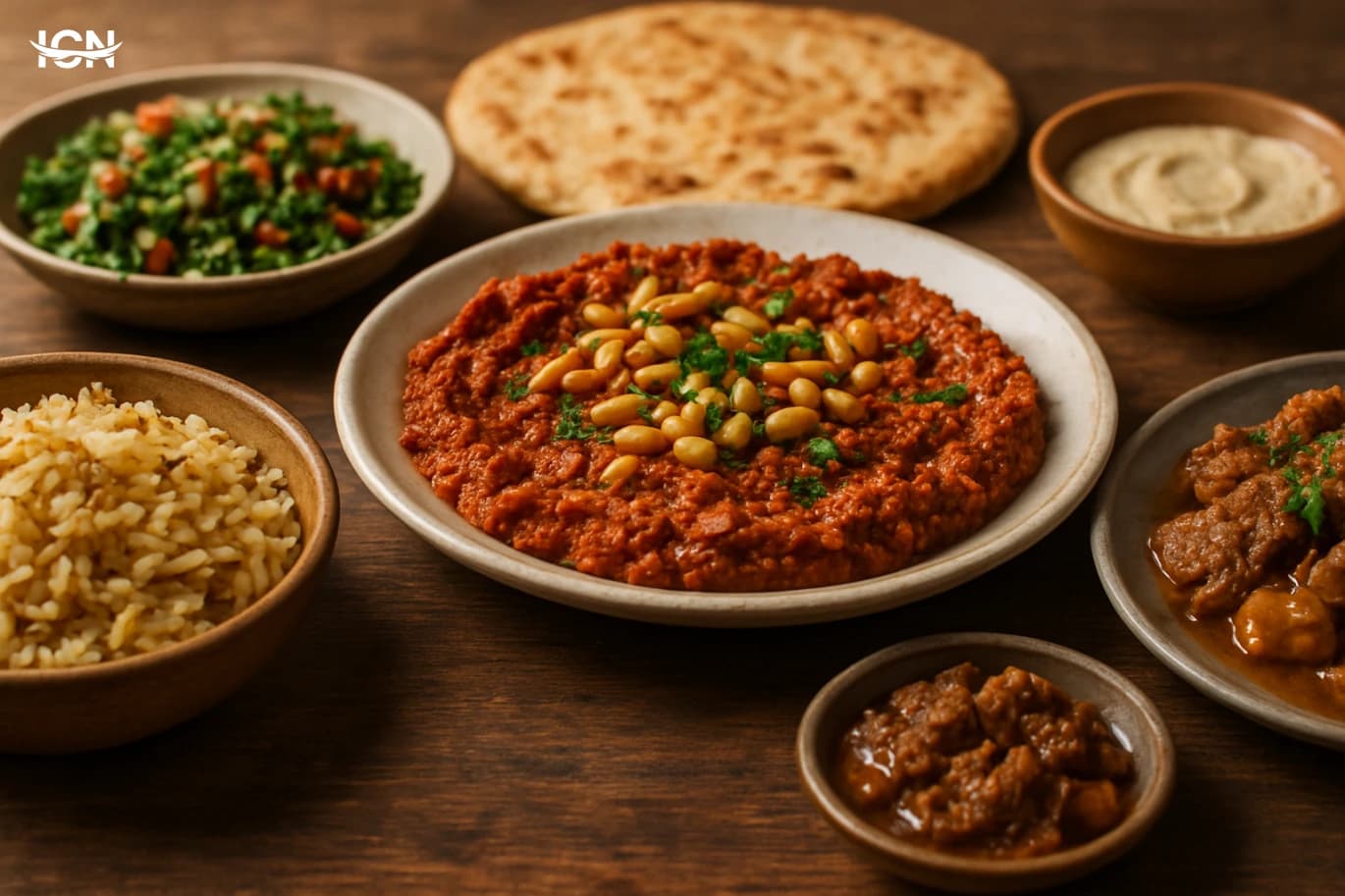
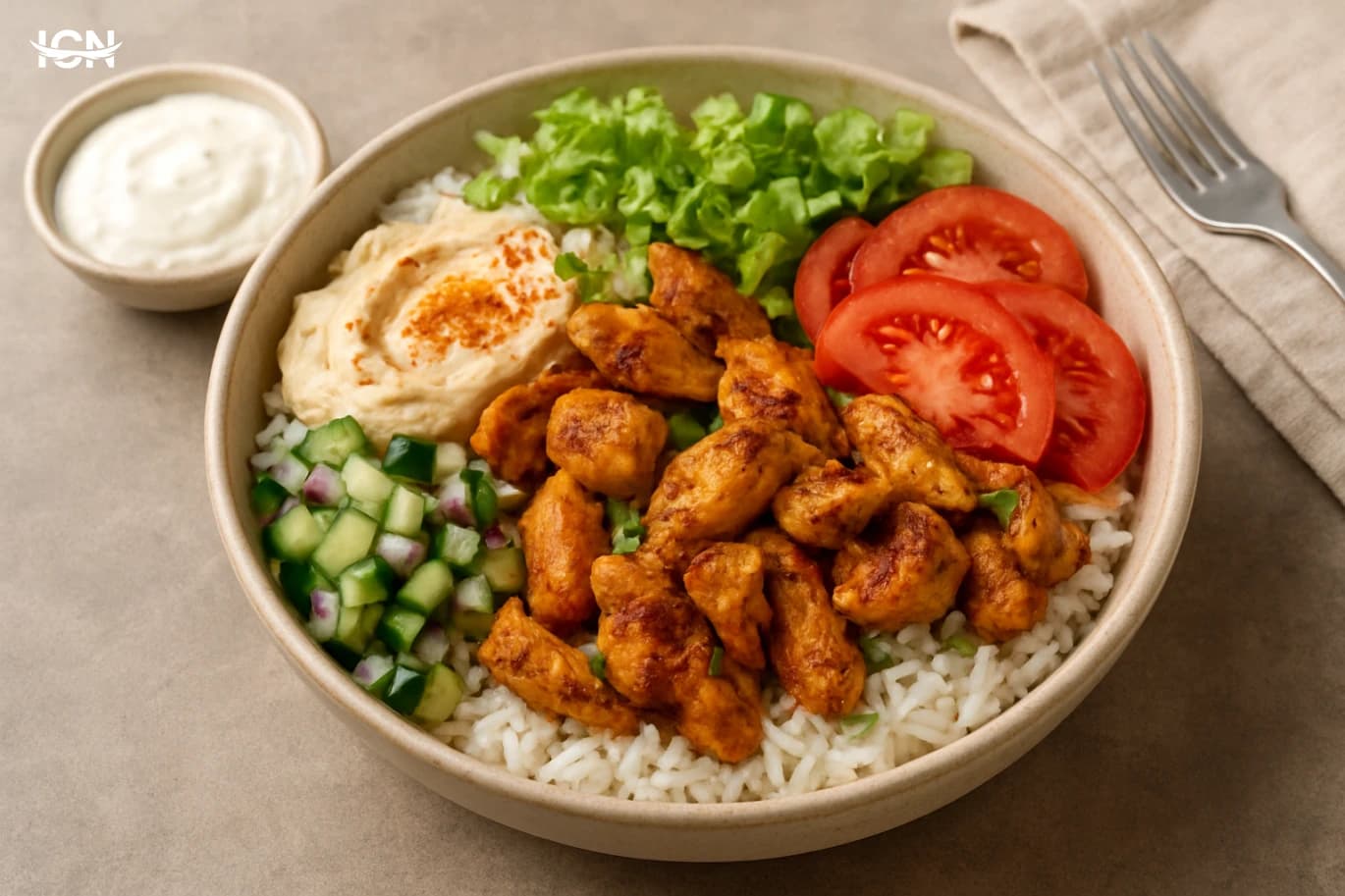
Once you master the base method, variations keep the dish interesting without adding complexity. For a brighter finish, toss the hot tray with chopped parsley and a squeeze of lemon, or add a quick yogurt sauce with garlic and salt on the side. For a richer profile, sprinkle a small amount of grated Parmesan over vegetables in the last five minutes. If you like a little sweetness, roast red onion wedges and bell peppers, then finish with a drizzle of balsamic glaze. Serving options can also change the feel of the meal. Serve straight from the tray with a simple green salad for a light dinner. Turn leftovers into a grain bowl with rice, bulgur, or quinoa and a spoon of tahini or hummus. You can also stuff the chicken and vegetables into warm flatbread with a crunchy cucumber salad for a more casual main dish. For meal prep, store chicken and vegetables in separate containers if possible; it keeps textures better when reheating. Reheat in a hot oven or air fryer for 6 to 10 minutes to bring back browning, rather than using a microwave alone. If you plan to freeze, freeze the cooked chicken separately and roast fresh vegetables later for a better result.