Ramadan 2026 Iraqi Iftar Table
- Ramadan 2026 in Iraq
- Core flavors and pantry essentials
- Iftar mains that define the Iraqi table
- Suhoor choices that last
- Smart prep for busy Ramadan evenings
- Regional touches and modern twists
Ramadan 2026 in Iraq
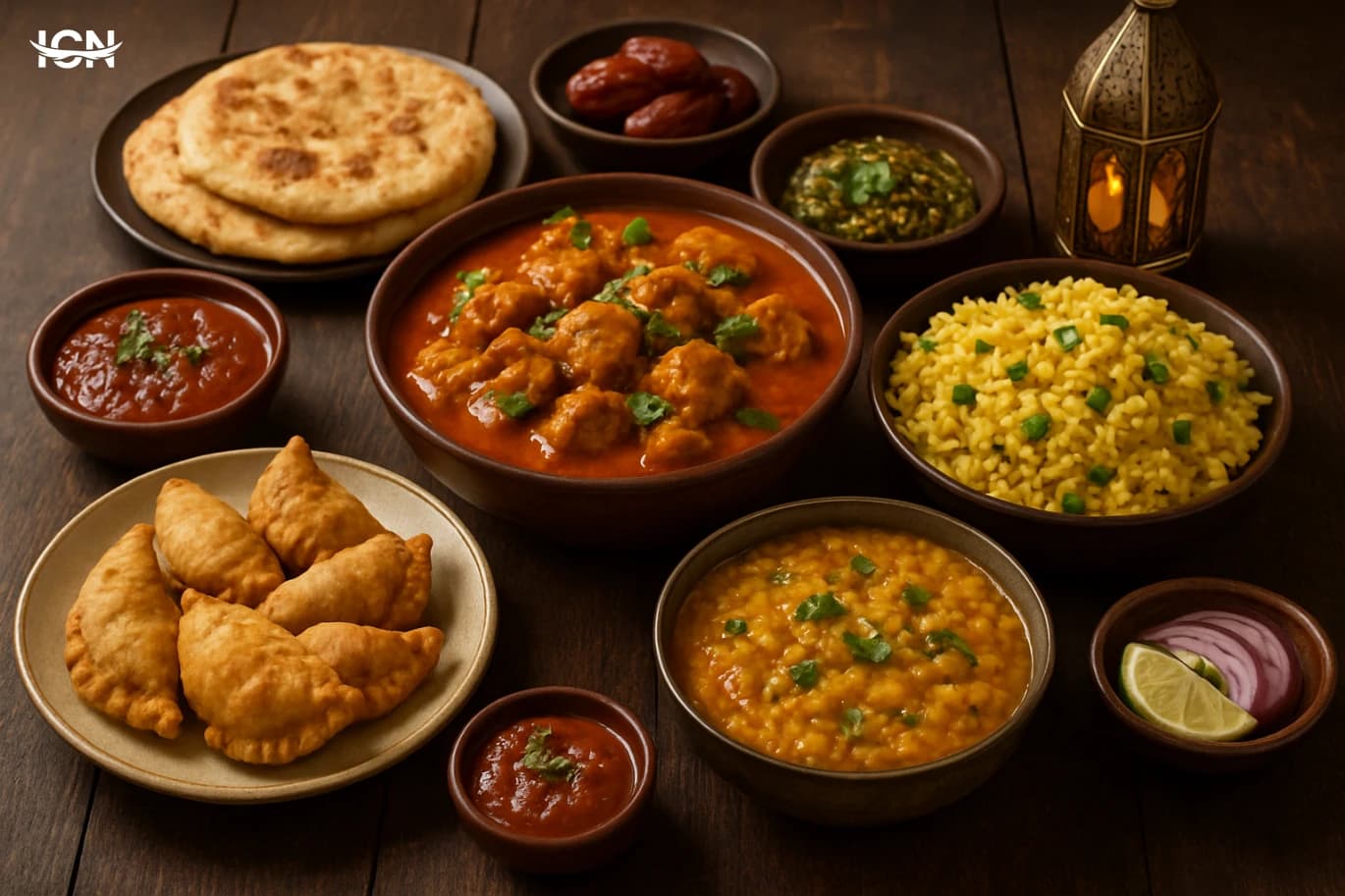
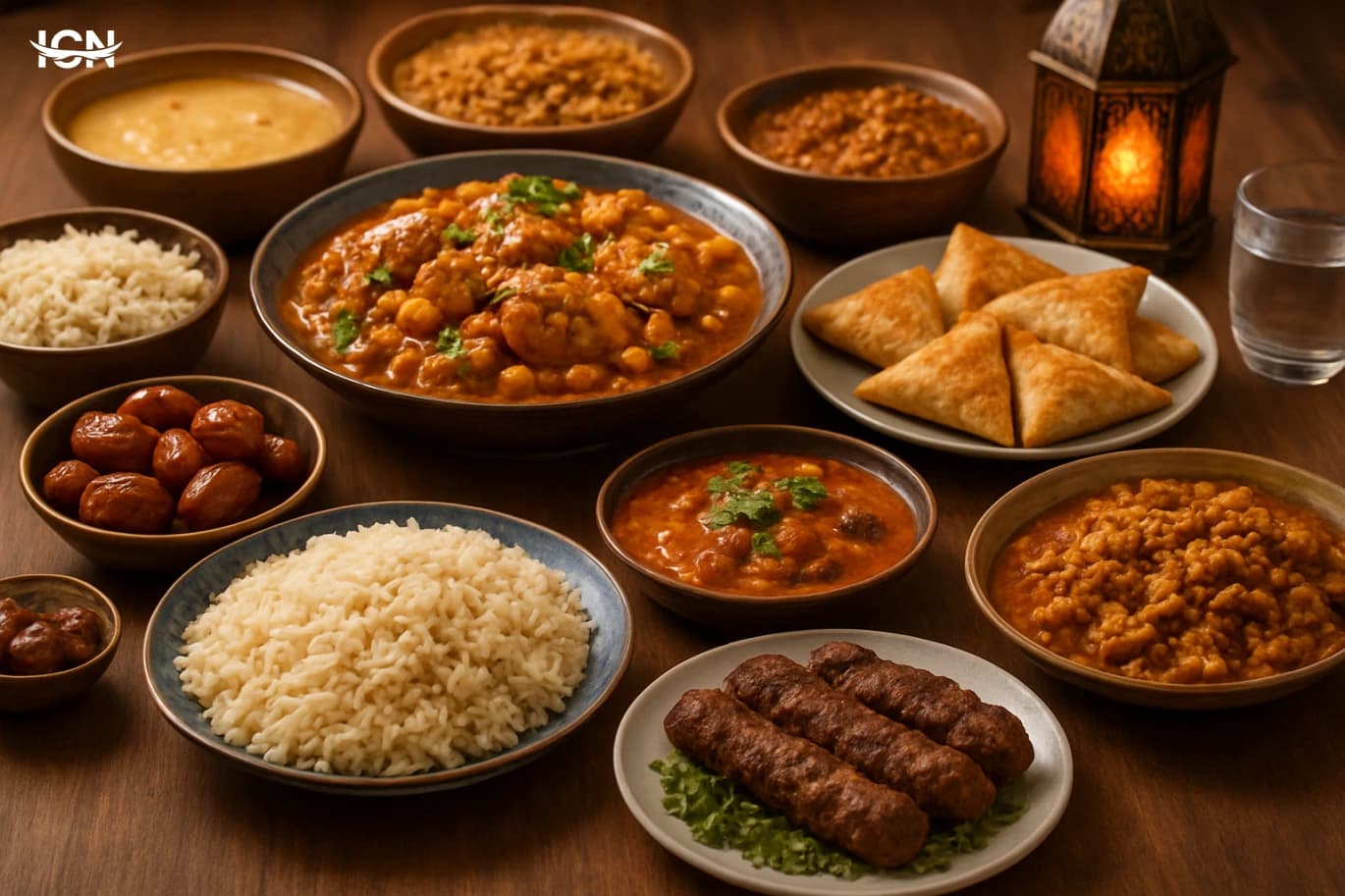
Ramadan 2026 is expected to fall in late winter and early spring, a timing that shapes the Iraqi kitchen in practical ways. Cooler evenings make slow-cooked dishes more appealing, while daytime fasting still encourages lighter suhoor choices that hold up for several hours. In many Iraqi homes, the rhythm of the month is built around a predictable sequence: a quick bite to break the fast, a warming soup, a main dish served family-style, and then tea with simple sweets. The Iraqi iftar table is also defined by hospitality and planning. Families often cook in larger quantities to host relatives, neighbors, or guests who drop in after prayer. That means dishes that scale well and reheat without losing texture are favored, especially stews and rice-based mains. Ramadan shopping typically focuses on pantry staples such as rice, lentils, chickpeas, tomato paste, dried limes, and a range of spices, alongside fresh herbs and seasonal vegetables that keep the meal balanced.
Core flavors and pantry essentials
Iraqi main dishes rely on a recognizable set of flavors that can be adjusted for different regions and budgets. Dried limes (loomi) bring a sharp, aromatic acidity to stews, while tomato paste provides depth and color. Common spice blends include black pepper, cumin, coriander, turmeric, and sometimes cinnamon or cardamom in small amounts. Fresh herbs such as parsley, dill, and cilantro are used to brighten rich dishes, and onions are a near-constant base. For Ramadan 2026 meal planning, a well-stocked pantry reduces daily pressure. Rice is central, especially long-grain varieties used for biryani-style dishes or served alongside stews. Lentils and chickpeas support soups and lighter mains, and they are cost-effective for feeding larger groups. Many households keep pomegranate molasses for sweet-sour balance, as well as tamarind or lemon for quick acidity. Having these basics on hand makes it easier to rotate menus without repeating the same dish every night.
Iftar mains that define the Iraqi table
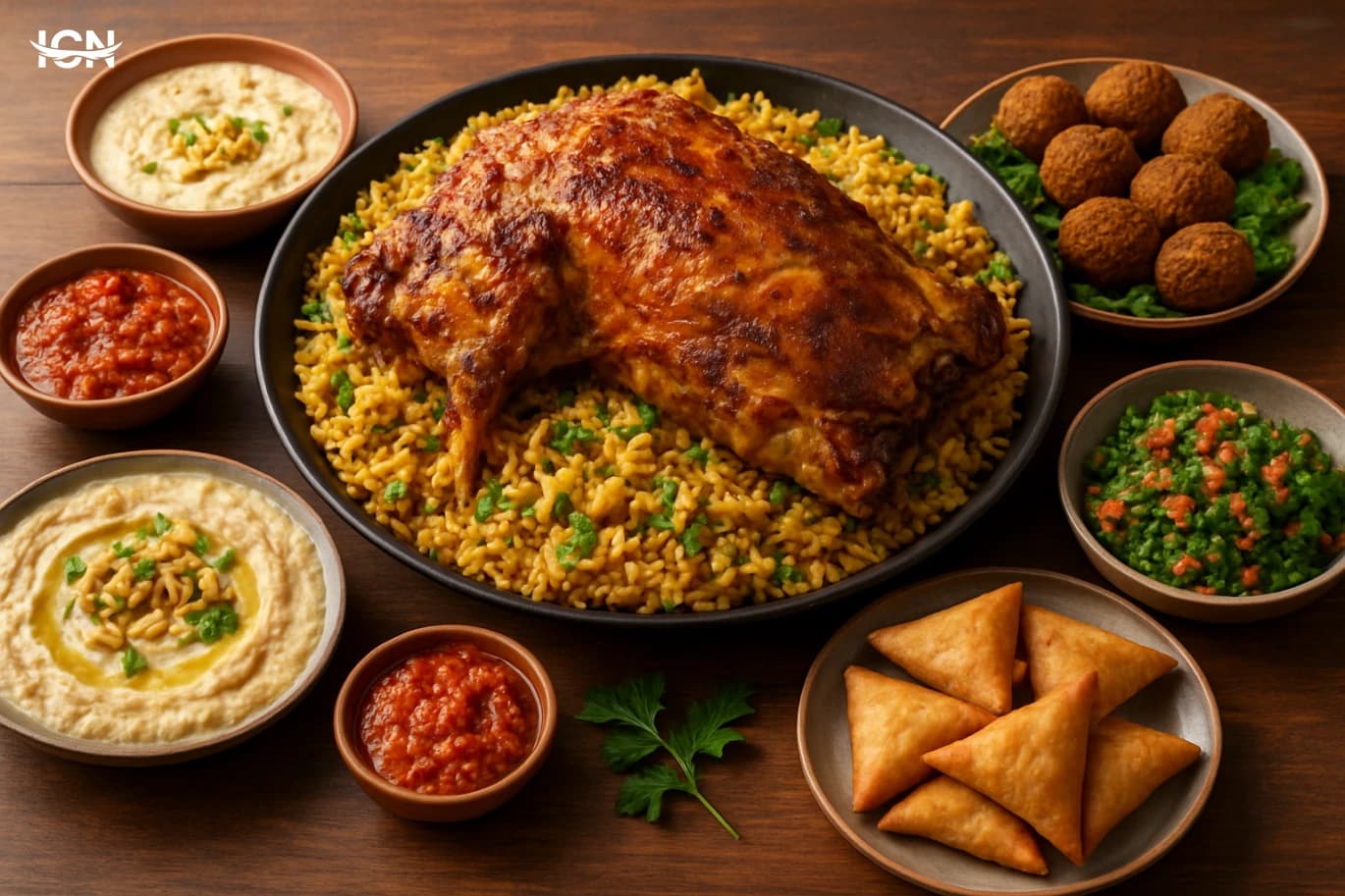
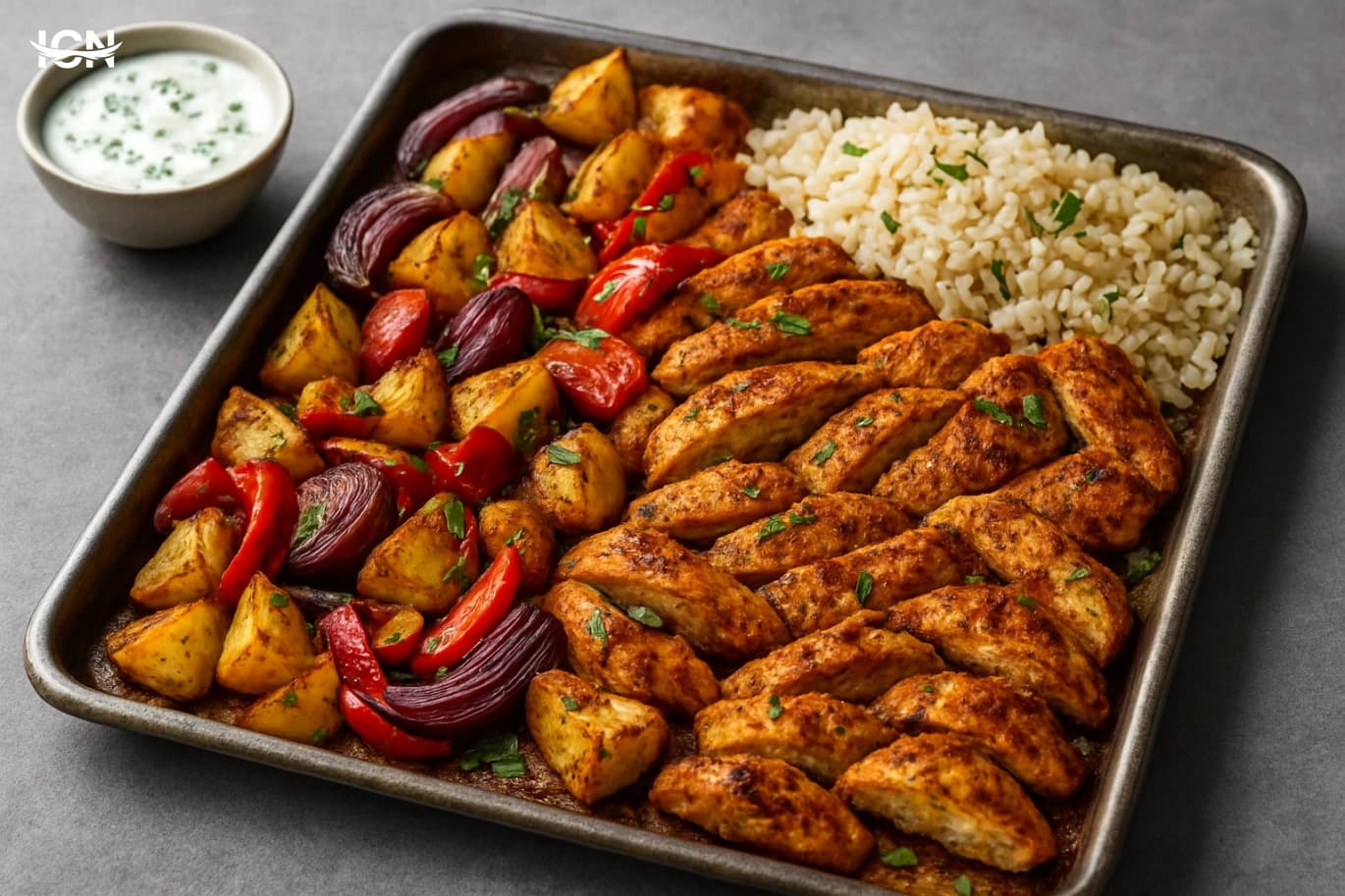
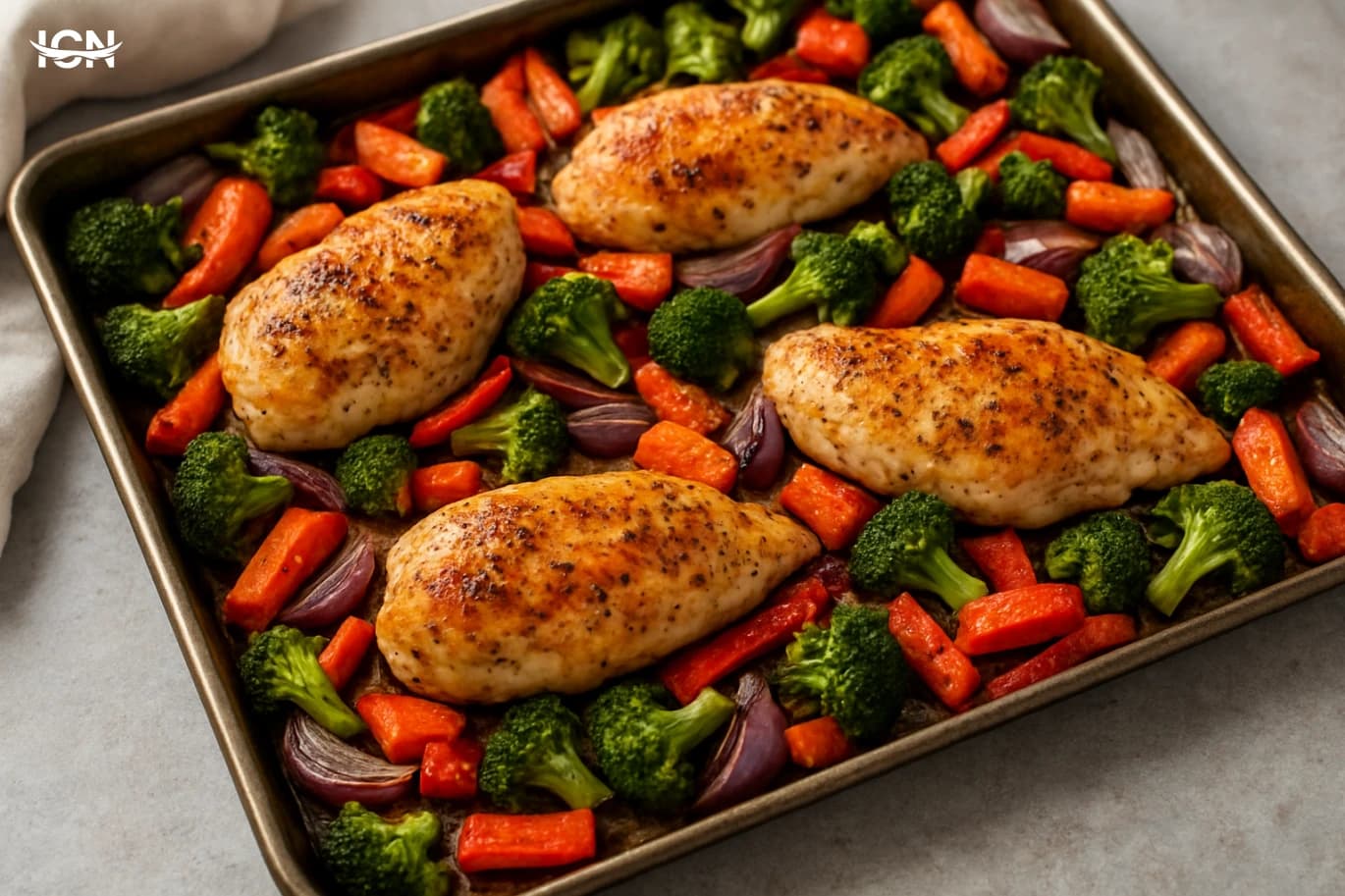
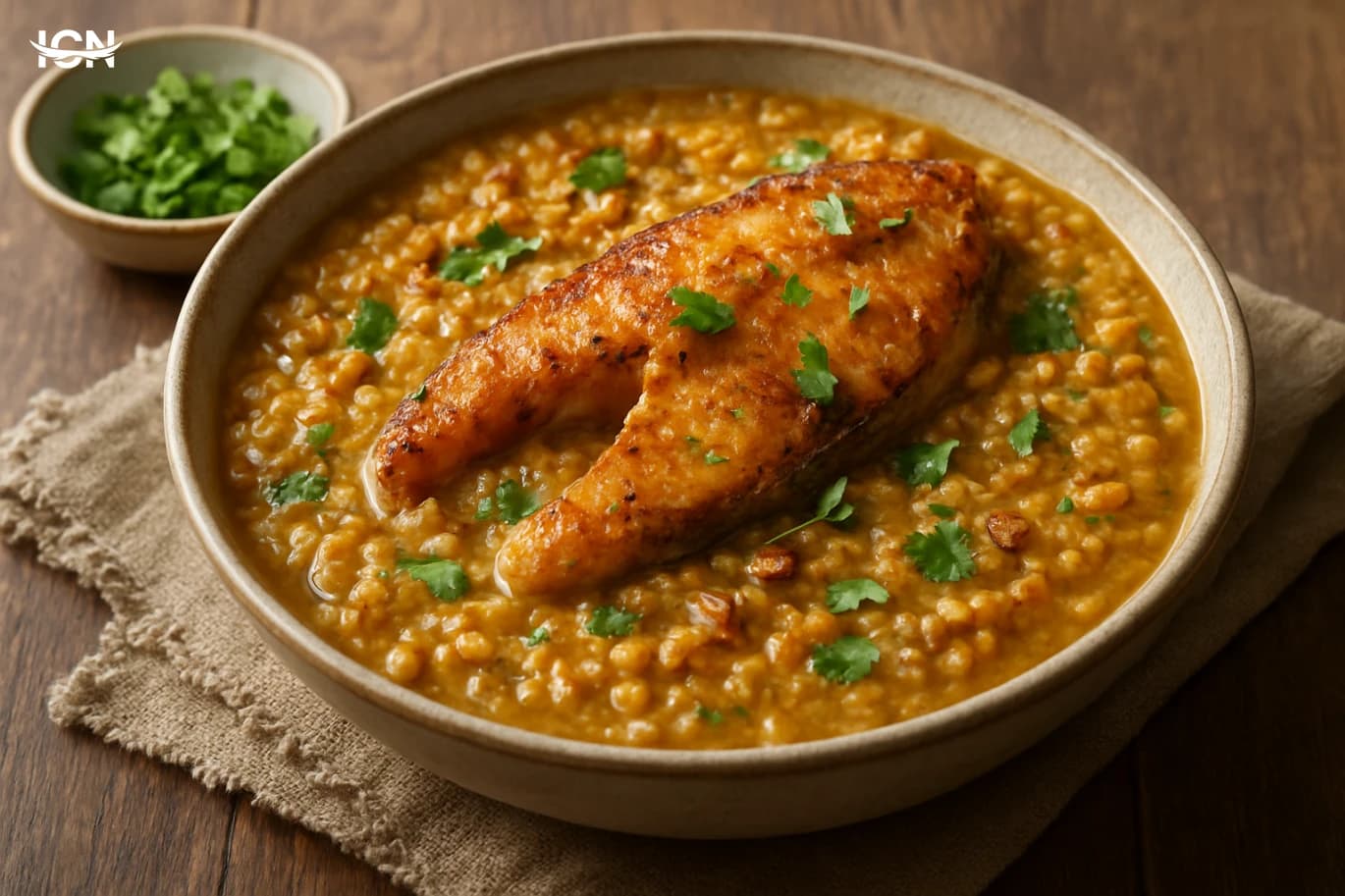
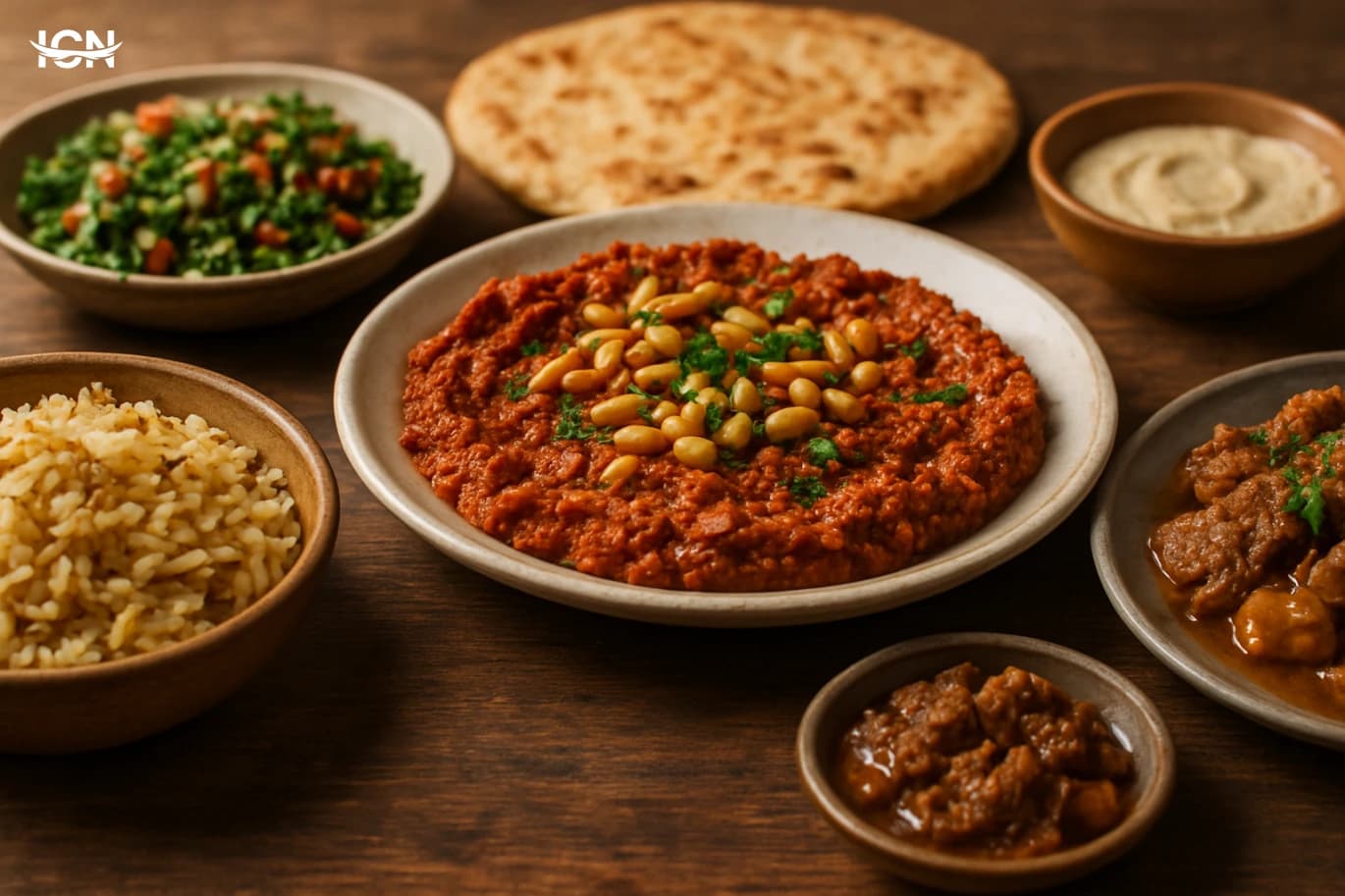
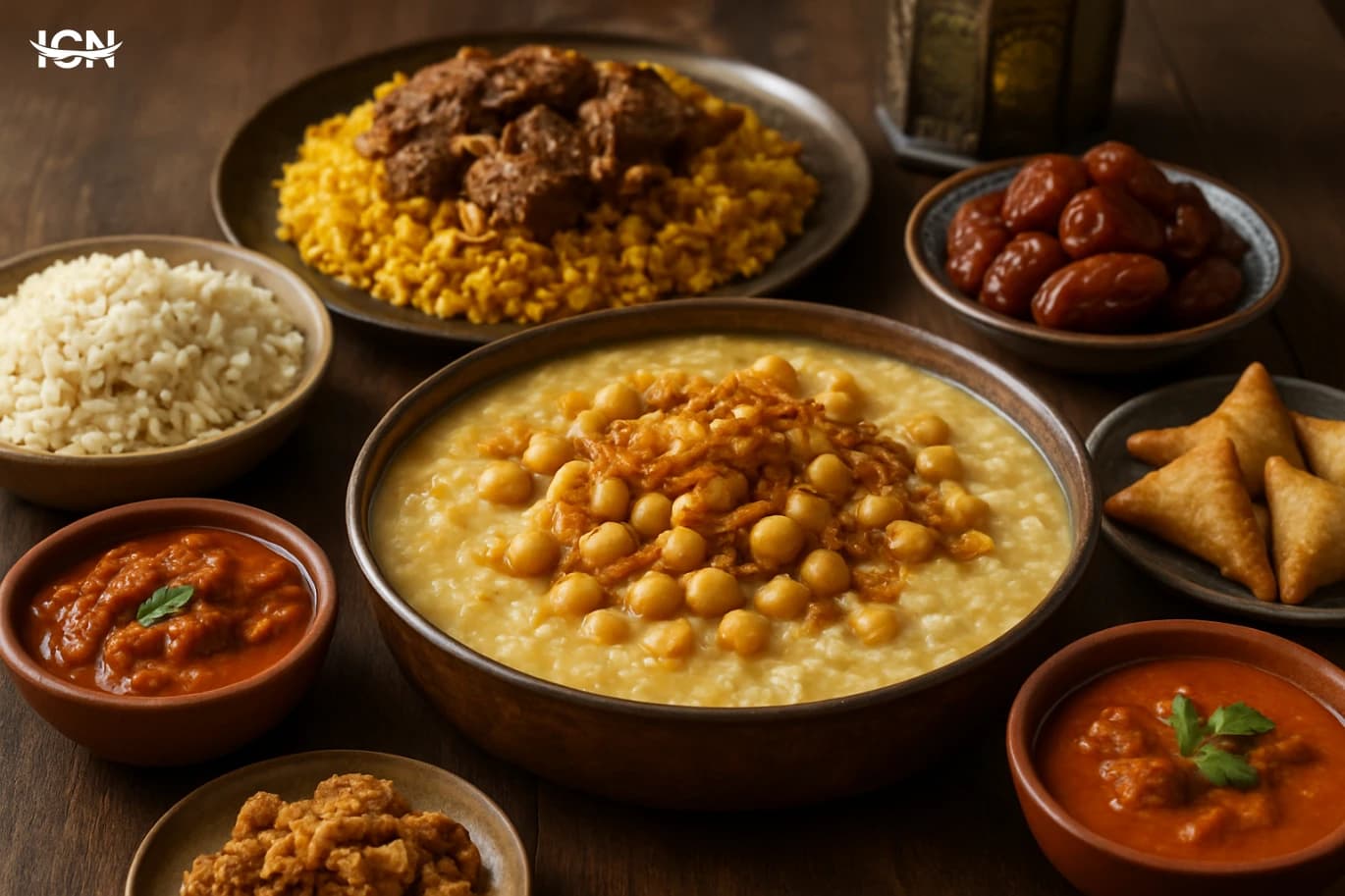
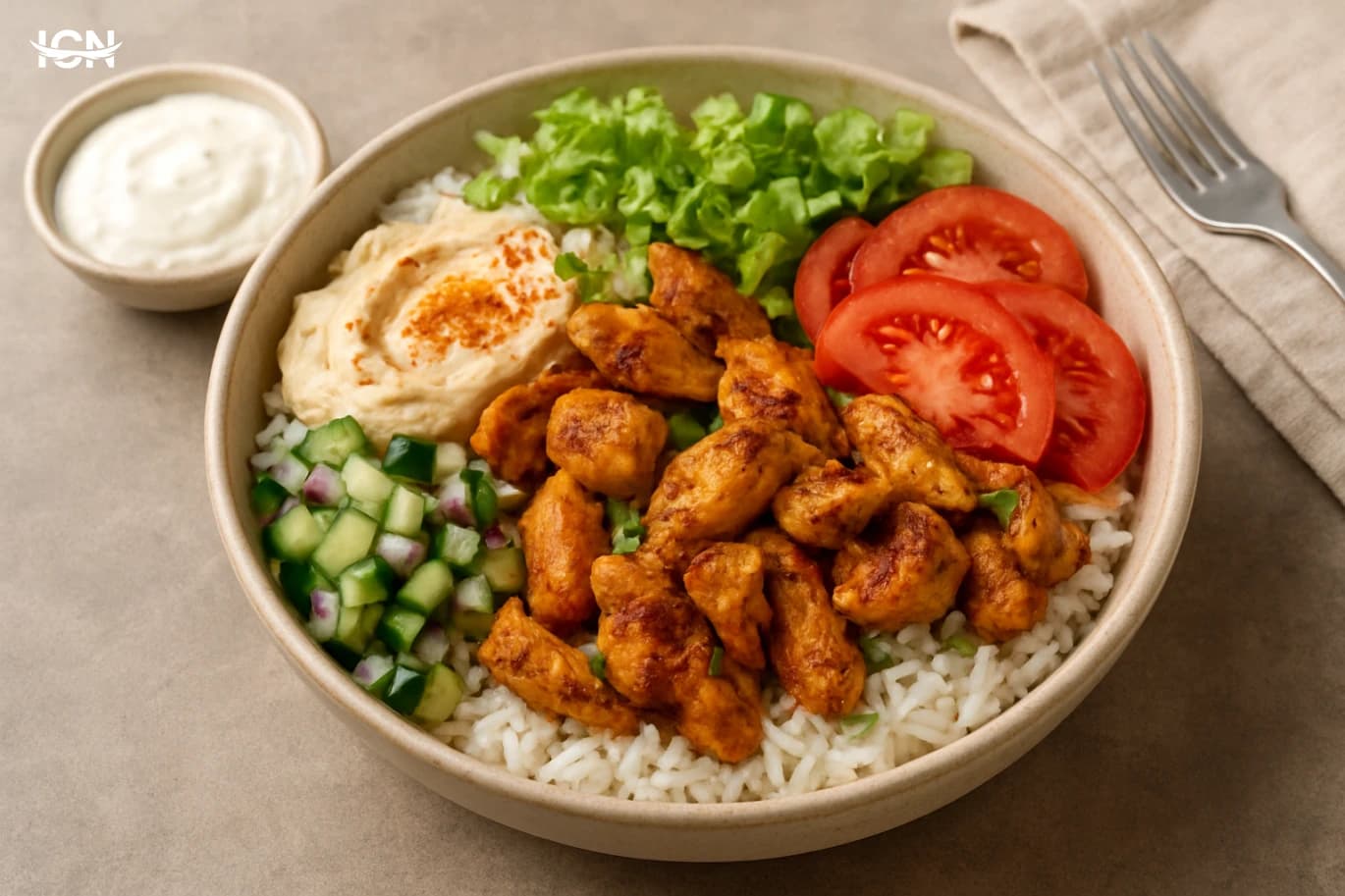
Several main dishes appear repeatedly during Ramadan because they satisfy a crowd and feel celebratory without being complicated. Dolma is one of the most iconic: a mix of stuffed vegetables and vine leaves arranged tightly in a pot, often with a tangy sauce that may include pomegranate molasses or tamarind. It is time-consuming, but it can be prepared earlier in the day and served as a centerpiece at iftar. Another staple is tashreeb, a dish built around bread soaked in a rich broth, often with lamb or chicken and chickpeas. It is practical for Ramadan because it combines protein, starch, and liquid in one plate, and it is easy to portion for guests. Quzi-style rice dishes, where spiced rice is served with roasted or slow-cooked meat, are also popular for weekends or larger gatherings. For families seeking lighter options, fish masgouf-inspired preparations or simple grilled chicken with rice and salad can keep the meal satisfying without excessive heaviness. What ties these dishes together is structure: a flavorful base, a clear main component, and a side that balances it. Pickles, fresh herbs, and a crisp salad often appear to cut through richness, while yogurt-based sides are used in some households to cool the palate.
Suhoor choices that last
In Iraqi households, suhoor during Ramadan 2026 will likely lean toward foods that provide steady energy without causing thirst. Eggs prepared simply, yogurt with cucumbers, and cheese with bread remain common because they are quick and familiar. Beans and lentils also play a role, whether as a warm bowl of lentil soup or a fava-style dish adapted to local tastes, especially when families want a more filling option. A useful approach is to combine three elements: a protein, a slow-digesting carbohydrate, and hydration-friendly sides. For example, flatbread with labneh and olive oil, plus a small portion of dates and a cucumber-tomato salad, can be enough for many people. Limiting very salty pickles at suhoor helps reduce thirst, while adding fruit such as oranges or apples supports hydration. Tea is common, but many prefer to keep it light to avoid dehydration. Because schedules vary, many families prepare suhoor components in advance. Chopped vegetables, pre-cooked lentils, and portioned dairy make it easier to assemble a balanced meal quickly before dawn.
Smart prep for busy Ramadan evenings
Ramadan cooking can become stressful when iftar time approaches, especially for families balancing work, school, and visits. A practical strategy is to plan a weekly rotation of mains: two stew-and-rice nights, one dolma or stuffed dish night, one grilled or baked protein night, and a lighter soup-based night. This keeps variety while controlling effort. Batch preparation is particularly effective for Iraqi dishes. Onion and tomato bases can be cooked in larger quantities and frozen in portions, saving time on weekdays. Chickpeas and beans can be soaked and cooked ahead, then added quickly to soups or stews. For rice dishes, pre-measuring spices and garnishes such as toasted nuts or raisins helps maintain consistency, especially when cooking for guests. Food safety and quality matter when meals are served late. Cooling cooked dishes promptly, storing them in shallow containers, and reheating thoroughly preserves flavor and reduces waste. Many families also keep a “quick iftar” option ready, such as a simple chicken broth with bread and salad, for nights when schedules change unexpectedly.
Regional touches and modern twists
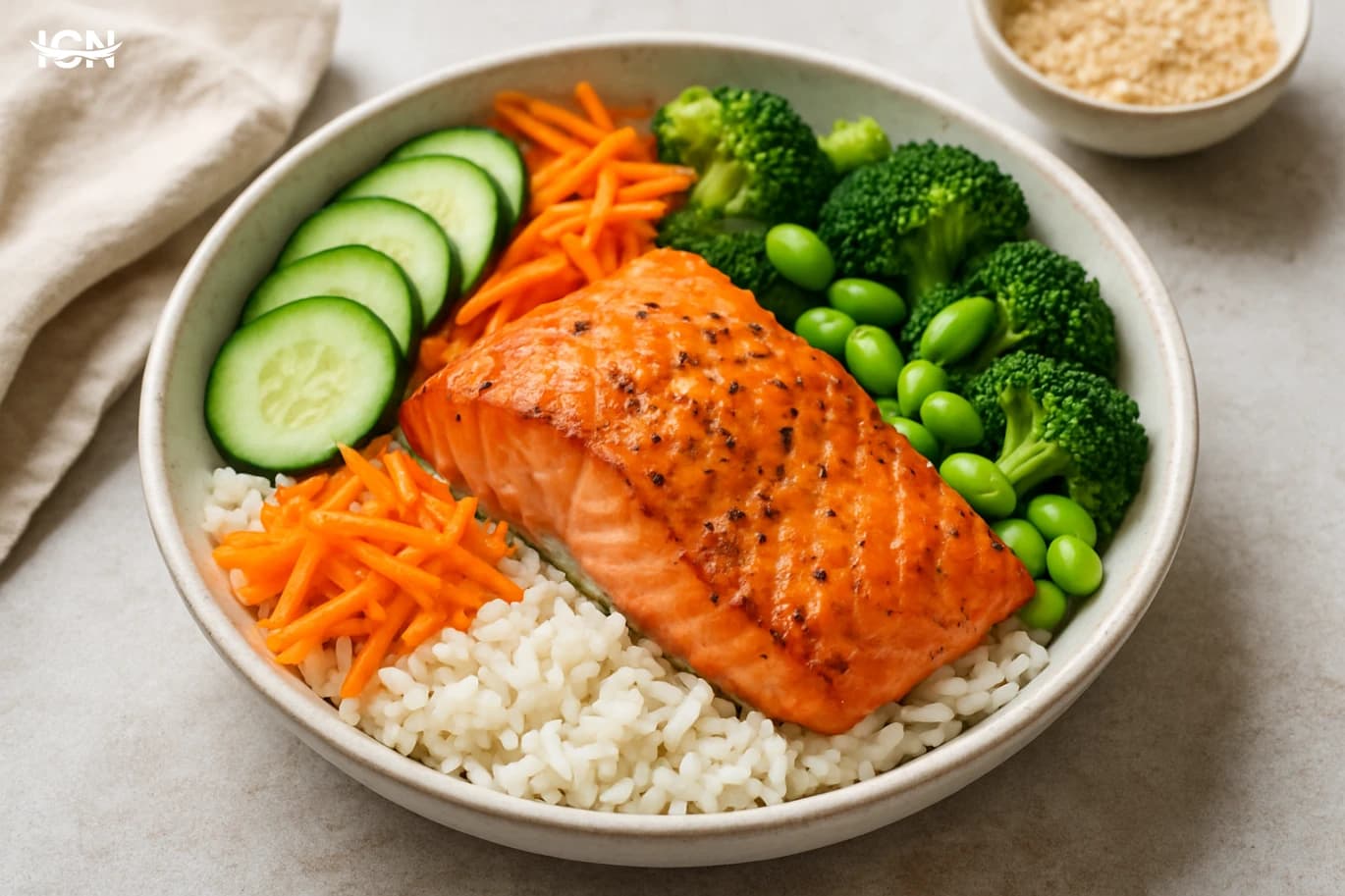
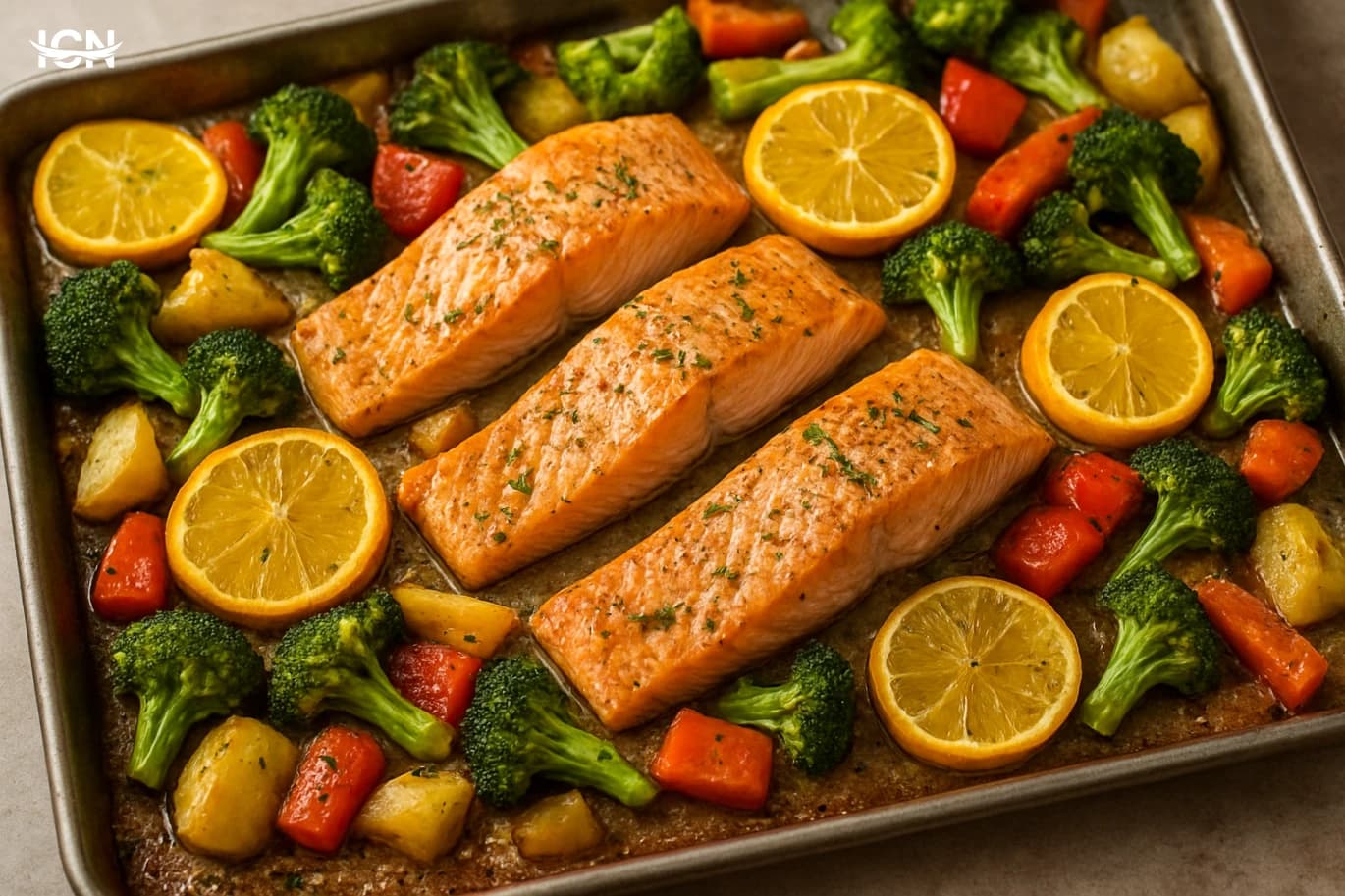
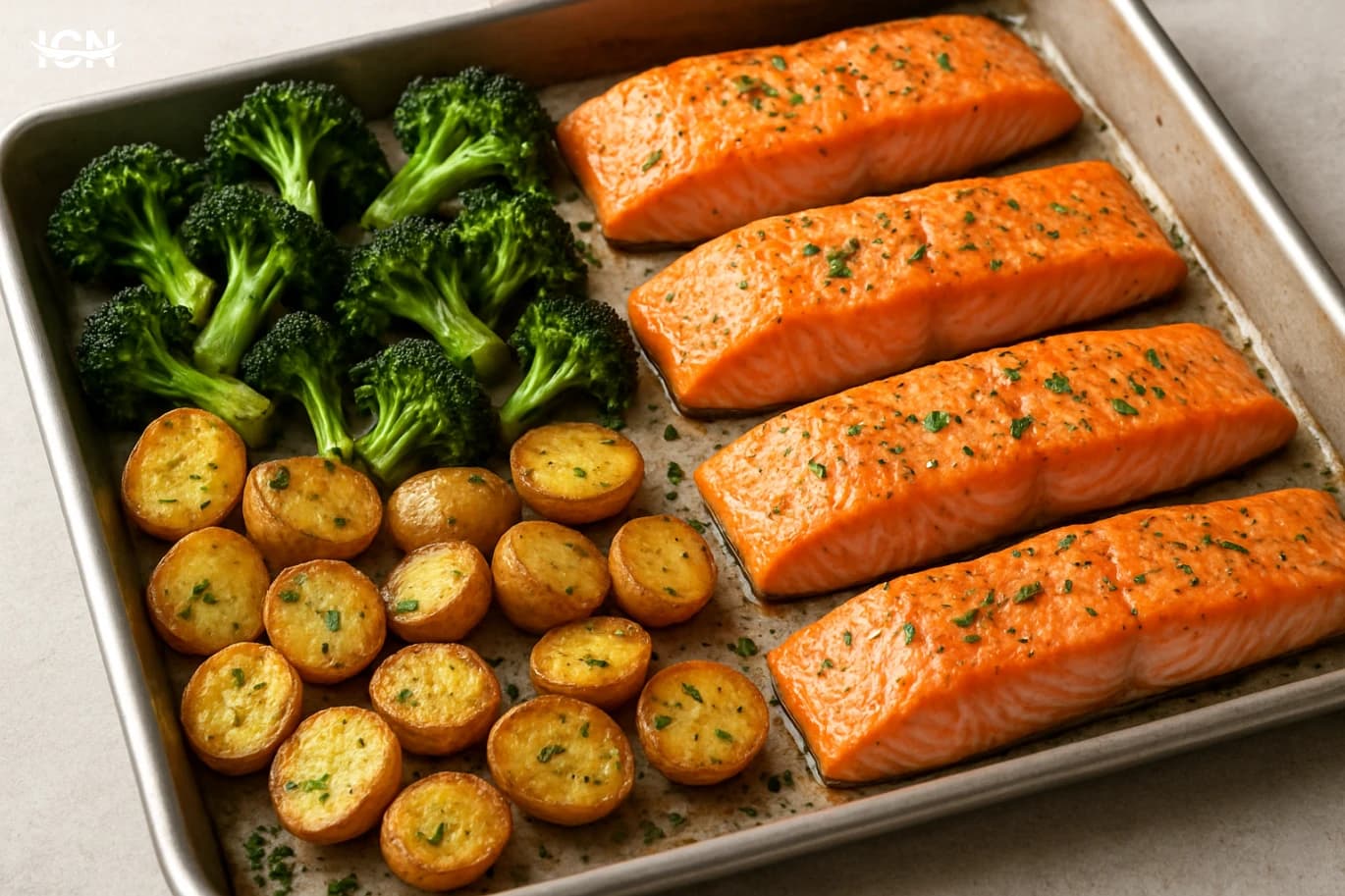
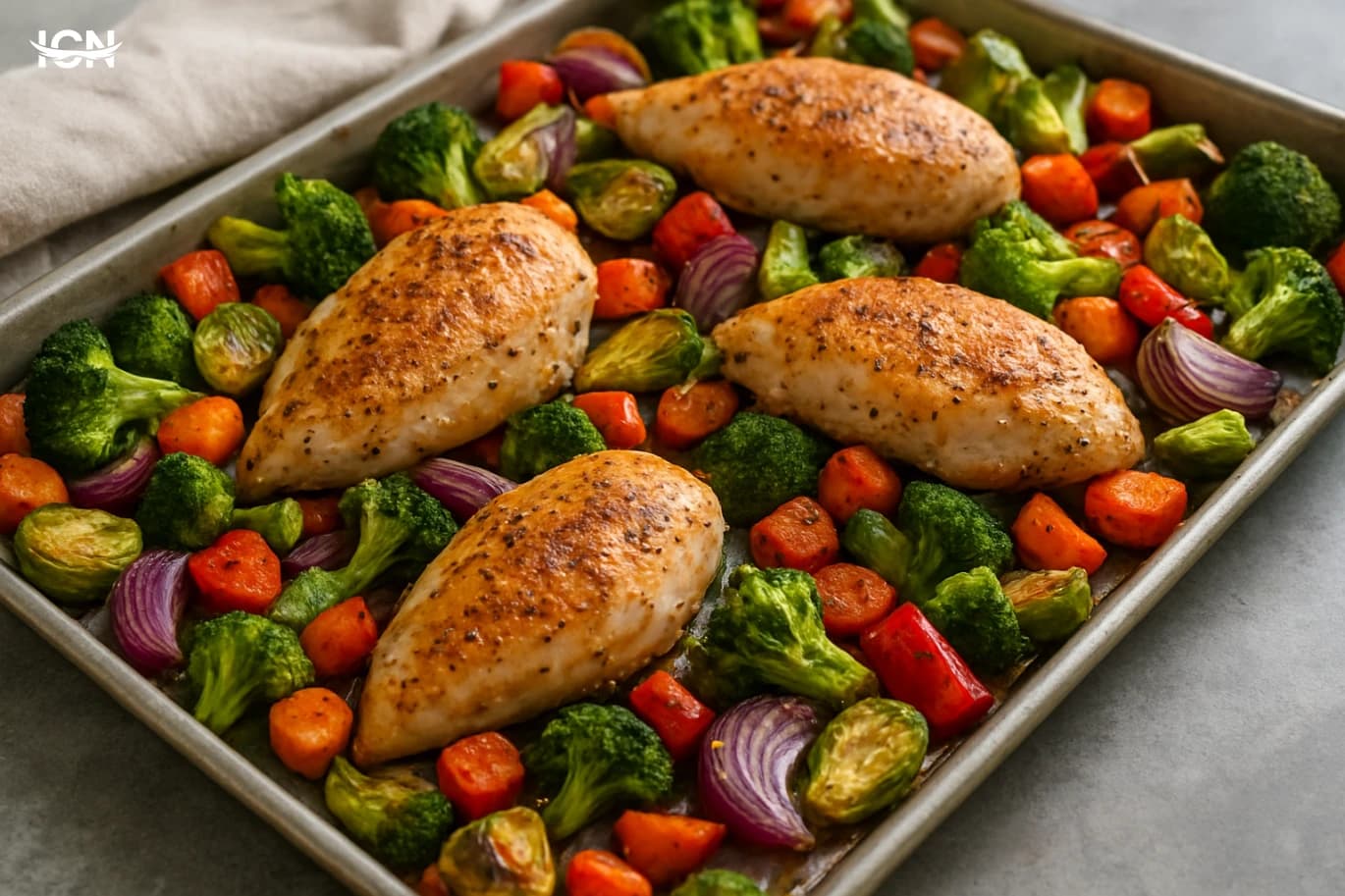
The Iraqi kitchen is not a single template, and Ramadan menus often reflect local preferences. In the south, flavors may lean more toward tangy and herb-forward profiles, while in Baghdad many families favor balanced tomato-based stews and rice dishes served with a range of sides. In the north, different spice habits and more frequent use of certain grains or dairy can shape the meal. These differences show up most clearly in how the same dish is seasoned and what is served alongside it. For Ramadan 2026, many cooks are also adapting traditional mains to modern needs. Baking instead of deep-frying reduces heaviness, and using more vegetables in stews increases volume without relying only on meat. Portion control is another trend: serving dolma with a lighter soup and a large salad can keep the meal satisfying while avoiding excess. Some families are experimenting with air fryers for items like kebab-style patties or stuffed pastries, aiming for a similar texture with less oil. Despite these updates, the goal remains consistent: a table that feels Iraqi in flavor and presentation, built around shared dishes, clear seasonings, and a balance between comfort and practicality.