Hareed Fish for Memorable Home Meals
- What Makes Hareed Special
- Buying Tips and Freshness Checks
- Best Seasonings and Marinades
- Cooking Methods That Keep It Juicy
- Serving Ideas and Complete Plates
- Nutrition, Storage, and Kitchen Safety
What Makes Hareed Special
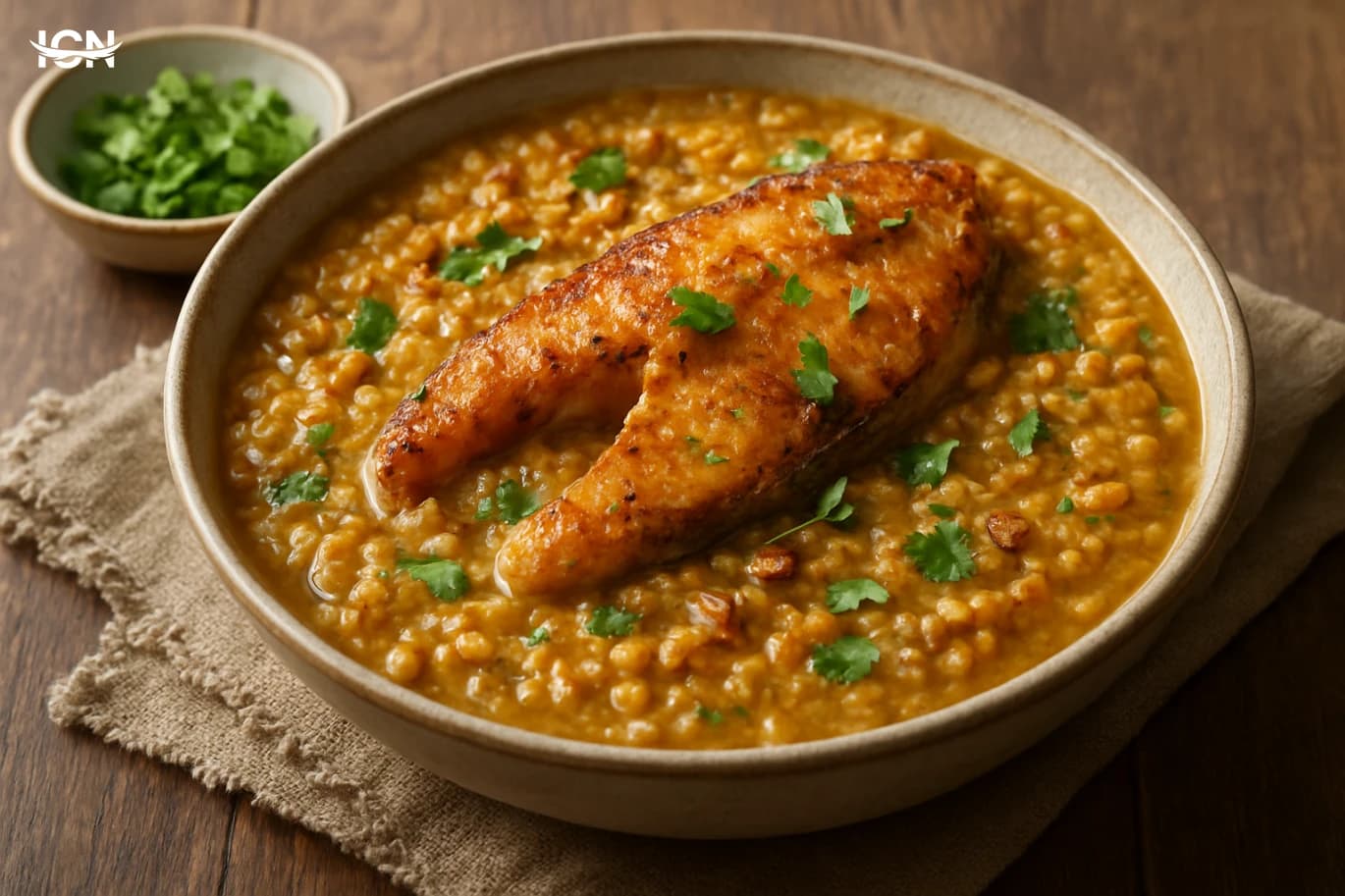
Hareed fish is known across many coastal markets for its firm flesh, clean flavor, and the way it holds up to different cooking methods without falling apart. Home cooks appreciate it because it can be grilled, baked, pan-seared, or cooked in broth while still keeping a satisfying bite. Compared with more delicate fish, hareed tends to be forgiving: it tolerates short marinating times, moderate heat, and simple seasoning, which makes it practical for weeknight cooking. On the table, hareed works well with both bright and warm flavor profiles. Citrus, garlic, and fresh herbs highlight its natural taste, while spices such as cumin, coriander, and black pepper add depth without overpowering it. Its texture also pairs nicely with rice, roasted vegetables, and light salads, allowing you to build a complete main dish without complicated sides. For families, it is a good option when you want a fish meal that feels substantial and not overly fragile.
Buying Tips and Freshness Checks
When buying hareed, freshness is the main factor that determines flavor and texture. Look for clear, bright eyes and gills that are red to deep pink rather than dull brown. The skin should appear glossy with tight scales, and the flesh should spring back when pressed lightly. A clean sea smell is normal; a sharp or sour odor is a warning sign. If you are buying fillets, check that the surface is moist but not slimy, with no excessive liquid in the tray. The color should be consistent, without gray edges or dry patches. Ask the fishmonger when the fish arrived and whether it has been kept on ice continuously. For home storage, keep the fish cold immediately, ideally on a bed of ice in a covered container, and cook it the same day. If you need to wait, refrigerate for up to 24 hours and avoid repeated temperature changes. Freezing is possible, but for best results wrap tightly to prevent freezer burn and use within one to two months.
Best Seasonings and Marinades
Hareed does not need heavy seasoning, but a well-balanced marinade can make it taste restaurant-ready. For a fresh profile, combine lemon zest and juice, minced garlic, chopped parsley or cilantro, olive oil, and a small amount of salt. Let the fish sit for 15–25 minutes; longer marinating can soften the surface too much, especially for thinner cuts. For a warmer, spiced approach, use ground cumin, coriander, black pepper, and a pinch of paprika, mixed with olive oil and a little lemon. If you prefer a Gulf-style touch, add a small amount of turmeric and dried lime powder if available, keeping the mix light so the fish remains the focus. For baked dishes, sliced onions and tomatoes under the fish add moisture and create a simple sauce. For grilling, pat the fish dry before it hits the heat to help browning and reduce sticking. In all cases, season gradually: it is easier to add a finishing squeeze of citrus or a sprinkle of herbs at the end than to correct an overly salty marinade.
Cooking Methods That Keep It Juicy
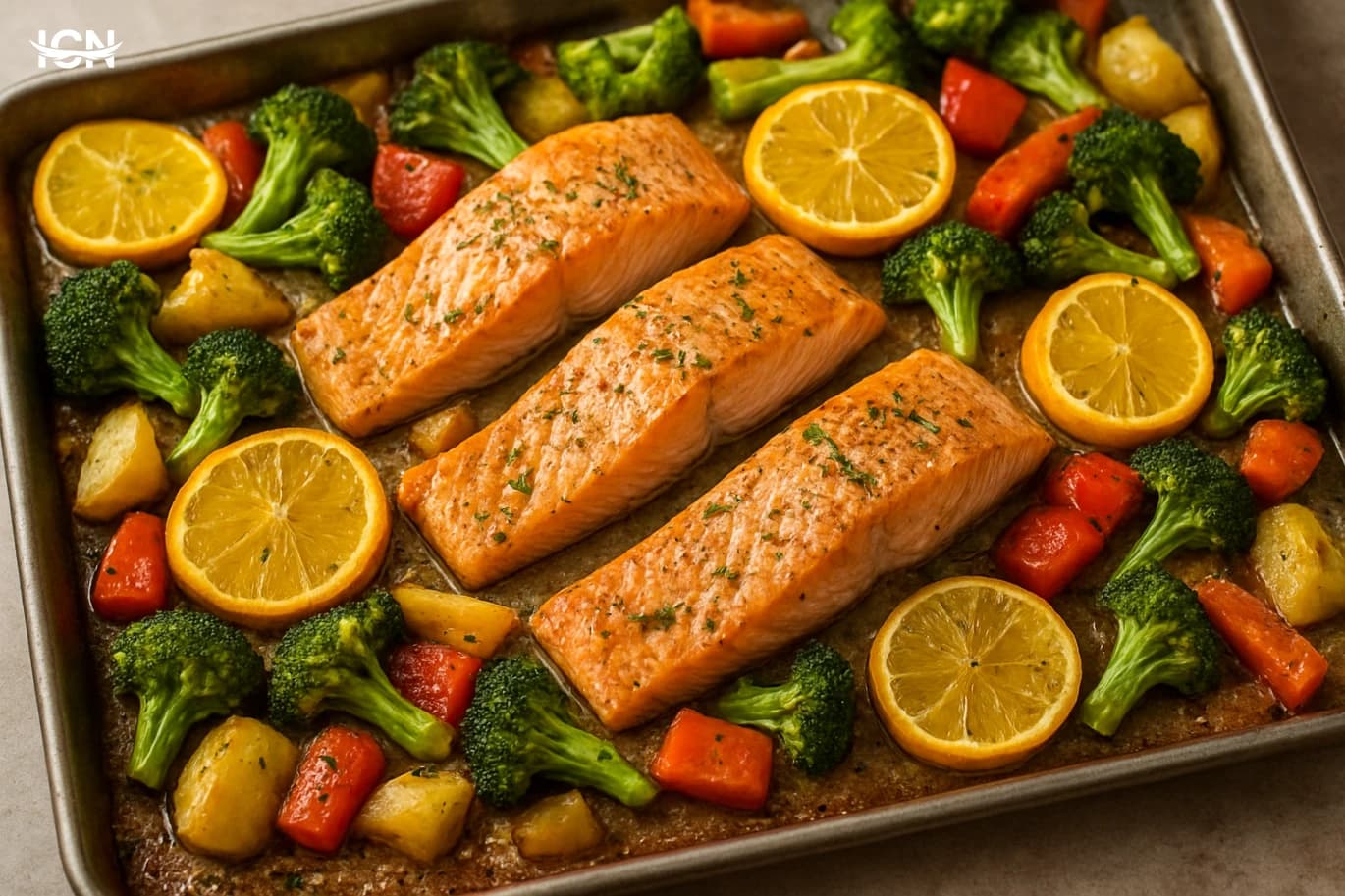
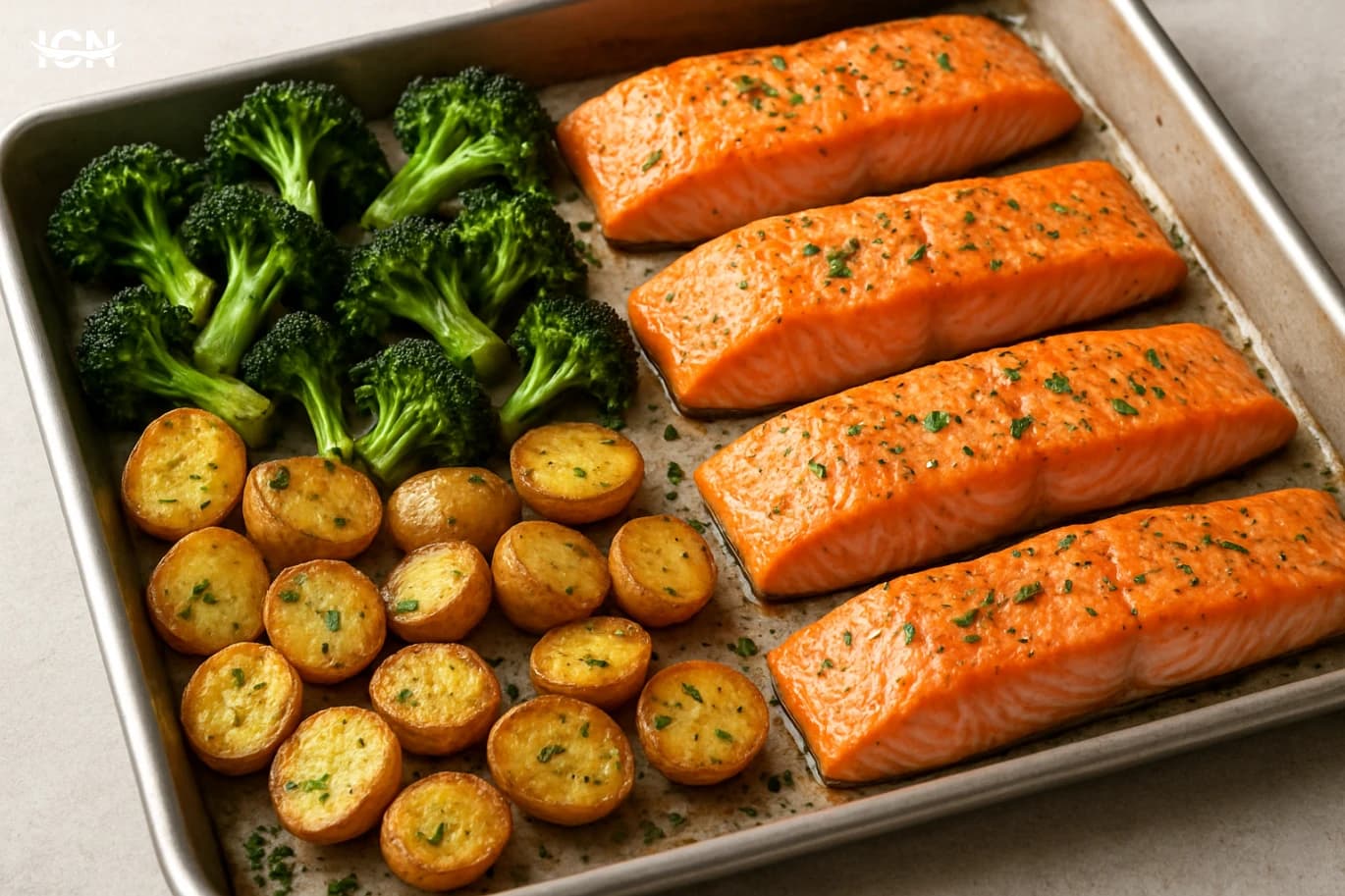
Grilling is one of the most popular ways to cook hareed because it highlights the fish’s natural flavor and gives a pleasant char. Preheat the grill well, oil the grates lightly, and cook over medium-high heat. As a general guide, cook until the flesh turns opaque and flakes with gentle pressure, avoiding overcooking which can dry it out. If you are grilling fillets, a fish basket or a sheet of foil with small vents can help keep the pieces intact. Baking is ideal for a hands-off family meal. Place the fish on a tray with onions, tomatoes, and a little olive oil, then bake at a moderate temperature until just cooked through. The vegetables release moisture and create a light sauce that pairs well with rice. Pan-searing is best for smaller portions: heat a nonstick or well-seasoned pan, add a thin layer of oil, and sear until golden, then finish with a squeeze of lemon. For a broth-based dish, simmer gently rather than boiling hard; a calm simmer keeps the flesh tender and prevents it from breaking apart. Whatever method you choose, rest the fish for a couple of minutes after cooking so the juices settle before serving.
Serving Ideas and Complete Plates
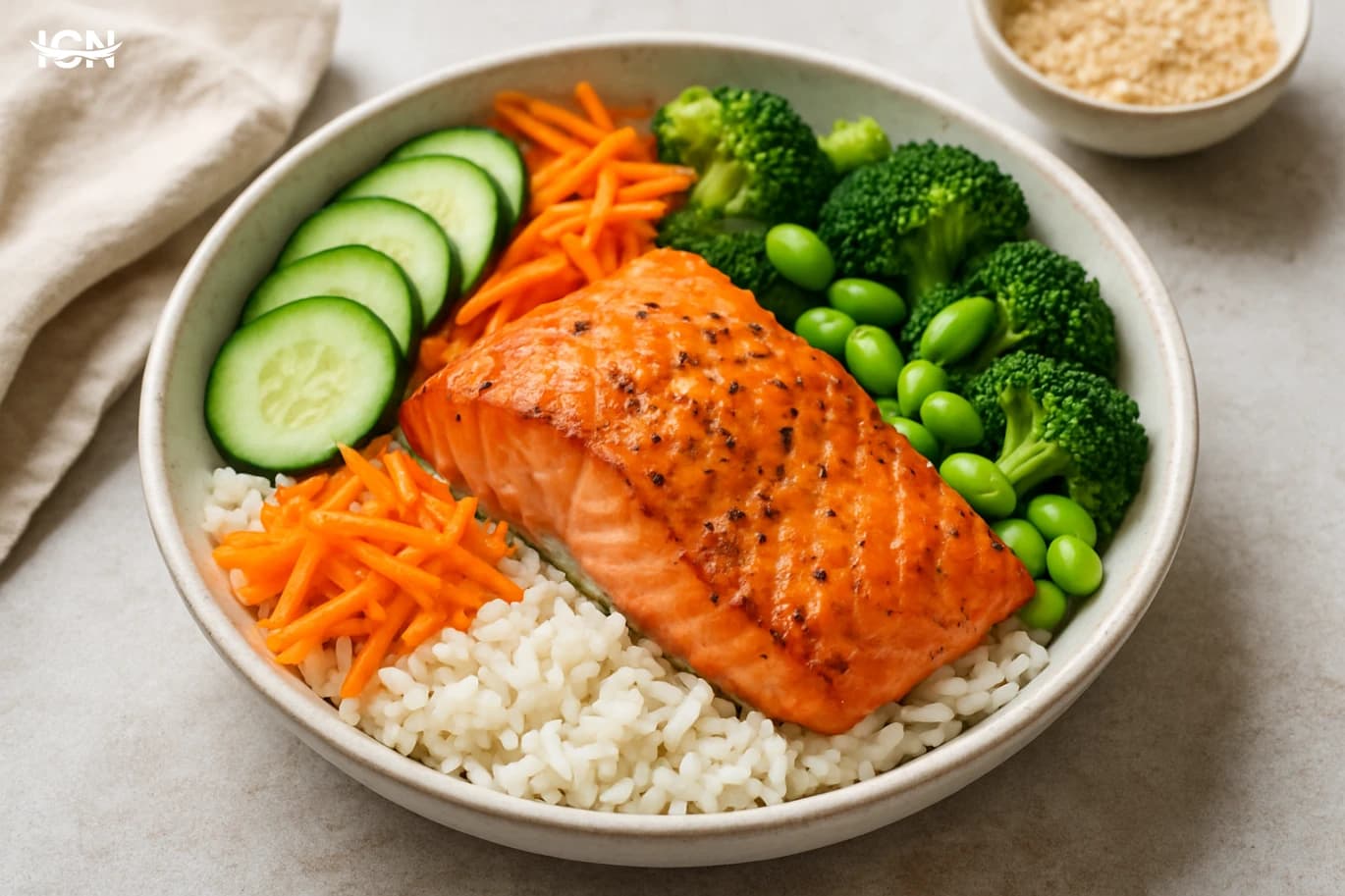
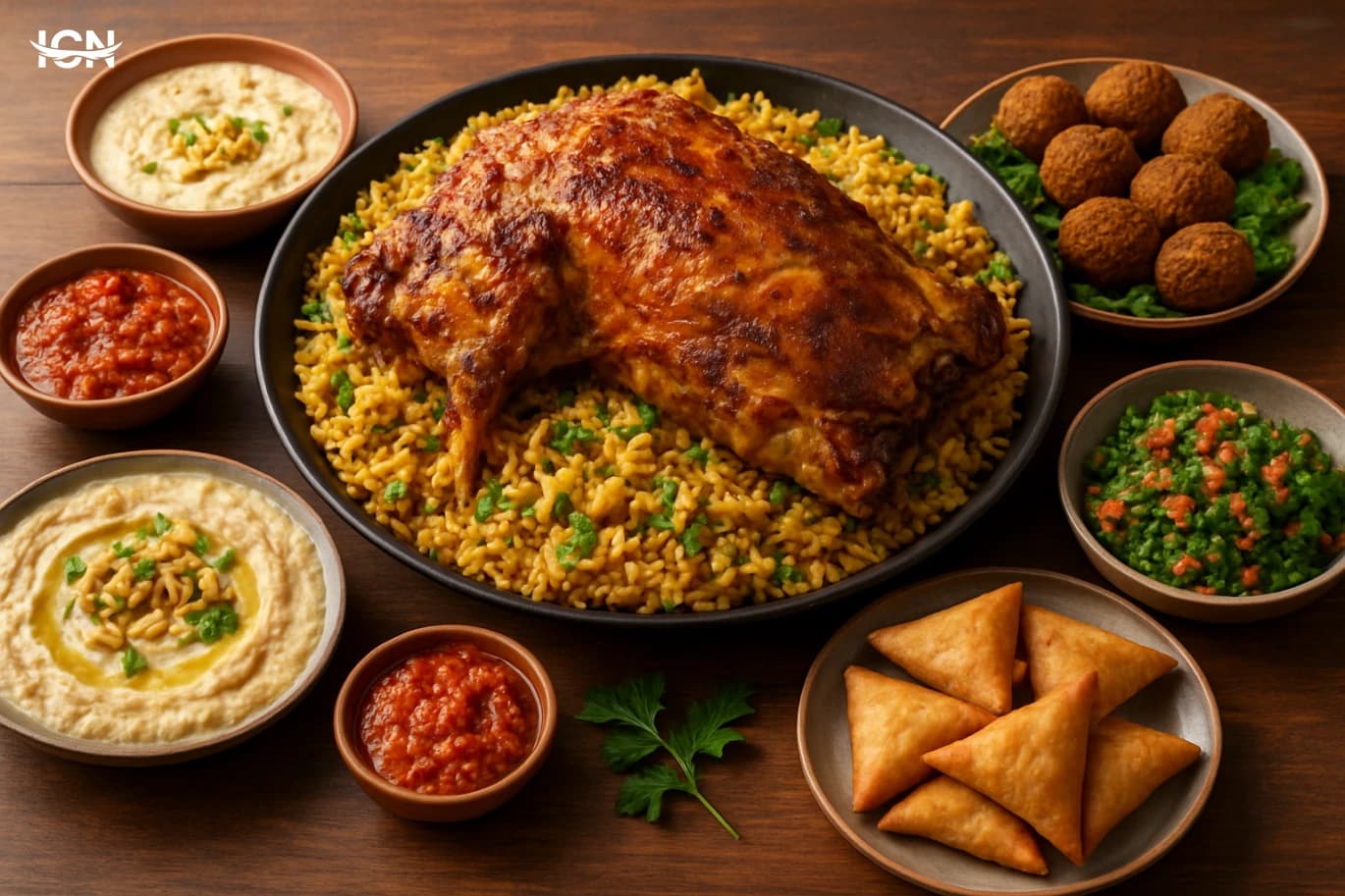
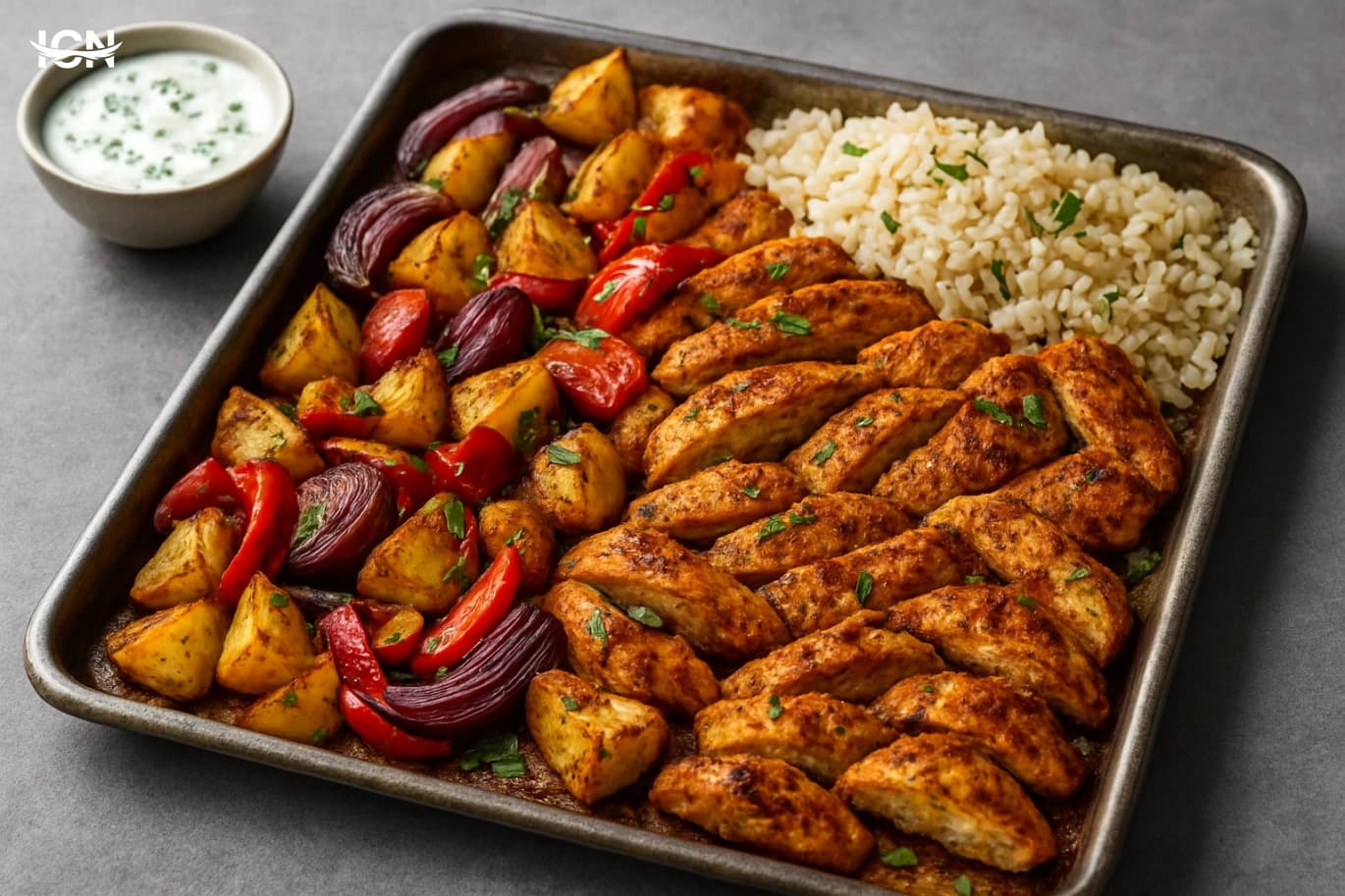
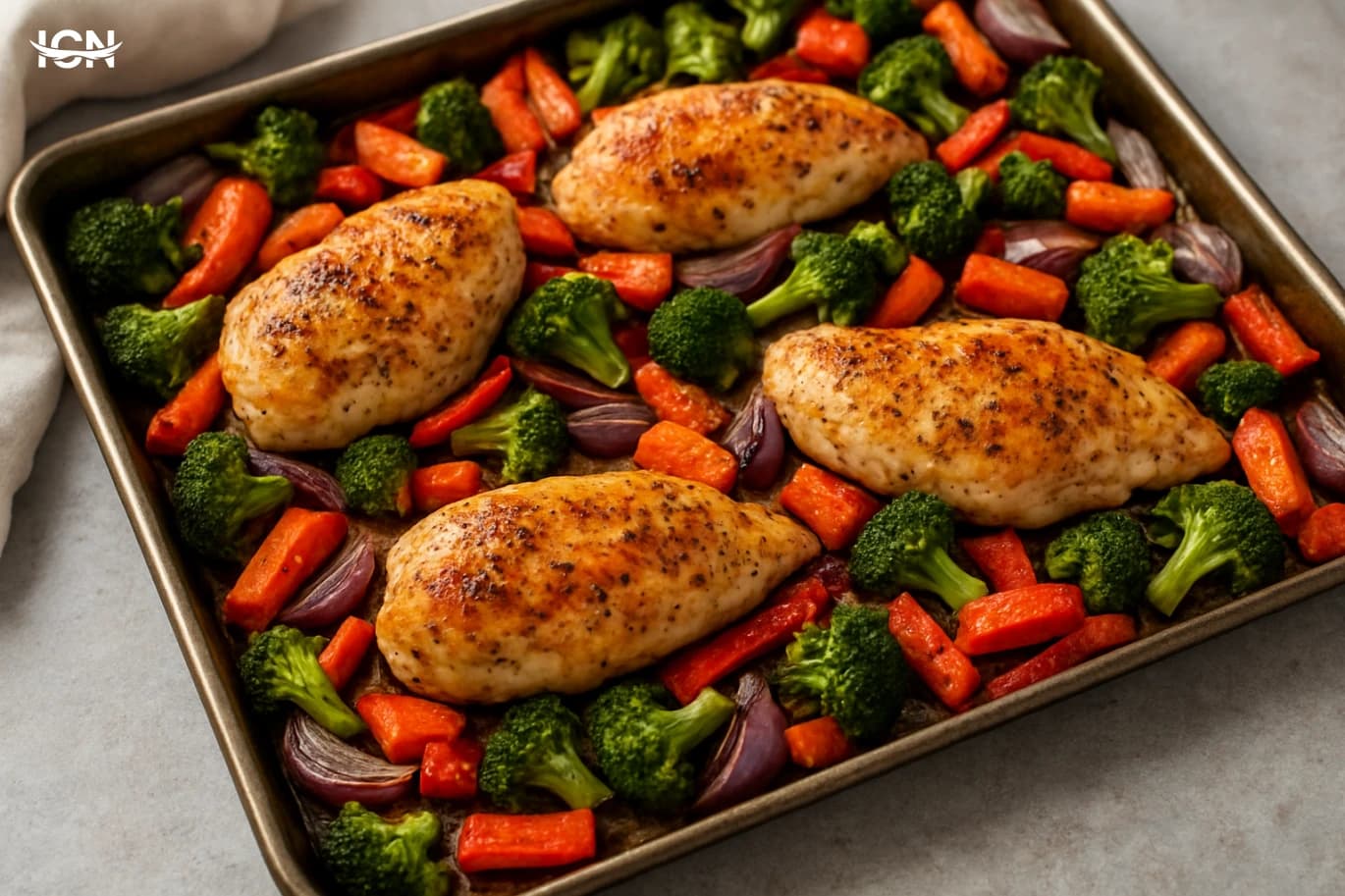
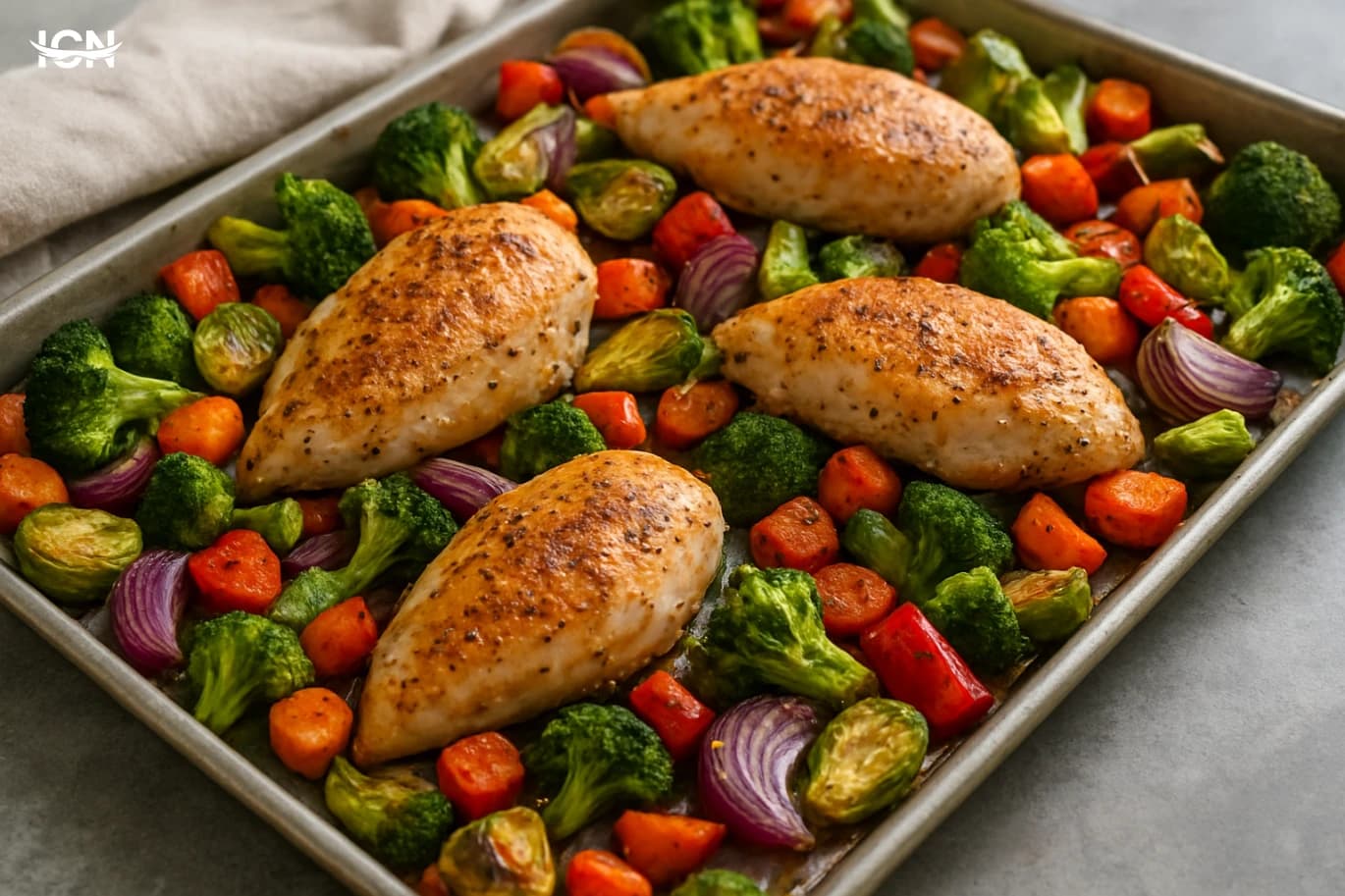
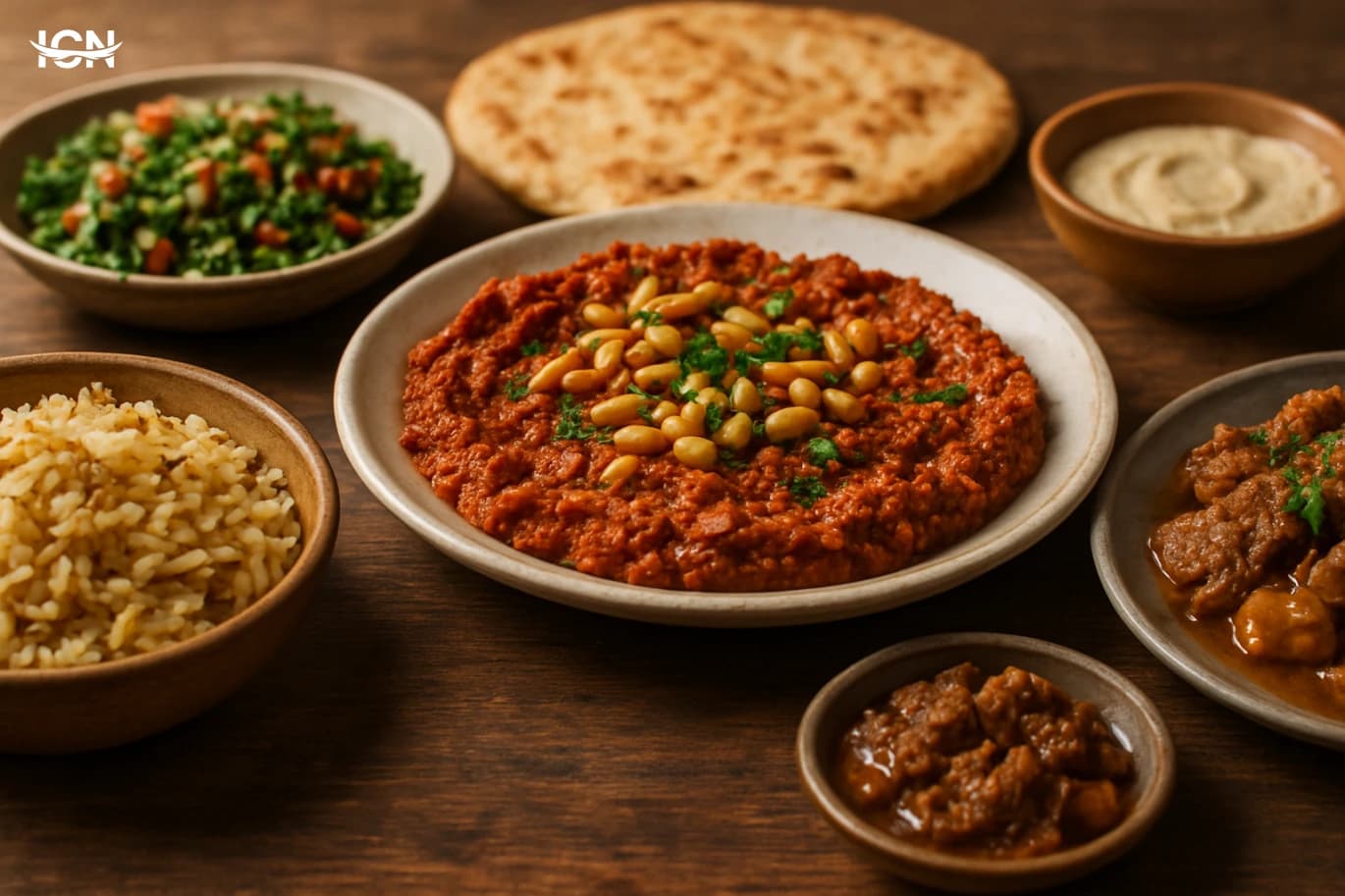
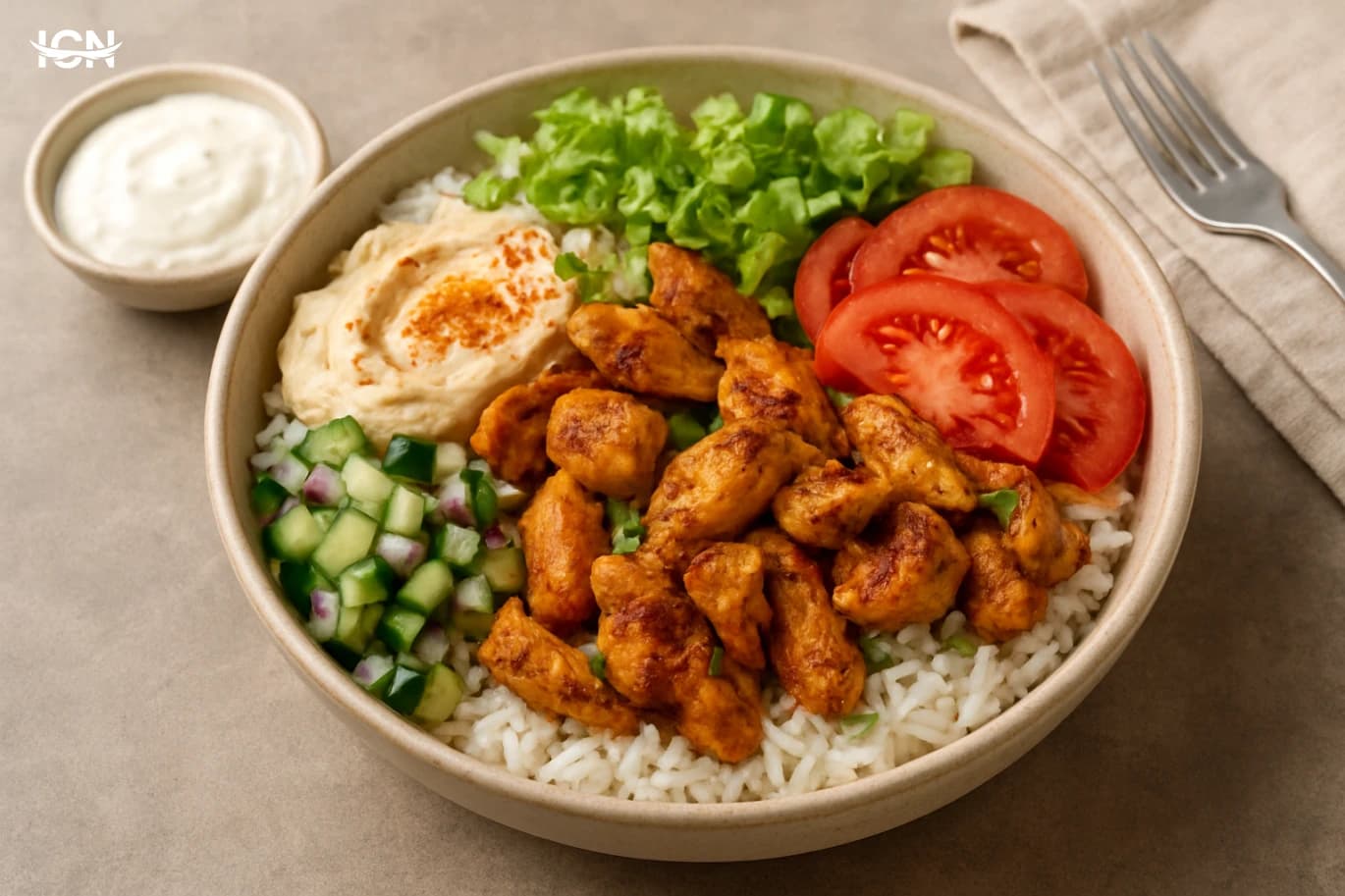
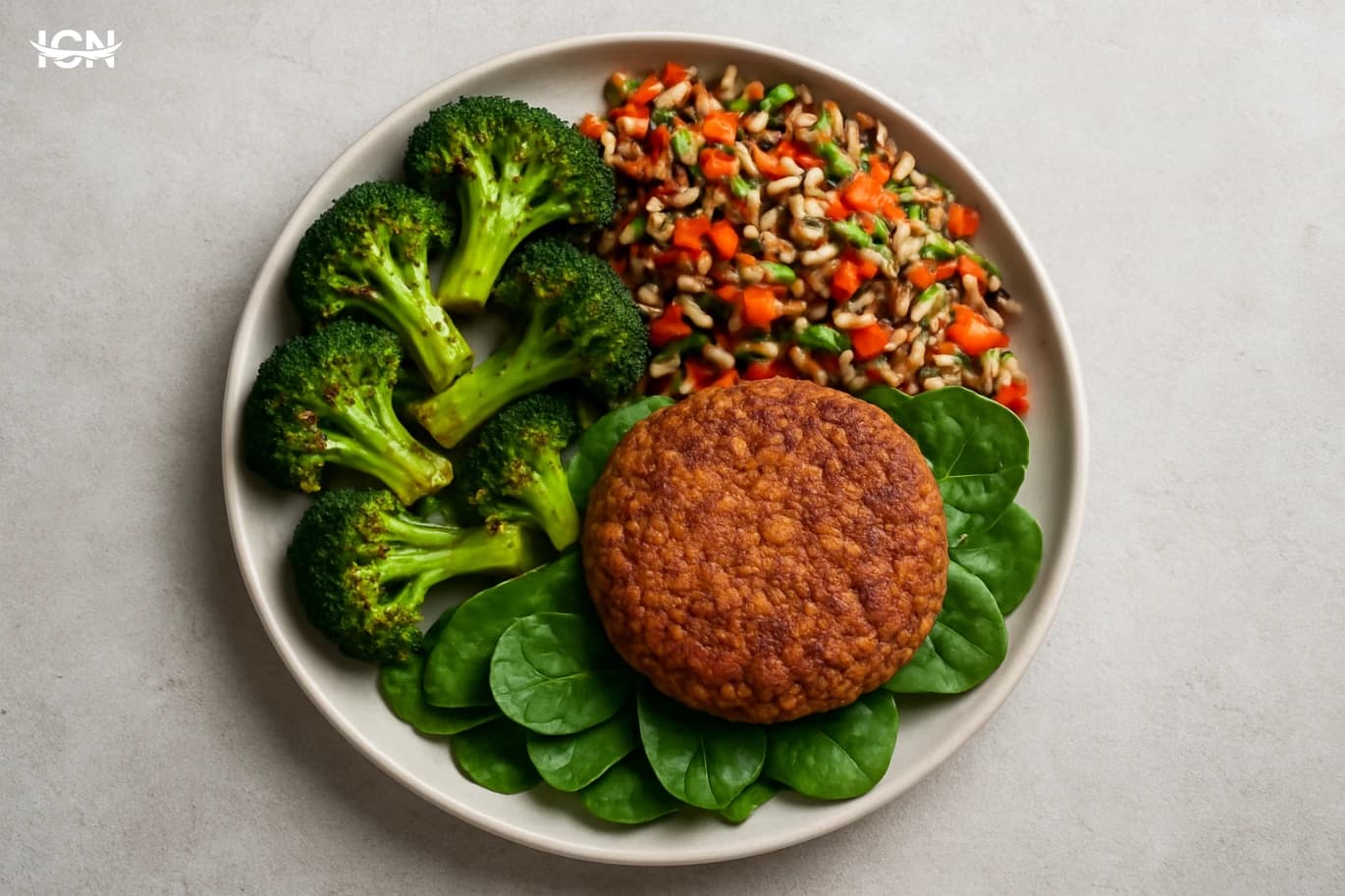
To build a complete main dish around hareed, focus on sides that complement its clean taste and firm texture. Steamed white rice, herbed rice, or lightly spiced rice works well, especially if the fish is baked with tomatoes and onions that create a natural sauce. For a lighter plate, pair grilled hareed with a salad of cucumbers, tomatoes, and leafy greens, dressed with lemon and olive oil. Roasted vegetables are another reliable option: carrots, zucchini, bell peppers, and potatoes can be cooked on the same tray as the fish, saving time and reducing cleanup. If you want a more traditional feel, serve the fish with a simple tahini-lemon sauce or a yogurt-based sauce with garlic and herbs, keeping the texture smooth and the seasoning balanced. For gatherings, consider serving hareed as a centerpiece with a platter of rice and vegetables, then offer lemon wedges, chopped herbs, and mild chili on the side so each guest can adjust the flavor. This approach keeps the main dish consistent while giving flexibility at the table.
Nutrition, Storage, and Kitchen Safety
Fish like hareed is valued in many diets because it provides high-quality protein and a range of nutrients that support balanced meals. The exact nutrition profile varies by size and habitat, but in general, fish contributes protein for satiety and muscle maintenance, along with minerals such as selenium and iodine in many species. For a healthier preparation, prioritize grilling, baking, or pan-searing with modest oil, and build flavor with herbs, citrus, and spices rather than heavy sauces. For safe handling, keep raw fish separate from ready-to-eat foods, use a dedicated cutting board if possible, and wash hands and utensils promptly with hot soapy water. Cook the fish until it is opaque and flakes easily; if you use a thermometer, aim for a safe internal temperature commonly recommended for fish. For leftovers, cool quickly, store in a sealed container, and refrigerate promptly. Consume within 1–2 days for best quality, and reheat gently to avoid drying out. If the smell changes noticeably or the texture becomes sticky, discard it. These steps protect flavor and help ensure that hareed remains a reliable, enjoyable main dish in your kitchen.