Weeknight Chicken Shawarma Rice Bowls
- Why this main dish works on busy nights
- The spice profile and smart ingredient swaps
- Cooking method that delivers char and tenderness
- Building the bowl with balanced toppings
- Meal prep, storage, and next-day ideas
Why this main dish works on busy nights
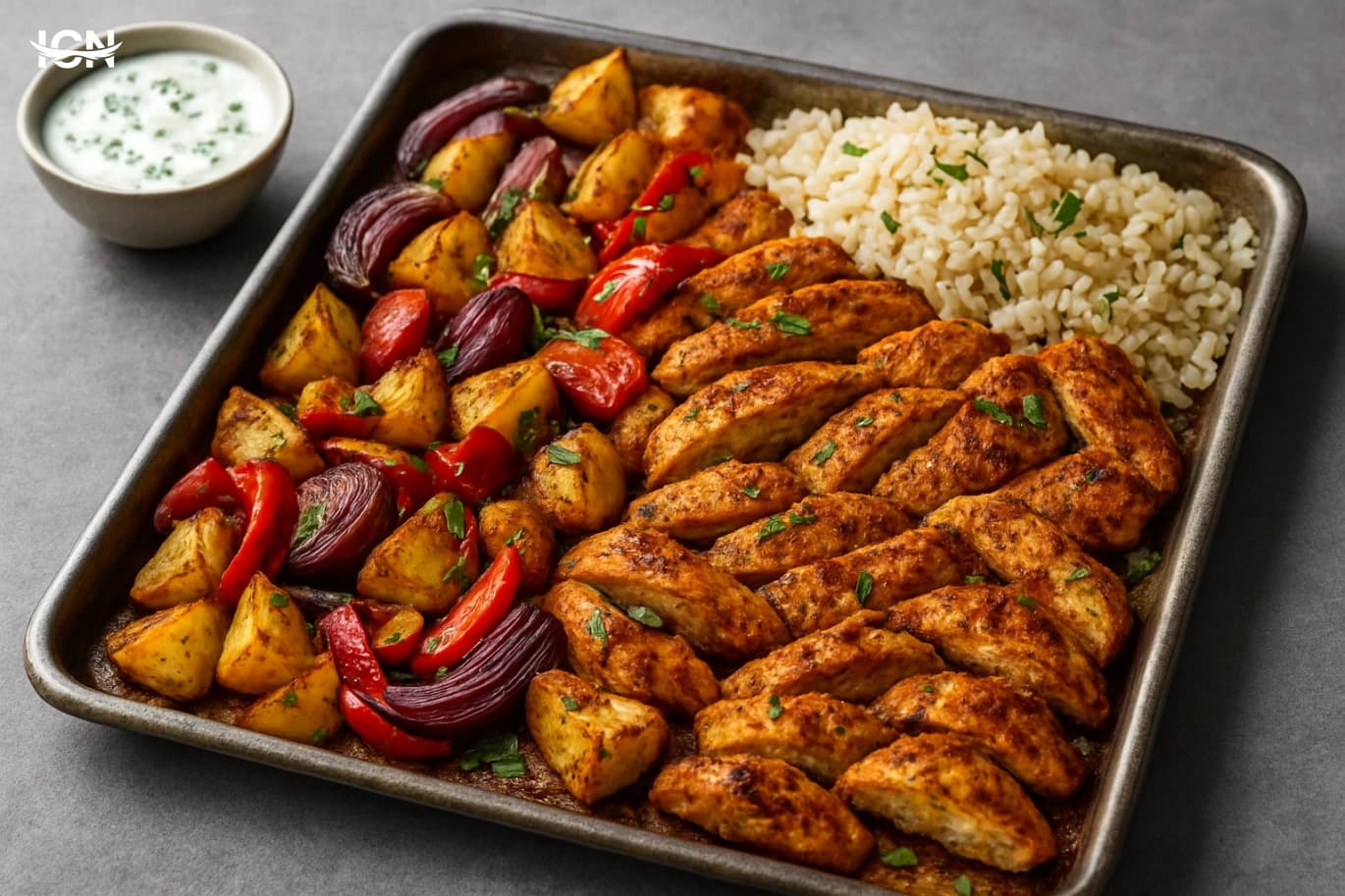
Chicken shawarma rice bowls are a practical main dish because they combine a full protein portion, a starch, and vegetables in one buildable plate. For weeknights, the workflow is straightforward: season the chicken, cook rice, assemble toppings, and serve. Using boneless thighs or breast strips keeps cooking time predictable, and a single skillet or sheet pan can handle the chicken while rice cooks unattended. The bowl format also solves a common dinner problem: different preferences at the table. Some people want extra garlic sauce, others prefer more salad, and someone may skip pickles. With bowls, everyone customizes without creating separate meals. This dish also scales well. Two pounds of chicken can feed a family with leftovers for lunch, and the same components can be repurposed the next day into wraps or salads. From a cost perspective, it relies on widely available pantry spices and inexpensive staples like rice, cucumbers, and onions. The result feels like takeout, but the ingredient list is transparent and adjustable for salt, heat, and portion size.
The spice profile and smart ingredient swaps
A convincing shawarma flavor comes from layering warm spices with acid and fat. A reliable home blend uses cumin, coriander, paprika, turmeric, black pepper, and a small amount of cinnamon or allspice for depth. Garlic and lemon juice provide the sharpness that keeps the chicken from tasting flat, while yogurt or a spoon of tahini helps the seasoning cling and promotes browning. If you want more heat, add cayenne or chili flakes, but keep it moderate so the bowl stays family-friendly. Ingredient swaps can make the recipe fit what you have. Chicken thighs stay juicier and tolerate high heat; breast cooks faster but benefits from a short marinade and careful timing. For rice, long-grain white rice is the simplest, but basmati adds aroma and separates well for bowls. Brown rice works if you cook it ahead because it takes longer. If you prefer a lower-carb base, use cauliflower rice or shredded lettuce, but keep a sauce component so the bowl doesn’t feel dry. For toppings, think in categories: crunch (cucumber, radish, toasted almonds), acidity (pickled turnips, quick-pickled onions), and freshness (parsley, mint). Store-bought hummus can stand in for a sauce, and a simple yogurt-lemon-garlic mix covers the role of toum when time is tight.
Cooking method that delivers char and tenderness
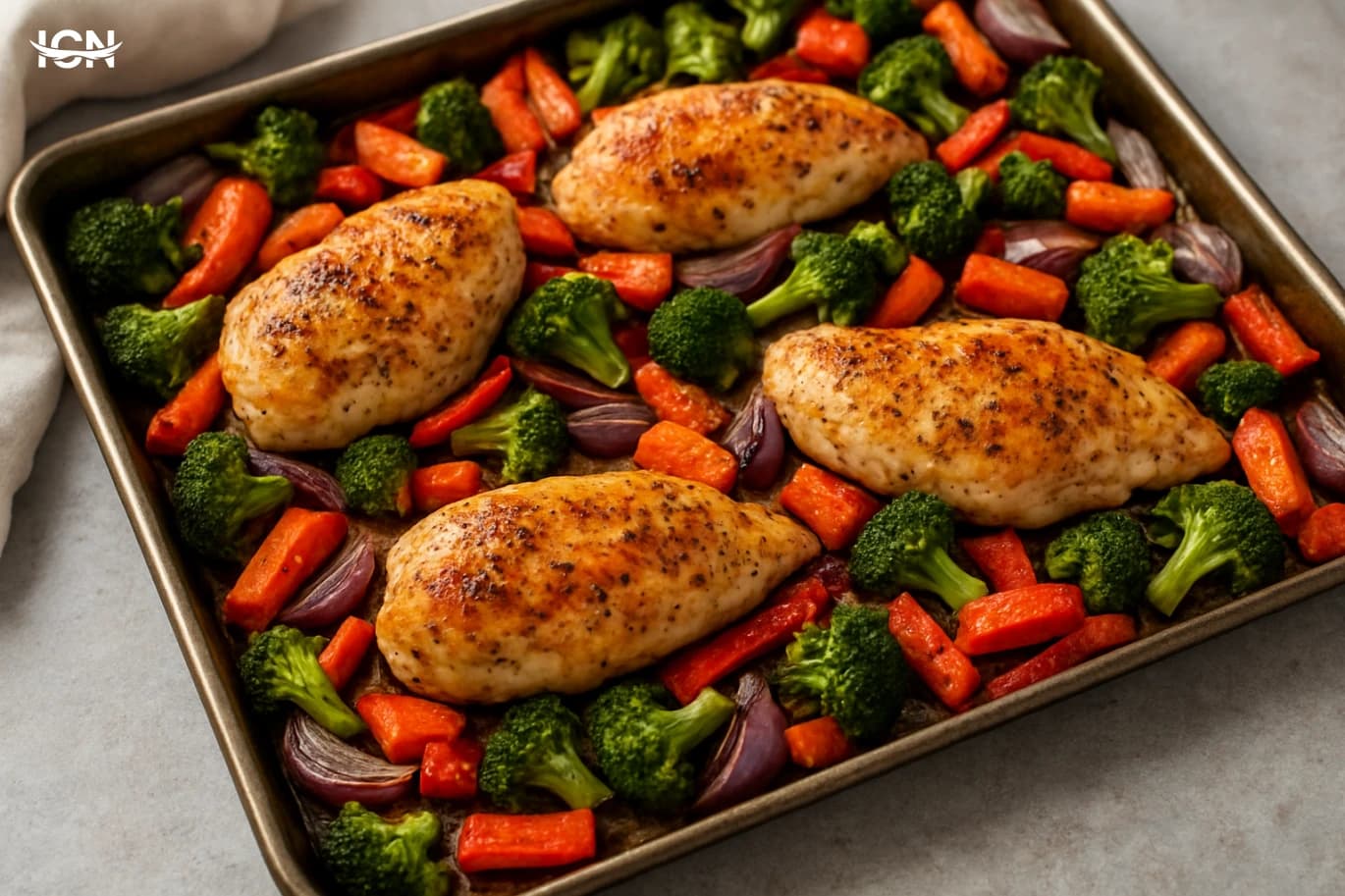
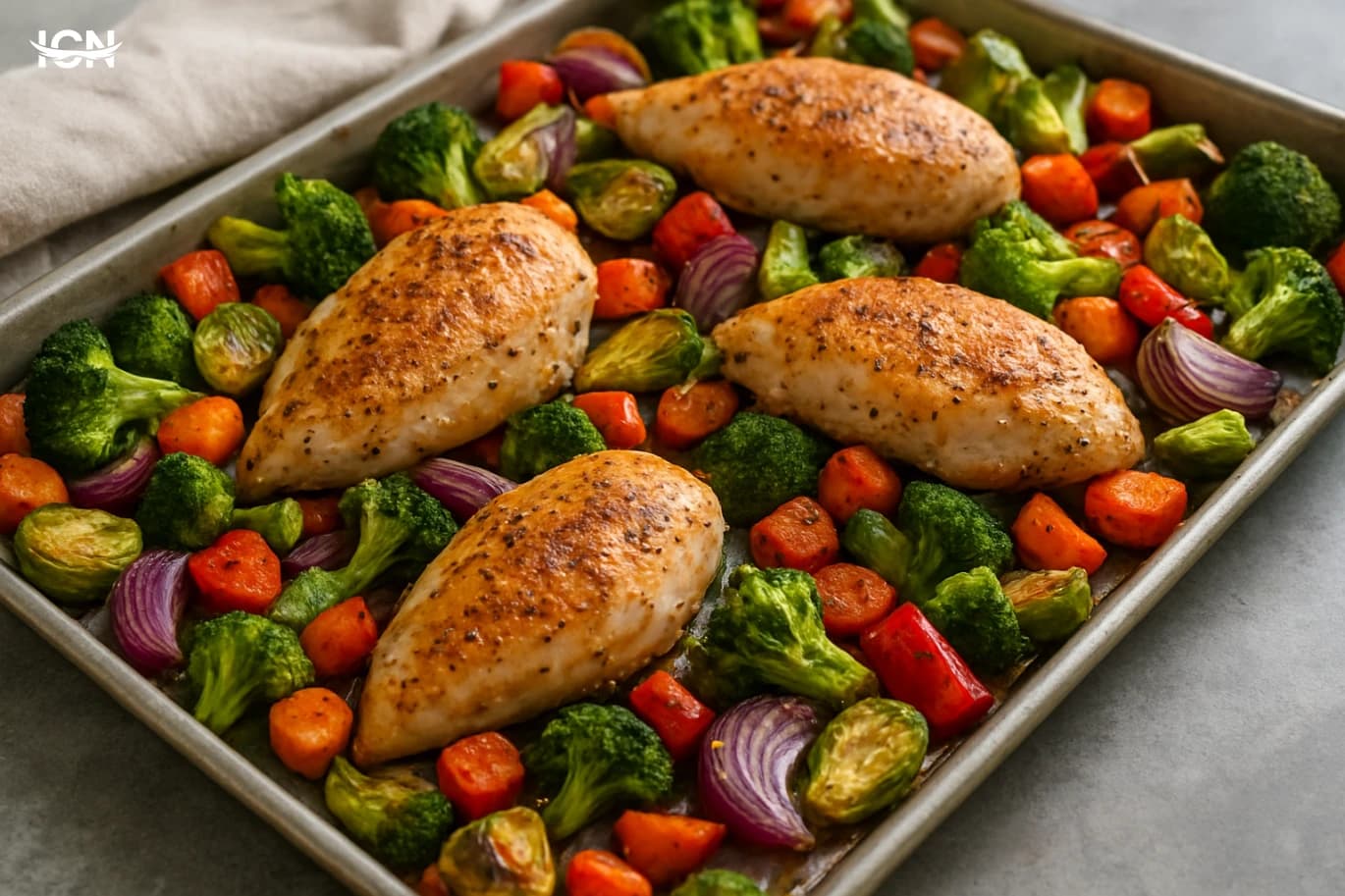
For weeknight speed, the best approach is high heat and a thin, even layer of chicken. Slice the chicken into strips so it cooks in 8–12 minutes rather than 25–30. Pat it dry before seasoning; excess moisture steams the meat and reduces browning. Heat a heavy skillet until it’s properly hot, add a small amount of oil, then spread the chicken out so pieces aren’t piled. Let it sit undisturbed for a few minutes to develop color, then flip and finish. A quick squeeze of lemon at the end brightens the spices. A sheet-pan method is even more hands-off. Preheat the oven to a high temperature, spread the chicken on a lined pan, and roast until cooked through, finishing under the broiler for 1–2 minutes to mimic the char you’d get on a vertical spit. This method is useful when you’re also roasting vegetables like onions or bell peppers on the same tray. Food safety and texture matter. Aim for chicken to reach a safe internal temperature, but avoid overcooking by pulling it as soon as it’s done and letting it rest for a few minutes. Resting redistributes juices and keeps the strips tender when they’re mixed into hot rice.
Building the bowl with balanced toppings
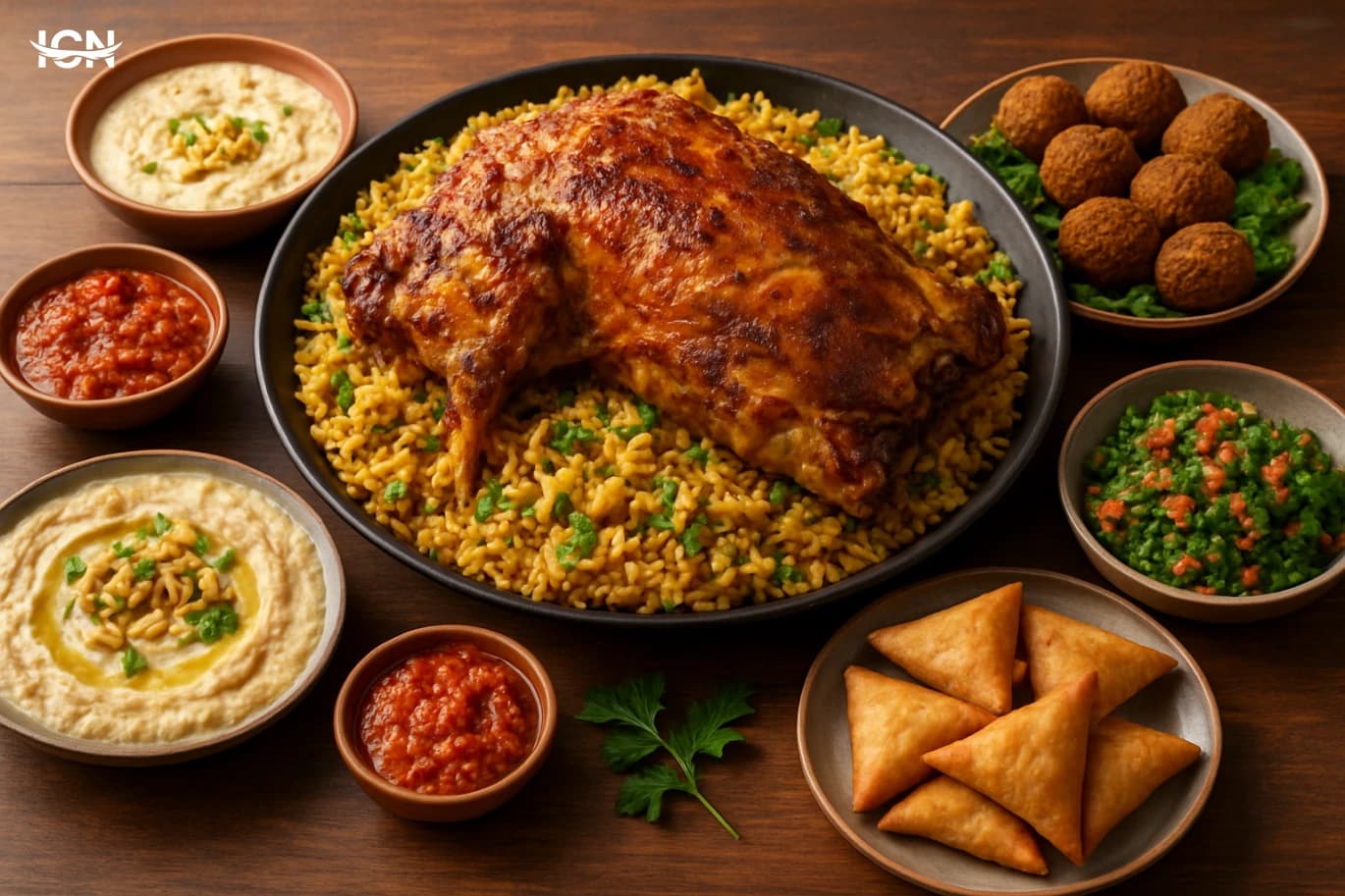
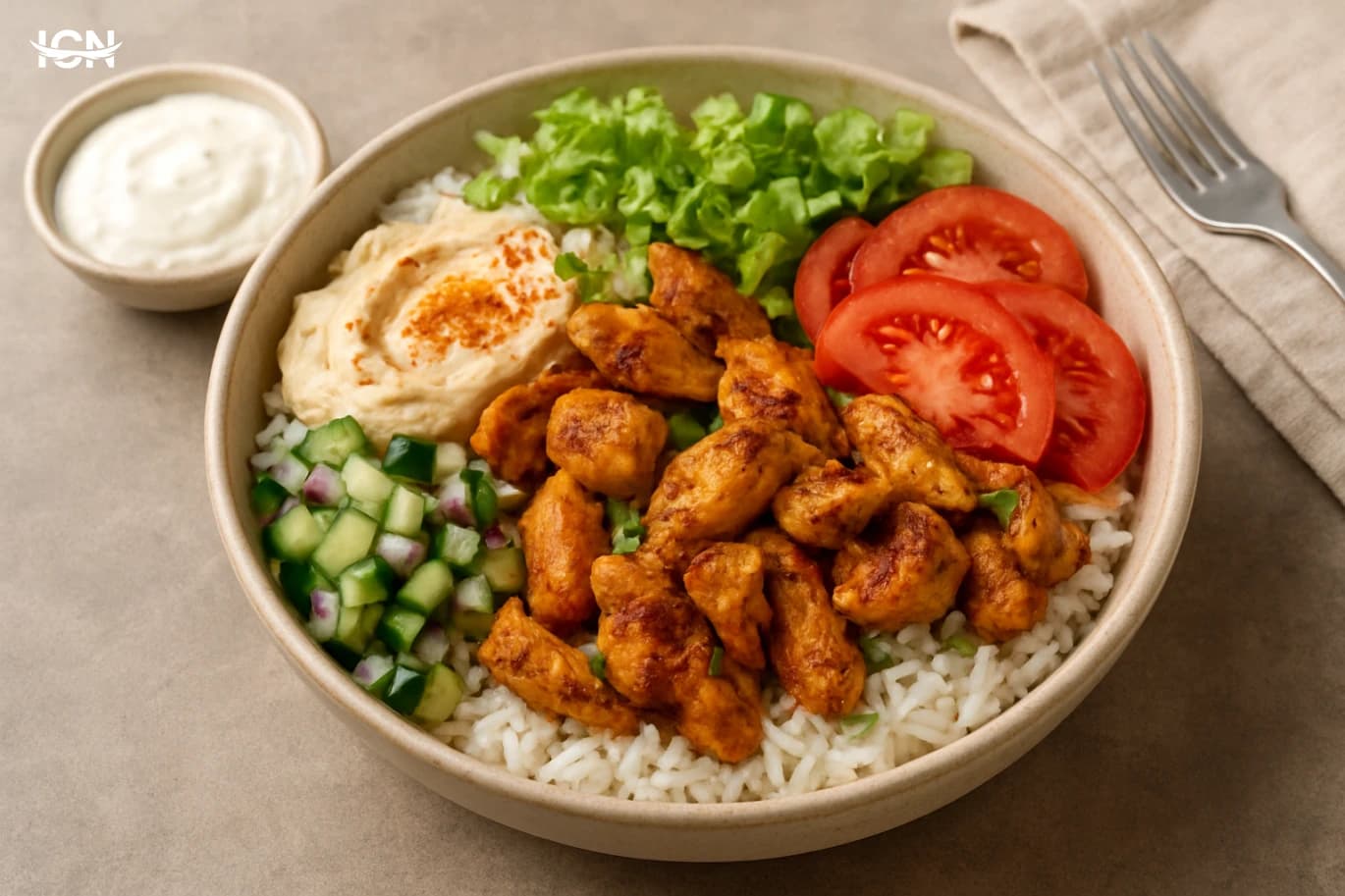
A good rice bowl is structured, not random. Start with a base of hot rice so sauces melt slightly and coat the grains. Add the chicken next, then place toppings in small clusters rather than mixing everything at once. This keeps textures distinct and makes the bowl look appetizing without extra effort. For vegetables, a simple chopped salad works: cucumber, tomato, red onion, and parsley with lemon and a pinch of salt. If tomatoes are watery, use cherry tomatoes or drain chopped tomatoes for a minute to avoid soggy rice. Pickles are a key contrast; pickled turnips are classic, but dill pickles or quick-pickled cucumbers also work. Sauce choices determine the overall character. A garlic yogurt sauce is fast and mild; tahini sauce adds nuttiness and pairs well with extra lemon; toum is sharper and more intense, so a small amount goes a long way. If you want a restaurant-style finish, add a drizzle of olive oil and a dusting of sumac or paprika. Serve with warm pita on the side if you want the bowl to double as a wrap meal.
Meal prep, storage, and next-day ideas
This main dish is well-suited to meal prep if you store components separately. Keep cooked rice in one container, chicken in another, and wet toppings like salad and pickles in their own boxes. Sauces should be stored in small jars so they don’t soak the rice. Properly chilled, the chicken and rice typically hold for several days, making it realistic to cook once and eat twice. For reheating, warm the rice and chicken first, then add cold toppings and sauce after. This preserves crunch and keeps herbs tasting fresh. If the rice has dried out, sprinkle a tablespoon of water over it before microwaving and cover loosely. Leftovers can become new meals with minimal work. Turn the chicken into a shawarma wrap with pita and extra pickles. Make a quick salad bowl by swapping rice for chopped romaine and adding chickpeas. Or fold the chicken into a skillet with leftover rice, onions, and a beaten egg for a shawarma-inspired fried rice. These options reduce food waste and keep the flavor profile interesting across multiple meals.