Sheet Pan Chicken Shawarma Dinner
- Why this main dish works on busy nights
- Ingredients that make the flavor profile
- Step-by-step sheet pan method
- Sauces, sides, and serving formats
- Make-ahead, storage, and smart leftovers
Why this main dish works on busy nights
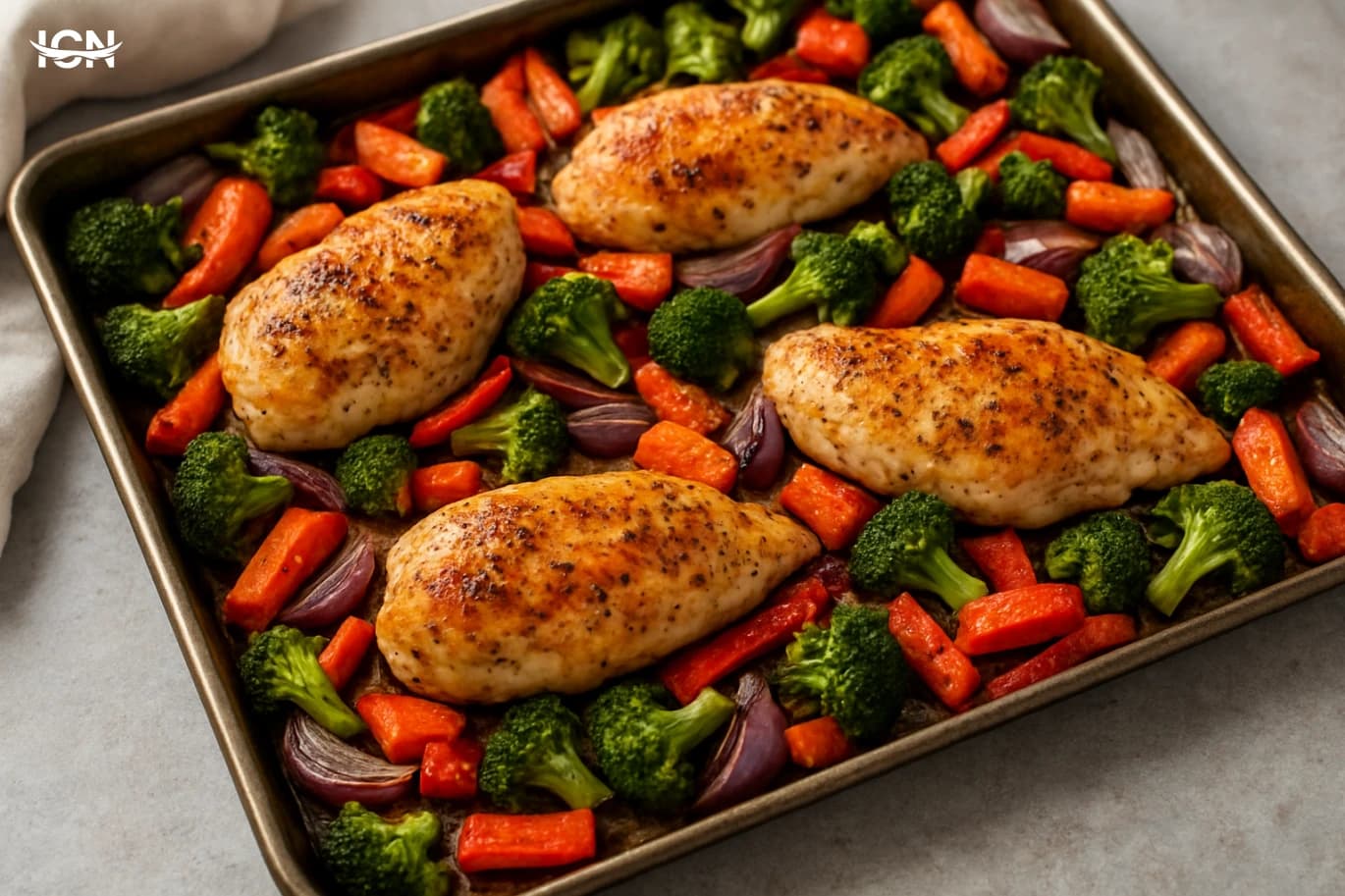
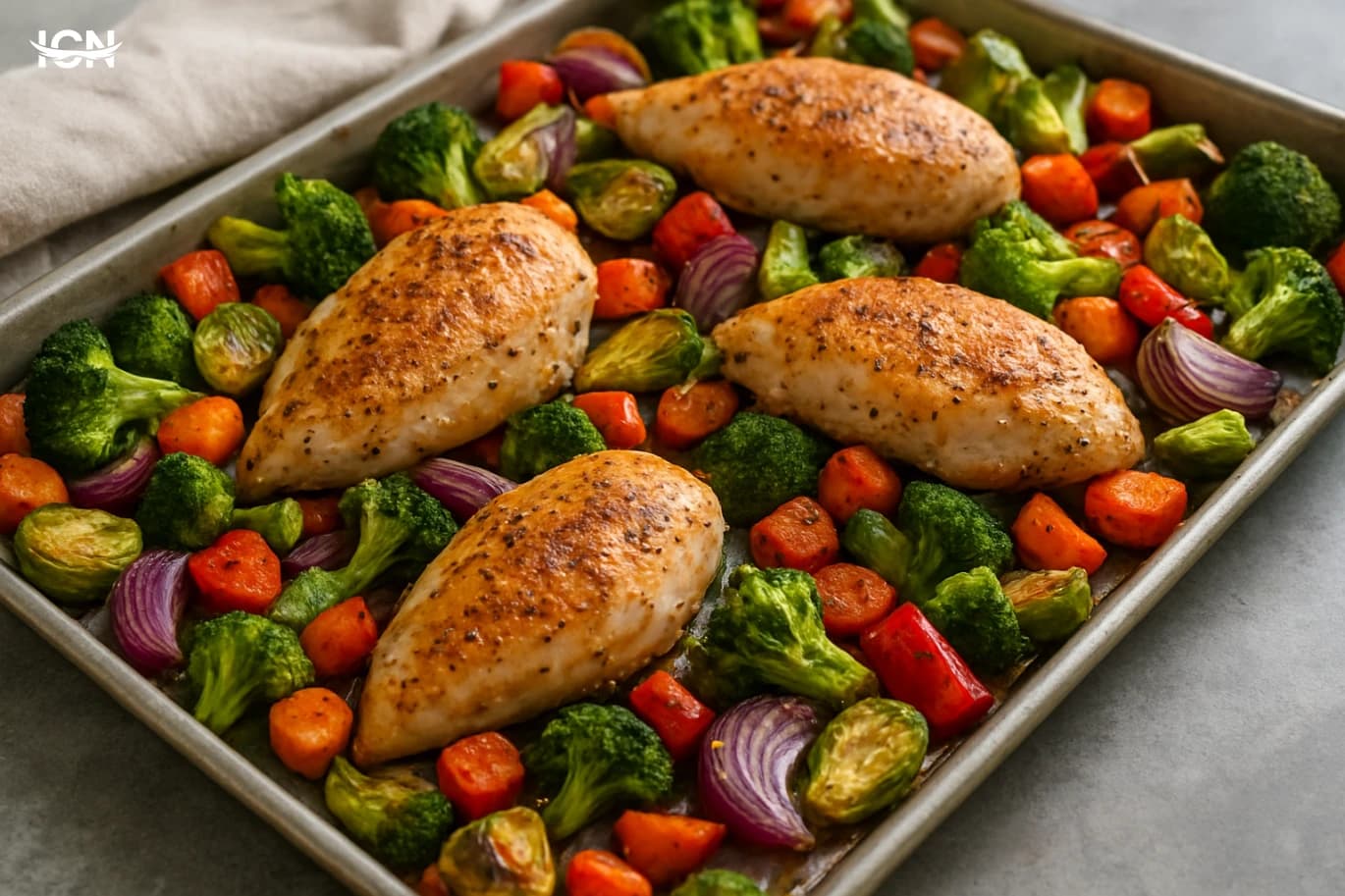
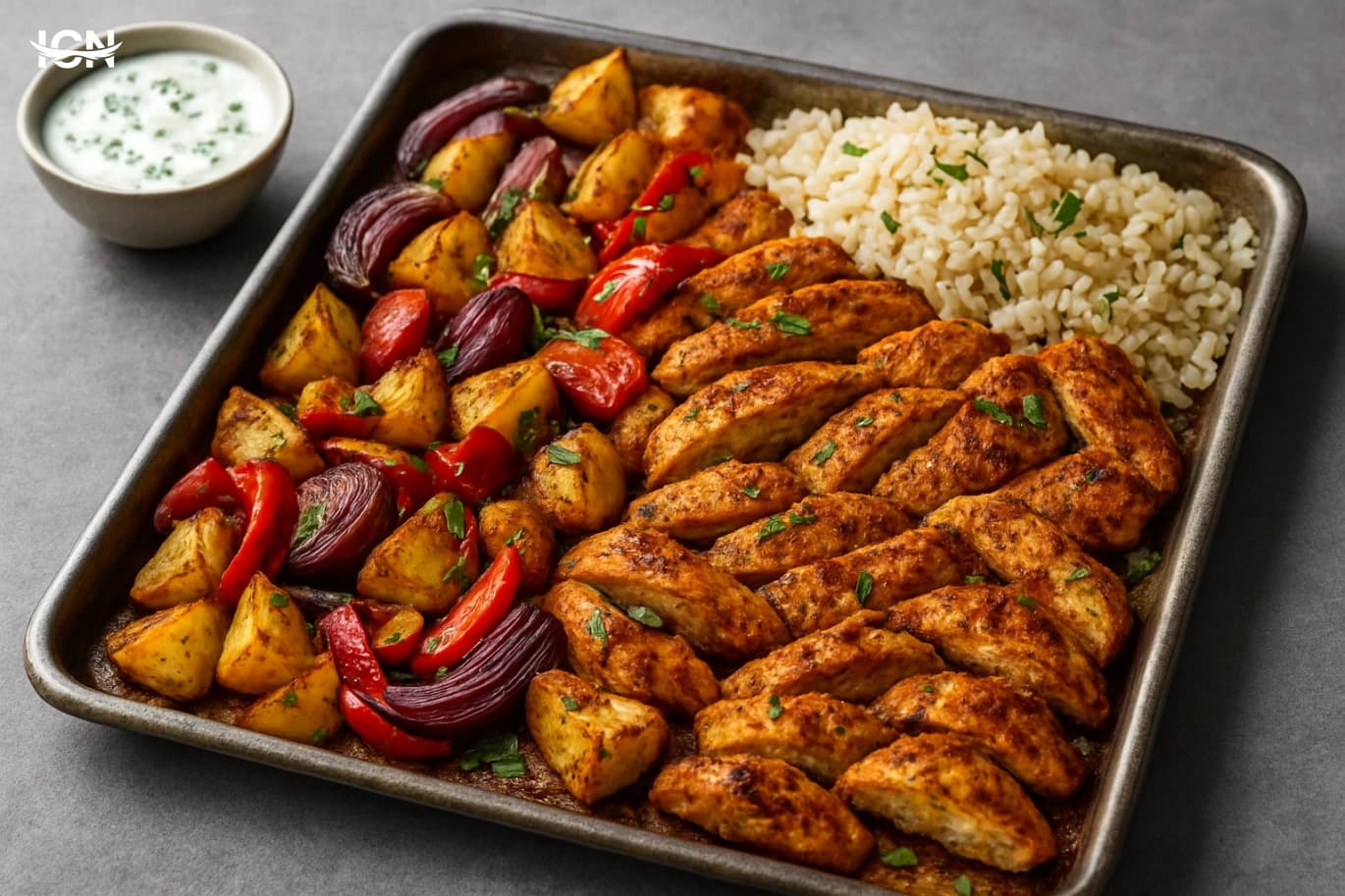
Sheet pan chicken shawarma is a practical main dish because it delivers strong flavor, reliable texture, and minimal cleanup in one plan. Instead of juggling multiple pans, you roast seasoned chicken alongside onions and vegetables on a single tray, then finish with quick toppings. The method is forgiving: high heat browns the edges while the center stays juicy, and the vegetables absorb the drippings for extra depth. From a planning perspective, it fits real schedules. You can mix the spice blend in advance, marinate the chicken for 20 minutes or overnight, and roast everything while you prep a salad or warm bread. It also scales well: one tray can feed a small household, and two trays can cover guests without changing the process. The result feels like a complete dinner rather than a shortcut meal, which is why it has become a dependable weeknight option.
Ingredients that make the flavor profile
The core is boneless chicken thighs for moisture and browning, though breasts work if you watch the time. The signature shawarma taste comes from a balanced spice mix: ground cumin, coriander, paprika, turmeric, and a small amount of cinnamon or allspice for warmth. Garlic, lemon juice, and olive oil turn the spices into a coating that clings and roasts well. Vegetables are not an afterthought here. Red onion is essential because it softens and caramelizes, adding sweetness that offsets the spices. Bell peppers, zucchini, or cauliflower roast at a similar pace and make the tray feel like a full meal. For serving, plan one creamy element and one bright element: yogurt sauce or tahini for richness, and pickles, chopped tomatoes, or a simple cucumber salad for crunch and acidity. If you want a rice option, plain basmati or herbed rice works, but flatbread keeps the meal fast and flexible.
Step-by-step sheet pan method
Start by heating the oven to a high temperature, typically 220°C/425°F, and place a rack in the upper-middle position for better browning. In a bowl, combine olive oil, lemon juice, minced garlic, salt, and the spice mix. Toss the chicken until evenly coated, then add sliced red onions and any quick-roasting vegetables. If you have time, let the mixture sit for 20–30 minutes to deepen the flavor. Spread everything on a large sheet pan in a single layer. Crowding is the main reason trays steam instead of roast, so use two pans if needed. Roast until the chicken is cooked through and the edges are browned, usually 18–25 minutes depending on thickness. Halfway through, stir the vegetables and flip larger pieces for even color. For a more charred finish, switch to the broiler for 1–2 minutes, watching closely. Rest the chicken for a few minutes, then slice if you used larger pieces. Serve immediately with warm flatbread, a bowl of yogurt sauce, and a simple salad. This method keeps the process predictable: one marinade, one tray, one cooking window, and a clear finish.
Sauces, sides, and serving formats
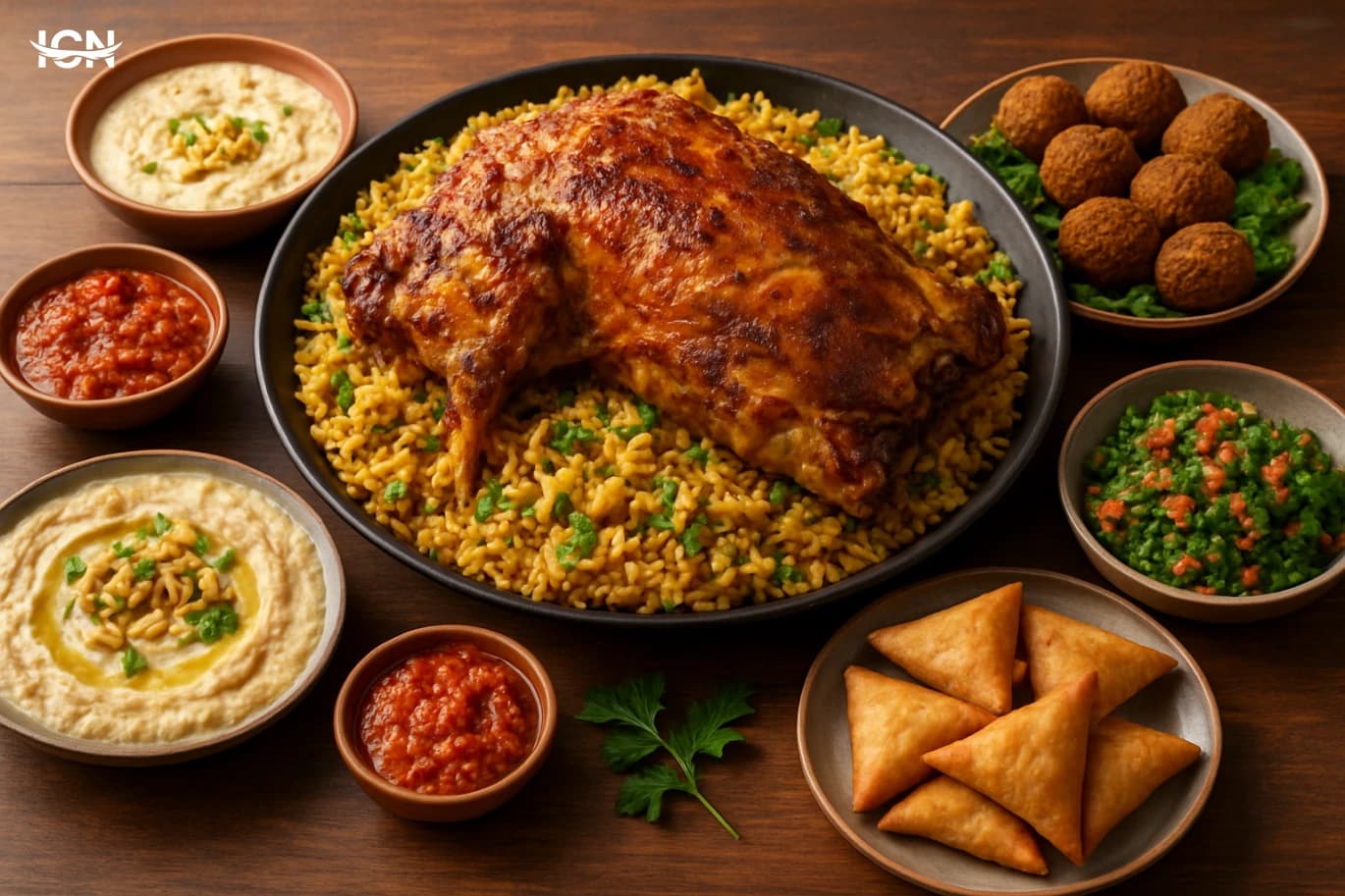
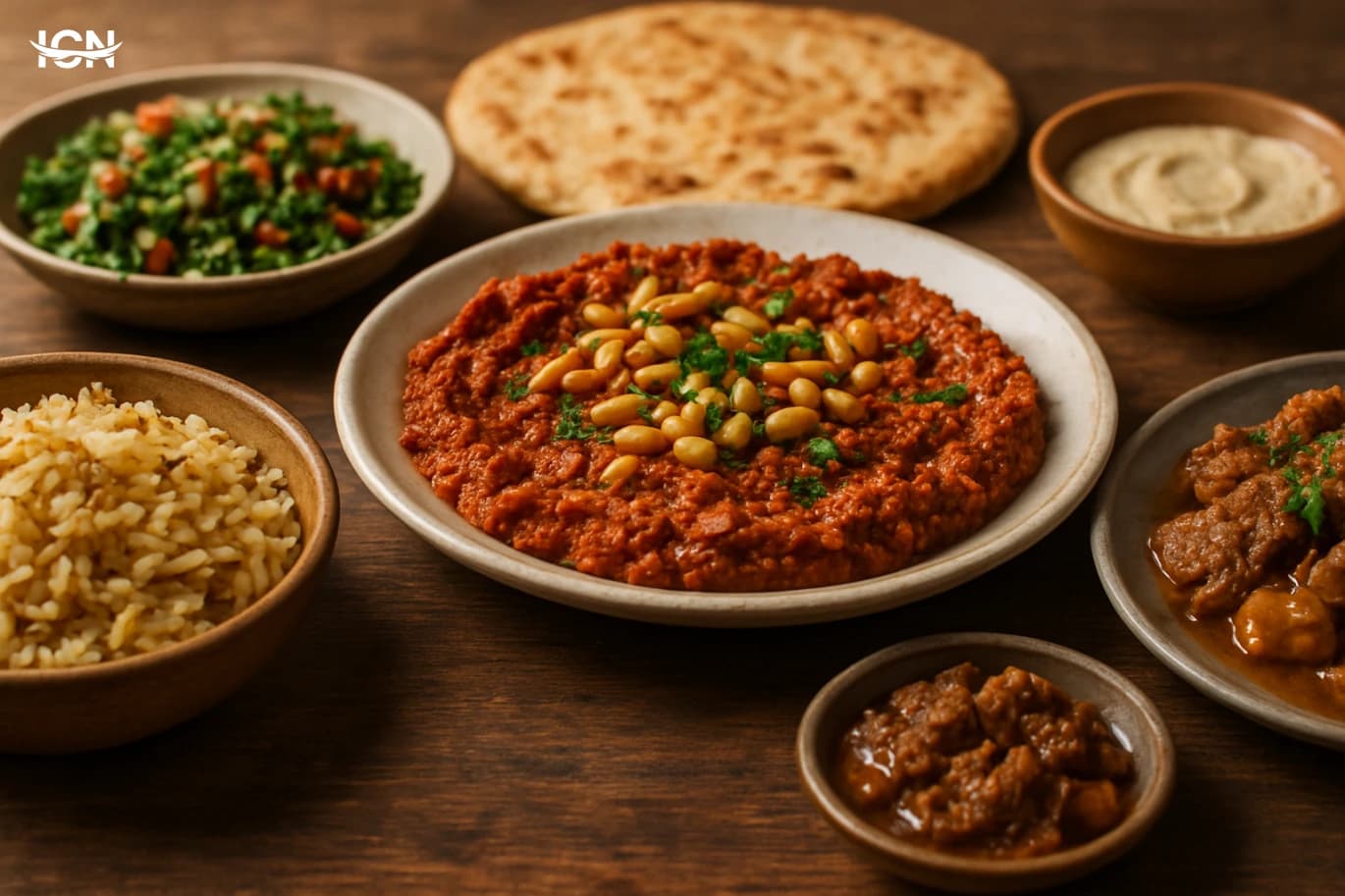
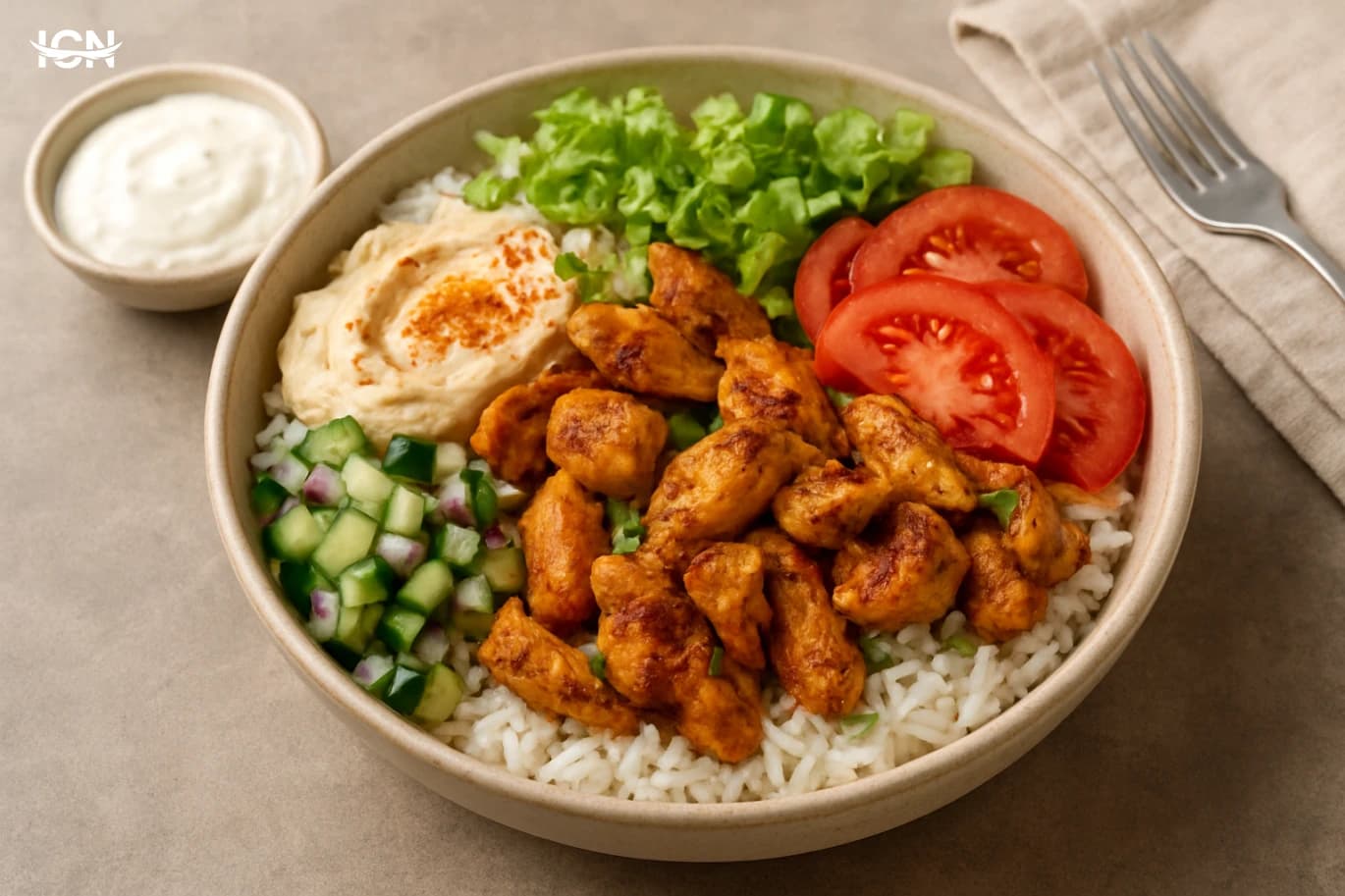
A good sauce turns roasted chicken into a complete shawarma-style dinner. For a quick yogurt sauce, mix plain yogurt with grated garlic, lemon zest, a pinch of salt, and chopped dill or parsley. For a tahini option, whisk tahini with lemon juice, water, salt, and a small amount of crushed garlic until it becomes pourable. Both sauces can be made while the tray is in the oven. Serving formats depend on the table. For wraps, pile chicken and onions into flatbread, add sauce, then finish with pickles and chopped tomatoes. For a bowl meal, use rice or bulgur as a base and add roasted vegetables, then drizzle sauce and sprinkle sumac if available. For a family-style platter, arrange everything on a large plate with bread on the side and let people build their own portions. To keep the main dish balanced, include one fresh component. A cucumber-tomato salad with lemon and olive oil is enough, and it helps cut through the richness of the roasted edges. If you want a warm side, roasted potatoes can share the tray, but they need a head start of 10–15 minutes before adding the chicken.
Make-ahead, storage, and smart leftovers
This dish is built for prep. You can mix the spice blend in a jar and keep it ready for multiple dinners. The chicken can be marinated the night before, which improves flavor and shortens active cooking time. If you are cooking for the week, roast a double batch and portion it into containers with vegetables and a separate sauce cup. For storage, cool the chicken and vegetables quickly, then refrigerate in airtight containers. They hold well for about 3–4 days. Reheat in a hot oven or a dry skillet to bring back some browning; microwaving works but softens the edges. Keep sauces separate so they stay fresh and do not thin out. Leftovers are versatile. Turn them into a quick pita pocket with fresh greens, or chop the chicken and fold it into a warm grain bowl with lemon and herbs. You can also use the roasted onions and peppers as a topping for a simple omelet or a side for lentils. The goal is to keep the main dish flavor while changing the format, so it feels like a new meal rather than a repeat.