App Logo

Download Our App

Shop your way

logologo
Image

Spider

03/04/2025By: ICN
Spider

introduction

The definition of spider spider is a small animal belonging to the family of spiders, and it features eight legs and body divided into a head and abdomen. Spiders live in various environments, from forests to homes. The importance of the spider in the environment is very effective in maintaining the balance of the environment, as it contributes to controlling the numbers of harmful insects. Also, spiders work to purify the environment through the ecosystems they play. Spiders also provide a food source for many other animals, which contributes to supporting the ecosystem. The presence of spiders in any ecosystem means more biological diversity.

Sponsors' classifications

Poor spiders varieties are an important part of the classification of spiders, some of which have a strong poison that can pose a danger to humans. Among these species, the black widow and the isolated brown spider are considered one of the most famous. Learn about these types requires a greater understanding of the nature of their poison and where they live. Feeding methods of spiders differ on spiders ’feeding methods based on the type. Most spiders feed on insects, where yarn is used to hunt their prey. Some species, such as roding spiders, do not use networks, but rather approach and capture directly, which reflects the diversity of the methods that spiders adopt to obtain their food.

The role of spiders in nature

Control of harmful insects is a spider is one of the useful organisms in nature, as they play a fundamental role in controlling the numbers of harmful insects. By hunting insects, spiders help maintain the balance of the ecosystem and enhance the health of plants and animals. This process contributes to reducing the need to use pesticides, which makes spiders important allies for farmers. Spiders as a source of food for some spiders are also a source of food for many animals, including birds, snakes, and some other insects. The presence of spiders in the food chain is a necessary balance, as they support wildlife and help the continuity of different species in natural environments.

Spider's body structure

The feet and eyes for spiders are distinguished by their eight feet that help them move quickly and effectively. Each foot contains accurate bristles that help them balance and stick to surfaces. As for the eyes, the sponsors usually have eight eyes, but not all of the same degree of efficiency. Some species depend on the sense of touch more than vision, which helps it in hunting and wandering in its environments. The toxins in the spider body have many spiders containing toxic glands used for hunting and self -defense. These toxins help paralyze the movement of prey, which enables the spider to easily devour it. Others use poison to maintain itself from predators, making it effective tools in maintaining their presence in wildlife.

Spiders multiply

The process of mating for the spiders includes the process of mating spiders unique practices, as the male mostly seizes the female through certain offers. This mating is cautious, as the male female may eat in some types after mating. After the process is complete, the male produces an egg fertilization. The birth of the young spiders after mating, the female lay eggs in a protected special bag. After a period of incubation, the eggs hatch to come out to the young spiders. These young people are almost self -sufficient, where they can survive without relying on her parents, which contributes to her presence in the environment quickly and effectively.

* All articles published on this blog are sourced from various websites and are provided for informational purposes only. They should not be considered as confirmed studies or accurate information. Please verify the information independently before relying on it.

Similar ARTICLES

Gecko and Moth Nights on the Balcony
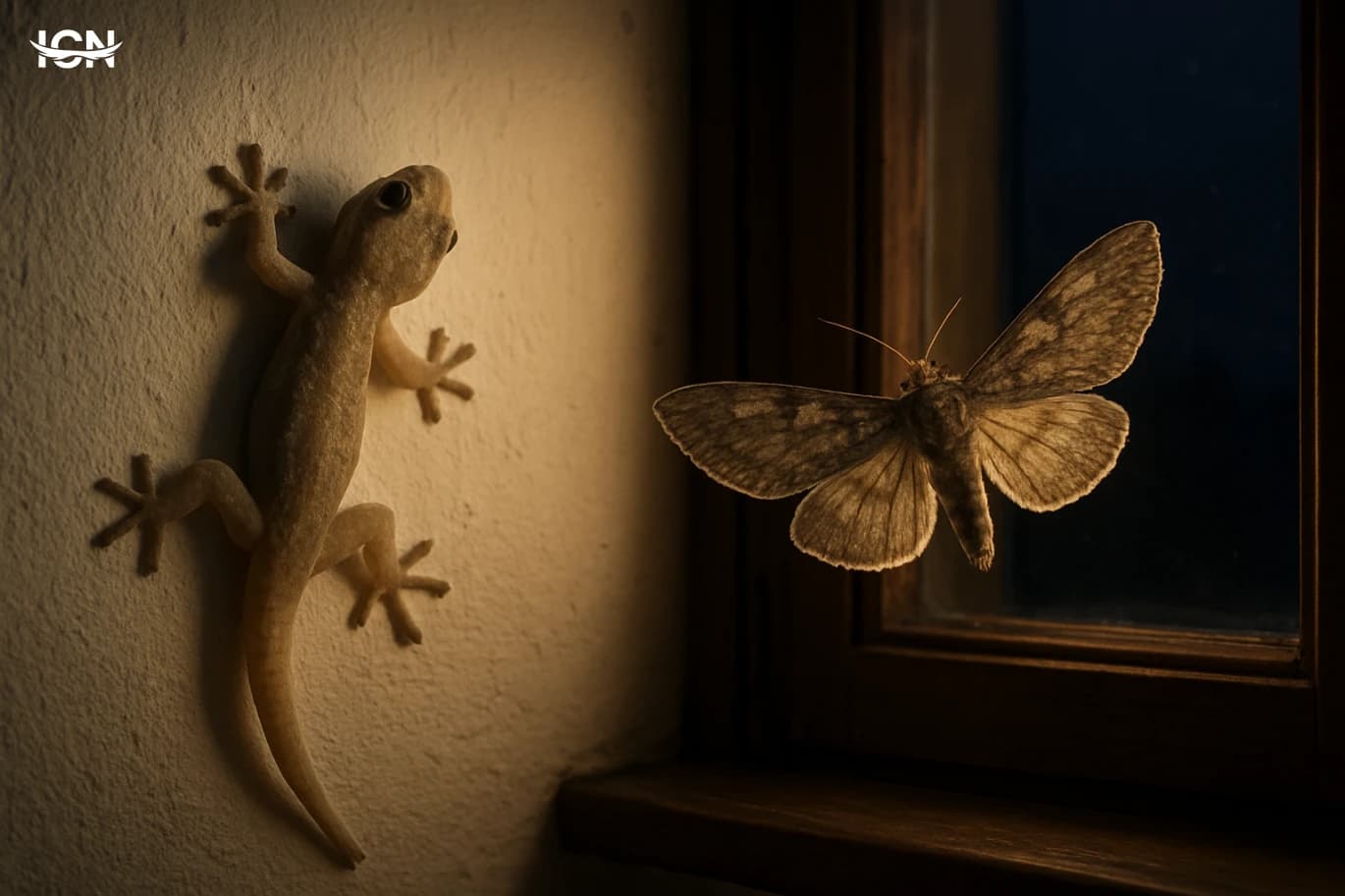
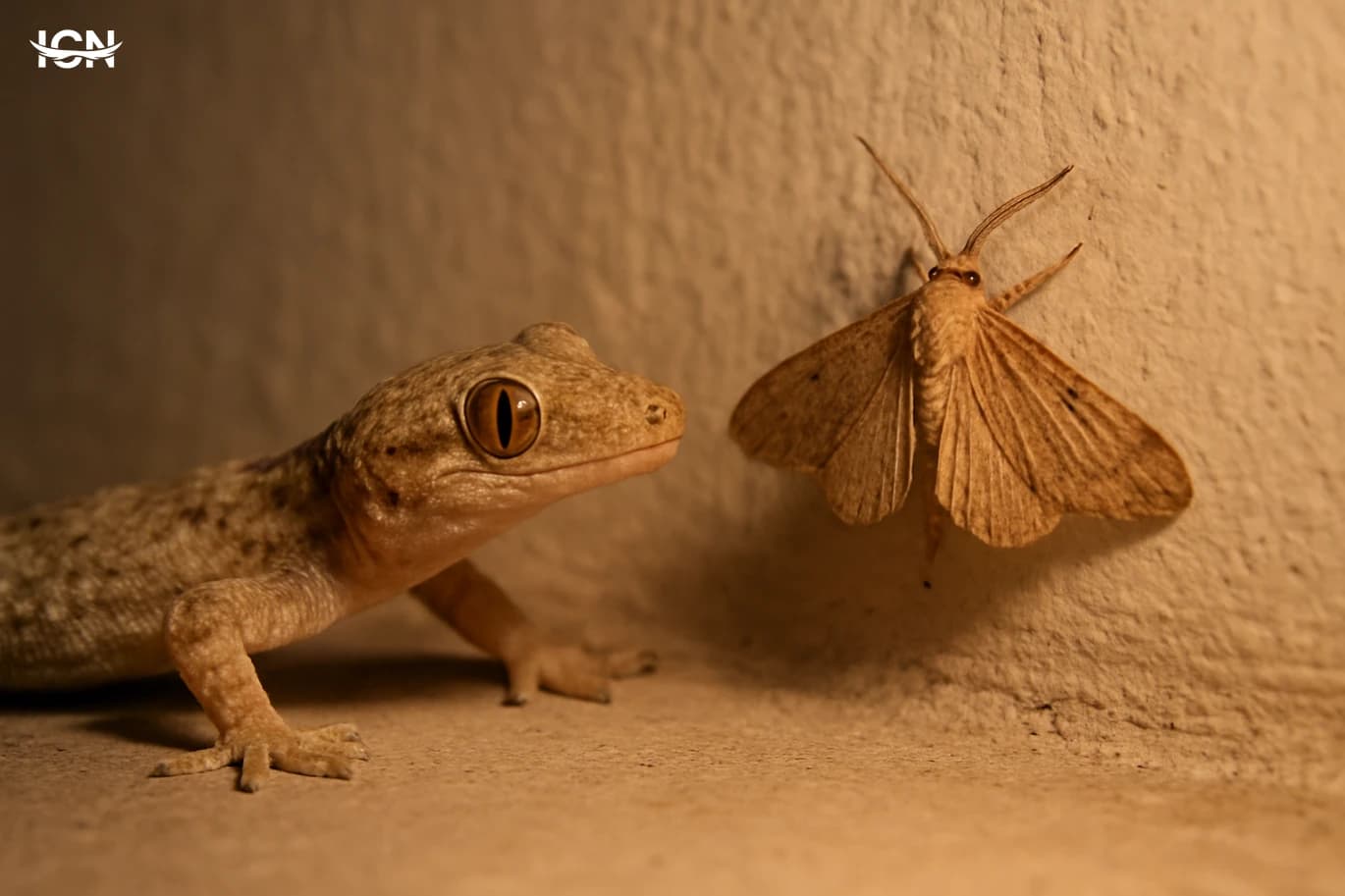
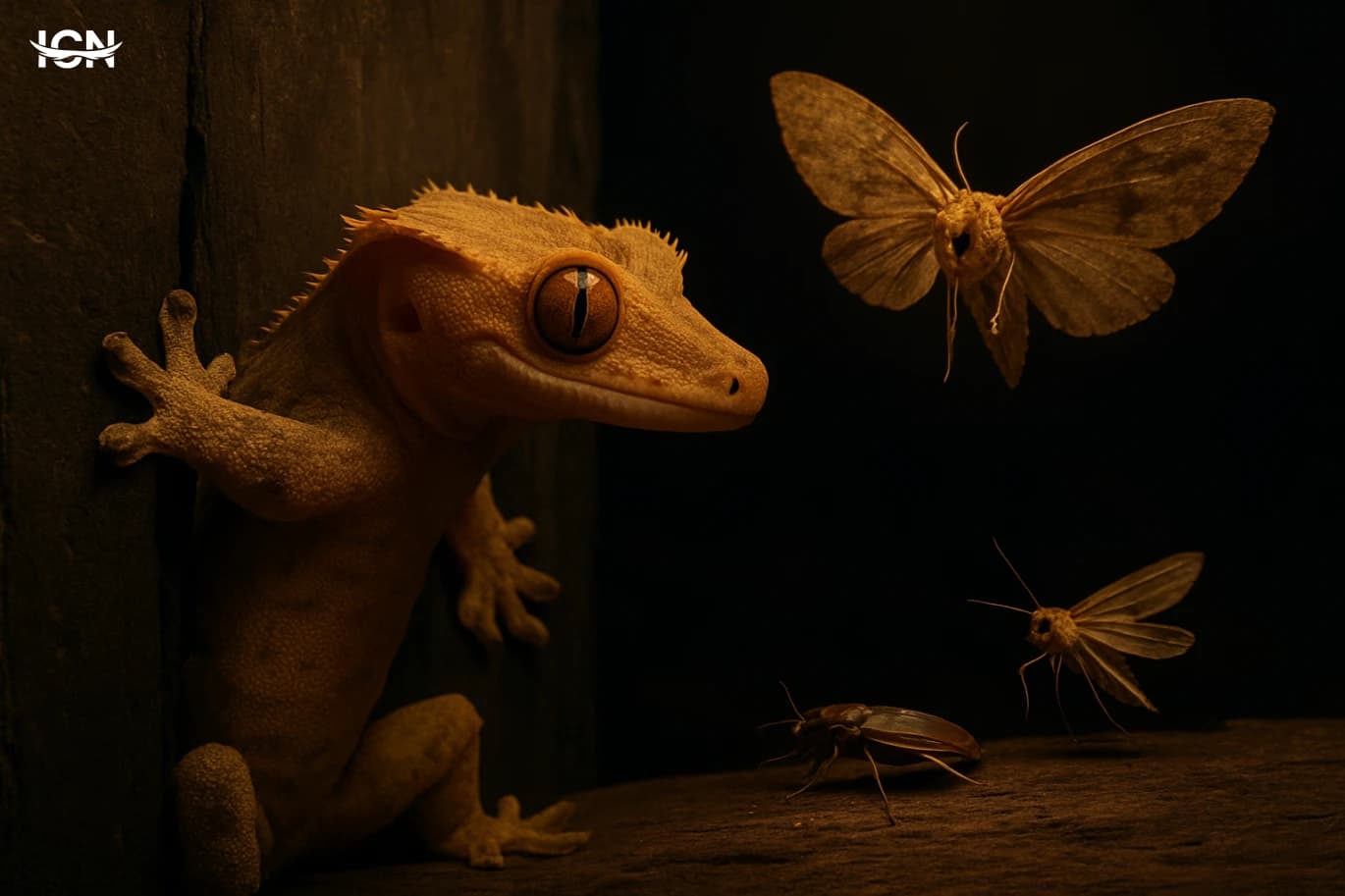
In many warm cities, geckos become most visible at night because their hunting style matches the rhythm of household lighting. A balcony lamp or a bright window creates a small “insect corridor” that attracts moths, midges, and flying ants. Geckos take advantage of this predictable traffic. They can sit still for long periods, then make short, accurate lunges when prey comes within reach. This behavior is not random; it is a practical response to where insects concentrate and where the gecko can hunt with minimal energy. Geckos also benefit from the surfaces around homes. Smooth walls and glass doors hold warmth after sunset, especially in summer. That retained heat helps a cold-blooded reptile stay active longer without searching for a warmer rock or pavement. You may notice geckos choosing the same corner night after night. They are not “taming” themselves; they are returning to a reliable feeding station with stable temperatures and fewer predators than open ground. If you want to observe them responsibly, keep your distance and avoid sudden light changes. Turning a bright light on and off repeatedly can disrupt both the gecko and the insects it is tracking. A steady, moderate light is enough for viewing. The goal is to watch natural behavior, not to force it.
Gecko Homes and Night Insects
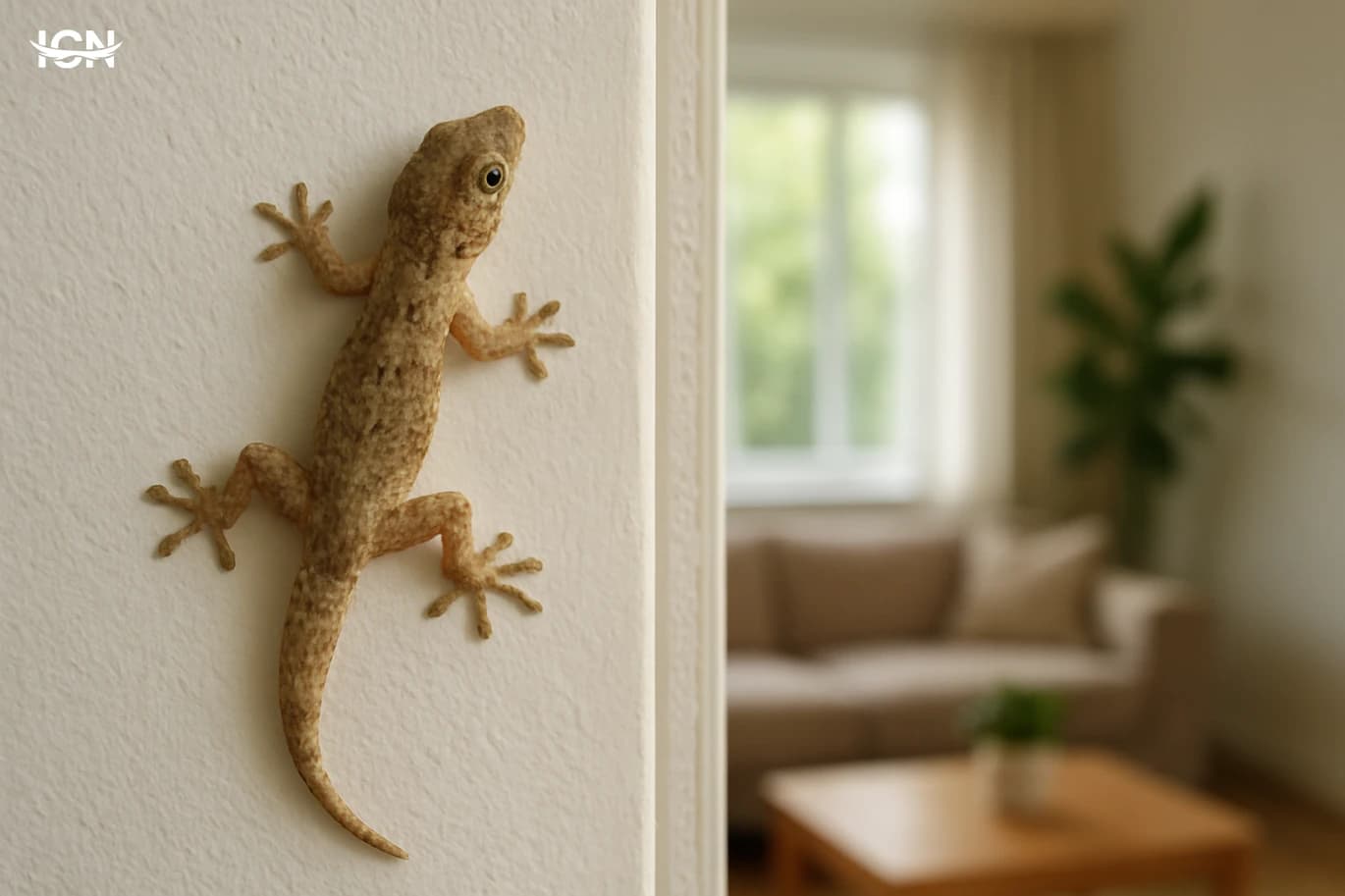
House geckos are not random visitors. They favor buildings because walls, ceilings, and window frames create stable microclimates that stay warmer than outdoor air at night and remain relatively dry after rain. Cracks behind cabinets, gaps around air-conditioner lines, and the space above curtain rails provide narrow shelters that match a gecko’s flattened body and reduce exposure to predators. Many species also benefit from artificial lighting, which concentrates insects in predictable places. In warm regions, geckos can remain active for much of the year, while in cooler areas they use heated interiors and sun-warmed masonry to extend their feeding season. Their toe pads allow them to climb smooth surfaces, so a vertical wall becomes a hunting ground rather than a barrier. Understanding these preferences helps homeowners predict where geckos will appear and why they often return to the same corners night after night.
Geckos and Moths in Nighttime Homes
In many neighborhoods, geckos become most visible at night because their hunting style matches indoor lighting patterns. They are opportunistic insect-eaters that patrol walls, ceilings, and window frames where small flying insects gather. Warm surfaces around light fixtures and electronics can also attract insects, creating a reliable feeding route. Geckos do not need to “move in” to benefit; a single wall near a porch light can provide enough prey for repeated visits. Season and temperature matter. In warmer months, insect activity rises and geckos follow the food supply. In cooler periods, they may retreat to sheltered gaps, then reappear on mild evenings. Their ability to cling to smooth surfaces lets them exploit vertical spaces that many predators cannot. For homeowners, seeing a gecko is often a sign that the building offers easy access points and a steady stream of insects drawn by light, humidity, and indoor warmth.
Gecko Homes and Ant Trails Indoors
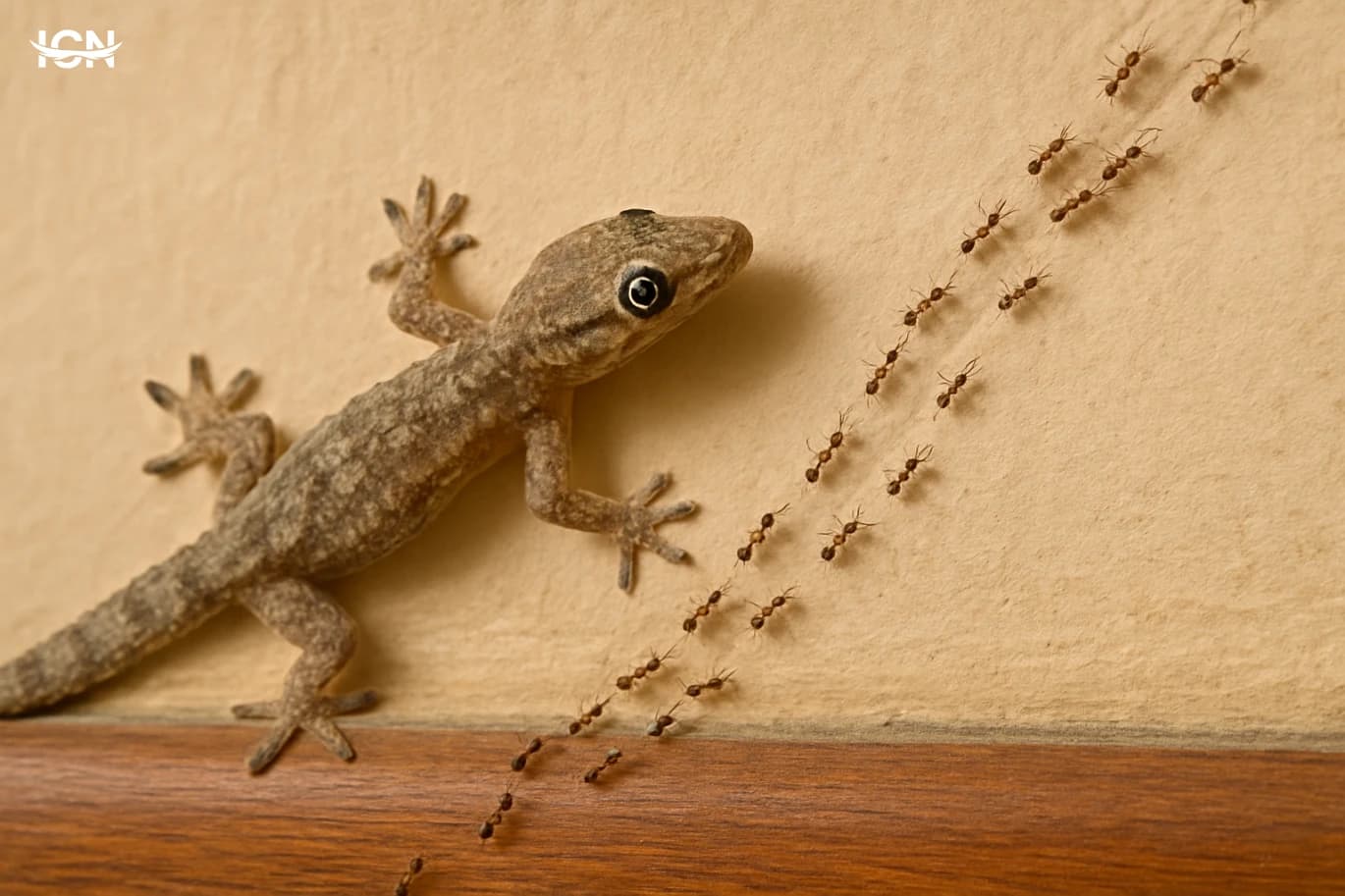
In many homes, small geckos and persistent ant trails appear in the same rooms for practical reasons: both are responding to food, water, and temperature. Ants establish routes between a nest and a reliable source such as crumbs, pet food, or a sticky spill. Geckos, in turn, follow the insects. A gecko does not need to “hunt” randomly if a wall corner or window frame consistently attracts ants, moths, or flies. In warm climates, geckos also use indoor spaces as stable microhabitats, especially near kitchens, bathrooms, and exterior doors where humidity and insects are higher. Understanding this overlap helps homeowners avoid overreacting. A gecko is usually a sign that insects are available; removing the insect supply often reduces gecko activity without harming the animal. Ant trails are more than a nuisance: they are a map of where food residues or moisture are being accessed. When you read the room like an ecologist—looking at light sources, gaps, and water points—you can predict where trails will form and where geckos will rest. This topic focuses on practical observation and prevention rather than quick fixes.
Gecko and Moth Nights Around Porch Lights
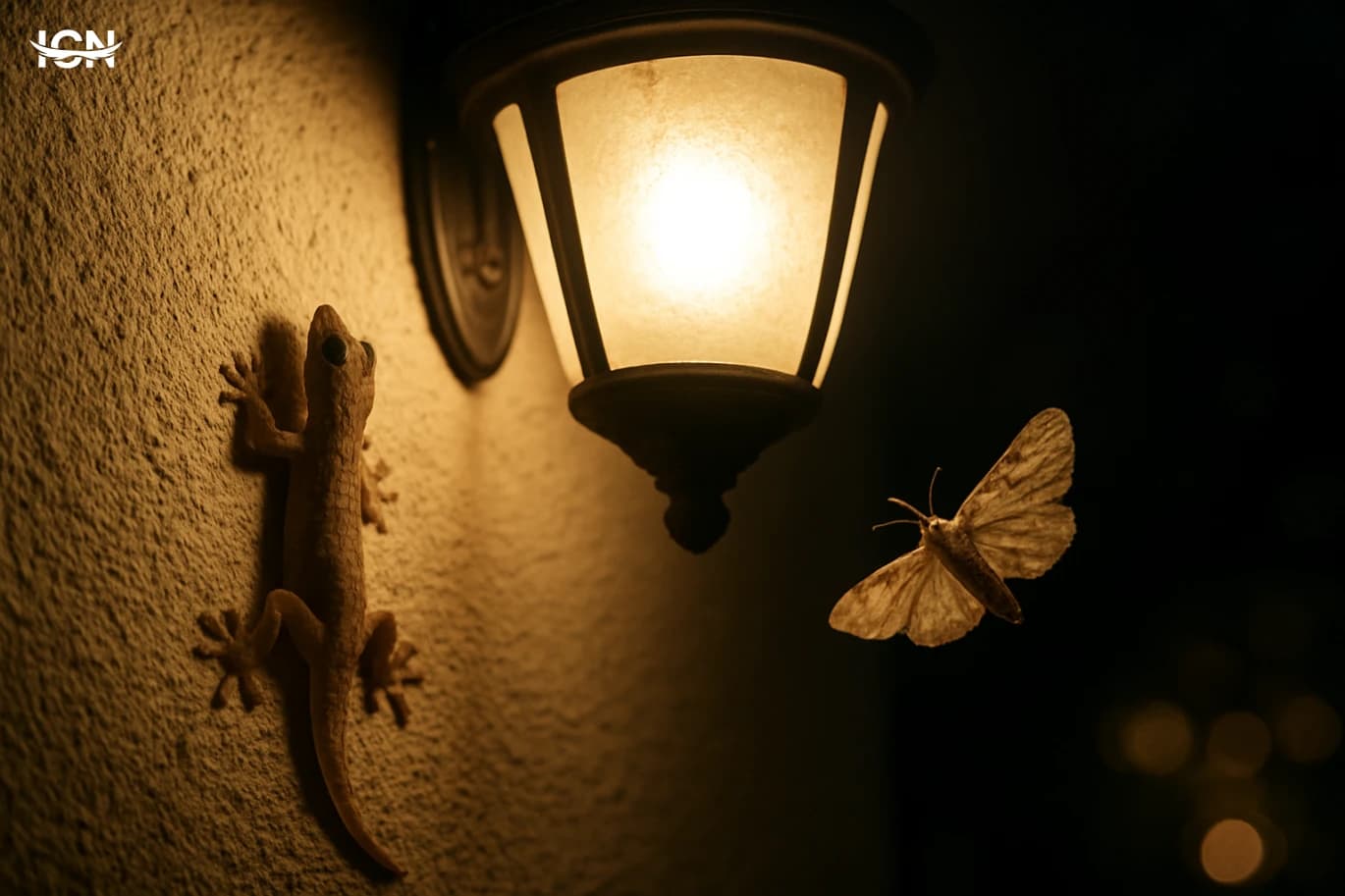
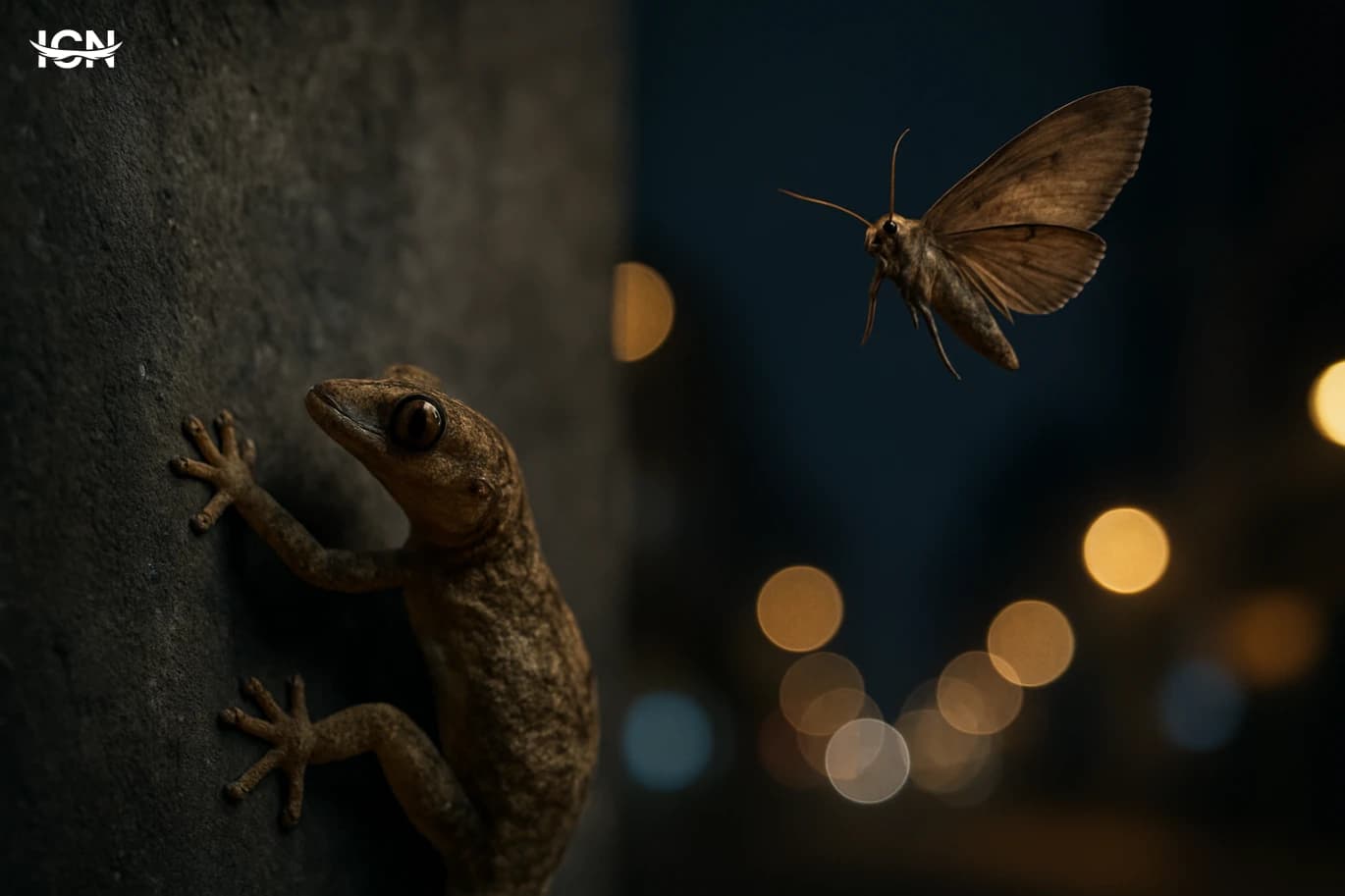
A porch light is more than a convenience; it is a predictable ecological trigger. Many night-flying insects navigate using natural light cues, and a bright bulb can pull them off their usual routes. Within minutes of switching on an outdoor light, you often see moths, small beetles, and flying ants circling, landing, and taking off again. That concentration of insects becomes a food source that can attract insect-eating reptiles, especially geckos that are comfortable around buildings. This small “light zone” can be observed in almost any neighborhood, from humid coastal towns to dry inland suburbs. The exact mix of insects varies by season and weather, but the pattern is consistent: light draws insects, insects draw predators. For homeowners, this can be a practical way to understand local biodiversity without special equipment. It also raises questions about how lighting choices influence insect populations, reptile activity, and even the number of insects that end up indoors.
Gecko and Moth Nightlife Around Home Lights
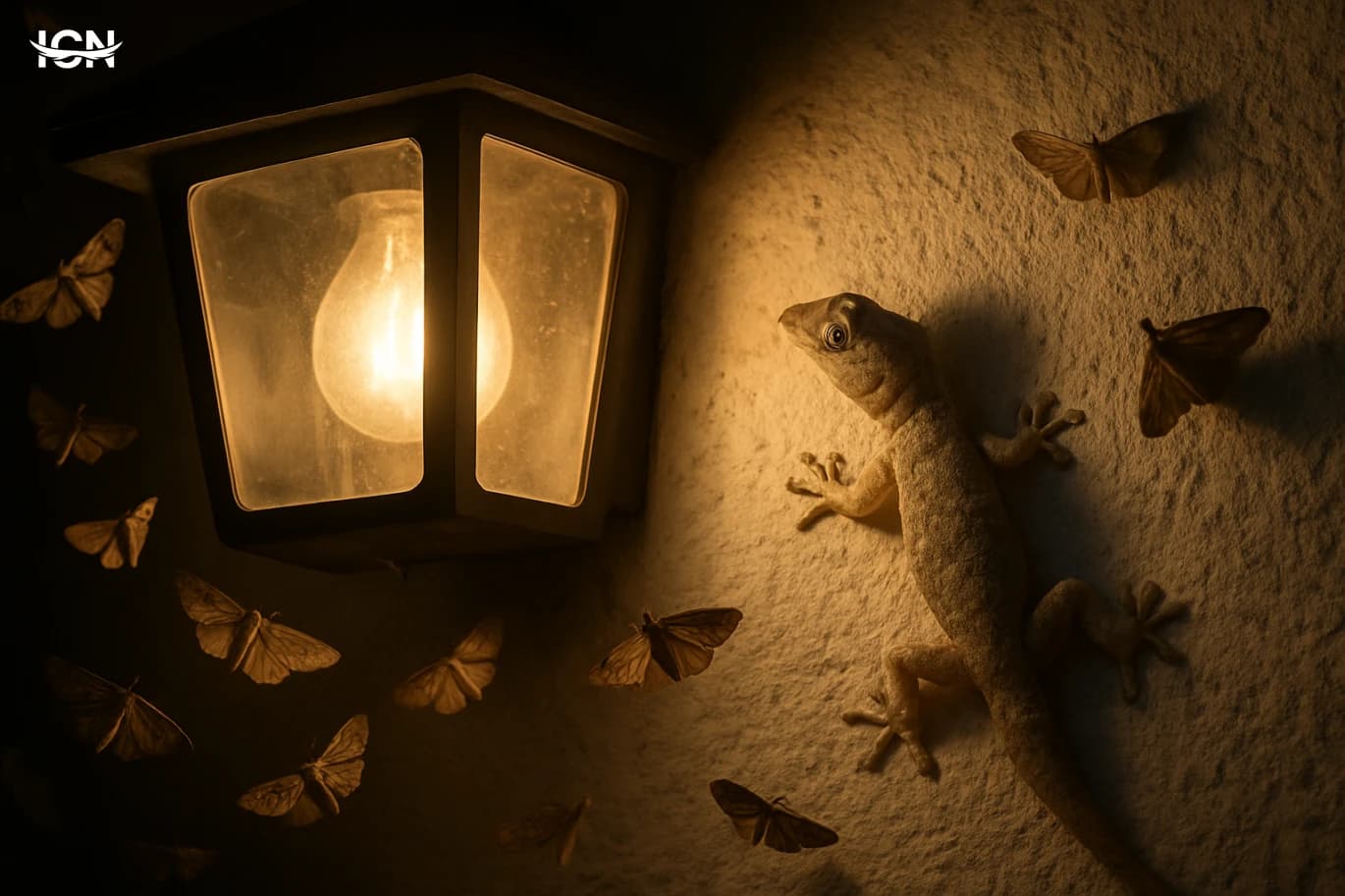
Outdoor bulbs and bright windows do more than illuminate a porch; they reorganize local insect activity and, in turn, the reptiles that feed on them. Many moth species navigate using natural light cues such as the moon and the horizon glow. Strong artificial lights can disrupt that orientation, pulling moths into tight circles or repeated approaches that increase fatigue and exposure. Around a single light, you often get a layered “food chain in miniature”: tiny midges and gnats arrive first, then larger moths and beetles, and finally predators such as geckos that learn the schedule. This topic looks at the nightly interaction between moths and house geckos in a practical, neighborhood setting. It focuses on what actually happens at common light sources—LED porch lamps, wall sconces, garage lights, and bright indoor windows—and why some setups attract far more insects than others. It also sets expectations: the goal is not to turn a home into a wildlife trap, but to understand the patterns so you can reduce nuisance insects while still appreciating the natural behavior playing out a few meters from your door.
Gecko and Moth Nights in City Homes
In many warm regions, house geckos and moths end up sharing the same indoor spaces for a simple reason: light. Porch bulbs, kitchen LEDs, and hallway fixtures pull moths and other small flying insects toward windows and ceilings. Geckos follow that food supply and settle near the same hotspots, often above doors, around curtains, or on tiled walls where they can grip easily. This isn’t a coordinated “hunt,” but a predictable chain of attraction that repeats night after night. The pattern is strongest in apartments and houses where lights stay on late, where windows are left slightly open for ventilation, or where balcony plants create a small outdoor insect habitat right next to the living room. Moths are also drawn to indoor warmth and still air, especially when outdoor temperatures drop after sunset. Once moths begin circling a light source, geckos can conserve energy by waiting in place rather than actively chasing prey. Understanding this indoor meeting is useful because it helps homeowners respond with practical steps instead of guesswork. It also clarifies that geckos are not “appearing from nowhere.” They are using stable routes along walls and ceilings, and they return to reliable feeding zones that are created by everyday lighting choices and small gaps around windows, vents, and door frames.
Gecko-Friendly Homes Without More Insects
House geckos often enter buildings for three practical reasons: stable temperatures, easy hiding places, and reliable food. In many regions, exterior walls hold heat after sunset, and indoor spaces stay warmer than gardens or rooftops. Geckos use that warmth to stay active longer, which improves their chances of finding prey. They also prefer tight shelters such as gaps behind picture frames, curtain rails, air-conditioner conduits, and the edges of cabinets. These spots reduce exposure to predators and make daytime resting safer. Food is the main driver. Geckos follow insect traffic, and insect traffic follows light, moisture, and crumbs. Porch bulbs, hallway fixtures, and bright kitchen lighting attract moths and small flies, especially when windows are open. Bathrooms, laundry areas, and under-sink spaces can support tiny insects if there is condensation or slow leaks. When a home provides both insects and hiding places, geckos can become regular visitors. Understanding these entry and support factors is the basis for managing geckos without accidentally increasing insect problems.
Geckos and Moths in Urban Nightlife
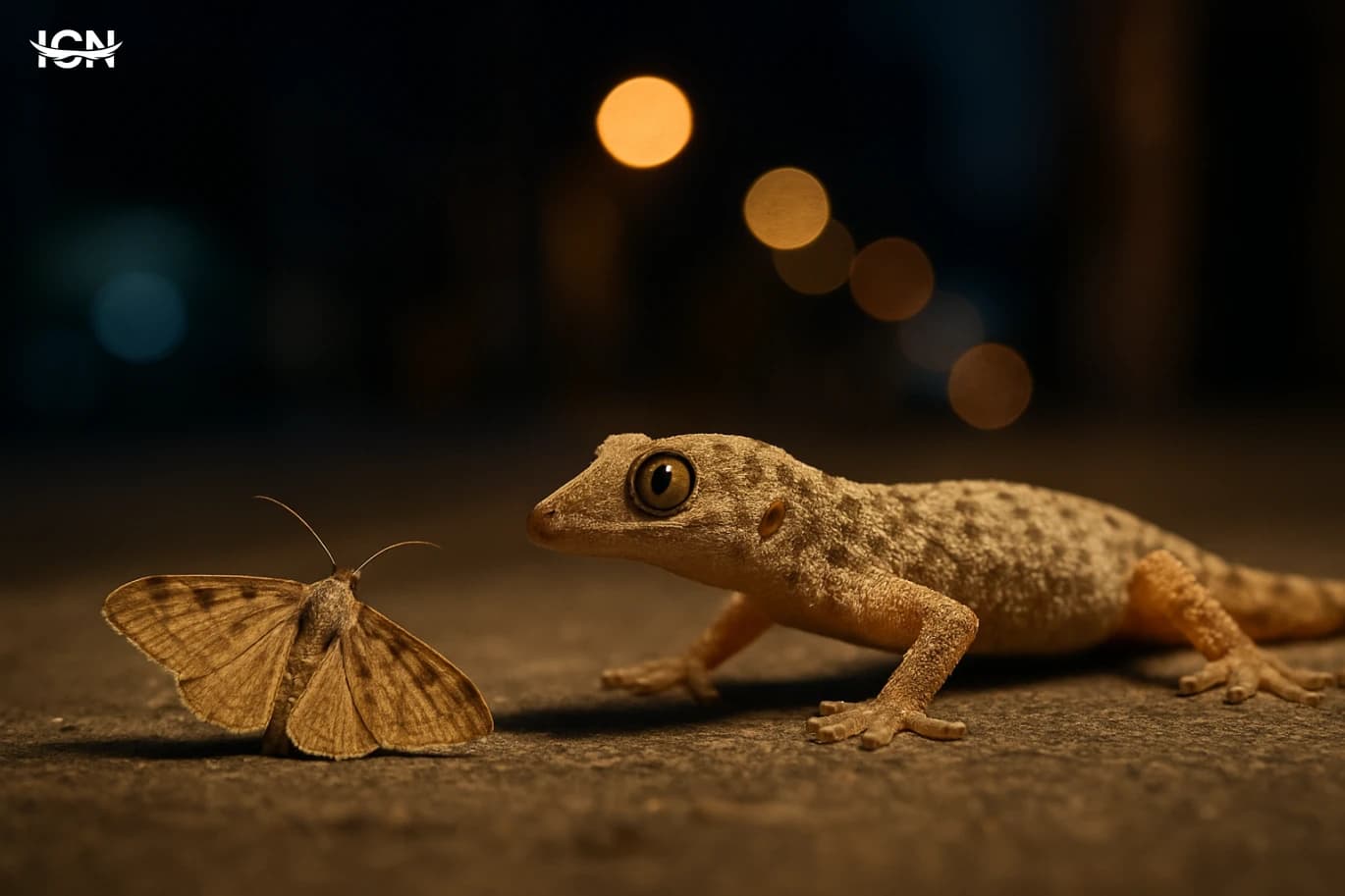
In many warm cities, geckos have become one of the most visible reptiles after dark, especially around apartment corridors, storefronts, and parking lots. The reason is practical: artificial lighting concentrates insects in predictable places, and geckos are efficient sit-and-wait hunters. A single bright wall lamp can draw moths, midges, and small beetles for hours, creating a steady food supply without the gecko needing to roam far. Urban structures also provide the microhabitats geckos need. Cracks in masonry, gaps behind signage, and the sheltered edges of window frames offer daytime hiding spots that stay relatively stable in temperature. Concrete and brick can hold heat into the night, extending the period when geckos can remain active. In neighborhoods with consistent outdoor lighting, geckos often establish small territories around the same fixtures, returning night after night because the hunting conditions are reliable.
Geckos and Moths in Urban Nights
On warm evenings in many cities, a small ecological drama plays out around porch lights, shop signs, and parking-lot lamps. Moths and other night-flying insects gather where light is strongest, and geckos take advantage of the concentration of prey. This is not just a curiosity: it is a measurable interaction between insects and reptiles that can influence local insect numbers, gecko growth and breeding, and even how residents perceive “pests” around their homes. Urban lighting has expanded rapidly over the last few decades, and it changes insect behavior by pulling them away from darker habitats. For geckos—especially species that tolerate buildings—artificial light can function like a predictable hunting ground. The result is a tight link between lighting choices and wildlife activity. Understanding the gecko–moth relationship helps explain why geckos are common on walls near lamps, why some neighborhoods report more moths than others, and how small changes in lighting can shift the balance between nuisance insects and natural predators.
By clicking the SUBSCRIBE button, you are agreeing to our Privacy & Cookie Policy If you want to unsubsribe the marketing email, please proceed to our privacy center.
© 2005-2026 ICN. All Rights Reserved.