Geckos and Moths in Urban Nights
- Why this pairing matters
- How artificial light reshapes insect traffic
- Gecko hunting tactics on walls and windows
- Benefits and limits for pest control
- Lighting choices that change the outcome
- What to watch and record at home
Why this pairing matters
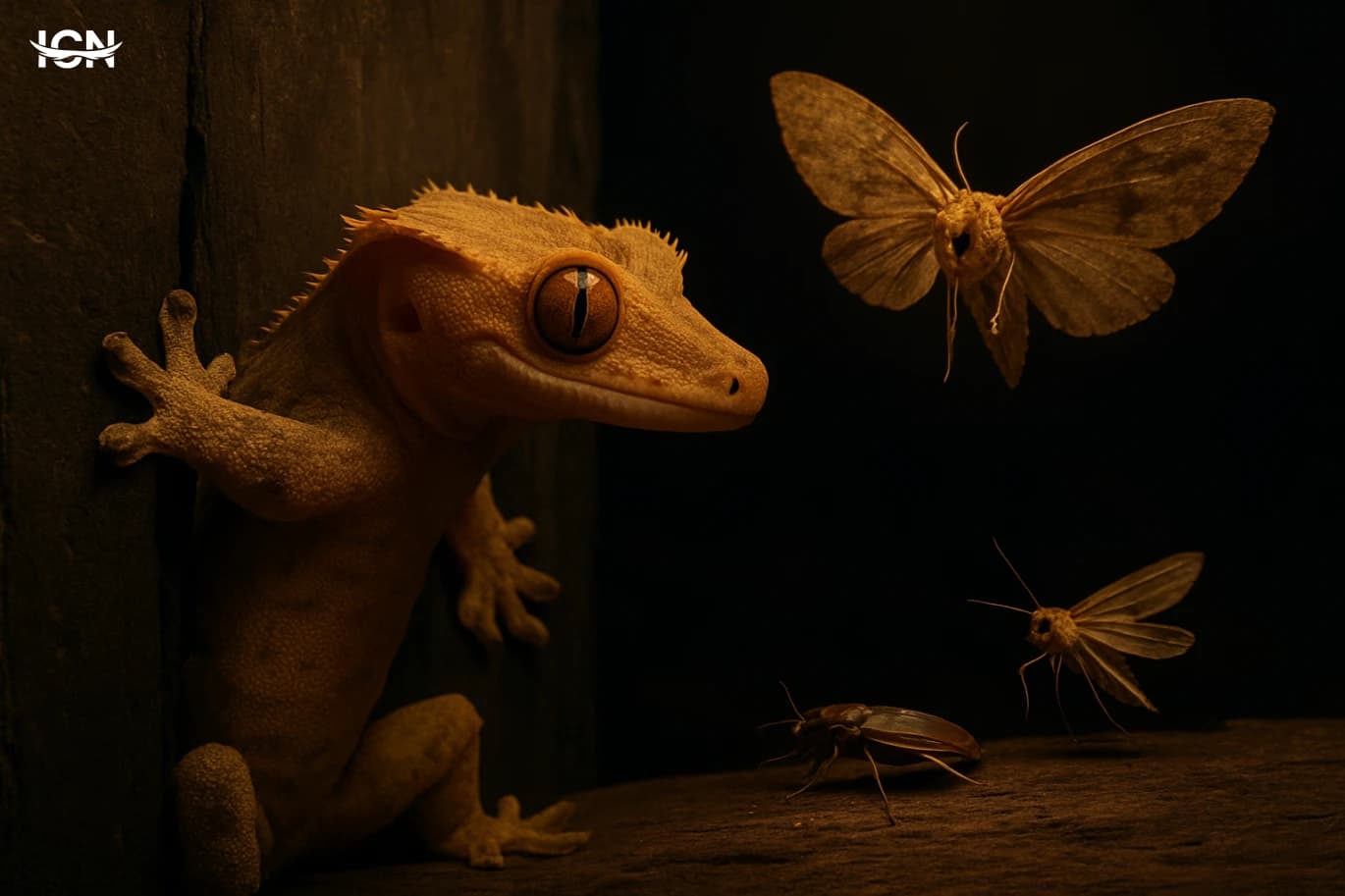
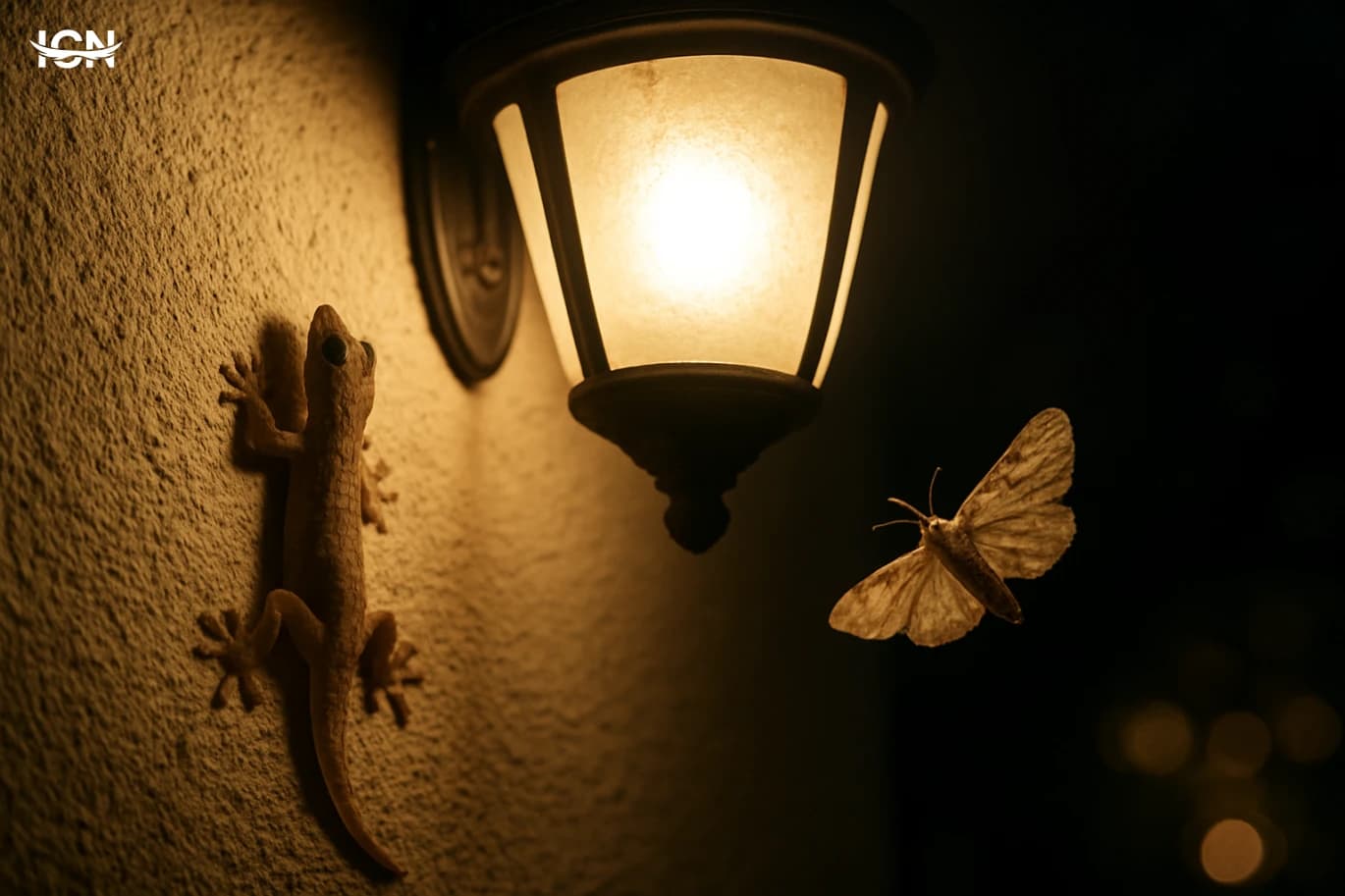
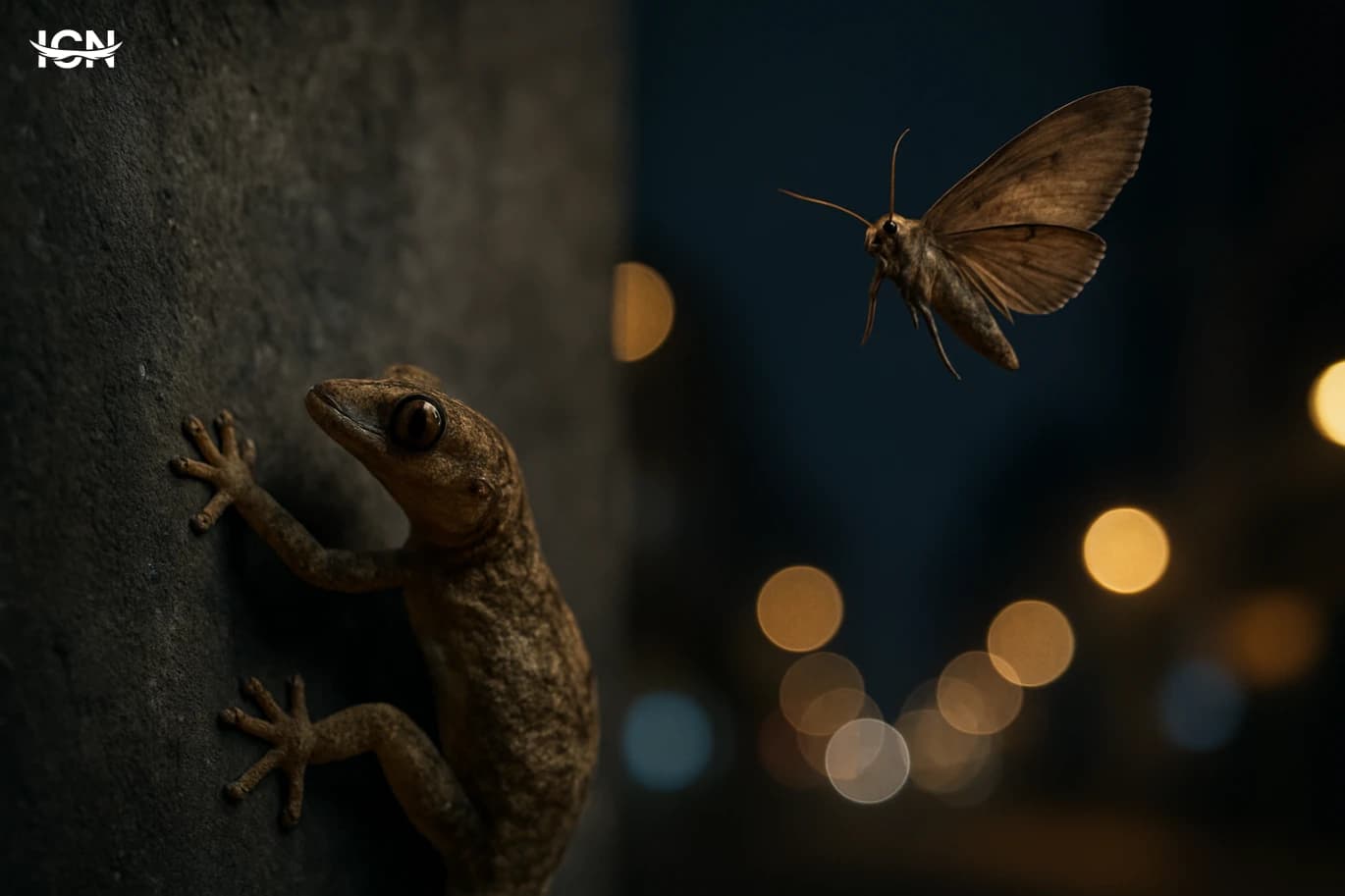
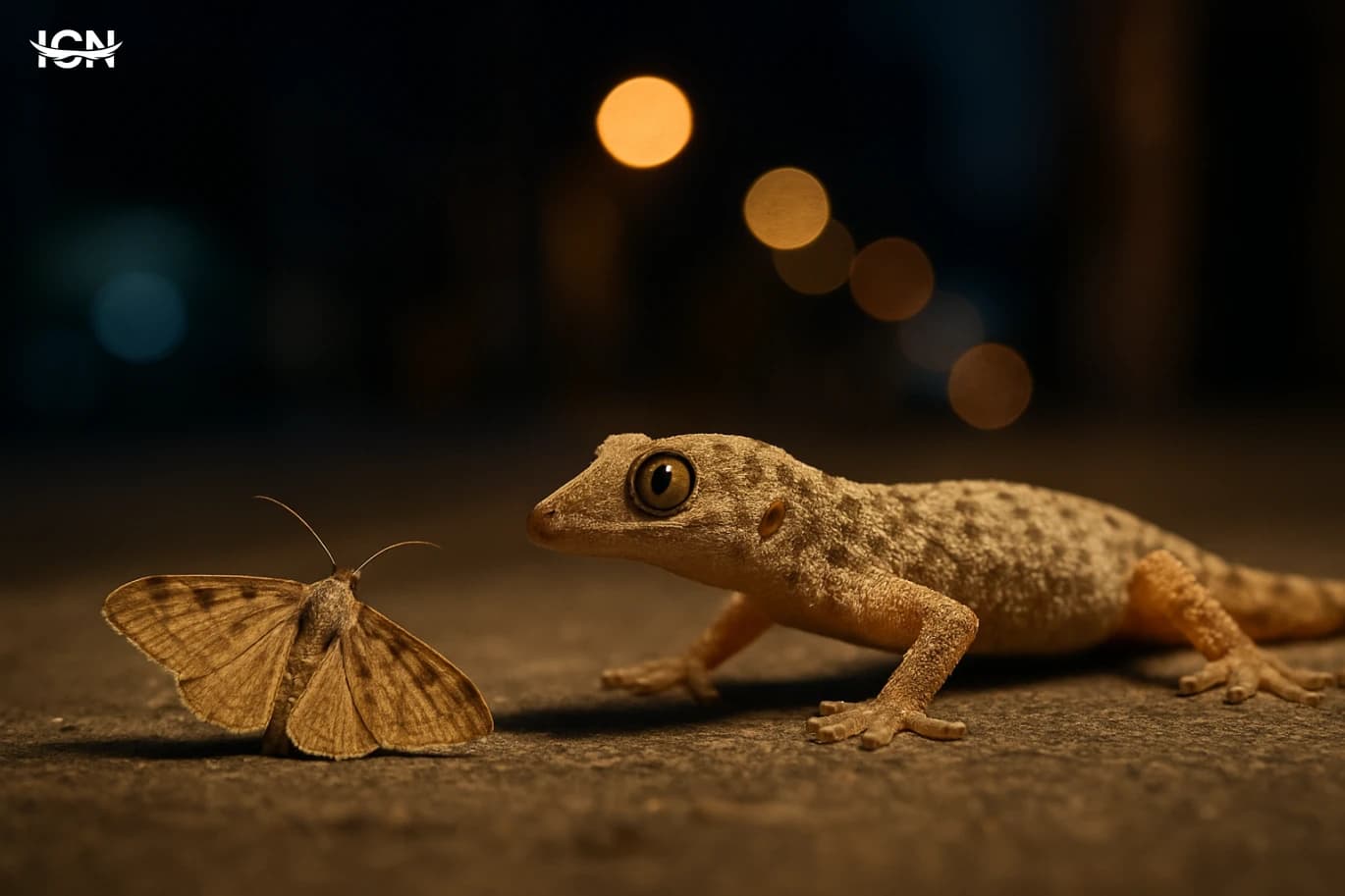
On warm evenings in many cities, a small ecological drama plays out around porch lights, shop signs, and parking-lot lamps. Moths and other night-flying insects gather where light is strongest, and geckos take advantage of the concentration of prey. This is not just a curiosity: it is a measurable interaction between insects and reptiles that can influence local insect numbers, gecko growth and breeding, and even how residents perceive “pests” around their homes. Urban lighting has expanded rapidly over the last few decades, and it changes insect behavior by pulling them away from darker habitats. For geckos—especially species that tolerate buildings—artificial light can function like a predictable hunting ground. The result is a tight link between lighting choices and wildlife activity. Understanding the gecko–moth relationship helps explain why geckos are common on walls near lamps, why some neighborhoods report more moths than others, and how small changes in lighting can shift the balance between nuisance insects and natural predators.
How artificial light reshapes insect traffic
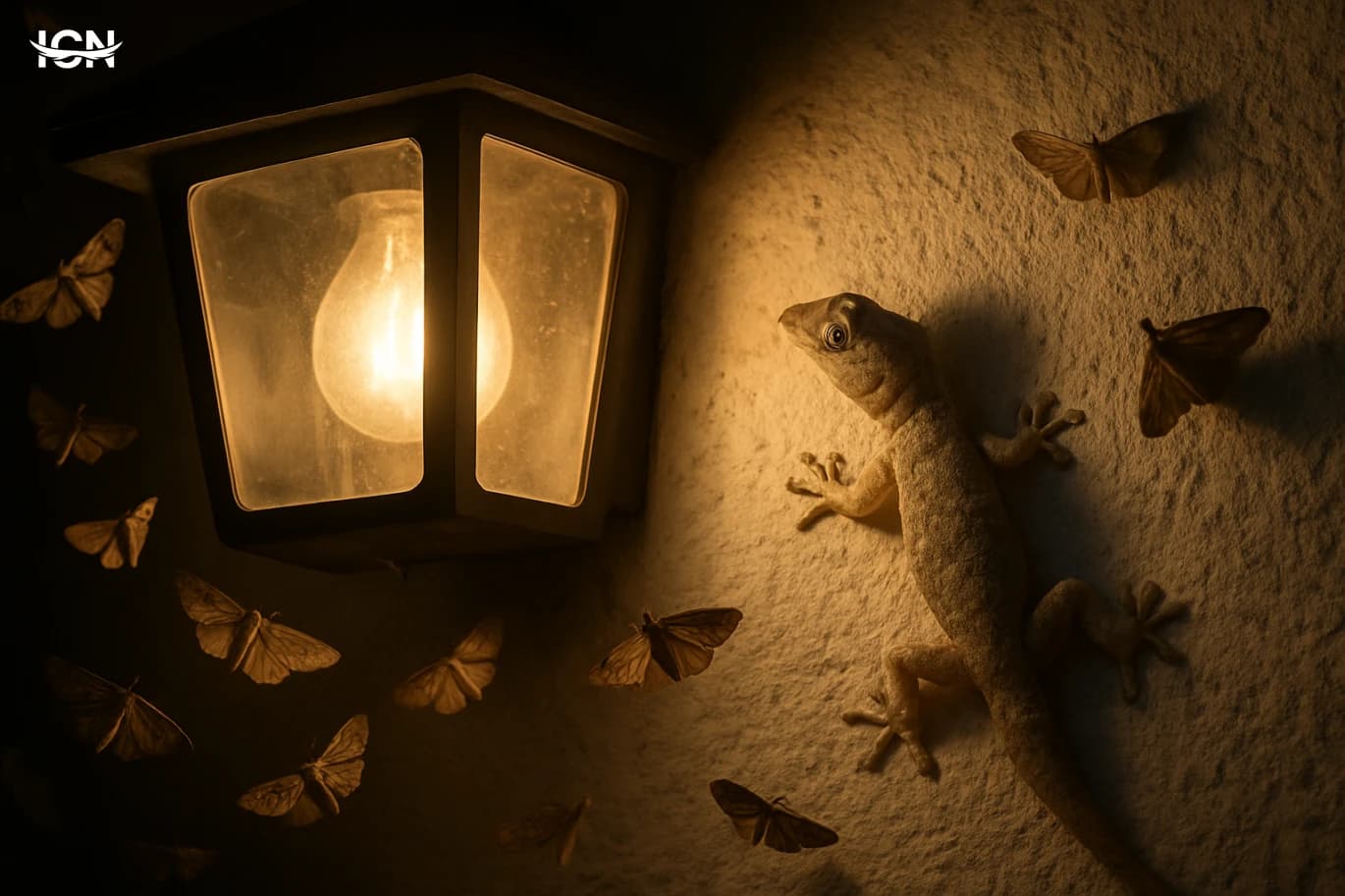
Most moths navigate using natural cues such as the moon and the horizon. Bright, nearby artificial lights disrupt that navigation, causing moths to spiral, circle, or remain trapped in the lit zone. This “light trap” effect concentrates insects in a small area, increasing collisions with windows, exhaustion, and exposure to predators. Not all lights are equal: broad-spectrum white and blue-rich LEDs tend to attract more insects than warmer, amber-toned lights, while shielded fixtures that direct light downward reduce the distance over which insects are drawn. The urban environment adds additional factors. Reflective walls, glass storefronts, and multiple light sources create a patchwork of bright zones that can keep insects moving between lights rather than dispersing into vegetation. Seasonal patterns also matter. After rains or during humid nights, insect emergence can spike, and the same lights that seemed quiet in dry weeks can suddenly host dense swarms. For residents, this can look like a sudden “moth problem,” but it is often a predictable response to weather combined with lighting design. This concentration of insects has downstream effects. Predators that learn to hunt at lights can become more common near buildings, while insect populations in darker nearby areas may be reduced if adults fail to reach breeding sites. In short, lighting does not just illuminate streets; it reorganizes nighttime movement across a neighborhood.
Gecko hunting tactics on walls and windows
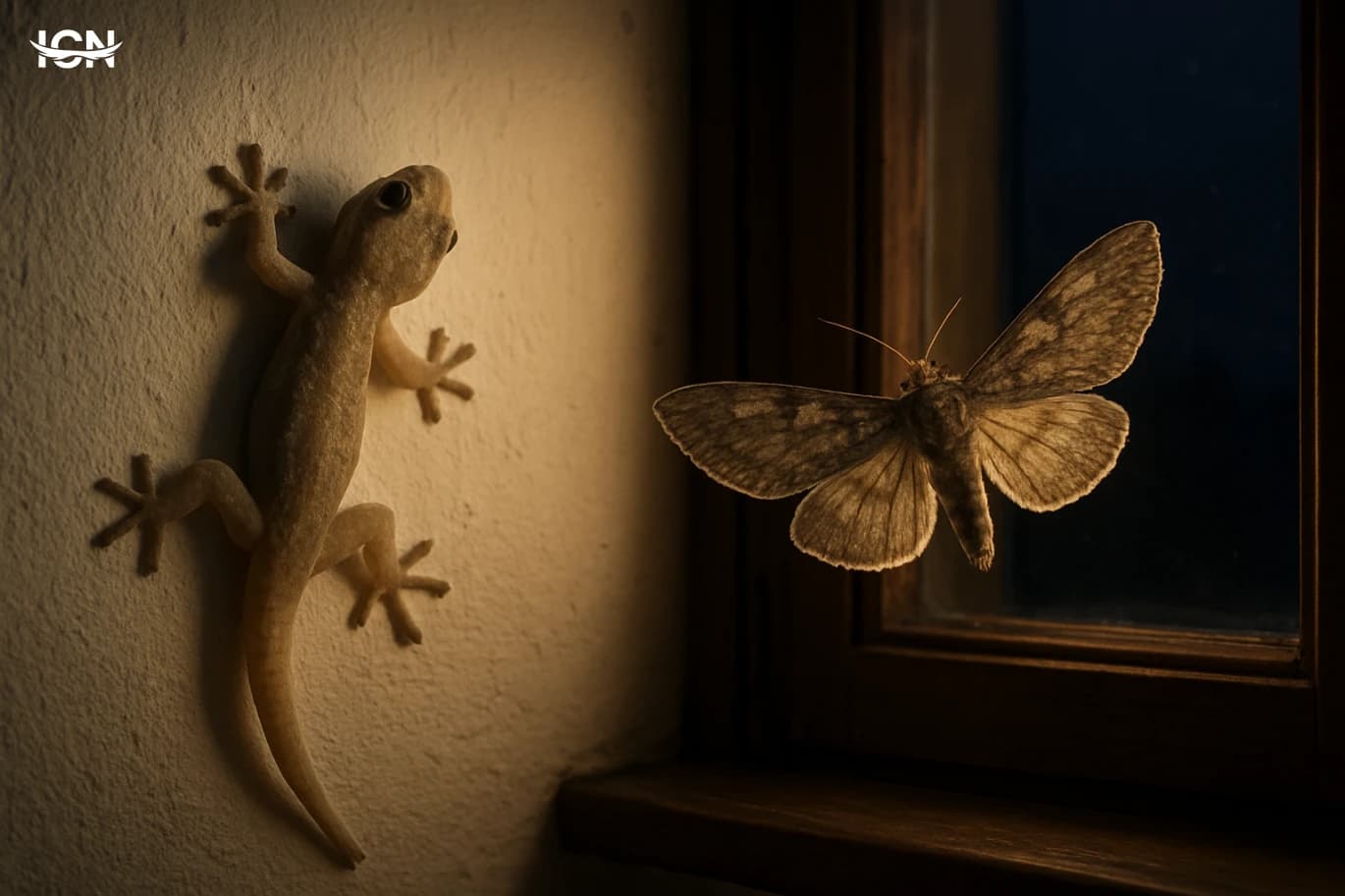
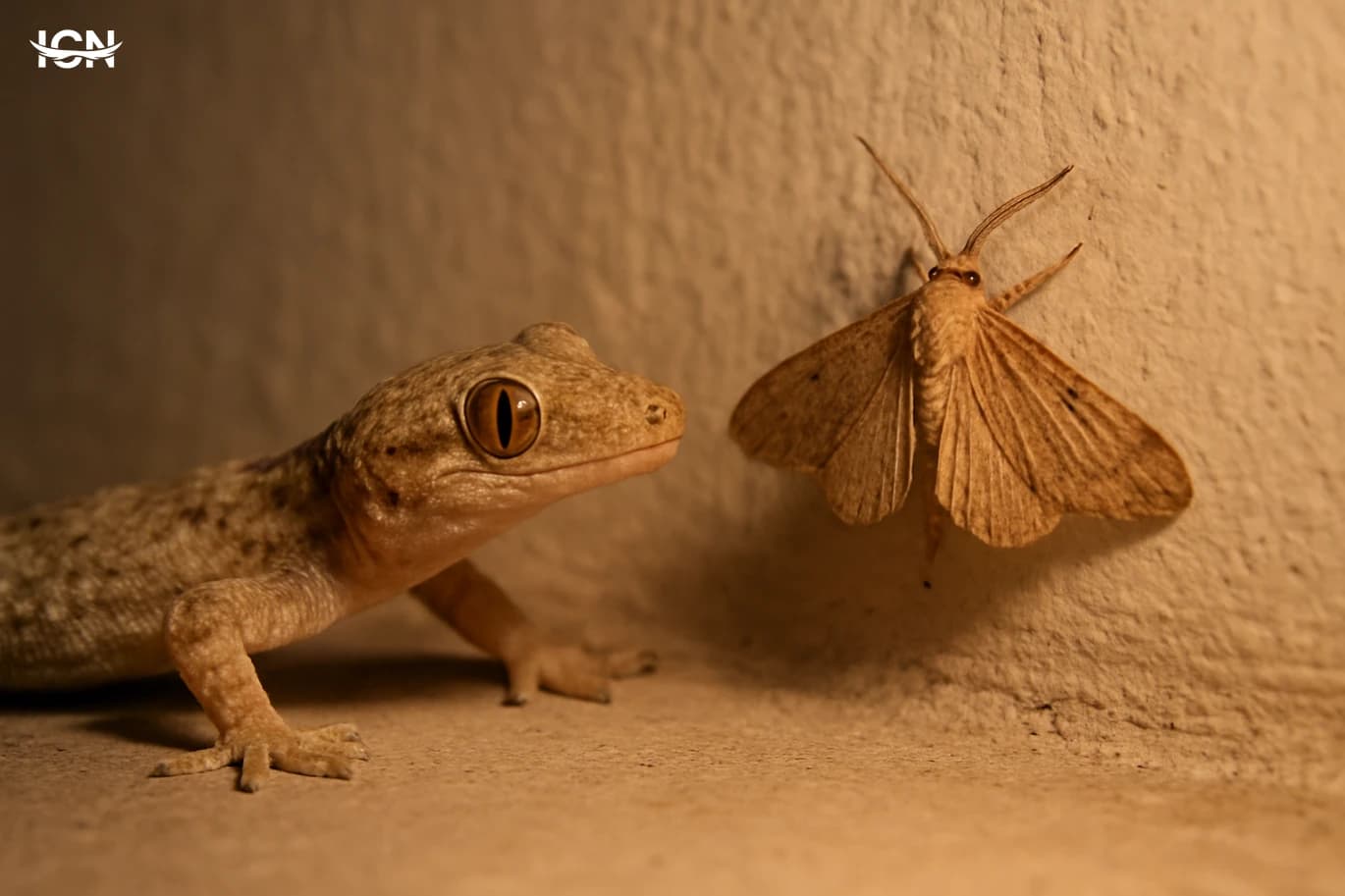
House geckos and other urban-adapted geckos are built for vertical hunting. Their toe pads allow them to cling to smooth surfaces, and their sit-and-wait strategy fits the predictable flow of insects near lights. A gecko often positions itself just outside the brightest halo, where insects pass but glare is reduced. From there, it makes short, rapid strikes, using quick head movements and a sticky tongue to capture small prey. Diet studies in many regions show that geckos near buildings consume a mix of moths, flies, mosquitoes, and beetles, with the exact menu shifting by season and local insect availability. Moths can be a substantial portion of the diet during peak months because they are abundant and relatively easy to catch when disoriented by light. Juvenile geckos may focus on smaller insects, while larger adults can handle bigger moths and tougher beetles. This feeding opportunity can influence gecko behavior and distribution. In areas with consistent nighttime lighting, geckos may maintain smaller territories because food is concentrated. Some individuals become highly site-faithful, returning to the same lamp night after night. That predictability can also increase competition: multiple geckos may share a productive wall, and you can sometimes observe spacing behavior, short chases, or vocalizations as they defend the best positions. For homeowners, the practical takeaway is that geckos are not randomly “invading” a porch. They are responding to a reliable prey supply created by lighting and insect movement. If the light changes, gecko activity often changes with it.
Benefits and limits for pest control
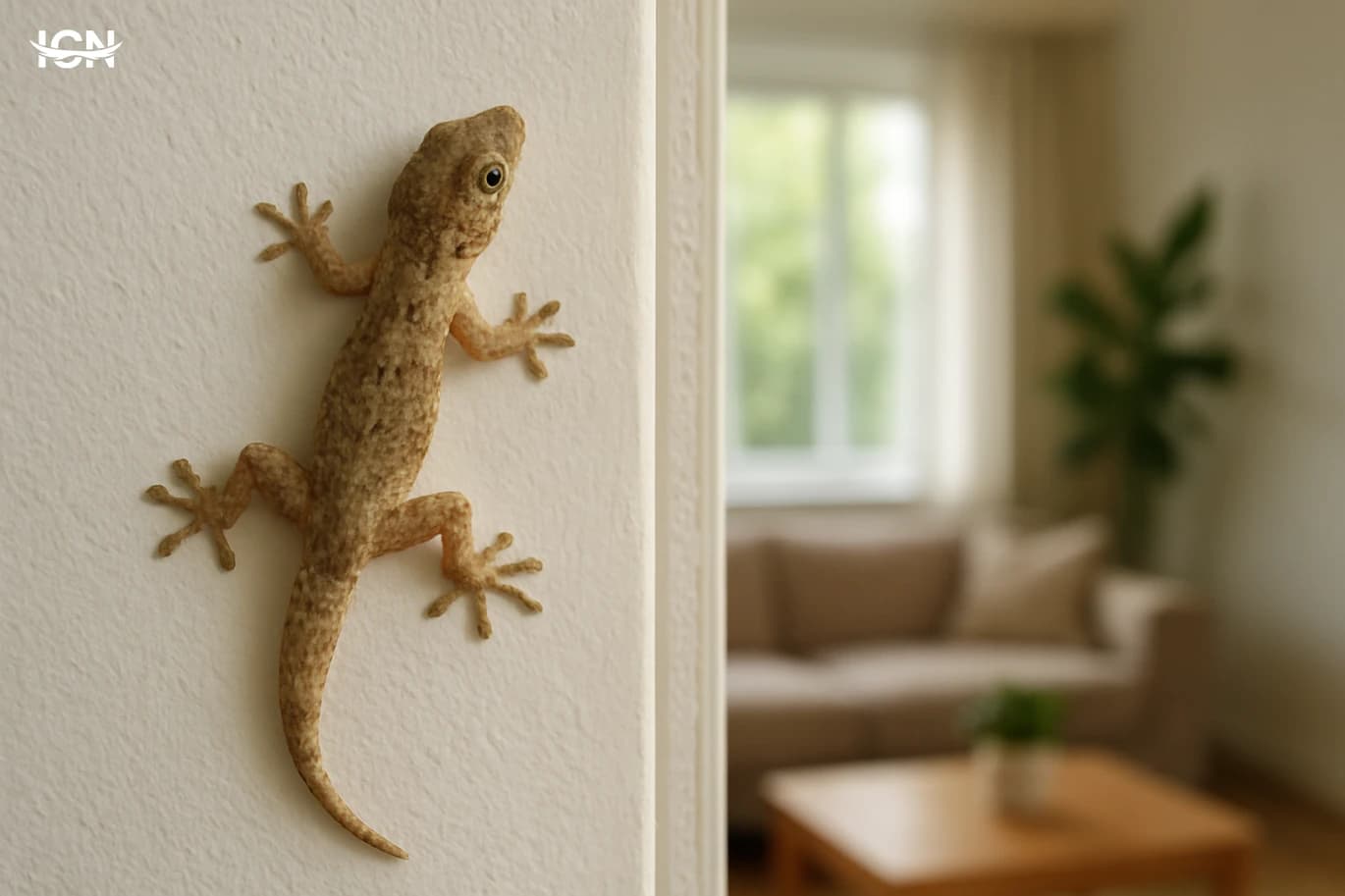
Geckos can contribute to reducing certain nuisance insects around lights, but their impact has clear limits. A single gecko may eat dozens of small insects in a night, and in areas with multiple geckos the local predation pressure can be noticeable. This can be helpful for residents who want fewer moths and flies near doors and windows. Geckos also hunt mosquitoes and other biting insects, although mosquitoes are not always the dominant prey near bright lights. However, geckos do not “solve” insect problems across an entire neighborhood. They mostly feed where insects are concentrated, meaning their effect is strongest within a few meters of the light source. If lighting continues to attract large numbers of insects from surrounding areas, geckos may simply take advantage of the supply without reducing overall insect abundance. In some cases, the light can attract more insects than local predators can consume, so the visible swarm remains. There are also trade-offs. Concentrating predators at lights can alter local food webs, benefiting some predators while disadvantaging others. And while geckos are generally harmless to people, their droppings can accumulate on walls or window sills, and they may enter homes through gaps when chasing insects. The most realistic view is that geckos provide a modest, localized form of biological control, especially when combined with smarter lighting and basic home maintenance.
Lighting choices that change the outcome
If the goal is to reduce moth swarms while keeping outdoor areas usable, lighting design is the most direct lever. Warm-color bulbs (often labeled 2200K–3000K) generally attract fewer insects than cool white or blue-rich lights. Fully shielded fixtures that aim light downward reduce spill into the sky and limit the radius that draws insects in. Motion sensors and timers can also cut the hours of continuous attraction, especially in areas where lights are left on all night. Placement matters as much as bulb type. Lights mounted directly above doors can pull insects to entry points, increasing the chance they slip inside when the door opens. Moving lights a short distance away from entrances, or using lower-intensity fixtures near doors, can reduce that funnel effect. For businesses, adjusting signage lighting and turning off non-essential exterior lights after closing can make a visible difference in insect density. These changes also affect geckos. With fewer insects clustering at a single lamp, geckos may spread out or hunt more in vegetation and darker corners. That can reduce droppings on a specific wall and lower the chance of geckos entering through gaps. Importantly, the aim is not to eliminate geckos but to avoid creating extreme hotspots that distort nighttime behavior for both insects and reptiles.
What to watch and record at home
You can learn a lot about local insect–reptile dynamics with simple, consistent observation. Pick one light near your home and record, for two weeks, the time the light turns on, the weather (temperature, wind, humidity or recent rain), and a rough count of moths visible in a one-minute window. Then note how many geckos appear and where they position themselves. Even a basic log can reveal patterns, such as higher moth activity on humid nights or more gecko visits when the light is on for longer. If you want to test a change, adjust one variable at a time. Swap a cool white bulb for a warm one, or add a shield to direct light downward, and keep the same observation method. Many households find that warmer, better-directed lighting reduces the number of insects circling near doors without making the area feel unsafe. Also pay attention to entry points. If geckos are getting inside, inspect door sweeps, window screens, and small gaps around air-conditioning lines or utility conduits. Sealing gaps reduces indoor insect attraction and makes it less likely that geckos follow prey indoors. The broader lesson is that urban wildlife behavior is often a response to human infrastructure. By observing and making targeted adjustments, residents can reduce nuisance insects while still allowing geckos to play their role as natural predators outdoors.