Black sand fly
- Introduction to the black sand fly
- Structure and anatomy
- Life cycle and reproduction
- Habitat and geographical distribution
- The importance of the black sand fly
Introduction to the black sand fly
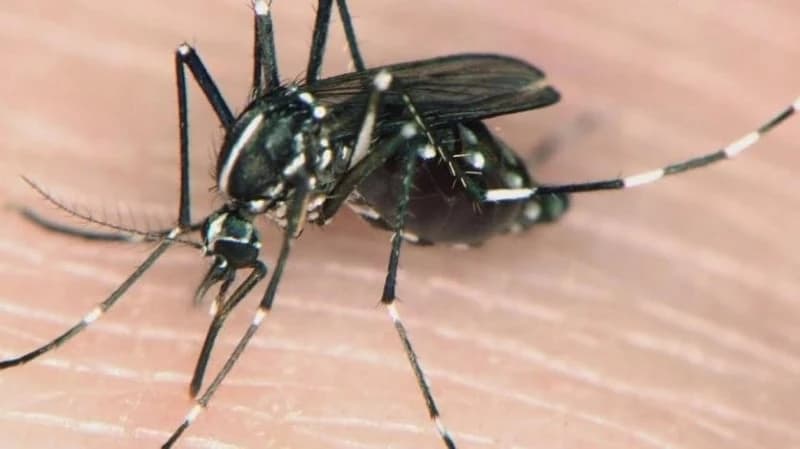
A. General description of the fly The black sand fly, also known as the "sand fly", is a small insect belonging to the fly family. It is distinguished by its slender body and transparent wings. They are usually brown or grey, and are about 3-4 millimeters long. This fly lives in humid environments, where it is found near water. for. Preferred environment to live: The black sand fly prefers to live in warm and humid areas. You usually find them in areas near rivers and swamps, where they have suitable conditions for reproduction. Weather conditions, such as high temperatures and high humidity, can increase their numbers, posing a risk to local populations due to disease transmission.
Structure and anatomy
A. Exoskeleton The exoskeleton of the black sand fly consists of major parts including the head, thorax, and abdomen. The head is characterized by the presence of large eyes and sensory organs that help it navigate. The body is slim, which facilitates its movement in tight areas. for. Unique Characteristics The black sandfly has transparent wings that give it the ability to fly quickly. It also has the ability to change flight direction quickly, which helps it avoid predators. This difference in movement makes it able to adapt to its environments, which contributes to its spread and increase in numbers.
Life cycle and reproduction
A. Growth Stages The black sand fly goes through several growth stages. They begin their lives as an egg that hatches into larvae, which live in moist environments. After the larval stage, it turns into a pupa, before developing into its full form and beginning the adult stage. These stages vary in duration depending on the available environmental conditions. for. Duration of the fly's life The life span of the black sand fly ranges from several weeks to several months, depending on the availability of food and the surrounding environment. In ideal conditions, they can live longer, enhancing their ability to reproduce and increase their numbers in new areas.
Habitat and geographical distribution
A. The most widespread areas: The black sand fly extends into many regions around the world, especially in hot and humid regions. It can be found in regions such as South America, Southeast Asia, and some areas in Africa. This species prefers to localize itself in environments near water, which allows it to take advantage of available resources. for. Natural environment and habitable areas The black sand fly lives in multiple environments, including wet areas such as swamps and ponds. These creatures require adequate moisture in order to reproduce and grow. It also prefers to live in places that provide it with food and cover, which helps in its spread and increase in numbers in suitable environments.
The importance of the black sand fly
A. Its role in the ecosystem The black sand fly plays an important role in the ecosystem by being part of the food chain. It is considered food for many living organisms, which contributes to supporting environmental balance. for. Its impact on humans and animals Despite its environmental importance, the black sand fly can be dangerous to the health of humans and animals, as it transmits some diseases. It is important to raise awareness of its danger and ways to control it to maintain public health. Whether it is through preventive measures or controlling their environment, a proper understanding of their role can help balance the benefits and risks.