Gecko-Friendly Homes Without More Insects
- Why Geckos Show Up Indoors
- The Light and Insect Chain Reaction
- Entry Points You Can Seal in One Weekend
- Moisture Control That Helps Both Problems
- Safe Deterrents and What to Avoid
- A Simple Monthly Checklist
Why Geckos Show Up Indoors
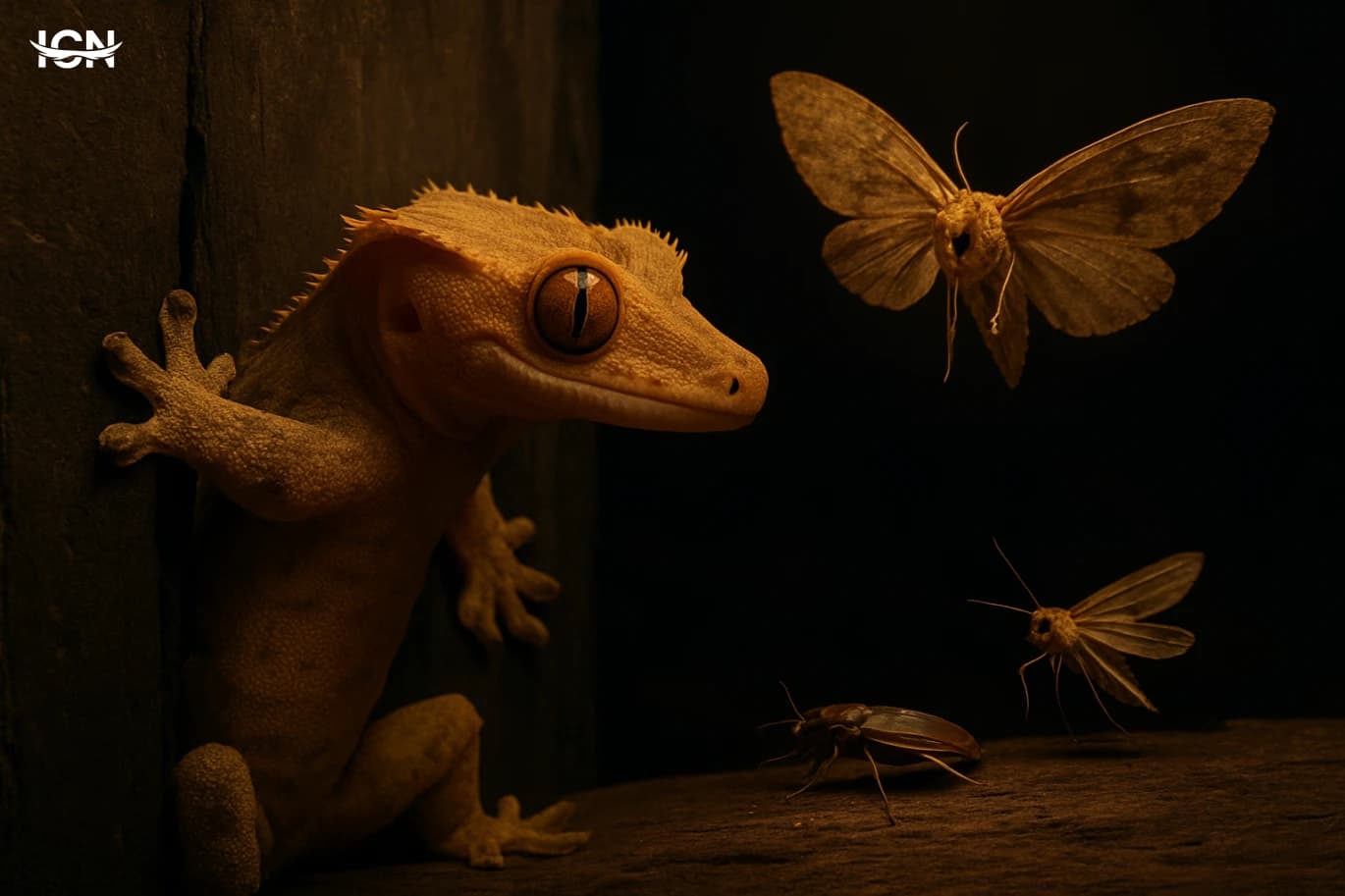
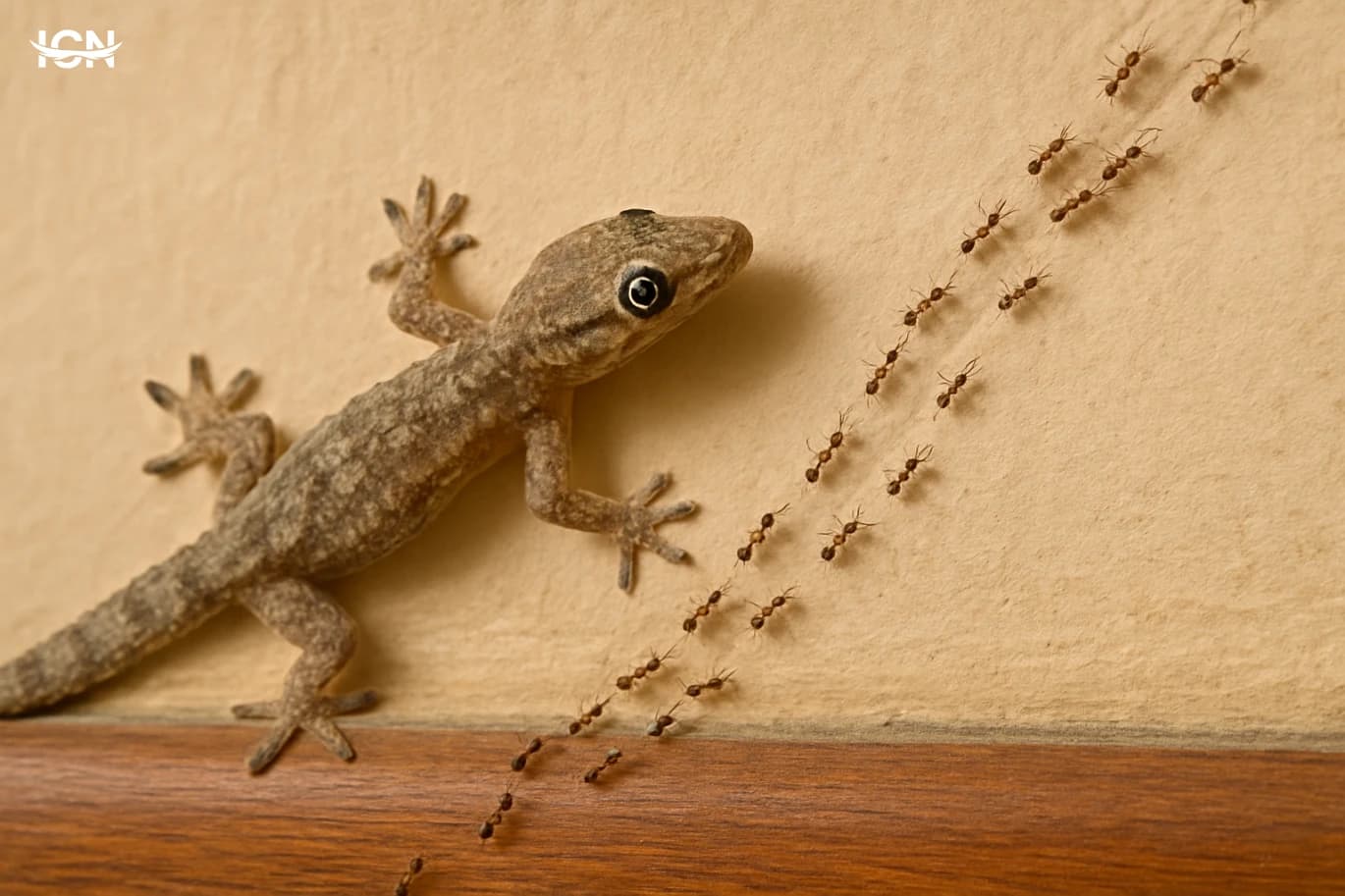
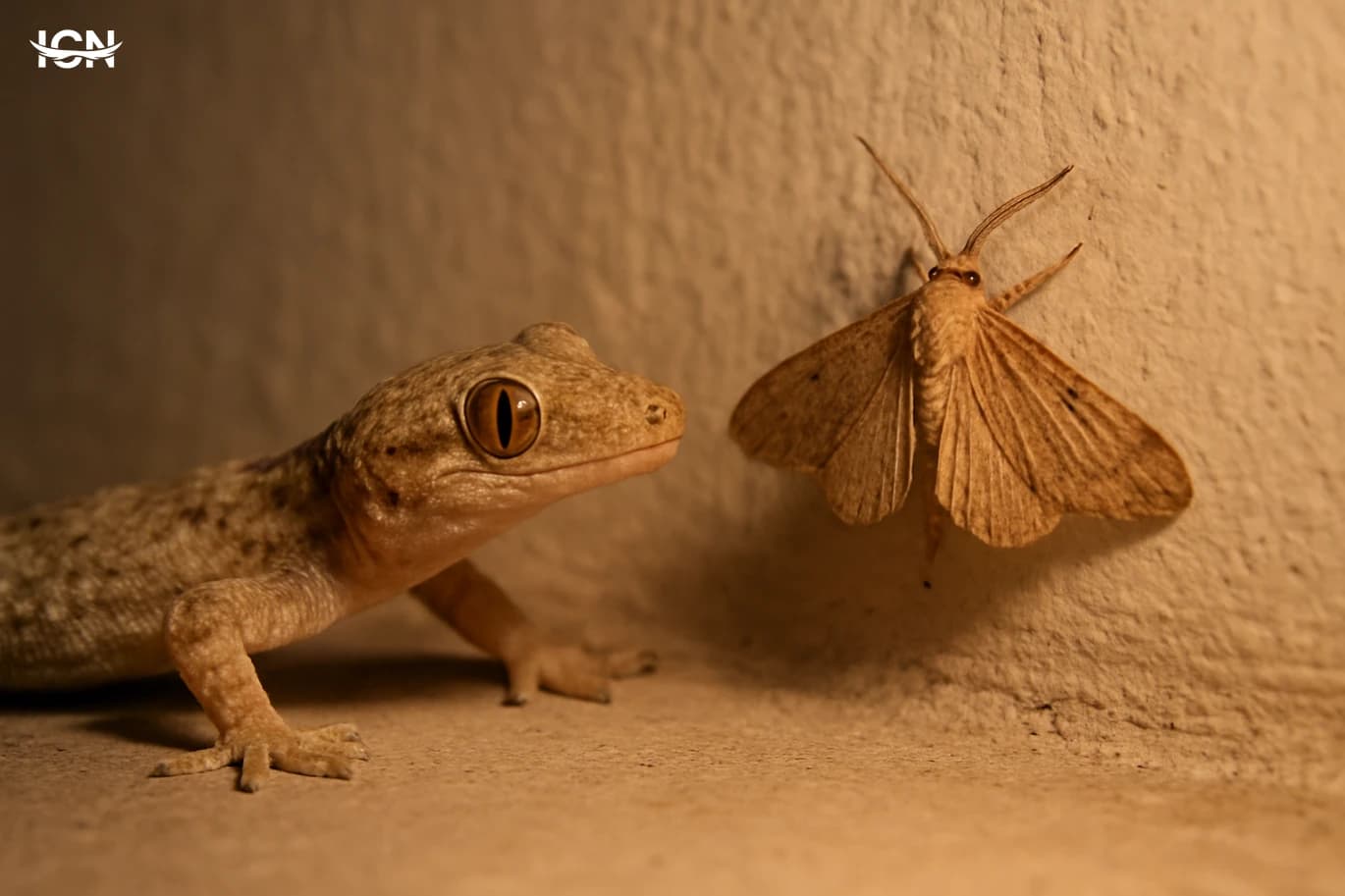
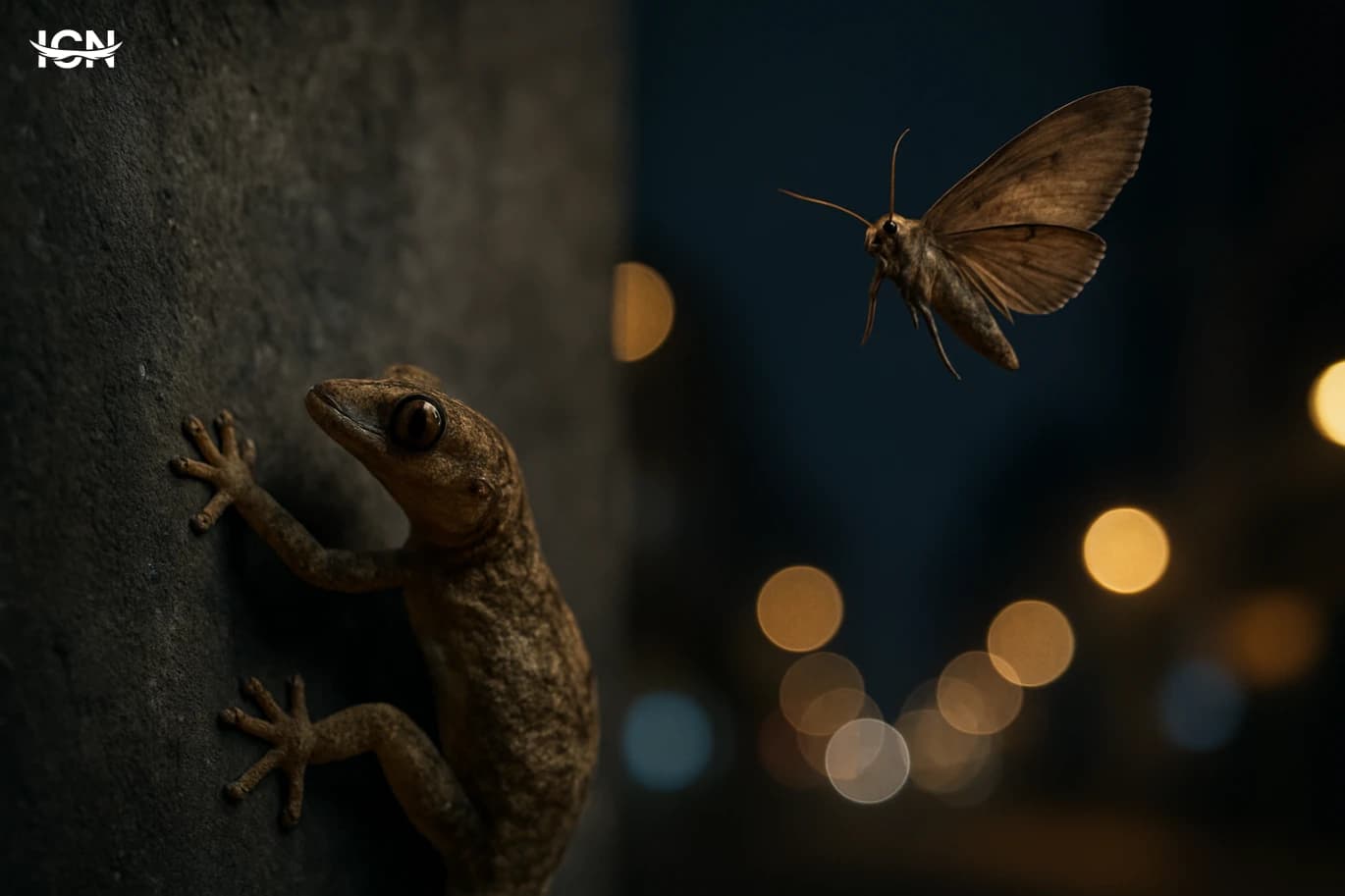
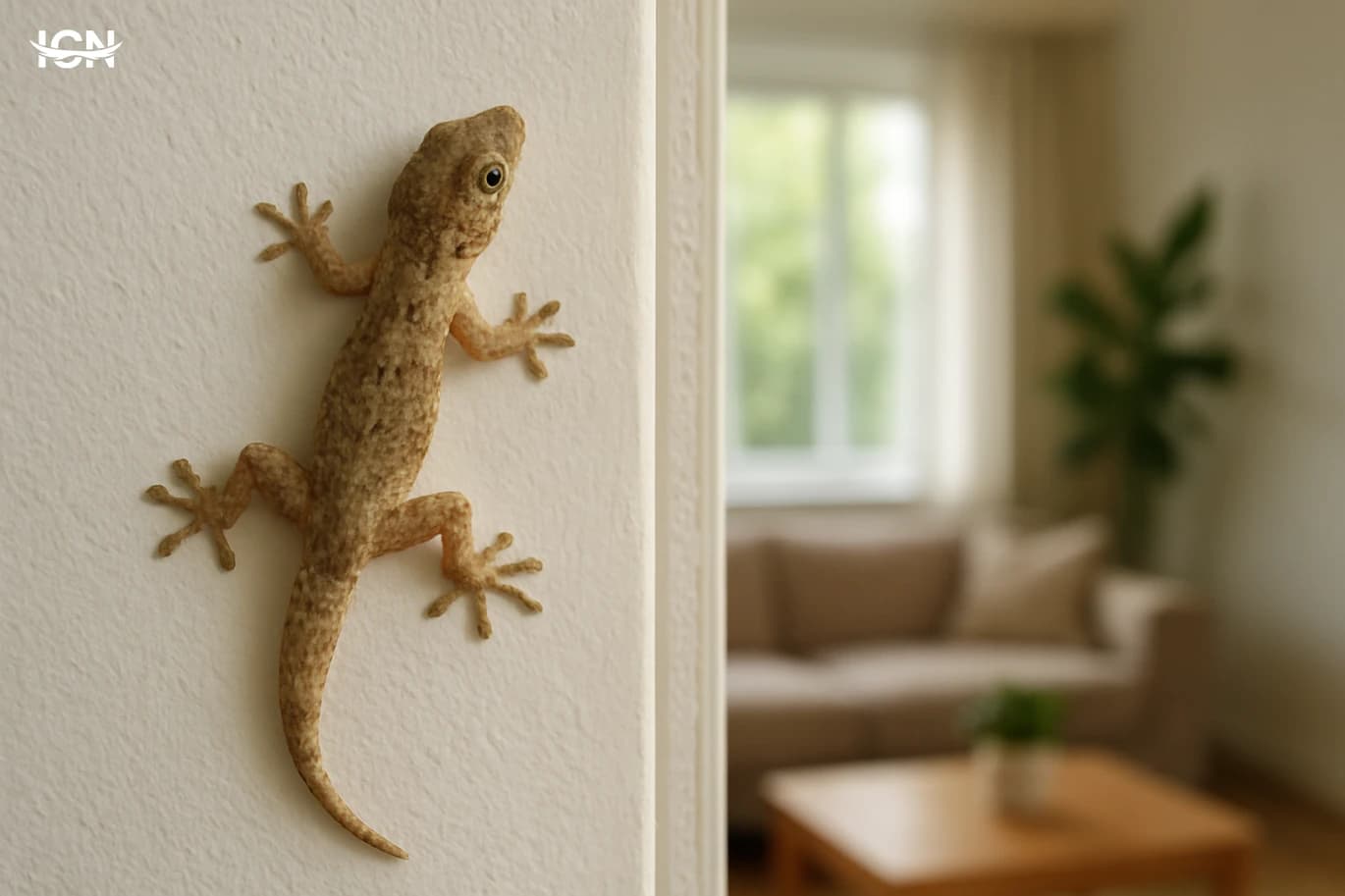
House geckos often enter buildings for three practical reasons: stable temperatures, easy hiding places, and reliable food. In many regions, exterior walls hold heat after sunset, and indoor spaces stay warmer than gardens or rooftops. Geckos use that warmth to stay active longer, which improves their chances of finding prey. They also prefer tight shelters such as gaps behind picture frames, curtain rails, air-conditioner conduits, and the edges of cabinets. These spots reduce exposure to predators and make daytime resting safer. Food is the main driver. Geckos follow insect traffic, and insect traffic follows light, moisture, and crumbs. Porch bulbs, hallway fixtures, and bright kitchen lighting attract moths and small flies, especially when windows are open. Bathrooms, laundry areas, and under-sink spaces can support tiny insects if there is condensation or slow leaks. When a home provides both insects and hiding places, geckos can become regular visitors. Understanding these entry and support factors is the basis for managing geckos without accidentally increasing insect problems.
The Light and Insect Chain Reaction
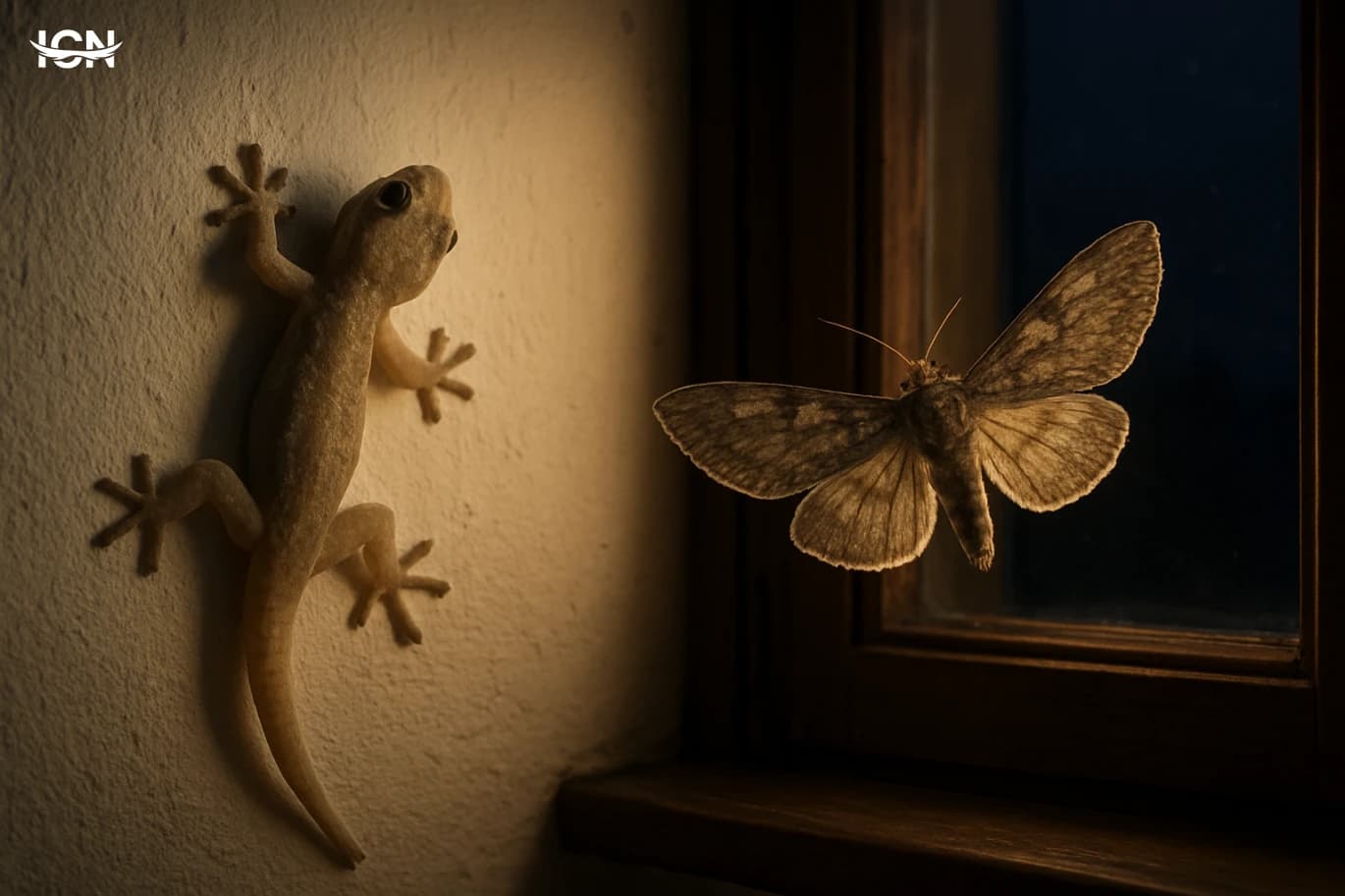
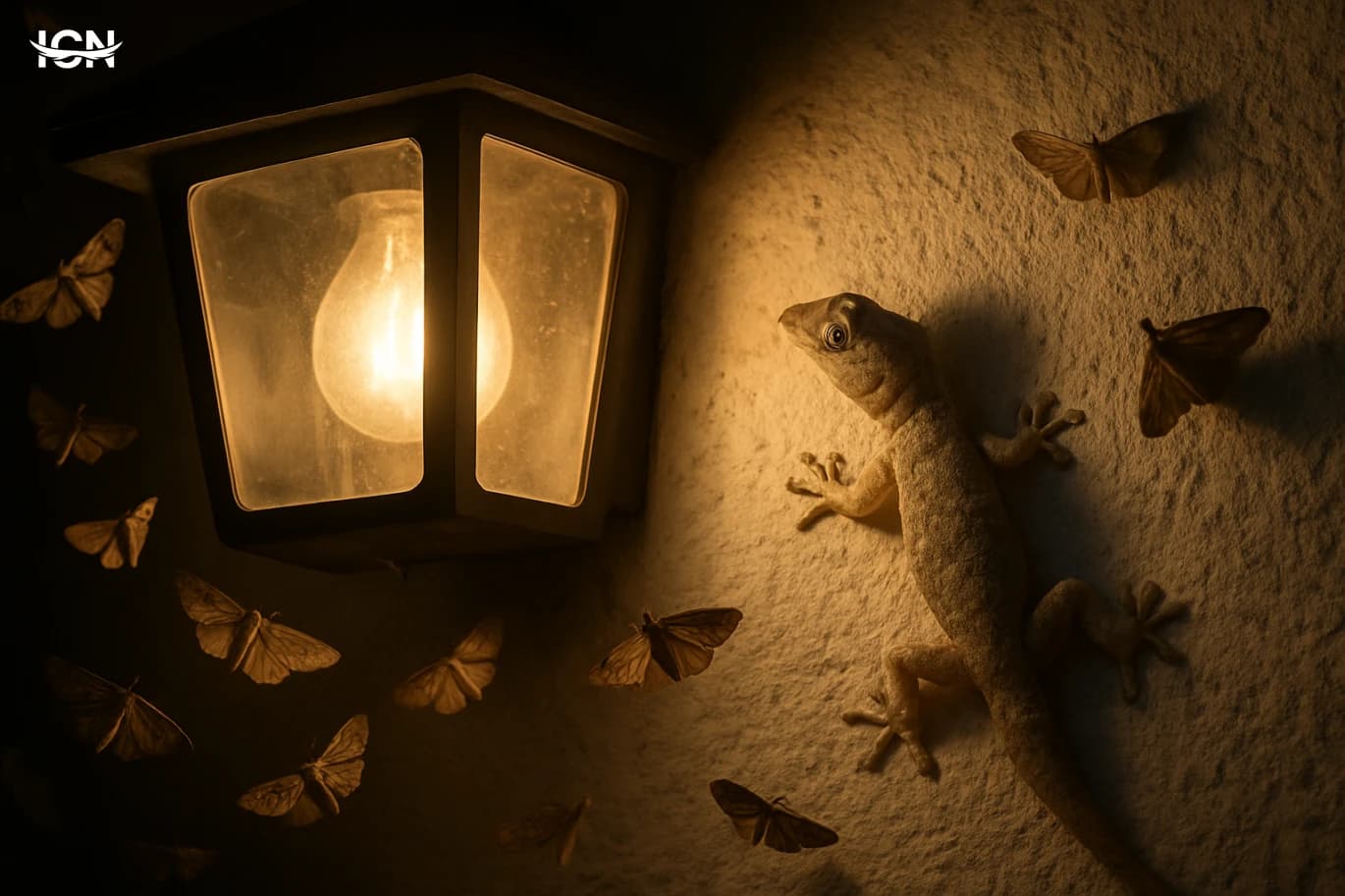
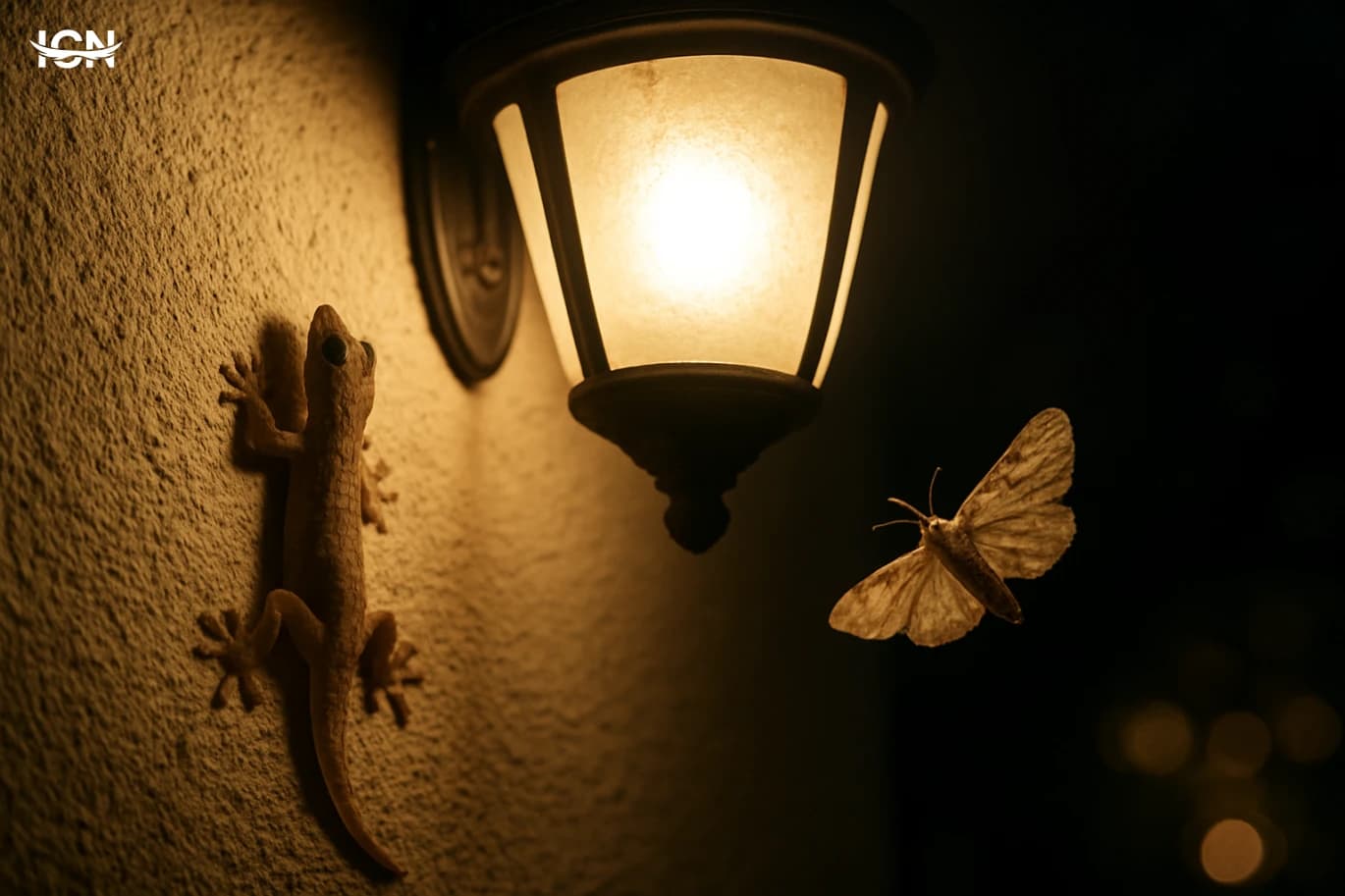
Many people try to “solve geckos” by spraying insects or leaving sticky traps near lamps, but the real pattern is a chain reaction. Bright, cool-white bulbs and uncovered fixtures attract flying insects from a distance. Those insects gather around windows, balcony doors, and exterior walls. Geckos then patrol the same zones because hunting is efficient there. If you only remove geckos, the insects remain and will continue to be drawn in; if you only kill insects with heavy spraying, you may create short-term die-offs while leaving the attractors in place. A more stable approach starts with lighting choices. Warm-colored LEDs (around 2700–3000K) generally attract fewer flying insects than cool-white or blue-tinted lighting. Shielded fixtures that direct light downward reduce the glow that pulls insects toward the building. Indoors, using task lighting instead of leaving bright ceiling lights on near open windows can reduce insect entry. Curtains or blinds can also cut the visible light that draws insects to glass. These steps reduce insect activity at the “feeding stations” geckos prefer, which naturally reduces gecko visits without relying on constant chemical control.
Entry Points You Can Seal in One Weekend
Geckos can slip through surprisingly small gaps, so prevention is mostly about basic building maintenance. Start with doors and windows. Install or replace weatherstripping so there is no visible light under exterior doors at night. Add door sweeps where needed, and check sliding doors for worn brush seals. For windows, repair torn screens and ensure frames close tightly. If you use window air-conditioners, inspect the side panels and seal edges with foam strips. Next, look at utility penetrations. Gaps around plumbing under sinks, cable entries, and air-conditioner lines are common routes. Use silicone sealant for small cracks and expanding foam for larger voids, then trim and cover neatly. Check vents and exhaust outlets; fit fine mesh where appropriate without blocking airflow. Finally, reduce indoor hiding spots by keeping storage areas organized. Cardboard stacks, loose papers, and clutter behind appliances create sheltered corridors. Sealing entry points works best when combined with insect reduction, because a well-sealed home still becomes attractive if insects are thriving inside.
Moisture Control That Helps Both Problems
Moisture is a quiet contributor to indoor insect activity, and that indirectly supports geckos. Small flies, cockroach nymphs, and other pests can persist when there is condensation, damp cardboard, or slow plumbing leaks. Start by checking under sinks, behind toilets, and around washing machines for drips. Repairing a minor leak can remove a constant water source that insects depend on. Ventilation matters as well. Use exhaust fans during showers and cooking, and keep them running for a short period afterward to clear humid air. If a room stays damp, a dehumidifier can reduce humidity to a range that discourages many indoor pests. Also pay attention to drains: clean floor drains and sink traps to reduce organic buildup that attracts small insects. When insect numbers drop because moisture and food sources are controlled, geckos have less reason to patrol bathrooms and kitchens. This approach is practical because it improves indoor air quality and reduces odors at the same time.
Safe Deterrents and What to Avoid
If you want fewer geckos without escalating insect issues, focus on deterrents that do not create new attractants. Sticky traps can be useful for monitoring insect hotspots, but placing them directly under bright lights can become a “collection point” that keeps insects near entry areas. Instead, use traps in discreet corners to identify where insects are coming from, then address the source. Avoid leaving pet food out overnight, especially near doors or balconies, because it attracts insects that geckos will follow. Keep fruit in sealed containers and wipe counters to remove sugary residues. For outdoor areas, reduce clutter near walls, trim vegetation so it does not touch the building, and keep bins closed. These steps reduce both insects and gecko shelter. Be cautious with broad, frequent pesticide spraying indoors. Overuse can lead to dead insects accumulating in hidden areas, which may still attract scavenging pests. It can also create a cycle where you treat symptoms instead of fixing entry points, lighting, and moisture. If you need professional help, ask for an integrated pest management plan that prioritizes exclusion, sanitation, and targeted treatment rather than routine blanket spraying.
A Simple Monthly Checklist
A realistic plan is easier to maintain than a one-time deep clean. Once a month, walk the exterior at night and note where insects cluster around lights; adjust bulbs or add shielding where needed. Check door sweeps and window screens for damage. Indoors, inspect under sinks for moisture, clean drains, and vacuum along baseboards where small insects collect. In kitchens, store dry goods in sealed containers and remove crumbs from under appliances. For balconies or entryways, sweep regularly and keep plant pots from holding standing water. If you track what you changed and what improved, you can identify the few actions that deliver the biggest reduction in insects and gecko sightings. Over time, the goal is not to “fight geckos” directly, but to make the home less attractive as a hunting route. That approach is measurable, low-maintenance, and compatible with normal household routines.