Gecko and Moth Nights in City Homes
- Why geckos and moths meet indoors
- What moths are doing around your lights
- How geckos hunt and where they hide
- Home lighting choices that change the pattern
- Sealing entry points and managing indoor attractants
- Living with geckos responsibly and safely
Why geckos and moths meet indoors
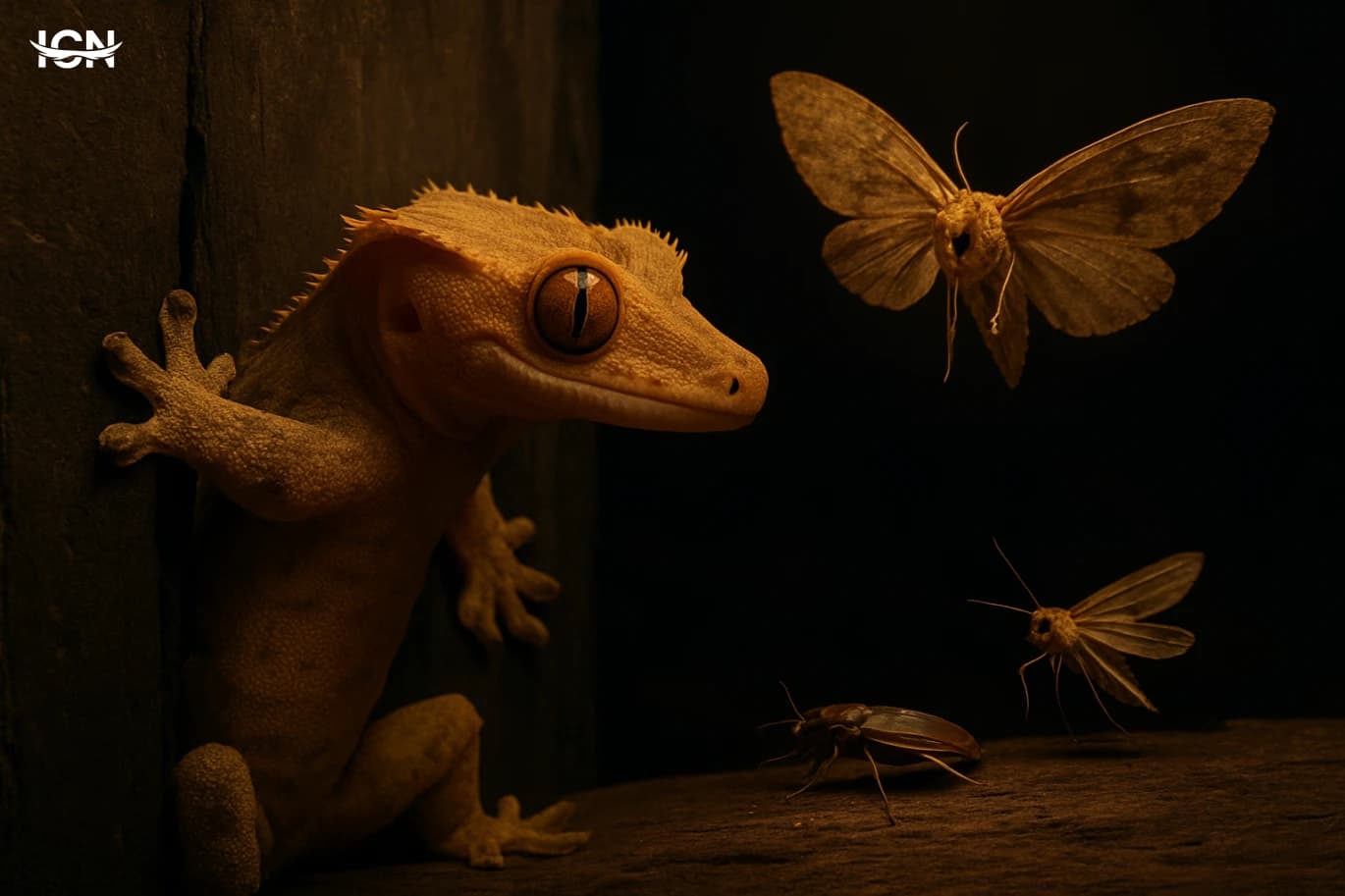
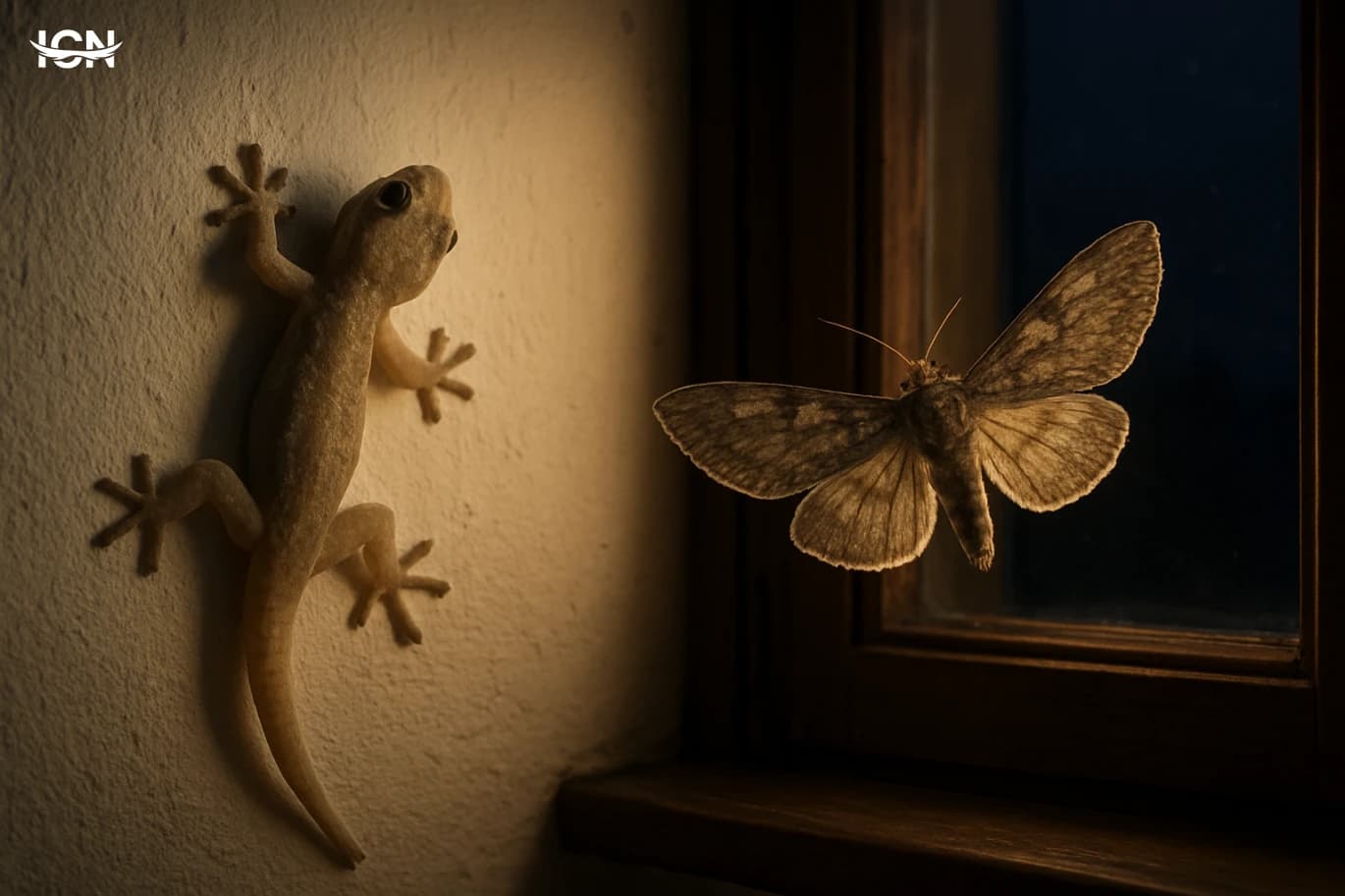
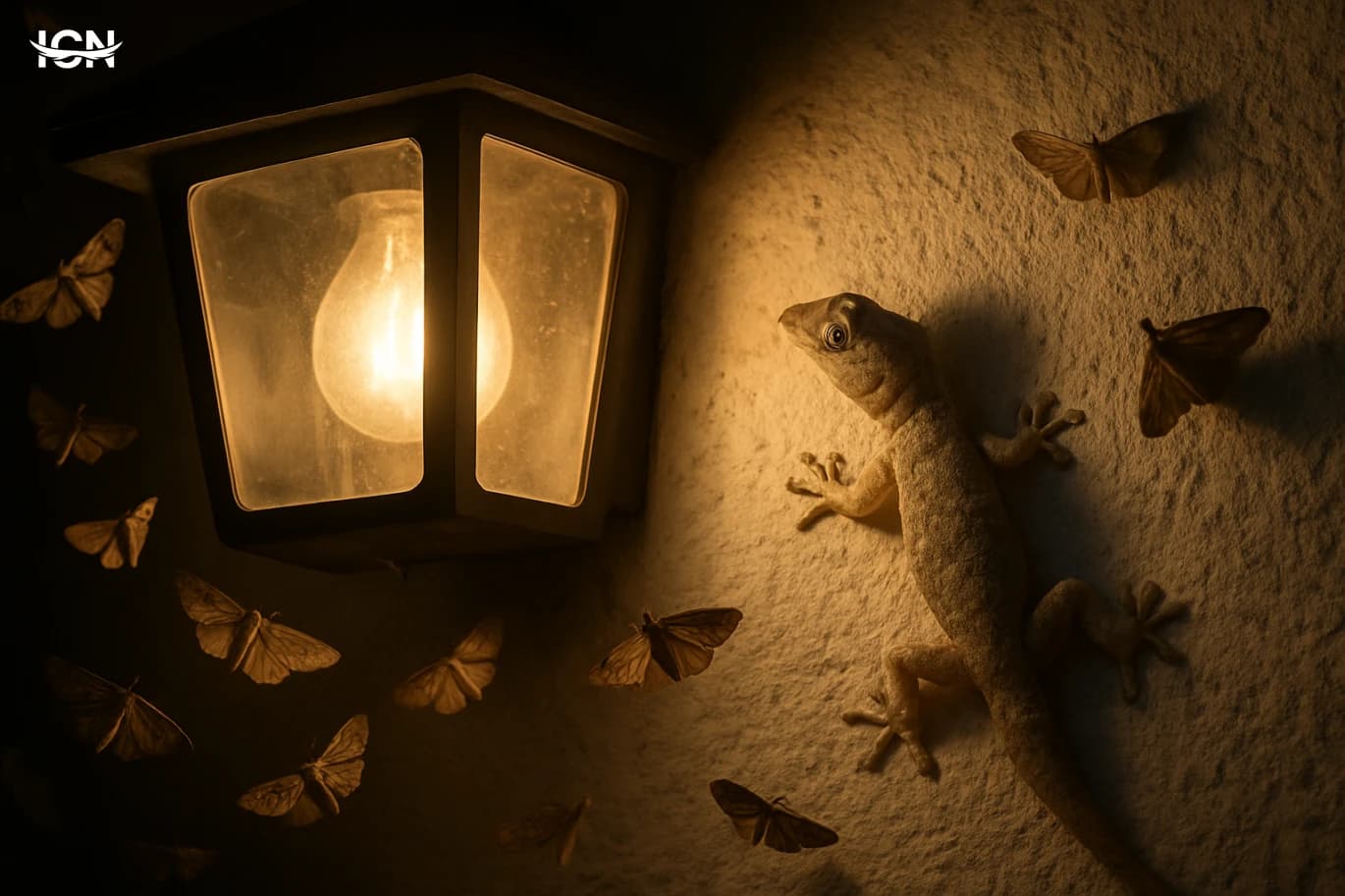
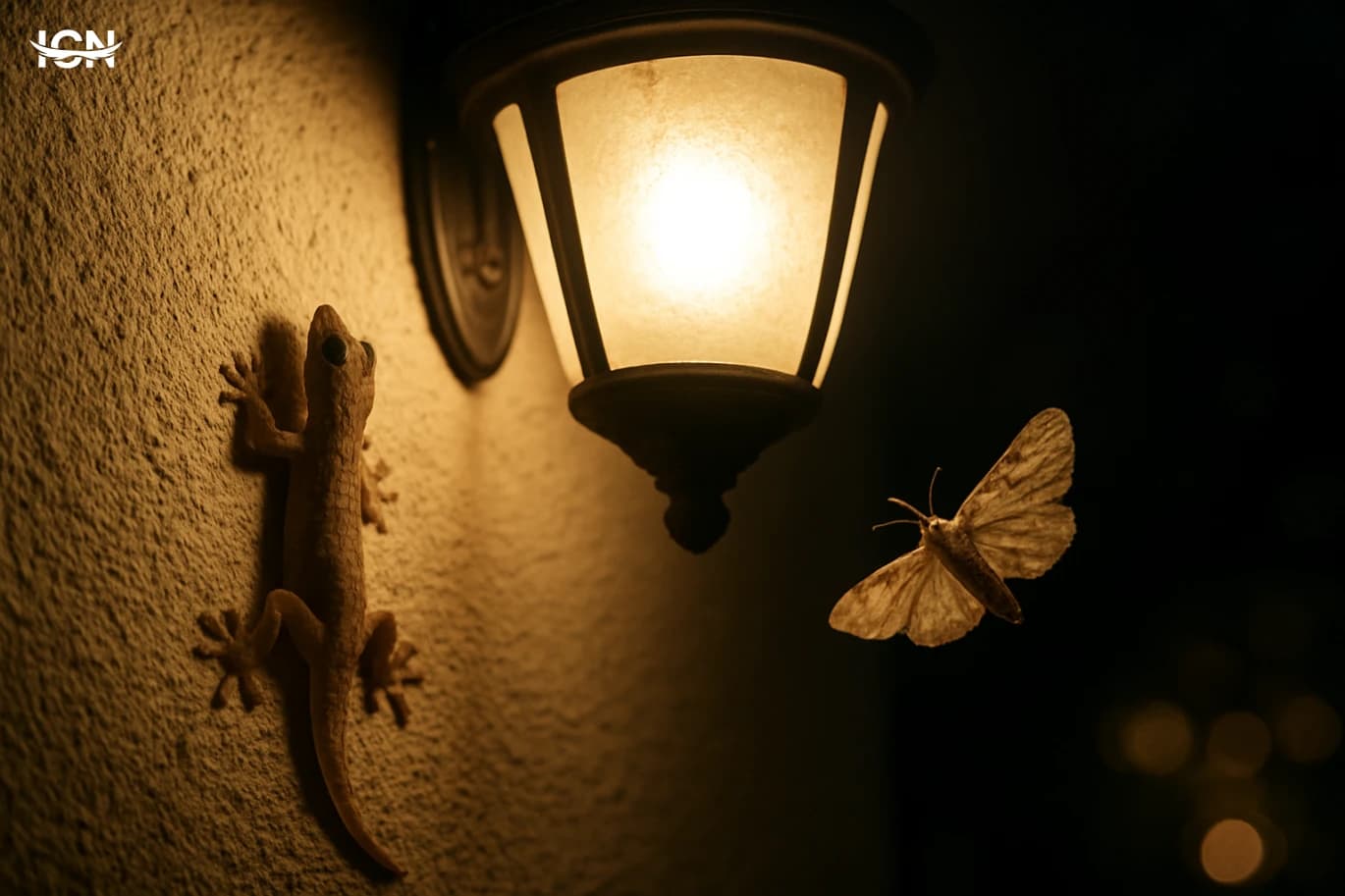
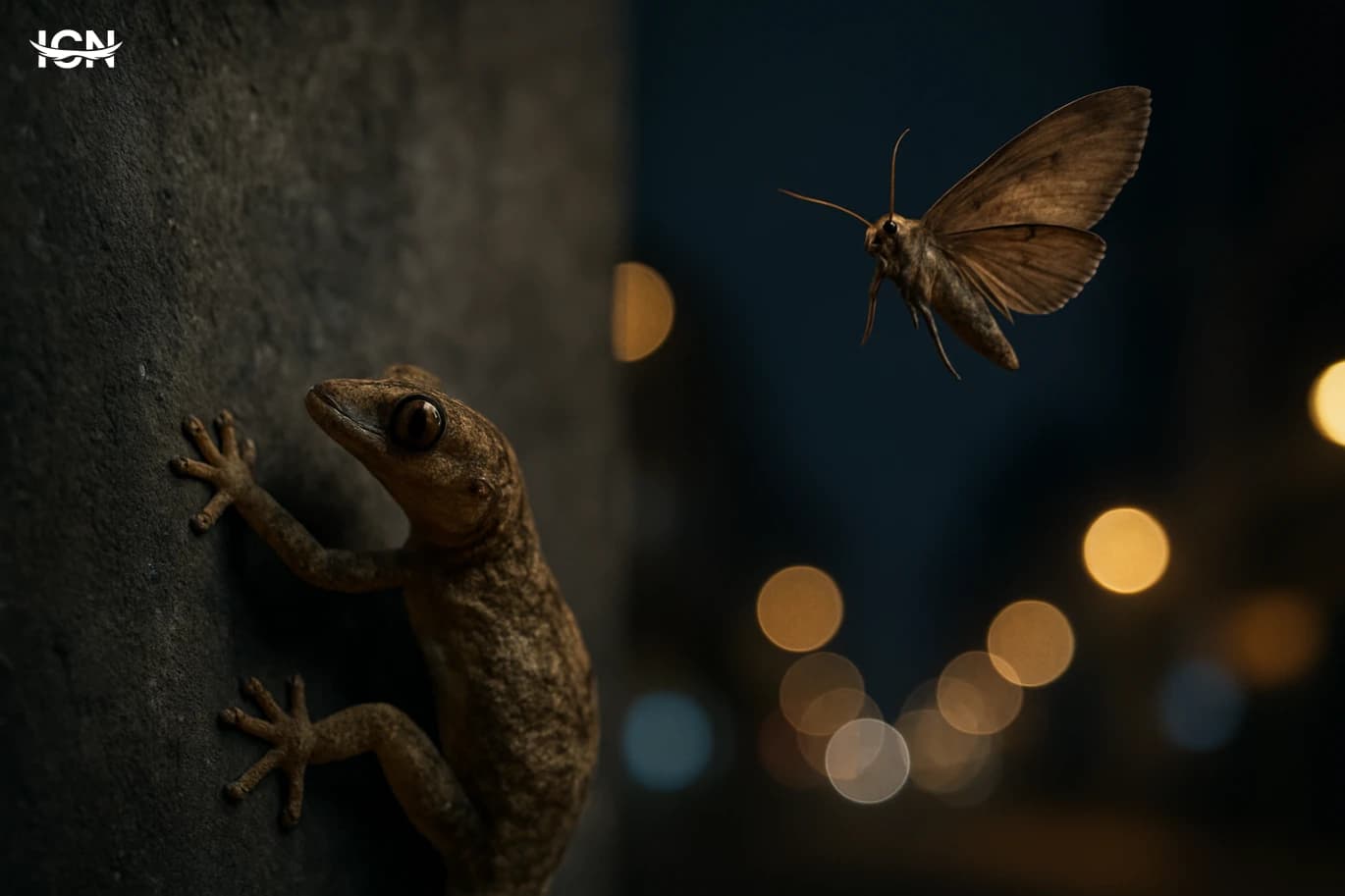
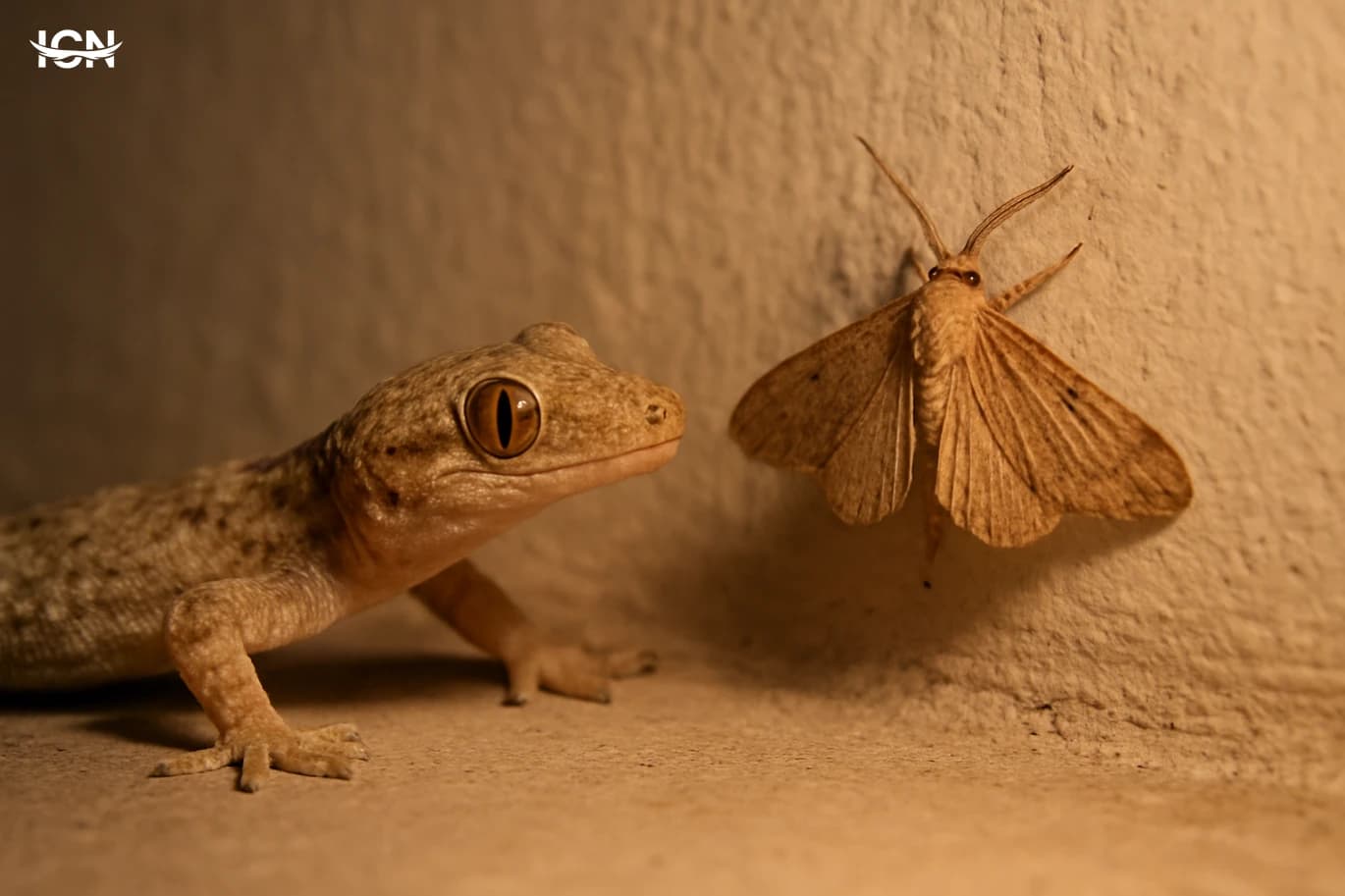
In many warm regions, house geckos and moths end up sharing the same indoor spaces for a simple reason: light. Porch bulbs, kitchen LEDs, and hallway fixtures pull moths and other small flying insects toward windows and ceilings. Geckos follow that food supply and settle near the same hotspots, often above doors, around curtains, or on tiled walls where they can grip easily. This isn’t a coordinated “hunt,” but a predictable chain of attraction that repeats night after night. The pattern is strongest in apartments and houses where lights stay on late, where windows are left slightly open for ventilation, or where balcony plants create a small outdoor insect habitat right next to the living room. Moths are also drawn to indoor warmth and still air, especially when outdoor temperatures drop after sunset. Once moths begin circling a light source, geckos can conserve energy by waiting in place rather than actively chasing prey. Understanding this indoor meeting is useful because it helps homeowners respond with practical steps instead of guesswork. It also clarifies that geckos are not “appearing from nowhere.” They are using stable routes along walls and ceilings, and they return to reliable feeding zones that are created by everyday lighting choices and small gaps around windows, vents, and door frames.
What moths are doing around your lights
Most people describe moths as “attracted to light,” but the details matter. Many moth species use natural light cues for navigation. Bright artificial lights can disrupt that orientation, causing moths to spiral, hover, or repeatedly bump into surfaces. Indoors, the effect becomes more intense because there are fewer escape routes and reflections from walls and glass keep the insects circling. Not every moth you see is the same. Some are outdoor visitors that wandered in through a window gap. Others are pantry moths associated with stored foods like flour, grains, nuts, or pet food. Pantry moth activity often concentrates near cupboards and can continue even when lights are off, because the source is food rather than a bulb. Outdoor moths, by contrast, cluster near lamps, windows, and balconies and are most active shortly after dusk. A quick, non-technical way to tell the difference is location and timing. If moths appear mainly near a ceiling light and disappear when that light is off, you are likely dealing with outdoor moths entering from outside. If you see small moths repeatedly near food storage areas, or you notice fine webbing in corners of packages, that points to pantry moths and requires a different response. Knowing which moths you have helps you decide whether to focus on sealing entry points and adjusting lighting, or on cleaning storage areas and discarding infested products.
How geckos hunt and where they hide
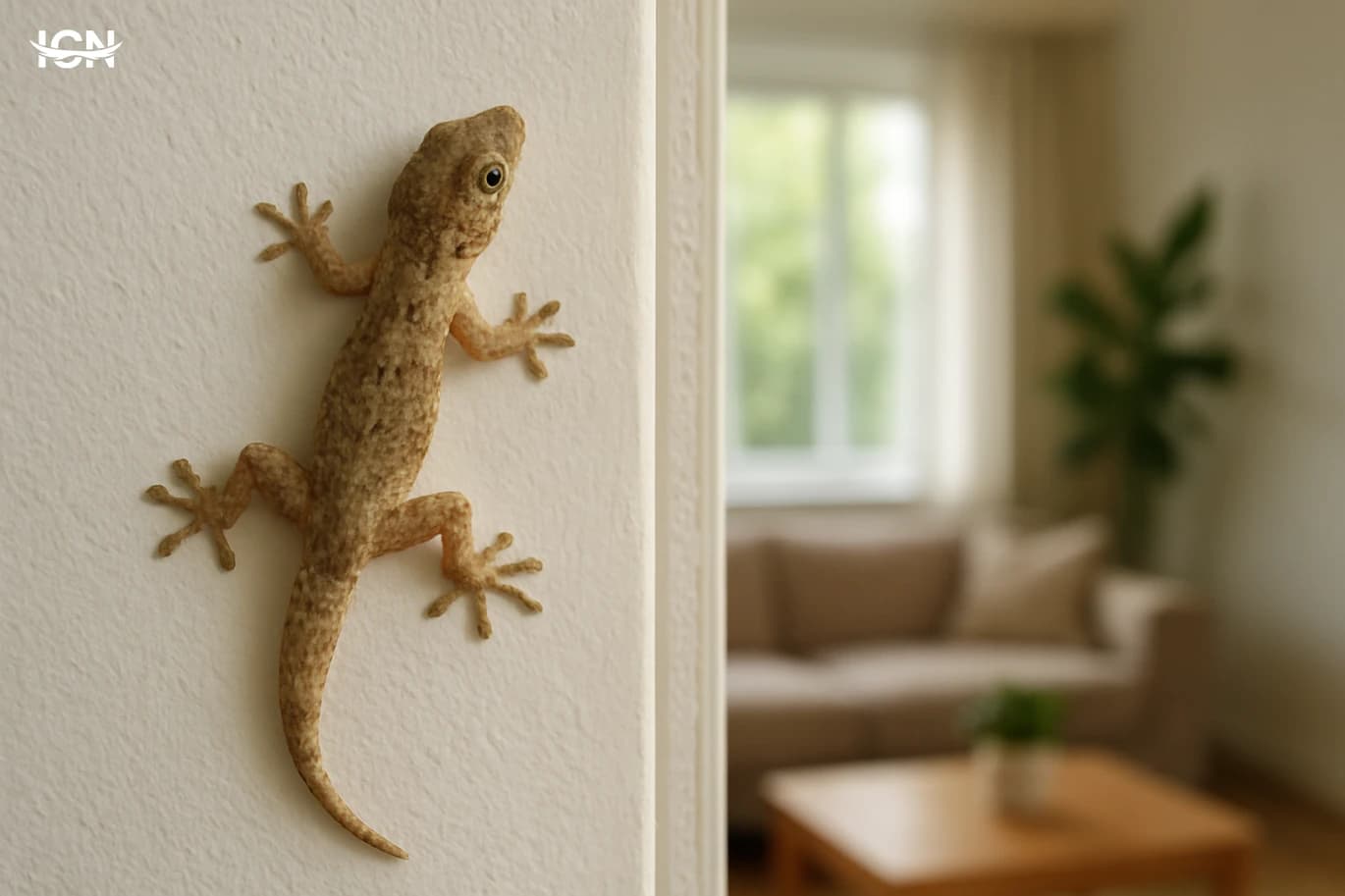
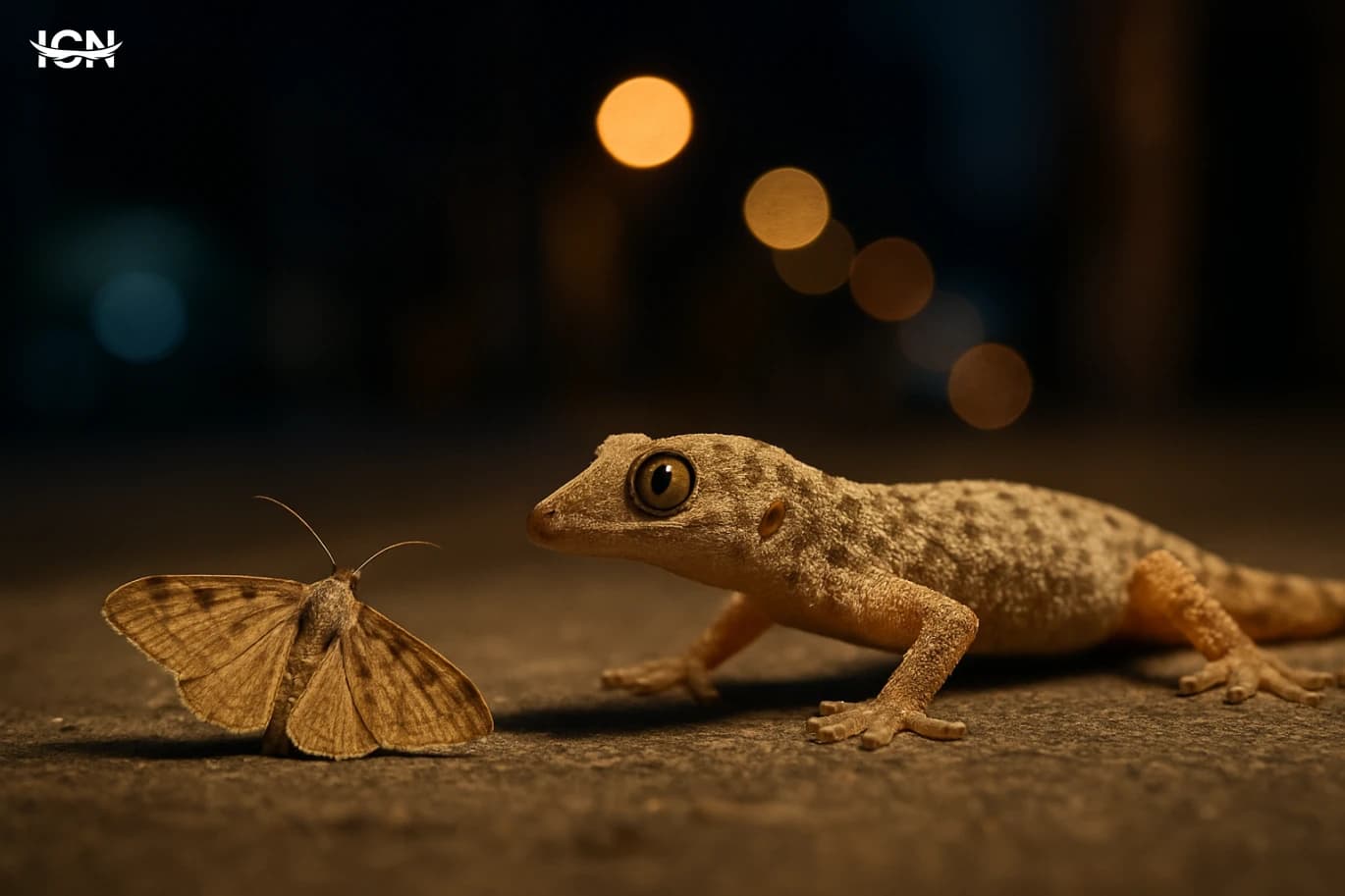
House geckos are opportunistic insect-eaters that do well around human buildings. They rely on quick bursts of movement, sticky toe pads for climbing, and a sit-and-wait strategy near predictable prey routes. Indoors, they often choose vertical surfaces close to light sources because that’s where flying insects slow down, land, or become disoriented. During the day, geckos typically hide in narrow, stable spaces: behind picture frames, inside curtain folds, near air-conditioning lines, around window tracks, or in small gaps behind cabinets. At night, they move out to feeding positions that give them a clear view and easy retreat. If you regularly see a gecko in the same corner, it’s usually because that spot offers both food and a safe escape route. Geckos can be beneficial in a practical sense because they reduce the number of small insects indoors. However, they also leave droppings in repeated locations, and some people prefer not to share living spaces with them. The key point is that geckos are responding to the indoor insect supply. If moth activity drops and entry points are sealed, geckos often spend less time inside or shift to outdoor walls where insects remain available.
Home lighting choices that change the pattern
Lighting is one of the most controllable factors in the gecko–moth cycle. Bright, cool-white bulbs used near entry points can increase insect activity around doors and windows. If you keep a balcony or porch light on for long periods, you create a steady gathering point that can draw moths toward the building and, indirectly, encourage geckos to patrol nearby. A practical approach is to shift where and how you light your home at night. Use indoor lighting away from open windows when possible, and reduce the brightness of lights directly next to entry points. Motion-sensor lights can limit how long insects are exposed to a bright beacon. Curtains or blinds can also reduce the amount of light spilling outdoors, which lowers the “pull” effect from a distance. Bulb type and placement matter more than complicated gadgets. Many households see a noticeable difference by switching exterior lights to warmer tones and aiming them downward rather than outward. Indoors, keeping a single bright light on in an otherwise dark room can concentrate moths in one area; spreading softer lighting or turning off unnecessary fixtures can reduce that concentration. These changes don’t eliminate insects completely, but they often reduce the nightly clustering that makes moths and geckos so visible.
Sealing entry points and managing indoor attractants
If moths are entering from outside, small gaps are usually the route. Check window screens for tears, confirm that frames close tightly, and look for spaces around air-conditioner fittings, cable holes, and sliding-door tracks. Simple weather stripping and fine mesh repairs can reduce the number of insects that make it indoors, which in turn reduces gecko visits. Indoor attractants also matter. Open food containers, crumbs under appliances, and pet food left out overnight can support a wider range of insects than moths alone. While geckos focus on moving prey, a general increase in indoor insects makes the home more attractive to them. Regular vacuuming along baseboards and behind furniture removes insect eggs and hiding spots. Emptying indoor trash at night and rinsing recyclables reduces odors that draw insects. For pantry moth concerns, the response is more specific: inspect dry goods, store staples in sealed containers, and clean shelves thoroughly, including corners and screw holes where residue collects. This is less about “killing moths” and more about removing the life cycle support inside the home. When food sources are controlled and entry points are sealed, the indoor environment becomes less rewarding for both moths and the geckos that follow them.
Living with geckos responsibly and safely
Many homeowners prefer a balanced approach: reduce insects and limit gecko access without turning the home into a constant battle. If you see a gecko indoors and want it out, the simplest method is to open a clear exit route to the outside, turn off nearby lights to reduce insect activity, and gently encourage it toward the opening using a container and a flat piece of cardboard. Avoid handling with bare hands, and avoid using sticky traps, which can harm non-target animals. If geckos are repeatedly entering, focus on the conditions that keep them returning: consistent insect clusters near lights, and reliable hiding gaps. Once those are addressed, geckos often relocate to exterior walls, gardens, or building corridors where insects remain available. For households that tolerate geckos, designate easy-to-clean zones by keeping walls near lights free of clutter and wiping surfaces where droppings appear. When to seek professional help is straightforward. If you have heavy moth activity that persists after cleaning and storage changes, or if you suspect a structural gap problem around vents and frames, a licensed pest-control or building maintenance professional can identify entry routes and recommend repairs. The goal is not extreme measures; it is a stable home environment with fewer insects, fewer indoor gecko encounters, and clear routines that prevent the nightly gecko-and-moth show from becoming a recurring nuisance.