Gecko and Moth Nightlife Around Home Lights
- Why lights reshape the night
- Moths at the porch
- Geckos as light-side hunters
- Choosing bulbs that attract fewer insects
- A simple observation plan for one week
Why lights reshape the night
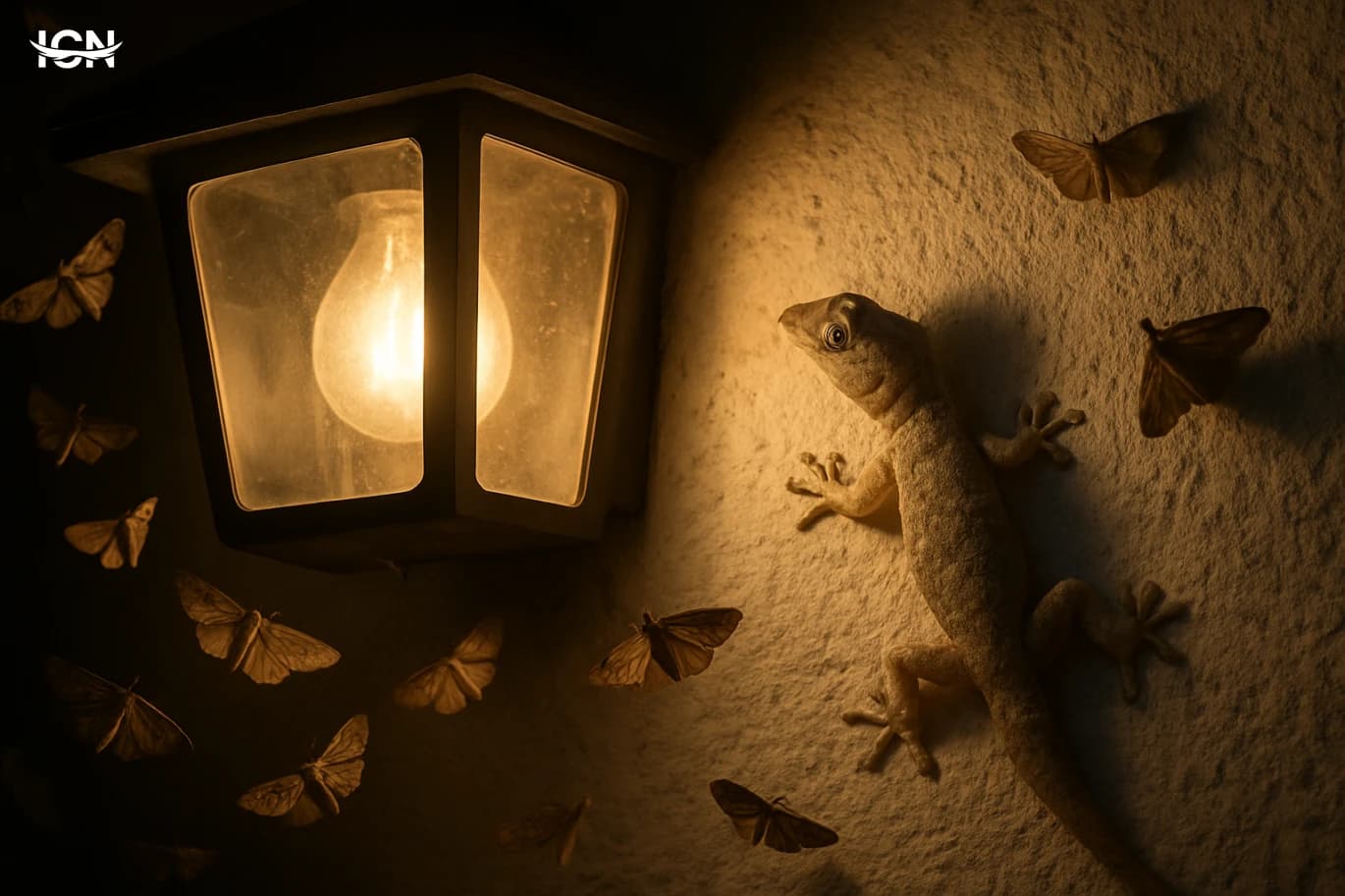
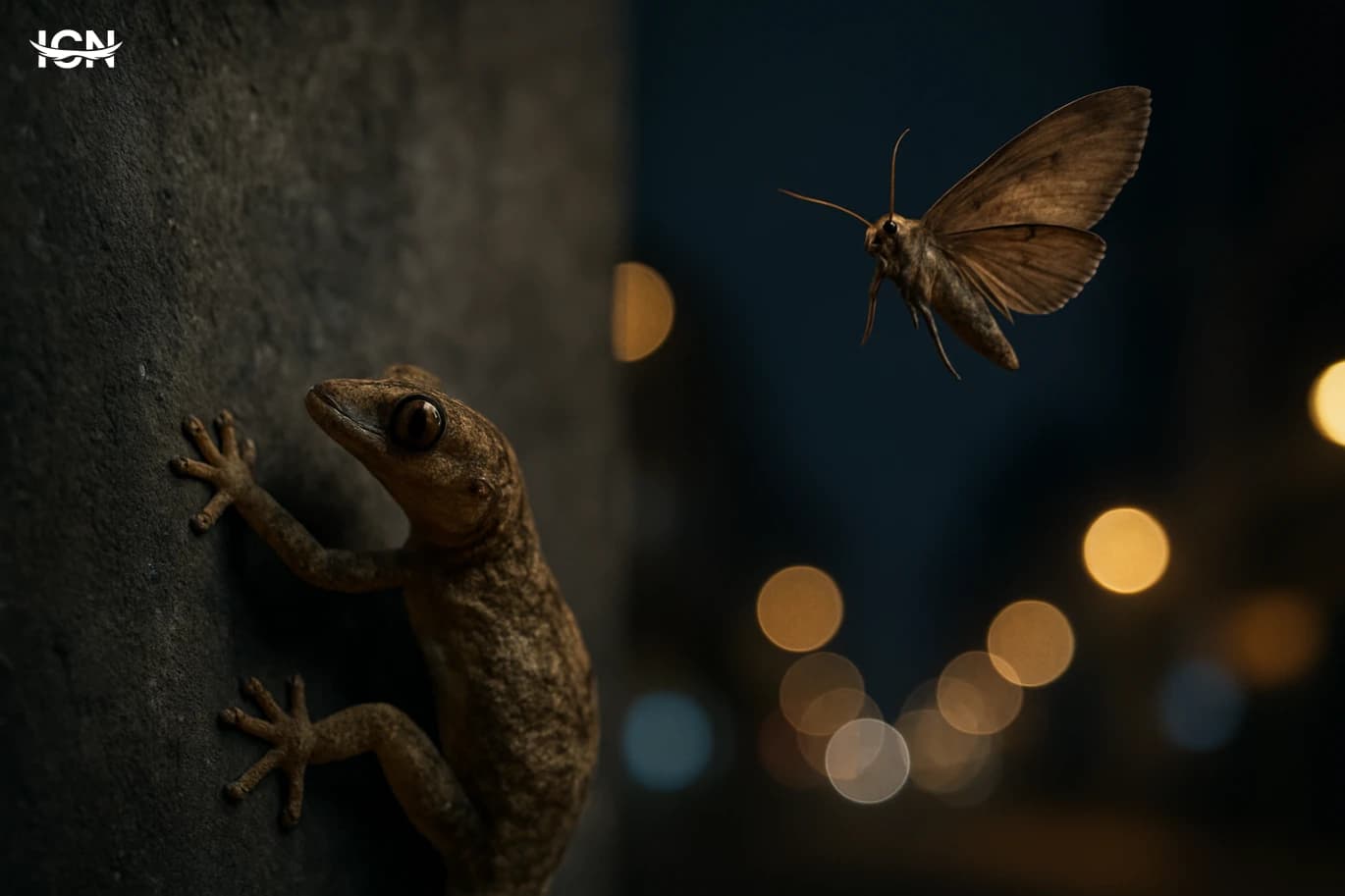
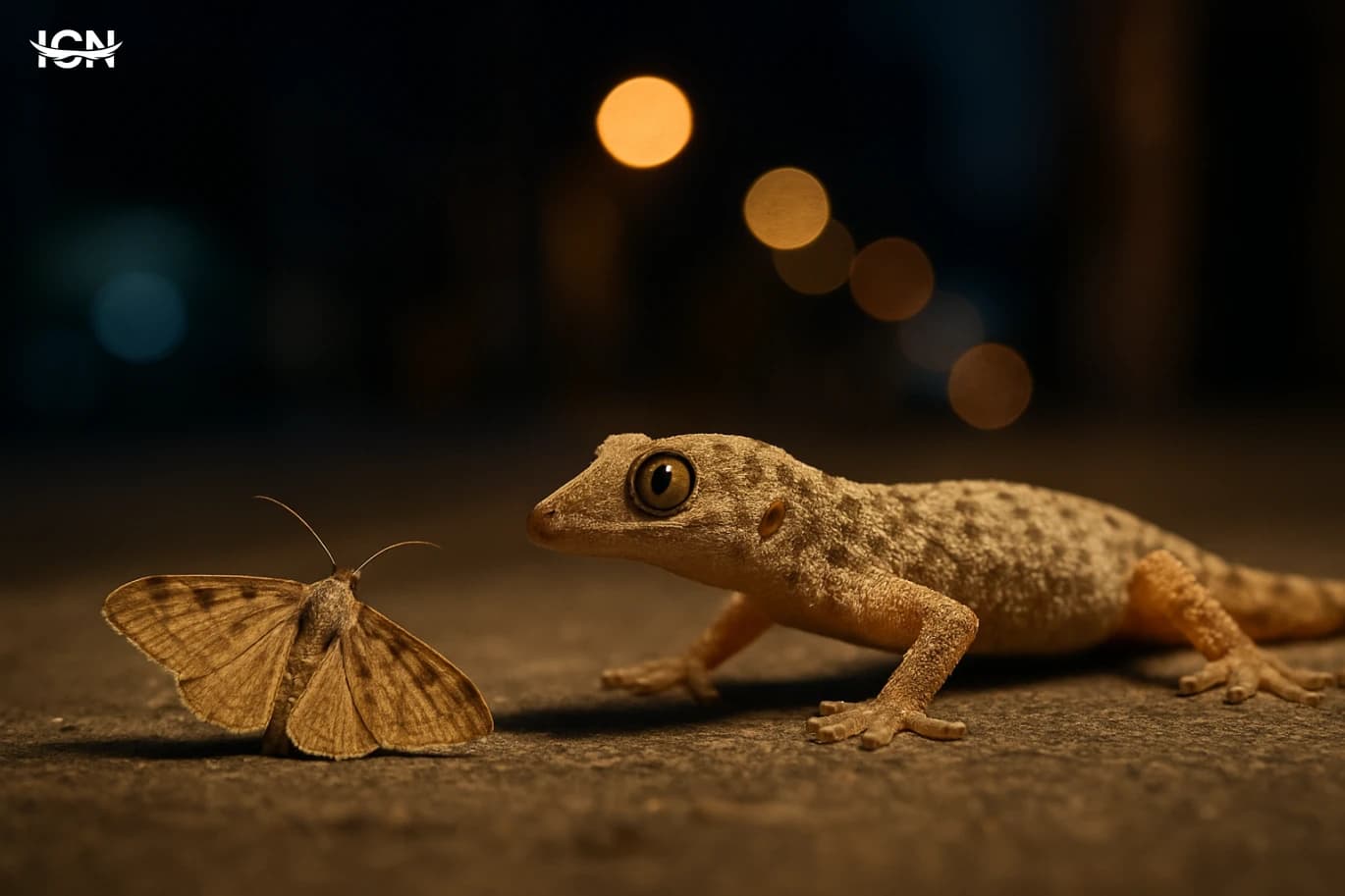
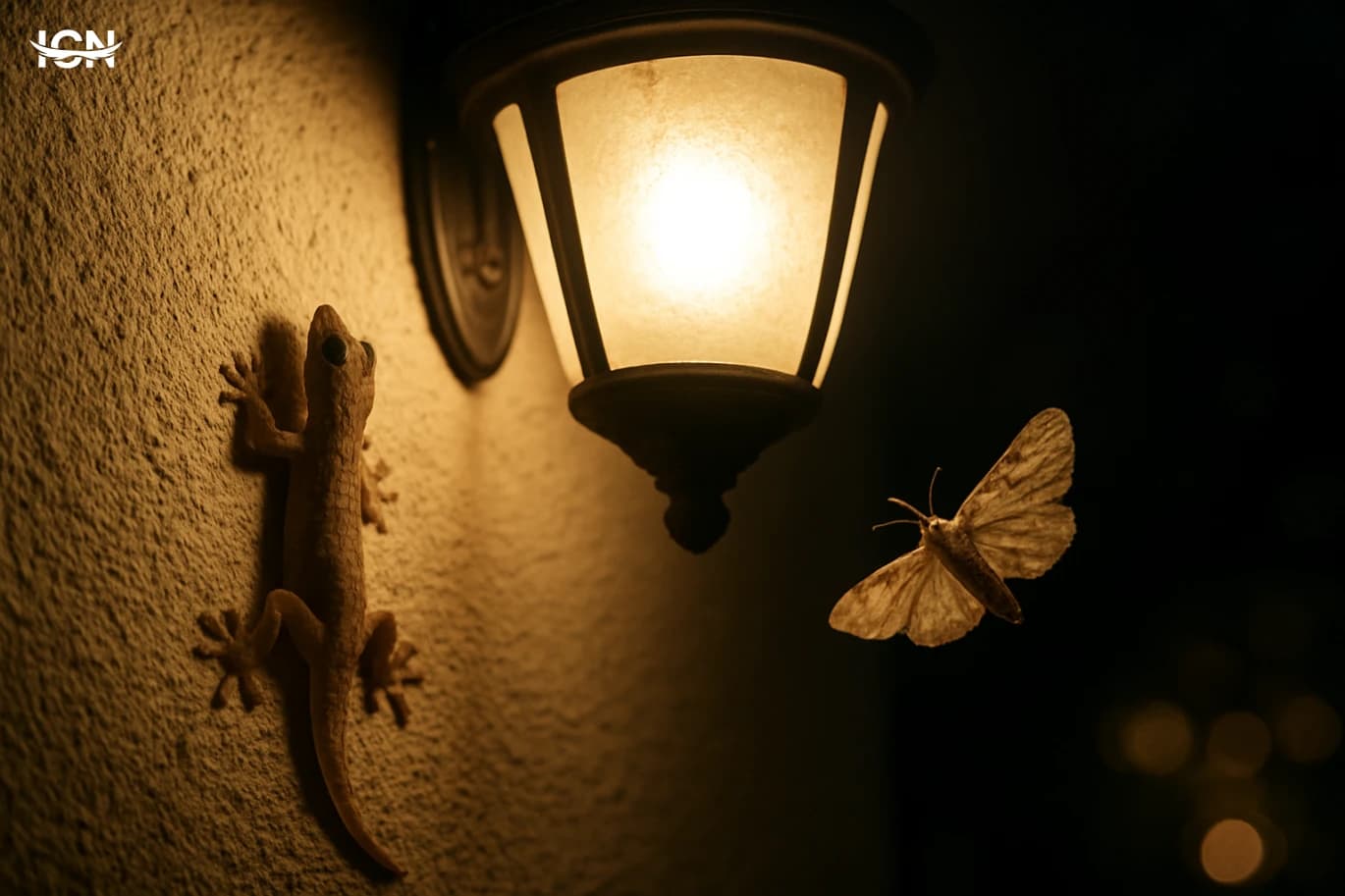
Outdoor bulbs and bright windows do more than illuminate a porch; they reorganize local insect activity and, in turn, the reptiles that feed on them. Many moth species navigate using natural light cues such as the moon and the horizon glow. Strong artificial lights can disrupt that orientation, pulling moths into tight circles or repeated approaches that increase fatigue and exposure. Around a single light, you often get a layered “food chain in miniature”: tiny midges and gnats arrive first, then larger moths and beetles, and finally predators such as geckos that learn the schedule. This topic looks at the nightly interaction between moths and house geckos in a practical, neighborhood setting. It focuses on what actually happens at common light sources—LED porch lamps, wall sconces, garage lights, and bright indoor windows—and why some setups attract far more insects than others. It also sets expectations: the goal is not to turn a home into a wildlife trap, but to understand the patterns so you can reduce nuisance insects while still appreciating the natural behavior playing out a few meters from your door.
Moths at the porch
Not all moths respond to light the same way. Some species are strongly attracted to short-wavelength light (often perceived as cool white or bluish), while others show weaker attraction or prefer different cues such as plant odors. In a typical neighborhood, the moths you see at a porch light are often a mix of small “micro-moths” and a few larger species that arrive later in the evening. Their activity can spike after warm days, during humid nights, and around new landscaping that increases host plants. The way moths behave at a light matters. Many will approach, veer away, and return repeatedly, which increases the time they spend near a predator. Others land on nearby walls, screens, or the ceiling of a covered entryway, where they rest and warm their flight muscles. If you watch for ten minutes, you can often see a pattern: the highest traffic is not always right at the bulb, but along the edges of the light cone where insects can fly with less glare. For homeowners, this is also where nuisance begins. Moths can leave wing scales on walls and attract additional insects that feed on them. Understanding which surfaces they choose—white walls, textured stucco, mesh screens—helps explain why two houses with similar bulbs can have very different insect loads.
Geckos as light-side hunters
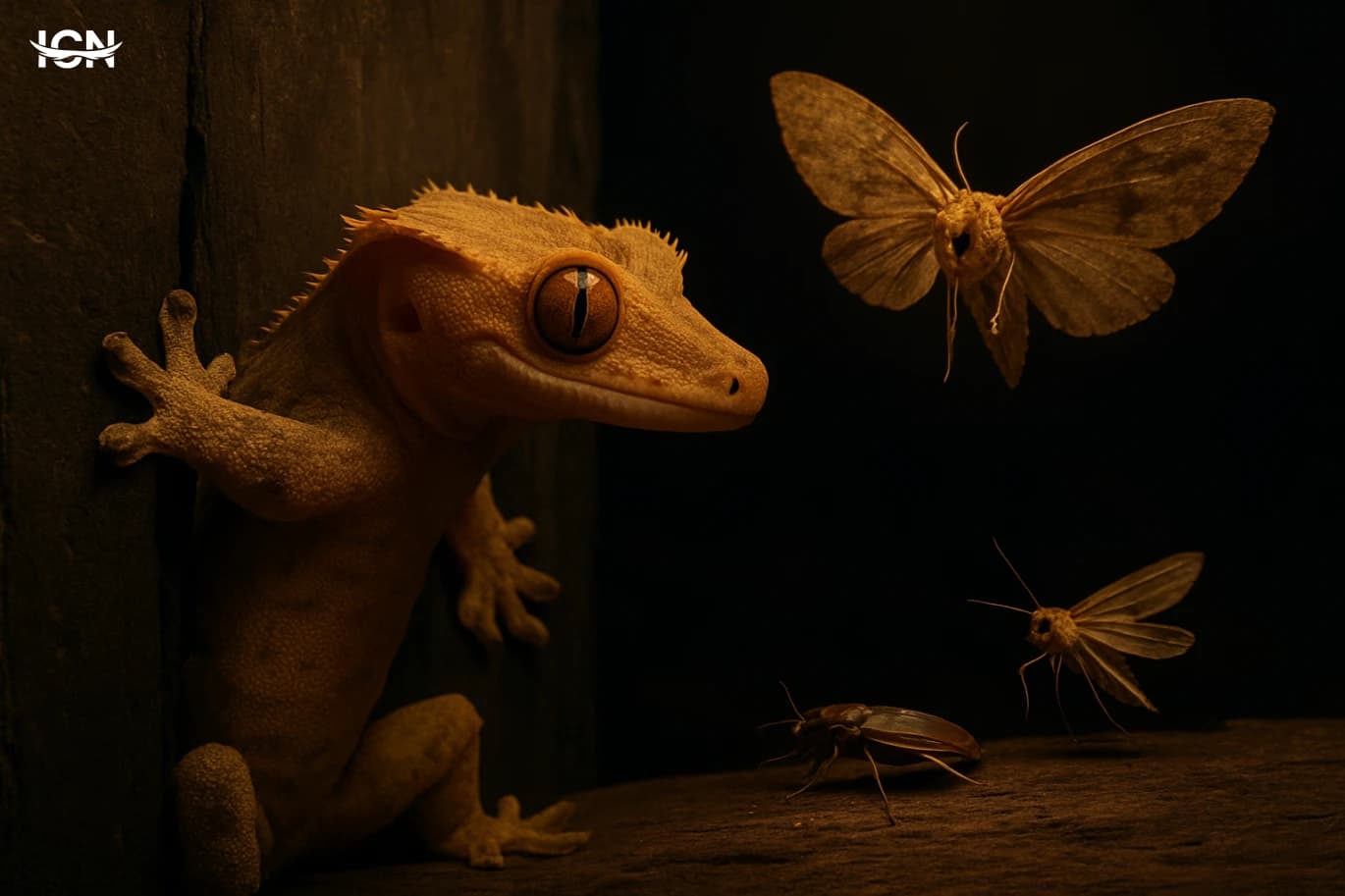
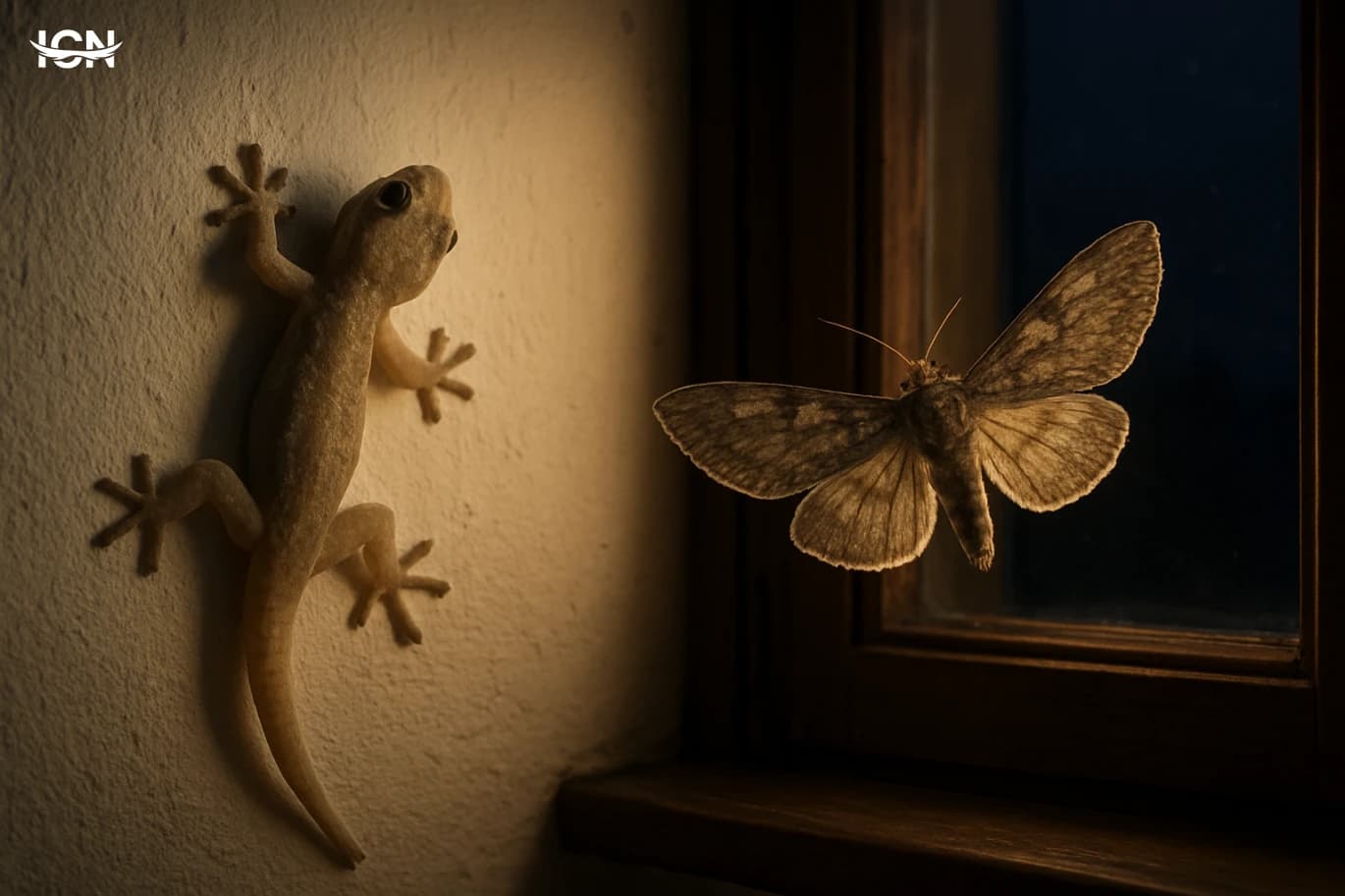
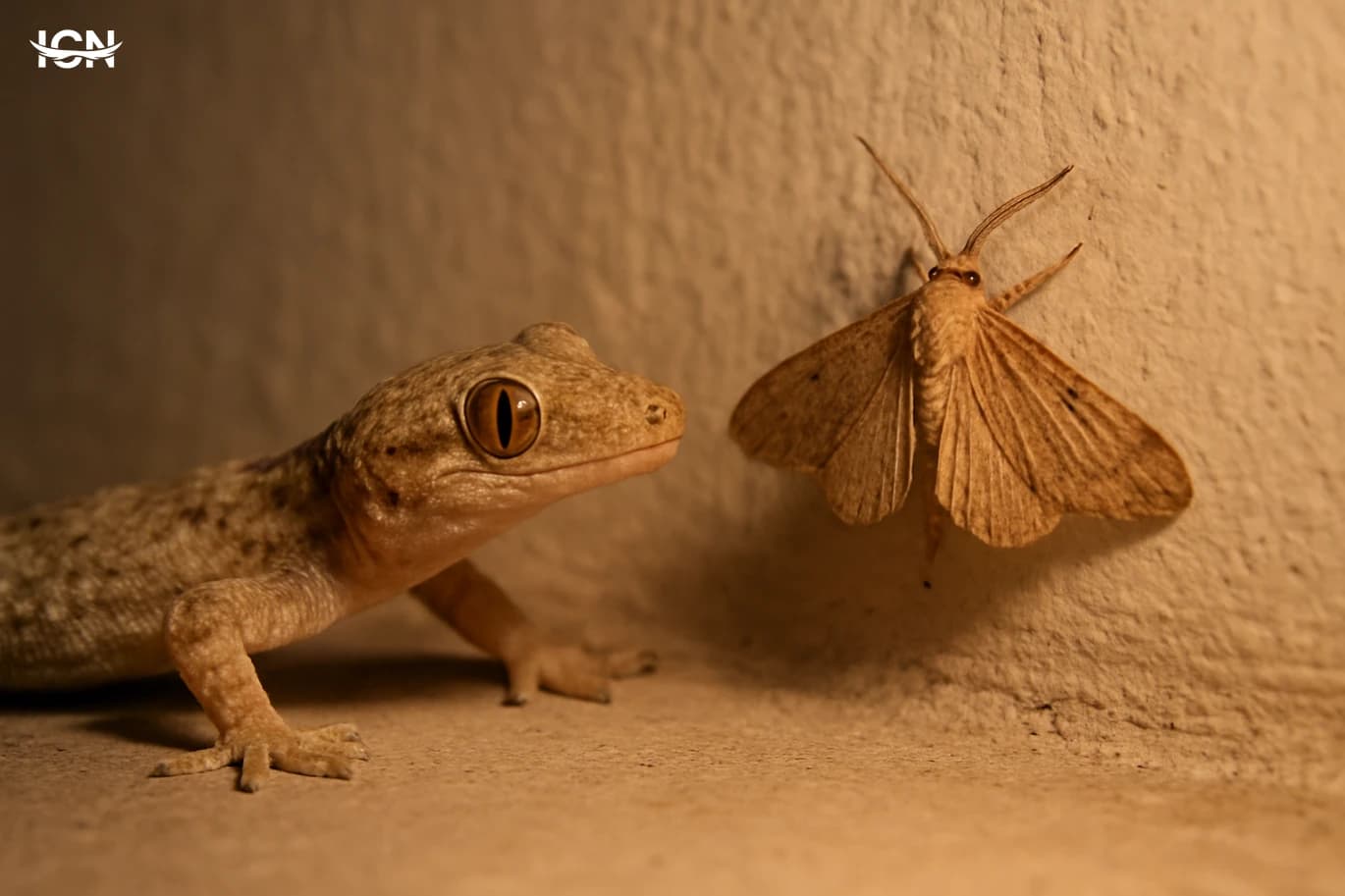
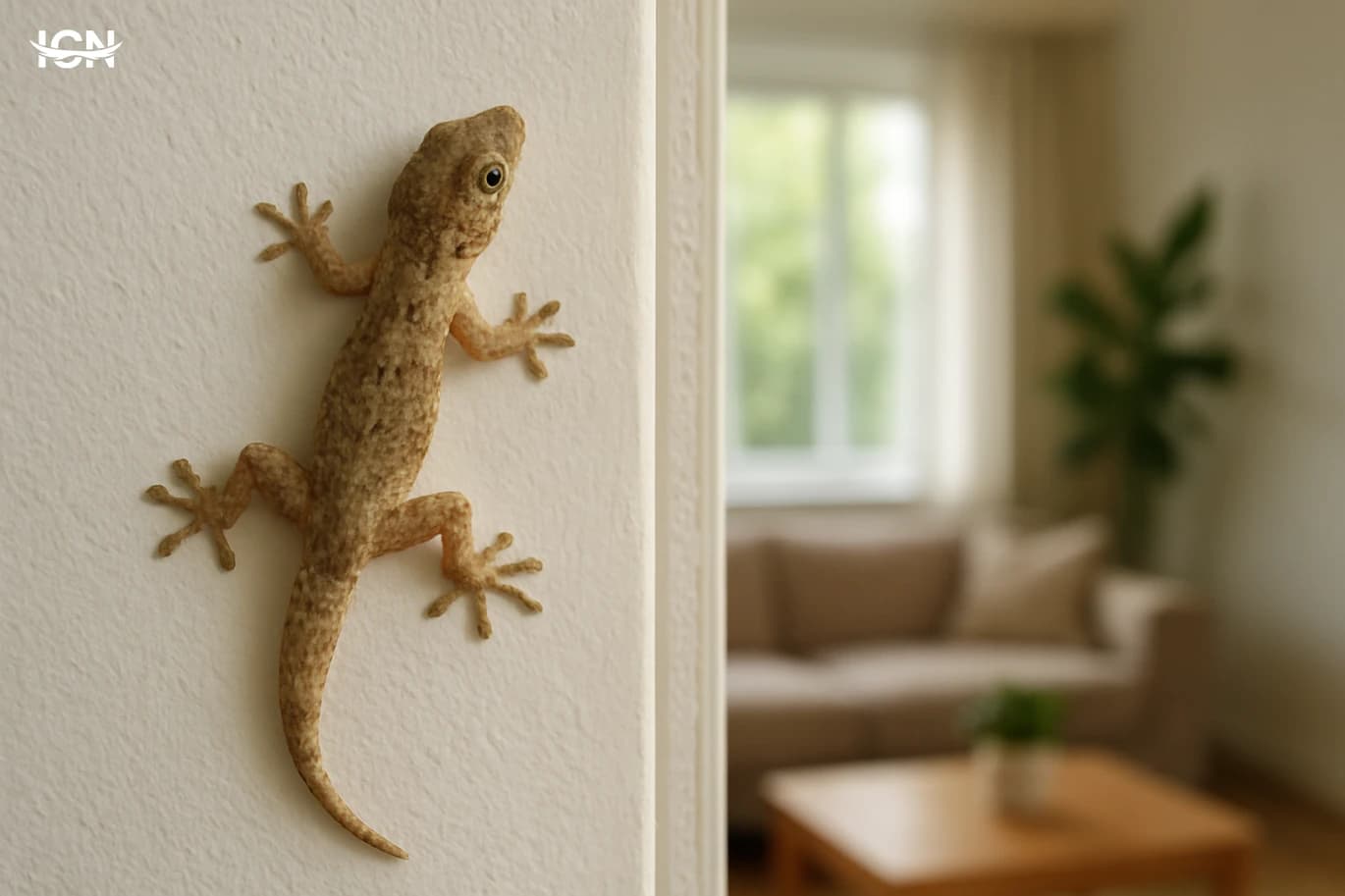
House geckos are among the most visible reptiles in urban and suburban areas because they exploit a predictable resource: insects concentrated by lights. Many species have toe pads that allow them to climb smooth walls and glass, giving them access to the vertical hunting grounds around windows and lamps. Their hunting strategy is typically low-energy: they wait, track movement with quick head turns, and lunge when an insect passes within range. If you observe a gecko near a porch light, you may notice it chooses specific positions—often near corners, along door frames, or just outside the brightest glare. These spots provide a clear view of incoming insects while keeping the gecko less exposed. Over time, individuals can show site fidelity, returning to the same wall section night after night. In warm climates, multiple geckos may share a façade, spacing themselves a meter or two apart to reduce competition. From a household perspective, geckos are often tolerated because they reduce flying insects. But their presence also indicates that the light setup is producing a steady insect supply. If the insect draw drops, geckos may shift to other parts of the building or become less visible, which can be a useful clue when evaluating changes like new bulbs or motion sensors.
Choosing bulbs that attract fewer insects
The type of bulb and its color temperature can strongly influence insect attraction. In many settings, cooler, blue-rich light tends to draw more flying insects than warmer tones. Practical steps often start with switching exterior bulbs to warm white options and avoiding overly bright fixtures that spill light in all directions. Shielded fixtures that direct light downward can reduce the visible “beacon” effect from a distance, which lowers the number of insects arriving in the first place. LEDs add another variable: different products can have different spectral outputs even if they share the same labeled color temperature. Homeowners who want to reduce insect clustering can test one fixture at a time for a week, keeping other conditions similar. If the porch light is needed for safety, using a motion sensor or a timer that limits the hours of operation can cut the total time insects have to accumulate. Placement matters as much as bulb choice. A bright light directly above a door concentrates insects where people pass, increasing annoyance. Moving the brightest light a few meters away—toward a driveway edge or a side wall—can shift insect activity away from entry points while still providing illumination. Window management also helps: closing blinds at night or using softer interior lighting reduces the “glow box” effect that attracts moths to glass.
A simple observation plan for one week
You can learn a lot about local insect and gecko activity with a structured, low-effort routine. Choose one exterior light as your observation point and keep it consistent. For seven nights, note the start time, weather (temperature, wind, humidity if available), and whether the light was on continuously or triggered by motion. Spend ten minutes watching from a fixed spot so your presence doesn’t change the behavior. Record three practical counts: approximate number of moths visible at once, number of other flying insects (gnats, beetles), and number of geckos present. Also note where insects cluster: directly on the bulb fixture, on the wall within one meter, on the ground, or on nearby plants. For geckos, note their positions and whether they are actively hunting or simply resting. At the end of the week, you will often see clear patterns. A humid, still night may produce a surge in moth activity. A change in bulb type or a shorter operating window may reduce clustering. You may also notice that geckos appear only when insect numbers cross a certain threshold. This kind of small dataset helps homeowners make decisions based on evidence rather than guesswork, and it turns a common nuisance into a manageable, observable part of neighborhood ecology.