Sage

- Sage: Concept and History
- The importance of sage in Arab culture
- Sage manufacturing techniques
- Types of sage
- Sage and Cultural Heritage
Sage: Concept and History
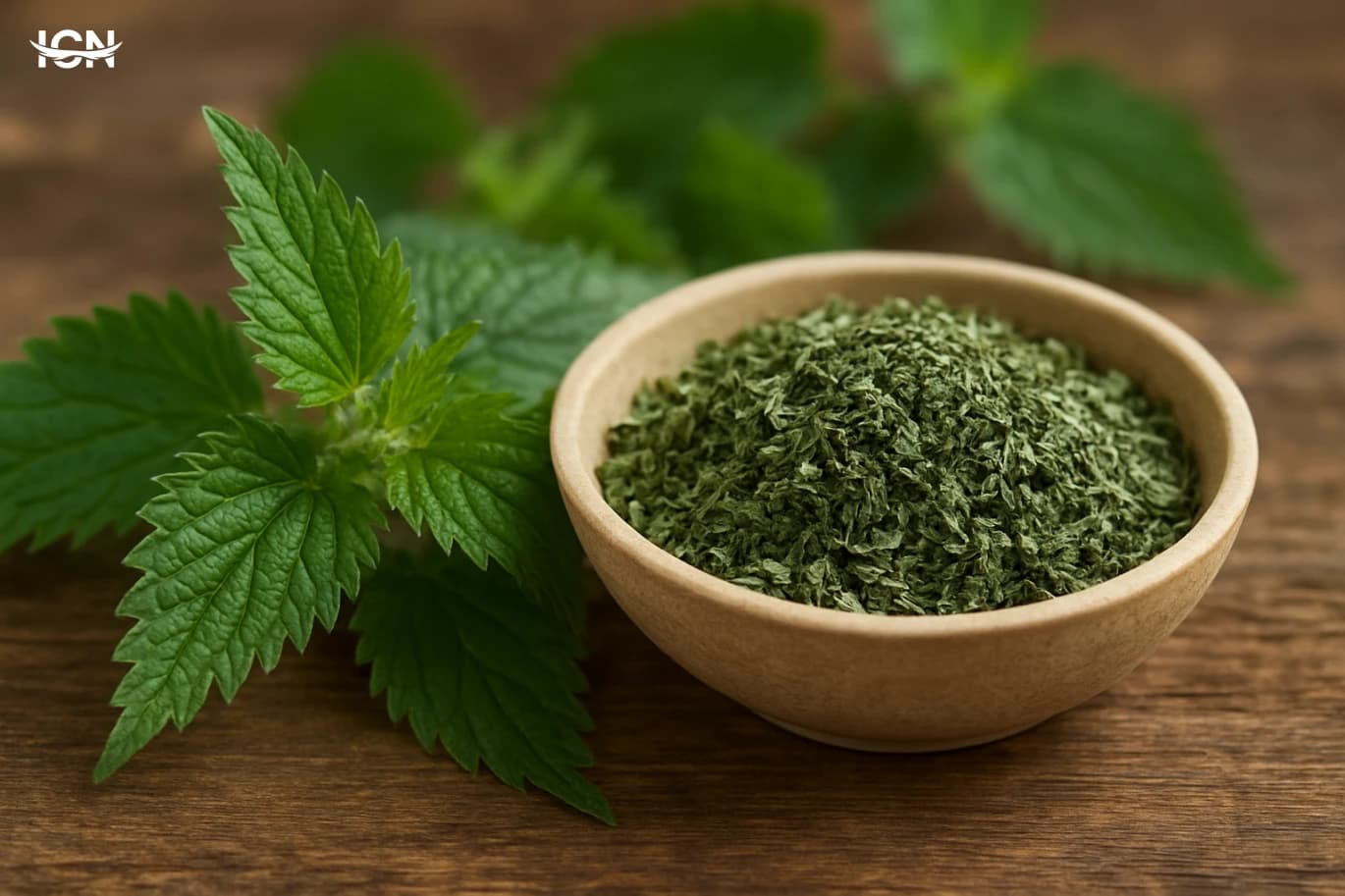
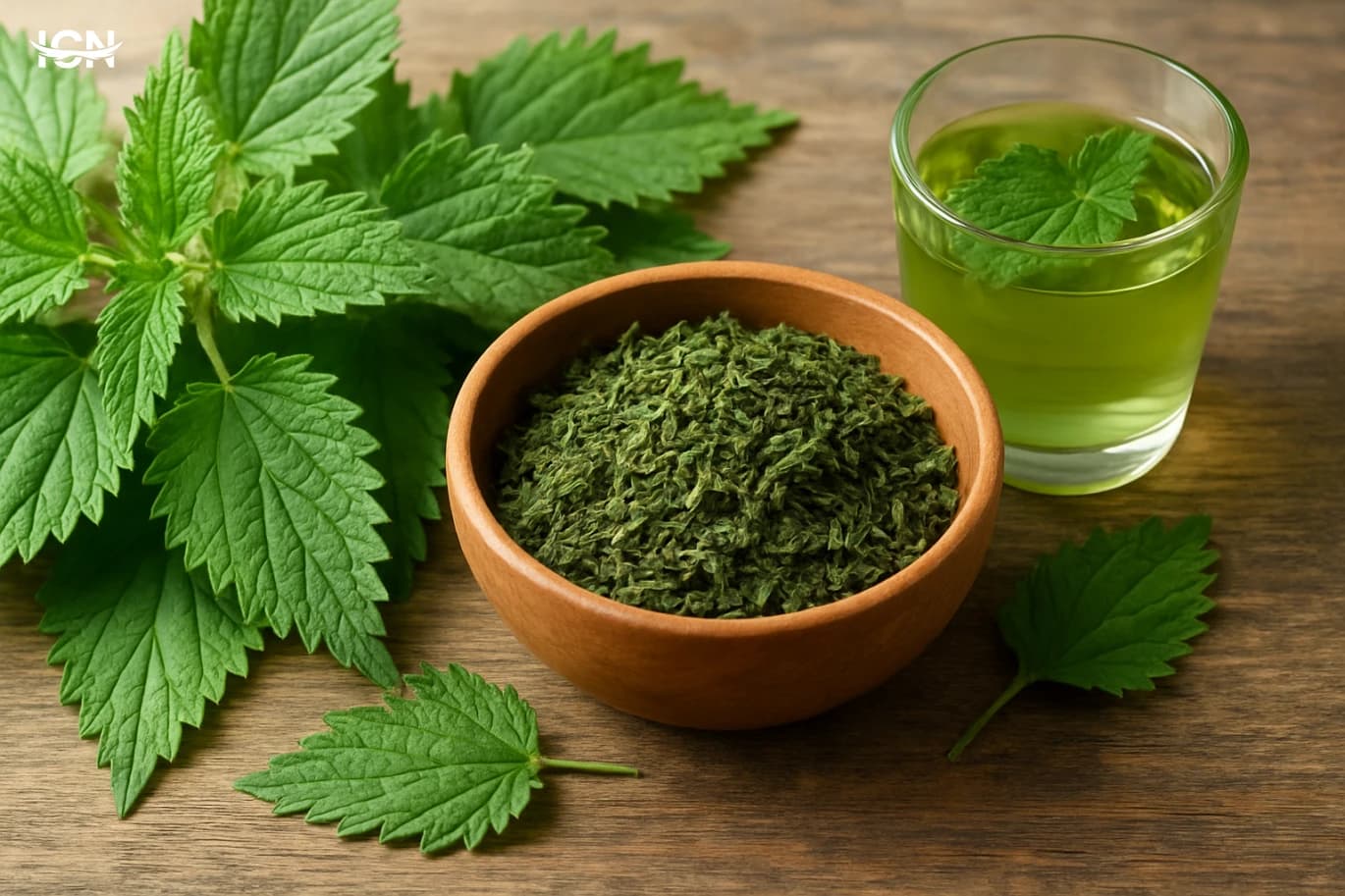
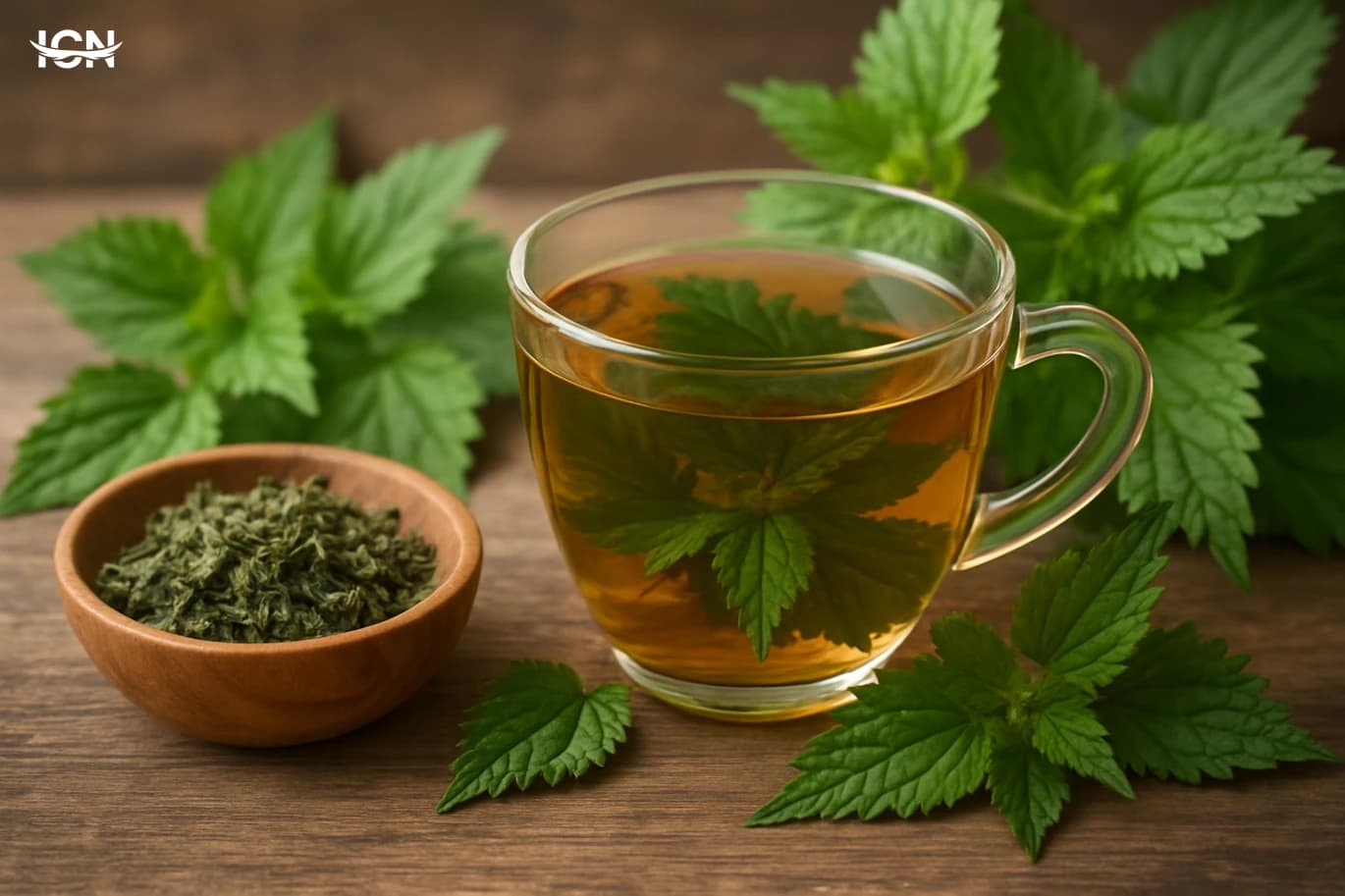
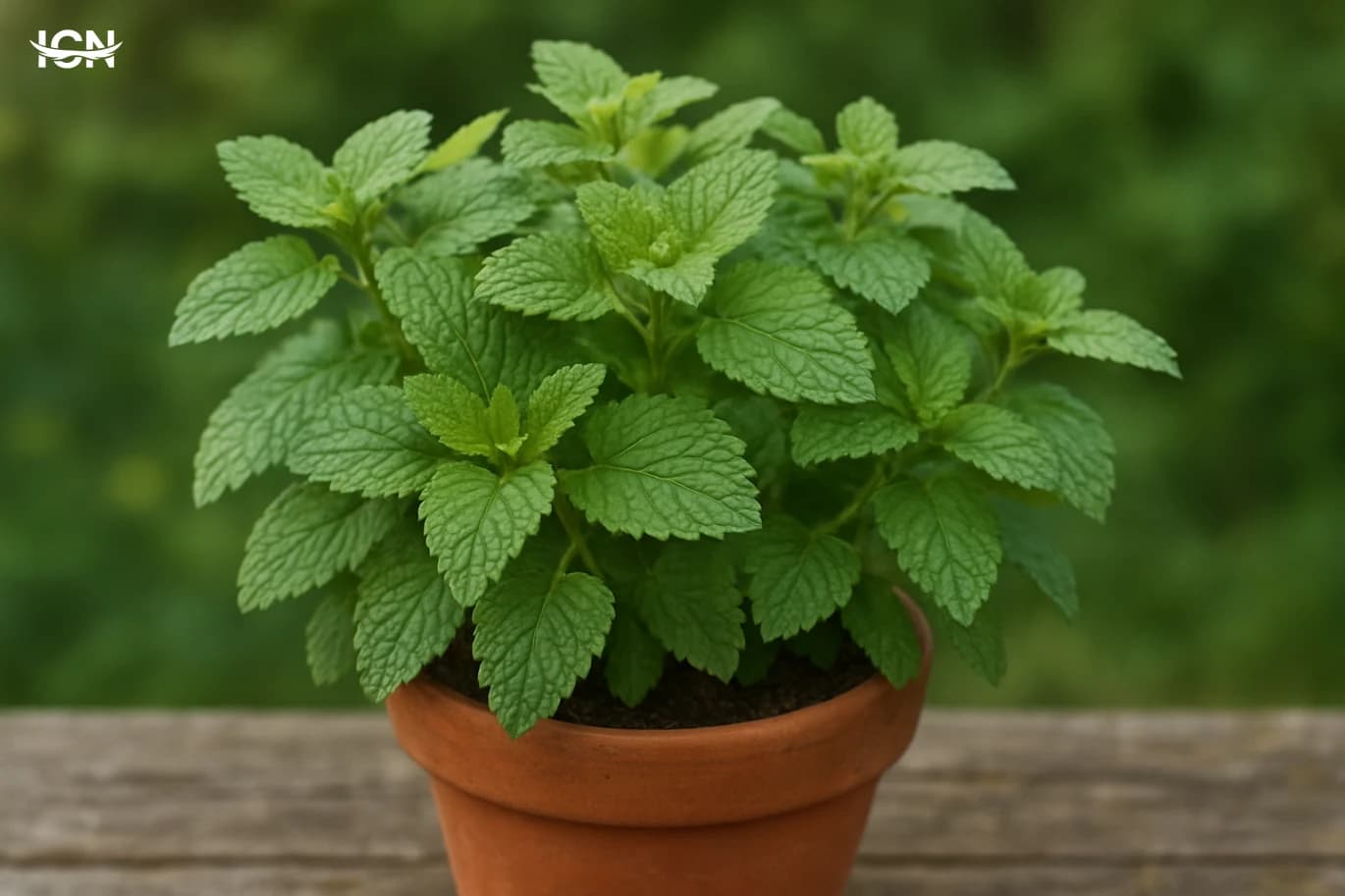
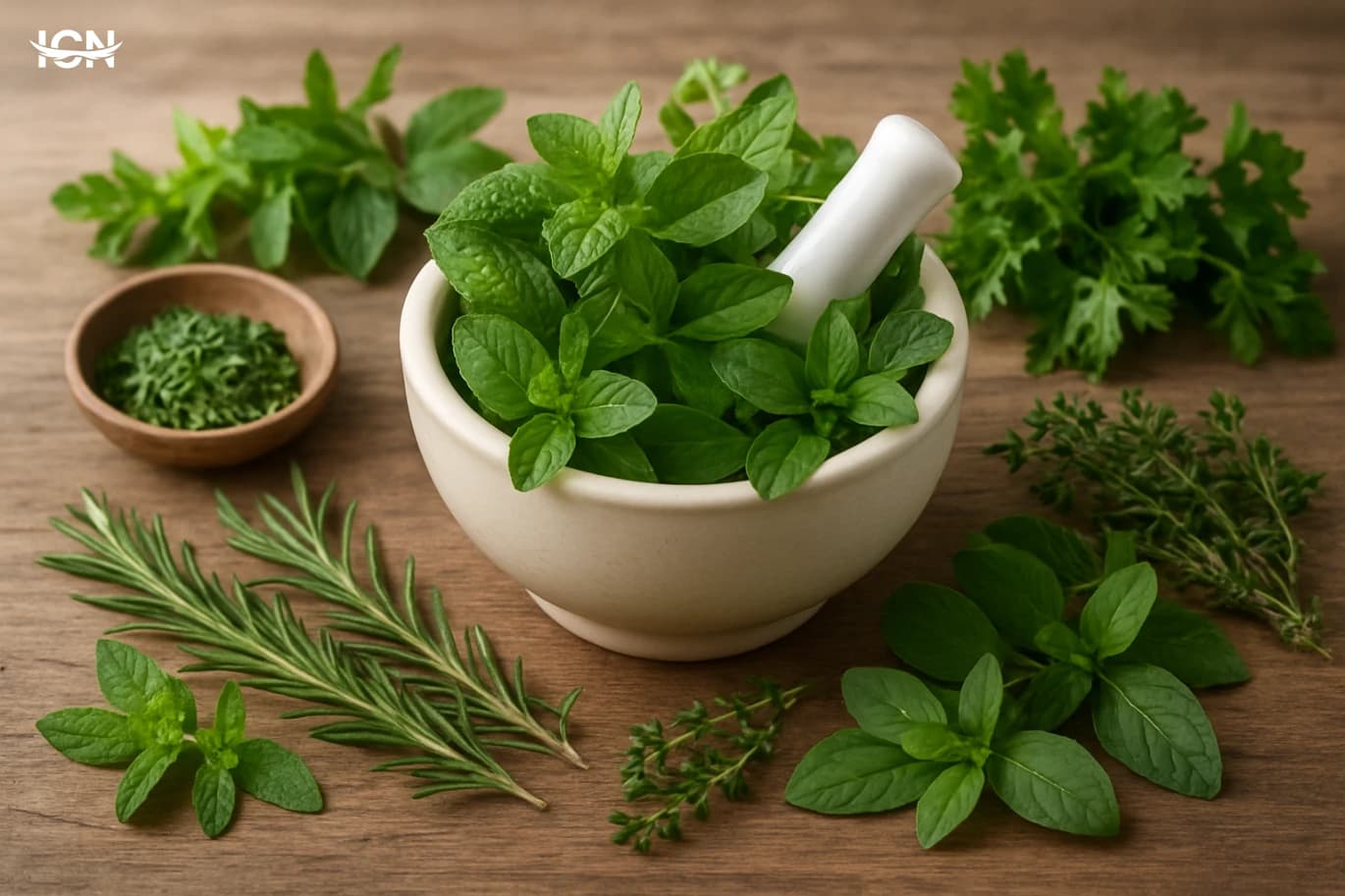
Sage Definition Sage is a type of aromatic herb known for its health and culinary benefits. Sage is used in various cultures as a key ingredient in recipes and also in folk medicine. Its bold flavor and strong aroma make it a popular choice in cuisine. Sage History Sage has roots dating back to ancient times. The Egyptians and Greeks used it in traditional medicine, believing it to have comprehensive health-promoting properties. Over time, sage has spread to different cultures around the world, where its use has continued to find its place in modern cuisine and alternative medicine.
The importance of sage in Arab culture
Sage in Literature and Poetry Sage is considered a cultural symbol in Arabic literature, as it is mentioned in many poems as a symbol of wisdom and healing. Poets have used sage to express feelings and emotions, reflecting its deep connection to Arab heritage. The influence of sage on the visual arts Sage is embodied in the visual arts as a natural element that adds an aesthetic touch to artworks. Artists have used its shape and color in their paintings to convey a message about nature and healing. Therefore, sage reflects part of the cultural and aesthetic identity in Arab societies.
Sage manufacturing techniques
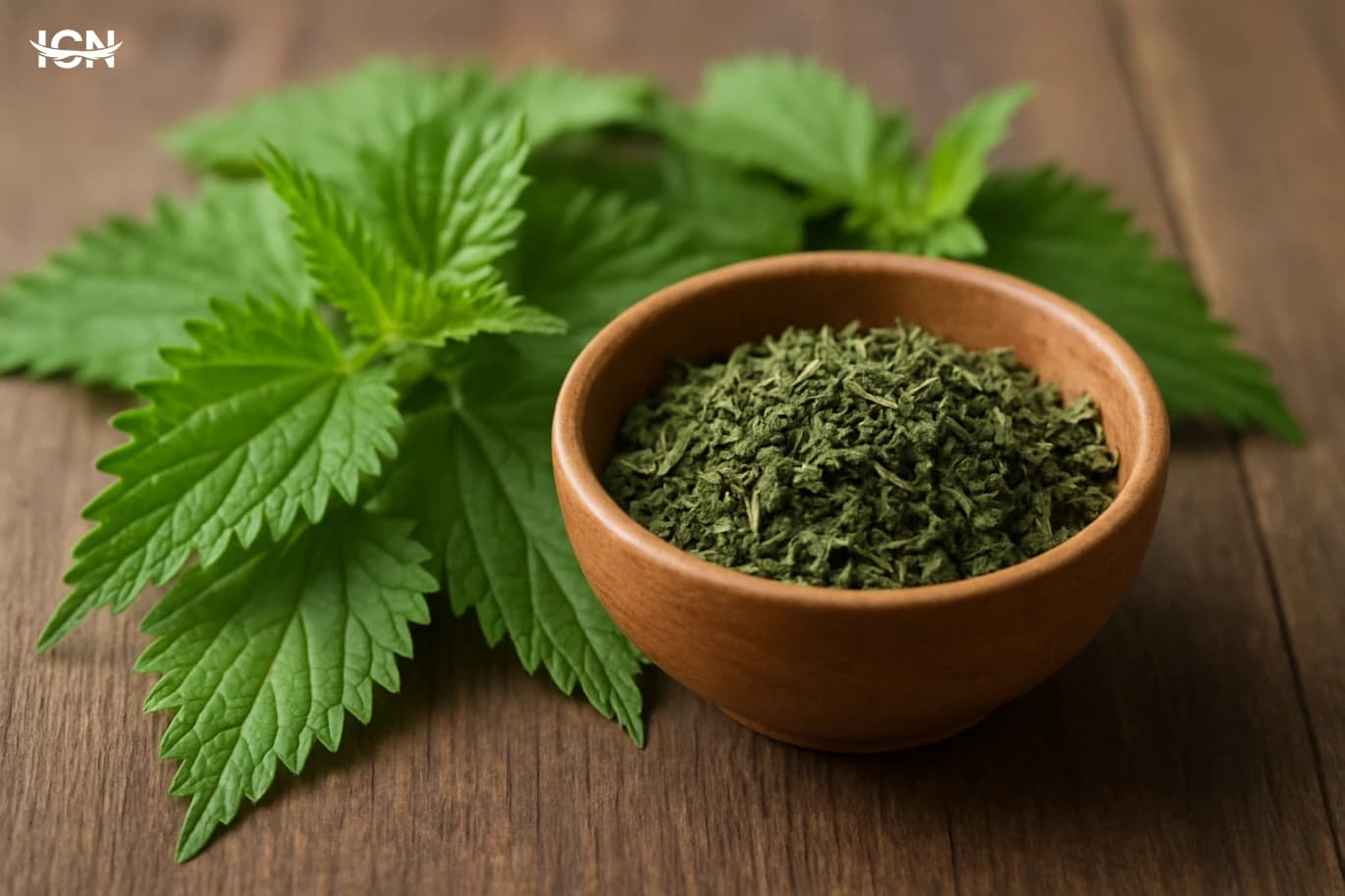
Using special materials Special materials are used in the manufacture of sage, such as dried leaves and flowers, which have medicinal properties and health benefits. These materials are the basis for the preparation of this natural product, which is distinguished by its aromatic scent and many properties. Traditional tools used Sage manufacturing techniques rely on traditional tools, such as mills and clay pots, which help in preparing the ingredients accurately. Artisans apply their processing skills to produce sage in a way that highlights its purity and quality. These tools contribute to preserving the cultural heritage and allow new generations to learn from it.
Types of sage
Glass Sage Glass sage is one of the most popular types, known for its high quality and fragrant aroma. It is carefully manufactured using modern techniques that help maintain the purity of the materials used. This sage provides an aesthetic touch to any environment, making it a favorite choice for many. Ceramic sage Ceramic sage is another type that reflects traditional handicrafts. It is shaped from clay and turned into a final product with distinctive characteristics. These types of sage attract consumers’ attention due to their high quality and unique design, making them a must-have in many cultures.
Sage and Cultural Heritage
Preserving Traditional Techniques Sage is an integral part of the cultural heritage of many communities. Artisans strive to preserve traditional techniques that have been used throughout the ages, thus contributing to the protection of cultural identity. New generations learn these crafts, ensuring the continuity of traditional arts and their connection to heritage. Modern Developments in the Sage Industry As time has progressed, the sage industry has undergone significant changes. New techniques and innovative materials have been introduced that enhance its quality and efficiency. However, many still maintain traditional practices, creating a balance between authenticity and modernity, which helps to market products more widely in global markets.