Moringa Leaves for Daily Wellness
- Why Moringa Is Back on the Radar
- What Research Suggests and What It Doesn’t
- Choosing Quality Moringa Products
- Practical Ways to Use Moringa at Home
- Safety, Interactions, and Who Should Be Cautious
- Building a Simple Weekly Routine
Why Moringa Is Back on the Radar
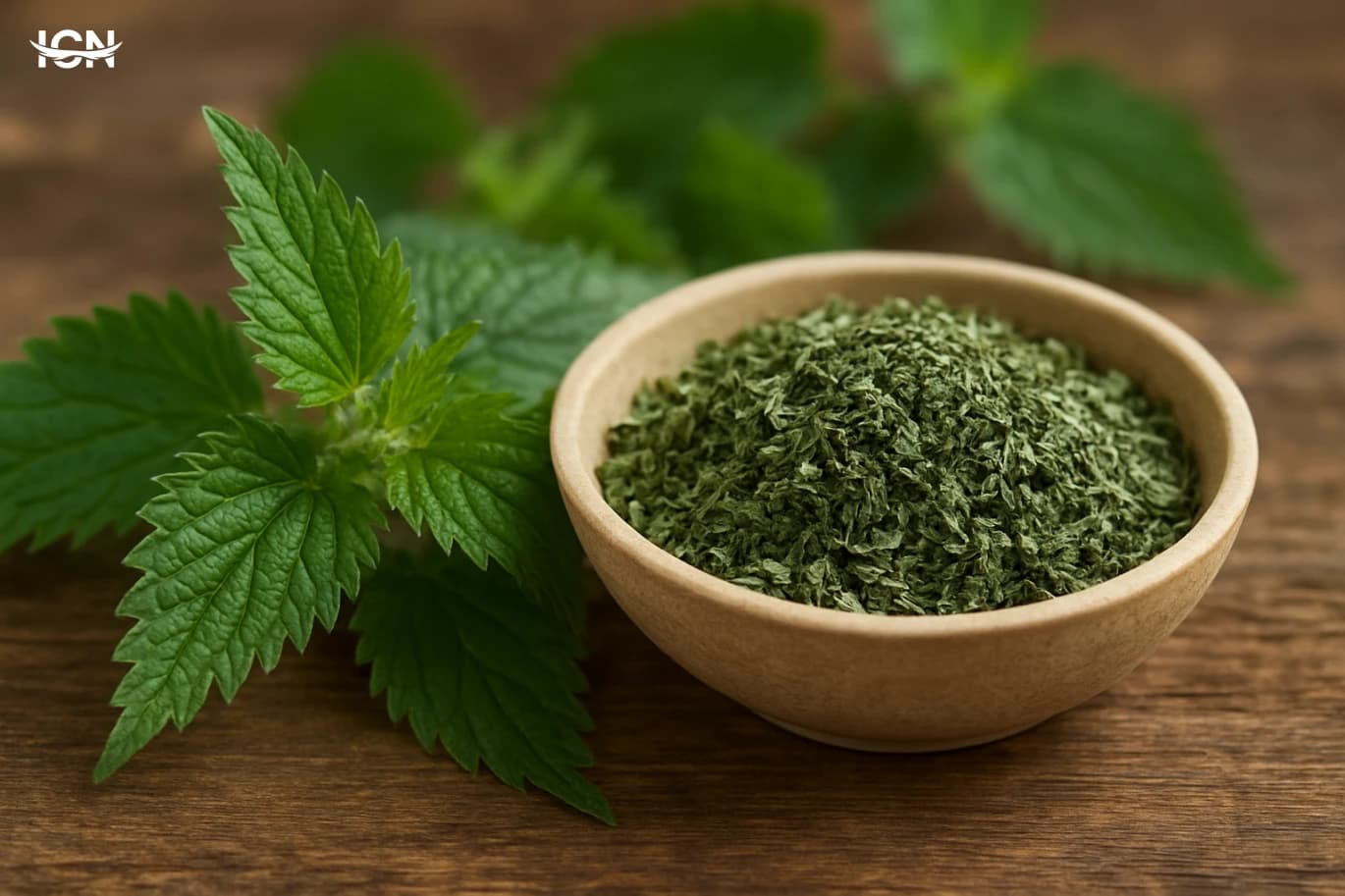
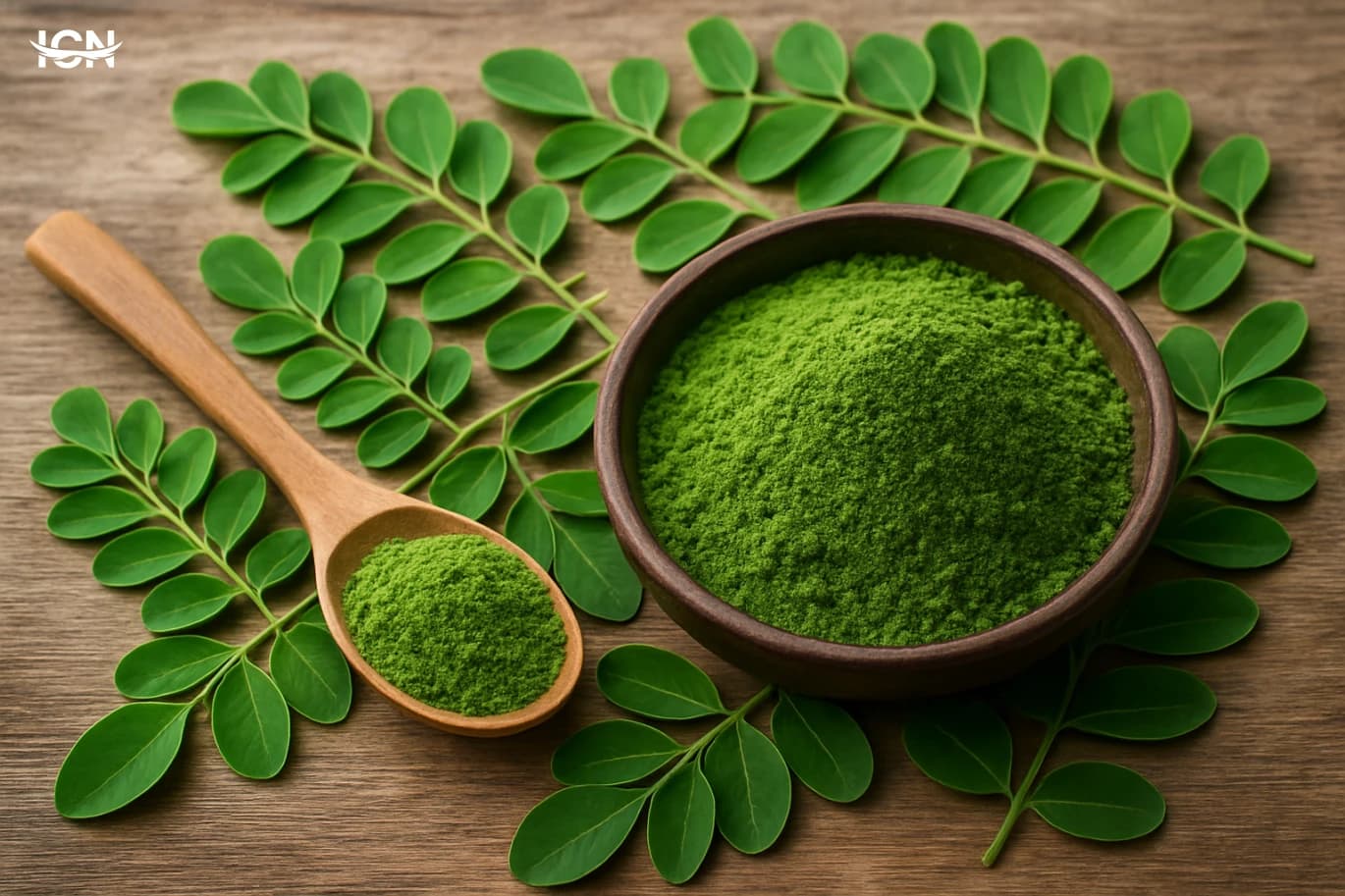
Moringa oleifera, often called the drumstick tree, has moved from niche health stores into mainstream grocery aisles because it fits several modern needs at once: it is plant-based, shelf-stable in powder form, and easy to add to everyday foods. Interest is also driven by its long history of use in parts of South Asia and Africa, where the leaves have been cooked like spinach or dried for later use. Today, most consumers encounter moringa as a green powder, capsules, or tea blends, which makes it important to separate traditional culinary use from concentrated supplement habits. From a nutrition standpoint, moringa leaves are known for their density of micronutrients and plant compounds. They naturally contain vitamins and minerals such as vitamin A precursors, vitamin C, calcium, potassium, and iron, along with fiber and protein relative to many leafy plants. They also contain polyphenols and other antioxidants that are widely studied in plant foods. That said, the exact nutrient profile varies by growing conditions, harvest timing, and processing, so labels and third-party testing matter when you buy packaged products.
What Research Suggests and What It Doesn’t
Most of the public conversation around moringa focuses on broad claims such as “supports immunity” or “boosts energy.” A more careful look shows that the strongest evidence is often indirect: moringa leaves provide nutrients and antioxidants that contribute to normal body functions when consumed as part of a balanced diet. Laboratory and animal studies have explored moringa’s bioactive compounds and their potential roles in oxidative stress and inflammation pathways, but these findings do not automatically translate into proven outcomes for people. Human studies exist, yet they are often small, short-term, or focused on specific markers rather than clear clinical endpoints. Some trials have examined blood sugar or lipid markers, but results vary depending on dose, product form, and participant health status. This is why it is more accurate to treat moringa as a nutrient-dense food ingredient rather than a stand-alone remedy. If you are managing a medical condition or taking prescription medication, it is especially important to discuss concentrated moringa supplements with a qualified clinician, because “natural” does not guarantee “risk-free.”
Choosing Quality Moringa Products
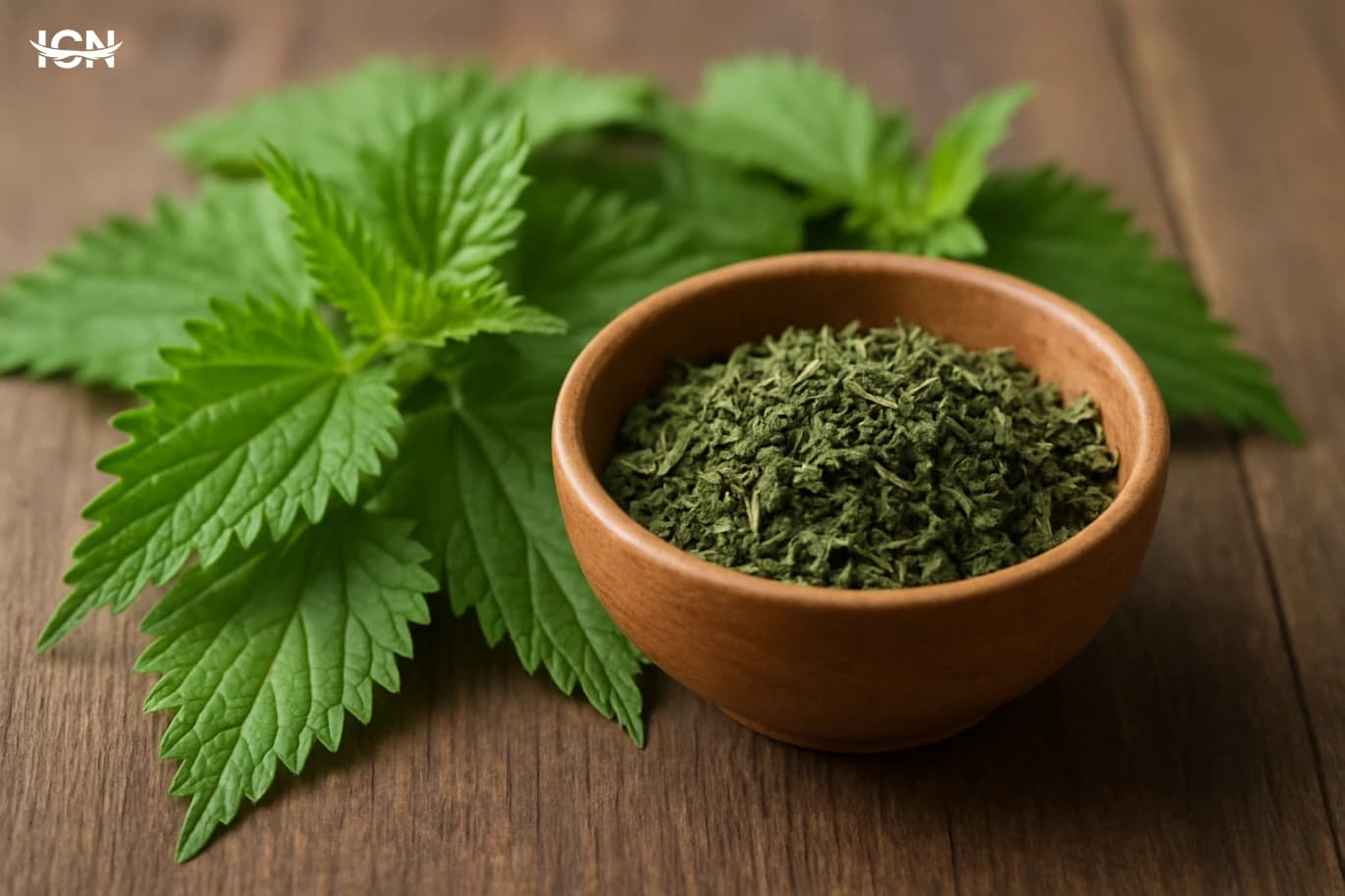
Quality differences in moringa products are significant because leaves can lose nutrients during drying, and powders can vary in purity. Start with the basics: look for a clear ingredient list that states “moringa leaf” rather than vague “moringa blend,” and check whether the product specifies the plant part used. Leaf powders are the most common for everyday use; seed extracts and multi-ingredient formulas may have different safety and dosing considerations. Next, evaluate processing and testing. A reputable brand should provide information about where the moringa was grown and how it was dried, ideally using low-heat methods that help preserve color and aroma. Third-party testing for heavy metals and microbial contamination is a practical indicator of quality, especially for powders sourced from multiple farms. Packaging also matters: opaque, well-sealed containers reduce exposure to light and humidity, which can degrade flavor and some sensitive compounds over time. Finally, use your senses: a fresh moringa powder typically looks green and smells mildly grassy; a dull brown color or stale odor can signal age or poor storage.
Practical Ways to Use Moringa at Home
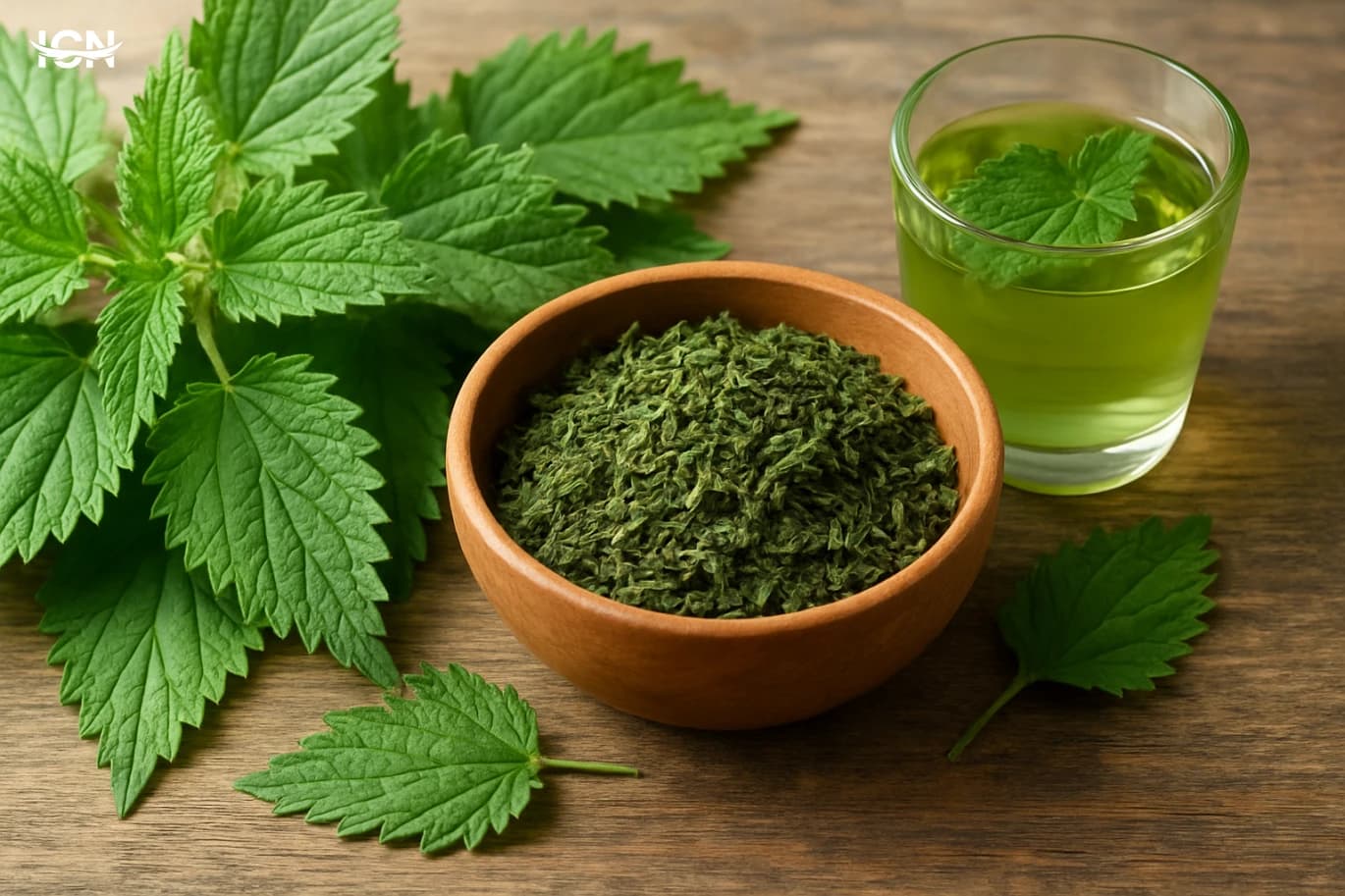
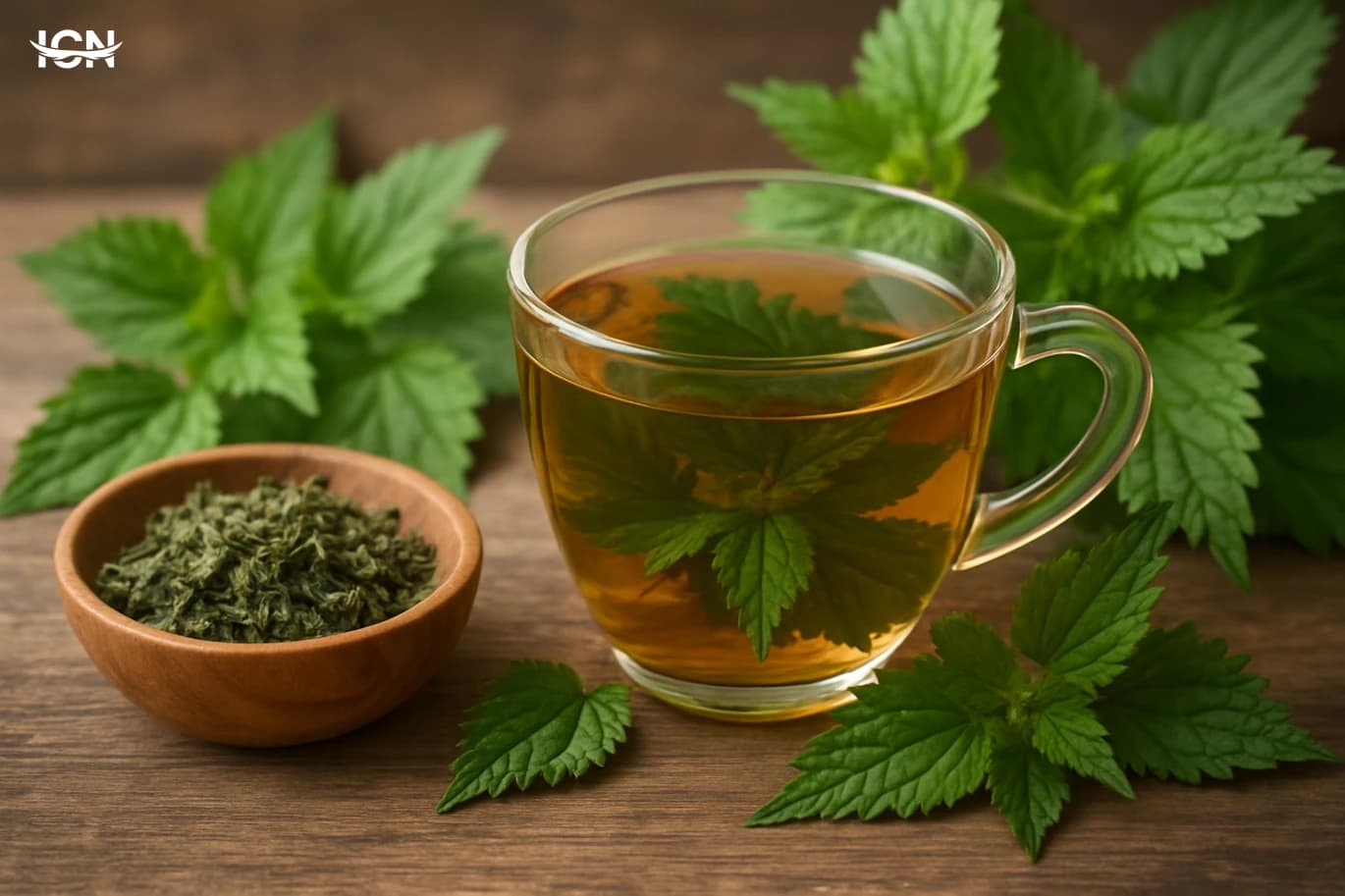
For most people, the easiest entry point is culinary use in small amounts. Moringa powder has a distinct green, slightly earthy taste, so it works best when paired with flavors that can balance it. A common approach is to add half a teaspoon to a smoothie with banana, yogurt, and citrus, or to stir it into oatmeal with honey and cinnamon. It can also be mixed into soups near the end of cooking, when heat is lower, to preserve aroma and reduce bitterness. If you prefer savory options, moringa can be blended into salad dressings with lemon and olive oil, or mixed into hummus and spread on whole-grain toast. In many kitchens, it is used like a finishing herb: a light sprinkle over eggs, roasted vegetables, or lentil dishes. Tea blends are another option, but the flavor can be strong; combining moringa with mint or ginger often improves drinkability. The key is consistency rather than high doses. Treat it as a regular ingredient you can tolerate and enjoy, not as a challenge to consume as much as possible.
Safety, Interactions, and Who Should Be Cautious
Moringa leaf used as a food ingredient is generally considered well tolerated for many adults, but concentrated supplements deserve more caution. Because moringa products can vary widely in strength, it is wise to start with a small amount and observe how your body responds, particularly if you have a sensitive digestive system. Mild stomach upset can occur in some people, especially when introducing high-fiber powders quickly. Potential interactions are a practical concern. If you take medications for blood sugar, blood pressure, or blood thinning, consult a clinician before using moringa supplements regularly, as changes in diet and supplement intake can affect monitoring and dosing. People with chronic kidney disease should also be cautious with any high-mineral supplement approach. Another safety point is product contamination: powders can carry heavy metals or microbes if sourcing and processing are poor, which is why testing and reputable supply chains matter. As a general rule, prioritize food-based use, keep doses modest, and treat any strong health claims as marketing until supported by high-quality human evidence.
Building a Simple Weekly Routine
A realistic routine helps you benefit from moringa without turning it into a complicated project. Pick two or three “anchor” uses you already do each week. For example, add a small amount to a smoothie on two mornings, mix it into a soup once, and use it in a salad dressing on the weekend. This approach keeps intake steady while minimizing taste fatigue. Track a few practical outcomes rather than vague expectations. Notice whether it affects your appetite, digestion, or how well you stick to your overall nutrition plan. If you are using moringa for its nutrient density, it should complement, not replace, vegetables, legumes, and protein sources. Store the powder in a cool, dry place, close the lid tightly, and consider buying smaller containers more often to keep it fresh. Over time, the best indicator of success is not a dramatic short-term change, but whether moringa fits into your meals in a way that is sustainable, affordable, and consistent with your health goals.